Image source: Pexels / cottonbro studio (Pexels License)
Is It Dangerous if My Baby Hits Their Head? A Parent's Guide
As a parent, the question "Is it dangerous if my baby hits their head?" is a source of immediate worry. You’re likely wondering if it's a minor incident or something that requires a trip to the doctor. Understanding the potential risks and what to watch for is essential for your child's safety and your peace of mind.
This guide will walk you through the important factors to consider, covering everything from initial assessment to when it's time to seek medical help. In the United States, around 477,000 children are treated in emergency departments for head injuries each year, which shows how common these situations actually are, as of 2026.
Quick Answer: What to Do If Your Baby Bumps Their Head
If your baby bumps their head, your immediate response should be calm, but attentive. First, assess the situation: What happened? How hard was the bump? Is your baby crying?
Are they acting normally?
If your baby cries immediately, then calms down, and seems fine, it’s probably a minor incident. Observe them closely for any changes in behavior or symptoms. Give them comfort, and keep a watchful eye. The most important thing is to stay calm and closely monitor your baby for any concerning signs.
Understanding the Risks: Why Baby Head Injuries Matter
Head injuries in babies are a serious concern because their brains are still developing. Their skulls are thinner and more fragile than those of adults, making them more vulnerable to injury. A seemingly minor bump can sometimes cause internal damage because a baby’s brain has more space to move within the skull compared to an adult's.
Serious head injuries can lead to long-term issues such as developmental delays, learning disabilities, and behavioral problems. Therefore, the way a baby's head bump is assessed is vital, not only in the immediate aftermath, but also in the hours and days to come.

Image source: Pexels / Andrea Piacquadio (Pexels License)
Babies also have fontanelles, which are soft spots on their heads that allow for brain growth. The fontanelles, though flexible, don't fully protect against injury, and can be used as a clue in their health condition. Being aware of the risks allows you to take necessary protective measures and know how to react in case of an accident.
Recognizing the Signs: What to Look For After a Head Bump
After a baby bumps their head, observing any changes in their behavior or physical state is crucial. Immediately after the injury, comforting your baby is key. Check for any obvious signs of injury, like bleeding or a visible bump.
Immediate Actions: What to Do Immediately After the Bump
- Assess the situation: Determine how the injury happened and how hard the impact was.
- Check for responsiveness: Is your baby alert and responding to you?
- Look for bleeding: Apply gentle pressure if there's any bleeding.
- Comfort your baby: Hold and soothe them to provide comfort.
When to Seek Immediate Medical Attention
There are certain red flags that require immediate medical attention. These symptoms may suggest a more serious injury or concern. They can include a loss of consciousness, even for a brief period, or changes in how the baby is acting.
Things to Observe at Home After a Bump
Keep a close eye on your baby, and look for these warning signs for at least 24 hours after the bump:
- Vomiting: Repeated vomiting can be a sign of a head injury.
- Changes in alertness: Are they more sleepy than usual or difficult to wake?
- Irritability: Are they unusually fussy or hard to console?
- Feeding difficulties: Are they refusing to eat or drink?
- Seizures: Any episodes of jerking or twitching.
- Balance problems: Difficulty walking or maintaining balance.
- Changes in vision: Do their eyes appear to be moving abnormally?

Image source: Pexels / William Fortunato (Pexels License)
If you see any of these signs, seek medical attention right away.
Potential Severity: Assessing the Injury
The severity of a head injury can vary greatly, and the appropriate response depends on how serious the injury seems to be. Not all head injuries require medical intervention, but it’s always better to be cautious when it comes to your baby’s health.
Minor Bump: What to Expect
A minor bump might cause a bit of crying and perhaps a small bump or bruise. Your baby might seem a little off-balance or cranky for a short time. In these cases, you can usually monitor your baby at home, following the guidelines discussed above.
More Serious Injuries: When It's Not a Simple Bump
More serious injuries can involve symptoms such as a loss of consciousness, vomiting, or seizures. Also, a baby is more vulnerable because their developing brains have a higher water content, and their thinner skulls offer less protection. If you notice any serious symptoms, like repeated vomiting or a change in alertness, seek medical help immediately.
Understanding Fontanelles
As mentioned earlier, babies have soft spots, or fontanelles, on their heads. These soft spots allow the brain to grow, and they typically close over time, with the posterior fontanelle closing around 6-8 weeks of age and the anterior fontanelle closing between 9-18 months.
The fontanelles can offer clues about the baby's condition after a head injury. For example, a bulging fontanelle could be a sign of increased pressure in the brain, while a sunken fontanelle would indicate dehydration. Any changes in the fontanelles after a head injury should be reported to your doctor.
Where to Get Help: Doctors, ERs, and Pediatricians
When your baby has a head injury, knowing where to turn for help is crucial. Your pediatrician is a key partner in your baby's care, and can often provide initial guidance and assessment. However, depending on the severity of the injury, an immediate visit to the emergency room (ER) may be necessary.
If you observe any warning signs (mentioned in the previous section) or are unsure about the severity of your child’s condition, taking them to the ER is always the safest option. Emergency rooms are equipped to handle trauma, and can provide the rapid assessments required by potential head injuries. The doctor might tell you to call an ambulance depending on the baby's condition.
Diagnostic Procedures: What to Expect at the Hospital
If you take your baby to the hospital with a suspected head injury, various diagnostic procedures can be used. These procedures help medical professionals accurately assess the injury and determine the best course of treatment. The specific tests will vary based on the baby's symptoms and the doctor's assessment, but here are some common ones.
- Physical examination: The doctor will perform a thorough physical assessment, checking for any visible injuries, assessing the baby’s level of alertness, and taking your baby through some standard tests.
- Neurological examination: This will involve checking for any signs of neurological damage, such as weakness, abnormal reflexes, or changes in vision.
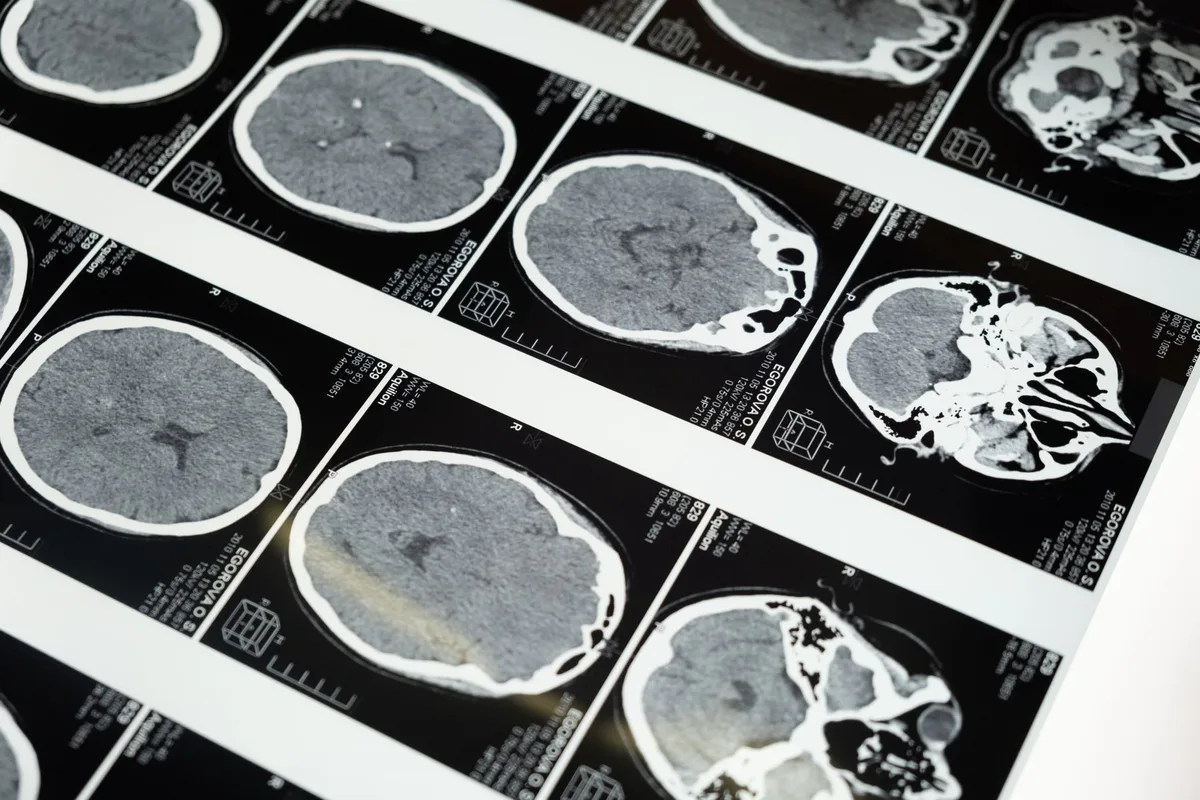
- Imaging tests: Depending on the severity of the injury and the baby’s symptoms, imaging tests might be used. A CT scan of the head is a quick way to look for any bleeding, skull fractures, or other injuries. In some cases, an MRI might also be used, which offers a more detailed view of the brain.
- Observation: After the assessment, the baby might be kept under observation, especially if the injury appears minor. During this period, medical staff will continuously monitor the baby for signs of any worsening symptoms.
Preventing Head Injuries: Babyproofing Your Home
Babyproofing your home is a key step in reducing the risk of your baby hitting their head. As you see the diagram, there are a number of areas inside and outside the house that must be kept safe. By taking some basic measures, you can create a safer environment for your infant.

Image source: Pexels / SHVETS production (Pexels License)
- Cushion hard surfaces: Pad sharp corners of furniture, tables, and countertops. Also, use soft flooring, and consider area rugs with padding, particularly in areas where your baby plays or crawls.
- Secure furniture: Anchor all top-heavy furniture like bookshelves, dressers, and televisions, to the walls. Make sure they cannot tip over if a baby pulls on them or tries to climb them.
- Install safety gates: Install safety gates at the top and bottom of stairs to prevent falls.
- Use window guards: Install window guards on all windows that are accessible to your baby.
- Keep floors clear: Remove any tripping hazards, such as electrical cords, toys, or other items that could cause your baby to fall.
- Supervision: Always supervise your baby, especially when they are exploring new areas or learning to move around.
Common Mistakes to Avoid After a Baby's Head Injury
After your baby bumps their head, some common mistakes can either exacerbate the situation or lead to delays in proper care. It's important to be aware of these pitfalls so you can respond in the best way possible.
- Not seeking medical attention when necessary: As we've seen, it’s critical to seek medical help if your baby shows any signs of a serious injury. Don’t delay if you are in doubt, as early intervention can significantly improve outcomes.
- Leaving a baby unattended: Never leave an infant unattended after a head injury. Even if they seem fine, they need constant supervision to look for any changes in their condition.
- Misinterpreting symptoms: Be vigilant about monitoring for any changes in behavior or physical condition. Don’t dismiss vomiting, sleepiness, or other symptoms as minor.
- Not following medical advice: Always follow the doctor’s instructions, including any post-injury care, medication, and follow-up appointments.
Expert Tips: What Every Parent Should Know
As a parent, you want to do everything you can to protect your baby. There's a lot to wrap your head around as a parent, so here are some expert tips to keep in mind.
- Prioritize prevention: Babyproof your home, teach older children about safety, and always supervise your baby.
- Educate yourself: Learn about the signs and symptoms of head injuries, and know when to seek medical help.
- Stay informed: Don't hesitate to contact your pediatrician if you have questions or concerns.
- Keep calm: When your baby is injured, it’s natural to feel scared. Try to stay calm, as you will be better able to assess the situation and provide the care your baby needs.
FAQs About Baby Head Injuries
Having a baby with a head injury can lead to a lot of questions. Here are a few frequently asked questions, which you might find useful.
What are the symptoms of a concussion in a baby?
Symptoms of a concussion in a baby can include: vomiting, persistent crying, irritability, changes in eating or sleeping patterns, and changes in alertness. You might also notice a loss of balance or coordination, or changes in vision, where their eyes appear to be moving abnormally.
How long should I observe my baby after a head bump?
You should observe the baby for at least 24 hours after a head bump, especially if they show no initial signs of injury. However, if any concerning symptoms develop, seek medical help immediately.
When should I take my baby to the ER after a head injury?
If your baby experiences any loss of consciousness, even for a brief moment, seek immediate medical attention. Other warning signs include seizures, repeated vomiting, severe headache, or significant changes in behavior or alertness.
Can a baby's head injury cause long-term problems?
Yes, a head injury can potentially cause long-term complications. These can include developmental delays, learning disabilities, behavioral issues, and other neurological problems. The seriousness of these side-effects depends on the severity of the injury and the treatment received.
What if my baby has a skull fracture?
A skull fracture will usually require medical intervention. The extent of treatment varies. Some fractures might heal on their own, while others might need further care, like surgery. Follow the doctor's instructions, and seek immediate medical attention if you think your child has any of these problems.
Final Recommendation: Decision Guide for Parents
When dealing with a baby head injury, it can be confusing as a parent. The most important thing is to take action. This decision guide can help you.
- Minor Bump: If your baby cries immediately, then calms down and appears normal, monitor them closely at home for 24 hours. Look for the signs we talked about, like vomiting, and unusual sleepiness.
- Concerning Symptoms: If your baby shows any signs of a concussion, skull fracture, or more severe head injury, seek immediate medical attention. This includes a loss of consciousness, repeated vomiting, seizures, or changes in alertness or behavior.
- When in Doubt: If you are unsure about the severity of the injury or if you have any concerns, err on the side of caution. Contact your pediatrician or go to the ER.
- Follow-Up: Always follow up with your pediatrician as recommended, even if the bump seems minor.
It's natural to feel worried if your baby suffers from a head injury. Early and appropriate action can protect your baby from serious harm and help ensure their healthy development. Always remember, you are doing your best, and seeking medical guidance is the best option for your child. Make sure you babyproof the house.
Zahir A. is the Co-Founder and a father of 3 Son’s of BestBabyCart, where he shares practical insights and research-backed guidance on baby products, parenting essentials, and family-focused lifestyle solutions. With a strong focus on product quality, safety, and real-world usability, Zahir helps parents make informed buying decisions through clear, trustworthy, and experience-driven content. His work emphasizes honest reviews, expert research, and user-first recommendations aligned with modern parenting needs.