Image source: Wikimedia Commons / Scriptir, based on User:Rama's work (CC BY-SA)
Yes, a baby can absolutely get a concussion. As parents, caregivers, and medical professionals, it's vital we understand the potential for head injuries in infants and know how to respond effectively. A concussion is a form of traumatic brain injury (TBI), and babies, with their developing brains and vulnerability to falls and other accidents, are at risk.
Children under the age of one account for roughly 1.34 million emergency room visits each year in the US due to injuries. Knowing what to look for, what to do, and when to get help can significantly improve outcomes. We’ll delve into the specifics, helping you understand the nuances of concussions in babies.
Quick Answer: Can a Baby Get a Concussion?
The short answer is a resounding yes: babies can and do get concussions. A concussion in a baby is a mild form of TBI caused by a bump, blow, or jolt to the head that disrupts normal brain function. The brain is still growing and developing in infancy, which makes it particularly susceptible to damage. While the impact might seem minor, the effects of a concussion can be significant.
Concussions in infants can be difficult to recognize because, unlike older children and adults, babies can't tell us how they feel or describe their symptoms. This necessitates close observation and vigilance from parents or caregivers. The goal is to identify a head injury as soon as possible and obtain prompt medical attention.
Understanding the Risks: Factors That Raise the Risk of Concussion in Infants
Several factors heighten the risk of concussion in infants. These small individuals are top-heavy, and their heads are proportionately larger than their bodies. That structural anatomy, paired with the fact that they're learning to sit, crawl, and walk, makes falls a common occurrence.
Falls are one of the most frequent causes of head injuries in babies. Research indicates that more than 50% of infant head injuries are the result of falls. Other key risk factors include vehicle accidents and, tragically, instances of physical abuse, such as shaking.
Here's a breakdown of the leading causes:
- Falls: Babies are prone to falls as they learn to sit, crawl, and walk. Even a fall from a relatively low height can cause a concussion.
- Vehicle Accidents: Car crashes, even at low speeds, can inflict high impact forces on a baby's head.
- Shaken Baby Syndrome: This is a severe form of abuse where a baby is shaken violently, leading to brain injury.
- Playground Incidents: A fall from playground equipment can cause a head injury.
In addition, babies have thinner skulls and less developed neck muscles than older children and adults. That means they have less natural protection against impact forces. When a baby experiences a head trauma, his or her brain is more vulnerable to injury. Understanding these risks empowers us to take the necessary precautions.

Image source: Pexels / MART PRODUCTION (Pexels License)
A helpful visual would be a labeled diagram of an infant's head, highlighting the relatively large head size, thinner skull bones, and the brain's delicate structure, showing how these features contribute to the risk.
Recognizing the Signs: Symptoms of a Concussion in Babies
Recognizing a concussion in a baby can be tricky because infants can't articulate their symptoms like older children or adults do. Caregivers must be vigilant and look for changes in behavior, physical signs, and other indicators. We need to be like detectives, piecing together clues to understand what’s happening with the baby.
Here are important signs to watch for:
Behavioral Changes
- Increased Irritability: The baby may cry more than usual, be harder to soothe, and become easily frustrated.
- Changes in Sleep Patterns: The baby may sleep more than usual, have difficulty waking up, or experience disrupted sleep.
- Changes in Feeding: The baby may eat less than usual, refuse feedings, or vomit.
- Lethargy: The baby may seem unusually tired.
- Loss of Interest: The baby may be less interested in usual activities, such as playing with toys.
Physical Symptoms
- Vomiting: If the baby vomits more than once after a head injury, it’s a red flag.
- Headache: While babies can't tell you they have a headache, they may show signs such as fussiness or pulling at their head.
- Dizziness: Symptoms of this could manifest as balance issues.
- Seizures: If a baby has a seizure after a head injury, seek immediate medical care.
- Bulging Fontanel: The soft spot on top of the baby's head (fontanel) might appear swollen.
When to Be Concerned
Be especially concerned if these symptoms are present:
- Loss of consciousness, even for a brief moment.
- Disorientation or confusion.
- Changes in eye movement (e.g., unequal pupils).
- Clear fluid draining from the nose or ears.
If you observe any of these symptoms or suspect a concussion, it requires immediate medical evaluation.
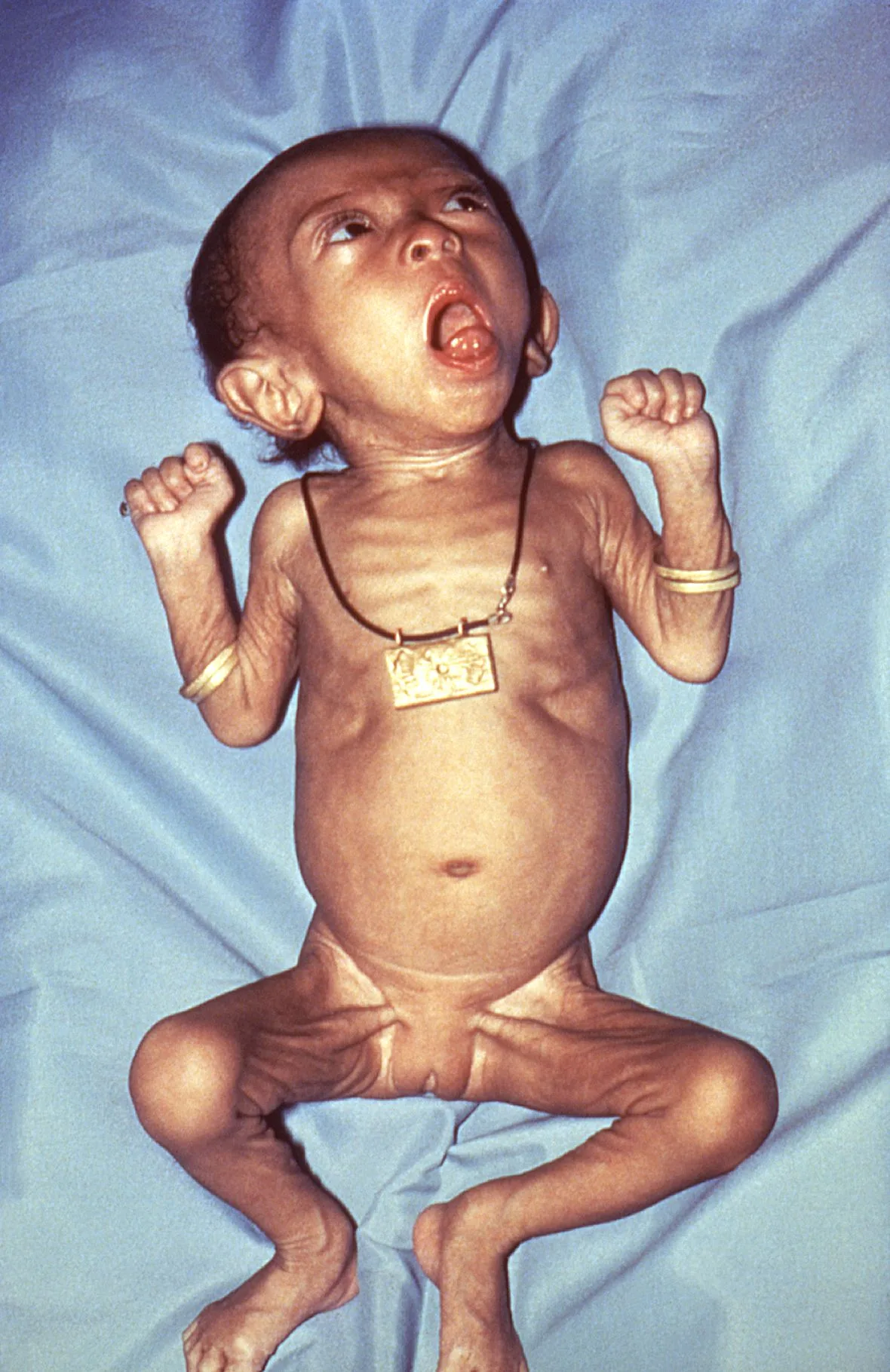
Image source: Wikimedia Commons / CDC
A photograph showing a baby in the act of vomiting could serve as a visual alert, emphasizing that vomiting after a head injury is a serious symptom.
Crucial First Steps: Immediate Action if You Suspect a Concussion
If you suspect your baby has suffered a concussion, quick action is vital. Your immediate response can greatly influence the baby's recovery and long-term health. The goal is to ensure prompt medical attention and provide the safest environment possible.
Here's a step-by-step guide:
- Assess the Situation: Check your baby's level of consciousness, breathing, and any visible injuries. If there is blood, apply gentle pressure while waiting for medical assistance.
- Call Emergency Services: If the baby appears unconscious, is having difficulty breathing, is vomiting repeatedly, or exhibits any other severe symptoms (seizures, loss of consciousness), call emergency services (911 or your local equivalent) immediately.
- Keep the Baby Calm: Keep your baby calm and still. If they are awake, speak softly to reassure them. Avoid unnecessary movement.
- Do Not Give Medication: Do not administer any medication (like pain relievers) without consulting a medical professional.
- Monitor the Baby Closely: Watch for any changes in behavior or symptoms. Even if the initial assessment seems mild, symptoms can worsen.
- Seek Medical Evaluation: Even if the baby appears okay, it’s best to take them to a doctor or Emergency Room for evaluation. A medical professional can assess the situation accurately.
These steps constitute the essential immediate response. In the event of a suspected concussion, caution and a proactive approach are critically important.
The Diagnostic Process: How Doctors Identify Infant Concussions
Diagnosing a concussion in a baby begins with a thorough medical evaluation. Since babies cannot describe their symptoms, doctors rely on a combination of physical exams, neurological assessments, and, often, medical imaging. The evaluation aims to determine the extent of the injury and rule out other potential causes.
Here’s an overview of the diagnostic process:
Neurological Exams
A healthcare provider typically begins with a comprehensive neurological examination. The examination includes:
- Observation: The doctor observes the baby's alertness, activity level, and responsiveness.
- Vital Signs: The doctor checks the baby's heart rate, blood pressure, and breathing.
- Reflexes: The doctor tests the baby's reflexes.
- Motor Skills: The doctor assesses the baby’s movement and coordination.
- Cognitive Function: Since babies cannot complete tests, the doctor will look for changes in behavior and interactions as a clue to cognitive function.
Medical Imaging (CT Scans and MRIs)
Medical imaging can help confirm a concussion diagnosis and rule out more serious injuries, like skull fractures or bleeding in the brain.
- CT Scan: A computed tomography (CT) scan uses X-rays to create detailed images of the brain. CT scans are often used because they're quick and can reveal skull fractures, hemorrhages, and significant brain swelling. However, CT scans expose the baby to radiation, so doctors will weigh the benefits with the risks before use.
- MRI: Magnetic resonance imaging (MRI) uses powerful magnets and radio waves to create detailed images of the brain. MRIs can provide more detailed information about soft tissue injuries than CT scans, but they take more time to perform. The baby also needs to remain still during the scan, which can be challenging.
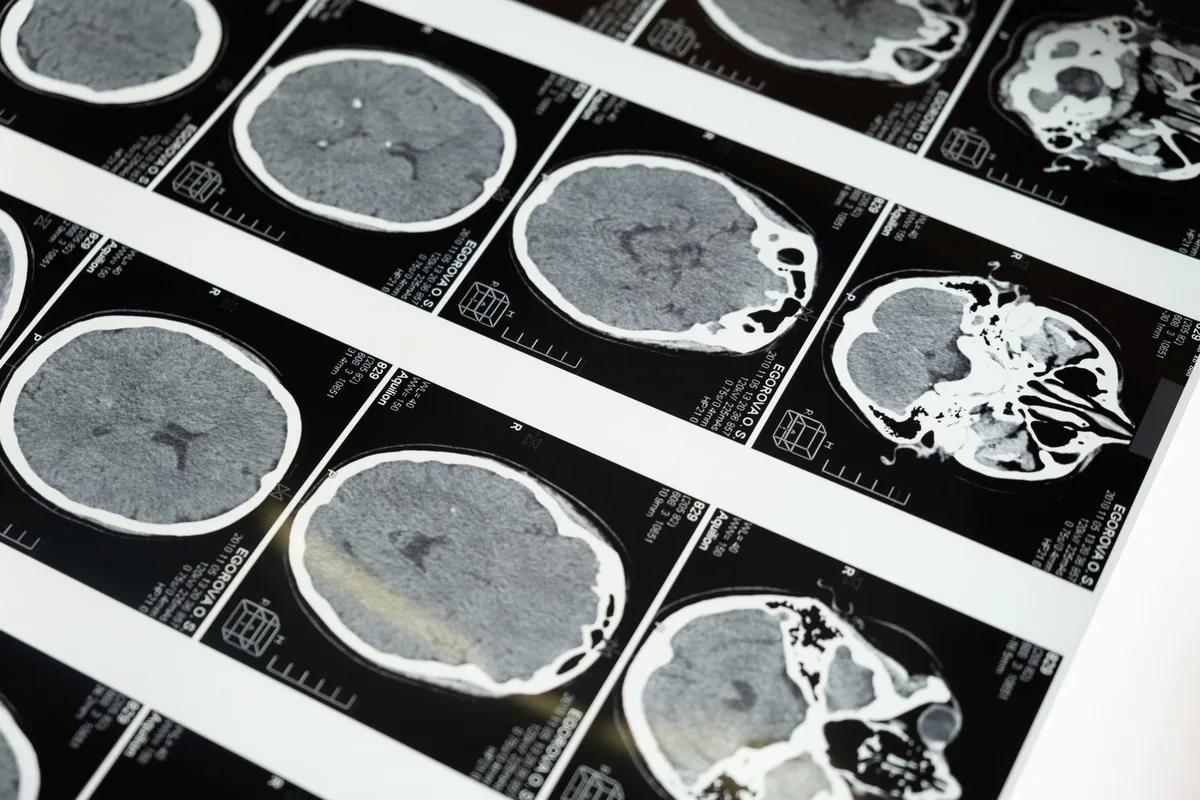
Image source: Pexels / cottonbro studio (Pexels License)
A labeled CT scan image depicting signs of a concussion (e.g., swelling, bleeding) could provide visual support to the discussion, demonstrating to the reader what the doctor might be looking for.
These diagnostic tools, combined with careful medical observation, allow qualified professionals to determine whether a concussion has occurred, its severity, and the next steps needed for treatment.
Treatment and Recovery: What to Expect After a Concussion Diagnosis
The treatment and recovery plan for a baby with a concussion prioritizes rest, observation, and symptom management. There's no quick fix, and the process requires patience from both parents or caregivers. The goal is to allow the brain to heal naturally.
The recovery process typically involves:
- Rest: Limiting physical activity and minimizing screen time, which can strain the brain. Quiet play and rest are essential.
- Observation: Close monitoring of the baby's symptoms, watching for any changes or worsening of existing symptoms.
- Symptom Management: Managing symptoms such as headaches or irritability.
- Medical Follow-up: Regular check-ups with the doctor to ensure progress.
The length of the recovery process varies depending on a number of factors, including the severity of the concussion, how old the baby is, and the presence of any other injuries. Most babies with mild concussions recover completely in a few weeks, but for some, symptoms may persist longer.
Here's how to manage specific symptoms:
- Headaches: Consult your doctor about pain relief medications that are safe for babies.
- Irritability: Creating a calm, quiet environment and sticking to a regular routine can help.
- Sleep Disturbances: Establishing a consistent sleep schedule can assist.
Remember, every baby's recovery is different. Working closely with the pediatrician to create a plan that fits your baby is an integral part of the process.
Preventing Head Injuries: Safety Measures for Babies
Preventing head injuries is a proactive approach every parent and caregiver should embrace. Implementing safety measures can reduce the risk of a concussion and other traumatic injuries. We know babies are in constant motion, so the environments where they spend time must be as safe as possible.
Here are a few strategies to employ:
Car Seat Safety
- Proper Installation: Always install and use car seats correctly. Follow manufacturer guidelines precisely. Numerous studies show that improper car seat use is directly linked to an increased risk of injury during a vehicle accident.
- Age and Weight: Ensure the car seat is appropriate for your baby's age and weight.
- Rear-Facing: Keep your baby in a rear-facing car seat for as long as possible, up to the seat's maximum height or weight limits. Rear-facing car seats offer better protection for the head, neck, and spine in a crash.
- Research indicates that rear-facing car seats reduce the likelihood of severe injury by 75% when compared to forward-facing seats for children under 2 years old.
- Check for Recalls: Ensure the car seat hasn't been recalled. You can check the car seat's serial and model number on the manufacturer's website or the National Highway Traffic Safety Administration (NHTSA) website.
Safe Sleep Practices
- Back to Sleep: Always place your baby on their back to sleep. This significantly reduces the risk of Sudden Infant Death Syndrome (SIDS) and related sleep deaths.
- Firm Surface: Use a firm, flat sleep surface, such as a crib mattress.
- Clear Crib: Ensure the crib is free of pillows, blankets, toys, and other potential hazards.
- Safe Crib Design: Use a crib that meets the current safety standards. Check the crib’s manufacture date, as older models might not conform to modern safety regulations.
Fall Prevention
- Supervision: Always supervise your baby, especially when they are on elevated surfaces, like changing tables or high chairs. Never, ever, leave your baby unattended on those surfaces.
- Safe Environment: Baby-proof your home to eliminate or reduce hazards. Secure furniture that can tip over, like bookshelves or dressers. Cover sharp edges on furniture.
- Use Barriers: Install safety gates at the top and bottom of stairs to prevent falls.
- Crawl Space: Ensure there are no hazards, such as sharp corners, in common crawling/play areas.
Child Abuse Prevention
- Never Shake: Never shake your baby. Shaking can cause severe brain injury, even death. If you are feeling frustrated or overwhelmed, place your baby safely in their crib and take a break.
- Education: Educate yourself, all caregivers, and anyone who comes into contact with your baby about the dangers of shaken baby syndrome and child abuse.
- Support: Reach out for help if you're struggling to cope with the stress of caring for a baby. Join a support group, talk to a healthcare professional, or seek professional counseling.
Long-Term Effects and Complications of Infant Concussions
While many babies recover fully from a concussion, there’s always the potential for long-term effects or complications. The impact of a head injury can vary depending on numerous factors, including the baby's age, the severity of the injury, and the presence of any other health concerns. That makes long-term vigilance crucial.
Some potential long-term issues include:
- Cognitive Difficulties: Some babies may experience challenges with learning, memory, or attention. These kinds of problems might not become apparent until the child reaches school age.
- Developmental Delays: A concussion could temporarily affect the baby's developmental milestones. Regular check-ups with the pediatrician help catch such concerns.
- Behavioral Changes: Behavioral and emotional problems, like increased irritability or anxiety, may persist.
- Seizure Disorders: In some instances, a concussion can lead to the development of seizure disorders.
- Post-Concussion Syndrome: Although less common in infants than in adults, some babies may experience a cluster of persistent symptoms, like headaches, dizziness, and fatigue, which are collectively known as post-concussion syndrome.
Regular follow-up appointments with your baby's pediatrician and neurologist, if applicable, are essential for monitoring your baby's recovery and identifying any long-term issues. Early intervention (such as speech therapy and/or physical therapy) can significantly improve outcomes and help babies reach their full potential.
When to Seek Expert Help: Knowing When to Call the Doctor
Knowing when to seek medical help is always a high priority, but it's especially critical if you suspect your baby has suffered a concussion. Prompt medical intervention can prevent more serious complications.
Here are the signs dictating when to call the doctor or go to the Emergency Room:
- Loss of Consciousness: Any period of unconsciousness, no matter how brief, after a head injury requires immediate medical attention.
- Seizures: If your baby experiences a seizure, summon medical help without delay.
- Repeated Vomiting: Multiple instances of vomiting after the injury indicate a need for urgent care.
- Worsening Symptoms: If any symptoms worsen or new ones appear (e.g., severe headache, persistent dizziness), seek prompt medical intervention.
- Changes in Behavior: Any unusual changes in behavior, like increased irritability, excessive sleepiness, or difficulty feeding, should be evaluated by a medical professional.
- Fluid Leakage: If clear fluid drains from the nose or ears, get the baby to a doctor right away.
- Unequal Pupils: If one pupil is larger than the other, see a doctor without delay.
- Skull Fracture: If there is a visible indentation in the skull, call 911 immediately.
- Suspected Child Abuse: If you suspect that your baby's injury may be the result of child abuse, you are legally obligated to report it to the authorities. Contact child protective services or the local police.
If you are unsure whether your baby needs medical attention, it is always best to err on the side of caution and consult with a doctor. Early diagnosis and intervention can improve outcomes and provide peace of mind.
Frequently Asked Questions (FAQs) About Baby Concussions
Here are some of the most common questions on the topic.
Can a baby sleep after a concussion?
Yes, a baby can sleep after a concussion, but their sleep patterns may be disrupted. Keep an active eye on your baby, and make certain his or her breathing is normal. It's important to monitor the baby closely for any changes in the level of consciousness or any other new symptoms. If your instinct is something is not right, call your doctor.
How serious is a concussion in a baby?
A concussion in a baby is a serious medical event. Because of a baby's rapid brain growth and ongoing development, a head injury has the potential to cause both immediate and long-term effects. It's paramount to seek medical intervention immediately.
What is the best treatment for a baby concussion?
The main approach is to allow the brain to heal through adequate sleep and rest. It is essential to ensure there is also a continuous observation period. Managing the symptoms (headaches, irritability) comes into play as well. Following the medical advice of your pediatrician is a must.
Can a baby have a concussion and not show symptoms?
While some babies may exhibit obvious concussion symptoms, others might show only subtle ones. The symptoms can be difficult to spot, especially in infants. That’s why paying close attention to any behavioral changes or subtle physical symptoms is essential.
How long does it take for a baby to recover from a concussion?
Recovery time can vary, but most babies with mild concussions recover in a couple of weeks. More serious cases may require a longer period of healing. It’s important to remember that every baby's recovery is different, therefore close monitoring and medical follow-up are critical.
Expert Advice: Key Takeaways for Parents and Caregivers
Navigating the possibility of a concussion in your baby demands both knowledge and a cautious attitude. The goal is to act quickly and wisely. By being well-informed and well-prepared, you'll be able to help your baby, no matter what challenges come your way.
Here are the key takeaways:
- Be Aware: Understand that babies are at risk for head injuries. Falls and accidents are common occurrences.
- Recognize Symptoms: Know the signs of a concussion and be vigilant in observing your baby. Early detection is key.
- Respond Urgently: If you suspect a concussion, take immediate action. Call for medical help, keep the baby calm, and monitor the baby closely.
- Follow Medical Advice: Adhere to the doctor’s treatment plan, which often includes rest and ongoing medical check-ups.
- Prioritize Prevention: Take steps to prevent head injuries by practicing car seat safety, safe sleep practices, and making your home baby-proof.
The peace of mind that comes from knowing the steps to take is invaluable.
The information here is meant to support and educate, but it is not intended to replace professional medical advice. Always consult with your baby's doctor for any health concerns or questions.

Zahir A. is the Co-Founder and a father of 3 Son’s of BestBabyCart, where he shares practical insights and research-backed guidance on baby products, parenting essentials, and family-focused lifestyle solutions. With a strong focus on product quality, safety, and real-world usability, Zahir helps parents make informed buying decisions through clear, trustworthy, and experience-driven content. His work emphasizes honest reviews, expert research, and user-first recommendations aligned with modern parenting needs.