Baby head injury symptoms can be frightening for parents and caregivers to recognize, but knowing what to look for is crucial. Early identification and prompt medical attention can dramatically improve outcomes for infants. This guide will walk you through the key signs of a head injury, what actions you can take, and when to seek immediate help.
Knowing the typical symptoms, plus the more subtle indicators, is essential. For instance, according to the American Academy of Pediatrics, a baby's brain can be more vulnerable to injury compared to an older child or adult because of the underdeveloped bone structure of their skull. That's why being vigilant about potential head trauma and knowing what to do in case of an accident is so critical.
Baby Head Injury: Recognizing the Signs and Knowing When to Act
Understanding the severity of a head injury requires careful assessment, as "Baby head injury symptoms" can vary widely. If you suspect your baby has sustained a head injury, acting quickly is paramount. Several obvious signs indicate an immediate need for medical evaluation, and knowing these allows you to respond effectively.
Here is an image to help you:
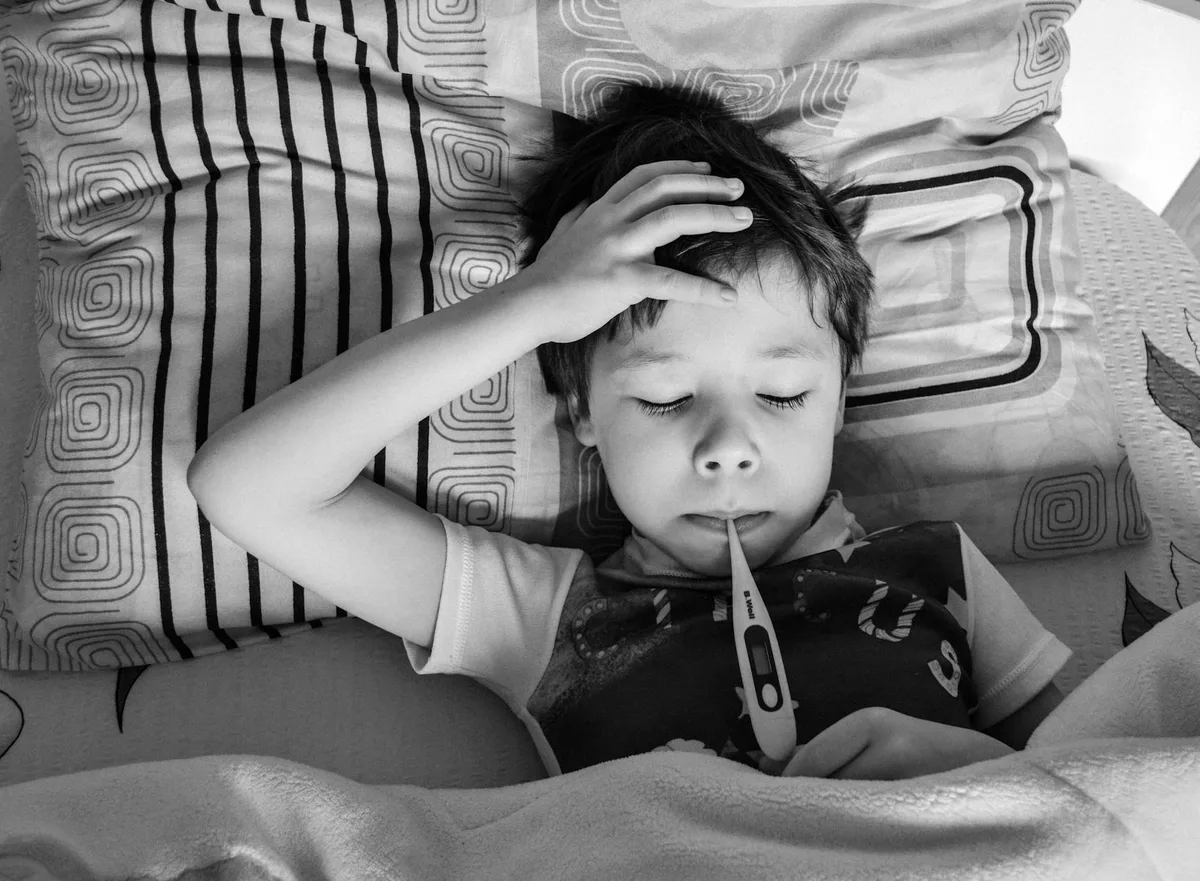
Image source: Pexels / Vika Glitter (Pexels License)
Keep in mind that even seemingly minor bumps can have serious consequences. A pediatrician or emergency room physician must assess any head injury to determine the extent of the damage.
Quick Answer: What Are the Key Symptoms of a Head Injury in a Baby?
The symptoms of a head injury in a baby can range from very obvious to quite subtle. As a caregiver, you need to understand the spectrum of potential signs, so you can respond appropriately.
Severe Symptoms Requiring Immediate Attention:
- Loss of consciousness: Even a brief period of unconsciousness requires emergency medical care.
- Seizures: Any seizure activity after a head injury is a major concern.
- Vomiting: Repeated or forceful vomiting.
- Bleeding: Blood or clear fluid coming from the ears or nose.
- Bulging fontanelle: This is the soft spot on top of a baby's head. (We'll cover that more in the next section.)
Less Obvious, But Still Concerning Symptoms:
- Irritability or excessive crying
- Lethargy or unusual sleepiness
- Difficulty feeding or changes in appetite
- Changes in breathing patterns
If you observe any of these symptoms after a baby has had a head injury, seek medical attention immediately.
Understanding the Risks: Why Head Injuries in Babies Are Different
In our research, we found that babies have unique vulnerabilities when it comes to head injuries, compared with older children or adults. Their developing brains and skulls make them more susceptible to severe consequences.
- Thin Skull Bones: A baby's skull bones haven't fully fused, making them less protective than the thicker skulls of adults. This can lead to fractures or more severe brain injuries.
- Larger Head-to-Body Ratio: Babies' heads account for a larger proportion of their total body weight, increasing the chances of injury from falls or impacts.
- Rapid Brain Growth: The brain of an infant is growing very rapidly. As a result, even mild trauma can disrupt development and lead to serious problems.
- Limited Physical Defenses: Babies haven't yet built the neck muscles that would help prevent the head from being flung about during a fall. That makes the brain more vulnerable to impact from any direction.
Babies often can't communicate their pain or discomfort effectively. That's where close parental observation and the ability to recognize baby head injury symptoms come in. Don't assume that if a baby seems "fine" that there isn't an injury.
Identifying the Red Flags: Immediate Symptoms Requiring Emergency Care
Knowing the clear, urgent warning signs of a head injury is critical. These symptoms require immediate medical intervention in the emergency room. Waiting can dramatically worsen the prognosis.
Here's a list of the most serious symptoms:
- Loss of Consciousness: Any period of unconsciousness, no matter how brief, after a head injury means the injury is potentially very serious and requires a medical evaluation.
- Seizures: Seizure activity after a head injury is an indicator of serious brain injury or damage. The baby's brain cells are experiencing abnormal electrical activity that can cause twitching, jerking, and loss of awareness.
- Significant Bleeding: Bleeding from the nose or ears can suggest a skull fracture or other serious damage. If the baby is bleeding from the ear after a head injury, medical evaluation is critical to prevent further harm. Clear fluid coming from the nose or ears is another dangerous sign.
- Vomiting: Repeated or forceful vomiting can indicate increased pressure within the skull, another serious symptom.
- Changes in Eye Movements: Any unusual eye movements, such as a wandering eye or eyes that don't move together, could be a sign of a neurological issue that requires urgent care.
If any of these signs are present, seek immediate medical attention. We recommend calling emergency services or going to the nearest emergency room.
Decoding the Symptoms: Subtle Signs of a Head Injury in Babies
Although obvious symptoms warrant emergency care, other, more subtle symptoms may also indicate a head injury. Careful observation and understanding of the baby's regular behavior is key. These more subdued signs need assessment by a healthcare professional.
Here is an image to help you:
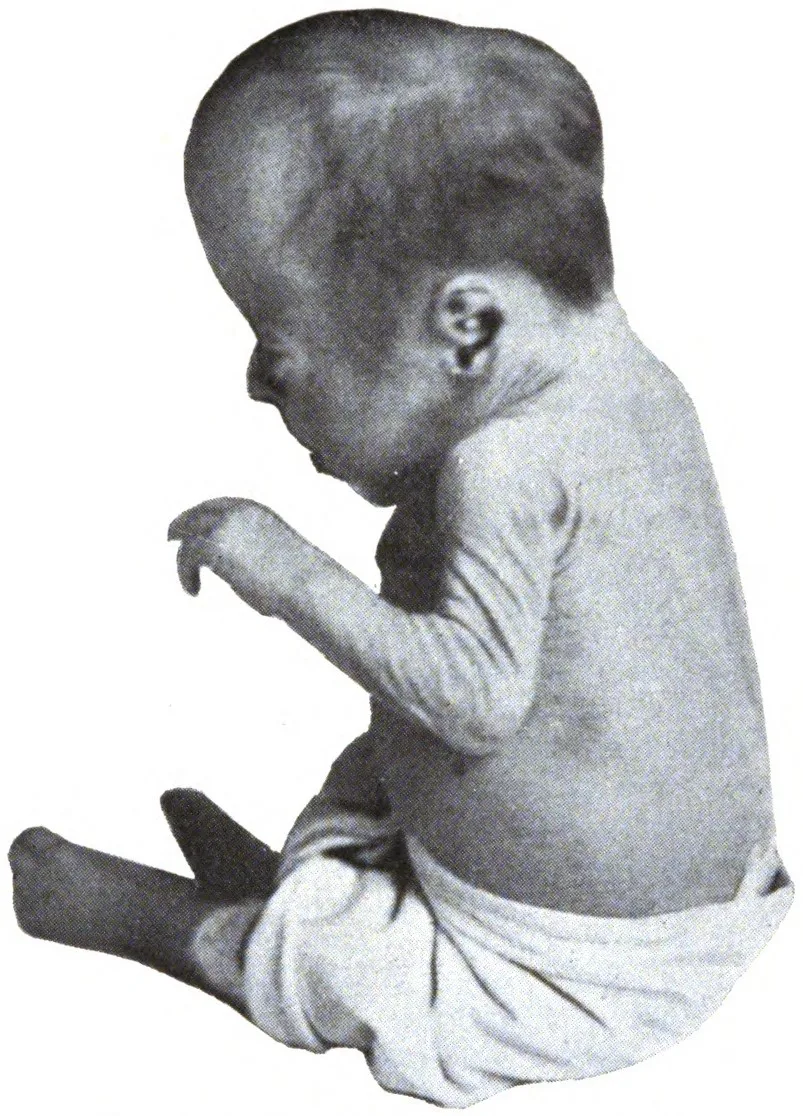
Image source: Wikimedia Commons / George S. Mathers
Changes in Behavior:
- Increased irritability or fussiness
- Unusual sleepiness or lethargy
- Difficulty consoling the baby
- Changes in feeding habits, like refusing to eat or drinking less than usual
Physical Signs:
- Bruising around the eyes (black eyes)
- Bruising behind the ears
- A bulging fontanelle (the soft spot on a baby's head)
- Any noticeable swelling or a bump on the head
Other Indications:
- Difficult breathing patterns
- Unusual eye movements (e.g., eyes that don't move together)
If you notice these subtle signs, consult a pediatrician without delay. Prompt action can minimize the harm caused by any head injury.
What to Do Immediately If You Suspect a Head Injury
Your immediate actions can significantly affect your baby's recovery. If you believe your infant has a head injury, remain calm and follow these steps.
Assess the Situation Quickly: Immediately check for the severe symptoms described earlier in this guide. Any loss of consciousness, seizures, vomiting, bleeding from the ears or nose, or bulging fontanelle require urgent care (see "Identifying the Red Flags").
Call for Help: If you observe any of the severe symptoms, call emergency services immediately. Explain the situation clearly, providing as much detail as possible.
Keep the Baby Still: Do not move the baby unless it's necessary to prevent further injury. If you must move them, support their head and neck to prevent more trauma.
Monitor the Baby: Closely observe your baby's condition. Note any changes in behavior or symptoms. Tracking these details will help medical professionals accurately diagnose and treat the head injury.
Comfort and Reassure: Speak to your baby in a calm, soothing voice. This can help alleviate stress and promote safety and well-being.
Waiting too long to get proper medical care can cause lifelong damage. A pediatrician can provide medical advice and care based on the specific circumstances.
When to Go to the Emergency Room: A Critical Checklist
Knowing when to head for the emergency room is crucial. Quick action can make a dramatic difference in outcomes.
Here is an image to help you:

Image source: Wikimedia Commons / Coolcaesar at en.wikipedia (CC BY-SA)
Signs That Require an Immediate Trip to the Emergency Room:
- Loss of Consciousness: Any period of unconsciousness, even for a few seconds.
- Seizures: If the baby starts seizing.
- Persistent Vomiting: Frequent or forceful vomiting.
- Bleeding or Clear Fluid: Bleeding from the ears or nose, or clear fluid leaking from either.
- Changes in Behavior: Including extreme irritability, lethargy, or difficulty waking up.
- Bulging Fontanelle: The baby's soft spot looks swollen. (Review a visual of the bulging fontanelle mentioned earlier.)
- Difficulty Breathing: Labored or irregular breathing patterns.
When in Doubt, Seek Medical Attention:
If you're unsure about the seriousness of the injury, it's always best to err on the side of caution. Prompt intervention by well-trained medical professionals can give the baby the best-possible chance.
Long-Term Concerns: Potential Complications of Baby Head Injuries
Head injuries can lead to long-term issues, so an understanding of these complications is essential. Careful monitoring and appropriate interventions can help manage these potential problems.
Possible Long-Term Complications:
- Cognitive Issues: Impairments in memory, learning, and attention can surface later.
- Developmental Delays: The brain injury could lead to delays in motor skills or speech.
- Behavioral Changes: Irritability, mood swings, and changes in personality may occur.
- Seizure Disorders: Head trauma heightens the likelihood of developing epilepsy or another seizure disorder.
- Vision or Hearing Problems: Impairments in vision or hearing could happen, requiring ongoing support.
Importance of Follow-Up Care:
Regular check-ups with a pediatrician, neurologist, and other specialists, as needed, are extremely important for monitoring head injury outcomes. Early intervention helps minimize the impact of long-term complications.
Preventing Head Injuries: Baby-Proofing Your Home and Protecting Your Child
Prevention through anticipation is always preferable. Baby-proofing your home and implementing safety measures can greatly decrease the risk of head injuries.
Here is an image to help you:

Image source: Wikimedia Commons / American Rolling Mill Company
Baby-Proofing Measures
- Secure Furniture: Anchor bookshelves, dressers, and other potentially unstable furniture to walls to prevent tipping.
- Cushion Sharp Edges: Use edge guards and corner protectors on tables, counters, and other hard, sharp surfaces.
- Install Safety Gates: Use gates at the top and bottom of stairs to prevent falls.
- Ensure Non-Slip Surfaces: Use non-slip mats in bathrooms and other areas with slippery flooring.
- Inspect and Maintain Cribs: Cribs should meet current safety standards, and inspect your baby's crib regularly for loose parts.
Other Protective Measures:
- Supervision: Always supervise your baby, especially when they are playing or exploring their environment.
- Car Seat Safety: Securely install car seats and follow manufacturer instructions.
- Appropriate Play Areas: Create safe play areas with soft flooring, mats, and age-appropriate toys.
- Educate Caregivers: Ensure every caregiver, including babysitters and family members, is aware of safety measures and head injury symptoms.
With a comprehensive approach, you can create a safer environment and decrease the risk of baby head injury.
Common Mistakes to Avoid When Assessing a Baby's Head Injury
Avoiding common mistakes can greatly improve your response to a potential head injury. Knowing what to overlook can prove just as important as knowing what to look for.
Underestimating the Severity: One of the most dangerous mistakes is minimizing the injury. Even a seemingly small bump, as we've seen, can be serious. Always err on the side of caution and seek medical evaluation if you have concerns.
Delaying Medical Attention: Any delay in seeking medical care can worsen the outcome. Don't wait to see if symptoms improve. If you have any concerns after a baby has had a head injury, seek medical attention immediately.
Assuming the Baby is "Fine": Babies are often unable to express their pain effectively. A baby may seem fine in some cases, and even show no immediate symptoms. But internal injury must be ruled out with a medical evaluation.
Not Following Medical Advice: Once you have sought medical attention, it's vital to follow the doctor's instructions. That includes medication, follow-up appointments, and observing the baby for any changes.
Prompt action, when you suspect a head injury, will protect a baby and improve your peace of mind.
Expert Tips: Navigating the Aftermath of a Head Injury in Your Infant
Here's some expert advice to help you cope with the situation. Remember that accurate care can make a major difference in the baby’s recovery.
Immediate Aftercare:
- Rest and Observation: Make sure the baby rests and limit activity that could cause a secondary injury. Watch for symptoms, as detailed earlier, and contact medical personnel if symptoms present themselves.
- Pain Management: Provide pain relief as directed by the doctor. Don't give any medication without consulting a health professional.
- Feeding: Give the baby small, frequent meals if they are able to eat.
Follow-Up:
- Regular Check-Ups: Schedule follow-up appointments with the pediatrician or other specialists to monitor any recovery needs.
- Monitor Symptoms: Keep a detailed record of any symptoms, changes in behavior, or any other health concerns. Share this log with healthcare providers. This assists with making informed decisions.
- Support: Reach out to support groups or other parents who have faced similar challenges. Sharing experiences can prove helpful, and can alleviate feelings of isolation.
The right care and early action will support your child’s health. By working with healthcare professionals, you can best navigate the challenges and promote your child's well-being.
FAQs: Frequently Asked Questions About Baby Head Injury
We've gathered here some common questions. Answering these is important for the reader to fully grasp what to do.
What causes head injuries in babies?
The causes of head injuries in babies can be wide-ranging. Many accidents can contribute to head injuries, including falls, car accidents, and instances of direct impact. Even common events, such as a baby falling from a changing table, can lead to severe injury.
What are the main types of head injuries in babies?
Several types of head injuries can affect babies. These include skull fractures, which can range from minor to severe. Another type is a concussion, which is a mild form of traumatic brain injury. Also, there are contusions, the bruising of the brain.
The severity and type of injury vary depending on the force of impact and other factors.
How long does it take for a baby to recover from a head injury?
The recovery time from a head injury varies. Mild injuries, such as concussions, might resolve in a matter of days or weeks. More severe injuries, such as skull fractures, can need a longer period of recovery. Some children may experience lasting effects, so close monitoring and professional medical care are essential.
When should I follow up with a doctor?
Follow-up appointments are based on the severity of the injury. Most doctors will schedule a follow-up appointment a week or two after the initial treatment. If a child’s condition worsens or new symptoms arise, don’t hesitate to contact their pediatrician.
What if my baby has bleeding from the ears or nose?
If a baby has bleeding or clear fluid from the ears or nose, go to the emergency room immediately. This can indicate a skull fracture or more serious internal damage. This type of bleeding is a medical emergency that requires immediate medical care.
By staying proactive and informed, you can contribute to your baby's safety, and ensure they get the best possible care if an accident occurs.

Zahir A. is the Co-Founder and a father of 3 Son’s of BestBabyCart, where he shares practical insights and research-backed guidance on baby products, parenting essentials, and family-focused lifestyle solutions. With a strong focus on product quality, safety, and real-world usability, Zahir helps parents make informed buying decisions through clear, trustworthy, and experience-driven content. His work emphasizes honest reviews, expert research, and user-first recommendations aligned with modern parenting needs.