You’ve probably seen the lists: 100 must-have baby items, top-rated gear, “what every new parent needs.” But here’s the truth, most of that stuff sits unused. What baby gear you don’t actually need often outnumbers what you do, especially when marketing convinces you that convenience equals necessity. We’re not here to shame your choices; we’re here to help you cut through the noise with real data and practical sense.
In our research, the average family spends $300, $800 on baby gear that sees little to no use within the first year. Per AAP guidelines and manufacturer specs, many “essentials” either pose safety risks or solve problems you won’t actually have. Let’s figure out what truly fits your life, not what a registry algorithm suggests.
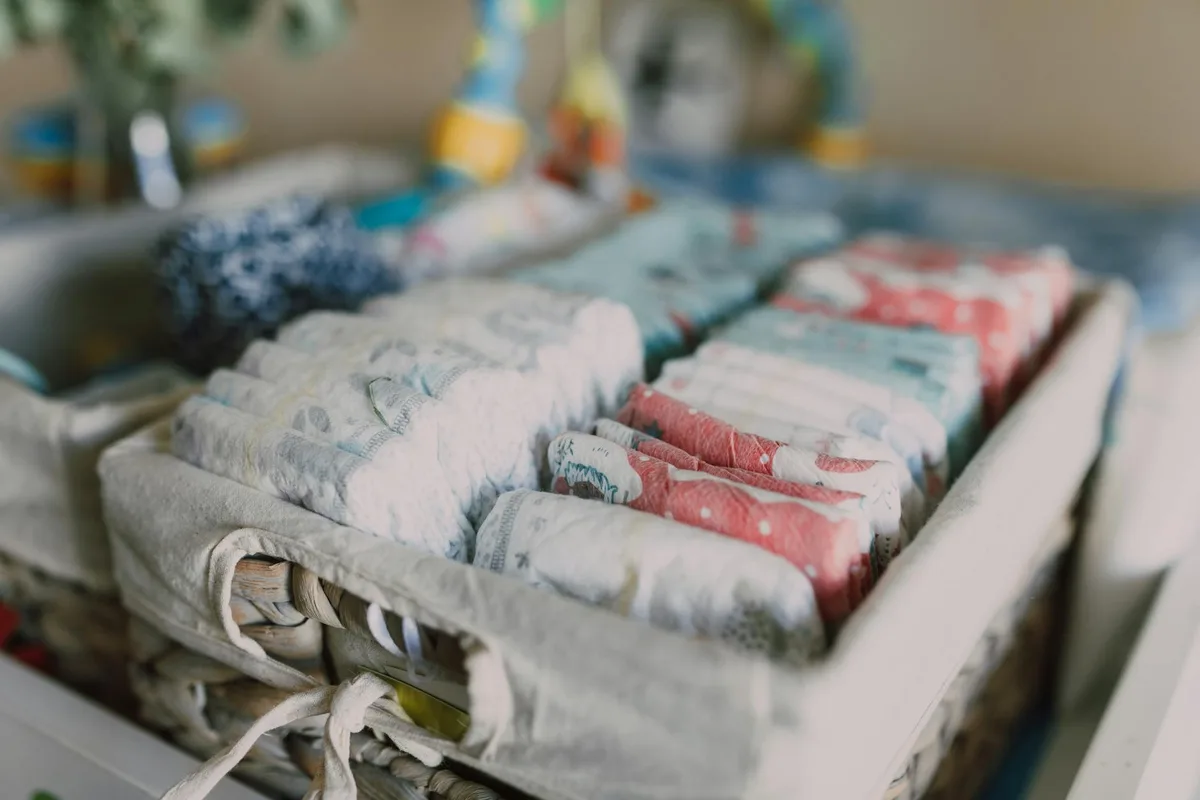
Image source: Pexels / RDNE Stock project (Pexels License)
Why You’re Being Sold Baby Gear You Don’t Actually Need
Retailers and influencers profit from urgency, “your newborn will be miserable without this!”, but babies are remarkably low-maintenance. Gear gets marketed as essential when it’s really just convenient for adults. Swings, bottle warmers, and wipe warmers promise ease, but they often create more work (cleaning, storing, replacing batteries) than they save. The real essentials?
Sleep, feeding, diapering, and safety. Everything else is optional until proven otherwise.
The Real Problem: Marketing vs. Reality
The gap between advertised usefulness and actual utility is huge. A $200 baby swing might look like a lifesaver in ads, but aggregate reviews show many babies ignore it completely. Newborn-sized clothes? Outgrown in 6, 12 weeks for most full-term babies.
And while bassinets seem cozy, manufacturer weight limits cap out at 15, 20 lbs, meaning you’ll replace it by month four or five. These aren’t investments; they’re rentals with expiration dates.
Your Personal Filter: 5 Questions to Ask Before Buying
Before adding anything to your cart, run it through this quick filter:
- Will I use this daily for at least 3 months?
- Can I borrow, rent, or buy it secondhand if needed?
- Does it solve a real problem I’ve experienced, not one I’m afraid of?
- Is it safe per AAP or CPSC guidelines?
- Do I have space to store it when not in use?
If the answer to any is “no,” skip it. This isn’t about deprivation, it’s about intentionality.
Gear That’s Often Unnecessary (and What to Skip)
Bassinets, Swings, and Other Short-Lived Items
Bassinets seem perfect for those early weeks, but they’re outgrown fast. Most hit their weight limit by 4, 6 months, and some babies never take to them. Swings? Loud, bulky, and often ignored.
If you’re tight on space or budget, skip both and go straight to a convertible crib that grows with your child. Same goes for dedicated changing tables, a waterproof pad on a dresser works just as well and frees up floor space.
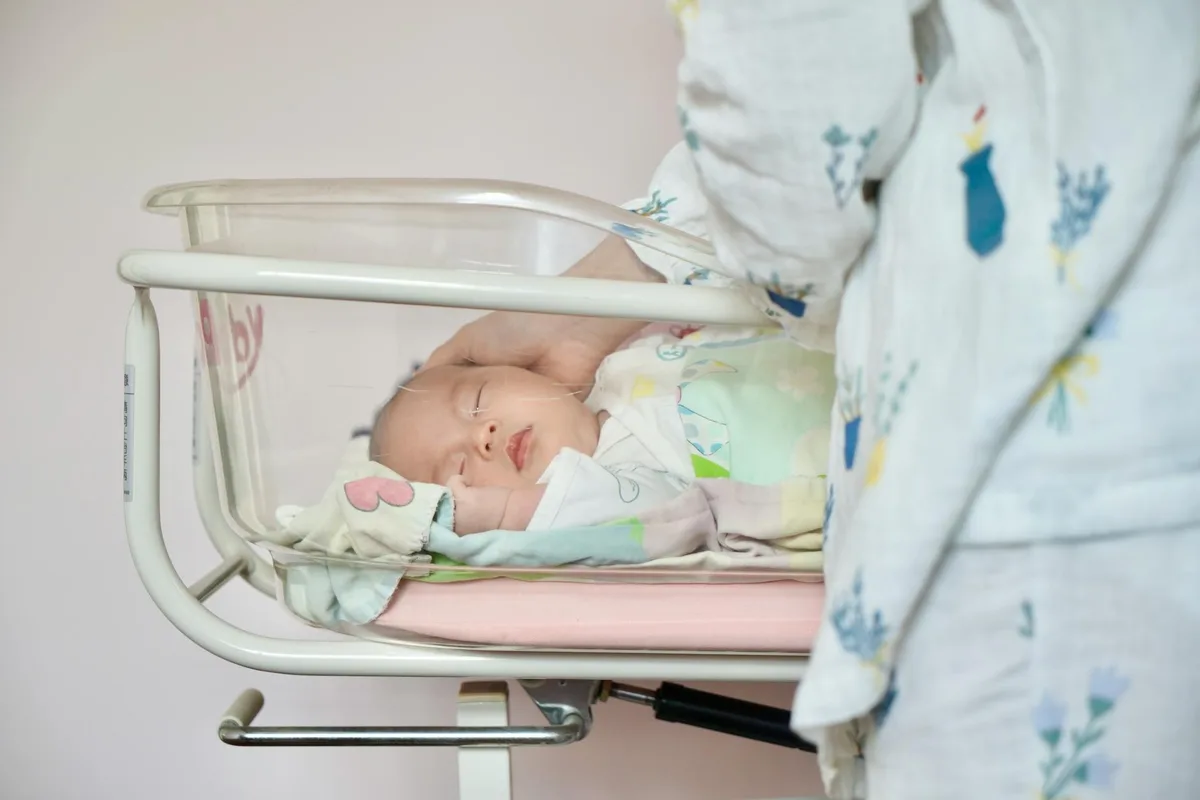
Image source: Pexels / kenan zhang (Pexels License)
Bottle Warmers, Sterilizers, and Feeding “Must-Haves”
Bottle warmers sound handy, but a bowl of warm water does the same job in 2 minutes, no electricity or cleaning required. Sterilizers? Only necessary if you’re using well water or have a compromised immune system; otherwise, hot soapy water suffices. And that fancy drying rack?
A clean towel works fine. Per FDA guidance, routine sterilization isn’t needed for healthy term infants in typical home settings.
Image source: Pexels / Kampus Production (Pexels License)
Newborn Clothes, Wipe Warmers, and Overpreparedness
Newborns grow fast. Very fast. Most full-term babies wear 0, 3 month sizes for just 6, 12 weeks. Stocking up means storing outgrown clothes while paying premium prices.
Wipe warmers? Cute, but unnecessary, and they can dry out wipes or encourage bacterial growth if not cleaned daily. Room-temperature wipes are gentler on skin anyway. Wait until after birth to buy newborn-specific items; you’ll know your baby’s actual size then.
When These Items Might Make Sense (Context Matters)
Some gear earns its keep in specific situations. If you’re exclusively bottle-feeding with formula, a sterilizer makes sense for the first few months, especially if your water source isn’t reliably filtered. Parents of preemies might need that car seat insert to ensure safe fit, as standard seats often leave tiny babies slumped or unstable. And if you live in a studio apartment with no dresser space, a compact changing table with storage could be worth the footprint.
The key is matching the tool to your actual reality, not hypothetical worst-case scenarios.
Safer, Cheaper Alternatives That Work Just as Well
You don’t need branded versions of basic functions. A $15 waterproof changing pad on a dresser beats a $120 changing table that becomes useless after 18 months. For bottle warming, run bottles under warm tap water or place them in a bowl of hot water, no electricity, no cleaning, no failure points. Instead of a dedicated diaper pail, use a small trash can with a tight lid and biodegradable bags.
It’s quieter, cheaper, and just as effective at containing odor. Even nursing pillows can be replaced with a firm couch cushion or folded blanket, many parents find them more flexible and less restrictive.
Common Mistakes That Waste Money and Space
Buying newborn-sized clothes in bulk before birth is a classic error. Babies vary wildly in size, some skip newborn sizes entirely. Another trap: assuming you’ll use every gift. If someone gives you a wipe warmer, consider regifting it politely; it’ll likely gather dust.
Overestimating how much help you’ll need is also common. Swings and rockers seem like sanity-savers, but many babies prefer being held or worn in a carrier, which frees your hands without taking up floor space. Finally, don’t confuse “popular” with “necessary.” Just because an item has thousands of reviews doesn’t mean it fits your life.
How to Build a Lean, Intentional Baby Registry
Start with non-negotiables: a safe sleep space (crib or bassinet meeting current CPSC standards), a rear-facing car seat, diapers, wipes, and feeding supplies. Then ask: what solves a real problem I’ve seen other parents face? Skip anything with a usage window under three months unless it’s free or borrowed. Prioritize multi-use items, like a stroller that converts to a toddler model or a high chair that doubles as a regular chair.
And always check if friends or family have gently used gear they’re ready to pass along. A registry should reflect your values, not retailer margins.
Safety First: Items to Avoid Altogether
Some products look helpful but carry documented risks. Crib bumpers, despite their soft appearance, are linked to suffocation and entrapment; the AAP explicitly advises against them. Similarly, inclined sleepers marketed as “anti-reflux” or “comfort” devices violate safe sleep guidelines, flat, firm surfaces only. Wipe warmers can overheat wipes or encourage bacterial growth if not cleaned daily.
And while bottle sterilizers aren’t inherently dangerous, over-reliance on them may reduce exposure to benign microbes that support immune development. When in doubt, follow the simplest, safest option backed by pediatric guidelines.
Image source: Pexels / Pavel Danilyuk (Pexels License)

Zahir A. is the Co-Founder and a father of 3 Son’s of BestBabyCart, where he shares practical insights and research-backed guidance on baby products, parenting essentials, and family-focused lifestyle solutions. With a strong focus on product quality, safety, and real-world usability, Zahir helps parents make informed buying decisions through clear, trustworthy, and experience-driven content. His work emphasizes honest reviews, expert research, and user-first recommendations aligned with modern parenting needs.