Car seat safety laws explained (US-focused) isn’t just about avoiding a ticket, it’s about keeping your child alive in a crash. Every year, thousands of kids are injured or killed in car accidents that proper restraints could have prevented. The rules aren’t optional suggestions; they’re science-backed, legally enforceable standards designed to match how children’s bodies actually respond to impact forces.
In our research, we found that 3 out of 4 car seats are misused in ways that reduce their effectiveness. Per NHTSA testing standards, correct installation can cut serious injury risk by over 70%. That gap between law and practice is where real danger lives, and where this guide steps in.
Why Getting Car Seat Laws Right Could Save Your Child’s Life
A car seat isn’t a convenience, it’s a medical device calibrated to protect developing bones and organs during sudden stops or collisions. The laws exist because physics doesn’t care about good intentions. In a 30 mph crash, an unrestrained child becomes a 200, 300 pound projectile within milliseconds. Rear-facing seats spread crash forces across the entire back and shell, while forward-facing seats rely on harnesses that must be tight enough to prevent ejection.
Booster seats position adult seat belts correctly across strong bone structures instead of soft abdomens. These aren’t parenting opinions; they’re biomechanical facts backed by decades of crash data.
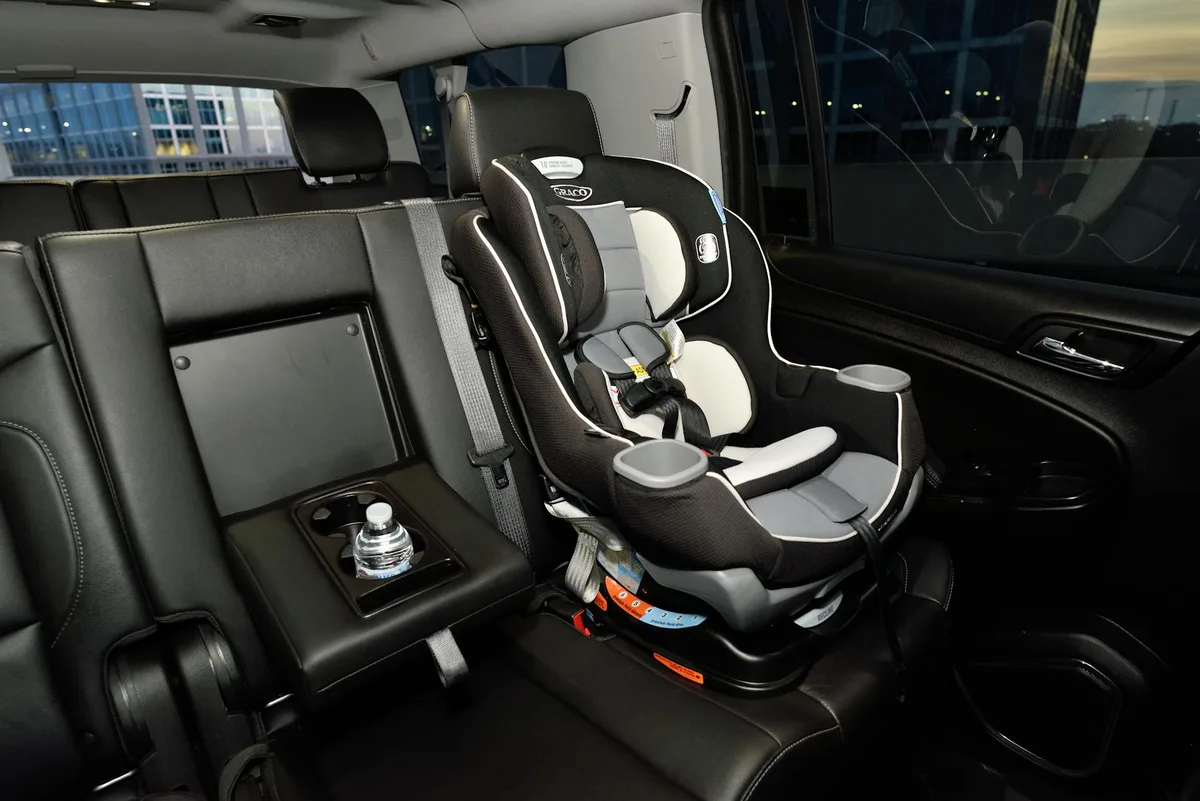
Image source: Pexels / Lee Salem (Pexels License)
The 4 Big Rules Every US Parent Must Know (Backed by NHTSA & AAP)
Four principles anchor every state’s car seat laws as of 2026: rear-face as long as possible, use harnesses until booster readiness, never place kids under 13 in front seats with active airbags, and follow manufacturer weight/height limits exactly. The American Academy of Pediatrics and NHTSA agree these rules reduce fatal injury risk by up to 71% for toddlers in rear-facing seats. Most states now mandate rear-facing until at least age 2 or 30+ pounds, but some, like California and New York, require it until age 2 regardless of size. Forward-facing seats must use top tethers to limit head movement, and boosters aren’t just for comfort, they’re required until seat belts fit properly, usually around 4’9” tall or ages 8, 12.
- Rule 1: Rear-face until max weight/height limit (often 2+ years or 35, 40 lbs)
- Rule 2: Forward-face with 5-point harness and top tether
- Rule 3: Booster until seat belt fits (lap low on hips, shoulder across chest)
- Rule 4: Kids under 13 ride in back seat only
Rear-Facing Isn’t Just Recommended—It’s the Law in Most States
You’ll hear “until age 2” thrown around, but the real rule is simpler: keep your child rear-facing until they hit the seat’s maximum weight or height limit, whichever comes first. Many convertible seats now allow rear-facing up to 40+ pounds, which often means well past age 3. States like Washington and Oregon explicitly require rear-facing until age 2, while others use weight thresholds (Texas: 30+ lbs). The reason?
Toddlers’ spines are mostly cartilage until age 2, 4, and their heads are disproportionately heavy. In a frontal crash, the most common fatal type, a rear-facing seat cradles the head and neck, preventing spinal cord stretch that can cause paralysis or death.
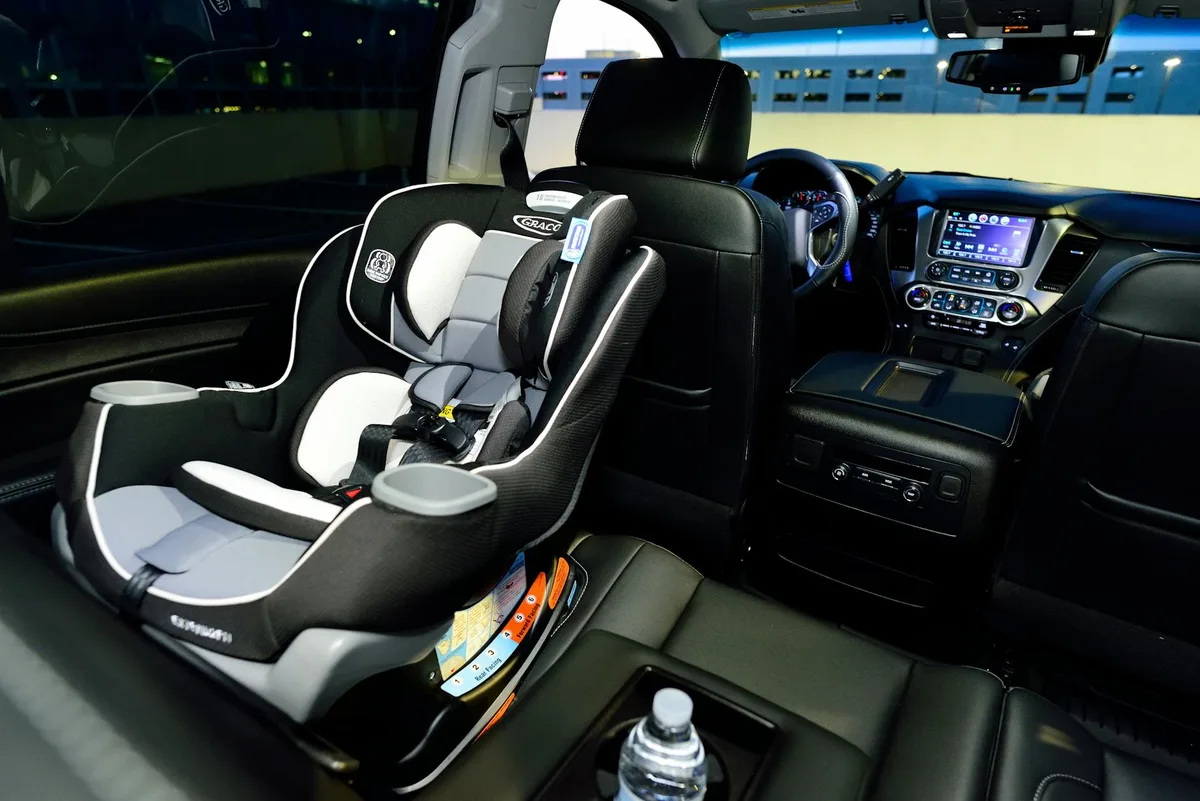
Image source: Pexels / Lee Salem (Pexels License)
Never rush the switch. If your child’s legs touch the back seat, that’s fine, they can bend or cross them safely. What matters is that the harness is at or below shoulder level and the recline angle keeps the head from flopping forward (usually 30, 45 degrees).
When to Switch: Forward-Facing Seats and the Top Tether Mistake Nobody Talks About
Switching to forward-facing too early is one of the most common, and dangerous, mistakes. Once you do switch, the top tether isn’t optional. It anchors the top of the seat to your vehicle’s frame, reducing forward head movement by up to 70% in a crash. Yet NHTSA reports that over 50% of forward-facing seats aren’t using it.
The tether strap connects to a metal anchor point behind your seatback (check your vehicle manual, it’s usually marked with a symbol). Always tighten it after installing the seat with LATCH or seat belt.
Harness height matters too: straps should be at or above shoulders for forward-facing, and you should not be able to pinch any webbing at the shoulder. If you can, it’s too loose, and that means your child could submarining (sliding under the belt) or ejecting in a crash.
Booster Seats Aren’t Optional—Here’s How to Know If Your Kid’s Ready
Booster seats aren’t about age, they’re about fit. Most kids aren’t ready until at least age 8, and many need them until 10, 12. Use the NHTSA 4-step booster test:
- Can your child sit all the way back against the vehicle seat?
- Do their knees bend comfortably at the seat edge?
- Does the lap belt lie low and snug across the upper thighs (not the stomach)?
- Does the shoulder belt cross the center of the shoulder and chest (not the neck or arm)?
If you answer “no” to any, they need a booster. High-back boosters offer head support in cars without headrests; backless boosters work in vehicles with proper head restraints. Never use a booster with only a lap belt, shoulder belts are non-negotiable for upper-body protection.

Image source: Pexels / Pavel Danilyuk (Pexels License)
LATCH vs. Seat Belt: Which Installation Method Is Actually Safer?
Both LATCH and seat belt installations meet federal safety standards when used correctly, but they’re not interchangeable past certain weight limits. The LATCH system uses lower anchors (in your seat bight) and a top tether to secure the seat without the vehicle’s seat belt. It’s often easier for caregivers because it eliminates belt routing confusion. However, once your child plus the seat exceeds 65 pounds total, you must switch to seat belt installation, even if anchors are available.
Seat belts handle higher forces and don’t have a combined weight cap, making them the default for heavier kids or older seats.
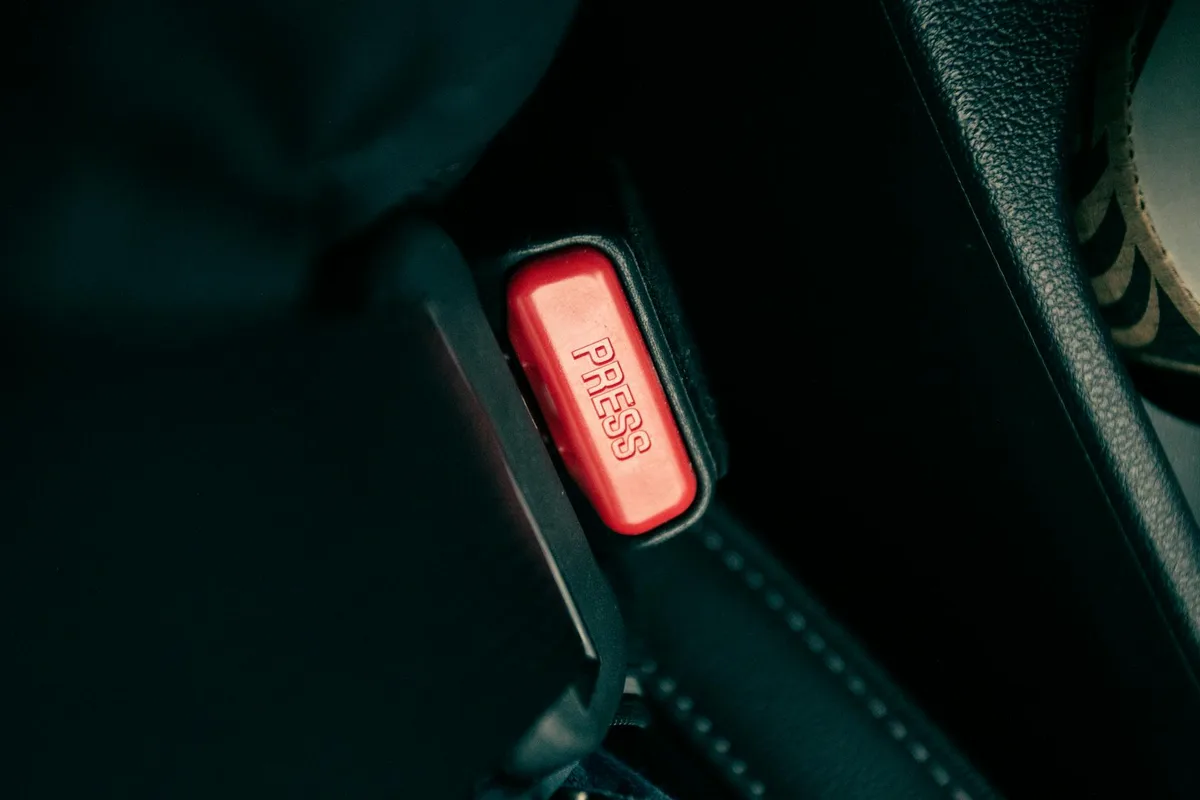
Image source: Pexels / Erik Mclean (Pexels License)
Always check your car seat manual. Some models allow seat belt use even below 65 lbs if you prefer it, or require it for certain vehicles. Never use both systems simultaneously unless the manufacturer explicitly permits it (most don’t).
State-by-State Breakdown: Where Laws Get Tricky (CA, TX, NY, FL Examples)
Laws vary enough that moving states, or even driving across one, can land you a fine. California requires rear-facing until age 2, forward-facing with harness until 40 lbs or age 4, and boosters until 8 years or 4’9”. Texas mandates rear-facing “as long as possible” but sets no hard age, while Florida only requires boosters until age 5, leaving many kids under 4’9” unbelted properly. New York is stricter: kids under 4 must be in certified restraints, and under 8 in boosters.
| State | Rear-Facing Requirement | Booster Requirement | Front Seat Age Limit |
|---|---|---|---|
| CA | Until age 2 | Until 8 or 4’9” | 13 |
| TX | As long as possible | None specified | 13 |
| NY | Not specified | Until age 8 | 13 |
| FL | Not specified | Until age 5 | 13 |
When in doubt, follow the stricter rule, or check your state DMV site before travel.
The 3 Deadly Installation Errors That Turn Safe Seats Into Hazards
Even a top-rated seat fails if installed wrong. The most dangerous mistake? A loose installation. You should not be able to move the seat more than one inch side-to-side or front-to-back at the belt path.
Second: twisted harness straps. They reduce crash force distribution and can cause internal injuries. Third: incorrect recline angle. Rear-facing seats need a 30, 45 degree tilt to keep airways open, use the built-in level indicator, not guesswork.
Other red flags include using aftermarket accessories (like strap covers or inserts) not approved by the manufacturer, or installing in seats with deep contours that prevent flat contact. If your seat rocks or the harness slides off shoulders, stop driving and fix it immediately.
How to Check If Your Car Seat Is Expired, Recalled, or Worn Out
Car seats expire, usually 6, 10 years from manufacture date (check the label on the shell). Heat, UV exposure, and plastic fatigue degrade materials over time. Recalls happen frequently; register your seat at SaferCar.gov to get alerts. Signs of wear include cracked shells, frayed straps, stiff buckles, or missing labels.
Never buy used unless you’re certain of its history, and even then, inspect it like you would a used car.
If the seat was in a moderate or severe crash (even with no visible damage), replace it. Manufacturers design them for single-event protection, they don’t “reset” after impact.
Free Help Is Out There: Finding Certified Car Seat Inspectors Near You
NHTSA certifies Child Passenger Safety Technicians (CPSTs) who offer free inspections at hospitals, fire stations, and community centers. They’ll check installation, harness fit, expiration dates, and compatibility with your vehicle. Search “car seat inspection near me” or use NHTSA’s online locator. Many technicians also host virtual consultations for quick checks.
Don’t rely on store staff, even at big retailers, unless they’re CPST-certified. Their training varies widely, and mistakes made during “free installs” aren’t covered by liability if something goes wrong.
What to Do When Traveling: Rental Cars, Taxis, and Airplane Rules
Rental car companies must provide car seats upon request in most states, but availability isn’t guaranteed, and their seats are often outdated or poorly maintained. Always bring your own if possible. For taxis and ride-shares, some states (like California and Illinois) exempt them from car seat laws, but that doesn’t mean it’s safe. If you’re in a state without exemptions, you’re legally required to use a seat, even in an Uber.
On airplanes, FAA-approved car seats bear a label saying “FAA Approved in Aircraft” and can be used during flight, but check with your airline first; policies vary.
Never assume a borrowed or rented seat is safe. Inspect it for cracks, recalls, and expiration dates before buckling your child in.
Final Checklist: 5 Questions to Ask Before Every Car Ride
Before you drive, run through this quick mental check:
- Is the seat installed tightly (less than one inch of movement)?
- Are harness straps at the correct height and free of twists?
- Is the chest clip at armpit level?
- Does the seat belt or LATCH meet current weight limits?
- Is the seat within its expiration date and recall-free?
If you answer “no” to any, don’t drive. Fix it first. This isn’t about perfection, it’s about eliminating the most common failure points that turn a safe seat into a hazard.
Consistency saves lives. Make this checklist part of your routine, like checking your mirrors or fastening your own seat belt.

Zahir A. is the Co-Founder and a father of 3 Son’s of BestBabyCart, where he shares practical insights and research-backed guidance on baby products, parenting essentials, and family-focused lifestyle solutions. With a strong focus on product quality, safety, and real-world usability, Zahir helps parents make informed buying decisions through clear, trustworthy, and experience-driven content. His work emphasizes honest reviews, expert research, and user-first recommendations aligned with modern parenting needs.