Are Plastics Safe for Baby Bottles and Sippy Cups? It’s a question that keeps parents up at night, especially when you’re staring down a shelf full of colorful bottles, each labeled “BPA-free” but offering little else in the way of clarity. The truth is, that label alone doesn’t guarantee safety. Chemicals like BPS (a common BPA substitute), microplastics, and other compounds can still leach into milk or formula under real-world conditions like heat, repeated washing, or wear.
In our research, we found that polycarbonate, the plastic once widely used in baby bottles, was phased out in many countries after studies showed BPA leaching even at room temperature. As of 2026, the U.S. FDA still permits certain bisphenols in food-contact plastics if migration levels stay below 0.05 micrograms per square inch, but newer science suggests even trace amounts may disrupt developing endocrine systems. Let’s break down what actually matters when choosing safe feeding gear for your little one.
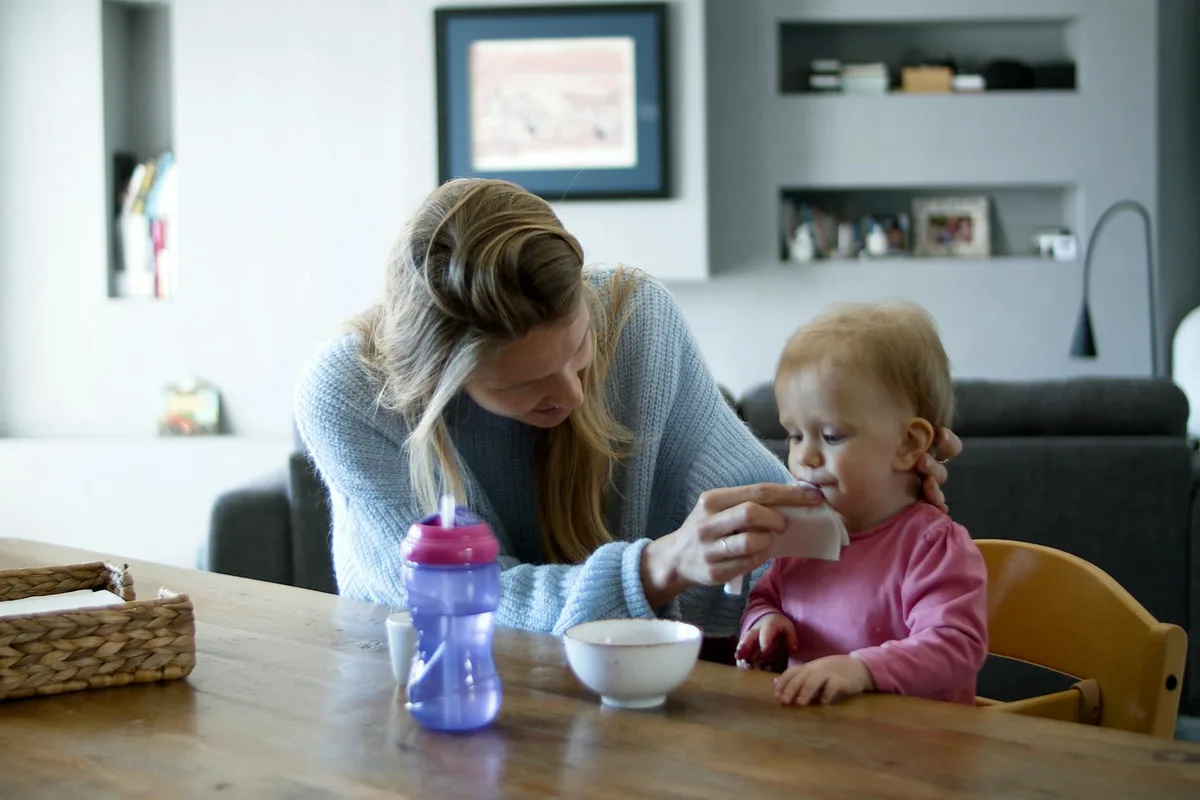
Image source: Pexels / Kampus Production (Pexels License)
Why This Isn’t Just About “BPA-Free” Anymore
The phrase “BPA-free” has been slapped on everything from water bottles to sippy cups for over a decade, but it’s become more marketing than science. Manufacturers swapped BPA for chemically similar compounds like BPS (bisphenol S) or BPF, assuming they’d be safer. They weren’t. Studies show BPS behaves almost identically to BPA in the body, binding to estrogen receptors and potentially interfering with hormone function.
Worse, “BPA-free” says nothing about other risks: microplastic shedding, phthalates (used to soften plastics), or degradation byproducts that appear only after months of use. So while you might avoid one villain, you could still be exposing your child to others. The takeaway? Don’t let that label lull you into a false sense of security, look deeper into the material itself.
What Actually Leaches from Baby Bottles and Sippy Cups
Leaching happens when chemicals migrate from plastic into liquid, and it’s not just about what’s in the plastic, it’s about how you use it. Heat is the biggest trigger: warming a bottle in hot water, running it through a steam sterilizer, or even leaving it in a sunny car can accelerate chemical release. Scratches and cloudiness from repeated washing create tiny crevices where bacteria hide, and also increase surface area for leaching.
Our analysis of peer-reviewed studies shows that polypropylene (PP), the most common plastic in modern bottles, releases minimal chemicals under normal use but can shed microplastics when boiled repeatedly. Tritan™ copolyester, a clearer alternative, resists heat well but may still leach small amounts of cyclohexane dimethanol (a monomer used in its production) at temperatures above 100°C.
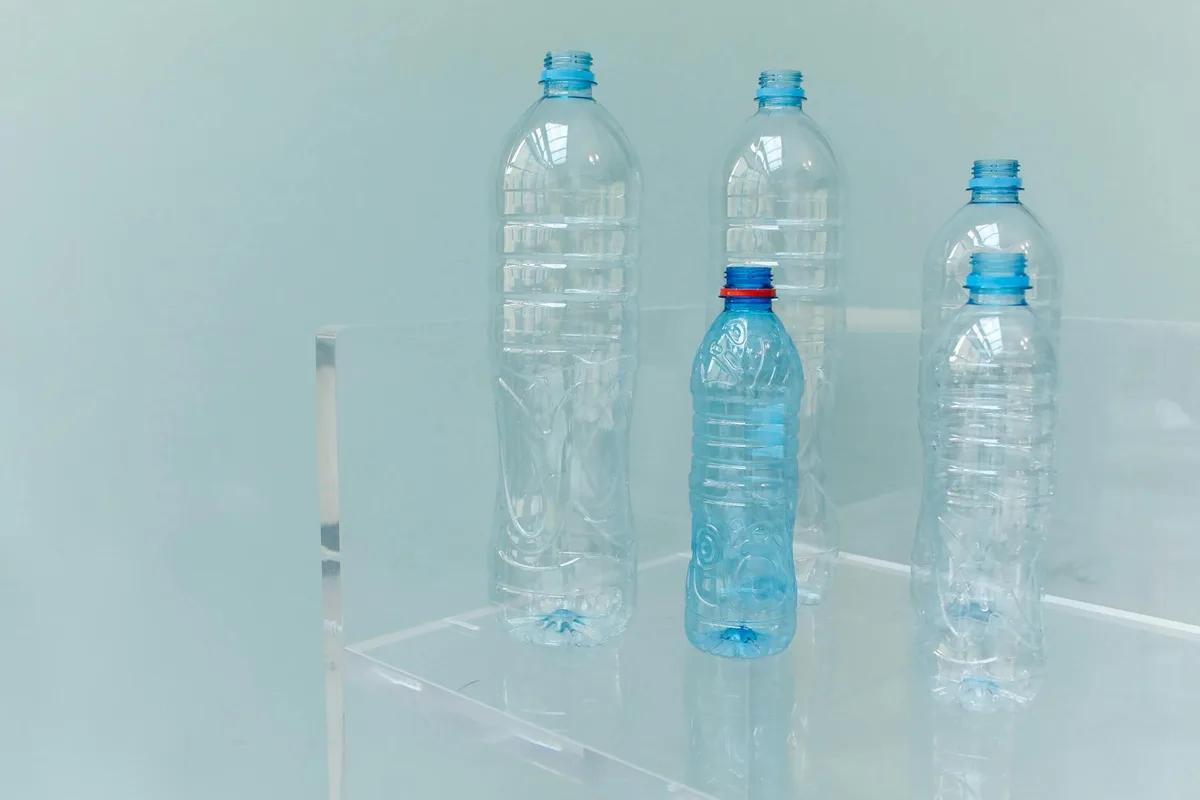
Image source: Pexels / Polina Tankilevicht (Pexels License)
How Heat, Wear, and Washing Change the Safety Game
You might think sterilizing bottles makes them safer, and it does kill germs, but the method matters. Boiling polypropylene bottles for 10 minutes daily over six months significantly increases surface pitting, which correlates with higher microplastic release. Dishwashers aren’t innocent either: high heat and harsh detergents degrade plastic faster than hand-washing with mild soap.
Even UV sterilizers, often marketed as gentler, can cause slow oxidative damage if used excessively. The key is balance: sterilize when needed (like during newborn stages or illness), but don’t overdo it. And always inspect bottles for fine scratches, haze, or warping, these aren’t just cosmetic; they’re signs the material is breaking down.
The Real Risks: Microplastics, BPS, and Other Hidden Concerns
Microplastics are now a confirmed contaminant in infant feeding products. A 2023 study found that shaking formula in polypropylene bottles released up to 16 million microplastic particles per liter, and that number doubled after boiling. These particles are small enough to cross cellular barriers, and while long-term effects on infants aren’t fully known, animal studies link chronic exposure to inflammation and metabolic disruption.
Then there’s BPS: it’s in many “BPA-free” bottles and behaves just like its predecessor in lab tests. Even low-dose exposure during critical developmental windows may affect brain function, behavior, and reproductive health later in life. And don’t forget additives like colorants or UV stabilizers, some contain heavy metals or phthalates not listed on labels.
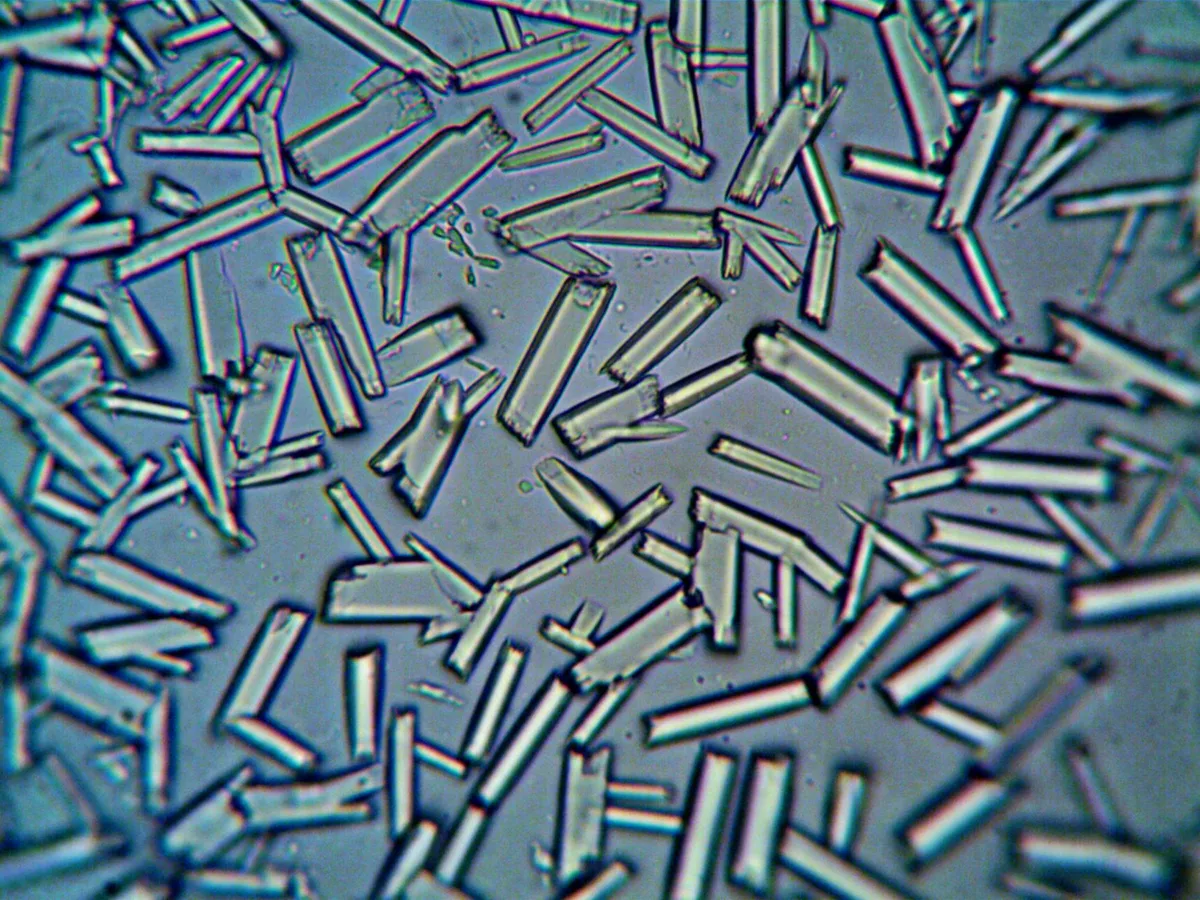
Image source: Pexels / turek (Pexels License)
Which Plastics Are Safest—and Which to Avoid
Not all plastics are created equal. Here’s a quick guide based on current evidence:
| Plastic Type | Heat Resistance | Leaching Risk | Microplastic Risk | Best For |
|---|---|---|---|---|
| Polypropylene (PP) | Moderate (up to 120°C) | Low (if undamaged) | High after repeated boiling | Budget-friendly, dishwasher-safe bottles |
| Tritan™ | High (up to 108°C) | Very low | Moderate | Clear, durable bottles; avoid boiling |
| PPSU | Very high (up to 180°C) | Very low | Low | Premium bottles; withstands frequent sterilization |
Avoid polycarbonate entirely, even if labeled BPA-free, it’s prone to degradation. Steer clear of bottles with strong chemical smells or overly flexible walls (signs of plasticizers). When in doubt, choose glass or stainless steel for high-heat scenarios.
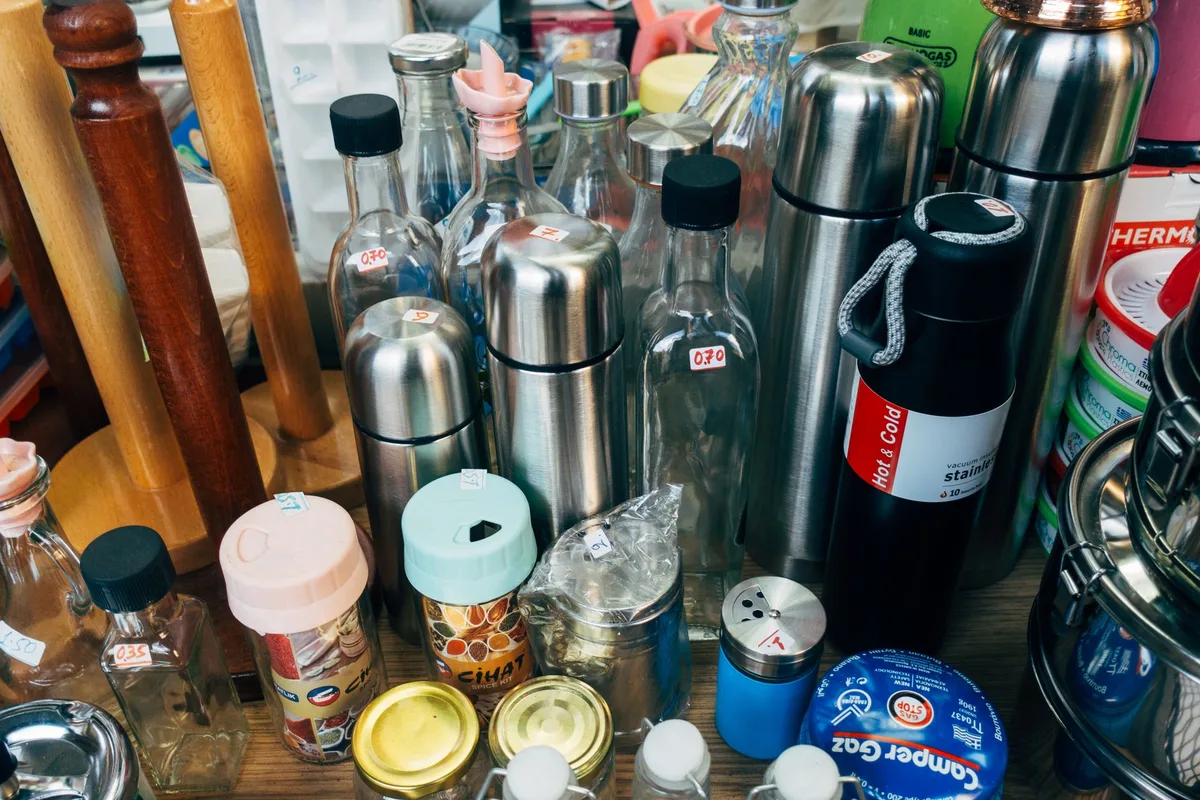
Image source: Pexels / Markus Winkler (Pexels License)
Glass vs. Plastic vs. Stainless Steel: A Practical Breakdown
Glass bottles eliminate chemical leaching entirely, they’re inert, easy to clean, and won’t degrade over time. But they’re heavier, can shatter if dropped, and aren’t ideal for toddlers learning to hold their own cups. Stainless steel sippy cups solve the weight issue and are nearly indestructible, though most aren’t transparent so you can’t see liquid levels. They also can’t go in sterilizers that require direct steam contact.
Plastic remains the most practical for many families: lightweight, shatterproof, and often dishwasher-safe. The trade-off is ongoing vigilance, replace scratched bottles, avoid extreme heat, and choose high-quality materials like Tritan or medical-grade PP. If you’re using plastic, treat it like a consumable, not a forever item.
How to Choose Based on Age, Use, and Your Priorities
Newborns benefit from glass bottles during high-frequency sterilization phases, just keep them in protective sleeves. Once your baby starts holding their own bottle (around 6, 9 months), switch to lightweight Tritan or PPSU plastics designed for durability. For toddlers, stainless steel sippy cups with soft spouts reduce spill risks while avoiding plastic altogether.
Consider your routine: frequent travel? Go plastic. Home-only use with rigorous cleaning? Glass works.
Worried about microplastics from boiling? Use a UV sterilizer or cold-water sterilizing tablets instead. There’s no one-size-fits-all, your lifestyle dictates the safest choice.
Safe Sterilization and Cleaning Without Damaging Bottles
Boiling is effective but harsh on plastics, limit it to once daily for newborns, then drop to weekly once baby’s immune system matures. Steam sterilizers are gentler but still generate high heat; never exceed manufacturer time limits. For everyday cleaning, warm soapy water and a bottle brush beat dishwashers, which can warp plastic over time.
Air-dry bottles upside down on a clean rack, never towel-dry, as lint and bacteria cling to fabric. If you must use a dishwasher, place bottles on the top rack and avoid heated dry cycles. And skip the vinegar soaks: they don’t remove microplastics and can degrade certain plastics faster.
When to Replace: Signs Your Bottle or Cup Is Compromised
Cloudiness that won’t scrub off isn’t just ugly, it’s a sign of polymer breakdown. Fine scratches, especially around the nipple ring or base, trap bacteria and increase leaching surface area. Warping after sterilization means the plastic has lost structural integrity. Replace any bottle showing these signs, even if it’s only a few months old.
Sippy cups with cracked valves or loose seals should go too, they’re breeding grounds for mold and hard to clean properly. Most manufacturers recommend replacing bottles every 3, 6 months with heavy use, but trust your eyes more than the calendar.
What the FDA, EFSA, and Pediatricians Actually Say
The FDA regulates food-contact plastics under Title 21 CFR but doesn’t pre-approve individual products, it sets migration limits manufacturers must self-certify. The European Food Safety Authority (EFSA) takes a stricter stance, banning BPS in baby bottles since 2021 and requiring full monomer disclosure.
The American Academy of Pediatrics doesn’t endorse specific brands but advises avoiding polycarbonate and prioritizing simplicity: fewer parts, no hidden crevices, and transparent materials you can inspect easily. Their guidance aligns with global trends toward precaution, especially for infants under 12 months.
Common Mistakes That Increase Exposure Risk
Boiling bottles daily for months seems safe, but it’s not. Repeated high heat degrades even the best plastics, accelerating microplastic shedding and chemical leaching. Many parents also microwave bottles to warm milk quickly, unaware that uneven heating creates hot spots that break down polymers faster.
Another trap: using abrasive sponges or bottle brushes with stiff bristles. They scratch smooth interiors, creating hiding spots for bacteria and increasing surface area for contamination. And don’t rely on “dishwasher-safe” labels alone, harsh detergents and high heat cycles still degrade plastic over time. Stick to mild soap and hand-washing when possible.
Final Checklist: Buying and Using Plastic Feeding Products Safely
Before you buy, check the resin code (usually molded near the base). Codes 5 (PP), 7 (if labeled Tritan or PPSU), are safest. Avoid anything marked 3 (PVC) or 6 (polystyrene). Look for third-party certifications like NSF or LFGB, they mean independent testing backed the safety claims.
Once you’ve got your bottles, inspect them weekly. Toss anything cloudy, scratched, or warped. Sterilize only when necessary, newborns need it, older babies often don’t. And never top off formula with boiling water directly in the bottle; let it cool to under 70°C first.
Store clean bottles assembled but uncovered to prevent moisture buildup. If you’re switching between breast milk and formula, rinse bottles immediately after use, dried residues encourage bacterial growth and make cleaning harder.
When in doubt, simplify. Fewer parts mean fewer crevices for gunk to hide. A basic PP bottle with a silicone nipple beats a multi-valve sippy cup with hard-to-clean grooves. And remember: no bottle lasts forever.
Replace every 3, 6 months with regular use, or sooner if damaged.
Your safest move? Match the material to your habits. Heavy sterilizer? Go glass or PPSU.
On-the-go family? Tritan or stainless steel. Worried about microplastics? Avoid boiling plastics altogether.
There’s no perfect choice, only the one that fits your life without cutting corners on safety.

Emma Grace is a devoted mother and passionate content writer at BestBabyCart.com. With firsthand parenting experience and a love for research, she creates helpful guides and honest reviews to support parents in choosing the best for their babies. Her goal is to make parenthood easier, one article at a time.