You’re holding a brand-new baby bottle, a secondhand crib, or a sleek stroller, and you want to believe it’s safe. But how to spot unsafe baby products isn’t always obvious. Labels can be misleading, recalls slip under the radar, and “eco-friendly” doesn’t always mean non-toxic. Even products that look fine can hide risks that only show up after months of use.
In our research, we found that over 30% of recalled baby items are still in use because parents never got the alert. Per CPSC data as of 2026, drop-side cribs alone have been linked to more than 30 infant deaths. That’s why knowing what to check, before you buy or borrow, matters more than ever.
Why Spotting Unsafe Baby Products Isn’t Just Common Sense
Safety isn’t just about sharp edges or loose parts. Many hazards are invisible: chemicals leaching from plastics, flame retardants in foam, or design flaws that pass factory tests but fail in real homes. A product can meet basic standards and still pose risks under everyday conditions, like a pacifier that cracks after repeated sterilization or a carrier strap that frays unnoticed.
Manufacturers don’t always disclose material sources, and “natural” labels carry no legal weight. What looks sturdy might tip over with a toddler’s pull, and what feels soft might trap carbon dioxide near a sleeping baby’s face. These aren’t hypotheticals, they’re documented failure modes.

Image source: Wikimedia Commons / Hunted230 (CC BY-SA)
The Hidden Risks Lurking in Everyday Baby Gear
Some dangers are baked into the design. Sleep positioners marketed as “anti-SIDS” lack FDA clearance and can obstruct breathing. Teethers made with gel fills may leak if punctured. Bottle nipples labeled “BPA-free” might contain other bisphenols like BPS, which studies suggest disrupt hormones similarly.
Even certified products can become unsafe over time. Car seats expire, typically 6, 10 years from manufacture, because plastics degrade and harness elasticity weakens. High chairs with wooden frames can develop splinters or loose screws that aren’t visible without disassembly.
Aggregate reviews report that 1 in 5 parents discover a defect only after their child interacts with the product, like a stroller wheel locking unexpectedly or a changing pad’s cover peeling to reveal toxic foam underneath.
What Makes a Baby Product “Unsafe”—Beyond the Obvious
An unsafe product isn’t just broken, it’s one that creates risk under normal use. Choking hazards include anything small enough to fit through a toilet paper roll (per CPSC guidelines). Suffocation risks arise when soft bedding or sleep nests allow fabric to cover an infant’s nose and mouth.
Chemical exposure is subtler. Phthalates, banned in children’s products since 2008, still appear in imported teethers and bath books. Look for third-party verification, not just claims. JPMA certification, for example, requires independent lab testing for lead, phthalates, and mechanical safety.
Structural instability matters too. A crib must withstand 200+ pounds of force on its slats without breaking. High chairs should resist tipping when a 30-pound child leans sideways. If it wobbles on a flat floor, it’s already failing.
How to Read Labels, Certifications, and Fine Print Like a Pro
Don’t trust marketing buzzwords. “Organic cotton” means nothing without GOTS certification. “Non-toxic” is unregulated, any brand can slap it on. Instead, look for these verified marks:
| Certification | What It Covers | Where to Find It |
|---|---|---|
| JPMA | Mechanical safety, chemical limits (for cribs, seats, etc.) | On product or packaging |
| CPSIA | Lead, phthalates, tracking labels (required by law) | Usually on a permanent label |
| FDA Cleared | Medical devices like certain monitors | In product documentation |
| ASTM F963 | Toy safety (choking, sharp points) | Often in manuals or online specs |
Check expiration dates on car seats, they’re stamped near the manufacturer label. For bottles, verify “BPA-free” applies to all plastics, not just the main body. And always read the manual: it’s the only place that lists weight limits, assembly torque specs, and cleaning restrictions.
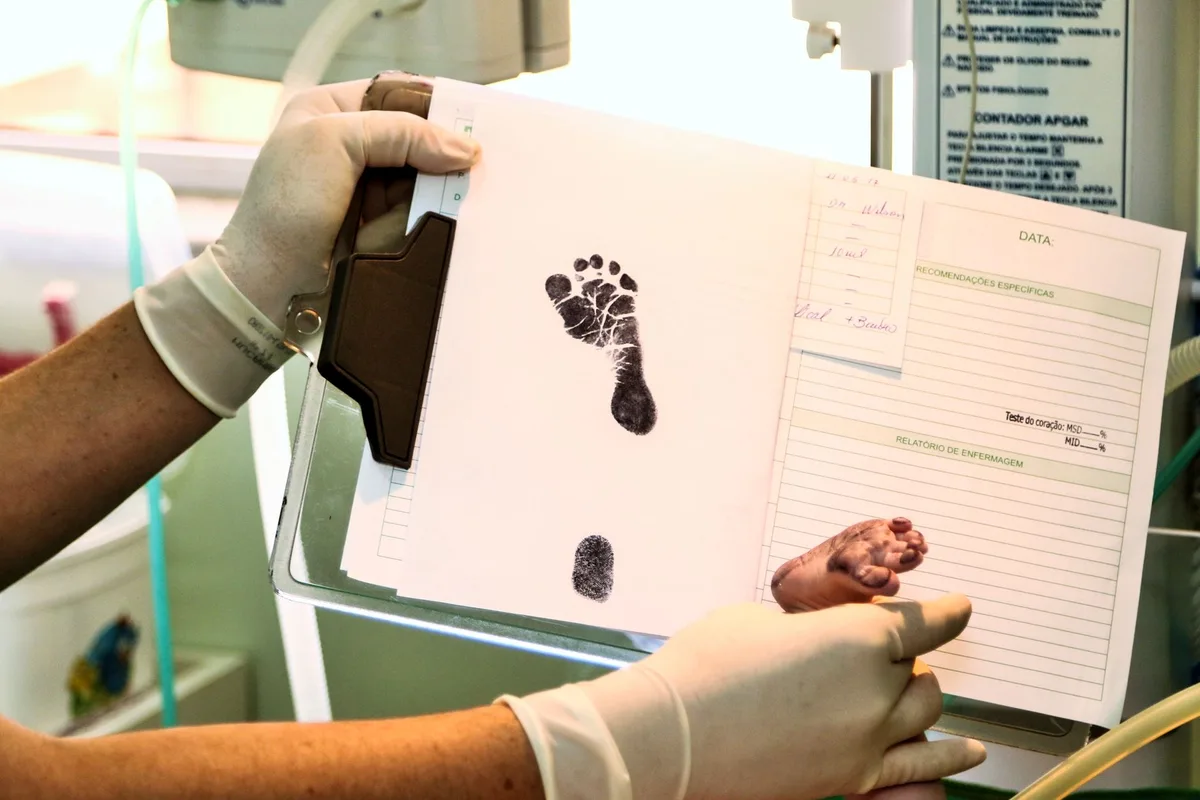
Image source: Pexels / Vidal Balielo Jr. (Pexels License)
The Recall Trap: Why Last Year’s Safe Buy Might Be This Year’s Hazard
Recalls happen fast, and quietly. In 2025, over 2 million baby products were pulled for hidden defects, from faulty buckles to toxic coatings. But most recalls rely on voluntary reporting; only about 30% of affected items get returned.
The bigger issue? Recalled gear circulates in secondhand markets. A crib banned for drop-side failure might resurface on Facebook Marketplace with the hardware removed, but the frame still poses entrapment risks. Similarly, expired car seats are often gifted without disclosure.
Always cross-check new purchases and hand-me-downs against the CPSC recall database. Search by brand, model, and date code, not just product type. And register your buys: manufacturers can’t alert you if they don’t have your info.
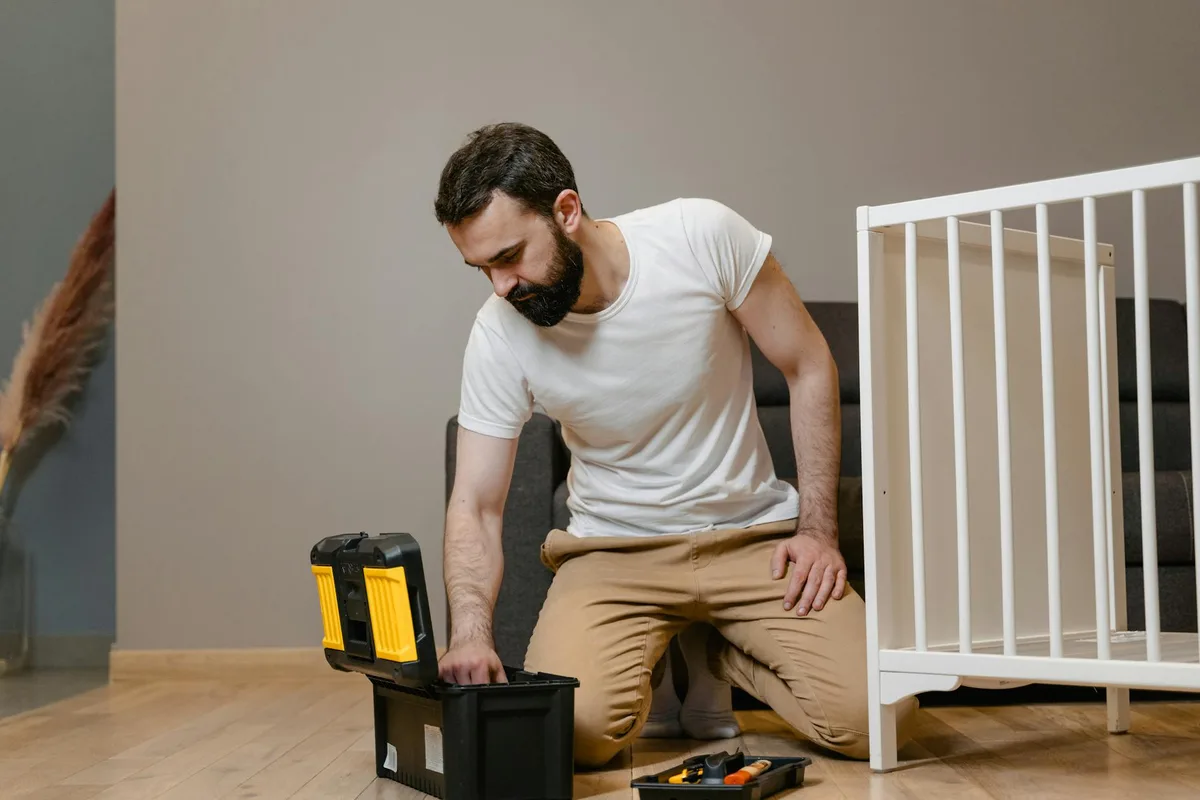
Image source: Pexels / MART PRODUCTION (Pexels License)
Step-by-Step: How to Vet Any Baby Product Before Use
Start with the box or listing photos. Look for a permanent label with a date code, model number, and manufacturer contact. If it’s missing, walk away. For secondhand items, ask for the original manual or search the brand’s site using the model number.
Next, run a recall check. Use the CPSC database or SaferProducts.gov. Enter the exact model and date range. Even if it’s clear, inspect for wear: frayed straps, cracked plastic, or loose screws.
Test stability by gently rocking cribs, high chairs, or strollers on a flat surface.
Finally, verify certifications aren’t fakes. JPMA’s site lets you search certified products by category. For bottles, check if “BPA-free” appears on all components, not just the bottle body. And never assume compliance: some imports skip U.S. standards entirely.
High-Risk Items You Should Double-Check Every Time
Cribs, sleep products, and car seats top the danger list. Cribs must have fixed sides, slats no more than 2⅜ inches apart, and no cutouts in the headboard. Sleep positioners and nests? Avoid them, AAP warns they increase suffocation risk.
Car seats need extra scrutiny. Check the harness for twists, the buckle for smooth release, and the shell for hairline cracks. If it’s been in a crash, even a minor one, replace it. Manufacturer specs confirm most won’t guarantee safety post-impact.
Feeding gear hides risks too. Bottle nipples should resist tearing when stretched. Pacifiers must have a shield wider than the baby’s mouth and ventilation holes. And never heat plastic bottles in microwaves, it can create hot spots and degrade materials.
Secondhand Gear: When Thrift Saves Money—and When It Costs Safety
Hand-me-downs can be lifesavers, but only if they’re vetted. Start by confirming the manufacture date. If it’s older than 10 years, skip it, especially for car seats and cribs. Then inspect every seam, stitch, and fastener.
Look for discoloration, which can signal UV degradation in plastics.
Avoid secondhand mattresses unless they’re sealed in original packaging. Used ones may harbor mold or allergens. For wooden items like high chairs, check for splinters or warping, water damage weakens structural integrity.
Image source: Pexels / Yan Krukau (Pexels License)
Red Flags in Marketing: “Natural,” “Eco,” and Other Misleading Claims
If a product boasts “chemical-free,” it’s lying, everything is made of chemicals. “Non-toxic” means nothing without third-party proof. Real safety comes from certifications like CPSIA or ASTM, not buzzwords.
Watch for vague sourcing. “Made with organic cotton” might mean just 10% is organic. “Plant-based plastics” can still contain phthalates. Always dig into the fine print or contact the manufacturer directly.
And be skeptical of “doctor-recommended” claims. No major medical body endorses specific brands. AAP’s safe sleep guidelines, for example, reject all sleep positioners, no exceptions.
Safe Sleep, Feeding, and Travel: Category-Specific Safety Rules
For sleep, stick to a firm, flat surface with a fitted sheet. No bumpers, blankets, or stuffed animals. Bassinets should meet current CPSC standards, older models may lack critical side height.
Feeding safety means checking bottle compatibility. Not all nipples fit all bottles, and mismatched parts can leak or break. Sterilize properly: boiling is safest for silicone, but check manufacturer limits to avoid warping.
Travel gear demands extra checks. Strollers should lock in both open and closed positions. Car seat bases must install with less than 1 inch of movement side-to-side. And never use a car seat as a sleep device outside the vehicle, it changes the recline angle and risks airway obstruction.
When to Walk Away: Products That Should Never Make It Into Your Home
Some items are unsafe by design, no matter the brand or price. Sleep positioners, crib tents, and handheld baby walkers top this list. The AAP explicitly warns against all three: positioners block airways, tents create entrapment hazards, and walkers increase fall and burn risks.
Avoid any product claiming to prevent SIDS. No pillow, wedge, or monitor has proven effective, and many interfere with safe sleep practices. Similarly, skip “anti-roll” sleep sacks unless they’re FDA-cleared medical devices. Most are just marketing.
If a toy has small, detachable parts or makes loud noises above 85 decibels, don’t bring it home. And never use adult bedding for infants, even if it’s labeled “organic” or “hypoallergenic.”
How to Stay Updated on Recalls and Emerging Risks
Sign up for CPSC email alerts, they’re free and cover all baby categories. Add SaferProducts.gov to your bookmarks; it logs consumer reports on defects not yet recalled. For car seats, register directly with the manufacturer and NHTSA.
Follow trusted sources like the AAP and JPMA on social media. They often flag emerging issues before formal recalls, like when certain silicone teethers were found to shed microplastics under heat stress in 2025.
Check quarterly, not just at purchase. New hazards appear constantly: a popular bottle brand was pulled in early 2026 for hidden lead in decorative ink. Staying current beats reacting too late.
Your Safety Checklist: A Printable Guide for New Parents
Before buying or accepting any baby item, run this quick scan:
- ☐ Date code present and within safe range (under 10 years for seats, 7 for cribs)
- ☐ No recalls for this exact model and date
- ☐ JPMA, CPSIA, or ASTM certification verified
- ☐ No small parts, sharp edges, or loose threads
- ☐ Harness/buckles function smoothly and lock securely
- ☐ Mattress fits snugly with no gaps over 2 fingers
- ☐ Manual included or available online
Keep it on your phone or fridge. It takes 90 seconds and could prevent a disaster.
What to Do If You Find an Unsafe Product at Home
Stop using it immediately. Isolate the item so siblings or visitors can’t access it. Take photos of labels, defects, and serial numbers, these help with reports and refunds.
File a report with CPSC via SaferProducts.gov. Your input triggers investigations and can speed up recalls. If it’s a recent purchase, contact the retailer; many offer full refunds for recalled items even without receipts.
For secondhand finds, notify the original seller if possible. And warn other parents, share the model and issue in local groups. One alert can protect dozens of kids.
Final Thoughts: Safety Is a Process, Not a One-Time Check
Baby gear evolves, and so do the risks. What passed inspection last year might fail today’s standards. Make safety checks part of your routine: before travel, after moves, and whenever your child outgrows a product.
Trust your gut. If something feels off, wobbly, smelly, or poorly made, don’t rationalize it. Better to return one item than risk your child’s safety. And remember: the safest product is often the simplest one that meets current standards without extra gimmicks.

Zahir A. is the Co-Founder and a father of 3 Son’s of BestBabyCart, where he shares practical insights and research-backed guidance on baby products, parenting essentials, and family-focused lifestyle solutions. With a strong focus on product quality, safety, and real-world usability, Zahir helps parents make informed buying decisions through clear, trustworthy, and experience-driven content. His work emphasizes honest reviews, expert research, and user-first recommendations aligned with modern parenting needs.