

Newly married and dreaming of a baby? 😊 This in-depth guide provides essential pregnancy tips for couples, covering health preparation, conception strategies, trimester-by-trimester care, emotional bonding, financial planning, and postpartum preparation. With practical steps and heartfelt advice, you’ll feel confident and excited to start your family!
Hey, newlyweds! 😄 Just tied the knot and picturing a little one in your arms? That’s the sweetest adventure yet! As a mom running BestBabyCart.com, I’ve felt those butterflies of planning a family while savouring the glow of being newlyweds. Pregnancy is a magical journey, but it can feel like a whirlwind—new roles, significant changes, and a multitude of questions. Don’t worry! This guide is your mom-to-mom roadmap, packed with detailed, practical tips to prepare physically, emotionally, and financially. Whether you’re trying to conceive or already expecting, these pregnancy tips will make your journey joyful, confident, and oh-so-special. Let’s jump in!
Why Pregnancy Planning Is a Game-Changer for Newlyweds
Planning for a baby isn’t just about getting pregnant—it’s about setting up your family for success. Here’s why it matters:
-
Health First: A strong body boosts your chances of a healthy pregnancy.
-
Teamwork Vibes: Planning together deepens your bond as a couple.
-
Stress Less: Knowing what’s ahead eases those “what if” worries.
-
Future-Proofing: Early prep saves time, money, and energy down the road.
With 1 in 6 couples facing fertility challenges (per March of Dimes), starting early gives you a head start. Let’s break it down with actionable, heartfelt tips to make your pregnancy journey shine!
Pre-Pregnancy Health: Building a Strong Foundation
Getting your body and mind ready is the first step to a smooth pregnancy. Here’s a deep dive into pre-pregnancy prep.
Schedule a Preconception Checkup
A doctor’s visit ensures you’re both in top shape before trying. Book a preconception checkup to cover:
-
Vaccinations: Confirm you’re up to date on rubella, varicella, and Tdap to protect against these infections.
-
Chronic Conditions: Manage diabetes, thyroid issues, or hypertension, which affect 10–15% of women.
-
Genetic Screening: Discuss carrier tests for conditions like cystic fibrosis.
-
Sperm Health: Partners should check for low sperm count or motility issues.
Pro Tip: Ask about lifestyle factors, such as stress or weight. A healthy dad-to-be is just as crucial!
Start Prenatal Vitamins Early
Begin taking a prenatal vitamin with 400–800 mcg of folic acid 1–2 months before trying to conceive. Folic acid reduces the risk of neural tube defects by 70% (according to the CDC). Look for brands like Nature Made with:
-
Folic Acid: Supports the baby’s brain and spine development.
-
Iron: Prevents anemia, vital for maintaining a 50% higher blood volume during pregnancy.
-
Vitamin D: Strengthens bones for you and your baby.
-
DHA: Boosts baby’s brain growth (optional but helpful).
Storage Tip: Keep vitamins in a cool, dry place to maintain potency.

Image: Prenatal vitamin bottle surrounded by nutrient-rich foods like spinach, oranges, and nuts.
Fuel Your Body with a Balanced Diet
A nutrient-packed diet sets the stage for conception. Aim for:
-
Fruits and Vegetables: 5–7 servings daily (e.g., berries, kale, carrots) for vitamins A, C, and K.
-
Whole Grains: Quinoa, brown rice, or oats for steady energy and fiber.
-
Lean Proteins: Chicken, fish (low-mercury like salmon), or lentils for tissue growth.
-
Healthy Fats: Avocados, walnuts, or olive oil for the baby’s brain development.
-
Hydration: 8–10 cups of water daily to support digestion and circulation.
Limit caffeine to 200 mg (one 12-oz coffee) and avoid processed foods high in sugar or trans fats. Check the American Pregnancy Association for meal plans.
Kick Harmful Habits
Protect your future baby by quitting:
-
Smoking: Increases miscarriage risk by 30% (per CDC).
-
Alcohol: Even one drink can affect fetal development.
-
Drugs: Avoid recreational substances.
Partner Tip: If your spouse smokes, encourage quitting together—it boosts sperm quality and supports you!
📅 Track & Plan
-
☐ Book [preconception checkups]
-
☐ Start [prenatal vitamins] daily.
-
☐ Eat 5–7 servings of fruits and veggies daily.
-
☐ Quit smoking, alcohol, and recreational drugs.
-
☐ Drink 8–10 cups of water daily.🥳
Image: A checklist of Pre-Pregnancy Health Essentials
Trying to Conceive: Timing and Lifestyle Hacks
Ready to make a baby? These detailed tips will boost your chances of conception.
Master Your Menstrual Cycle
Track ovulation (when an egg is released) to hit your fertile window. Ovulation typically occurs 12 to 16 days before your next menstrual period. Signs include:
-
Cervical Mucus: Becomes clear, stretchy, and egg-white-like.
-
Basal Body Temperature: Rises 0.5–1°F after ovulation (use a TheraSense thermometer).
-
Ovulation Predictor Kits: Brands like Clearblue detect LH surges with 99% accuracy.
Apps like Flo or Clue can track cycles and predict fertile days. Start tracking for 2–3 months to spot patterns.
Optimise Conception Timing
Have sex every 1–2 days during the fertile window (5 days before ovulation plus ovulation day). Sperm can survive up to 5 days, so start early. Aim for morning sessions—studies show sperm count peaks then.
Lifestyle Boosters for Fertility
-
Exercise Moderately: 30–45 minutes of walking, yoga, or cycling 5 days a week. Overdoing it (e.g., marathon running) can disrupt ovulation.
-
Manage Stress: High cortisol can delay ovulation. Try a 10-minute meditation or journaling daily.
-
Maintain a Healthy Weight: A BMI of 19–25 is ideal; being under or overweight can lower fertility by 20–30%.
-
Limit Toxins: Avoid BPA plastics and pesticides (use glass containers like Pyrex).
First Trimester: Nurturing Your Tiny Miracle (Weeks 1–12)
Congratulations, you’re pregnant! 😊 The first trimester is an exciting time as your baby begins to grow, but it comes with challenges. Here’s how to thrive.
Tackling Morning Sickness
Morning sickness affects 70–80% of pregnant women. To manage nausea and vomiting:
-
Eat Small, Frequent Meals: 5–6 mini-meals (e.g., crackers, bananas) every 2–3 hours to stabilize your stomach.
-
Ginger Power: Sip ginger tea, chew Ginger People candies, or wear Sea-Band wristbands to ease nausea.
-
Stay Hydrated: Drink 8–10 cups of water or electrolyte drinks like Gatorade to prevent dehydration.
-
Rest: Lie down in a cool, dark room when nausea is at its peak.
When to Call Your Doctor: If you’re vomiting more than 3–4 times daily or can’t keep fluids down, ask about safe medications like Diclegis.
Choose the Right Healthcare Provider
By week 8, book your first prenatal visit with an OB-GYN or midwife you trust. This visit includes:
-
Ultrasound: Confirms pregnancy and checks baby’s heartbeat (around 6–8 weeks).
-
Blood Tests: Screen for anemia, blood type, and infections.
-
Genetic Testing Options: Discuss tests like NIPT for chromosomal conditions.
Tip: Bring your partner to share the excitement of hearing the heartbeat!
Combat Fatigue and Mood Swings
Fatigue can be particularly severe due to hormonal changes. Try:
-
Sleep: Aim for 7–9 hours of sleep nightly and 20–30 minutes of naps.
-
Gentle Exercise: Prenatal yoga or 15-minute walks boost energy.
-
Mood Support: Journaling or talking to your spouse helps balance emotions.

Image: Pregnant woman practicing prenatal yoga for relaxation.
Safe Nutrition
Continue your prenatal diet:
-
Protein: 70–80 grams daily (e.g., eggs, Greek yogurt).
-
Iron-Rich Foods: Spinach or lean beef to prevent anemia.
-
Avoid Risks: Skip raw fish, unpasteurized cheese, and deli meats to reduce infection risks.
Second Trimester: Embracing the Glow (Weeks 13–26)
The second trimester is often called the “honeymoon phase” for its energy boost and glow. Here’s how to make it amazing.
Stay Active Safely
Exercise supports health and mood:
-
Walking: 30–45 minutes daily improves circulation and stamina.
-
Prenatal Yoga: Enhances flexibility and reduces stress (try classes on Glo).
-
Swimming: Low-impact and soothing for joints.
Avoid high-risk activities like horseback riding or heavy lifting. Aim for 150 minutes of moderate exercise weekly.
Nutrition for Growth
You need ~340 extra calories daily. Focus on:
-
Calcium: 1,000 mg daily from milk, fortified almond milk, or Tums for baby’s bones.
-
Omega-3s: Salmon or chia seeds for brain development.
-
Fiber: 25–30 grams daily from oats, apples, or broccoli to prevent constipation.
Meal Idea: A smoothie with spinach, berries, Greek yogurt, and flaxseeds is a nutrient powerhouse.
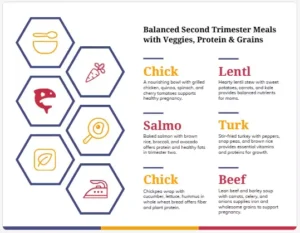
Image: Infographic of a balanced second trimester meal with veggies, protein, and grains.
Regular Prenatal Checkups
Visit your doctor every 4 weeks to monitor:
-
Blood Pressure: To detect preeclampsia (affects 5–8% of pregnancies).
-
Baby’s Growth: Ultrasounds at 18–20 weeks check anatomy.
-
Weight Gain: Aim for 0.5–1 pound per week (25–35 pounds total for average BMI).
Tip: Ask about the anatomy scan to see the baby’s gender if you wish!
Prepare for Baby
Start researching baby gear like:
-
Cribs: Safety-certified options from Graco.
-
Car Seats: Models like Chicco are for safe travel.
-
Strollers: Lightweight designs for daily walks.
Third Trimester: Getting Ready for Baby (Weeks 27–40)
You’re in the home stretch! Prep for delivery and beyond.
Prep for Labor and Delivery
-
Childbirth Classes: Learn breathing techniques, pain relief options, and breastfeeding basics (try Lamaze).
-
Hospital Bag: Pack essentials like comfy pajamas, snacks, and a Boppy nursing pillow.
-
Birth Plan: Outline preferences for pain management, delivery style, and post-birth care.
Tip: Practice relaxation techniques like deep breathing to stay calm during labor.
Manage Third Trimester Discomfort
-
Back Pain: Use a Snoogle pregnancy pillow and maintain good posture.
-
Swelling: Elevate feet, wear compression socks, and reduce salt intake.
-
Sleep Challenges: Sleep on your left side with pillows for support (try Body Pillow).
Comfort Hack: Warm baths with Epsom salts can ease aches.
Strengthen Your Couple Bond
Keep your connection tight:
-
Weekly Date Nights: Cook dinner or watch a movie at home.
-
Parenting Talks: Discuss diaper duties, feeding roles, and dreams for your family.
-
Joint Appointments: Share the joy of 3D ultrasounds.

Image: Happy couple holding hands and smiling, with a visible baby bump.
Monitor Health Closely
Weekly or biweekly prenatal visits track:
-
Fetal Movement: Count 10 kicks in 2 hours daily after week 28.
-
Cervical Changes: Your doctor may check for dilation starting at week 36.
-
Group B Strep Test: Done at 35–37 weeks to prevent newborn infections.
Emotional Wellness: Staying Connected as a Team
Pregnancy can stir up emotions—joy, anxiety, and everything in between. Here’s how to stay grounded.
Open Communication
Set aside 10–15 minutes daily to talk about:
-
Hopes: What kind of parents do you want to be?
-
Fears: Worried about labor or finances? Share openly.
-
Dreams: Imagine your baby’s first smile!
Tip: Use a journal to write love notes to each other for tough days.
Seek Community Support
-
Prenatal Groups: Join local or online groups via What to Expect.
-
Therapy: A counsellor specialising in pregnancy can help with big emotions.
-
Friends and Family: Lean on loved ones for advice and laughs.
Self-Care for Both Partners
-
For Moms: Take warm baths, read a cozy book, or meditate for 10 minutes daily.
-
For Partners: Exercise, play a favorite game, or relax with hobbies to recharge.
Self-Care Idea: Try a couples’ massage class to bond and relax together.
Financial and Practical Planning: Budget for Your New Family
Babies bring joy—and expenses. Plan smart to ease the load.
Create a Baby Budget
Estimate costs for:
-
Baby Gear: $500–$1,500 for cribs, strollers, and car seats (check Graco).
-
Medical Bills: $8,000–$15,000 for prenatal care and delivery without insurance.
-
Ongoing Needs: $50–$100/month for diapers, wipes, and clothes.
Savings Tip: Open a dedicated baby savings account and add $50–$100 monthly.
Review Insurance
Check your health plan for maternity and newborn coverage at HealthCare.gov. Add the baby to your policy within 30 days of birth.
Set Up the Nursery
Create a cozy space with:
-
Crib: Meets safety standards (e.g., Graco).
-
Changing Station: A sturdy table with storage.
-
Monitor: Audio or video monitors like Infant Optics for peace of mind.
Nursery Hack: Use a dimmable nightlight for late-night feedings.
Postpartum Prep: The Fourth Trimester
The weeks after birth are a big adjustment. Prep now to ease the transition.
Stock Up for Recovery
-
Meals: Freeze 10–15 meals (e.g., lasagna, soups) for quick dinners.
-
Supplies: Stock pads, nipple cream (try Lansinoh), and comfy clothes.
-
Help: Arrange for family or friends to assist with chores or babysitting.
Learn Breastfeeding Basics
Breastfeeding can be tricky but rewarding. Read our Breastfeeding Basics for New Moms for tips on:
-
Latching techniques.
-
Pumping with brands like Medela.
-
Troubleshooting sore nipples.
Plan for Emotional Health
Postpartum blues affect 60–80% of moms. Have a support plan:
-
Check-ins: Daily talks with your partner.
-
Professional Help: Contact a therapist if sadness lasts beyond 2 weeks.
You’re Ready to Welcome Your Baby!
Newlyweds, you’re on an incredible journey to parenthood! 😊 With these detailed pregnancy tips, you’re set to stay healthy, grow closer as a couple, and welcome your baby with love and confidence. Take it one day at a time, lean on each other, and savour every moment of this adventure. What’s one tip you can’t wait to try? Share in the comments—we’re cheering for you!
Happy parenting from BestBabyCart.com! Dive into more tips to make your family journey unforgettable.
FAQ: Pregnancy Tips for Newly Married Couples
Q: When should newlyweds start trying for a baby?
A: Many wait 6–12 months to adjust to marriage, but it’s your choice. A preconception checkup ensures you’re both ready.
Q: How can we boost fertility naturally?
A: Eat nutrient-rich foods, exercise moderately, manage stress, and track ovulation with Clearblue kits.
Q: What helps severe morning sickness?
A: Small meals, ginger products like Ginger People, and Sea-Band wristbands. If vomiting exceeds 4 times daily, ask about medications.
Q: What’s a normal pregnancy weight gain?
A: For average BMI, 25–35 pounds. Underweight: 28–40 pounds; overweight: 15–25 pounds. Your doctor will guide you.
Q: How can partners support during pregnancy?
A: Attend appointments, share chores, and join classes on Lamaze. Emotional support is key!
Q: What baby gear should we buy first?
A: Prioritise a crib (Graco), car seat (Chicco), and monitor (Infant Optics) for safety and ease.

Taslima Khanam Sultana, a loving mom of three, founded BestBabyCart.com to help new parents navigate the world of baby products with ease. Her passion for making parenting simpler shines through delivering honest, unbiased reviews on must-haves like diapers, strollers, and feeding gear. Taslima’s mission is to empower families with expert tips, ensuring every product is safe and top-quality for your little one. Drawing from her own parenting journey, she’s dedicated to supporting yours!