
If you’ve ever caught a whiff of a dirty diaper mid-change and wondered if that stinky breath could actually harm you, you’re not alone. For parents, caregivers, daycare workers, and anyone who spends time around infants, this is a common, practical concern—not just a silly overreaction to an unpleasant smell. The short answer is: for most healthy people, occasional low-level exposure is unlikely to cause serious illness, but there are real, evidence-based risks to be aware of, especially for vulnerable groups. This guide breaks down exactly what’s in dirty diapers that could impact your health, who faces the highest risk, and actionable, no-nonsense steps to minimize exposure without overcomplicating your routine.
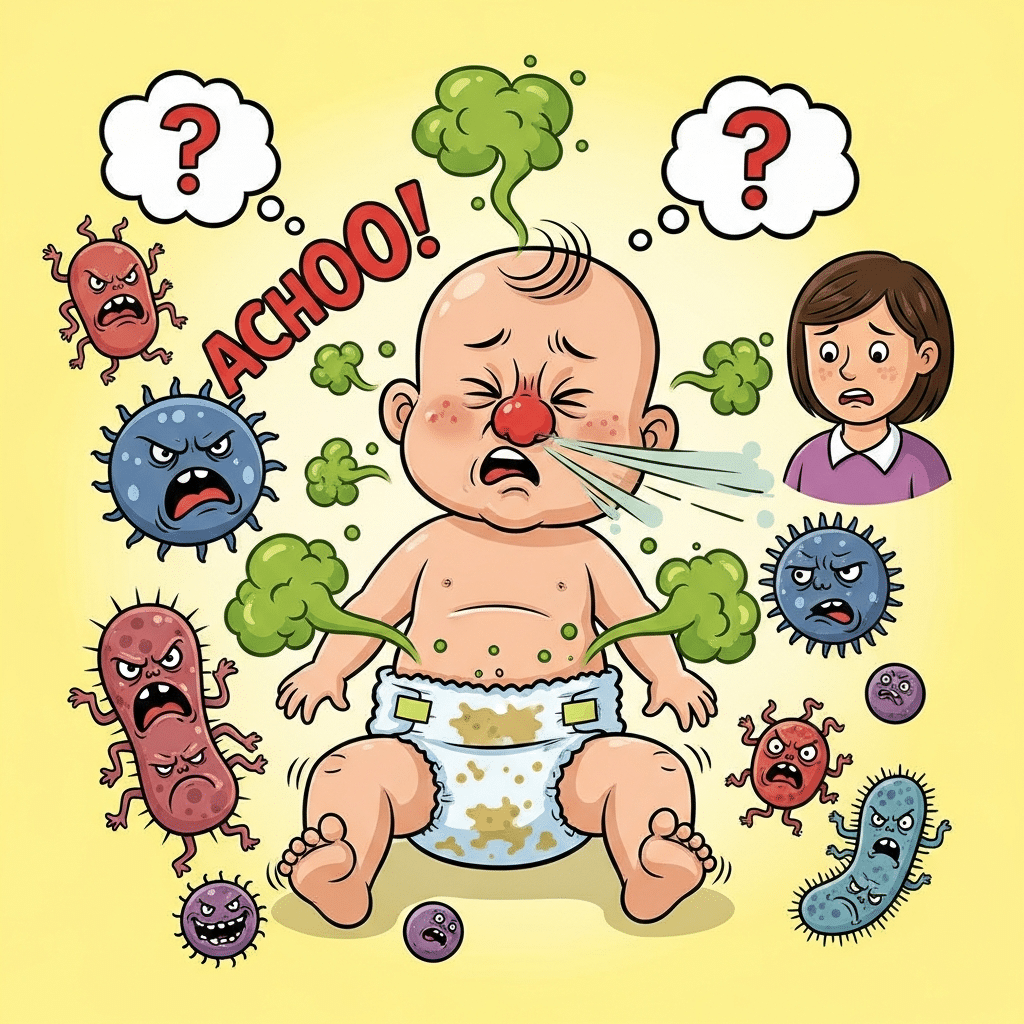 A typical diaper changing setup, where aerosolized particles can be released when lifting a soiled diaper.
What’s Inside a Dirty Diaper That Poses Health Risks?
Dirty diapers are more than just a source of unpleasant odor—they are a concentrated mix of human waste, shed pathogens, and chemical byproducts of decomposition that can become airborne during changes. Understanding exactly what you might be inhaling helps you assess your actual risk and take targeted precautions. You can also read our guide on how often to change diapers.
Common Pathogens in Soiled Diapers
Human urine and feces shed billions of bacteria and viruses with every diaper change, many of which are harmless in small doses but can cause illness if ingested or inhaled. The most common pathogens found in soiled diapers include:
- Escherichia coli (E. coli): A gut bacteria that can cause severe diarrhea, stomach cramps, and vomiting if ingested, and in rare cases, urinary tract or respiratory infections.
- Salmonella: Causes salmonellosis, a gastrointestinal illness marked by diarrhea, fever, and abdominal pain, which can be severe for young children and immunocompromised people.
- Rotavirus and norovirus: Highly contagious viruses that cause acute gastroenteritis, with symptoms including vomiting, diarrhea, and dehydration. These are especially dangerous for infants, who are at higher risk of severe dehydration from illness.
Even disposable diapers, which contain waste in an outer plastic layer, can release these pathogens into the air when the diaper is lifted, moved, or opened during a change.
Chemical Byproducts of Waste Breakdown
Beyond living pathogens, decomposing waste in diapers releases volatile organic compounds (VOCs) that irritate the respiratory system:
- Ammonia: Formed when urea in urine breaks down, ammonia has a sharp, pungent smell and can cause throat irritation, coughing, and eye redness even at low concentrations. Prolonged exposure to high levels of ammonia can exacerbate asthma and COPD.
- Hydrogen sulfide: The compound responsible for the classic “rotten egg” smell of dirty diapers, hydrogen sulfide is toxic at high concentrations, though levels in typical household diapers are usually too low to cause serious harm. Even low levels can cause headaches, nausea, and respiratory irritation for sensitive individuals.
What Can You Use to Control Dirty Diaper Odors?
If you’re dealing with strong diaper smells at home, the best solution is to remove dirty diapers promptly and use a well-sealed disposal system. A dedicated diaper pail can help contain odors and make diaper disposal easier, especially when you’re changing several diapers a day.
1. Diaper Pail — Best for Odor Control
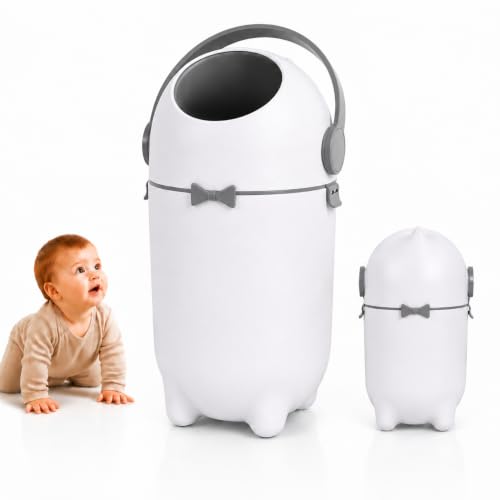
- 🛡️【Ultimate Odor Control Design】 Equipped with a built-in baffle and a sealed lid, this diaper pail odor locking system …
- 🛡️【Generous 15L Capacity】 Holding up to 16 dirty diapers, this spacious baby diaper trash can easily handles a full day …
- 🛡️【Durable, Easy-Clean & Portable】 Crafted from premium plastic, this lightweight baby diaper pail resists cracks and ea…
Look for a diaper pail with a secure lid and an effective odor-containment system.
Best for: Parents who want to keep dirty-diaper smells contained between trash collections.
2. Diaper Disposal Bags — Best for Quick Changes

- Plastic
- Built in ties to seal in odors and wetness
- Fresh baby powder scent
Individual diaper disposal bags can be useful when you’re away from home or don’t want to put a dirty diaper directly into a household trash can.
Best for: Travel, daycare, nursery changes, and quick odor control.
3. Diaper Pail Refill Bags — Best for Regular Use

- 🔗 COMPATIBLE WITH UBBI DIAPER PAILS: Designed for use with Ubbi diaper pails. Each bag measures approximately 35″ × 20″ …
- 🎁 100-BAG VALUE PACK: Includes 100 diaper pail liner bags in a convenient dispensing box for easy storage and everyday u…
- ⭐ STAR-SEAL BOTTOM: Star-seal construction helps distribute contents throughout the bottom of the bag and provides relia…
If you use a diaper pail regularly, compatible refill bags can make disposal more convenient and help keep the system ready for daily diaper changes.
Best for: Families who use a dedicated diaper disposal system every day.
Can You Actually Get Sick From Inhaling Diaper Fumes?
The odor of a dirty diaper is almost never the direct cause of serious illness, but the aerosolized particles released during a change can carry both pathogens and irritating chemicals that pose real health risks, depending on your exposure level and underlying health. You can also read our guide on best diaper changing pad portable.
Short-Term Irritation vs. Serious Infection
For most healthy adults, occasional exposure to diaper fumes will only cause mild, temporary irritation: a scratchy throat, watery eyes, or a brief coughing fit. These symptoms resolve on their own once you leave the area and get fresh air. Serious infection is far less common, and almost always requires a combination of high exposure and a compromised immune system. The most likely route of illness is not inhaling fumes alone, but inhaling particles that carry pathogens, then touching your mouth, nose, or eyes without washing your hands first, leading to ingestion of the germs.
Documented Health Outcomes From Exposure
Occupational health data supports this risk assessment: daycare workers, who change an average of 10–15 diapers per day, have significantly higher rates of gastrointestinal illness and respiratory irritation than the general public, per CDC’s healthy childcare guidance. The CDC notes that common pathogens found in human waste can spread via both direct contact and airborne particles during diaper changes, making strict hygiene critical for reducing infection risk for high-exposure groups. You can also read our guide on best non toxic diapers safe gentle options.
Who Faces the Highest Risk?
While the average parent changing 5–6 diapers a day is unlikely to face serious health effects, certain groups are far more vulnerable to adverse outcomes from exposure:
| Group | Elevated Risk Level | Primary Concerns |
|---|---|---|
| Infants and young children | High | Immature immune systems, close proximity to the diaper during changes, sensitive airways prone to irritation |
| Elderly adults | Moderate to high | Naturally declining immune function, higher rates of chronic respiratory conditions like asthma |
| Immunocompromised individuals | High | Increased susceptibility to severe, even life-threatening, infection from common diaper pathogens like E. coli and Salmonella |
| Daycare workers and high-exposure caregivers | Moderate | Repeated daily exposure to aerosolized particles and pathogens increases risk of chronic irritation and illness |
Evidence-Based Ways to Minimize Your Risk
You don’t need to overhaul your entire routine to reduce your risk of illness from dirty diapers—small, consistent changes to your changing, disposal, and cleaning habits make a big difference. In practice, the biggest mistake caregivers make is rushing through changes and shaking a soiled diaper over the trash to dislodge waste, which releases far more aerosolized particles into the air than necessary.
Safe Diaper Changing Protocols
- Always change diapers on a dedicated, wipeable changing surface, and keep all supplies (clean diaper, wipes, cream) within arm’s reach so you never have to move around holding a soiled diaper.
- Avoid shaking or aggressively handling a dirty diaper before disposal. Gently roll it up, secure the tabs, and wrap it immediately in a disposable bag to contain particles and odor.
- If you use cloth diapers, your typical yearly cloth diaper volume means you’ll be handling soiled fabric far more often than disposable users: pre-rinse cloth diapers in the toilet before washing to reduce pathogen load, and always wash them at the hottest temperature recommended by the manufacturer (usually 60°C / 140°F) to kill bacteria and viruses.
- Wash your hands thoroughly with soap and water for at least 20 seconds after every diaper change, even if you wore gloves. If soap and water are not available, use an alcohol-based hand sanitizer with at least 60% alcohol.
On-the-Go and Travel Safety Tips
Changing diapers outside the home increases your risk of exposure, as you can’t control the ventilation or disposal options available. To stay safe:
- Keep a pack of disposable, sealable bags in your diaper bag to wrap soiled diapers immediately before tossing them in a public trash bin.
- If you’re running errands with a napping infant, avoid changing diapers in enclosed spaces like car backseats or small public restrooms with no ventilation. If possible, find a well-ventilated area or use a portable changing pad with a wipeable surface.
- Never leave a soiled diaper in a hot car, as high temperatures accelerate bacterial growth and increase the release of VOCs.
Improving Indoor Air Quality
Reducing the concentration of airborne particles in your home lowers your risk of inhalation exposure, even if you can’t eliminate diaper odors entirely:
- Open a window or turn on an exhaust fan during and after every diaper change to circulate fresh air and disperse particles. The EPA indoor air quality guidance recommends increasing ventilation during activities that stir up household particles to reduce indoor pollutant concentrations.
- If the changing area is in or near your baby’s nursery, place a HEPA air purifier nearby to capture fine aerosolized particles. Never store a full diaper pail in the same room as your baby’s sleep space, as lingering fumes and particles can reduce air quality while they rest.
- Avoid using fans that blow air directly across the changing area toward your face, as this can push particles straight into your breathing zone.
Safe Disposal and Cleaning Routines
- Use a dedicated diaper pail with a foot-pedal lid to avoid touching the container with clean hands. Empty the pail daily, and never let it overflow, as accumulated waste increases bacterial growth and odor.
- Wipe down the entire changing surface with a disinfectant wipe after every change, paying special attention to the sides of the pad and any crevices where waste particles can settle.
- Keep dedicated baby feeding supplies stored separately from diaper changing supplies to avoid cross-contamination. Never place clean bottles, pacifiers, or food items on the changing surface before or after a diaper change.
- If you use a stroller with a built-in changing attachment like the Uppababy Vista, folding it properly after use ensures no soiled parts are left exposed to the air or your baby’s belongings.
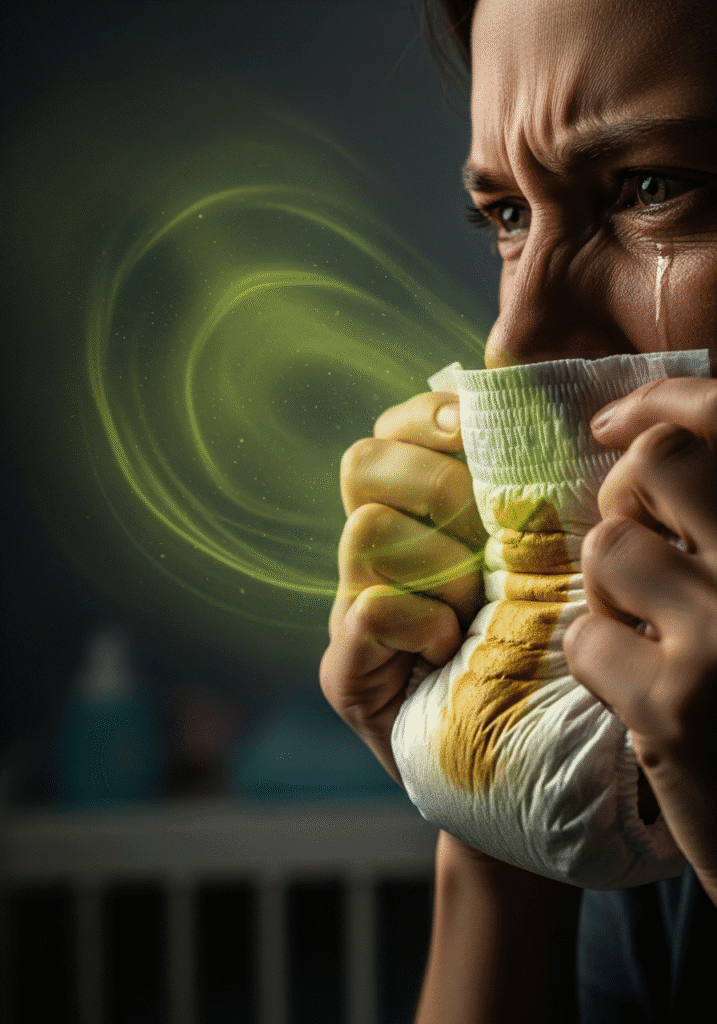 Tiny aerosolized particles carrying pathogens can become airborne when a soiled diaper is moved during a change.
Expert Opinions on Long-Term Risk
Medical and environmental health experts agree that long-term, low-level exposure to diaper fumes is unlikely to cause chronic illness for healthy people, but caution that consistent poor hygiene can lead to repeated minor infections that add up over time. You can also read our guide on best diaper pail for odor control.
- Medical perspective: Pediatricians and infectious disease specialists emphasize that the biggest risk from dirty diapers is not inhalation, but hand-to-mouth transmission of pathogens. For immunocompromised patients, they recommend avoiding diaper changing duties entirely if possible, or wearing a fitted N95 mask during changes to reduce particle inhalation.
- Environmental health perspective: Indoor air quality experts note that diaper odors contribute to overall indoor VOC levels, which can worsen asthma and allergy symptoms over time for sensitive individuals. They recommend prioritizing ventilation and air filtration in homes with multiple young children in diapers.
 A HEPA air purifier can capture fine particles released during diaper changes to improve indoor air quality.
Image source: leahbrueggemann.com
A HEPA air purifier can capture fine particles released during diaper changes to improve indoor air quality.
Image source: leahbrueggemann.com
Frequently Asked Questions
Can the smell of a dirty diaper alone make you sick?
The odor itself (from ammonia, hydrogen sulfide, and other VOCs) can cause mild irritation to the eyes, throat, and lungs, especially with repeated exposure. You will not get a serious infection from smell alone unless you inhale aerosolized particles that carry pathogens, which is far more likely during the physical act of changing a diaper than just smelling a dirty diaper from across the room.
Do cloth diapers carry different health risks than disposable ones?
Cloth diapers require more frequent handling of soiled, uncontained waste, so they pose a higher risk of pathogen exposure if not washed at sufficiently high temperatures (at least 60°C/140°F) and dried completely. Disposable diapers are contained in an outer plastic layer that reduces particle release, but they still require careful disposal to avoid odor and bacterial spread. You can also read our guide on best diaper wipe warmers.
Are dirty diapers considered a biohazard?
Yes, dirty diapers are classified as human waste, which qualifies as a biohazard due to the presence of bacteria, viruses, and parasites that can cause illness. This is why many public spaces have specific waste bins for soiled diapers, and why proper disposal is critical for public health.
Can you get E. coli from breathing in dirty diaper fumes?
It is extremely rare to contract E. coli from inhaling fumes alone. The most common route of transmission is via hand-to-mouth contact after touching a soiled diaper without washing your hands. That said, aerosolized particles released during a diaper change can carry E. coli, so avoiding direct inhalation of these particles and practicing hand hygiene is key to preventing infection. You can also read our guide on best way to wash cloth diapers.
Are diaper fumes dangerous for babies?
For healthy full-term babies, short-term, low-level exposure to diaper fumes is unlikely to cause serious harm. However, infants have smaller, more sensitive airways, so high concentrations of ammonia or hydrogen sulfide can cause coughing, choking, or asthma flare-ups. Preterm infants or those with underlying respiratory conditions are at higher risk for adverse effects.
Conclusion
Breathing in fumes or particles from a dirty diaper is unlikely to cause serious illness for most healthy people with good hygiene habits, but it does pose real risks of short-term irritation and, in rare cases, infection—especially for vulnerable groups like infants, the elderly, and immunocompromised individuals. The good news is that these risks are easy to mitigate with simple, consistent habits: avoid shaking soiled diapers, use a foot-pedal pail for disposal, ventilate the room during changes, and wash your hands thoroughly every time. These small steps protect your health and the health of everyone in your household, no fancy gadgets or overcomplicated routines required. You can also read our guide on best dog car booster seat.
For more evidence-based, parent-tested guidance on keeping your home safe and healthy for your family, browse our full library of baby care resources.

Emma Grace is a devoted mother and passionate content writer at BestBabyCart.com. With firsthand parenting experience and a love for research, she creates helpful guides and honest reviews to support parents in choosing the best for their babies. Her goal is to make parenthood easier, one article at a time.