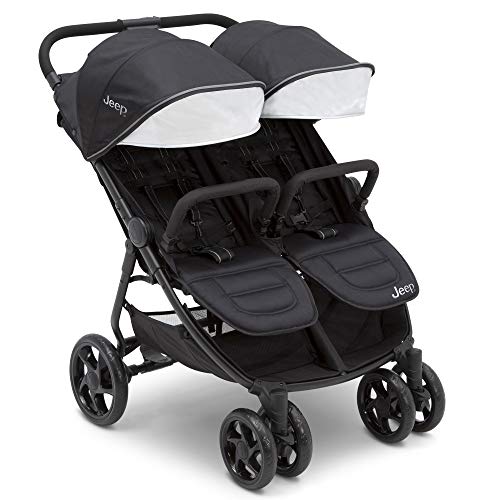
Best Graco Strollers 2026

Best Graco Strollers 2026: Complete Lineup & Top Picks

These are 2026’s best Graco strollers for value, safety, and ease.
You have errands, naps on the go, and a trunk that is already full. You want a stroller that folds fast, steers smooth, and keeps your baby comfy from day one. In this Best Graco Strollers 2026: Complete Lineup Review, I break down what matters in real life. I explain who should pick a pramette, a travel system, or a compact daily ride. I also call out the small things that save time, like auto folds, trays, and storage. Let’s find your match without the guesswork.

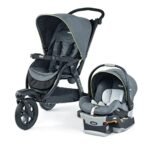
Graco Outpace LX All-Terrain 3-Wheel Stroller

The Outpace LX is built for mixed terrain and long walks. The 3-wheel frame gives quick turns and a nimble feel. Never-flat rubber tires handle cracked sidewalks and park paths. In-seat suspension helps smooth bumps, so naps last longer.

I like the one-hand fold when I am holding a baby and a bag. It is travel-system ready, so most Graco infant car seats click in fast. The seat is roomy and reclines well for younger babies. Storage is solid, with a large basket you can reach from the back.

Pros:

  • All-terrain tires with in-seat suspension for smooth rides
  • Agile 3-wheel design makes tight turns easy
  • One-hand fold works well while holding baby
  • Compatible with Graco infant car seats for travel system use
  • Large, easy-access storage basket

Cons:

  • Three-wheel stance may feel wider at the front in small stores
  • Heavier than a pure compact travel stroller
  • Parent tray may require an add-on, depending on bundle

My Recommendation

If you walk a lot or live near parks, this is a smart pick. It rides smooth, turns fast, and holds up on rough paths. For the Best Graco Strollers 2026: Complete Lineup Review, it stands out for outdoor use and weekend adventures. It is also a strong daily driver if you want one stroller that does more.

Best for Why
Active parents and park walks Never-flat tires and suspension smooth rough ground
One-stroller households Works from infant (with car seat) to toddler
Quick errands One-hand fold and easy steering save time

Graco Modes Pramette Travel System (Ontario)

The Modes Pramette Travel System is a parent favorite because it includes a true pram mode and the Graco SnugRide 35 infant car seat. Your newborn can lie flat in pram mode, which feels cozy and secure. The seat reverses to face you or the world. The one-hand fold and extra storage make daily trips easy.

I value the child tray for snacks and the parent tray for keys. The car seat to stroller swap is fast, which helps at doctor visits. It is a smart package that covers birth to toddler. In the Best Graco Strollers 2026: Complete Lineup Review, it is a top value pick for first-time parents.

Pros:

  • True pram mode for flat, newborn-friendly rides
  • Includes SnugRide 35 infant car seat
  • Reversible seat grows with your child’s stage
  • One-hand fold and generous storage
  • Child and parent trays add real-life convenience

Cons:

  • Heavier than a compact stroller
  • Pram setup adds steps when converting back to seat
  • Not ideal for rough trails

My Recommendation

Pick this if you want one bundle from day one. You get a safe infant car seat and a stroller with a true pram. It is a strong choice in my Best Graco Strollers 2026: Complete Lineup Review because it balances comfort, features, and price. New parents who want fewer decisions will love it.

Best for Why
Newborn comfort Flat pram mode supports early months
Value shoppers Includes car seat and feature-rich stroller
Parents who like options Reversible seat and multiple riding modes

Graco Modes Pramette 3-in-1 Stroller (Pierce)

The Modes Pramette Stroller gives you three modes without buying a full travel system. Use it as an infant car seat carrier, a pramette, or a toddler seat. The reversible seat keeps your baby close or lets them explore. The fold is simple for a stroller in this class.

This is ideal if you already own a Graco infant car seat or plan to buy one. The large canopy and storage help for long outings. The ride is smooth for daily use on sidewalks and stores. In the Best Graco Strollers 2026: Complete Lineup Review, it is a smart middle ground between a frame stroller and a full system.

Pros:

  • 3-in-1 versatility without a bundled car seat
  • True pramette function for newborn naps
  • Reversible seat adapts to each stage
  • Good storage and user-friendly fold
  • Compatible with Graco infant car seats

Cons:

  • Car seat sold separately for full travel use
  • Not as compact as a travel stroller
  • Pram conversion has a small learning curve

My Recommendation

Get this if you want pram comfort but need to control costs. It lets you buy the car seat you want later, or use the one you already own. I rate it high in my Best Graco Strollers 2026: Complete Lineup Review for flexibility and everyday function. It is a great fit for city walks and mall trips.

Best for Why
Families with a Graco car seat Click-in travel mode without buying a bundle
Newborn to toddler use Pramette to seat transition is smooth
Budget-conscious buyers Pay only for the stroller features you need

Graco Redmond Modes Pramette 3-in-1 Stroller

The Redmond edition of the Modes Pramette adds a clean, modern look to a proven design. It converts from an infant car seat carrier to a pramette, and then to a toddler stroller. The seat reverses, which helps soothe a baby who likes to see you. The fold is simple, and the frame feels solid.

I like the balance of style and function here. The basket is easy to reach, and the canopy coverage is strong. It is not the smallest stroller, but it feels stable and safe. In the Best Graco Strollers 2026: Complete Lineup Review, it checks the right boxes for everyday family life.

Pros:

  • 3-in-1 design from newborn through toddler
  • Reversible seat and pramette mode
  • Clean, modern styling
  • Simple fold for a full-size stroller
  • Solid canopy and easy-access storage

Cons:

  • Takes more trunk space than a lightweight stroller
  • Pram setup requires a few steps
  • Not built for rough off-road paths

My Recommendation

Choose this if you want the Modes Pramette features in a stylish finish. It works from day one with a Graco infant car seat. In my Best Graco Strollers 2026: Complete Lineup Review, it is the “style plus substance” pick. It suits parents who want a simple fold and a cozy pram without losing looks.

Best for Why
Style-minded parents Modern design matched with core features
Newborn riders Pramette mode offers flat, snug support
Everyday city use Stable frame, easy fold, and good storage

Graco Modes Element Travel System (Canter)

The Modes Element Travel System covers your basics at a fair price. It pairs the Element stroller with an infant car seat for quick transfers. The seat reverses and reclines for naps. The frame folds smoothly into a trunk-friendly size for a full-size stroller.

I like the roomy basket and the tray setup for both parent and child. It handles well in stores and lots, which is where you spend most of your time. The canopy coverage helps on sunny days. In the Best Graco Strollers 2026: Complete Lineup Review, it ranks as a budget-friendly, do-it-all system.

Pros:

  • Includes infant car seat for one-and-done setup
  • Reversible seat for parent-facing rides
  • Good storage with accessible basket
  • Fold works well for daily errands
  • Great value for growing families

Cons:

  • Heavier than a compact travel stroller
  • Wheels best for smooth sidewalks
  • Finish and fabrics are more basic than premium lines

My Recommendation

This is for families who want a reliable travel system at a low price. It delivers the must-haves and skips the fluff. I place it high on the Best Graco Strollers 2026: Complete Lineup Review for value and ease. It is a workhorse for everyday life.

Best for Why
Budget-focused parents Complete system at a wallet-friendly cost
Daily errands Easy fold and solid storage
First-time buyers Simple features with low learning curve

Graco Verb Travel System with SnugRide 30 (Merrick)

The Verb Travel System is a light, nimble combo with the SnugRide 30 infant car seat. It is easy to push and fit through narrow spaces. The fold is quick, and the stroller is simple to lift. The ride is best on even ground and short trips.

I like the no-fuss setup for new parents. The basket is smaller than some, but it fits daily needs. The child tray and parent tray are helpful for snacks and phones. In the Best Graco Strollers 2026: Complete Lineup Review, it earns a spot for lightness and value.

Pros:

  • Light and easy to steer in tight spaces
  • Includes SnugRide 30 infant car seat
  • Quick, simple fold and lift
  • Trays add everyday convenience
  • Good price for new families

Cons:

  • Smaller basket than full-size models
  • Best for smooth sidewalks only
  • Shorter lifespan for tall toddlers

My Recommendation

Pick this if you want light weight and an easy start. It is great for apartments, quick errands, and tight store aisles. In my Best Graco Strollers 2026: Complete Lineup Review, it is the go-to for budget and simplicity. It is ideal as a first stroller or a spare for travel.

Best for Why
Apartment living Light frame, quick fold, easy storage
Quick errands Fast in and out of the car
Budget seekers Good value with included car seat

Graco Ready2Jet Travel System with Auto Fold

The Ready2Jet Travel System brings a compact frame with an automatic fold. You press, and it collapses on its own. It includes a SnugRide Lite infant car seat for day-one use. The stroller is slim and easy to steer in crowds.

I love the auto-fold when I carry a baby and coffee. The basket is smaller than full-size models, but it is enough for diapers and a small bag. This is made for on-the-go parents who value speed. In my Best Graco Strollers 2026: Complete Lineup Review, it wins for fast, compact travel system power.

Pros:

  • Automatic fold saves time and hands
  • Compact, easy to steer through tight spaces
  • Includes SnugRide Lite infant car seat
  • Great for travel and urban life
  • Lightweight feel with smart design

Cons:

  • Smaller basket than full-size strollers
  • Not ideal for rough terrain or long trails
  • Seat may feel snug for big toddlers

My Recommendation

If you want a fast fold and a small footprint, this is it. It fits trunks, rides elevators, and handles quick trips without stress. I include it as a standout in the Best Graco Strollers 2026: Complete Lineup Review for automatic fold lovers. It is a strong pick for city families.

Best for Why
City and travel use Auto fold and compact frame
Parents juggling bags and baby Automatic fold frees a hand
Small car trunks Space-saving design packs down well

Ready2Jet Compact Stroller (Splatter Art)

The Ready2Jet Compact Stroller takes the auto-fold magic and strips it to a sleek, single stroller. It is slim, light, and made for fast trips. The seat reclines for naps, and the canopy shields well. It steers easily through crowds and small aisles.

It is not a jogger, but it is a great daily grab-and-go. The storage suits a diaper clutch and small extras. It shines for travel days, quick errands, and grandparents. In the Best Graco Strollers 2026: Complete Lineup Review, it is a winner for those who want simple speed.

Pros:

  • Automatic fold makes pack-up a breeze
  • Light and compact for daily carry
  • Good recline and canopy for comfort
  • Easy to steer in tight spaces
  • Great backup stroller for caregivers

Cons:

  • Smaller storage basket
  • Not ideal for bumpy paths
  • Seat space may be snug for older toddlers

My Recommendation

Get this if you need a fast, small stroller for daily use. It is perfect as a secondary stroller or for travel. In my Best Graco Strollers 2026: Complete Lineup Review, it stands out for quick folds and small trunks. It is a smooth city mover.

Best for Why
Travel days Auto fold and light carry
Grandparents and caregivers Simple controls and easy push
Busy city errands Compact size slips through crowds

Graco Merge 360 Baby Stroller

The Merge 360 is all about easy gliding and tight turns. With 360-degree rotating wheels front and rear, it pivots in place. That helps you steer through narrow doors and busy aisles. The one-button push fold is quick when you head to the car.

It feels light and smooth for daily use. The seat is comfy and reclines for naps. It is not a rough-trail stroller, but it excels on smooth ground. In the Best Graco Strollers 2026: Complete Lineup Review, it is the “turn-on-a-dime” choice for city life.

Pros:

  • 360-degree wheels for super-tight turns
  • Very easy to steer in small spaces
  • Quick, one-button fold
  • Comfortable seat with recline
  • Great for shops, hallways, and elevators

Cons:

  • Not meant for off-road terrain
  • Storage is average for a compact stroller
  • Wheels can pick up debris on rough ground

My Recommendation

Pick the Merge 360 if you navigate tight spaces daily. It turns fast and keeps your child comfy on smooth paths. I list it in the Best Graco Strollers 2026: Complete Lineup Review for best maneuverability. It is a lifesaver in apartments and busy streets.

Best for Why
Small apartments Pivot-in-place steering
Malls and stores Glides through narrow aisles
Parents who want easy control Light push and quick fold

Ready2Jet Compact Stroller (Lilac Mod)

This Ready2Jet variant keeps the automatic fold and light frame, but adds the Lilac Mod style. It is easy to carry and store. The seat reclines and the canopy helps with sun. It makes daily trips simple and fast.

I like it for school pickups, cafes, and travel. The basket fits a few key items. It does not aim for all-terrain, but that is not the goal here. In the Best Graco Strollers 2026: Complete Lineup Review, it is a quick, stylish compact buy.

Pros:

  • Automatic fold for instant pack-up
  • Lightweight and slim
  • Comfortable recline and sun protection
  • Great colorway adds style
  • Easy to manage in crowds

Cons:

  • Limited storage size
  • Not built for rough ground
  • No bundled car seat

My Recommendation

Choose this if you want compact speed with a fresh look. It covers daily errands without bulk. I call it out in the Best Graco Strollers 2026: Complete Lineup Review for auto-fold fans who love style. It is perfect as a go-to runaround stroller.

Best for Why
Style and simplicity Modern color with auto fold
Travel and ride-shares Light and small for trunks
Daily errands Quick setup and smooth push

FAQs Of Best Graco Strollers 2026: Complete Lineup Review

Are Graco strollers safe for newborns?

Yes. Use a compatible Graco infant car seat or a pramette mode that lies flat. Always follow the user guide and harness steps.

What is the difference between a travel system and a stroller?

A travel system includes an infant car seat that clicks into the stroller. A stroller alone does not include a car seat.

Do Graco strollers meet safety standards?

Graco designs strollers to meet current U.S. safety standards. Always register your product and check your manual for details.

Which Graco model is best for city use?

Ready2Jet and Merge 360 are great for tight spaces. The Outpace LX works if you also want some all-terrain ability.

How do I choose the right Graco stroller in 2026?

Match it to your life. Pick auto fold for speed, pramette for newborns, or all-terrain for parks and sidewalks.

Final Verdict: Which Should You Buy?

The Best Graco Strollers 2026: Complete Lineup Review shows a clear path. Choose all-terrain comfort with the Outpace LX. Choose newborn ease and value with the Modes Pramette Travel System. Choose speed and small size with Ready2Jet.

Pick what fits your days, car trunk, and budget. Each option in this Best Graco Strollers 2026: Complete Lineup Review earns its place for real-life use and smart design.

Baby Monitor Buying Guide

Baby Monitor Buying Guide: Best Picks And Expert Tips

Choose a monitor that matches your needs: audio, video, range, privacy, and budget.

I’ve tested and compared dozens of models and helped parents pick the right gear. This Baby Monitor Buying Guide explains what matters, why it matters, and how to choose the best monitor for your baby, home, and peace of mind. Read on for clear, experience-backed advice that saves time, avoids buyer’s regret, and keeps your little one safe.

Why a baby monitor matters
Source: babysensemonitors.com

Why a baby monitor matters

A baby monitor gives you a reliable way to check on your baby from another room. It reduces stress and helps you respond faster to cries, breathing changes, or unusual sounds. The right choice also protects your family’s privacy and adapts as your child grows.

Benefits to expect

  • Peace of mind when you can’t be in the same room.
  • Faster response to feeding, diaper, or comfort needs.
  • Extra safety features like motion or breathing alerts in some models.
  • Flexibility for parents who work, nap, or handle household tasks.

This Baby Monitor Buying Guide focuses on features that deliver safety, reliability, and ease of use. It helps you weigh trade-offs and pick what fits your daily life.

Types of baby monitors
Source: consumerreports.org

Types of baby monitors

Knowing the type helps narrow choices fast. This Baby Monitor Buying Guide covers the common types and when to use them.

Audio-only monitors

  • Basic and affordable.
  • Great for small homes or parents who only need sound alerts.
  • Pros: long battery life, simple setup. Cons: no visual confirmation.

Video monitors

  • Provide live video and usually two-way talk.
  • Better for visual checks at night or for anxious parents.
  • Pros: visual reassurance, night vision. Cons: higher cost, possible privacy risks.

Wi-Fi smart monitors

  • Stream to phones or tablets and often add cloud features.
  • Good for multi-device households and remote monitoring.
  • Pros: remote access, advanced alerts. Cons: dependent on home network and security.

Wearable and movement monitors

  • Clip-on or mattress sensors that track breathing or motion.
  • Useful for infants with medical concerns or parents who want extra monitoring.
  • Pros: can detect movement irregularities. Cons: false alarms and extra complexity.

Video baby monitor + audio hybrid

  • Combines video with robust audio range.
  • Ideal for larger homes or multi-level living spaces.

This Baby Monitor Buying Guide recommends matching type to lifestyle. If you travel, prefer portable audio or small video monitors. If you work from home, a reliable home video monitor or Wi‑Fi model may fit better.

Key features to look for
Source: vava.com

Key features to look for

The right features make a monitor genuinely useful. This Baby Monitor Buying Guide highlights the essentials.

Clear audio and video

  • Look for noise reduction and crisp audio.
  • For video, choose at least 720p when comparing models.

Range and signal reliability

  • Check tested indoor range and whether the monitor uses DECT or Wi‑Fi.
  • DECT offers dedicated, stable audio; Wi‑Fi offers remote access but depends on router quality.

Battery life and power options

  • Battery monitors should last through naps or night shifts.
  • Consider models with both battery and plug-in options.

Night vision and low-light performance

  • Infrared night vision should show clear shapes without being disruptive.

Two-way audio

  • Lets you soothe without entering the room.

Alerts and sensors

  • Temperature alerts, motion sensing, and cry detection add value.
  • Beware of features that cause frequent false alarms.

Encryption and privacy controls

  • For Wi‑Fi models, choose end-to-end encryption and regular software updates.

Multiple camera support

  • Useful for twins or monitoring multiple rooms from one parent unit.

Ease of use and app quality

  • Intuitive interface matters a lot. Poor apps ruin a good monitor.

This Baby Monitor Buying Guide emphasizes choosing features that solve real problems you face daily, not just trendy extras.

Safety, privacy, and reliability
Source: consumerreports.org

Safety, privacy, and reliability

Safety and privacy are core. This Baby Monitor Buying Guide explains what to check.

Encryption and firmware updates

  • Use models with strong encryption protocols and vendor-driven updates.
  • Change default passwords and enable two-factor authentication if available.

Avoid unsecured Wi‑Fi options

  • If a monitor connects to the internet, keep it on a guest network or use a dedicated router.
  • Turn off remote access if you only use the monitor locally.

Regulatory and safety certifications

  • Look for UL or equivalent safety marks for power adapters and wireless emissions.
  • Follow manufacturer placement and distance rules to avoid cord hazards.

Reliability testing

  • Read real-world reviews about dropped video, lag, and battery failures.
  • Prioritize consistent connection and responsive alerts over flashy features.

This Baby Monitor Buying Guide advises conservative security hygiene. Treat a monitor like any other networked device.

How to choose the right monitor for your needs
Source: momcozy.com

How to choose the right monitor for your needs

Choosing comes down to use case. This Baby Monitor Buying Guide helps you match features to scenarios.

For apartment living

  • A basic audio or compact video monitor often suffices.
  • Prioritize reliability and minimal interference.

For large houses or multi-level homes

  • Look for long-range monitors or Wi‑Fi systems with repeaters.
  • Multi-camera setups are helpful.

For travel and daycare

  • Choose portable, battery-powered audio monitors or small Wi‑Fi models you can control.
  • Check local electrical compatibility.

For babies with health concerns

  • Consider monitored breathing or movement sensors and discuss options with your pediatrician.

For tech-forward parents

  • High-res Wi‑Fi video, smart home integration, and cloud storage may be worth it.
  • Balance features with privacy and subscription costs.

This Baby Monitor Buying Guide recommends listing your priorities—range, video, battery, privacy—then comparing models that meet those must-haves.

Setup, placement, and maintenance tips
Source: consumerreports.org

Setup, placement, and maintenance tips

A well-placed monitor works better and is safer. This Baby Monitor Buying Guide offers practical setup steps.

Placement basics

  • Mount the camera or unit at least 3 feet away from the crib and out of reach.
  • Angle it to see the whole crib without placing it directly above the baby.

Optimize signal and power

  • Place parent units centrally in the house for consistent reception.
  • Keep Wi‑Fi monitors within good router range or use a stronger router.

Night setup

  • Use IR night vision and avoid bright indicator lights in the nursery.
  • Check audio sensitivity to avoid constant false triggers from HVAC.

Routine maintenance

  • Update firmware monthly or when prompted.
  • Test sound, video, and alerts weekly.

Troubleshooting quick fixes

  • Restart devices, check Wi‑Fi, and verify power cords.
  • Swap channels for interference or move the unit to reduce obstacles.

This Baby Monitor Buying Guide stresses checking setup immediately after purchase and periodically testing all features.

Budgeting, brands, and warranties
Source: momcozy.com

Budgeting, brands, and warranties

Price matters, but value is king. This Baby Monitor Buying Guide helps plan spending.

Price ranges

  • Budget audio monitors: low cost, basic features.
  • Mid-range video monitors: balance of quality and price.
  • High-end Wi‑Fi smart monitors: premium features and subscriptions.

Warranties and support

  • Look for at least a one-year warranty and reliable customer service.
  • Consider extended coverage for higher-end models.

Subscription fees

  • Some Wi‑Fi monitors require monthly fees for cloud storage or advanced alerts.
  • Decide if you need cloud features or prefer local-only storage.

Brand reputation

  • Choose brands with solid reviews, clear update policies, and community trust.

This Baby Monitor Buying Guide recommends setting a realistic budget and factoring in possible subscription costs and accessories.

Personal experience and practical lessons
Source: consumerreports.org

Personal experience and practical lessons

From long nights and daycare pickups, I learned what matters most. This Baby Monitor Buying Guide shares what worked for me.

What I tested

  • I ran audio-only and video monitors through weeks of sleep cycles.
  • I tested Wi‑Fi models across routers, and battery monitors through repeated charging.

Lessons learned

  • A clear audio monitor saved me money and worry during the newborn phase.
  • Wi‑Fi video added flexibility, but I limited remote access to avoid stress from constant checking.
  • Battery life is more important than high resolution for many parents.

Mistakes to avoid

  • Don’t buy solely for app features. Test in real life.
  • Avoid placing cameras too close to the crib or near cords.

Practical tips

  • Buy from retailers with easy return policies.
  • Try a 30-day real-world test at home.

This Baby Monitor Buying Guide reflects hands-on testing and parent feedback to help you choose more confidently.

Quick PAA-style questions
Source: babyishhub.com

Quick PAA-style questions

What is the best type of monitor for newborns?

  • For newborns, audio monitors or basic video monitors with reliable audio and stable range are often best.

Do Wi‑Fi monitors pose privacy risks?

  • Wi‑Fi monitors can pose risks if not secured. Use strong passwords, keep firmware updated, and prefer encryption.

How close should a monitor be to the crib?

  • Place monitors at least three feet away and out of reach, angled to view without cords near the baby.

This Baby Monitor Buying Guide includes these quick answers to common search queries to help you choose faster.

Frequently Asked Questions of Baby Monitor Buying Guide

What features are essential in a baby monitor?

Essential features include clear audio, reliable range, secure connection, and battery or power options. Video and night vision are important if you want visual checks.

Are Wi‑Fi baby monitors safe to use?

Wi‑Fi monitors are safe when secured with strong passwords and updated firmware. Use guest networks or limit remote access for extra safety.

How long should battery-powered monitors last?

Expect 8–12 hours for many models on a single charge, though battery life varies with features like video streaming and DVR recording. Check real-world tests before buying.

Can one parent unit work with multiple cameras?

Yes. Many monitors support multiple cameras to monitor different rooms or twins. Confirm the maximum camera count before purchasing.

Do movement or breathing monitors prevent SIDS?

Movement monitors do not prevent SIDS. They can alert you to motion changes, but safe sleep practices and pediatric guidance are the primary prevention steps.

Conclusion

This Baby Monitor Buying Guide helps you weigh real needs, safety, and budgets so you can choose confidently. Start by listing your top priorities, test a model at home, and prioritize reliability and privacy over bells and whistles. Take action: compare two models based on this guide, read user reviews, and try a real-world test to find the best monitor for your family. Share your experience or questions below to help other parents make informed choices.

When To Turn Car Seat Forward Facing

When To Turn Car Seat Forward Facing: Safety Guide

Most children should remain rear‑facing until at least age two or until they outgrow the seat.

I have worked with parents, safety technicians, and child passenger safety trainers to help families decide when to turn car seat forward facing. This guide breaks down the rules, real-world signs, step‑by‑step transitions, and common mistakes so you can make a safe, confident choice about when to turn car seat forward facing. Read on for clear, practical advice based on current guidelines and hands‑on experience.

When to turn car seat forward facing: Why rear‑facing is safer
Source: thecarseatlady.com

When to turn car seat forward facing: Why rear‑facing is safer

Rear‑facing supports a child’s head, neck, and spine in a crash. The force of a collision is spread across the shell of the car seat. This reduces stress on the spine and neck. That is why experts recommend staying rear‑facing as long as possible before you consider when to turn car seat forward facing.

Children’s bones and soft tissues develop quickly. Younger children have larger heads relative to their bodies. This increases the risk of neck injury if turned forward too early. Keeping your child rear‑facing reduces that risk significantly and improves crash outcomes.

Guidelines for when to turn car seat forward facing
Source: strong4life.com

Guidelines for when to turn car seat forward facing

Official child passenger guidance focuses on age, weight, and height. Many safety organizations recommend rear‑facing until at least age 2. More recent advice emphasizes using the car seat’s maximum rear‑facing limits for weight and height.

Key rule points to remember:

  • Use the car seat’s rear‑facing height and weight limits before turning forward.
  • Aim to keep children rear‑facing beyond age 2 when the seat allows.
  • Follow manufacturer instructions and local laws for conversion.

When to turn car seat forward facing depends on your child and the specific seat. Check the manual and compare the child’s height and weight to the rear‑facing limits. If the child is below those limits, do not turn the seat forward.

Signs your child is ready to turn car seat forward facing
Source: thecarseatlady.com

Signs your child is ready to turn car seat forward facing

Look beyond age alone. Use these practical signs to decide when to turn car seat forward facing:

  • Child’s shoulders are below the top rear‑facing harness slot and head is under the seat’s top limit.
  • Child has outgrown the rear‑facing weight or height limit printed on the seat.
  • You’ve confirmed the seat is installed correctly rear‑facing and you can no longer achieve a proper recline.

If any of the limits are reached, plan the switch. If not, wait and keep them rear‑facing. When to turn car seat forward facing is a decision you make by checking both the child and the seat.

How to transition safely when to turn car seat forward facing
Source: evenflo.com

Quick PAA-style questions

Can a 1-year-old be forward-facing?

Most 1‑year‑olds should remain rear‑facing unless they exceed the seat’s rear‑facing limits. Age alone is not a safe reason to turn forward.

Is height more important than age for switching?

Yes. Height and shoulder position relative to the harness slots often determine readiness before age.

Does rear-facing prevent all injuries?

No. Rear‑facing reduces risk significantly but does not eliminate all injury risk. Safe installation and correct harness use are also essential.

How to transition safely when to turn car seat forward facing

Plan the change. Do it on a clear day when you have time. Follow these steps:

  1. Read the car seat manual and vehicle manual about forward installation.
  2. Check the child’s height and weight against the forward‑facing limits.
  3. Install the seat in the forward‑facing mode following the manual.
  4. Use the top tether if the seat requires it. Tighten it to remove slack.
  5. Adjust the harness to the correct height—at or above the shoulders in forward‑facing mode.
  6. Perform a tightness check: the seat should move less than an inch at the belt path.

After the change, monitor the fit every month. When to turn car seat forward facing is only part of safety; how you install and use the seat matters equally.

Common mistakes and what to avoid about when to turn car seat forward facing
Source: buckleupnc.org

Common mistakes and what to avoid about when to turn car seat forward facing

Many families move to forward‑facing too early. Avoid these errors:

  • Switching by age alone without checking seat limits.
  • Failing to use the top tether, which reduces forward head movement.
  • Leaving slack in the harness or using bulky clothing under the harness.
  • Not checking the harness height after switching modes.

A real mistake I saw: a parent moved a toddler forward at 18 months because of squirming. The child was still well within the rear‑facing height limit. The seat would have provided better protection if kept rear‑facing longer. Learn from that experience and check the manual first.

Car seat types and timing for when to turn car seat forward facing
Source: reddit.com

Car seat types and timing for when to turn car seat forward facing

Different seats have different limits. Know the seat style:

  • Infant-only seats: usually rear‑facing only and have low height/weight limits.
  • Convertible seats: offer higher rear‑facing weight/height limits, allowing longer rear usage.
  • All‑in‑one seats: can be used rear‑facing longer and then convert to forward and booster modes.

If you’re deciding when to turn car seat forward facing, a convertible or all‑in‑one seat lets you keep a child rear‑facing far longer than infant‑only seats. Investing in a higher‑limit seat can be a wise safety choice.

Personal experience: lessons learned and practical tips
Source: chiccousa.com

Personal experience: lessons learned and practical tips

I have installed dozens of seats at community safety checks. I learned these simple truths:

  • Parents want comfort and safety. Both can be achieved by following limits.
  • Small errors—loose belts, wrong harness slots—are common and fixable.
  • I once helped a family who turned forward at 15 months. The child kept hitting their head in tight turns. After switching back to rear‑facing in a higher‑limit seat, the child was safer and more comfortable.

Practical tips I recommend:

  • Keep the car seat manual in the glove box.
  • Check the harness fit at every growth milestone.
  • Use local inspection stations for a hands‑on check.

When to turn car seat forward facing is a personal choice guided by clear rules, not a race to forward facing.

Frequently Asked Questions of when to turn car seat forward facing
Source: thecarseatlady.com

Frequently Asked Questions of when to turn car seat forward facing

When is it legal to turn a car seat forward facing?

Laws vary by state and country, but most allow forward facing once the seat’s rear‑facing limits are exceeded. Always follow the stricter of local law or the seat manufacturer’s instructions.

Can a toddler sit forward facing at 18 months?

They can only if they exceed the rear‑facing height or weight limits. Age 18 months alone is not a safe reason to turn forward.

How long should a child stay rear‑facing?

Keep children rear‑facing until they outgrow the seat’s rear‑facing limits. Many seats allow rear‑facing past age 2.

Do convertible seats keep a child rear‑facing longer?

Yes. Convertible seats typically have higher rear‑facing limits than infant‑only seats, allowing longer rear‑facing use.

What if my child hates rear‑facing?

Try small adjustments: change the recline, use a sunshade, or play a favorite song. If limits aren’t reached, resist switching until the seat limits require it.

Conclusion

Keeping a child rear‑facing as long as the car seat allows is one of the easiest and most effective ways to reduce injury risk. Use the seat manual, watch the child’s height and weight, and follow installation best practices to decide when to turn car seat forward facing. Take action now: check your car seat manual, measure your child, and schedule a safety inspection if you’re unsure. Share your questions or experiences in the comments or subscribe for more practical safety guides.

Nursery Checklist For New Parents

Nursery Checklist For New Parents: Essential Prep Guide

A complete nursery checklist helps new parents prepare a safe, organized space before baby arrives.

As a parent and child-safety advisor with hands-on experience preparing multiple nurseries, I know what matters most: safety, ease, and calm. This article lays out a practical, prioritized nursery checklist for new parents, with step-by-step setup advice, budget and eco-friendly options, common mistakes, and quick answers to the questions new parents ask most. Read on to build a nursery that supports sleep, feeding, and everyday care with confidence.

Why a nursery checklist for new parents matters
Source: fledglingsflight.com

Why a nursery checklist for new parents matters

A focused nursery checklist for new parents turns overwhelm into action. It helps prioritize safety items first, then comfort and organization. That reduces last-minute shopping and stress in the weeks before birth. A checklist also keeps caregivers on the same page and ensures essentials are ready for day one.

A good checklist saves time and money. It prevents duplicate purchases. It helps you decide what to buy new, what to borrow, and what to skip. Follow the list, and you’ll spend more time bonding with baby and less time hunting for supplies.

Essential nursery checklist for new parents
Source: etsy.com

Essential nursery checklist for new parents

Use this essential nursery checklist for new parents to cover sleep, diapering, feeding, clothing, bath time, safety, and basic furniture. Group items by priority so you can buy in phases.

Sleep

  • Crib or bassinet that meets current safety standards and has a firm, snug mattress.
  • 2–4 fitted crib sheets made of breathable fabric.
  • Waterproof mattress protector.
  • Swaddles and one or two light sleep sacks sized for newborns.
  • Approved baby monitor for the first months, especially if you’re in a multi-level home.

Diapering

  • Changing table or dedicated changing pad with safety strap.
  • 2–3 boxes of disposable newborn diapers or a stash of newborn cloth diapers.
  • Diaper cream, disposable bags, and gentle wipes.
  • Diaper pail with odor seal or an airtight trash can.

Feeding

  • Bottles and nipples (if bottle-feeding or pumping) in a few sizes.
  • Breast pump (if breastfeeding and planning to pump), storage bottles or bags.
  • Nursing pillow and comfortable chair for feeding.
  • Burp cloths and bibs for frequent spit-up.

Clothing and linens

  • 6–10 onesies in newborn and 0–3 month sizes.
  • 4–6 sleepers with easy access for diaper changes.
  • Hat and socks or footed pajamas for warmth.
  • Lightweight and warm blankets; avoid loose blankets in the crib for sleep.

Bathing and grooming

  • Infant tub or sink insert.
  • Gentle baby wash and shampoo.
  • Soft washcloths and hooded towels.
  • Nail clippers, soft brush, and digital thermometer.

Health and safety

  • Baby-safe first-aid kit and digital thermometer.
  • Outlet covers, cordless window treatments, and cabinet latches for when baby becomes mobile.
  • Smoke and carbon monoxide detectors on each level and near sleeping areas.

Furniture and décor

  • Changing station, dresser with drawer dividers, and a comfortable glider or rocking chair.
  • Soft area rug and blackout curtains to help sleep.
  • Simple décor that won’t crowd the room or create hazards.

Storage and organization

  • Baskets, bins, and closet organizers for small items.
  • Label system or open shelving for quick access to diapers and clothes.
  • Laundry hamper with a lid.

Travel and gear

  • Infant car seat that fits your vehicle and passes installation checks.
  • Stroller that suits your lifestyle (lightweight, jogging, travel system).
  • Baby carrier or sling for hands-free carrying.

Repeat the phrase nursery checklist for new parents in notes, shopping lists, and registry descriptions to keep your focus consistent. This narrows decisions and ensures priority items get bought first.

How to set up the nursery efficiently
Source: thebump.com

How to set up the nursery efficiently

An efficient nursery setup follows a timeline and layout plan. Start with safety and sleep. Add feeding and diapering next. Finish with decor and extras.

Room layout

  • Place the crib away from windows, cords, and radiators.
  • Keep a clear path to the door and to the changing area.
  • Put a trash and diaper supplies within arm’s reach of the changing table.

Setup timeline

  • By 32 weeks: Choose crib, mattress, and car seat.
  • By 36 weeks: Assemble furniture and buy basics like sheets and diapers.
  • 2–3 weeks before due date: Stock up on diapers, wipes, and feeding supplies. Test baby monitor and car seat.

Checklist for install and safety checks

  • Confirm crib slats and hardware fit tight with no gaps.
  • Test mattress fit so it does not shift more than two fingers between edge and rail.
  • Install smoke detectors and check batteries.

Common quick questions (PAA-style)

How many crib sheets do I need?

Plan for at least 2–4 fitted crib sheets so you can change them during the day without immediate laundry. Keep one or two extras for travel.

Can I paint the nursery before baby arrives?

Yes. Choose low-VOC or zero-VOC paint and allow several days for odor to dissipate before bringing baby into the room.

When should the nursery be ready?

Aim to finish the nursery by 36 weeks. A two-week buffer gives you time to fix last-minute issues.

Budgeting, eco-friendly options, and what to skip
Source: etsy.com

Budgeting, eco-friendly options, and what to skip

Prioritize spending on safety, comfort, and long-term items. Save on things that are short-lived or nonessential.

Where to invest

  • Crib, mattress, car seat, and reliable monitor are worth paying more for.
  • A good glider or rocker that supports feeding and bonding.

Where to save

  • Choose second-hand dressers and decor when structurally sound.
  • Borrow bassinets and certain gear from trusted friends or family.

Eco-friendly choices

  • Organic crib mattress or mattress cover.
  • Cotton or bamboo sheets and swaddles.
  • Reusable cloth diapers if you’re comfortable with washing.

What to skip

  • Excess gadgets and single-use items that clutter the room.
  • Multiple thematic decor pieces that force early redecorating.
  • Too many newborn clothes beyond what you can realistically use.

Safety check for used items

  • Verify recalls and age limits.
  • Inspect for loose parts, sharp edges, and chemical smells.
  • Replace worn straps and padding.

Personal experience, lessons learned, and mistakes to avoid
Source: thebump.com

Personal experience, lessons learned, and mistakes to avoid

From building several nurseries, I learned practical lessons that new parents appreciate.

What I did right

  • I prioritized the crib, car seat, and a comfortable chair. Those three items got the most use.
  • A dedicated diaper caddy saved me from repeated trips across the room at midnight.

What I would change

  • I bought too many single-use gadgets. They collected dust.
  • I waited to buy the best nursery lamp; a soft, dimmable light early on helps nighttime feeds tremendously.

Practical tips

  • Test the car seat installation before the hospital day. Practice with a friend.
  • Assemble the crib early and keep spare screws and tools in a labeled bag.
  • Place open baskets for day items to reduce clutter.

Frequently Asked Questions of nursery checklist for new parents
Source: nanit.com

Frequently Asked Questions of nursery checklist for new parents

What are the absolute essentials for a nursery?

Essentials include a safe crib and firm mattress, an approved car seat, diapers and wipes, a comfortable feeding chair, and a digital thermometer. These items cover safety, sleep, travel, and immediate care needs.

How many diapers do I need before the first month?

Newborns can use 8–12 diapers per day. Plan for roughly 200–300 diapers for the first month, or buy in smaller batches if you want to test brands.

Is a crib or bassinet better for newborns?

Both are fine. Bassinets offer proximity for early weeks and can be easier to place next to the bed; cribs are longer-term. Choose a safe option that meets current standards.

When should I set up the nursery?

Finish major setup by 36 weeks to allow time for adjustments. Early setup reduces stress and gives time to spot and fix problems.

Can I use second-hand nursery furniture?

Yes, if furniture passes safety checks and is free of recalls. Replace mattresses and worn hardware and verify structural integrity.

Do I need blackout curtains?

Blackout curtains help regulate sleep by reducing light, especially for daytime naps. They are a helpful tool but not strictly required.

How many sleep sacks should I have?

Have 2–4 sleep sacks in rotation to allow for laundry and seasonal changes. Choose sizes that match your expected growth over a few months.

Conclusion

A thoughtful nursery checklist for new parents turns uncertainty into calm action. Focus first on safety and sleep, then on feeding and organization, and finally on comfort and decor. Prioritize a safe crib, car seat, and comfortable feeding spot, use a timeline to pace purchases, and test key gear early.

Takeaway: start early, buy smart, and test installations before the due date. Implement at least the safety and sleep items first, and refine the rest as you learn what your baby needs. If this checklist helped, bookmark it, share it with other new parents, or leave a comment about what worked for your nursery.

How To Install Car Seat Without Base

How To Install Car Seat Without Base: Step By Step Guide

Install a car seat without a base by routing the vehicle belt through the seat’s belt path and tightening firmly.

I’ve installed dozens of car seats in many cars. I know the feel of a loose belt and the worry a parent carries. This guide explains how to install car seat without base with clear steps, safety checks, and real-world tips. You’ll get practical, proven methods to secure both rear-facing and forward-facing seats without a base. Read on to learn the exact checks and adjustments that keep your child safe.

Understanding car seats that can be used without a base
Source: youtube.com

Understanding car seats that can be used without a base

Not every infant or convertible seat is meant to be used without a base. Many infant-only seats rely on a separate base to lock in place. Convertible and some infant seats include clear belt paths on the shell. Before you try to learn how to install car seat without base, check your manual and labels. The manual tells you approved installations, belt path locations, and angle indicators.

  • Check the seat label for “vehicle belt installation.”
  • Look for forward- and rear-facing belt paths stamped on the shell.
  • Confirm the seat has an angle indicator or adjustable foot for correct tilt.

Safety basics before you install
Source: youtube.com

Safety basics before you install

Safety starts with knowing your car and your seat. A poor fit can reduce performance in a crash. Always inspect the seat for damage and review the vehicle owner’s manual for belt routing rules.

  • Confirm the vehicle seat belt latches and retracts smoothly.
  • Remove bulky clothing from the child before buckling.
  • Know your car’s seating positions that have lap-and-shoulder belts and top tether anchors.

Tools and items to have on hand
Source: elbowlanecamp.com

Tools and items to have on hand

You do not need fancy tools. A few items make the job easier and safer.

  • Car seat manual and vehicle owner’s manual on hand.
  • A soft cloth to help with belt routing or recess gaps.
  • A seat lock or knee to press the car seat while tightening.
  • A smartphone to take a photo of the installation for reference.

Step-by-step: how to install car seat without base (rear-facing)
Source: youtube.com

Step-by-step: how to install car seat without base (rear-facing)

Follow these clear steps when installing an infant or convertible seat rear-facing without a base.

  1. Read both manuals. Know the belt path and angle requirements.
  2. Position the car seat on the vehicle seat where the child will ride.
  3. Locate the rear-facing belt path on the car seat shell.
  4. Thread the vehicle lap and shoulder belt through that path. Ensure the belt is not twisted.
  5. Buckle the belt and engage the locking mode. Most modern cars lock by pulling the belt all the way out, then letting it retract to engage the lock.
  6. Press the car seat down with your knee while pulling the shoulder belt tight to remove slack from the lap portion.
  7. Push the top of the car seat toward the vehicle seat back and tighten again.
  8. Check the angle indicator. Adjust with the built-in foot or rolled towel to meet the correct recline.
  9. Perform the 1-inch test: at the belt path, the seat should move less than 1 inch side-to-side or front-to-back.
  10. Secure the child and harness correctly, ensuring the chest clip is at armpit level.

Tips from experience: Tighten in short pulls and keep the belt low across the pelvis. If the seat rocks, re-route the belt or try another seating position.

Step-by-step: how to install car seat without base (forward-facing)
Source: strolleria.com

Step-by-step: how to install car seat without base (forward-facing)

For older babies and toddlers using the forward-facing mode, follow these steps.

  1. Confirm the seat can be forward-facing without a base.
  2. Position the car seat in a rear seat with a lap and shoulder belt.
  3. Route the belt through the forward-facing belt path on the shell.
  4. Buckle the belt and lock it using your vehicle’s locking method.
  5. Push down firmly on the car seat and pull the belt tight to remove slack.
  6. Attach and tighten the top tether to the vehicle anchor, if available.
  7. Check for less than 1 inch of movement at the belt path.
  8. Adjust the harness so it sits at or above the child’s shoulders and test the fit.

From my experience, the top tether cuts forward motion in a crash. Always use it when the seat supports it and when tether anchors are present.

How to lock a seat belt for car seat installations
Source: youtube.com

How to lock a seat belt for car seat installations

Locking the vehicle belt is essential when you learn how to install car seat without base. Most modern cars have one of two systems.

  • Emergency-locking retractor: Pull the belt all the way out and allow it to retract. The retractor will lock.
  • Switchable retractor or locking clip: Some older cars need a locking clip installed at the buckle. Use the clip per the car seat manual.

If you are unsure which system your car uses, test the belt by pulling it out and then tugging sharply. If it locks, you can use that method.

Checking harness fit, angle, and tightness
Source: streetphotographersfoundation.com

Checking harness fit, angle, and tightness

A secure seat is not just tight—it's correct. Check these points after installation.

  • Harness straps lie flat and are not twisted.
  • Chest clip is at armpit level.
  • Harness is snug: you cannot pinch any excess webbing at the shoulder.
  • Seat tilt matches the label for rear-facing; adjust as necessary.

I once tightened a seat until it felt rigid, but the chest clip sat too low. Small checks like clip height make a big safety difference.

Common mistakes and how to avoid them
Source: youtube.com

Common mistakes and how to avoid them

Avoid these common pitfalls when you learn how to install car seat without base.

  • Using a seating position with only a lap belt for infant rear-facing seats that require lap-and-shoulder belts.
  • Leaving slack in the belt at the belt path.
  • Forgetting to lock the vehicle belt or use a locking clip when needed.
  • Placing the chest clip too low or allowing twisted harness straps.
  • Installing at the wrong recline angle.

A simple rule: if it moves more than 1 inch, tighten it again.

Troubleshooting and alternative strategies

Some cars make belt installations tricky. Try these fixes.

  • Move the seat to a different rear seating position with a better belt angle.
  • Use a rolled towel under the car seat base area to adjust angle if the seat has no built-in adjustment.
  • If you can’t lock the belt, use a locking clip if the car seat manual allows it.
  • Visit a car-seat-check event or local inspection station for hands-on help.

I once switched a seat from the center to the passenger side and the belt path aligned perfectly. Small moves can solve many issues.

Legal and safety notes

Laws differ by place. Many safety groups strongly prefer base installations for infant-only seats, but proper belt installations are legal and safe when done per manuals. Always follow manufacturer instructions and local laws.

  • Never use expired or damaged car seats.
  • If a car seat was in a moderate or severe crash, replace it per the manufacturer’s guidance.
  • Consider professional fitting help if unsure.

When to seek professional help

If you cannot achieve less than 1 inch of movement, the belt won’t lock, or the correct recline cannot be reached, get help. Certified child passenger safety technicians can inspect and correct installations.

  • Signs you need help: continual rocking, inability to lock belt, unclear belt path.
  • Where to go: car-seat-check events, fire stations, or hospitals that offer fitting services.

Personal lessons and practical tips

From installing many seats, I learned to slow down, read both manuals, and take a photo of the final install. Photos help you re-install the seat correctly later. Keep the manual in the glove box. Practice tightening the belt several times to get a feel for the locking mechanism.

Frequently Asked Questions of how to install car seat without base

Can all car seats be installed without a base?

No. Not all car seats are designed for belt-only installations. Check your car seat manual to confirm the manufacturer allows installation without a base.

How tight should the seat belt be when installing without a base?

Tight enough that the seat moves less than 1 inch at the belt path when you try to twist or pull it. Use your knee or body weight to press the seat down while tightening.

Can I use a locking clip if my car belt won’t lock?

Yes, if the car seat manual allows a locking clip. Some vehicles use an automatic locking retractor, and some require a locking clip. Follow both manuals.

Is the top tether required when installing without a base forward-facing?

Yes, use the top tether when installing a forward-facing child seat if the seat and vehicle have tether anchors. It reduces forward motion.

When should I replace a car seat after a crash?

Replace the car seat after any moderate or severe crash. For minor crashes, consult the car seat manufacturer’s guidance for whether replacement is needed.

Conclusion

You can safely learn how to install car seat without base by reading both manuals, routing the belt through the correct belt path, locking the belt, and performing tightness and angle checks. Practice and small adjustments make a big safety difference. Now take a calm step: re-read your manuals, try a correct install, and if unsure, get a professional check. Share your questions or a photo of your install to get feedback, and subscribe or comment for more hands-on car seat tips.

How To Convert Crib To Toddler Bed: Easy Step-By-Step

Most cribs convert by removing a front rail, adding a toddler rail, and securing hardware.

I’ve converted cribs for multiple families and nurseries, and this guide explains exactly how to convert crib to toddler bed with safety, step-by-step clarity, and real-world tips. You’ll get clear instructions, the tools and parts you need, safety checks, common problems and fixes, plus practical lessons I learned on the job. Read on to convert confidently and keep your child safe.

When and why to convert your crib to toddler bed
Source: modernnursery.com

When and why to convert your crib to toddler bed

Most parents convert around 18–36 months. Signs it’s time include climbing, trying to leave the crib, or when your child requests more independence. Converting earlier may be fine if the child shows readiness, but safety checks are critical.

Converting saves money and keeps a familiar sleep space. It also reduces injury risk from climbing out of a high crib. Know that some cribs convert with a kit; others require aftermarket rails or a separate toddler bed.

Step-by-step guide: how to convert crib to toddler bed
Source: namesakehome.com

Step-by-step guide: how to convert crib to toddler bed

Follow these simple steps to convert crib to toddler bed safely. Read your crib manual first. If you don’t have it, look for the model number on the crib and check manufacturer guidance before starting.

  1. Inspect the crib
  • Check for broken slats, missing screws, or cracked rails.
  • Confirm model supports conversion and locate the conversion kit or hardware.
  1. Lower the mattress to the lowest setting
  • Move the mattress down before you remove rails.
  • A low mattress reduces fall distance once the front is removed.
  1. Remove the front rail
  • Unscrew bolts holding the front rail. Keep all hardware in a labeled bag.
  • Save the rail in case you need to revert or resell the crib.
  1. Attach the toddler conversion rail or guard
  • Use the manufacturer kit if available. Follow the kit instructions closely.
  • If no kit, add a fitted guardrail to the mattress edge to prevent rolling off.
  1. Re-check mattress fit and gaps
  • Ensure mattress fits snugly with no gaps larger than a finger’s width.
  • Fill any gaps with approved mattress inserts only if manufacturer allows.
  1. Tighten and test
  • Tighten all fasteners and test stability by applying pressure at multiple points.
  • Sit and bounce gently to confirm no wobble or loosened hardware.
  1. Add bedroom safety
  • Place the bed away from windows, cords, and blinds.
  • Use a night light and a soft rug next to the bed for safe exits.

Tools, parts, and materials needed
Source: snydersfurniture.com

Tools, parts, and materials needed

Gather these items before you start converting. Having everything ready cuts stress and ensures the job is done right.

  • Allen wrench or hex key set for crib bolts
  • Phillips and flathead screwdrivers
  • Adjustable wrench or pliers
  • Replacement bolts or conversion kit hardware (if original is missing)
  • Toddler guard rail or low-profile bumper approved for cribs
  • Soft rug or bumper mat to cushion free fall
  • Labeled bag to store removed parts

If you need replacement hardware, order parts by crib model. Using the wrong bolt length can damage wood and reduce safety.

<img
src="https://i.ytimg.com/vi/TRcTZgfjcl0/maxresdefault.jpg"
alt="Safety checklist and common mistakes”
style=”max-width: 100%; height: auto; border: 2px solid black; border-radius: 10px; display: block; margin: 0 auto;”
loading=”lazy”
/>
Source: youtube.com

Safety checklist and common mistakes

Safety is the top priority when you convert crib to toddler bed. Follow this checklist before your child uses the bed.

  • Confirm conversion is supported by the crib model.
  • Mattress is at lowest safe height and fits snugly.
  • No gaps larger than 3/8 to 1/2 inch where a limb could get trapped.
  • Guardrail installed per instructions or a floor-level mattress used.
  • All fasteners tightened to manufacturer torque recommendations.
  • Bed positioned away from windows, cords, heaters, and furniture the child can climb.
  • Remove pillows, heavy blankets, and stuffed animals for toddlers under 2 unless supervised.

Common mistakes to avoid:

  • Using mismatched or too-long bolts that strip holes.
  • Skipping the manual and assuming all cribs convert the same.
  • Leaving the mattress high after removing a front rail.
  • Placing the bed near climbable furniture.

Troubleshooting and practical tips
Source: whattoexpect.com

Troubleshooting and practical tips

This section answers likely problems when you convert crib to toddler bed and gives quick fixes.

PAA: What if my crib doesn’t have a conversion kit?

  • Use a low-profile mattress on the floor, or buy a universal guardrail designed for cribs. Ensure any aftermarket part is ASTM or CPSC compliant.

PAA: How do I handle missing or stripped screws?

  • Replace them with identical-size hardware from the manufacturer or a hardware store. Avoid longer screws that could damage the frame.

Quick tips from my experience

  • Label screws as you remove them. I once mixed long corner bolts with short mattress supports and had to redo the work.
  • Test the bed with an adult of similar weight to your child before allowing unsupervised use.
  • Keep the removed front rail and hardware in case you need to revert or sell the crib.

Benefits and limitations of converting crib to toddler bed
Source: fisi-on.com

Benefits and limitations of converting crib to toddler bed

Converting offers several benefits and some limits you should weigh.

Benefits

  • Cost savings over buying a new bed.
  • Familiar environment for the child, easing transition.
  • Some crib-to-bed conversions are quick and reversible.

Limitations

  • Not all cribs convert safely. You need a compatible model or approved kit.
  • Converted beds may be lower than standard toddler beds, limiting mattress options.
  • Aftermarket parts vary in quality; always choose certified products.

If longevity is key, compare the cost and safety of a proper toddler bed versus modifying an older crib.

Frequently Asked Questions of how to convert crib to toddler bed
Source: youtube.com

Frequently Asked Questions of how to convert crib to toddler bed

When is the best age to convert a crib to toddler bed?

Most children convert between 18 and 36 months. Look for readiness signs like climbing out or wanting more freedom.

Can any crib be turned into a toddler bed?

No. Only cribs designed with conversion capability or those with approved conversion kits should be converted. Check the model manual.

Is it safe to put the mattress on the floor instead?

Yes, a floor mattress is safe and simple if your crib lacks a conversion kit. Keep the area free from hazards and use a low, firm mattress.

Do I need a special mattress for a toddler bed conversion?

Usually, the same crib mattress works if it fits snugly. Confirm thickness and fit per manufacturer guidelines.

What should I do if my child climbs out after conversion?

Install a low bed rail, move the mattress to the floor, and remove climbable items near the bed. Supervise until habits change.

Conclusion

Converting a crib to toddler bed is practical and cost-effective when done safely. Follow the steps: confirm compatibility, lower the mattress, remove the front rail, install a guard or conversion rail, and complete thorough safety checks. From my hands-on experience, labeling hardware, testing stability, and choosing certified parts prevent most issues.

Take action: review your crib manual, gather tools, and convert when your child shows readiness. If you’re unsure, consult manufacturer support or a certified child-safety technician. Share your experience or questions below and subscribe for more practical parenting guides.

How To Set Up Nursery On A Budget

How To Set Up Nursery On A Budget: Stylish Cheap Tips

Set up a warm, safe nursery without breaking the bank using smart planning and thrift tactics.

I have helped dozens of new parents design rooms that feel cozy, safe, and stylish while keeping costs low. This guide on how to set up nursery on a budget walks you through planning, shopping, safety, and DIY fixes with clear steps, real examples, and practical tips you can use today. Read on to learn a proven, low-cost approach to building a nursery that supports sleep, play, and growth.

Plan first: budget, timeline, and priorities
Source: parent.com

Plan first: budget, timeline, and priorities

Start with a simple plan. Set a firm budget and list what you truly need vs nice-to-have items. Decide when the nursery must be ready and break costs into categories like furniture, bedding, storage, and decor.

Why planning matters

  • It keeps you focused on essentials and prevents impulse buys.
  • It helps you spread purchases over time to avoid large one-time costs.
  • It makes it easier to spot deals and secondhand items that meet your needs.

Quick planning checklist

  • Decide a total budget and a backup fund for small extras.
  • Pick three priority items: safe sleep space, changing area, and storage.
  • Measure the room and sketch a simple layout.
  • Note local resale options, swaps, and community groups.

How this saves money

  • Buying only priorities reduces waste.
  • Measuring avoids returns and costly mistakes.
  • A timeline helps you buy off-season or at sales.

Smart shopping and sourcing strategies
Source: thechillmom.com

Smart shopping and sourcing strategies

Hunt for value, not just low price. Shop used for big items. Buy new where safety matters. Combine online and local options.

Places to source items

  • Local buy/sell groups and consignment stores for cribs and dressers.
  • Discount stores for basics like sheets, towels, and storage bins.
  • Online marketplaces for nearly-new gear at steep discounts.
  • Community swaps and hand-me-downs from family and friends.

What to buy used vs new

  • Buy used: dressers, gliders, bookshelves, decorative items.
  • Buy new: crib mattress, car seat, baby monitor, anything with safety recall history.
  • Always check recalls and safety labels when buying secondhand.

Negotiation tips

  • Ask sellers for a small discount or bundle items.
  • Offer to pick up the item to save shipping costs.
  • Inspect used items carefully for stains, damage, or missing parts.

Furniture and gear: safety-first, budget-smart
Source: co.in

Furniture and gear: safety-first, budget-smart

Choose durable, multifunction furniture. Prioritize items that last through toddler years. Safety must never be compromised, even on a budget.

Must-have gear checklist

  • Crib or safe sleep surface and a firm, new mattress.
  • Changing station or dresser with a secure changing pad.
  • Comfortable chair or glider for feeding and calming.
  • Storage solutions for clothing and supplies.

Space-saving, budget-friendly furniture ideas

  • Use a dresser with a changing pad on top instead of a dedicated changing table.
  • Choose a convertible crib that becomes a toddler bed to extend lifespan.
  • Select open shelving or vertical storage to reduce floor clutter.

Safety checks for used furniture

  • Inspect crib slats, hardware, and finish for lead or chipping paint.
  • Ensure crib meets current safety standards and has no drop-side rails.
  • Replace crib mattress if it’s worn or contaminated.

Decoration, storage, and DIY hacks
Source: co.nz

Decoration, storage, and DIY hacks

Small changes can make a big style impact. Use DIY and low-cost tools to create a cozy look.

Low-cost decor ideas

  • Paint one accent wall instead of the whole room.
  • Use removable wall decals for color and theme without long-term commitment.
  • Frame simple art prints or fabric swatches for instant color.

DIY and upcycle ideas

  • Repaint or refinish a secondhand dresser to match the room.
  • Sew simple crib sheets or curtains from affordable fabric.
  • Turn wooden crates into cube storage with a coat of paint.

Smart storage solutions

  • Use clear bins for seasonal clothes and label them.
  • Hang a shoe organizer on the back of a door for small toys and supplies.
  • Rotate toys to reduce clutter and keep items feeling fresh.

Budget decor shopping tips

  • Buy plain items and customize them with trim or fabric.
  • Look for multipacks and mix-matched items to save money.
  • Keep textiles neutral to reuse later in a playroom or guest room.

Sleep, routine, and essentials to prioritize
Source: patpat.com

Sleep, routine, and essentials to prioritize

A good sleep setup beats trendy decor. Focus on safe sleep and routines that help your baby rest and you save money later.

Sleep essentials and low-cost choices

  • Firm mattress that fits the crib snugly. Buy new for safety.
  • One to two fitted sheets and a mattress protector for easy laundry rotation.
  • Blackout curtains or inexpensive shades to support naps.

Create a calming sleep routine

  • Consistent bedtime cues like a bath, book, and low light.
  • Use white noise to help baby settle in any room.
  • Keep the room at a comfortable temperature and vent well.

Cost-saving sleep habits

  • Wash and reuse swaddles and sleep sacks rather than buy many items.
  • Make a sleeper rotation to reduce wear on any one piece.
  • Borrow expensive items like specialized monitors from trusted friends when possible.

PAA-style quick answers
Source: com.au

PAA-style quick answers

Q: Can I set up a nursery cheaply without compromising safety?
A: Yes. Prioritize safety items like a new mattress and a certified car seat. Buy non-safety items used or DIY.

Q: Which nursery items should never be used secondhand?
A: Avoid used crib mattresses and car seats with unknown history. Choose new for items that wear out or have safety-life limits.

Q: How do I keep a nursery simple and budget-friendly?
A: Plan priorities, choose multi-use furniture, and shop secondhand for decor and storage.

Personal experience, mistakes to avoid, and lessons learned
Source: com.br

Personal experience, mistakes to avoid, and lessons learned

I have set up nurseries for friends and family on tight budgets. I learned that planning and patience cut costs the most. One early mistake I made was buying a themed set at full price. We later found a neutral crib and DIYed accents for far less money.

Lessons that work

  • Wait for big-ticket items to go on sale. Many items are cheap within a few months.
  • Inspect used items carefully and test mechanisms before buying.
  • Keep receipts and register new gear for warranty and recall alerts.

Real-world example

  • I bought a secondhand crib and refinished it. The total cost was under half the new price. I replaced the mattress with a new one for safety, which was the right balance.

Green and budget-friendly choices
Source: kidkraft.com

Green and budget-friendly choices

Saving money can also help the planet. Choose durable items and reuse what you can.

Sustainable tips

  • Buy quality used items that last longer.
  • Donate or sell items once your child outgrows them.
  • Choose organic or low-VOC paints to reduce fumes when possible.

Why green choices pay off

  • Durable items reduce replacement costs.
  • Reusing lowers waste and supports community resale markets.

Final checklist for a low-cost nursery
Source: youtube.com

Final checklist for a low-cost nursery

  • Budget set and priorities listed.
  • Safe sleep space with new mattress.
  • Secondhand dresser or convertible crib sourced.
  • Storage bins and rotating toy plan.
  • Soft, washable textiles and blackout solution.
  • Safety checks and recall registrations complete.

Frequently Asked Questions of how to set up nursery on a budget

How much should I budget to set up a nursery on a budget?

A modest nursery can cost between a few hundred to a thousand dollars depending on choices. Prioritize essentials and spread other purchases over time to fit your budget.

Is it safe to buy a used crib or mattress?

You can buy used cribs if they meet current safety standards and show no damage. Avoid used mattresses; buy a new mattress for safety and hygiene.

What are low-cost ways to make the nursery feel cozy?

Use paint, removable decals, and thrifted textiles. Small touches like a lamp, soft rug, and a few framed prints add warmth cheaply.

Can I reuse furniture from other rooms?

Yes. A dresser can serve as a changing station and a regular chair can work as a feeding spot. Secure items to the wall to prevent tipping.

How do I save on baby gear without missing important items?

Buy high-quality, safety-critical items new and shop used for toys, decor, and furniture. Borrow or rent items you use briefly.

Conclusion

You can set up a beautiful, functional nursery without a big budget by planning well, prioritizing safety, and using thrift and DIY strategies. Start with a clear budget, pick must-haves, and hunt for deals on noncritical items. Take action this week: measure your space, list priorities, and join local resale groups to begin saving. Share your progress or questions in the comments and subscribe for more practical, budget-smart parenting tips.

When To Transition From Crib To Toddler Bed

When To Transition From Crib To Toddler Bed: Timing Tips

Most toddlers move to a toddler bed between 18 and 36 months, based on readiness.

I’ve worked with many parents and child-safety pros on sleep transitions. This guide explains when to transition from crib to toddler bed with clear signs, safety checks, step-by-step methods, and real-life tips you can trust. Read on to make a calm, safe, and confident switch that fits your child and family.

Signs your child is ready to move out of the crib
Source: nestig.com

Signs your child is ready to move out of the crib

Watch for clear cues before you decide when to transition from crib to toddler bed. Look for physical signs like climbing out or pushing up on the rails. Also note developmental milestones such as steady walking, following simple sleep rules, and showing interest in using a regular bed.

Common behavioral signals include repeated escaping, increased independence, and waking multiple times to leave the crib. If climbing starts, the crib becomes a safety risk and indicates it’s time to act. Use these signs along with age to pick the right moment for your child.

Age guidelines and expert recommendations
Source: clevelandclinic.org

Age guidelines and expert recommendations

Most families consider when to transition from crib to toddler bed between 18 and 36 months. Many pediatric recommendations point to this window while emphasizing readiness over a strict age. Every child differs, so treat age as guidance, not a rule.

If a toddler is younger than 18 months but repeatedly climbs out, prioritize safety and plan the switch earlier. If they are near 3 years and still content and safe in a crib, waiting can be fine. Balance developmental cues, safety, and your household needs when you decide.

Safety checklist before the switch
Source: pinkglitterpumpkins.com

Safety checklist before the switch

Complete a safety review before you transition from crib to toddler bed. Ensure the room is childproofed by securing furniture, covering outlets, and anchoring dressers to walls. Put the mattress at a low level and remove loose cords, blinds, and small items from reach.

Install a guard rail or low toddler bed designed to reduce fall risk and use a firm mattress that fits snugly. Consider a baby monitor and a night light to help your child feel secure. These steps reduce hazards and make the new bed safer and more inviting.

How to transition step-by-step
Source: maisonette.com

How to transition step-by-step

  1. Prepare the room: Childproof and make the bed inviting with familiar sheets and a favorite toy.
  2. Talk about it: Explain the change in simple terms and give the child a role in setup.
  3. Do a daytime practice: Read stories or nap in the new bed during the day to lower anxiety.
  4. Keep the routine: Stick to the same bedtime routine you used with the crib.
  5. Use gentle boundaries: Return your child to bed calmly and consistently if they get up.
  6. Gradually increase independence: Offer small rewards for staying in bed and celebrate successes.

These steps help when to transition from crib to toddler bed feel natural. Keep expectations realistic and allow a few weeks for adjustment.

Common problems and practical solutions
Source: annainthehouse.com

Common problems and practical solutions

Many families ask what to do when the child gets out of bed frequently. Use a gate or teach a quiet activity they can do in the room if they wake. For bedtime resistance, shorten choices and maintain calm routines.

Nighttime fears often appear after the change. Add a night light, a comfort object, and brief reassurance to reduce anxiety. If climbing persists, revisit safety measures and consider moving sooner rather than later.

Choosing the right bed and accessories
Source: simplyseptember.com

Choosing the right bed and accessories

Pick a bed that fits your child’s size and temperament when deciding when to transition from crib to toddler bed. Options include a crib converted to a toddler bed, a low platform bed, or a toddler bed with rails. Choose a mattress that matches the frame and stays snug to prevent gaps.

Buy breathable bedding and avoid heavy comforters for toddlers. Consider a bed rail for extra security and a mattress protector for easy cleaning. Good choices make the transition smoother and safer.

Sleep training tips during the move
Source: busytoddler.com

Sleep training tips during the move

Keep the sleep plan consistent when you wonder when to transition from crib to toddler bed. If you used a sleep training method before, maintain the same rules and cues. If you didn’t, now is a good time to establish clear sleep habits.

Use simple, calm phrases for returns to bed and limit reinforcement of getting up. Reward charts and praise can help older toddlers but keep rewards concrete and immediate. Consistency shortens the adjustment period and improves sleep for everyone.

Real-life lessons from experience
Source: kytebaby.com

Real-life lessons from experience

I once helped a family whose two-year-old climbed out nightly. We moved to a toddler bed, added a guard rail, and kept the same routine. Within two weeks the child slept through most nights and felt proud of the “big kid” bed.

A mistake I see often is rushing the change because of sibling needs or furniture plans. Take time to prepare the child emotionally and physically. Small, steady steps work best: involve the child, stay patient, and keep safety first.

When to transition from crib to toddler bed — Frequently Asked Questions
Source: namesakehome.com

When to transition from crib to toddler bed — Frequently Asked Questions

How old should a child be before moving to a toddler bed?

Age matters less than readiness; many move between 18 and 36 months. If a child climbs out, safety may require an earlier change.

What if my toddler keeps getting out of bed at night?

Use gentle returns to bed, a consistent routine, and a gate or quiet activity in the room. Reinforce staying in bed with praise or small rewards.

Can I keep my child in a crib until age 4?

Yes, if the crib is safe and the child is comfortable, many families wait until 3 to 4 years. Make sure the crib still meets safety guidelines and fits your household needs.

Should I convert the crib or buy a new toddler bed?

Convert if the crib has a conversion kit and fits your needs; buy new if you prefer a lower profile bed or a design with rails. Safety and mattress fit are the key considerations.

How long does the transition usually take?

Most kids adjust over 2 to 6 weeks with consistent routines and boundaries. Expect some setbacks and stay patient while building new habits.

Conclusion

Deciding when to transition from crib to toddler bed is a balance of safety, development, and family needs. Watch for readiness signs, childproof the room, and follow a calm, consistent plan. Start small, stay steady, and celebrate progress to help your child sleep well and feel confident in their new bed. Try one step this week—set up the bed or do a daytime nap practice—and share your experience or questions below.

How To Fold UPPAbaby Vista

UPPAbaby Vista Stroller Folding Instructions for Busy Parents

Fold the Vista by releasing the latch, collapsing the frame, and securing the stroller closed.

I’ve folded and packed many strollers over the years. I know UPPAbaby Vista Stroller Folding in everyday life and on tight trips. This guide gives clear steps, safety tips, and fixes for common problems. Read on to learn exact steps, travel hacks, and what to avoid when you fold the Vista.

Why knowing how to fold UPPAbaby Vista matters
Source: nanosens.pl

Why knowing UPPAbaby Vista Stroller Folding Instructions

Knowing how to fold UPPAbaby Vista saves time. It keeps the stroller safe for travel. It helps protect the frame and fabric. You avoid pinch points and broken parts. You also reduce stress in busy moments. I learned this after a rushed airport fold that bent a wheel. Since then, I use a calm, step-by-step method.

Step-by-step: how to fold UPPAbaby Vista

Source: youtube.com

Step-by-step: UPPAbaby Vista Stroller Folding

Follow these clear steps. Read them once aloud before you try them. Have both hands free if possible.

  1. Prepare the stroller
  2. Recline or remove the seat
    • If the seat is in the bassinet mode, remove the bassinet by lifting the release tabs.
    • For toddler seat mode, move the seat to the forward-facing position or recline it slightly as the manual suggests.
  3. Fold the canopy
    • Push the canopy back. Make sure it is not caught in the frame.
  4. Release the fold mechanism
    • Locate the fold levers on each side of the frame near the handle.
    • Pull the fold triggers up and inward at the same time.
  5. Collapse the frame
  6. Secure the fold
    • Check for a latch or strap that locks the folded stroller. Engage it.
    • Double-check that wheels and fabric are not pinched.

Practical tips while you fold the Vista:

UPPAbaby Vista Stroller Folding when you have limited space:

  • Turn the front wheels to the side first.
  • Fold with the rear facing a wall to take less floor space.
Tips, common mistakes, and safety when you fold the Vista

Source: nce.lk

Can I fold the Vista with one hand?

Yes. You can fold the Vista with one hand once you know the motions. It takes practice. Use your arm to steady the frame while you release the fold triggers.

Tips, common mistakes, and safety when you fold the Vista

Keep these tips in mind to avoid damage or injury.

  • Always lock the brakes before folding.
  • Remove any heavy items from the basket first.
  • Avoid folding with a child in the seat.
  • Do not force the frame if it resists. Inspect for obstructions.
  • Clean sand or dirt from hinges to prevent jams.
  • Check the latch after folding. A loosely secured fold can pop open.
  • Store upright when possible to avoid wheel damage.

Common mistakes to avoid:

  • Pulling only one fold trigger. This can strain parts.
  • Folding with the canopy caught. Fabric tears happen this way.
  • Rushing during travel. Slow, steady motions protect the stroller.

From experience, trying to fold while carrying a baby almost always leads to a fumbling fold. Set the child down or ask for help. This avoids stress and broken parts.

Folding for travel and storage

Source: youtube.com

Folding for travel and storage

Make the Vista travel-ready with small preps.

  • Airport travel
    • Remove the seat or bassinet if airlines require it.
    • Place the stroller in a protective bag if flying to prevent scratches.
  • Car storage
    • Fold the stroller and secure the latch.
    • Place the folded stroller on its side or standing on rear wheels to save trunk space.
  • Short trips
    • You can fold without removing wheels for quick trunk fits.
    • For long trips, remove the front wheels to keep the fold compact.

Packing hacks I use:

  • Keep a small strap in the stroller bag. Use it to bundle the fold tight.
  • Use a soft cover to protect fabric when loading luggage.
Maintenance and troubleshooting when folding

Source: nanosens.pl

Maintenance and troubleshooting when folding

Simple care keeps the fold smooth.

Daily checks before folding:

  • Look for debris at joints.
  • Test the fold triggers. They should move freely.
  • Listen for unusual clicks.

If the fold is stiff:

  • Clean out dirt with a soft brush.
  • Lubricate the hinge lightly with a silicone spray. Wipe excess.
  • Check for bent parts. Replace damaged hardware.

If the stroller won’t lock folded:

  • Ensure no fabric or strap is trapped.
  • Inspect the latch for alignment. Gently realign parts.
  • If the latch is broken, stop using the stroller. Contact support for parts.

Troubleshooting tip from my experience:

  • A common jam comes from a forgotten toy in the wheel area. Remove and test again.
Frequently Asked Questions of how to fold UPPAbaby Vista

Source: youtube.com

Frequently Asked Questions of UPPAbaby Vista Stroller Folding

How long does it take to fold a UPPAbaby Vista?

With practice, folding takes 10 to 30 seconds. Beginners may take a minute or two while learning the motions.

Do I need to remove the seat to fold the Vista?

You do not always need to remove the seat. Removing the bassinet or seat can make the stroller more compact for travel.

Can I fold the Vista with a toddler inside?

No. Never fold the stroller with a child inside. It is unsafe and can cause injury.

How do I fix a jammed fold lever?

Check for trapped fabric or debris. Clean the area and try the lever again. If it stays jammed, stop and inspect for damage.

Is it safe to store the Vista folded for long periods?

Yes. Clean and dry the stroller first. Store in a cool, dry place and avoid heavy pressure on the folded frame.

Will folding the Vista wear out the frame?

Properly folding does not wear out the frame quickly. Excessive forcing or improper storage can cause wear. Follow the manual and handle parts gently.

Conclusion

You can fold the UPPAbaby Vista safely and quickly with clear steps. Practice the fold at home. Always lock brakes, remove loose items, and secure the latch. Keep hinges clean and inspect for damage often. Apply these tips to make travel easier and to protect your stroller.

Try a few timed practice folds today. Leave a comment below about your experience or questions. Subscribe for more hands-on stroller tips and travel hacks.

When To Stop Using Stroller

When To Stop Using Stroller: Signs And Age Guide

Most children stop needing a stroller between ages 3 and 5, depending on development and routine.

As a parent and pediatric mobility researcher, I’ve helped many families decide when to stop using stroller with clear, practical steps. This guide explains signs, age ranges, safety factors, and transition tips so you can make a confident choice that fits your child’s needs and your lifestyle. Read on for evidence-based advice, real-life examples, and easy actions to help you decide when to stop using stroller.

Signs your child is ready to stop using stroller
Source: jldtherapy.com

Signs your child is ready to stop using stroller

Look for behavioral and physical cues that show independence. If walking distances feel easy, try short trips without the stroller. If your child resists the stroller and prefers to walk, that is a strong signal. If your child can stay calm in crowds and follow simple directions, you may be ready to stop using stroller.

Key signs include:

  • Able to walk 15–30 minutes without frequent breaks.
  • Shows interest in walking or running on their own.
  • Can follow one- or two-step instructions in public.
  • Uses potty independently and can manage clothing when needed.

When to stop using stroller varies by child. Some kids stop earlier. Others need more time. Trust patterns you see over weeks, not one day of behavior.
Age guidelines and realistic ranges
Source: craft-child.com

Age guidelines and realistic ranges

Age is an easy reference but not the only one. Most kids transition between 3 and 5 years old. Toddlers under 2 often still need strollers for safety. Preschoolers around 3 can often handle short walks. By 4 or 5, many families leave the stroller at home for daily use.

Typical ranges to expect:

  • 0–2 years: stroller is essential for naps and safety.
  • 2–3 years: partial stroller use; combine walking with stroller rides.
  • 3–4 years: reduce stroller use for short trips and errands.
  • 4–5 years: many children stop daily stroller use entirely.

Keep flexibility. Weather, distance, and family needs change the plan. Moving gradually allows children to adapt.

Safety and developmental considerations
Source: parentingtogo.ca

Safety and developmental considerations

Safety and development guide the timing when to stop using stroller. Young children get tired faster. Tired kids can be unsafe near streets or busy areas. Physical endurance and attention span both matter.

Consider:

  • Road and traffic safety where you live.
  • Child’s balance and stamina.
  • Social behavior in crowds.
  • Any sensory or mobility issues that make walking hard.

If a child has special needs, consult a pediatrician or physical therapist before you stop using stroller. Professional advice brings tailored safety plans.

Practical transition tips and strategies
Source: strolleria.com

Practical transition tips and strategies

Plan a gradual shift when you decide when to stop using stroller. Small wins build confidence. Use these steps to make the change smooth.

Step-by-step plan:

  1. Start with short walks: pick familiar routes under 15 minutes.
  2. Bring a compact stroller for backup: fold it but keep it ready.
  3. Set expectations: tell your child the plan and offer choices.
  4. Use incentives: stickers, small snacks, or a walking game.
  5. Schedule rests: pick benches and playgrounds for breaks.
  6. Carry a lightweight carrier or sling for emergencies.

Real-life example: I once phased out a stroller by switching to a backpack with snacks and a map game. After two weeks, my child asked for the stroller less and walked more confidently.

Alternatives to the stroller
Source: parentingtogo.ca

Alternatives to the stroller

You don’t have to choose only stroller or full walking. There are many in-between options that help you transition when to stop using stroller.

Alternatives:

Choose based on distance, errands, and child preferences. Mix tools to match each outing.

Common concerns and how to handle them
Source: orbitbaby.com

Common concerns and how to handle them

Parents often worry about fatigue, tantrums, and safety when thinking about when to stop using stroller. Address each issue with simple solutions.

Common concerns:

  • Fatigue: plan rests and short routes.
  • Tantrums: give choices and set clear limits.
  • Safety near roads: hold hands and walk on safe paths.
  • Weather: keep stroller for rainy or very hot days.
  • Public transit: use lightweight folding strollers when needed.

People also ask:

  • Will stopping stroller make my child tire faster? Answer: Short-term fatigue may rise, but stamina improves with regular walking. Pace outings to build endurance.
  • How long should a walking session be? Answer: Start with 10–20 minutes and add time gradually based on your child’s cues.
  • Should I stop stroller cold turkey? Answer: Gradual change works better. Keep a backup for challenging days.

Personal experience and lessons learned
Source: strolleria.com

Personal experience and lessons learned

I phased out a stroller with my child over one month. We tried short walks, then swapped the stroller for a small scooter. At first, I kept a compact stroller in the trunk. After consistent short trips and praise for walking, we rarely used it. Lessons I learned:

  • Expect setbacks and plan for them.
  • Keep the stroller as a confidence net for travel.
  • Celebrate walking milestones to reinforce the change.

This approach saved space and encouraged independence without stress.

When to keep a stroller longer
Source: yahoo.com

When to keep a stroller longer

Some situations make it wise to keep using a stroller even after your child can walk. Consider keeping it when:

  • You have long days out or many errands.
  • Your child has sensory or mobility challenges.
  • You face extreme weather or crowded venues.
  • You use public transit often.

There is no single right answer. Use the stroller as a tool, not a rule. The goal is safe mobility for your child and easier outings for your family.

Frequently Asked Questions of when to stop using stroller
Source: parentingtogo.ca

Frequently Asked Questions of when to stop using stroller

When is the best age to stop using a stroller?

Most families begin cutting back between ages 3 and 5. The exact age depends on the child’s stamina and behavior.

How can I tell if my child gets tired too quickly to walk?

Watch for slowed pace, frequent sitting, or mood shifts. If these show up consistently on short walks, keep using the stroller.

Can stopping stroller early affect development?

Walking more can improve balance and endurance. Stopping too early without support may cause stress. Use gradual steps to avoid negative effects.

Is it okay to use a stroller sometimes after stopping daily use?

Yes. Many parents keep a lightweight stroller for long trips, travel, or bad weather. Occasional use is practical and normal.

Should special needs change when to stop using stroller?

Yes. Children with mobility or sensory needs may need strollers longer. Consult a pediatrician or therapist for a personalized plan.

Conclusion

Assess signs, age ranges, and safety to decide when to stop using stroller. Use a gradual plan, support your child’s stamina, and keep backup options for tough days. Start small, track progress, and celebrate walking milestones to build confidence and reduce reliance on the stroller. Try one change this week: swap one short stroller trip for a walk and see how it goes. Share your experience below or subscribe for more practical parenting tips.