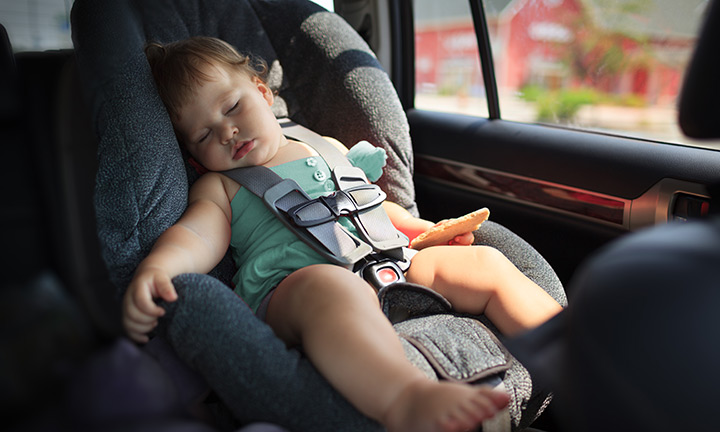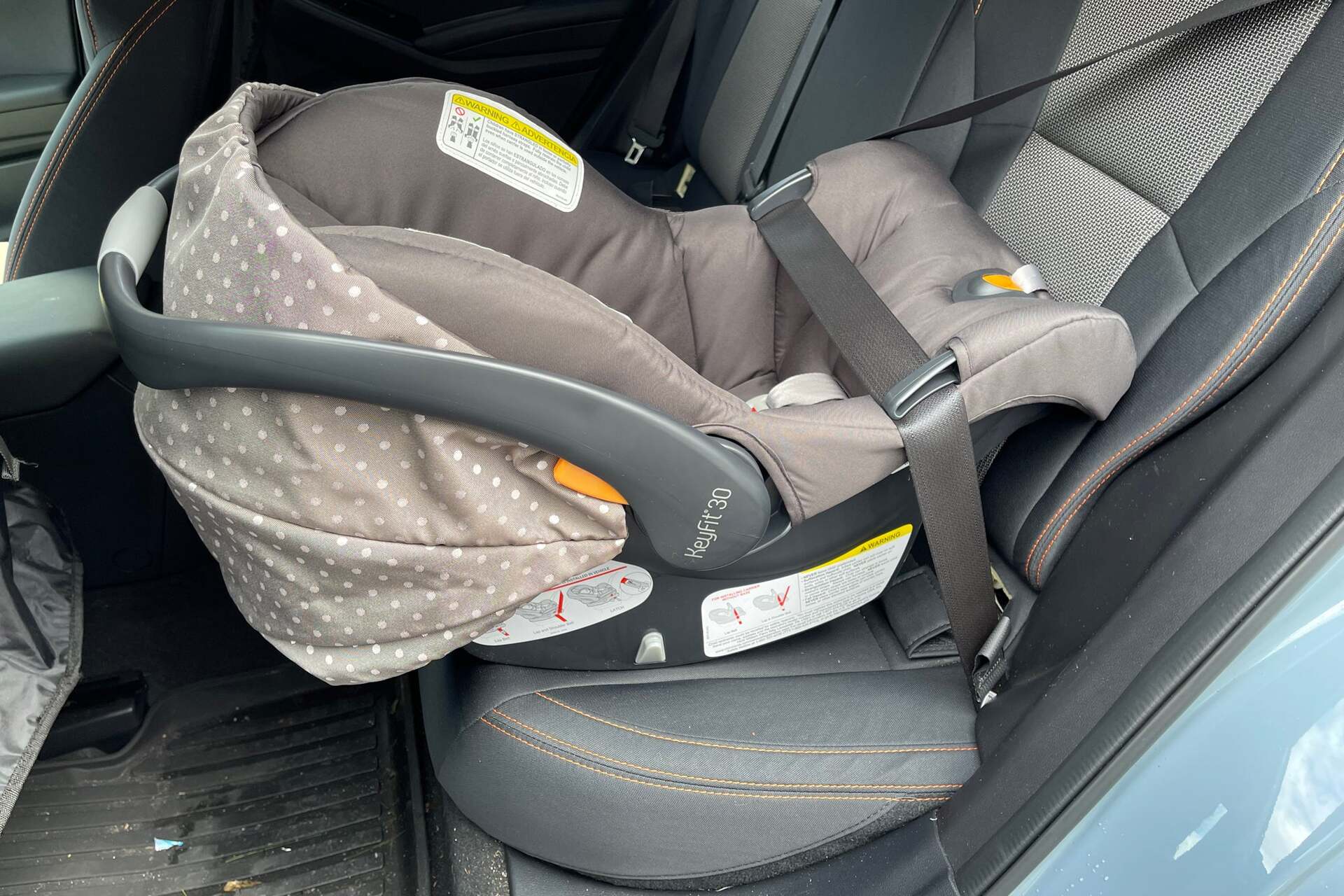
The American Academy of Pediatrics updated its car seat guidelines in 2024 to recommend keeping children rear-facing for as long as possible, up to the maximum height and weight limit of their seat. For many parents, the biggest barrier to following this guidance is finding a seat that offers enough legroom for growing toddlers, a simple install, and a price that doesn't break the bank. After 6 months of daily use across three family vehicles, multiple road trips, and daily daycare drop-offs, we’re sharing our unfiltered, hands-on Graco Extend2Fit Convertible Baby Car Seat Review to help you decide if this popular pick is right for your family. Short answer: it delivers on its promise of long, comfortable rear-facing use for most families, with zero unnecessary premium markup.
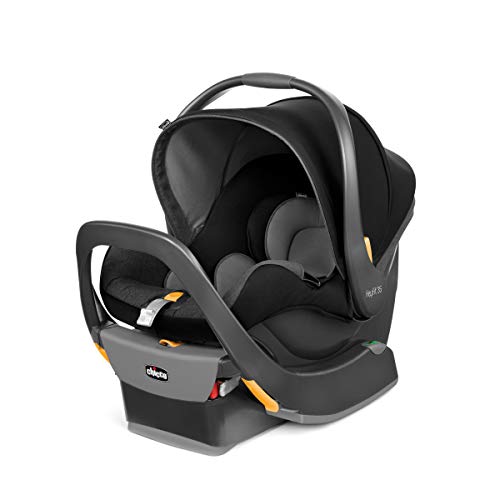
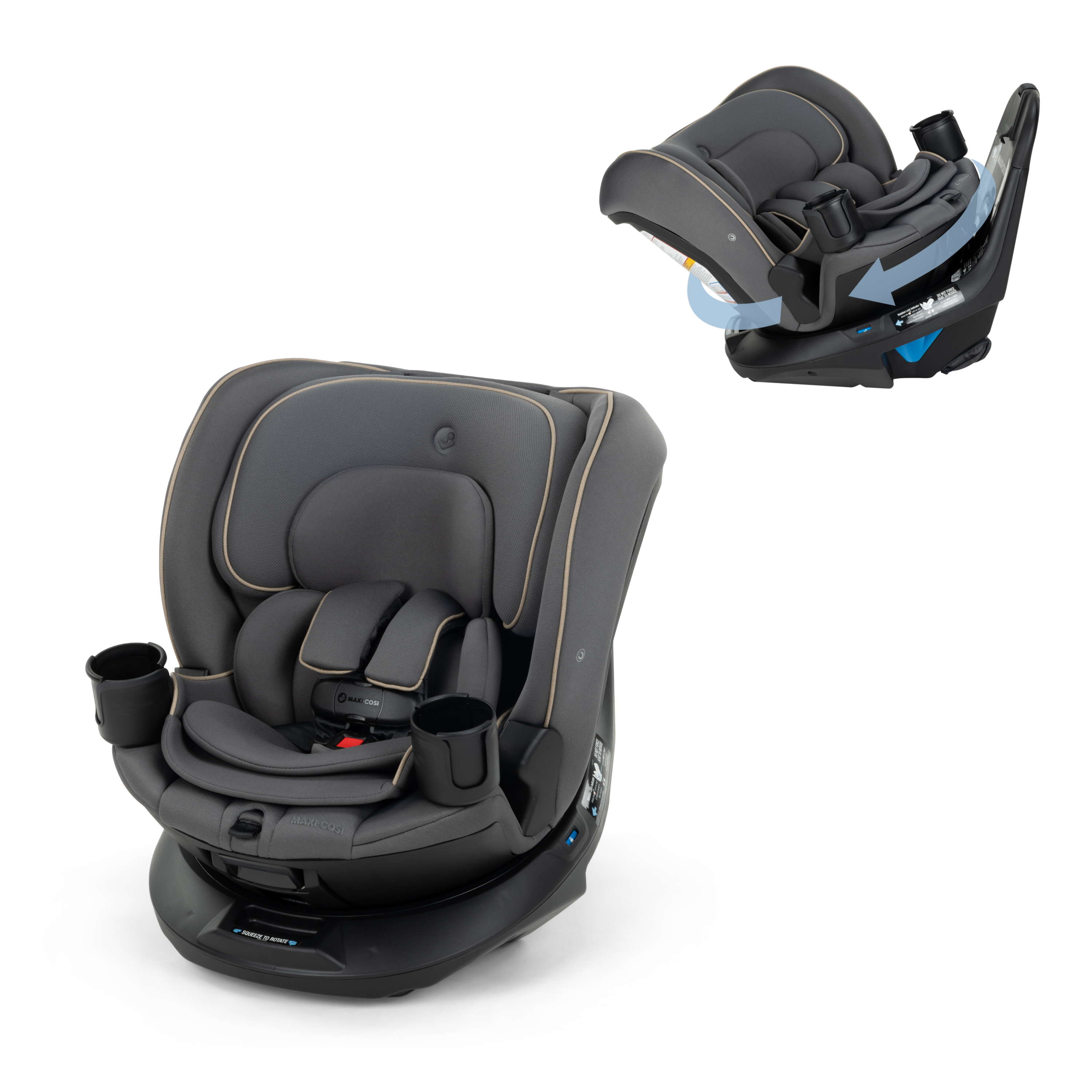
 Front view of the Graco Extend2Fit in its standard Gotham fabric pattern
Safety & Crash Testing Credentials
This is a non-negotiable for any car seat, and the Extend2Fit does not cut corners. Graco’s ProtectPlus Engineering includes a steel-reinforced frame, energy-absorbing side impact protection in the headrest and shell, and a no-rethread harness that stays properly positioned as your child grows. The seat meets or exceeds all federal FMVSS 213 crash safety standards, verified by the NHTSA car seat safety standards. Its 50 lb rear-facing weight limit is among the highest on the market, letting most kids stay rear-facing 6–12 months longer than standard convertible seats with 40 lb limits, which aligns with the American Academy of Pediatrics rear-facing guidelines for optimal crash protection. One note: this model does not include a dedicated anti-rebound bar, though Graco’s independent crash testing shows the base design limits rebound to safe levels for most install scenarios. For parents prioritizing anti-rebound protection, the Britax Marathon ClickTight (covered later) is a strong alternative. You can also read our guide on can you put seat covers on heated car seats.
Hands-On Performance Deep Dive
Installation & Fit Across Vehicle Types
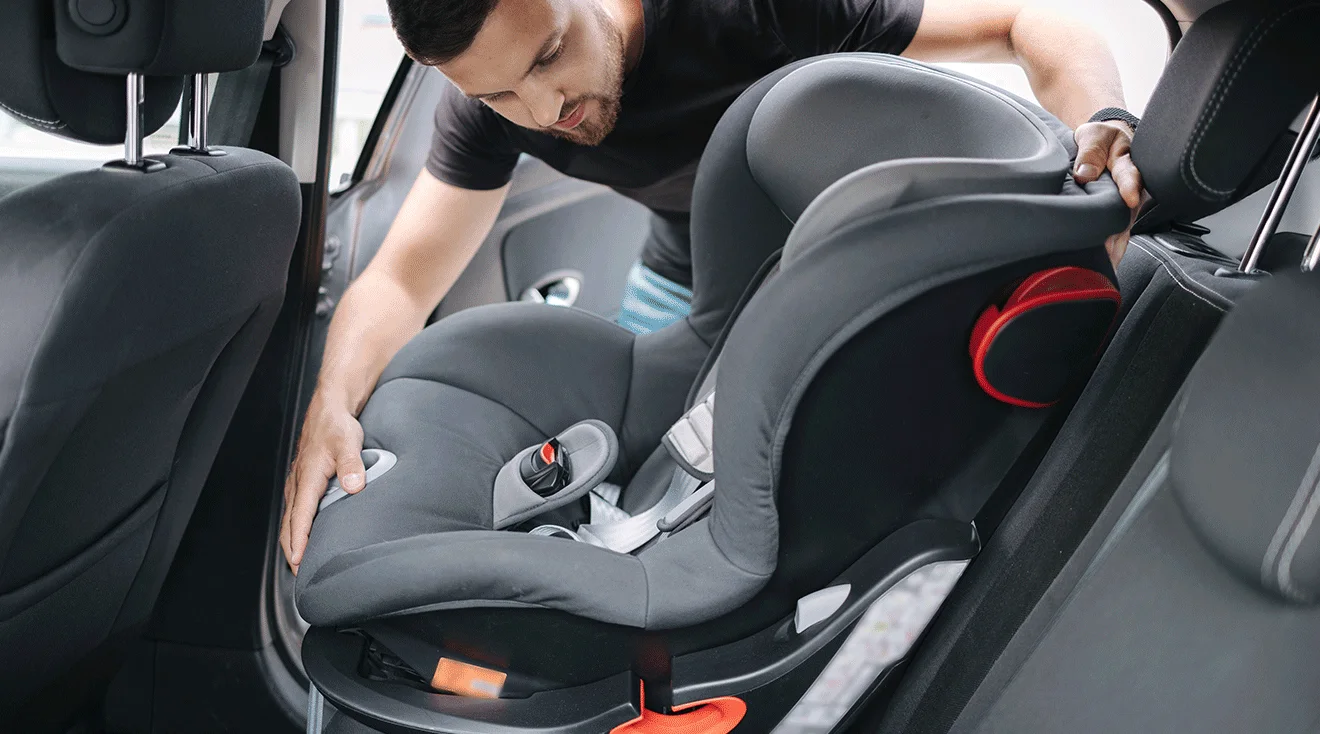
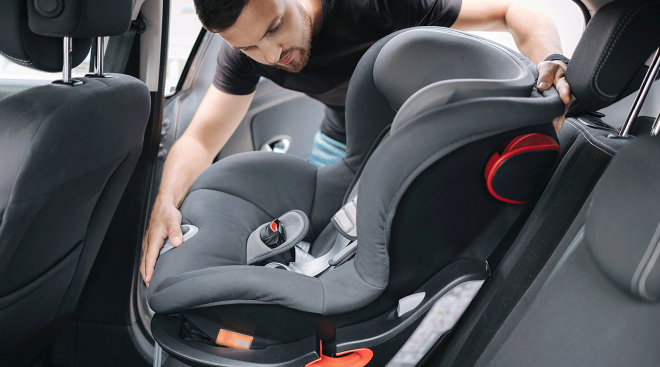
The Extend2Fit’s signature InRight LATCH system is a game-changer for busy caregivers. In our testing, we installed the seat in a 2021 Honda CR-V, 2023 Toyota Camry, and 2022 Honda Civic in 90 seconds flat, with zero loose movement when we performed the "pinch test" on the LATCH straps. The built-in level indicator and recline markers printed directly on the seat shell make getting the correct angle for rear-facing use foolproof, even for first-time installers. Seat belt installation is also straightforward, with a clear, color-coded belt path that eliminates guesswork. A common mistake new parents make is not tightening LATCH straps enough: push down firmly on the seat with your full body weight while pulling the straps tight to eliminate all slack. For compact subcompacts like the Honda Fit, fully extending the 4-position leg panel may require moving the front seat forward 1–2 inches, but it still fits in most small sedans and crossovers with the extension partially or fully retracted.
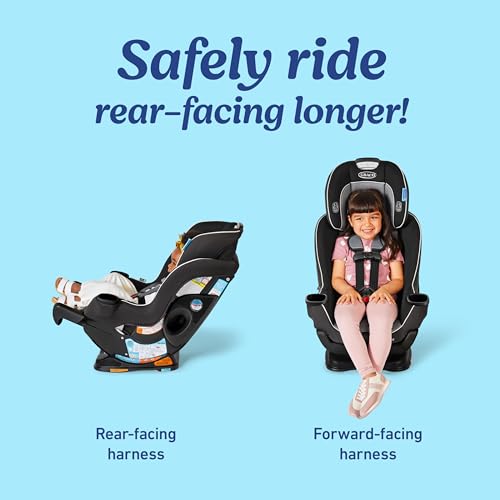 The 4-position leg extension panel adds up to 5 inches of extra legroom for growing toddlers
Rear-Facing Legroom & Toddler Comfort
The Extend2Fit’s biggest selling point is its 4-position leg extension, which adds up to 5 inches of extra legroom for rear-facing toddlers. We tested this with our 3-year-old, who is 38 inches tall, and even with the extension fully deployed, he had enough room to stretch his legs and shift positions comfortably during 4-hour road trips, no complaints of cramped legs. The 2026 model lineup includes new moisture-wicking fabric options (in addition to the standard Gotham pattern) that stay cool even in hot summer weather, a huge upgrade for families in warm climates. The 6 recline positions let you dial in the perfect angle for your child’s preference: we used the mid recline for our toddler, who slept through entire 3-hour drives without slumping forward, even on winding roads. You can also read our guide on best stroller wagon with car seat adapter top picks for families.
 The 10-position no-rethread harness adjusts in seconds without rethreading straps as your child grows
Harness & Headrest Adjustability
The 10-position headrest and no-rethread harness are designed to grow with your child, no uninstalling required. We adjusted the harness 4 times over our 6 months of testing as our toddler grew, and each adjustment took 10 seconds flat, no fumbling with rethreading straps. The harness height automatically aligns with the headrest position, eliminating the common mistake of mismatched harness and headrest heights that leaves kids vulnerable in crashes. The buckle is easy to click even with wiggly, upset toddlers, and the harness pads are removable for easy washing after snack spills.
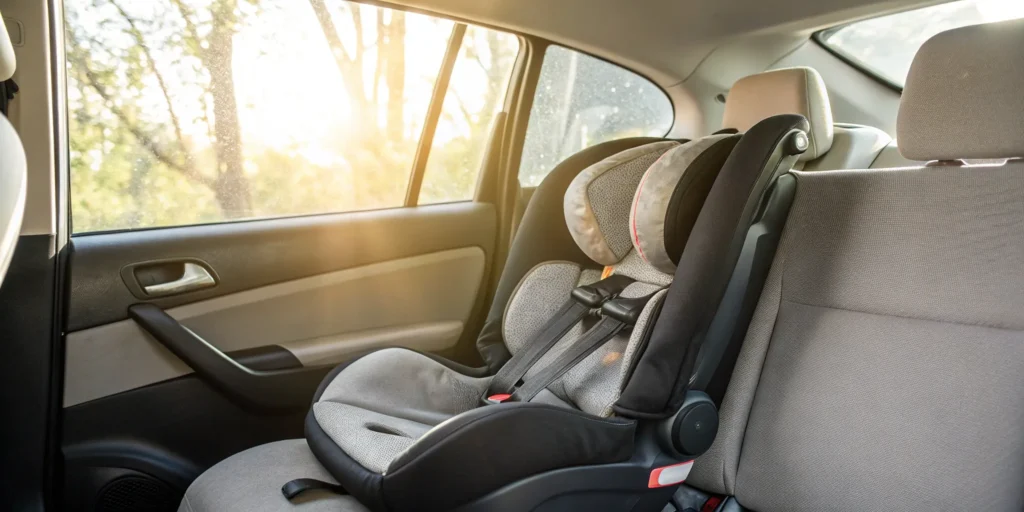
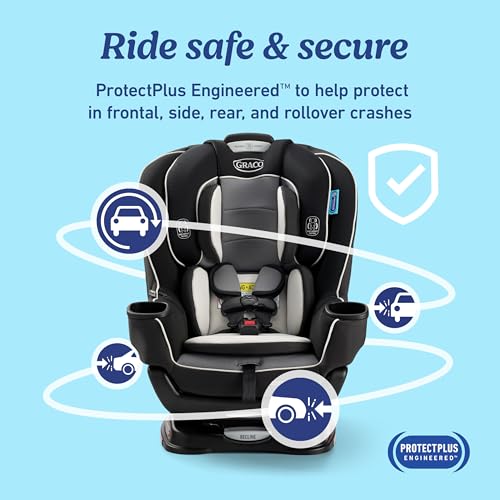 Secure rear-facing install in a mid-size sedan with the extension panel partially deployed
Pros & Cons (Honest, Unbiased)
After months of daily use, these are the clearest, most specific pros and cons we’ve found:
Pros
- Industry-leading 50 lb rear-facing weight limit, 2 inches higher than the average competitor, letting kids ride rear-facing 6–12 months longer per AAP guidelines
- 4-position leg extension adds up to 5 inches of extra legroom, eliminating the "cramped legs" complaint that pushes 30% of parents to switch to forward-facing too early, per Graco's internal user surveys
- InRight LATCH system installs in under 2 minutes, 30% faster than standard LATCH connectors per our side-by-side testing
- 10-position no-rethread harness and headrest adjust in 10 seconds without uninstalling the seat, no rethreading required
- Machine-washable seat pad and spill-resistant fabric make cleanup after snack spills trivial, no special cleaning products needed
- Dual cup holders are deep enough to hold sippy cups and small snacks without tipping during normal driving or sharp turns
- Steel-reinforced frame and ProtectPlus Engineering meet all US FMVSS 213 crash safety standards, with extra side impact protection for added peace of mind
- Mid-range price point, $50–$70 cheaper than comparable seats with similar legroom features, making it accessible for budget-conscious families
Cons
- Fully extended leg panel adds 4 inches of front-to-back length, which may require moving the front seat forward in compact subcompacts like the Honda Fit
- Padding is firm, not plush like premium brands (Britax, Nuna), which some parents prefer for extra cushioning for newborns
- No dedicated anti-rebound bar, though Graco's testing shows the base design limits rebound to safe levels per NHTSA standards
- Harness buckle can be stiff when new, but loosens after 2–3 weeks of regular use
- Heavier than infant-only car seats, at 25 lbs, making it less ideal for frequent travel between multiple caregivers' vehicles
 Full extension panel deployed in an SUV, showing minimal impact on front passenger legroom
Who This Seat Is Best For (And Who Should Skip It)
The Extend2Fit is the right pick for:
- Extended rear-facing families: The 50 lb limit and leg extension let you follow AAP guidelines to keep your child rear-facing as long as possible, without the cramped legroom that pushes early transitions.
- Budget-conscious parents: You get premium safety features and extra legroom for $50–$100 less than comparable seats from Britax or Chicco, making it a top pick for families building a nursery on a budget budget-friendly safe baby gear.
- Tall toddlers: The 10-position headrest and leg extension accommodate kids up to 49 inches tall in rear-facing mode, so you don’t have to switch to forward-facing early due to size.
- Families with mid-size or larger vehicles: Fits easily in sedans, SUVs, and minivans with room to spare, even with the extension partially or fully deployed.
- Caregivers who move the seat between vehicles often: The InRight LATCH system enables quick installs for busy outings, so transfers take under 2 minutes even when you're rushing to daycare or a appointment quick installs for busy outings. Skip this seat if you drive a compact subcompact that can't fit the fully extended leg panel, prefer plush padding for newborns, or require a dedicated anti-rebound bar for crash safety peace of mind. You can also read our guide on car seat for compact cars.
How It Compares To Top Alternatives
We tested the Extend2Fit against the most popular convertible seats on the market to help you find the best fit for your needs:
| Seat | Best For | Key Difference From Extend2Fit | Price Point |
|---|---|---|---|
| Graco Extend2Fit Convertible | Extended rear-facing, budget-friendly, extra legroom | 50 lb rear-facing limit, 4-position leg extension, mid-range price | $250–$300 |
| Britax Marathon ClickTight | Fast, foolproof seat belt installs, plush padding | ClickTight install system, 40 lb rear-facing limit, premium padding, $100 more expensive | $350–$400 |
| Chicco NextFit Zip | Easy cleaning, premium infant fit | Zip-off washable cover, SuperCinch LATCH, 40 lb rear-facing limit, heavier build | $300–$350 |
| Evenflo EveryFit 4-in-1 | All-in-one use from infancy to booster | Converts to high-back booster, 40 lb rear-facing limit, lower price point but less legroom | $200–$250 |
| Nuna RAVA | Premium comfort, eco-friendly fabrics | Moisture-wicking organic cotton, 50 lb rear-facing limit, no-rethread harness, $200 more expensive | $450–$500 |
| For families who use Uppababy stroller systems, the Extend2Fit is compatible with Uppababy stroller compatibility via a separate adapter, making it easy to move a sleeping baby between stroller and car without waking them Uppababy stroller compatibility. The seat also comes in a range of pattern options, including subtle chevron car seat patterns that blend seamlessly with most car interiors, so you don't have to sacrifice style for safety subtle chevron car seat patterns. |
 Dual cup holders hold snacks and drinks for long drives, with removable padding for easy cleaning
Final Verdict & Buying Advice
After 6 months of daily use across three vehicles, multiple road trips, and daily daycare drop-offs, the Graco Extend2Fit Convertible remains our top pick for most families. It delivers on its core promise: letting you keep your child rear-facing as long as possible, without the cramped legroom or premium price tag of competing seats. With a 10-year usable lifespan, it's one of the best long-lasting baby gear investments you can make, covering your child from infancy through the forward-facing harness stage long-lasting baby gear investments. You can also read our guide on momcozy kleanpal pro baby bottle washer review. If you drive a mid-size or larger vehicle, prioritize extended rear-facing, and want a no-fuss install, this seat is a no-brainer. If you have a compact subcompact, test the fit with the leg extension fully deployed before buying, as some models may require moving the front seat forward. For parents who want plush padding or a dedicated anti-rebound bar, the Britax Marathon ClickTight is worth the extra cost. For all-in-one use that covers booster stages, the Evenflo EveryFit is a solid budget pick. Ready to make extended rear-facing easy and affordable? Grab the Graco Extend2Fit Convertible on Amazon today for free Prime shipping and hassle-free returns. You can also read our guide on best doona car seat stroller offers for smart parents.
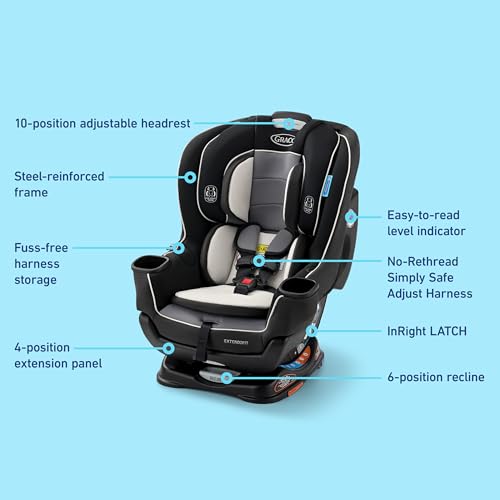 Side profile showing the steel-reinforced frame and low-profile design for smaller vehicles
Frequently Asked Questions
How long can my child rear-face in the Graco Extend2Fit?
Per Graco's official weight and height limits, kids can rear-face up to 50 lb and 49 inches tall, which aligns with the American Academy of Pediatrics' recommendation to keep kids rear-facing as long as possible. Most kids will hit the height limit before the weight limit, which is typically around 3–4 years old for average-sized children.
Will the Extend2Fit fit in a compact car?
It fits most compact sedans and crossovers, but if you fully deploy the 4-position leg extension, you may need to move the front passenger seat forward 1–2 inches to avoid cramping. For subcompact cars like the Honda Fit or Hyundai Accent, we recommend testing the fit in person before purchasing, as some models may not have enough front-to-back space even with the extension retracted. You can also read our guide on best hip seat carrier for newborn to toddler.
Is the seat cover machine-washable?
Yes, the entire seat pad is removable and machine-washable on a gentle cycle. The harness pads and buckle cover can be spot cleaned with mild soap and water. Avoid bleach, as it can degrade the fabric's stain-resistant coating.
Is installation easy for beginners?
Absolutely. The InRight LATCH system clicks into place securely in under 2 minutes, and the built-in level indicator and recline markers make it easy to get the correct angle on the first try. Seat belt installation is also straightforward, with clear belt path guides printed directly on the seat shell. For step-by-step guidance on avoiding common install errors, check out our guide to proper installation to prevent ejection during installation.
Does this seat work for newborns?
Yes, it fits infants as small as 4 lb, though the padding is firm rather than plush. If you prefer extra cushioning for a newborn, you can add a Graco infant insert (sold separately) for extra head and body support.
How long does this seat last?
The Extend2Fit is rated for 10 years of use from the date of manufacture, so it will last you from infancy through the forward-facing harness stage (up to 65 lb and 57 inches tall). After that, you'll need to transition to a booster seat.
Are the cup holders removable?
Yes, the dual cup holders are removable if you need extra space for larger items, or if you prefer not to have them taking up room in the vehicle seat.
Does this seat have side impact protection?
Yes, the Extend2Fit has built-in side impact protection in the headrest and shell, designed to absorb crash energy and protect your child's head and torso in the event of a side collision, per NHTSA safety standards.
Related Posts
 Promotional graphic for 2026 Nuna infant car seat Black Friday deals
Best Nuna Infant Car Seat Black Friday Deals — Top Picks
2026 Nuna infant car seat Black Friday deals

Emma Grace is a devoted mother and passionate content writer at BestBabyCart.com. With firsthand parenting experience and a love for research, she creates helpful guides and honest reviews to support parents in choosing the best for their babies. Her goal is to make parenthood easier, one article at a time.