
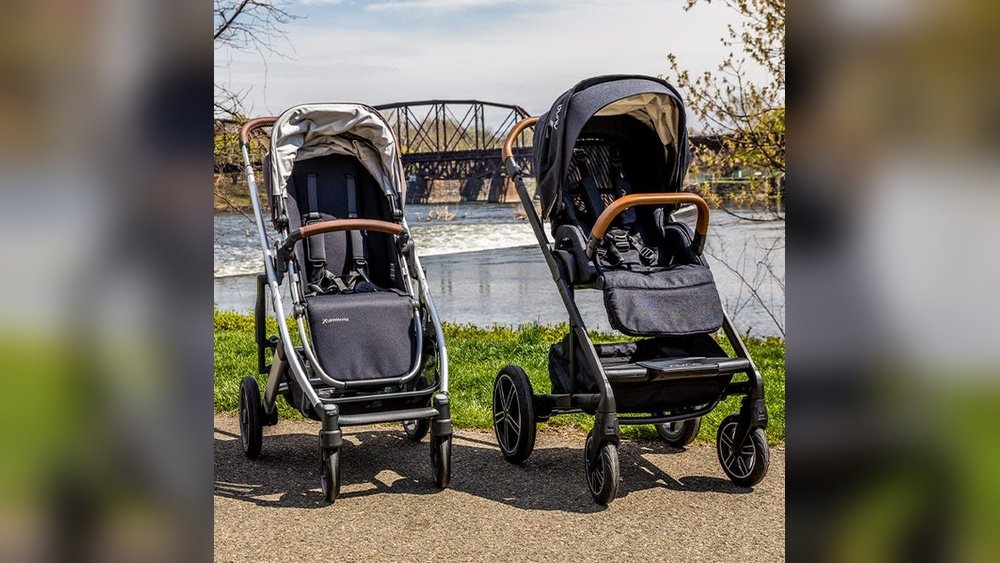
Choosing premium baby gear is one of the biggest investments new parents make, and the debate between Nuna and Uppa Baby is one of the most common searches for caregivers prioritizing safety, style, and long-term value. Both brands have earned loyal followings for high-quality strollers, car seats, and nursery gear, but they cater to slightly different lifestyles, priorities, and budgets. This 2026 guide cuts through marketing hype to compare real-world performance, safety certifications, comfort, and total cost of ownership, so you can pick the brand that fits your family’s unique needs—no guesswork required.
Brand Histories & Core Missions
Understanding the origins of each brand clarifies why their product designs and priorities differ so much, even as they both target premium baby gear shoppers.
Nuna: Dutch Design Focused on Minimalist Safety
Founded in 2008 in the Netherlands, Nuna launched with a clear mission: create baby gear that combines European minimalist design with rigorous, global safety standards. The brand’s Dutch roots shine through in its sleek, uncluttered aesthetic, and every product is tested to meet both U.S. Consumer Product Safety Commission (CPSC) requirements and stricter European i-Size (R129) safety standards. Nuna’s product development team includes former pediatric safety engineers, and the brand avoids unnecessary frills to focus on features that directly improve child safety and parent convenience.
Uppa Baby: American Brand Built for Family-Friendly Functionality
Uppa Baby was founded in 2006 in Boston, Massachusetts, with a focus on creating gear that works for real American families, from city dwellers to suburban parents with multiple children. The brand prioritizes customizable features, vibrant style options, and user-friendly designs that reduce daily friction for parents. Uppa Baby products are tested exclusively to U.S. safety standards, and the brand partners with parenting advocates to test prototypes in real-world conditions before launch. Its core focus is on gear that grows with your family, with most strollers accommodating two to three children with add-on seats.
Full Product Line Breakdown (2026)
Both brands started with strollers and car seats, but have expanded their lines significantly to cover nearly every baby gear need. As of 2026, their product ranges differ in scope and focus.
Stroller Lineup Comparison
Nuna’s stroller line is smaller but highly curated, with three core models:
- TRVL: A lightweight, compact stroller designed for travel and urban use, weighing 13.8 lbs and folding one-handed into a stand-up carry position.
- Mixx: A mid-weight everyday stroller with advanced suspension, designed for rough pavement and daily walks.
- Demi Grow: A convertible stroller that can be configured as a single, double, or tandem stroller, with a 40 lb weight limit per seat.
Uppa Baby’s stroller line is broader, with five core models:
- Minu: A compact, lightweight travel stroller weighing 14 lbs, designed for easy folding and airline overhead bin compatibility.
- Cruz V2: A mid-weight everyday stroller with a large under-seat storage basket, ideal for suburban errands.
- Vista V2: A premium convertible stroller that can accommodate up to three children with add-on seats, with a 50 lb weight limit per seat.
- Ridgedale: An all-terrain stroller with air-filled tires, designed for hiking and rough terrain.
- G-Luxe: A lightweight umbrella stroller for quick trips and travel.
Both brands offer travel systems that pair their strollers with compatible car seats, as well as separate car seat purchases.
Car Seat & Travel System Options
Nuna’s car seat line includes two core infant car seats (Pipa, Pipa Lite) and two convertible car seats (Rava, Exec). All Nuna car seats include a Load Leg for extra crash stability and meet i-Size side-impact testing standards, a requirement not yet mandatory for U.S. car seats as of 2026. The Pipa Lite is the lightest infant car seat on the market, weighing just 7 lbs.
Uppa Baby’s car seat line includes two infant car seats (Mesa, Mesa V2) and one convertible car seat (Aria). All Uppa car seats feature an anti-rebound base that reduces forward movement in a collision, and the Mesa V2 has a 4-star NHTSA safety rating. Uppa’s car seats are slightly heavier than Nuna’s, with the Mesa V2 weighing 9 lbs, but they have a higher weight limit for infant use (up to 35 lbs vs Nuna’s 32 lbs).
Additional Baby Gear Offerings
Nuna’s extended product line includes high chairs (Zazu), playards, nursery gliders, and baby carriers, all with the same minimalist, design-forward aesthetic as its strollers and car seats. Uppa Baby’s non-stroller line includes diaper bags, nursery decor, changing pads, and travel accessories, with a focus on practical, family-friendly features like multiple pockets and machine-washable fabrics. Nuna has a broader range of core baby gear, while Uppa Baby focuses more on travel and nursery accessories.
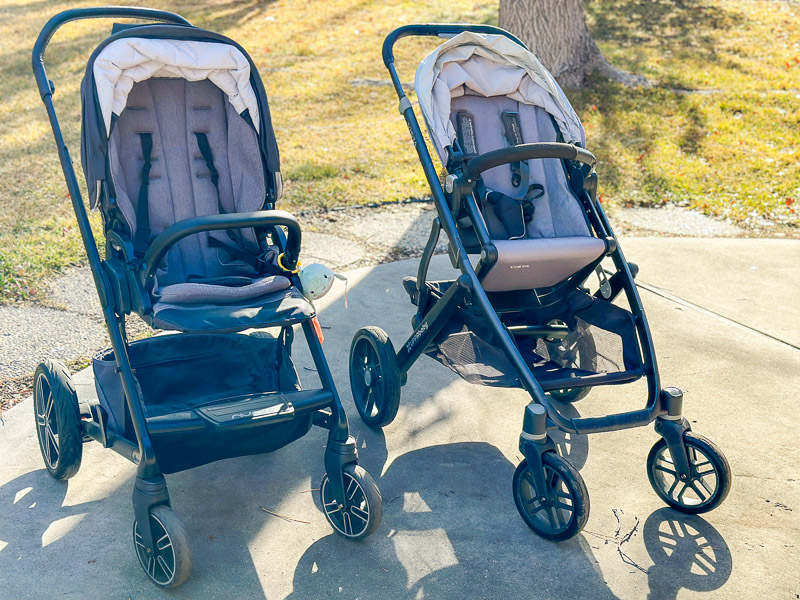 Side-by-side view of the Nuna Mixx (left) and Uppa Baby Vista V2 (right), two of the most popular premium strollers on the market as of 2026.
Credit: parenthoodadventures.com
Side-by-side view of the Nuna Mixx (left) and Uppa Baby Vista V2 (right), two of the most popular premium strollers on the market as of 2026.
Credit: parenthoodadventures.com
Design, Build Quality & Durability
For parents who plan to use gear for multiple children or resell it later, build quality and durability are top priorities. Both brands use high-quality materials, but their construction priorities differ.
Materials & Construction
Nuna uses aircraft-grade aluminum frames for all strollers, which are lightweight but impact-resistant, and all fabrics are GREENGUARD Gold certified, meaning they emit low levels of volatile organic compounds (VOCs) safe for babies. Stroller seat fabrics are water-resistant and stain-repellent, and car seat fabrics are moisture-wicking to keep babies cool in warm weather. Nuna tests all frames for 5+ years of daily use, and replaceable parts (wheels, fabric covers, harnesses) are available for purchase directly from the brand for up to 7 years after a model is discontinued.
Uppa Baby uses recycled aluminum frames for most strollers, which are sturdy but slightly heavier than Nuna’s frames. All Uppa fabrics are also GREENGUARD Gold certified, with wipeable seat liners that are machine washable for easy cleaning. Uppa tests all frames for 3-4 years of regular use, and replaceable parts are available for up to 5 years after a model is discontinued. In practice, both brands’ gear holds up well to daily use, but Nuna’s premium materials give it a slight edge for long-term durability.
Style & Aesthetic Options
Nuna’s design philosophy is rooted in minimalist Scandinavian style, with a core color palette of neutral tones (black, gray, cream, muted green) and limited seasonal accents. Its products have clean lines and no visible branding on the frame, making them popular with parents who prefer a sleek, understated look. Uppa Baby offers a much wider range of style options, including bright solid colors (red, pink, blue), patterned fabrics, and seasonal releases, with visible branding on the frame for fans of the brand’s aesthetic. Uppa’s designs are more classic and playful, while Nuna’s are more modern and subtle.
Safety Features & Real-World Performance
Safety is the non-negotiable priority for most parents, and both brands exceed mandatory safety standards, but their approach to safety features differs.
Certifications & Crash Test Ratings
Both Nuna and Uppa meet or exceed all mandatory safety standards set by the U.S. Consumer Product Safety Commission, and their car seats also comply with National Highway Traffic Safety Administration crash testing protocols to ensure protection in the event of a collision. Both brands have zero major product recalls for safety defects as of 2026. However, Nuna goes further: all of its car seats undergo additional European i-Size (R129) testing, which includes mandatory side-impact crash testing that U.S. federal standards do not yet require. In independent crash testing, Nuna’s Pipa Lite car seat scored a 5-star rating from the NHTSA, while Uppa’s Mesa V2 scored a 4-star rating. Uppa’s Vista V2 and Cruz V2 strollers have a 5-star JPMA (Juvenile Products Manufacturers Association) safety rating, while Nuna’s Mixx has a 4.5-star JPMA rating.
Everyday Safety Mechanisms
Both brands include standard safety features like five-point harnesses, lockable brakes, and reflective accents for low-light visibility, but their premium safety features differ:
- Nuna’s car seats include a Load Leg, a metal leg that attaches to the car floor to reduce forward movement of the seat in a frontal crash by up to 30%. Its strollers include a no-rethread harness that adjusts as your child grows without removing the seat, reducing installation errors.
- Uppa’s car seats include an anti-rebound base that prevents the seat from bouncing forward and backward in a collision, and its strollers include a tip-resistant frame design that reduces the risk of tipping when a child leans over the side. Uppa’s harnesses are rethread, but have a wider adjustment range for larger toddlers.
A common mistake parents make when comparing safety features is prioritizing crash test scores over correct installation: even the safest car seat offers no protection if it is not installed properly, so always follow the manufacturer’s instructions and use a local car seat inspection station to verify your installation if you are unsure.
Comfort & Convenience For Babies & Parents
A stroller or car seat that is uncomfortable for your baby will lead to fussy outings, and a design that is inconvenient for parents will get left at home. Both brands prioritize comfort, but their strengths differ.
Seating & Newborn Support
Nuna’s stroller and car seat fabrics are moisture-wicking and breathable, making them ideal for warm climates and summer walks. Its newborn inserts are included with all strollers and car seats, and the seat padding is thick but not bulky, allowing for good airflow. Nuna’s car seats have a 32 lb infant weight limit, and its stroller seats have a 40 lb toddler weight limit.
Uppa Baby’s seat fabrics are plush with a memory foam headrest, providing extra warmth and cushioning for cold weather walks. Its newborn inserts are included with most strollers, but sold separately for some car seat models. Uppa’s car seats have a 35 lb infant weight limit, and its stroller seats have a 50 lb toddler weight limit, making them a better fit for larger toddlers who outgrow Nuna’s seats earlier. For newborns, using approved inserts ensures a snug fit, just like selecting proper sock sizing keeps your baby’s feet warm and comfortable without being too tight.
Adjustability & Daily Use
Nuna’s strollers include a one-hand recline mechanism that adjusts smoothly without waking a sleeping baby, and a handlebar that adjusts 5 inches to fit parents of all heights. Its car seats include a one-hand harness adjustment system that tightens or loosens with a single pull. In practice, many parents find Nuna’s no-rethread harness saves 5-10 minutes when adjusting the seat as their baby grows.
Uppa Baby’s strollers include a one-hand folding mechanism that folds into a compact, freestanding package, and a handlebar that adjusts 4 inches. Its car seats include a click-in base that attaches securely to the car with minimal effort, and a harness adjustment system that is simple to use even with one hand. Uppa’s larger under-seat storage basket fits most standard diaper bags, while Nuna’s smaller basket includes a separate zippered pocket for phones, wallets, and keys.
Travel & Portability
For parents who travel frequently or live in a city with limited storage space, portability is a key consideration. Both brands offer travel-friendly options, but their designs cater to different travel needs.
Folding & Airline Compatibility
Nuna’s TRVL stroller folds one-handed into a stand-up carry position weighing 13.8 lbs, and fits in most airline overhead bins without removing the wheels. Its Pipa Lite car seat weighs 7 lbs, making it easy to carry through airports. Nuna’s folding mechanism is slightly stiff when new, but loosens with regular use.
Uppa Baby’s Minu stroller folds one-handed into a compact 14x12x20 inch package weighing 14 lbs, and also fits in most airline overhead bins. Its Mesa V2 car seat weighs 9 lbs, which is manageable for most parents but heavier than Nuna’s option. Uppa’s folding mechanism is smoother out of the box, with no break-in period required. When setting up a safe nursery, pairing your travel gear with appropriate crib accessories ensures your baby’s sleep space meets safety guidelines even when you’re on the go.
Weight & Car Fit
Nuna’s lighter strollers and car seats are easier to lift in and out of cars, and its compact design fits in smaller compact cars and sedans without issue. Uppa’s larger strollers (Vista V2, Cruz V2) are heavier (26.8 lbs and 24.8 lbs respectively) and may not fit in the back seat of very small compact cars, so always measure your car’s back seat dimensions before purchasing a travel system. For cold-weather walks, pairing your stroller with proper layering for outings keeps your baby comfortable without overheating, no matter which brand you choose.
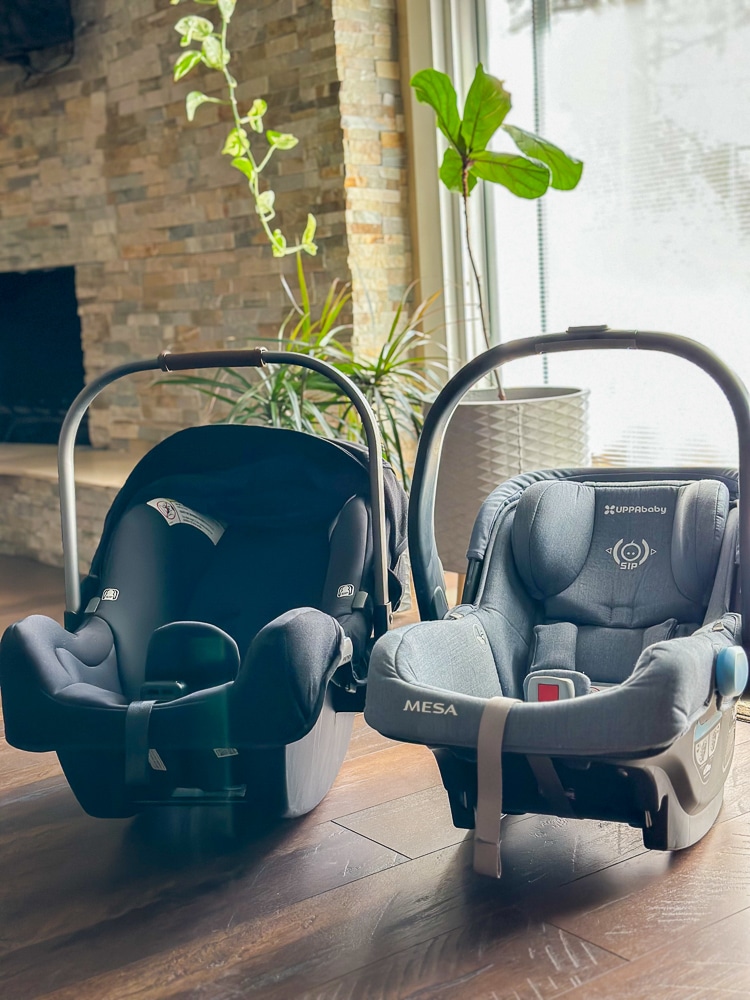 Comparison of the Nuna Pipa Lite (left) and Uppa Mesa V2 (right), top-rated infant car seats compatible with both brands' stroller systems.
Credit: parenthoodadventures.com
Comparison of the Nuna Pipa Lite (left) and Uppa Mesa V2 (right), top-rated infant car seats compatible with both brands' stroller systems.
Credit: parenthoodadventures.com
Price, Warranty & Long-Term Value
Premium baby gear is a significant upfront investment, so understanding total cost of ownership—including warranty, resale value, and replacement parts—is critical for smart parents.
2026 Pricing Comparison
As of 2026, Uppa Baby is consistently 15-20% more affordable than Nuna across all product lines:
- Entry-level strollers: Uppa Minu starts at $349, Nuna TRVL starts at $499
- Mid-range strollers: Uppa Cruz V2 starts at $599, Nuna Mixx starts at $699
- Premium convertible strollers: Uppa Vista V2 starts at $699, Nuna Demi Grow starts at $899
- Infant car seats: Uppa Mesa V2 starts at $299, Nuna Pipa Lite starts at $399
Both brands offer 0% financing for 12 months through their official websites and major retailers, and sales during Black Friday, Cyber Monday, and Prime Day typically bring prices down 10-15%.
Warranty & Customer Support
Nuna offers a 2-year limited warranty on all products, covering defects in materials and workmanship, and its customer support team is available 7 days a week via phone, email, and live chat. Uppa offers a 1-year limited warranty on all products, with customer support available Monday-Friday via phone and email. In practice, Nuna’s support team has a slightly faster response time for warranty claims, but both brands honor their warranties reliably for legitimate defects.
Resale Value & Replacement Parts
Nuna products hold their resale value significantly better than Uppa Baby: used Nuna strollers in good condition sell for 60-70% of their original retail price on resale platforms like Facebook Marketplace and Poshmark, while used Uppa strollers sell for 50-60% of retail. Both brands sell replacement parts (wheels, fabric covers, harnesses, car seat bases) directly on their websites, extending the lifespan of your gear for years. For parents navigating early nap schedules, a reliable stroller makes quick outings between naps stress-free, and a higher resale value makes upgrading to a new model easier as your child grows.
Real Parent Feedback & Common Pros & Cons
User reviews from 2025-2026 show that both brands have strong customer satisfaction, with 4.5/5 star average ratings across Amazon, BuyBuy Baby, and parenting forums. Their strengths and weaknesses are consistent across thousands of reviews.
Top Praised Features
- Nuna: Parents consistently praise Nuna’s sleek, minimalist design, lightweight construction, and easy-to-use no-rethread harness. Many note that Nuna’s moisture-wicking fabrics keep babies cool in summer, and the brand’s advanced safety features give them peace of mind. The TRVL stroller is frequently cited as the best lightweight travel stroller on the market.
- Uppa Baby: Parents consistently praise Uppa’s large under-seat storage, high stroller weight limit, and wide range of color options. Many note that Uppa’s strollers are smooth to push on both pavement and gravel, and the Vista V2’s ability to grow with multiple children makes it a favorite for growing families. The Mesa V2 car seat is frequently cited as one of the easiest infant car seats to install correctly.
Frequent Complaints To Consider
- Nuna: The most common complaint is the small under-seat storage basket, which cannot fit most standard diaper bags. Some parents also report that the folding mechanism is stiff for the first few months of use, and that the limited color options don’t appeal to all tastes.
- Uppa Baby: The most common complaint is the weight of the Vista V2 and Cruz V2 strollers, which can be difficult to lift in and out of cars for parents with back pain. Some parents also report that Uppa’s fabric stains easily if spills are not wiped immediately, and that the rethread harness is time-consuming to adjust as a child grows. For parents concerned about stroller safety, following proper use guidelines eliminates risks like improper stroller use that can lead to accidents.
 The Nuna Demi Grow (left) is a convertible double stroller, while the Uppa Vista V2 (right) can accommodate up to three children with add-on seats.
Credit: www.anbbaby.com
The Nuna Demi Grow (left) is a convertible double stroller, while the Uppa Vista V2 (right) can accommodate up to three children with add-on seats.
Credit: www.anbbaby.com
Final Recommendations: Which Is Right For Your Family?
There is no universal "better" brand—the right choice depends entirely on your family’s lifestyle, priorities, and budget. Below are clear guidelines to help you decide.
Choose Nuna If…
- You prioritize minimalist, design-forward gear that fits in with a modern home aesthetic.
- You travel frequently and need lightweight, compact gear that fits in airline overhead bins.
- You want advanced safety features like i-Size side-impact testing and a Load Leg for extra crash protection.
- You plan to resell your gear later, or want a product that will hold up for 5+ years of daily use.
- You live in a warm climate and need breathable, moisture-wicking fabrics for your baby.
Choose Uppa Baby If…
- You have a growing family and need a stroller that can accommodate two or three children with add-on seats.
- You prioritize large under-seat storage for errands and day trips.
- You are on a tighter budget and want premium quality without the premium price tag.
- You live in a suburban or rural area and need a stroller that can handle rough pavement and gravel.
- You want a wide range of color and pattern options to match your personal style.
Pro Tips For Making Your Choice
- Test strollers in person whenever possible: many major retailers let you push demo models around the store with a weight simulator to test maneuverability and folding mechanisms.
- Measure your car’s back seat before buying a travel system: larger strollers like the Uppa Vista V2 may not fit in compact cars, while Nuna’s smaller models fit in almost any vehicle.
- Buy only from authorized retailers to ensure you get a valid warranty and genuine products, not counterfeits.
- Register your product with the manufacturer immediately after purchase to receive recall alerts and warranty support.
If you’re still deciding between stroller models, our guide to stroller maintenance basics will help you keep your gear in top condition for years, no matter which brand you choose.
Frequently Asked Questions
Which brand offers better car seat safety, Nuna or Uppa?
Both brands meet all federal safety standards and have zero major recalls, but Nuna has a slight edge for crash protection. All Nuna car seats undergo additional European i-Size side-impact testing, which is not yet mandatory in the U.S., and include a Load Leg that reduces forward movement in a frontal crash by up to 30%. Nuna’s Pipa Lite has a 5-star NHTSA safety rating, while Uppa’s Mesa V2 has a 4-star rating. That said, Uppa’s anti-rebound base is easier for first-time parents to install correctly, which is often a bigger safety factor than crash test scores.
How does Nuna compare to Uppa in price and value?
Nuna products are 15-20% more expensive upfront than Uppa Baby, but offer better long-term value for parents who plan to use gear for multiple children or resell it later. Nuna’s 2-year warranty, higher resale value, and 7-year replacement parts availability make it a better long-term investment. Uppa’s lower upfront cost is better for parents on a tight budget or who only need gear for one child, and its higher stroller weight limits make it a better value for families with larger toddlers.
Are Nuna or Uppa car seats easier to install?
Nuna’s ClickAssist installation system includes a built-in level and color-coded indicators that turn green when the seat is installed correctly, reducing installation errors for first-time parents. Uppa’s Mesa V2 has a simpler lock-off mechanism that is easier to use for parents who struggle with small parts, but does not include a level, so you may need a separate tool to verify correct installation. For most parents, Nuna’s system is easier to use correctly the first time.
Which brand has better comfort features for babies?
It depends on your climate and your baby’s needs: Nuna’s moisture-wicking, breathable fabrics are better for warm weather and babies who overheat easily, while Uppa’s plush memory foam headrest and extra padding are better for cold weather and babies who need extra support. Both brands include newborn inserts with their strollers, but Nuna’s insert is removable for older babies, while Uppa’s is fixed for most models.
Which brand is better for growing families?
Uppa Baby is the better choice for growing families, as its Vista V2 stroller can accommodate up to three children with add-on seats, and has a 50 lb weight limit per seat that fits larger toddlers and young children. Nuna’s Demi Grow convertible stroller can accommodate two children, but the second seat has a 40 lb weight limit, making it less ideal for families with older toddlers.
Conclusion
The question of "Is Nuna Or Uppa Better?" has no one-size-fits-all answer, because both brands produce excellent, safety-certified baby gear tailored to different family needs. Nuna excels for parents who prioritize minimalist design, lightweight travel gear, advanced safety features, and long-term resale value, making it ideal for city dwellers, frequent travelers, and design-focused families. Uppa Baby excels for growing families, budget-conscious parents, and anyone who needs large storage, high weight limits, and a wide range of style options.
No matter which brand you choose, both offer industry-leading safety, durability, and parent-friendly features that will make outings with your baby easier and more enjoyable. Prioritize the features that matter most to your family’s daily routine, test gear in person if you can, and you’ll make a choice you’ll be happy with for years to come. For more expert parenting and baby gear guides, explore our full library of resources to make informed decisions for your family.

Emma Grace is a devoted mother and passionate content writer at BestBabyCart.com. With firsthand parenting experience and a love for research, she creates helpful guides and honest reviews to support parents in choosing the best for their babies. Her goal is to make parenthood easier, one article at a time.