Choosing breathing monitors how to choose is one of the most consequential decisions a parent can make, and it's also one of the most confusing. Medical-grade infant apnea monitors and consumer wellness tracking devices serve completely different purposes, yet both get sold under similar branding that blurs the line for overwhelmed parents. Picking the wrong category won't just waste your money.
It could leave your baby without the protection they actually need.
Per American Academy of Pediatrics guidance, commercial wearable infant monitors are not FDA-cleared as medical devices and do not reduce the risk of SIDS. Only prescription-grade cardiorespiratory monitors carry FDA 510(k) clearance and are intended for diagnosed conditions like apnea of prematurity. Before you shop, understanding that difference is everything.
Here's what you actually need to know.
Quick Answer
Breathing monitors how to choose comes down to one question: does your pediatrician recommend monitoring? If yes, request a prescription for an FDA-cleared medical device. If no, a consumer wellness monitor may provide peace of mind but offers zero proven protection against SIDS.
Always verify FDA clearance, confirm proper sensor fit, and never rely on any monitor to replace safe sleep practices.
The Two Types of Breathing Monitors (And Why the Distinction Is Critical)
The single biggest mistake parents make is treating all infant breathing monitors as the same product. They're not. There are two fundamentally different categories, and confusing them has real consequences.
Medical-Grade Infant Apnea Monitors
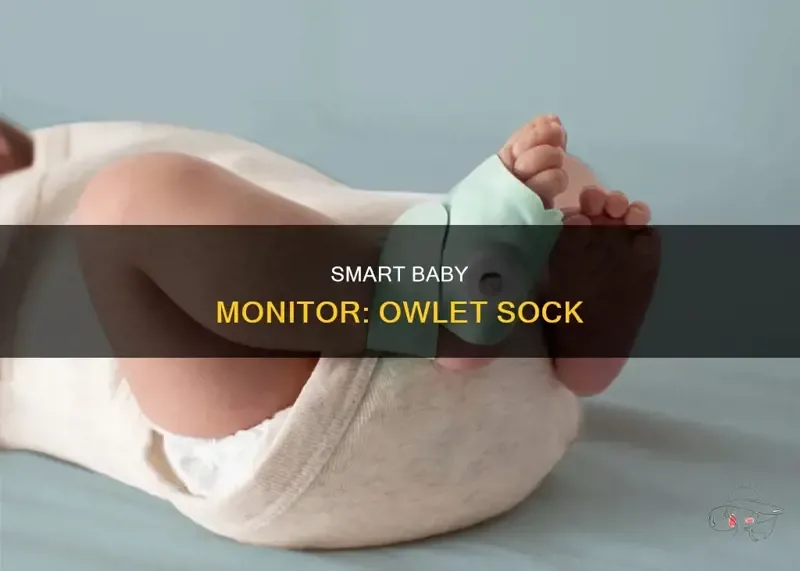
These are prescription-only devices cleared by the FDA under Class II medical device regulations. They monitor heart rate, oxygen saturation (SpO2), and respiratory effort, usually through a wearable sensor strapped around the baby's chest or abdomen. They're designed for infants with diagnosed medical conditions: premature babies with apnea of prematurity, infants with congenital heart disease, or neonates transitioning home from the NICU with recurrent brief events.
A medical monitor sounds alarms when thresholds are breached. Those thresholds are set by a pediatrician or pulmonologist based on your child's specific clinical needs. The device data can be downloaded and reviewed during follow-up appointments.
Insurance, including Medicare Part B, often covers rental costs for qualifying infants, though eligibility varies by state and diagnosis.
Consumer Wellness Monitors
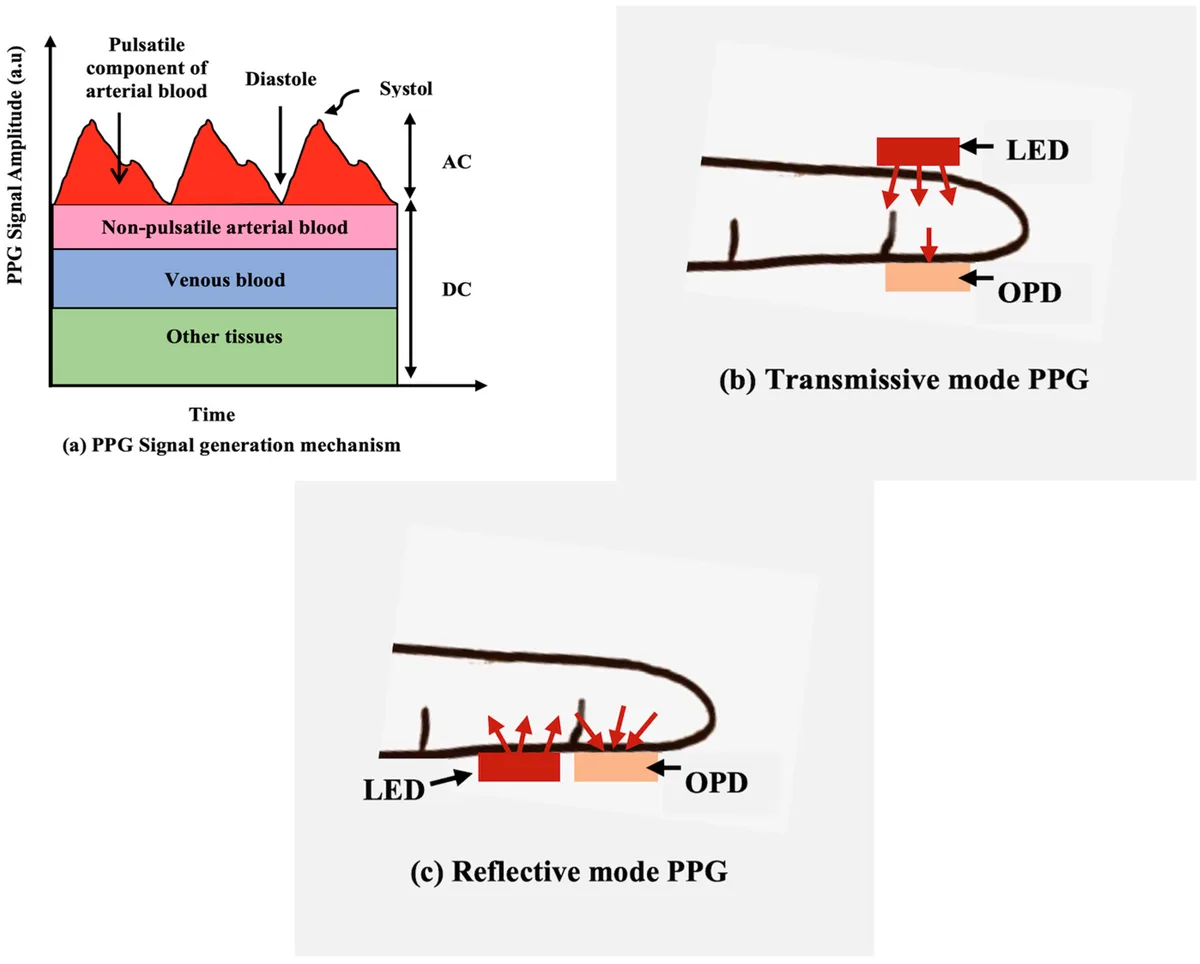
Over-the-counter wellness monitors use different technology. Most rely on photoplethysmography (PPG) sensors or piezoelectric pads placed under the mattress. They track heart rate and respiration patterns, then send alerts to a smartphone app.
They're marketed for parental peace of mind rather than clinical diagnosis.
Here's the critical part: the American Academy of Pediatrics has explicitly stated that these general-wellness devices have not been proven to reduce SIDS risk. They're not intended to diagnose or treat any medical condition. If your baby has a diagnosed apnea disorder or was born prematurely, a consumer monitor is not a substitute for a prescribed medical device.
| Feature | Medical-Grade Monitor | Consumer Wellness Monitor |
|---|---|---|
| FDA status | 510(k) cleared Class II device | General wellness — not FDA cleared for medical use |
| Prescription required | Yes | No |
| Measures SpO2 | Yes | Often no |
| Alarm thresholds | Set by physician | Fixed or user-adjustable |
| Insurance coverage | Often covered | Rarely covered |
| SIDS risk reduction | Not claimed by AAP for either type | Not proven |
| Intended users | High-risk infants with diagnosed conditions | Parents seeking reassurance |
The distinction isn't semantics. It's safety. A monitor that can't detect low oxygen saturation in a premature infant isn't doing its job, no matter how many five-star reviews it has online.
Safety and Approval You Can't Skip
When it comes to putting technology on an infant, clearance credentials aren't optional. They're the baseline.

What FDA 510(k) Clearance Actually Means
The FDA requires manufacturers to demonstrate that a medical device is substantially equivalent to an already-approved predicate device before it can be sold. That process involves submitting clinical data, labeling, and performance testing results. A 510(k) clearance number means the device has met that bar, but it doesn't mean the device is perfect.
False alarms, sensor detachment, and connectivity drops are well-documented limitations even in cleared devices.
You can verify any device's clearance status directly in the FDA database. Search by manufacturer name or device trade name. If a product claims to be a medical monitor but has no 510(k) number listed, it is not an FDA-cleared medical device.
Period.
The AAP's Position on Commercial Monitors and SIDS
This is the part most marketing materials quietly skip. In a 2016 policy statement reaffirmed in subsequent years, the AAP concluded that infant monitors sold for general wellness purposes are not recommended for routine use in healthy infants because evidence does not support their effectiveness in reducing SIDS incidence. The recommendation applies equally to in-bed pads and wearable sensors.
This doesn't mean consumer monitors are useless. They can reduce parental anxiety. But anxiety reduction is not the same as life-saving intervention.
If your baby is healthy and full-term, you should follow AAP safe sleep guidelines first, back sleeping, firm mattress, room-sharing without bed-sharing, no loose bedding or soft objects. Technology supplements those practices. It doesn't replace them.
Device Recalls and Registration
Medical device recalls happen. Manufacturers are required to notify healthcare providers and registered users when a safety issue is identified. Some of the most widely used consumer infant monitors have faced voluntary recalls for issues ranging from battery overheating to sensor failure.
Register every device immediately after purchase. Provide your email, mailing address, and the infant's date of birth if requested. Set a calendar reminder to check recall status every six months.
The FDA's device safety portal lists active recalls and safety communications. Subscribe to email updates if available.
What No Monitor Should Ever Replace
No breathing monitor, medical or consumer, is a license to ignore safe sleep. Devices can malfunction, lose power, detach, or fail to alarm during critical events. None are foolproof.
The proven SIDS risk-reduction strategies remain unchanged: place your baby on their back, use a firm flat sleep surface, share your room (not your bed), avoid overheating, and consider a pacifier at sleep time. A monitor adds a layer of monitoring awareness, but it is not a safety system.
What to Actually Look for When Choosing
If your pediatrician has recommended monitoring, or if you've decided a consumer device makes sense for your situation, here's what separates a solid choice from a disappointing one.
Sensor Technology Matters More Than Marketing
The three most common sensing approaches are:
- Piezoelectric sensors detect chest movement caused by breathing. They're simple and don't touch the skin directly, but they only measure motion, not oxygen levels. A baby can breathe normally while experiencing desaturation, a piezo-only monitor won't catch that.
- Photoplethysmography (PPG) uses light to detect blood volume changes in capillaries, providing heart rate and estimated oxygen saturation. PPG sensors attach to the skin via adhesive pads. Accuracy depends on good contact and minimal motion artifact.
- Combined PPG plus piezoelectric systems offer both respiration effort and oxygen monitoring. These are typical of prescription-grade monitors and provide the most complete picture.
If your child has a condition affecting oxygenation, such as bronchopulmonary dysplasia or congenital heart disease, a monitor without SpO2 capability is insufficient.
False Alarm Rate Is the Real Metric
Sensitivity, catching real events, gets all the advertising dollars. Specificity, avoiding false alarms, is what determines whether you'll actually use the device long-term. A monitor that alarms constantly trains you to ignore it.
That's called alarm fatigue, and it's a documented risk in both clinical and home settings.
Look for published false alarm rates in the device's technical documentation. Industry-standard targets for medical-grade monitors are below 1 false alarm per night. Consumer devices rarely publish this data.
If it's not in the specs, ask the manufacturer directly and get the answer in writing.
Battery Life and Power Reliability
A monitor that dies mid-night is worse than no monitor, because it creates a false sense of security. Check the advertised battery life and compare it to real-world conditions. Sensors draw more power in cold rooms.
Wi-Fi connectivity drains batteries faster. Always choose a device with a battery life that exceeds your expected overnight use by a comfortable margin. A 12-hour rated battery should last closer to 16 hours in normal conditions.
If yours doesn't, investigate why.
Keep a backup charging strategy. Rotate chargers if the device supports dual docking. Never let the battery drop below 20% overnight without topping it up first.
Fit, Retention, and Skin Contact
Sensor displacement is the top cause of inaccurate readings and missed alarms in home monitoring. A loosely fitted chest strap slides during movement. An adhesive pad peels at the edges.
Both create gaps in data coverage that no amount of algorithm sophistication can fully compensate for.
For wearable sensors, the mid-strap should sit securely at the lower ribcage, not too high near the xiphoid process and not too low over the iliac crest. The device should not shift more than one centimeter during normal infant movement. Adhesive PPG pads need clean, dry, hair-free skin for proper contact.
Replace pads per the manufacturer's schedule, typically every 24 to 72 hours depending on the product.
Data Sharing and App Reliability
Clinical-grade monitors send data to your provider's office. Consumer monitors dump everything into an app. App reliability varies wildly.
Check the manufacturer's uptime history, read recent reviews specifically mentioning connectivity problems, and verify that the app supports offline mode with data syncing once connectivity is restored. If the app crashed during your research phase, it'll crash at 3 AM when you need it most.
Cleaning, Maintenance, and Ongoing Costs
Ongoing costs extend well beyond the purchase price. Adhesive sensors, electrode pads, replacement straps, and charging docks add up. Check per-unit consumable costs before buying.
A cheaper monitor with expensive disposable components may cost more over six months than a pricier model with reusable parts. Cleaning protocols matter too, sensors that require harsh chemicals or extended drying times create gaps in monitoring coverage.
Which Monitor Fits Your Baby's Situation
Not every infant needs a breathing monitor. Not every parent who wants one should get one. The right match depends entirely on your baby's health profile.
Premature Infants With Apnea of Prematurity
Apnea of prematurity affects approximately 70% of infants born before 32 weeks gestation. These babies lack the neurological maturity to regulate breathing autonomously. Hospital-grade monitoring continues after discharge in many cases, typically for 40 to 120 days depending on clinical progress.
Your NICU team will determine the monitoring duration and prescribe the appropriate device. Do not attempt to self-select a consumer monitor for this population, the clinical stakes are too high.
NICU Graduates With Recurrent Brief Events
Infants discharged with a history of recurrent brief events or central apnea usually continue monitoring at home. These episodes involve sudden pauses in breathing, color changes, and sometimes bradycardia. A prescribed medical monitor with combined SpO2 and heart rate alarms is standard.
The monitoring period is individualized based on event frequency and resolution. Follow your pediatrician's timeline strictly.
Infants With Congenital Heart Disease or Neurological Conditions
Certain cardiac and neurological conditions increase the risk of bradyarrhythmias and apneic episodes. Monitoring requirements vary significantly by condition severity and surgical history. Cardiology or neurology teams coordinate device selection and threshold settings.
Home nursing support may also be involved. Proper equipment organization during this intensive transition period is essential for stressed new parents.
Healthy Full-Term Babies
For healthy term infants without diagnosed conditions, the AAP does not recommend routine breathing monitor use. If parental anxiety is significant, a consumer wellness monitor may provide psychological comfort. But understand the limits clearly: no evidence shows these devices prevent SIDS, and over-reliance on any monitor can lead to dangerous complacency around safe sleep practices.
Prioritize evidence-based risk reduction first.
Mistakes Parents Make (And How to Avoid Them)
Even cautious parents fall into predictable traps with infant monitoring devices. Knowing these ahead of time saves stress and, in some cases, keeps your baby safer.
Treating a Consumer Monitor as Medical Protection
This mistake costs parents their most valuable resource: their attention. A wellness monitor designed for reassurance cannot detect the clinical events that medical monitors catch. Using a consumer device for a high-risk infant creates a dangerous confidence gap.
If your pediatrician prescribed a medical monitor, do not substitute an over-the-counter alternative to save money. The regulatory and clinical difference is non-negotiable.
Setting Alarm Thresholds Without Medical Guidance
Adjusting thresholds to eliminate nuisance alarms sounds reasonable until you realize you're narrowing the detection window for real events. A heart rate下限 set too high misses bradycardia. A respiration上限 set too narrow ignores legitimate breathing variation during illness.
Always have your pediatrician or pulmonologist set initial thresholds based on your infant's baseline vitals. Recheck them at every follow-up visit as your child grows and conditions change.
Ignoring Daily Self-Tests and Battery Checks
Skip-one-day routines are the leading cause of undetected sensor failures. A two-minute morning self-test catches dead batteries, loose connections, and app sync issues before they become midnight emergencies. Establish a consistent daily routine and tie it to an existing habit like the morning feeding.
Never start an overnight monitoring period without verifying full battery charge and active sensor contact first.
Forgetting to Register for Recalls
Manufacturers notify registered owners when safety issues are identified. Unregistered devices sit invisible to those communications. Registration takes approximately two minutes on the manufacturer's website and requires only your email and mailing address.
Do it the same day you unbox the product. Set a recurring yearly calendar reminder to verify your registration status and update any changed contact information promptly.
Frequently Asked Questions
Do breathing monitors actually reduce SIDS risk?
No. The American Academy of Pediatrics has stated that neither medical-grade nor consumer infant monitors have been shown to reduce SIDS risk in the general infant population. The only proven SIDS risk-reduction strategies are back sleeping, firm sleep surfaces, room-sharing without bed-sharing, and avoiding overheating.
Monitors provide alert awareness, not risk elimination.
What's the difference between an apnea monitor and a standard baby monitor?
Standard baby monitors transmit audio or video only. They let you see and hear your infant but track no physiological data. Apnea and cardiorespiratory monitors measure heart rate, oxygen saturation, and breathing effort through sensors attached to or placed near the infant.
They generate alarms when values cross preset clinical thresholds. The technology, regulation, and purpose are fundamentally different categories.
Can insurance cover a breathing monitor?
Prescription medical monitors are frequently covered partially or fully by insurance when the infant meets specific diagnostic criteria such as apnea of prematurity or documented recurrent brief events. Medicare Part B often contributes to rental costs for qualifying infants. Consumer wellness monitors are almost never covered by any insurer.
Contact your plan with the billing code provided by your pediatrician to confirm exact eligibility before purchasing.
How long does monitoring typically last for premature infants?
Duration varies by individual clinical progress but commonly ranges from 40 to 120 days after NICU discharge. Some infants wean off sooner if apnea episodes resolve quickly. Others require extended monitoring depending on gestational age at birth and underlying health factors.
Your neonatologist or pediatrician determines the timeline based on event frequency trends and weight gain patterns, not arbitrary calendar dates.
What should I do if the monitor alarms overnight?
Follow your practiced protocol immediately. Check your infant first for distress, color changes, or breathing difficulty. If your baby appears cyanotic or unresponsive, begin infant CPR and call emergency services without delay.
If your infant is breathing normally, the alarm was likely a false positive from sensor shift or motion artifact. Reposition the sensor, silence the alarm, and document the event for your next pediatrician visit.

Taslima Khanam Sultana, a loving mom of three, founded BestBabyCart.com to help new parents navigate the world of baby products with ease. Her passion for making parenting simpler shines through delivering honest, unbiased reviews on must-haves like diapers, strollers, and feeding gear. Taslima’s mission is to empower families with expert tips, ensuring every product is safe and top-quality for your little one. Drawing from her own parenting journey, she’s dedicated to supporting yours!