
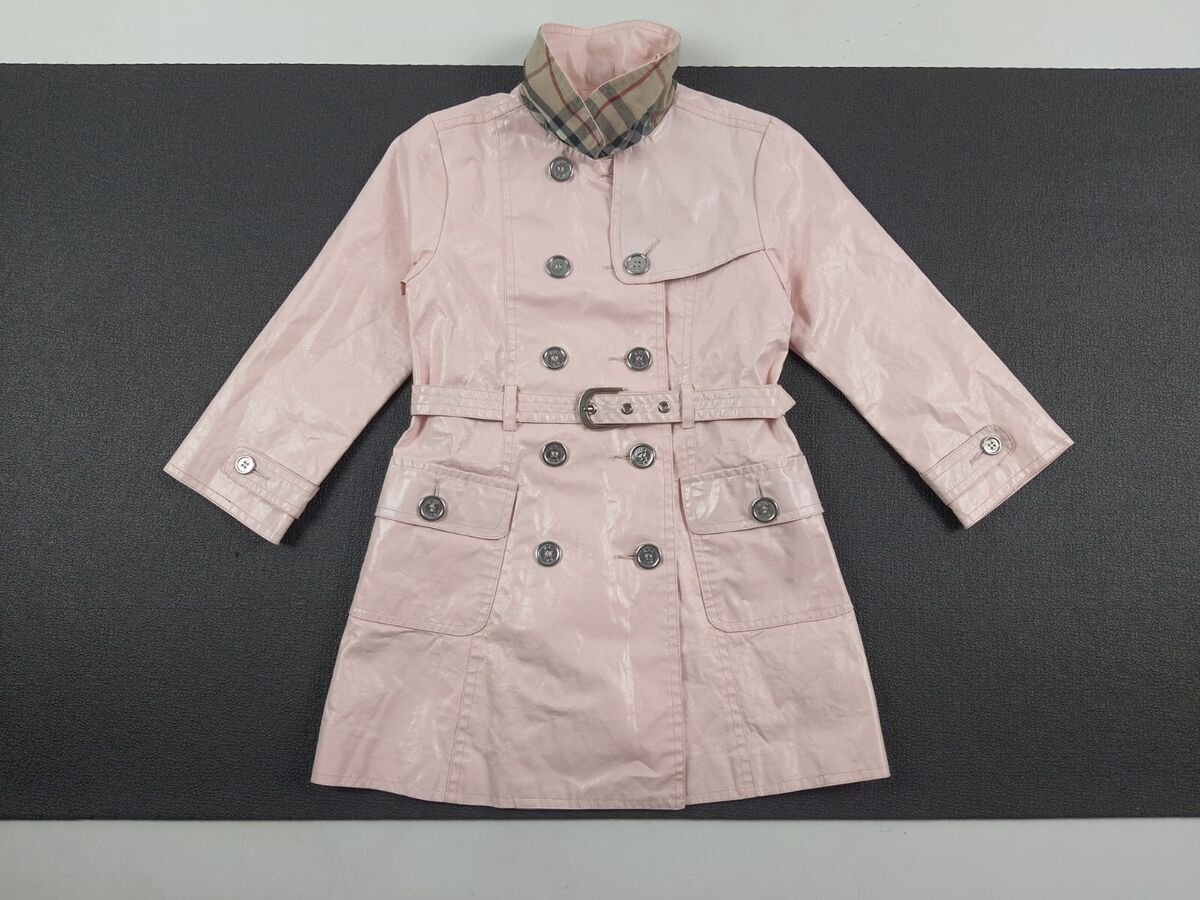
Parenthood comes with dozens of small, high-stakes wardrobe decisions, and few are as confusing as figuring out how many coats a baby needs for a year. Unlike adult outerwear, baby coats have an extremely short usable lifespan: most infants outgrow a coat size every 3 to 4 months in their first year, so overspending on items they’ll wear only a handful of times is a common, costly mistake. At the same time, underpreparing leaves your little one chilly, damp, or uncomfortable during even short outings.
The right number of coats for your baby depends on three core factors: your local climate, how often you leave the house, and your baby’s age and activity level. This guide breaks down exact, age-specific recommendations, non-negotiable safety must-knows, and smart shopping hacks to build a functional, cost-effective coat collection that keeps your baby cozy all year long, without unnecessary closet clutter. When planning your overall baby supply budget for the year, you can align coat purchases with yearly baby supply planning to avoid overspending on non-essentials.
Key Factors That Determine How Many Coats You Need
There is no universal magic number for baby coats, as your family’s unique needs will shift the total count. Evaluate these three factors to narrow down your ideal range:
Climate and Local Weather Patterns
Your local climate is the single biggest driver of coat quantity. If you live in a mild, coastal region where winters rarely drop below 40°F (4°C), you can get away with 2 coats total. For parents in areas with harsh, sub-freezing winters that last 4 or more months per year, 4 to 5 coats is a more realistic range to account for wet snow, wind chill, and unexpected temperature drops. Even in mild climates, shoulder seasons (spring and fall) often have 10 to 15°F temperature swings between morning and evening that require a light, packable jacket. If your area gets frequent rain or heavy snowfall, a dedicated waterproof outer shell is non-negotiable, adding one extra piece to your total count.
Baby’s Age and Growth Rate
Babies grow fastest in their first 3 months, outgrowing a 0 to 3 month coat by the time they’re 12 weeks old if you buy at the start of the season. Infants 4 to 12 months grow slightly slower but still typically need a size up every 3 months. Toddlers 12 to 24 months have more predictable growth, so a well-chosen coat may last 6 to 12 months. Preemies or babies with lower body fat also run colder than full-term, higher-weight babies, so they may need an extra thin layer even in mild weather to stay comfortable.
Your Family’s Lifestyle and Outing Frequency
If you work from home and only take your baby on quick, 10-minute neighborhood walks, 2 coats will cover all your needs. If you travel frequently, spend weekends hiking, or attend regular outdoor events, you’ll want 3 to 4 coats to account for wet, muddy, or extreme temperature conditions. Families who use daycare may also want an extra coat to keep on-site, so you don’t have to transport a wet or muddy coat back and forth daily. For parents who spend most of their time at home with their baby, prioritizing indoor comfort for babies may reduce the need for multiple heavy outerwear pieces.
Age-Specific Coat Needs and Recommendations
While every baby is different, these age-based guidelines cover the standard number and type of coats most families need:
Newborns (0-3 Months)
Newborns cannot regulate their body temperature well, so they run colder than older babies, but 80% of their time is spent indoors, eliminating the need for multiple heavy coats. Most families only need 1 to 2 coats for this stage: 1 lightweight fleece jacket for indoor layering and mild outings, plus 1 insulated, car-seat-safe winter coat if you live in a cold climate. Prioritize soft, non-irritating fabrics like organic cotton or bamboo fleece to avoid rubbing on delicate newborn skin. Look for front zipper closures (no small buttons, which are hard to fasten on wiggly babies) and adjustable cuffs and hoods to trap heat without being too tight. A slim, non-bulky fit is critical to avoid interfering with car seat harness straps.
| Feature | Why It Matters for Newborns |
|---|---|
| Soft, breathable fabric | Prevents irritation on delicate newborn skin |
| Car-seat-safe slim fit | No bulky material that interferes with harness straps |
| Full-zip closure | Fast dressing for wiggly babies, no fumbling with buttons |
| Adjustable cuffs/hood | Traps heat without being too tight |
A common mistake new parents make is buying a heavy, puffy snowsuit for newborns who only go on short, occasional outings; these are often too warm for indoor use and outgrown in 6 weeks, making them a waste of money.
Infants (4-12 Months)
Infants are far more active at this stage: they crawl, pull to stand, and take their first steps, so coats need to allow full range of motion and stand up to regular dirt, food stains, and spit-up. Most families need 2 to 3 coats for this age group: 1 lightweight windbreaker for spring and fall, 1 insulated winter coat, and 1 waterproof rain shell if you get frequent rain. Look for coats with reinforced knees and elbows if your baby is mobile, and avoid long hems that can trip walking babies. Opt for machine-washable fabrics to make cleanup of stains easy. If you plan regular outdoor outings with your infant, check out our guide to cold-weather outings with infants for tips on keeping them comfortable during longer trips.
Toddlers (12-24 Months)
If your baby is past 12 months and still in the toddler stage, they’ll need 2 to 4 coats depending on your climate: 1 lightweight jacket for mild weather, 1 heavy winter coat, 1 waterproof rain coat, and optionally 1 dressy coat for special occasions. Toddlers are hard on clothing, so prioritize durability: reinforced seams, water-resistant outer fabric, and stain-resistant treatments will make coats last 6 to 12 months instead of the standard 3. Look for grow-with-me features like adjustable cuffs and hem extenders to get extra wear out of each size before they outgrow it.
Essential Coat Types to Include in Your Baby’s Yearly Wardrobe
Instead of buying multiple one-season coats, prioritize versatile pieces that can be layered for different temperatures. These are the core coat types most families need:
Insulated Winter Coat
This is your heaviest coat, rated for temperatures below 32°F (0°C). Look for one with a windproof outer shell, down or synthetic insulation, a hood, and a two-way zipper for easy dressing over layers. For car seat use, choose a slim-fit style without thick padding between the baby and the harness — bulky coats can compress in a crash and leave your baby unprotected. You only need 1 high-quality winter coat per cold season, as long as it’s sized with room for a thin sweater underneath.

Lightweight Spring/Fall Jacket
A mid-weight jacket rated for 40 to 60°F (4 to 15°C) is perfect for transitional weather. Fleece or softshell jackets are ideal, as they’re breathable, packable, and easy to layer over a onesie or sweater. Most families only need 1 of these, unless you live in a region with extreme temperature swings between morning and evening.

Waterproof Rain Shell
Even if you don’t live in a rainy climate, a lightweight waterproof jacket is a worthwhile investment for unexpected downpours, puddle jumping, or wet snow. Look for one with sealed seams and a hood, and avoid heavy rubberized shells that trap sweat. You only need 1, as these can be layered over warmer coats in cold rain or snow.
Special Occasion Coat (Optional)
If you attend frequent weddings, holiday events, or formal gatherings, a single dressy coat (wool peacoat, velvet jacket, etc.) is a nice addition. These are rarely needed more than 5 to 10 times a year, so you can often find affordable options secondhand or borrow from friends with older kids.
For a quick breakdown of how many of each coat type you need, refer to this table:
| Coat Type | Temperature Rating | Number Needed Per Year | Ideal Use Case |
|---|---|---|---|
| Insulated winter coat | Below 32°F (0°C) | 1 | Daily winter outings, travel |
| Lightweight spring/fall jacket | 40-60°F (4-15°C) | 1 | Transitional weather, indoor-outdoor transitions |
| Waterproof rain shell | All temperatures | 1 | Rain, wet snow, puddle jumping |
| Special occasion coat | All temperatures | 0-1 | Holidays, formal events |
Critical Safety Considerations for Baby Coats
Safety is just as important as warmth when choosing baby coats. These two guidelines are non-negotiable for all parents:
Car Seat Compatibility
This is the most overlooked safety factor for baby outerwear. The American Academy of Pediatrics car seat safety guidelines warn that thick, puffy coats can compress up to 4 inches in a car accident, leaving too much slack in the harness and increasing the risk of injury. To test if a coat is car-seat-safe: put it on your baby, buckle them into their car seat, tighten the harness until you can’t pinch any slack at the shoulder, then take the coat off and buckle them in again without adjusting the harness. If you can pinch more than 2 inches of slack at the shoulder, the coat is too bulky for car seat use. For cold days, dress your baby in thin layers under the coat, or use a car seat liner designed to sit under the harness without compressing.
Hypothermia and Overheating Prevention
Babies can’t regulate their body temperature as well as adults, so it’s easy to either bundle them too much or not enough. The CDC cold weather safety guidance for infants recommends dressing babies in one more layer than you would wear in the same weather, and checking their chest, neck, and back for signs of overheating (sweating, flushed skin) or hypothermia (pale, cold skin, fussiness). Avoid coats with drawstrings around the hood, which can pose a strangulation hazard, and always remove bulky coats before putting your baby in a stroller or car seat, even for short trips.
Smart Shopping Tips to Avoid Overbuying
Baby coats are a short-term investment, so it’s easy to overspend on pieces your baby will outgrow in a few months. Use these tips to build a functional collection without breaking the bank:
Prioritize Versatility Over Quantity
Instead of buying 5 cheap coats that only work for one type of weather, invest in 2 to 3 high-quality, versatile pieces that can be layered for different conditions. For example, a thin fleece jacket can be worn alone in mild weather, under a winter coat in cold weather, or as an indoor layer when you’re out. A waterproof shell can be worn over a fleece in rain or snow, extending the life of both pieces. When planning your overall baby budget, align coat purchases with budgeting for baby essentials to prioritize high-use items first.
Budget-Friendly Options
If you’re sticking to a tight budget, secondhand shopping is your best option. Many parents sell gently used baby coats for 50 to 70% off retail, and most high-quality brands last through 2 to 3 children if well cared for. Check local thrift stores, Facebook Marketplace, and parent swap groups for deals. End-of-season sales are another great opportunity: winter coats are often 50 to 80% off in late February and March, while spring jackets go on sale in late May. You can also borrow hand-me-downs from friends or family with older kids, which is free and sustainable. For families who spend most of their time at home, you may only need layering basics for babies like thin socks and light jackets instead of multiple heavy coats.

When to Replace vs. Repair Coats
Most baby coats only need to be replaced when your baby outgrows them, not because they’re worn out. Small tears, missing buttons, or stuck zippers can usually be repaired for $5 to $10 at a tailor, which is far cheaper than buying a new coat. However, if a coat has damaged insulation, a broken zipper that can’t be fixed, or stains that won’t come out after washing, it’s time to replace it. For families with multiple children, look for brands that offer lifetime warranties, which can save you money long-term.
Coat Care and Maintenance to Extend Usable Life
Proper care will make coats last through multiple children and seasons, reducing waste and saving you money:
Washing Best Practices
Baby coats are often made of delicate fabrics like down, fleece, or wool that can be damaged by harsh detergents or high heat. Always follow the care label instructions, but general rules apply: use a mild, baby-safe detergent free of dyes and fragrances to avoid skin irritation, wash coats in cold water on a gentle cycle, and turn them inside out first to protect the outer fabric and any decorative details. For down coats, use a down-specific wash cycle and add a few tennis balls to the dryer to fluff the insulation back up. Avoid fabric softener, as it can break down water-resistant coatings on outer shells.
Off-Season Storage Tips
Proper storage will keep coats in good condition for the next season and prevent mold, mildew, and pest damage. Clean coats thoroughly before storing them to remove dirt, food stains, and body oil that can attract bugs. Store them in a cool, dry place, like a closet shelf or under-bed storage bin, in breathable cotton garment bags — never plastic, which traps moisture and leads to mildew. Avoid hanging heavy winter coats on thin hangers, as this can stretch the shoulders; fold them neatly instead. Label each coat with its size and season so you can easily find the right one when the weather changes.
Frequently Asked Questions
How many coats does a baby really need for a full year?
Most babies need 2 to 4 coats total for a year, depending on their climate and lifestyle. The minimum is 2: 1 lightweight jacket for spring/fall and 1 insulated winter coat for cold weather. Add a 3rd waterproof shell if you get frequent rain or snow, and a 4th dressy coat if you attend regular special events.
Can I use a snowsuit instead of a separate coat and layers?
Snowsuits are convenient for newborns, but they’re rarely car-seat-safe and can’t be layered easily for changing temperatures. For most babies, separate layers (onesie, sweater, coat) are more versatile and cost-effective long-term.
How big should a baby’s coat be?
A coat should fit snugly around the shoulders and chest, with enough room to slide a thin sweater underneath. Avoid buying coats that are 2+ sizes too big, as they’ll be bulky, hard to fasten, and won’t keep your baby warm as well as a properly fitted coat. Most parents size up by 1 size to get 1 to 2 extra months of wear.
How often should I wash baby coats?
Wash coats only when they’re visibly dirty or smelly, as frequent washing can break down insulation and water-resistant coatings. For outerwear that only gets worn on occasional outings, washing 2 to 4 times per season is usually enough.
Are hand-me-down coats safe for babies?
Yes, as long as they’re in good condition, with no damaged zippers, broken snaps, or worn-out insulation. Always wash secondhand coats thoroughly before first use, and check that all hardware is secure.
Final Tips for a Cozy, Cost-Effective Baby Coat Wardrobe
Building a baby coat collection doesn’t have to break the bank or clutter your closet. By prioritizing versatile, high-quality pieces tailored to your local climate and lifestyle, you can get away with as few as 2 coats for a mild climate, or 4 to 5 for a region with harsh winters. Don’t forget to prioritize safety: always opt for car-seat-safe coats for travel, and avoid bulky layers that can cause overheating. For more practical guides to simplifying your baby’s wardrobe and daily routine, check out our full library of cold-weather outings with infants and layering basics for babies to make parenting easier, one small step at a time.

Sophia Linda is a freelance writer and Certified Health Coach based in the Newbury Park, CA. Passionate about healthy living, she focuses on helping families stay active and connected to the outdoors. Together with her husband and their three young children, Sophia spends much of her time traveling, hiking, and camping. Her work has been featured on the bestbabycart blog, and she brings a practical, real-world perspective to reviewing baby products for parents.