
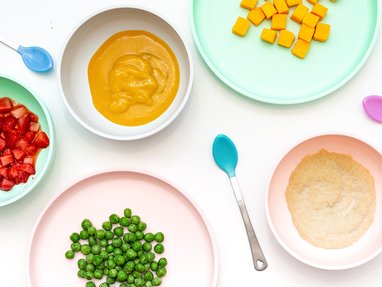
Mealtime with a baby is equal parts joyful and messy — one minute you’re celebrating their first bite of mashed sweet potato, the next you’re scrubbing puree off the walls, the high chair, and three different plates. If you’ve ever found yourself scrambling for a clean plate mid-snack, you’ve probably asked yourself: how many plates should I buy for my baby? The short answer is 4-6 for most families, but the right number depends on your baby’s age, your dishwashing routine, and how often you’re on the go. This guide breaks down exactly how to calculate your ideal plate count, choose safe, age-appropriate options, and avoid common costly mistakes — all updated with 2026 safety guidance from leading child health authorities.
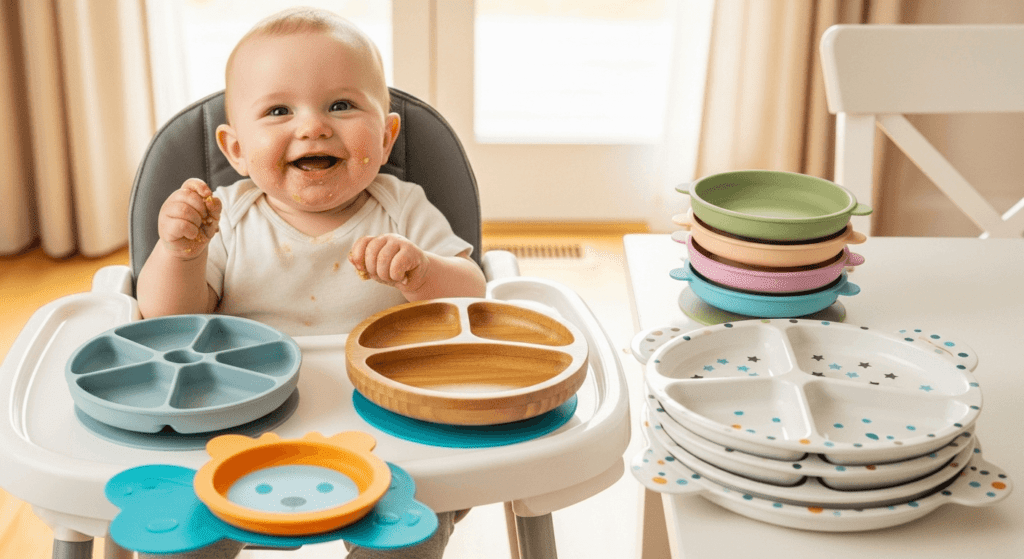 A mix of stage-appropriate baby plates for different ages and feeding needs
The Short Answer: How Many Plates Do You Actually Need?
Baseline Count for Most Families
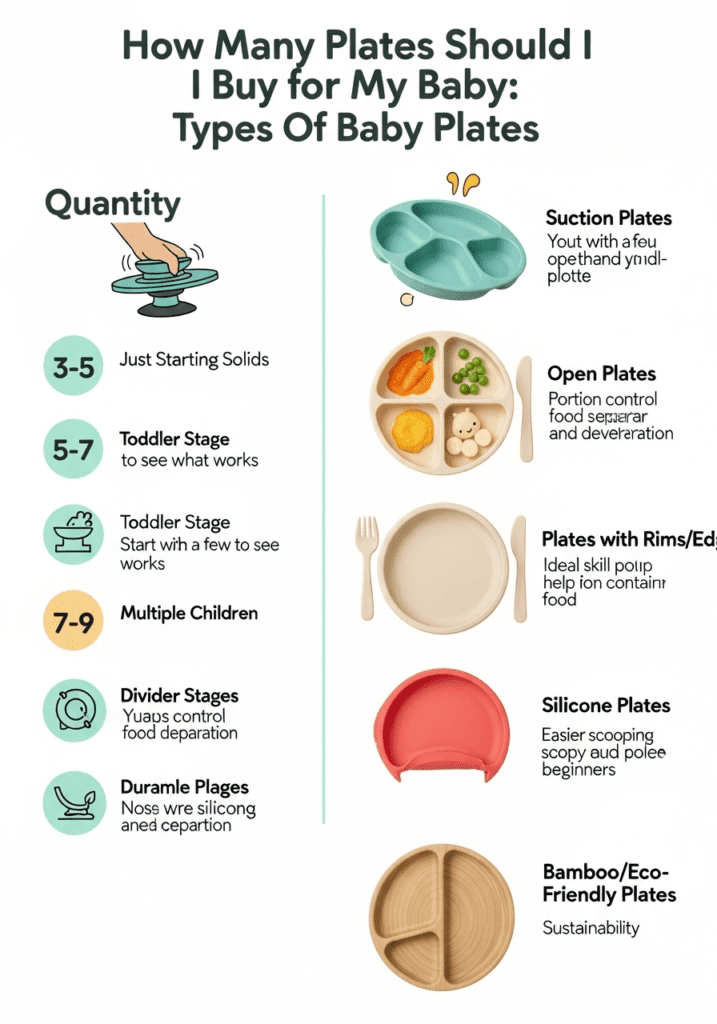
For most households, 4-6 baby plates is the sweet spot. This count covers 3-4 daily meals and snacks, plus 1-2 backups for unexpected messes, sick days when you can’t keep up with dishwashing, or forgotten plates at a grandparent’s house or daycare. This number eliminates the stress of running out of clean plates mid-mealtime without cluttering your kitchen cabinets with unused dishware. You can also read our guide on best non toxic disposable diapers.
Key Factors That Adjust Your Number
The baseline count works for most families, but you may need to adjust up or down based on these concrete factors:
- Your baby’s age and eating stage: A 6-month-old just starting purees will use 2-3 plates a day, as messy self-feeding often requires a fresh plate mid-meal if they drop food. A 12-18 month old self-feeding finger foods will use 3-4 plates daily, as they often throw food or play with portions. Toddlers 18+ months transitioning to family meals typically use 2-3 plates a day, as they can eat from larger dishware with less mess.
- Your dishwashing frequency: If you run the dishwasher daily, 4 plates is sufficient. If you wash dishes by hand every other day, bump your count to 8-10 to avoid running out. If you only wash dishes once a week due to a busy work schedule, 10-12 plates will keep you from stacking dirty dishes in the sink.
- Travel and backup needs: If you travel 1+ times a month, keep a separate set of 2-3 travel plates so you don’t have to wash home dishes while away, or risk forgetting them at a hotel. If you host playdates or have a babysitter regularly, add 1-2 extra plates to your count for guest use.
Types of Baby Plates: Which Ones Do You Need?
Choosing the right plate type for your baby’s stage and your lifestyle will cut down on messes and make mealtime easier for everyone.
Suction Plates
Designed for 6-18 month olds learning to self-feed, suction plates have a strong rubber base that sticks to high chair trays or tables to prevent throwing. Look for suction bases at least 2 inches wide for the strongest hold. These plates reduce messes by 70% for young babies who haven’t learned to keep dishware in place, though toddlers will eventually learn to peel them off surfaces. You can also read our guide on best diaper bag for kids.
Divided Plates
Divided plates have separate sections to keep foods from mixing, which is ideal for picky eaters who refuse to eat foods that touch, or for parents portioning out balanced meals (protein, veg, carb in separate sections). Look for 2-section plates for babies 6-12 months, and 3-4 section plates for toddlers 12+ months. Many come with matching lids for storing leftovers, making them a versatile option for daily use.
Material Comparison: Silicone, Plastic, and Stainless Steel
The material you choose will impact durability, safety, and ease of use. Below is a 2026 updated comparison of the most common options:
| Material | Best For | Pros | Cons | Typical Price Per Plate |
|---|---|---|---|---|
| BPA-Free Plastic | 6-18 month olds, casual daily use | Lightweight, affordable, wide variety of fun designs | Can scratch over time, may retain odors, not all are microwave-safe | $3-$8 |
| Food-Grade Silicone | All ages, travel, microwave use | Flexible, shatterproof, dishwasher-safe, non-slip options available | Higher upfront cost, can stain with bright foods like tomato sauce | $10-$25 |
| 304 Stainless Steel | 18+ month olds, long-term use | Extremely durable, no odor retention, 100% recyclable | Heavy for young babies, no suction options, can dent if dropped | $15-$30 |
Silicone is the most popular all-around choice for 2026, as it balances safety, durability, and convenience for all feeding stages. Stainless steel is a great long-term investment for toddlers, as it will last for years if properly cared for. You can also read our guide on loose baby tooth during cleaning tips.
 Plastic and silicone baby plates side by side, showing differences in material thickness and design
Safety and Material Guidelines (2026 Updated)
Choosing non-toxic, durable plates is non-negotiable for your baby’s health. All baby plates sold in the U.S. must meet current FDA guidance for food-contact materials to ensure they don’t leach harmful chemicals into food, but there are extra steps you can take to reduce risk.
Non-Toxic Material Requirements
As of 2026, avoid any baby tableware that contains BPA, BPS (a common BPA substitute with similar health risks), phthalates, lead, or melamine resin. Melamine, often used to bind cheap bamboo or decorative plates, can leach harmful chemicals when heated, so never microwave plates made with this material. Also avoid plates with painted decorations, glitter, or metallic accents, as these can chip off and become choking hazards. Look for labels that explicitly state the plate is phthalate-free and BPS-free, not just "BPA-free". You can also read our guide on best organic baby diapers gentle leakproof.
Heat and Cleaning Safety
Most silicone and stainless steel plates are microwave and dishwasher safe, but always check the manufacturer’s instructions: silicone plates should be placed on the top rack of the dishwasher to avoid warping from high heat, and plastic plates should never be used in the microwave unless explicitly labeled as heat-safe. A common mistake observed among new parents is assuming all "BPA-free" plastic is safe for high-heat use — repeated heating can break down plastic polymers over time, leaching microplastics into food, so opt for silicone or stainless steel for warming meals.
Third-Party Certification What to Look For
Look for plates that are ASTM F963 certified (the U.S. toy safety standard, which many baby tableware brands meet to prove non-toxicity) or CPSC certified. These certifications mean the plates have been independently tested for harmful chemicals and choking hazards. If your baby has sensitive skin or allergies, look for plates that are hypoallergenic and free of common allergens like latex. Just as you prioritize non-toxic materials for safe nursery bedding, you should apply the same standard to all food-contact items. You can also read our guide on best lightweight umbrella stroller.
Choosing the Right Plate Size for Your Baby's Age
Plate size is just as important as material and count, as oversized plates lead to overfilled portions and more messes, while undersized plates make it hard for babies to scoop food.
6-12 Months: Starting Solids
Plates for this age should be 6-7 inches in diameter, shallow enough for babies to scoop purees and soft finger foods from easily. Portion sizes at this age are 1-2 tablespoons per food group per meal, so small plates prevent overfilling and food waste. Suction or non-slip bases are a must for this stage to keep plates in place. You can also read our guide on best backpack diaper bag for toddler and newborn.
 Sample portion sizes for 6-month, 12-month, and 18-month old babies
Image source: www.babycenter.com
Sample portion sizes for 6-month, 12-month, and 18-month old babies
Image source: www.babycenter.com
12-18 Months: Self-Feeding Toddlers
Plates for this age can be 7-8 inches in diameter, with deeper sections to hold thicker finger foods like pasta, steamed veggies, and small pieces of meat. Divided plates work well here to keep foods separate, and suction bases are still helpful for reducing plate-throwing incidents for early self-feeders.
18+ Months: Transitioning to Regular Tableware
At this stage, you can start introducing regular adult-sized plates, or continue using smaller toddler plates if your child prefers them. Look for plates with raised edges to make scooping easier, and avoid decorative plates with fragile designs that can break if dropped. You can also read our guide on best non toxic diapers for babies.
Care, Maintenance, and Replacement Timeline
Proper care will extend the life of your baby’s plates and keep them safe for use.
Daily and Deep Cleaning Tips
Rinse plates immediately after meals to prevent food from drying and sticking. Hand wash with mild, fragrance-free dish soap, or place on the top rack of the dishwasher if the manufacturer labels them as dishwasher-safe. For weekly deep sanitizing, follow CDC recommendations for cleaning baby items by soaking plates in a solution of 1 tablespoon unscented bleach per gallon of water for 2 minutes, then air dry completely. Avoid abrasive scrubbers, which can scratch silicone or plastic plates and harbor bacteria in small grooves.
Storage Best Practices
Store plates in a dry, cool cabinet away from direct sunlight, which can degrade silicone over time. Stack plates vertically or use a dedicated plate rack to prevent scratching, and avoid storing heavy items on top of plastic plates, which can warp them. For travel plates, store them in a separate pouch in your diaper bag to keep them clean and easy to grab. You can also read our guide on baby stroller sitting tips expert guidelines.
When to Replace Your Baby's Plates
Replace plates every 1-2 years with daily use, or immediately if you notice cracks, clouding, peeling, or deep scratches. These are signs the material is breaking down, and can harbor harmful bacteria or leach chemicals into food. Even if a plate looks fine, if it’s been dropped multiple times and has small, invisible cracks, it’s time to replace it. Just as you adjust your baby's sock inventory during growth spurts, you'll likely need to add or phase out plates as their eating habits change.
Travel and On-the-Go Plate Essentials
Travelling with a baby doesn’t have to mean messy, unplanned meals. The right travel plates make feeding on the go simple and low-stress.
Compact, Break-Resistant Options
For travel, prioritize unbreakable silicone plates that nest to save space, have lids to prevent crumbs from getting in your bag, and have leak-proof seals if you’re carrying messy foods like yogurt or puree. A set of 2-3 travel plates is enough for most trips, as you can wash them in a hotel sink or with disposable wipes if needed. If you're packing a stroller for day trips, properly folding your stroller for travel helps fit extra plates and food containers in under-seat storage.
Packing Tips for Day Trips and Vacations
Pack a separate set of travel plates from your home set to avoid cross-contamination and extra washing. Bring a small bottle of dish soap and a soft sponge to wash plates at your destination, and opt for plates with built-in utensils to cut down on the number of items you need to pack. For international travel, most countries allow baby plates and food containers in carry-on luggage, so you don’t have to check them.
Common Mealtime Plate Mistakes to Avoid
Even experienced parents make these avoidable errors when buying and using baby plates:
- Buying too few plates: 2-3 plates may seem like enough, but unexpected messes, sick days, and busy schedules will leave you scrambling for a clean plate. Sticking to the 4-6 baseline eliminates this stress.
- Choosing decorative plates with paint or glitter: Paint chips and glitter can fall off into food, posing a choking hazard. Opt for solid-colored, undecorated plates for daily use.
- Using adult-sized plates for young babies: Adult plates are too big for small hands, leading to more spills and frustration. Stick to 6-7 inch plates for babies under 18 months.
- Ignoring suction strength: A weak suction plate will be thrown on the floor within the first few meals, wasting your money. Test the suction strength before buying by pressing it firmly to a flat surface and trying to lift it up by the edges.
- Assuming all "eco-friendly" plates are microwave-safe: Many cheap bamboo plates are made with melamine resin, which can leach harmful chemicals when heated. Only microwave plates that are explicitly labeled as microwave-safe, regardless of material.
Budget and Sustainable Plate Options
You don’t have to break the bank to get safe, high-quality plates for your baby, and there are eco-friendly options for every budget.
Price Tiers for Every Budget
- Entry-level ($3-$8 per plate): BPA-free plastic plates, basic suction or non-slip bases, great for casual daily use. Brands like Munchkin and Nuby offer affordable 4-pack sets for $15-$25. A starter set of 4-6 plates typically costs $20-$60, comparable to the price of a high-quality baby hairbrush — a small upfront cost for years of use.
- Mid-range ($10-$25 per plate): Food-grade silicone plates, often divided with suction bases, microwave and dishwasher safe. Brands like Ezpz and OXO Tot offer high-quality options that last 2-3 years, making them more cost-effective long-term than cheap plastic plates that need frequent replacement.
- Premium ($15-$30 per plate): 304 stainless steel plates, third-party tested for non-toxicity, unbreakable, and 100% recyclable. These are the most cost-effective long-term option if you don’t mind the heavier weight for young babies.
Eco-Friendly Choices That Reduce Waste
If you’re prioritizing sustainability, silicone and stainless steel plates are the best long-term options, as they last for years and can be recycled at the end of their life. For occasional use, food-grade bamboo plates are compostable, but avoid heating them and opt for brands that use no melamine resin. If you already use reusable cloth diapers to cut household waste, adding durable silicone plates to your routine is a low-effort way to reduce single-use plastic waste even further. When evaluating food-contact materials for your baby, you likely already check formula and puree labels for unwanted additives like palm oil — apply that same scrutiny to plate materials.
Top-Rated Baby Plates: Parent-Approved Picks
Best for New Eaters (6-12 Months)
Look for plates with wide, strong suction bases, shallow edges for easy scooping, and BPA-free, phthalate-free materials. Top picks include the Ezpz Mini Mat (silicone, built-in placemat, $18) and Munchkin Stay Put Suction Plate (BPA-free plastic, $8 for a 3-pack).
Best for Toddler Picky Eaters (12-24 Months)
Divided plates with 3-4 sections work best here, as they keep foods separate and encourage trying new items without the stress of mixed textures. Top picks include the OXO Tot Divided Plate (stainless steel with silicone base, $22) and NUK Divided Suction Plate (BPA-free plastic, $12 for a 2-pack).
Best for Travel
Unbreakable, nesting silicone plates with lids are ideal for on-the-go use. Top picks include the Re-Play Divided Plate (made from recycled plastic, $6 each) and Avanchy Silicone Suction Plate with Lid (stainless steel core, silicone exterior, $25).
 Parent-led testing of top baby plates for real-world suction strength, durability, and ease of cleaning
Frequently Asked Questions
How many plates should I buy for my baby?
For most families, 4-6 plates is the ideal baseline: this covers 3-4 daily meals and snacks, plus 1-2 backups for unexpected messes, sick days, or forgotten plates at a caregiver's house. Adjust up or down based on your dishwashing routine and travel habits.
What size plate is best for a baby?
For babies 6-18 months, 6-7 inch diameter plates are ideal: they're small enough for little hands to hold, and portion sizes match recommended serving sizes for this age. For toddlers 18+ months, 7-8 inch plates work well.
Are silicone plates safe for babies?
Yes, food-grade silicone plates are safe for babies as long as they are BPA-free, BPS-free, and phthalate-free. They're shatterproof, microwave and dishwasher safe, and don't retain odors or stains. Avoid low-quality silicone that feels sticky or has a strong chemical smell.
How often should I replace my baby's plates?
Replace plates every 1-2 years with daily use, or immediately if you notice cracks, clouding, peeling, or deep scratches. These are signs the material is breaking down, and can harbor harmful bacteria or leach chemicals into food.
Can I use the same plates for purees and toddler finger foods?
Yes, as long as the plates are non-toxic and have no sharp edges. Divided plates work well for both stages: use one section for puree and another for soft finger foods as your baby transitions to solid foods.
Are disposable bamboo plates safe for daily use?
Food-grade bamboo plates are safe for occasional use, but avoid heating them in the microwave, as the melamine resin used to bind the bamboo can break down at high temperatures. They're best for travel, picnics, or playdates, not daily home use.
Final Takeaways
There's no one-size-fits-all answer to how many plates you need for your baby, but 4-6 high-quality, non-toxic plates is the perfect starting point for most families. Prioritize plates that match your baby's current age and feeding stage: suction plates for young self-feeders, divided plates for picky toddlers, and durable stainless steel for long-term use. Always opt for BPA-free, BPS-free, and phthalate-free materials, and follow 2026 FDA and CDC guidance for safe use and cleaning to keep mealtime safe and low-stress.
If you're building your baby's feeding toolkit, start with a 4-pack of mid-range silicone suction plates to cover most daily needs, and add a set of portable travel plates if you're often on the go. With the right plates, you can spend less time washing dishes and more time enjoying mealtime with your little one.

Emma Grace is a devoted mother and passionate content writer at BestBabyCart.com. With firsthand parenting experience and a love for research, she creates helpful guides and honest reviews to support parents in choosing the best for their babies. Her goal is to make parenthood easier, one article at a time.