
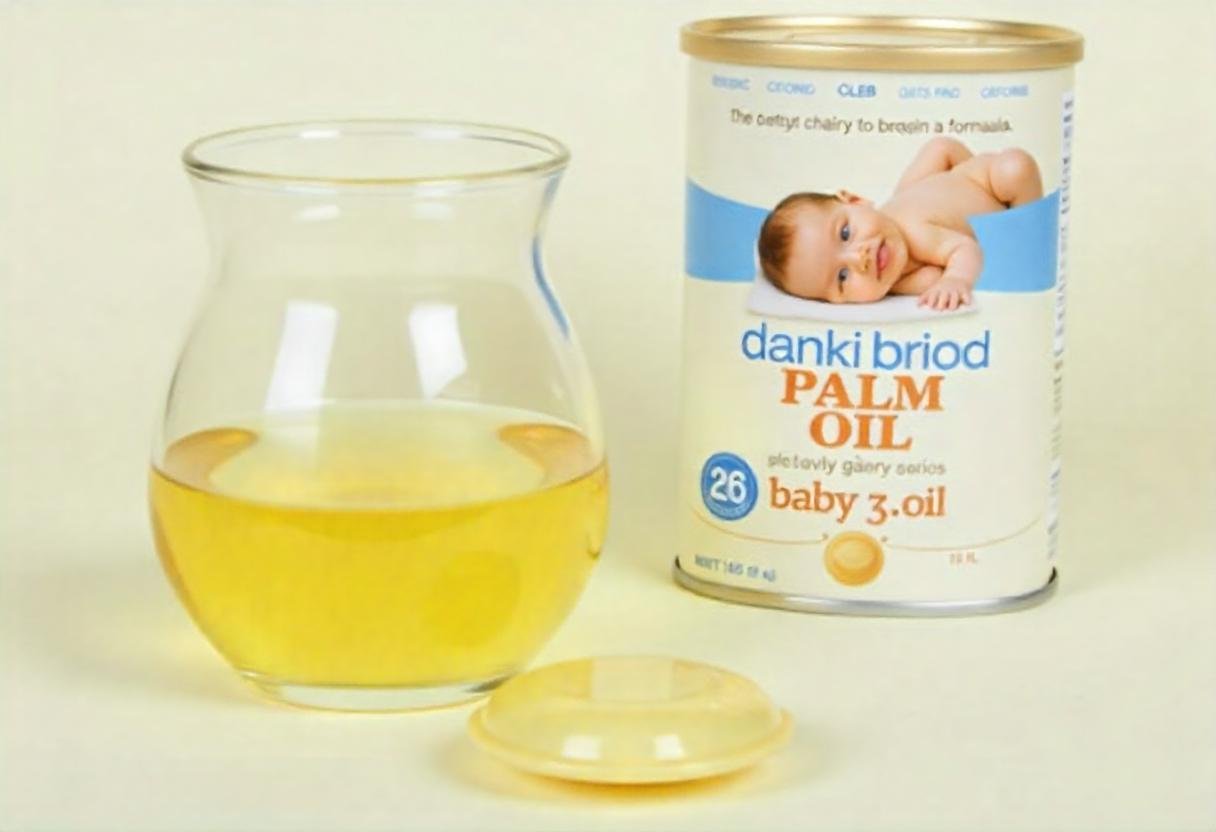
Staring at a baby formula label and wondering if palm oil is a safe, healthy choice for your little one? You’re not alone. Palm oil (typically present as refined palm olein, the processed fraction of the oil) is one of the most common fat sources in mainstream infant formula, but conflicting claims about its benefits and risks leave many parents confused. This evidence-based guide breaks down the science, practical concerns, and actionable steps to help you make an informed decision that aligns with your baby’s needs and your family’s values.
Why Palm Oil Is Included in Infant Formula
Matching the Fat Profile of Breast Milk
Palm olein is added to formula primarily to replicate the palmitic acid content of human breast milk. Palmitic acid makes up 20-25% of the total fat in breast milk, and plays a critical role in supporting infant brain development, energy production, and cell membrane health. While palm olein contains the same fatty acid as breast milk, its molecular structure is positioned at the sn-1 and sn-3 positions of the triglyceride, unlike the sn-2 position found in breast milk fat — a difference that impacts digestibility for some infants. You can also read our guide on top tips for confident public breastfeeding.
Practical Manufacturing Benefits
Beyond nutritional mimicry, palm olein is a cost-effective, shelf-stable fat source that helps formula maintain a consistent, creamy texture across batches. Its low oxidative stability also extends product shelf life, reducing food waste and keeping formula prices accessible for families on tight budgets. For manufacturers, it is also widely available and easy to source at scale, making it a staple in standard formula blends.
 Palm oil is primarily added to formula to match the palmitic acid profile of breast milk.
 Refined palm olein, the form used in most baby formulas, is extracted from the fruit of oil palm trees and processed to remove impurities for infant use.
Nutritional Breakdown of Palm Oil for Infants
Fatty Acid Composition
Refined palm olein has a distinct fatty acid profile that aligns partially with breast milk fat:
| Fatty Acid | Percentage of Total Fat in Palm Olein | Role in Infant Development |
|---|---|---|
| Palmitic acid | 44% | Supports brain development, energy production, and bone health |
| Oleic acid | 39% | Aids in nutrient absorption and supports immune function |
| Linoleic acid (omega-6) | 10% | Critical for skin health and growth |
| While the fatty acid profile is similar to breast milk, the structural difference in palmitic acid positioning is the core of most digestive concerns linked to palm oil in formula. You can also read our guide on how many cloth diapers baby use year guide. |
Micronutrient Content
Palm olein is a natural source of several micronutrients that support infant health:
- Vitamin E (tocopherols): A fat-soluble antioxidant that supports immune function and protects cell membranes from damage
- Beta-carotene: A precursor to vitamin A, which is essential for healthy vision, skin, and immune system development
- Coenzyme Q10 (CoQ10): Supports cellular energy production, which is critical for rapidly growing infants These micronutrients are retained in refined palm olein used for formula, adding small but meaningful nutritional value to the final product.
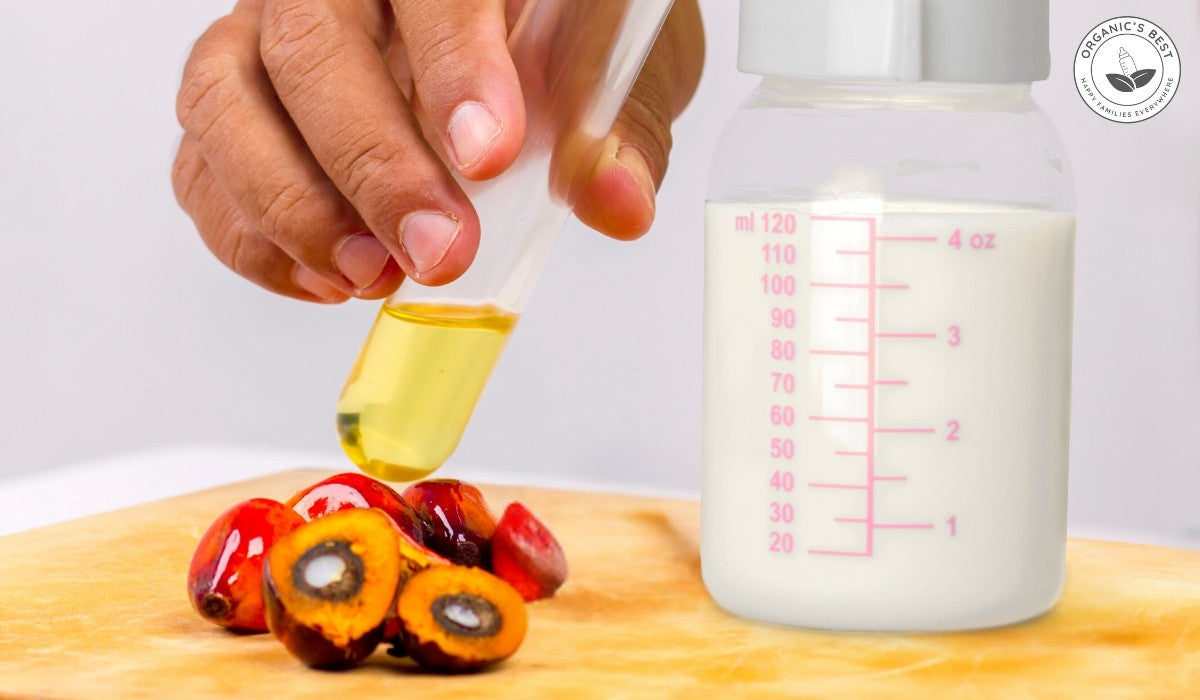 This infographic summarizes key safety and nutritional facts about palm oil in infant formula.
Evidence-Based Benefits of Palm Oil in Formula
Supports Growth and Brain Development
The palmitic acid in palm olein provides a critical energy source for infants, and supports the development of the central nervous system. For families who cannot or choose not to breastfeed, palm oil-containing formulas offer a way to deliver this key nutrient in a form that is well-tolerated by most infants. You can also read our guide on how to stop baby snack feeding breastfeeding.
Improves Formula Affordability and Accessibility
Palm olein is one of the most affordable vegetable fat sources available, which keeps the cost of standard infant formula lower than premium blends that use exotic fat blends. For households managing recurring baby costs, this cost difference can add up to hundreds of dollars per year, making adequate nutrition accessible for low- and middle-income families.
Enhances Formula Stability and Texture
Palm olein’s natural stability prevents formula from going rancid quickly, and creates a smooth, creamy texture that many infants find palatable. This reduces feeding refusal and helps balancing feeding routines for parents navigating bottle and breast combination feeds. You can also read our guide on how many socks for baby guide.
 Many babies tolerate palm oil in formula without any adverse effects.
Documented Risks and Potential Downsides
Digestive Discomfort and Constipation
The most widely reported side effect of palm olein in formula is harder, less frequent stools. When palmitic acid from palm olein binds with calcium in the infant gut, it forms insoluble calcium soaps that are not easily absorbed. These soaps increase stool firmness, which can lead to constipation, excessive gas, and discomfort during bowel movements, particularly for infants with immature digestive systems or a family history of constipation.
Reduced Calcium Absorption Concerns
Early research suggested that calcium soap formation could reduce overall calcium absorption, potentially impacting bone density over time. However, more recent clinical data indicates that this effect is minimal for infants consuming a balanced diet with adequate calcium intake from other formula components. That said, infants with existing calcium deficiencies or those on restricted diets may be at higher risk for reduced absorption. You can also read our guide on how many cloth diapers baby need guide for parent.
Rare Allergy Risk
While true palm oil allergy is extremely rare, some infants may experience mild sensitivities, including skin rashes or digestive upset, after consuming formula with palm olein. These reactions are almost always mild and resolve quickly after switching to a palm oil-free formula.
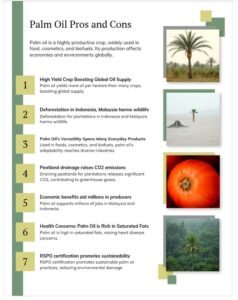 Key pros and cons of palm oil as a formula fat source for parents to weigh.
How Palm Oil Compares to Common Formula Fat Sources
Most infant formulas use a blend of vegetable oils to optimize fatty acid profile and digestibility. Below is a comparison of the most common fat sources used as alternatives or complements to palm olein:
| Oil Type | Primary Fat Content | Key Benefits | Common Drawbacks | Typical Use Case |
|---|---|---|---|---|
| Refined Palm Olein | 50% saturated fat (mostly palmitic acid) | Mimics breast milk palmitic acid, low cost, long shelf life | May form calcium soaps, linked to harder stools in some infants | Standard in many mainstream, affordable formulas |
| Soybean Oil | 50% polyunsaturated fat (omega-3 and omega-6) | Supports brain development, widely available | Common allergen, lower saturated fat content than palm olein | Common in plant-based and sensitive infant formulas |
| Coconut Oil | 90% saturated fat (mostly lauric acid) | Easy to digest, supports immune function | Very high saturated fat content, may be too rich for some infants | Often used in goat milk and hypoallergenic formulas |
| Sunflower/Safflower Oil | 70% polyunsaturated fat | High in vitamin E, low allergen risk | Lower overall fat density, may require blending with other oils | Common in premium, palm oil-free blends |
| Clinical observations from pediatric feeding specialists consistently note that infants who experience persistent constipation on palm olein-containing formulas often see improvement within 3-5 days of switching to a blend that uses coconut or sunflower oil as the primary fat source. You can also read our guide on how many cloth diapers should a baby have. |
Current Regulatory and Safety Guidance (2026)
U.S. and Global Regulatory Standards
All infant formula sold in the U.S. must meet strict federal infant formula safety standards set by the FDA, which include requirements for total fat content, fatty acid composition, and ingredient purity for added fats like palm olein. As of 2026, updated FDA labeling rules require manufacturers to clearly list the specific type of added fat (e.g., "refined palm olein" rather than generic "vegetable oil") on formula packaging to improve transparency for parents. In the EU, EFSA’s 2025 risk assessment reaffirmed that refined palm olein is safe for use in infant formula at levels aligned with nutrient requirements, but recommends that parents monitor stool patterns for the first 2 weeks after introducing a new formula containing palm olein. You can also read our guide on BestBabyCart.com.
Expert Consensus on Safety
Major global health bodies, including the World Health Organization (WHO) and the American Academy of Pediatrics (AAP), classify refined palm olein as a safe ingredient for infant formula when used within regulated limits. There is no evidence to suggest that palm olein causes long-term harm to healthy infants, though it may cause temporary digestive discomfort for a subset of babies.
Environmental and Ethical Considerations
Beyond individual infant health, palm oil production has significant environmental impacts that many eco-conscious families consider when choosing formula.
Deforestation and Biodiversity Impact
Palm oil is one of the most widely produced vegetable oils globally, with most cultivation concentrated in Indonesia and Malaysia. Unsustainable palm farming is a leading driver of tropical deforestation, which destroys critical habitat for endangered species like orangutans, Sumatran tigers, and pygmy elephants. It also contributes to carbon emissions and disrupts the livelihoods of indigenous communities that rely on forest ecosystems.
Sustainable Palm Oil Certification Options
To reduce these impacts, many formula manufacturers now use palm olein certified by the Roundtable on Sustainable Palm Oil (RSPO), which sets independent standards for reducing deforestation, protecting biodiversity, and supporting fair labor practices in palm production. RSPO-certified palm olein is traceable from farm to final product, giving parents confidence that their formula choice aligns with their environmental values.
Signs Your Baby May Be Sensitive to Palm Oil
Most infants tolerate palm olein in formula without any issues, but a subset of babies may experience sensitivity. Watch for these signs, especially in the first 2 weeks after introducing a new formula:
Digestive Red Flags to Watch For
- Hard, pellet-like stools less than once per day, or visible straining during bowel movements
- Excessive fussiness or crying for 3+ hours daily, especially in the 30 minutes after feeding
- Increased gas or bloating, often accompanied by a tense, hard belly
- Slow weight gain or reduced feeding volume, which may indicate poor nutrient absorption
When to Consult Your Pediatrician
If you notice persistent symptoms for more than 5 days, contact your pediatrician before switching formulas. They can rule out other causes of digestive discomfort, such as milk protein allergy or reflux, and recommend a suitable alternative if needed. For infants with a family history of constipation or digestive conditions, it may be worth discussing palm oil-free formula options with your provider before introducing a new formula.
Popular Palm Oil-Free Formula Alternatives
If you decide to avoid palm olein in your baby’s formula, many reputable brands offer palm oil-free blends that use alternative fat sources to support digestion:
- HiPP Organic: Uses a blend of coconut, sunflower, and rapeseed oils, with no added palm olein, and is widely available in Europe and via international importers
- Holle Organic: A goat milk-based formula that uses coconut and sunflower oils, ideal for infants with cow milk sensitivity
- Bobbie: A U.S.-based brand that uses a sunflower and safflower oil blend, designed to be gentle on immature digestive systems
- Earth's Best Organic: A widely available affordable option that uses a blend of soybean and coconut oils, with no added palm olein Note that palm oil-free formulas are often 10-20% more expensive than standard palm olein-containing blends, due to the higher cost of alternative fat sources.
How to Choose the Right Formula for Your Family
There is no one-size-fits-all answer when it comes to palm oil in formula. Follow these steps to make a choice that works for your baby and your family:
- Consult your pediatrician first: Discuss your baby’s health history, including any family history of constipation, allergies, or digestive conditions, to get personalized guidance.
- Read formula labels carefully: Look for explicit ingredient disclosures: if palm olein is listed, check for RSPO certification if environmental impact is a priority. If you prefer a palm oil-free option, confirm that the label states "no added palm oil" rather than generic "vegetable oil."
- Test for tolerance: Introduce a new formula gradually, mixing it with your baby’s current formula for 3-5 days to monitor for signs of sensitivity. Use the quick checklist below to track symptoms:
Quick Palm Oil Sensitivity Checklist
Track these signs for 7-10 days after introducing a new formula:- Hard, pellet-like stools less than once per day
- Excessive fussiness or crying for 3+ hours daily, especially after feeds
- Visible straining during bowel movements
- Slower than expected weight gain (track at regular pediatric checkups)
- Balance priorities: If affordability is your top priority, a standard palm olein-containing formula is a safe, nutritionally adequate choice for most infants. If digestive sensitivity or environmental impact is a higher priority, a certified sustainable or palm oil-free blend may be a better fit. As you make small, intentional baby care choices across all areas of infant care, prioritize options that align with your family’s unique needs and values. For families evaluating practical baby product decisions across feeding, sleep, and play, formula selection is just one piece of the larger puzzle of supporting your baby’s well-being.
 Checking the ingredient label for fat sources is the first step to identifying palm oil content.
Frequently Asked Questions
What is palm oil in baby formula?
Palm oil in baby formula is almost always present as refined palm olein, a processed vegetable fat derived from the fruit of oil palm trees. It is added to mimic the palmitic acid profile of breast milk.
Is palm oil in baby formula safe?
Yes, refined palm olein is classified as safe for infant consumption by the FDA, WHO, and EFSA when used within regulated limits. It may cause temporary digestive discomfort for a small subset of infants, but does not pose long-term health risks for healthy babies.
Can palm oil cause constipation in babies?
Palm olein can cause harder stools and constipation in some infants, due to the formation of insoluble calcium soaps in the gut. If your baby experiences persistent constipation after starting a palm oil-containing formula, consult your pediatrician about switching to a palm oil-free blend.
Are there palm oil-free baby formulas?
Yes, many brands offer palm oil-free formulas, including HiPP Organic, Holle Organic, Bobbie, and Earth's Best Organic, which use alternative fat blends like coconut, sunflower, and safflower oils.
How can I tell if my baby is reacting badly to palm oil?
Watch for hard stools, excessive fussiness after feeds, straining during bowel movements, or slow weight gain. If symptoms persist for more than 5 days, contact your pediatrician to rule out other causes.
Is palm oil in formula bad for the environment?
Unsustainably produced palm oil is a leading driver of tropical deforestation, which harms biodiversity and contributes to climate change. Choosing RSPO-certified sustainable palm oil or palm oil-free formulas can reduce this impact.
Should I avoid palm oil due to environmental concerns?
If environmental impact is a priority for your family, opt for RSPO-certified formulas or palm oil-free blends. For many families, the environmental impact of a single formula choice is small compared to other sustainability actions, but every choice adds up.
What are the most common alternatives to palm oil in formula?
The most common alternatives are soybean oil, coconut oil, sunflower oil, and safflower oil, often blended to optimize fatty acid profile and digestibility.
Final Verdict: Harmful, Helpful, or Something In Between?
Palm oil in baby formula is not inherently harmful or universally helpful — it is a nuanced ingredient with clear tradeoffs that vary by infant and family priorities. For most healthy infants, refined palm olein is a safe, affordable, and nutritionally beneficial fat source that supports growth and development. For a subset of babies with sensitive digestive systems, it may cause temporary constipation or discomfort that resolves with a formula switch. For eco-conscious families, unsustainably produced palm oil carries significant environmental costs, but RSPO-certified options mitigate this impact. The best choice for your family depends on your baby’s unique needs, your budget, and your values. Track your baby’s response to any new formula, consult your pediatrician for personalized guidance, and don’t hesitate to switch products if you notice adverse symptoms. For more evidence-based guidance on infant feeding and care, explore our full library of practical baby care resources to support every step of your parenting journey. To ensure your baby’s overall well-being as you refine their feeding routine, our safe sleep setup basics walk you through creating a restful, hazard-free sleep space that supports healthy development. For parents balancing multiple early-year priorities, our guides to selecting age-appropriate feeding gear and annual baby supply planning simplify the logistical side of parenting, so you can spend more time focusing on what matters most. For parents navigating the ups and downs of early infant schedules, our guide to managing outings around your baby’s sleep window offers practical tips to keep routines intact without sacrificing your own plans. And when it comes to keeping your little one comfortable in all conditions, our breakdown of seasonal baby dressing essentials takes the guesswork out of layering for every temperature. By combining informed feeding choices with these small, practical adjustments, you can build a low-stress routine that supports your baby’s health, happiness, and comfort every single day.

Emma Grace is a devoted mother and passionate content writer at BestBabyCart.com. With firsthand parenting experience and a love for research, she creates helpful guides and honest reviews to support parents in choosing the best for their babies. Her goal is to make parenthood easier, one article at a time.