
Creating a reliable breastfeeding and pumping schedule can feel overwhelming for new parents, especially when you’re juggling sleepless nights, milk supply worries, and upcoming work commitments. A well-designed routine doesn’t lock you into rigid timings – instead, it adapts to your baby’s unique hunger cues, supports consistent milk production, and gives you the flexibility to plan outings, return to work, or simply carve out time for self-care. Per 2026 guidance from the Centers for Disease Control and Prevention breastfeeding guidelines, pairing responsive feeding with a predictable routine reduces stress for both parents and infants while ensuring your baby gets the full nutritional benefits of breast milk. This guide breaks down actionable, evidence-based tips to build a combo schedule that works for your family, no matter your goals.
Core Benefits of a Consistent Combo Feeding Schedule
A balanced breastfeeding and pumping routine does more than just organize your day – it delivers tangible benefits for your baby’s health, your milk supply, and your overall well-being. You can also read our guide on baby nap schedule.
Stable Nutrition for Your Baby
Breast milk is packed with key nutrients for growing babies, tailored specifically to your infant’s developmental needs, and includes antibodies that fight common infections better than any formula. A consistent schedule ensures your baby feeds regularly enough to meet their caloric and nutritional needs, especially during cluster feeding periods in the first few months. Unlike rigid formula feeding schedules, a combo routine lets you prioritize on-demand nursing when your baby is hungry, while using stored pumped milk for feeds when you’re away, so your baby never misses out on key nutrients. This supports keeping your baby safe and healthy long-term by reducing their risk of ear infections, gastrointestinal issues, and chronic conditions later in life.
Reliable Milk Supply & Reduced Discomfort
Pumping on a regular, aligned schedule signals your body to produce the amount of milk your baby needs, reducing common issues like engorgement, blocked ducts, and sudden supply drops. For parents who pump to build a freezer stash, timed sessions ensure you’re collecting milk when your supply is highest (usually first thing in the morning) without displacing milk your baby needs for their next feed. Many parents find that consistent scheduling reduces the "am I making enough?" anxiety that plagues so many new breastfeeding journeys. You can also read our guide on best diaper wipe warmers.
Flexibility for Work, Travel, and Daily Life
A predictable combo routine gives you the freedom to return to work, attend appointments, or go on date nights without worrying about your baby’s feeding needs. If your little one has a consistent feeding pattern, you can even coordinate activities with scheduling outings around feeds to keep everyone happy. For parents who travel, a pre-built stash of pumped milk means you don’t have to nurse in public spaces if that makes you uncomfortable, while still ensuring your baby gets breast milk.
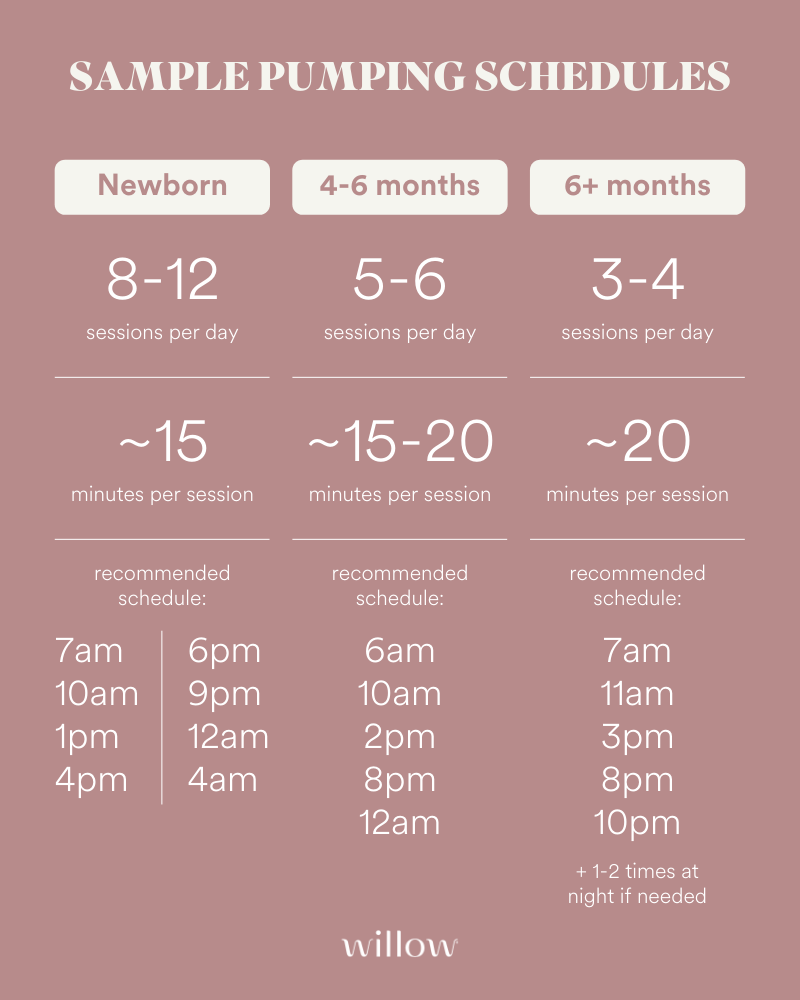
 Credit: www.onewillowcanada.com
A consistent combo feeding routine supports both your baby's nutrition and your milk supply goals.
Credit: www.onewillowcanada.com
A consistent combo feeding routine supports both your baby's nutrition and your milk supply goals.
How to Build Your Personalized Combo Schedule
There is no one-size-fits-all schedule, but following these evidence-based steps will help you create a routine that fits your baby’s needs and your lifestyle:
Step 1: Track Your Baby’s Feeding Patterns First
For the first 1-2 weeks, skip rigid timings and log your baby’s feeds, wet/soiled diapers, sleepy cues, and cluster feeding periods. In practice, this 3-day log eliminates guesswork and helps you spot natural patterns, rather than forcing a generic schedule that doesn’t align with your baby’s rhythm. Note how often they feed, how long each session lasts, and when they seem most hungry – this data will be the foundation of your routine.
Step 2: Align Pump Sessions With Nursing Times
The most efficient way to combine breastfeeding and pumping is to pump 10-15 minutes after a nursing session, when your breasts are partially emptied and let-down is easier to trigger. This avoids displacing milk your baby needs, while still stimulating your body to produce more supply. If you’re building a freezer stash, add one extra pump session per day, usually first thing in the morning when prolactin levels are highest and supply is most abundant. A common mistake new parents make is pumping immediately after a feeding when breasts are still full, which can lead to low output and frustration – waiting a short window for let-down to return makes sessions far more productive.
Step 3: Adjust for Your Lifestyle and Goals
Tailor your schedule to your unique needs: if you’re a stay-at-home parent, you may only need 1 pump session per day for backup milk, while parents returning to work will need 2-3 sessions aligned with their work breaks. If you have other children or busy daily commitments, schedule pump sessions during times you can sit comfortably and relax, as stress can inhibit let-down and reduce output. Remember that flexibility is key – if your baby is sick or going through a growth spurt, adjust your schedule to prioritize their needs, and you can return to your routine once they’re back to their normal pattern, much like adjusting routines as your baby grows as their needs change.
Sample Schedules for Common Scenarios
To give you a starting point, here are evidence-based sample schedules for different parenting situations, aligned with 2026 lactation consultant guidance:
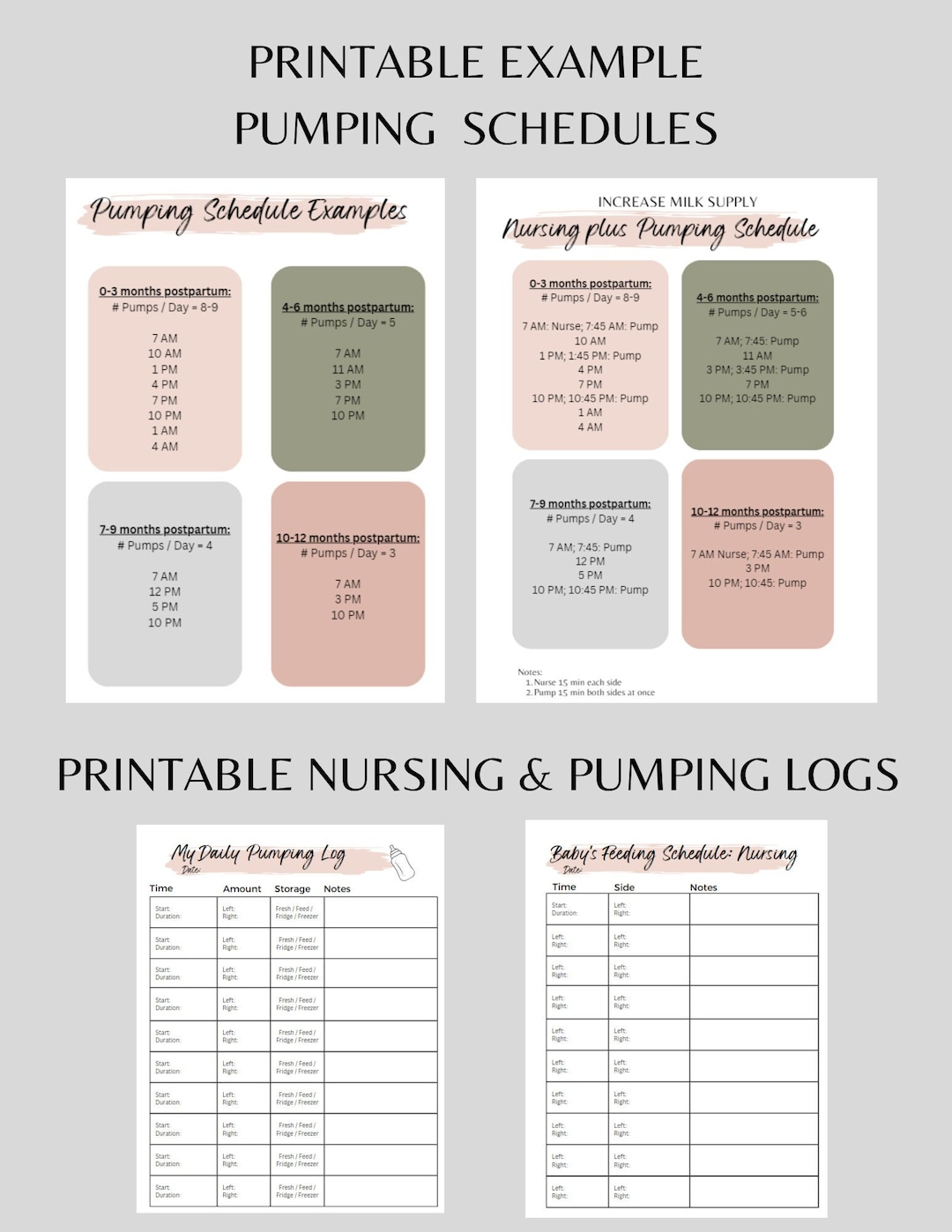
Newborn (0-3 Months): Cluster Feeding & Frequent Sessions
Newborns feed every 2-3 hours, with frequent cluster feeding periods in the evening that can last 2-3 hours. A sample routine might look like:
- 7:00 AM: Nurse, then pump 15 minutes later to build stash
- 10:00 AM: Nurse on demand
- 1:00 PM: Nurse on demand
- 4:00 PM: Nurse on demand
- 7:00 PM: Cluster feeding session (nurse every 30-60 minutes for 2 hours)
- 10:00 PM: Nurse, then pump if needed
- Overnight: Nurse on demand as baby wakes This schedule prioritizes on-demand feeds while adding one low-pressure pump session per day for stash building.
3-6 Months: More Predictable Routines
As babies grow, they often settle into a more predictable 3-4 hour feeding schedule, and may start sleeping longer overnight. A sample routine:
- 7:00 AM: Nurse, then pump
- 10:00 AM: Nurse
- 1:00 PM: Nurse, plus small solid food introduction if baby is ready (have age-appropriate feeding dishware on hand for messy mealtimes)
- 4:00 PM: Nurse
- 7:00 PM: Nurse, then pump if needed
- Overnight: May only wake 1-2 times for feeds
Working Parent: Balancing On-Demand Feeds and Workplace Pumping
For parents returning to work, align pump sessions with your baby’s typical feeding times to mimic their routine and maintain supply:
- 6:30 AM: Nurse before leaving for work
- 10:00 AM: Pump (aligned with baby’s mid-morning feed with caregiver)
- 1:00 PM: Pump (aligned with baby’s afternoon feed)
- 6:00 PM: Nurse as soon as you get home
- Evening: Nurse on demand
- On weekends: Prioritize direct breastfeeding to boost supply, and skip extra pump sessions if possible.
 Credit: lifewithmybuddies.com
A sample schedule can be adjusted to fit your baby's age and your daily commitments.
Credit: lifewithmybuddies.com
A sample schedule can be adjusted to fit your baby's age and your daily commitments.
Milk Supply Management: Avoiding Common Pitfalls
A common concern for parents combining breastfeeding and pumping is maintaining a steady supply without oversupply or discomfort. These evidence-based tips will help you manage your supply safely:
Boosting a Low Supply Safely
If you notice your supply dropping, first rule out common causes: are you drinking enough water, eating enough calories, and pumping frequently enough? To boost supply, add 1-2 extra pump or nursing sessions per day, focusing on morning sessions when supply is highest. Skin-to-skin contact with your baby before feeds or pumps can also trigger let-down and increase output. Avoid relying on unproven lactation supplements or "galactagogue" foods without consulting a board-certified lactation consultant first, as many have limited evidence supporting their effectiveness. If you do need to supplement with formula while building your stash, prioritize options with clean formula ingredients to avoid unnecessary additives. For additional proven methods, explore our guide to naturally boosting milk supply.
Preventing Oversupply and Discomfort
Oversupply can cause painful engorgement, forceful let-down that makes your baby gassy, and even blocked ducts. To avoid this, avoid pumping for longer than 20 minutes per session, and only pump when you feel mild discomfort or want to build stash – don’t pump to the point of emptying your breasts completely, as this signals your body to produce even more milk. If you do experience oversupply, hand express a small amount of milk before nursing to soften your breasts and make latching easier for your baby. Tracking your baby's wet and soiled diapers alongside feeds will help you spot patterns and adjust your routine, and can also help with planning diaper supply if you use cloth diapers.
Safe Breast Milk Storage Guidelines
Proper storage ensures your pumped milk stays safe and nutritious for your baby. Follow these 2026 CDC-aligned guidelines to avoid waste and keep your baby healthy:
| Storage Location | Temperature | Shelf Life | Notes |
|---|---|---|---|
| Room temperature | Up to 77°F (25°C) | 4 hours | Keep away from direct sunlight and heat sources |
| Refrigerator | 40°F (4°C) | 4 days | Store in the back of the fridge, not the door, for consistent temperature |
| Freezer (separate door) | 0°F (-18°C) | 6 months (optimal quality), up to 12 months (safe for use) | Lay storage bags flat to save space and speed thawing |
| Cooler bag with ice pack | 50°F (10°C) | 24 hours | Replace ice packs regularly for longer outings |
On-The-Go Storage Tips
Keep a small insulated bag with a reusable ice pack in your diaper bag for days when you're away from home. Label every storage bag or bottle with the date and time you pumped, and use the oldest milk first to avoid waste. Never refreeze thawed milk, and discard any leftover milk after a feeding session, as saliva introduces bacteria that can cause spoilage. Storing milk safely is a crucial part of ensuring your baby gets the full nutritional benefits of every feed.
Pumping Best Practices for Maximum Efficiency
Choosing the Right Pump for Your Needs
There are three main types of breast pumps, each suited to different use cases:
- Manual pumps: Affordable, portable, and great for occasional use or travel, but can cause hand fatigue if used frequently.
- Electric double pumps: The most efficient option for regular use, with adjustable suction and speed settings that mimic a baby’s natural nursing rhythm. Many 2026 models come with app integration to track pumping sessions and output, or you can explore hands-free pumping options for multitasking during sessions.
- Hospital-grade pumps: The most powerful option, ideal for parents building a supply early postpartum or dealing with low supply, and available for rental through most lactation clinics, or you can explore hospital-grade pump options for at-home use.
When choosing a pump, consider how often you’ll use it, whether you need portability, and your budget. A common mistake is buying a cheap manual pump for daily use, which can lead to frustration and low output – if you’re pumping more than once a day, an electric double pump is almost always worth the investment.
Optimizing Let-Down for Better Output
Let-down is the reflex that makes milk flow from your breasts during pumping or nursing. To trigger let-down more reliably, try looking at photos or videos of your baby, listening to recordings of their coos, or applying a warm compress to your breasts for 1-2 minutes before pumping. Many parents also find that massaging their breasts gently during pumping sessions increases output by 20-30% per session. If you’re struggling with let-down, practice deep breathing or listen to calming music to reduce stress, which is a common inhibitor of milk flow.
 Credit: landacbio.ipn.mx
Hands-free pumping accessories let you multitask during sessions without sacrificing output.
Credit: landacbio.ipn.mx
Hands-free pumping accessories let you multitask during sessions without sacrificing output.
Overcoming Common Challenges
Even with a solid schedule, most parents face occasional hurdles. Here’s how to address the most common issues:
Engorgement and Blocked Ducts
Engorgement happens when your breasts become overly full, usually in the first few weeks postpartum or when you miss a feeding or pump session. To relieve discomfort, apply a warm compress for 1-2 minutes before nursing or pumping to soften your breasts and encourage milk flow, then apply a cold compress for 10-15 minutes after to reduce swelling. Gentle massage from the outside of your breast toward the nipple can also help clear blocked ducts. If you notice a red, tender lump that doesn’t improve after 24 hours, contact a lactation consultant or healthcare provider to rule out mastitis.
Pumping Fatigue and Time Management
Pumping takes time, and it’s normal to feel burnt out after a few weeks of consistent sessions. To reduce fatigue, set up a dedicated pumping station with a comfortable chair, phone charger, and snacks within reach, so you don’t have to move around during sessions. Hands-free pumping bras let you multitask (check emails, watch a show, or even care for your baby) while you pump, cutting down on the time you spend attached to the pump. If you’re struggling to fit pumps into your workday, talk to your employer about flexible break times – most states have laws requiring employers to provide reasonable break time for pumping parents.
Low Supply Despite Consistent Sessions
If you’re pumping and nursing regularly but still struggling with low supply, first rule out common causes: are you using the correct flange size for your pump? An ill-fitting flange can reduce output and cause pain. Are you drinking enough water and eating enough calories? Breastfeeding burns an extra 300-500 calories per day, so under-eating can drastically reduce supply. If you’ve addressed these factors and still have low supply, reach out to a board-certified lactation consultant for personalized guidance – they can check your latch, suggest pumping adjustments, and rule out underlying medical issues.
Frequently Asked Questions
How many times a day should I pump while breastfeeding?
Most parents need 1-3 pump sessions per day while breastfeeding, depending on their goals. If you’re exclusively nursing and just want a small backup supply, 1 session per day (usually first thing in the morning, when supply is highest) is sufficient. If you’re returning to work or building a large freezer stash, aim for 2-3 sessions per day, timed 30-60 minutes after nursing sessions to avoid displacing milk your baby needs. Always prioritize your baby’s hunger cues first – if they’re cluster feeding, skip a scheduled pump to prioritize direct feeds, and use comfortable feeding gear for baby if you need to offer a bottle of pumped milk to avoid nipple confusion.
What is a good schedule for breastfeeding and pumping?
There is no universal perfect schedule, as every baby and family’s routine is unique. A great starting point for newborns is to nurse on demand every 2-3 hours, with 1 pump session after the first morning feed to build a stash. For working parents, align pump sessions with your baby’s typical feeding times with their caregiver: pump 3 hours after your morning feed, again at lunch, and nurse as soon as you get home from work, then nurse on demand for the rest of the evening. Adjust based on your baby’s cues and your work breaks – consistency is far more important than rigid timing.
How do you combo breastfeed and pump successfully?
The most efficient combo routine is to breastfeed your baby first to ensure they get enough milk, then pump 10-15 minutes later to empty any remaining milk and stimulate supply. Store pumped milk in labeled, BPA-free containers, and use the oldest milk first to avoid waste. Stay hydrated and eat a balanced diet with enough calories to support milk production, and reach out to a lactation consultant if you’re struggling to balance the two.
How long should I breastfeed before starting to pump?
Most lactation consultants recommend waiting 2-4 weeks postpartum to start pumping, to give your body time to establish a steady milk supply with direct breastfeeding. If you need to return to work before that, you can start pumping as early as 1 week postpartum, but prioritize short, frequent sessions to avoid oversupply. There’s no need to start pumping before your baby is 1 week old unless directed by a healthcare provider for medical reasons.
Final Tips for Long-Term Success
Building a breastfeeding and pumping schedule takes time, patience, and flexibility, but the payoff is worth it: a happy, well-fed baby, a steady milk supply, and the freedom to balance feeding with the rest of your life. As your baby grows, adjust your routine to match their changing needs – growth spurts, sleep regressions, and the introduction of solid foods will all require tweaks to your schedule. Don’t be afraid to experiment to find what works for you, and reach out to a board-certified lactation consultant if you’re struggling with supply, scheduling, or discomfort.
If you’re just starting out, log your baby’s feeds for 3 days to spot natural patterns before setting a rigid routine, and connect with other combo feeding parents for support and tips. For more advice on balancing parenthood and daily commitments, check out our guide to scheduling outings around feeds for stress-free activities with your little one.

Sophia Linda is a freelance writer and Certified Health Coach based in the Newbury Park, CA. Passionate about healthy living, she focuses on helping families stay active and connected to the outdoors. Together with her husband and their three young children, Sophia spends much of her time traveling, hiking, and camping. Her work has been featured on the bestbabycart blog, and she brings a practical, real-world perspective to reviewing baby products for parents.