
If you’ve ever cranked your heated seats on a frosty morning only to wish you could add a layer of protection against spills, pet hair, and everyday wear, you’ve probably asked yourself: Can you put seat covers on heated car seats without damaging the system or losing that cozy warmth? The short answer is yes—but only if you choose the right covers, install them correctly, and avoid common pitfalls that can reduce heating performance or create safety risks. In this 2026 guide, we’ll break down exactly how heated seats work, what materials and features to look for in compatible covers, the risks of using incompatible options, and step-by-step guidance to keep your seats warm, protected, and safe all winter long.
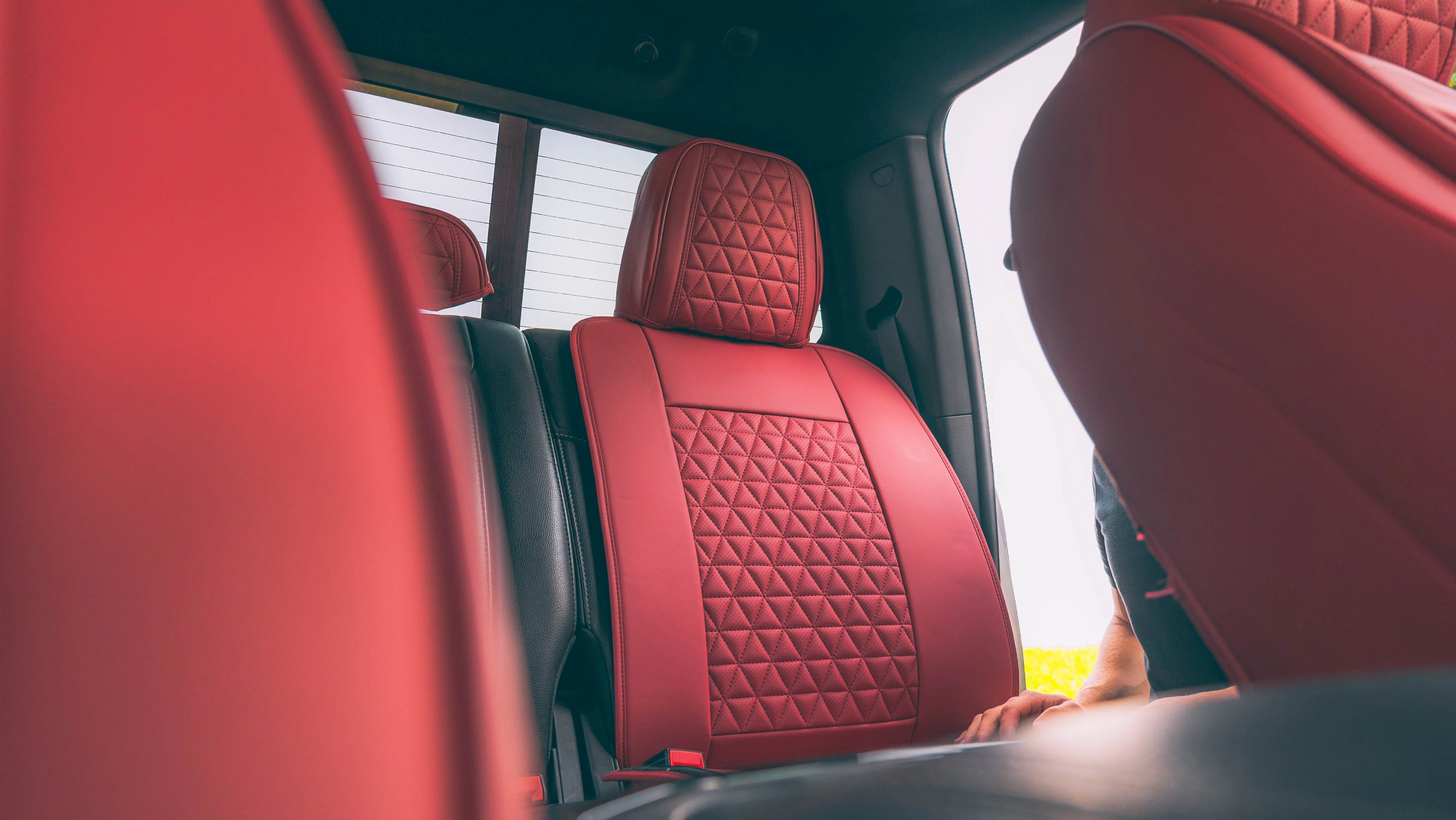 A properly fitted breathable cover will not block heat transfer from factory heated seat elements.
Credit: www.seatcoversolutions.com
A properly fitted breathable cover will not block heat transfer from factory heated seat elements.
Credit: www.seatcoversolutions.com
How Factory Heated Seats Work
Understanding the basics of your car’s heated seat system is critical to choosing a safe cover, as these components are engineered to work with the seat’s original upholstery. Adding an unapproved layer can interfere with their function and create avoidable risks. You can also read our guide on best diaper bags for kids.
Core Heating System Components
Most modern factory-installed heated seats use low-voltage nichrome or carbon fiber heating elements embedded directly into the seat cushion and backrest foam. These elements connect to a thermostat and pulse-width modulation (PWM) controller that adjusts power output to maintain your selected temperature, typically ranging from 86°F (30°C) for mild warmth to 135°F (57°C) for deep cold. The system is designed to radiate heat evenly through the seat’s original upholstery, so any added layer will impact how much warmth reaches you. Unlike aftermarket heated seat kits, factory systems are integrated with your car’s electrical system and include built-in fail-safes to prevent overheating. If you want to add a thin layer of extra comfort for long commutes, opt for a low-profile memory foam topper like the top-rated seat cushions we tested for minimal heat interference.
Built-In Safety Features
Factory heated seat systems include multiple safety guards to reduce risk: automatic shut-off timers that turn the heat off after 15–30 minutes of continuous use, temperature sensors that cut power if the seat gets too hot, and overload protection to prevent electrical fires. These features are engineered to work with the seat’s original upholstery, so adding an unapproved cover can interfere with temperature readings and trigger these safeguards unnecessarily, or worse, bypass them entirely. Factory-installed systems are also engineered to meet strict safety standards set by the National Highway Traffic Safety Administration (NHTSA) to minimize injury and fire risk. You can also read our guide on best head support for infant car seat top picks for safety comfort.
Why This Matters for Seat Covers
The heating elements rely on conductive heat transfer through the seat’s fabric or leather upholstery. A thick, non-breathable cover acts as an insulator, trapping heat near the elements instead of letting it radiate to your body. This not only leaves you feeling cold but can also cause the heating system to overwork, leading to premature wear on the elements or even overheating in extreme cases. Understanding this basic function is the first step to choosing a safe cover.
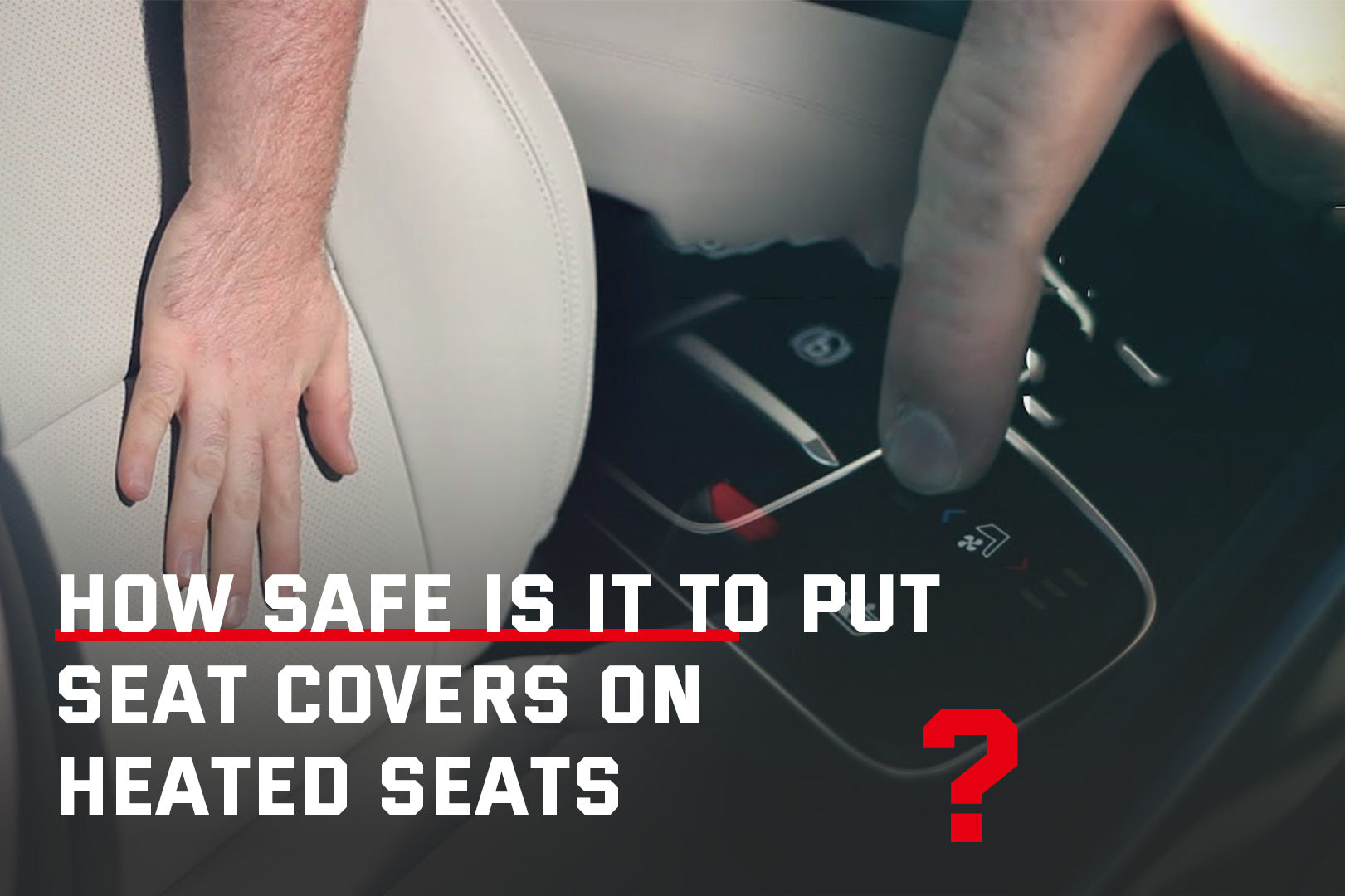 Heated seat elements are thin wires embedded in the cushion to radiate warmth through the upholstery.
Credit: freesoo-auto.com
Heated seat elements are thin wires embedded in the cushion to radiate warmth through the upholstery.
Credit: freesoo-auto.com
Key Compatibility Factors for Heated Seat Covers
Not all seat covers work with heated seats, and using the wrong option can ruin your heating system or create safety hazards. These are the non-negotiable factors to check before purchasing a cover. You can also read our guide on best convertible child safety car seats for ultimate comfort and protection.
Material Breathability and Heat Conductivity
The best seat cover materials for heated seats allow heat to pass through with minimal resistance. Thin woven polyester, perforated leather, and 1–2mm thick neoprene are top choices, as they have high thermal conductivity and don’t trap warm air. Avoid thick, insulated materials like sherpa fleece, quilted cotton, or memory foam covers thicker than 3mm, as these can block a significant amount of heat output, per user feedback from automotive enthusiast communities. Always prioritize products explicitly labeled as compatible with heated seats, like the heated-seat-friendly covers we reviewed for 2026 vehicle models.
Fit and Thickness Guidelines
A loose, ill-fitting cover is one of the biggest risks for heated seats: bunched-up fabric can block air vents, cover temperature sensors, or shift during use to create hot spots. Always choose covers with a tailored, model-specific fit for your vehicle’s make and year, rather than universal one-size-fits-all options. Look for covers with cutouts for seat switches, airbags, and side bolster controls to avoid interfering with operation. As a general rule, total cover thickness (including any padding) should not exceed 3mm to maintain optimal heat flow. You can also read our guide on can you wash graco car seat covers.
Certified Heated-Seat Compatibility Labels
The safest covers will have explicit labeling stating they are compatible with heated and cooled seats, and many are tested to meet SAE J2980, the industry standard for aftermarket automotive seat cover performance. If a product listing doesn’t mention heated seat compatibility, assume it’s not safe to use. OEM (original equipment manufacturer) covers sold by your car’s dealership are always the gold standard, as they are engineered to work seamlessly with your factory system, though they tend to cost 2–3x more than third-party alternatives.
Risks of Using Incompatible Seat Covers
Using the wrong seat cover on heated seats can lead to reduced comfort, costly repairs, or even safety hazards. These are the most common issues owners face. You can also read our guide on best car booster seat for short adults enhance comfort and view effortlessly.
Reduced Heating Performance
The most common complaint from owners using incompatible covers is that their heated seats feel weak or don’t work at all. Thick, insulated covers trap heat near the element, so very little warmth reaches your body, leaving you cold even on the highest setting. In extreme cases, the system’s thermostat may detect that the seat isn’t warming properly and shut off entirely to prevent damage. A common mistake owners make is grabbing a generic universal cover without checking heated seat compatibility, which often leads to bunched-up fabric blocking heat outlets and leaving users with little to no warmth on cold days.
Overheating and Fire Hazards
While rare, incompatible covers can create serious fire risks. A loose cover that shifts to cover the seat’s temperature sensor can trick the system into running continuously, leading to overheating of the heating element and potentially igniting flammable cover materials. A 2024 NHTSA review of vehicle interior safety incidents noted that less than 1% of reported car fires were linked to faulty heated seat components, but improper aftermarket modifications were a contributing factor in 60% of those cases. Always avoid covers made from highly flammable materials like thin polyester fleece or untreated cotton. You can also read our guide on best booster car seat for sleeping top picks for comfortable travel.
Damage to Seat Upholstery and Heating Elements
Moisture and debris trapped between a cover and seat can corrode wiring connections for the heating elements over time, leading to costly repairs. A cover that shifts repeatedly can also tear the seat’s original upholstery or damage the thin heating wires embedded in the foam, which are often not covered under standard car warranties if damage is linked to aftermarket accessories. Moisture trapped between a cover and seat can corrode heating element wiring over time, so always air-dry covers fully before reinstalling, a step we detail in our guide to drying car seat covers.
Safe, Recommended Seat Cover Options for Heated Seats
You don’t have to sacrifice style or protection to keep your heated seats working properly. These are the safest, most reliable options on the market for 2026. You can also read our guide on best infant car seat covers for winter.
OEM Factory-Matched Covers
If you want zero risk to your heating system, purchase covers directly from your car’s dealership, designed specifically for your vehicle’s seat configuration. These are guaranteed to fit perfectly, meet the thickness and material requirements for your factory heated seats, and won’t interfere with any sensors or airbags. While they are the most expensive option, they often come with a warranty that matches your car’s bumper-to-bumper coverage.
Third-Party Heated-Seat-Specific Covers
For more affordable options, look for third-party brands that explicitly test their products for heated seat compatibility. Popular trusted brands include Coverking, which makes custom-fit neoprene and polyester covers tested for heat transfer; Saddleman, which offers tailored fits for most makes and models; and FH Group, which sells budget-friendly universal options labeled for heated seats. Always read product reviews to confirm that other owners with the same car model have had no issues with heating performance. For extra lumbar support on road trips, pair your cover with a thin, flexible support cushion like our picks for long-drive seat supports that won’t block heat flow. You can also read our guide on how to keep newborn head up in car seat.
Material-Specific Safe Picks
If you’re choosing by material, these are the safest bets for heated seats:
- Thin woven polyester: Breathable, affordable, easy to clean, and allows full heat transfer. Ideal for everyday use.
- Perforated leather: Durable, water-resistant, and conducts heat efficiently, though it requires regular conditioning to prevent cracking.
- 1–2mm neoprene: Waterproof, slip-resistant, and heat-permeable, making it perfect for wet climates or owners with pets. Avoid thick quilted covers, sherpa fleece, and memory foam covers thicker than 3mm, as these all insulate heat and reduce performance. You can also read our guide on car seat covers mexican blanket.
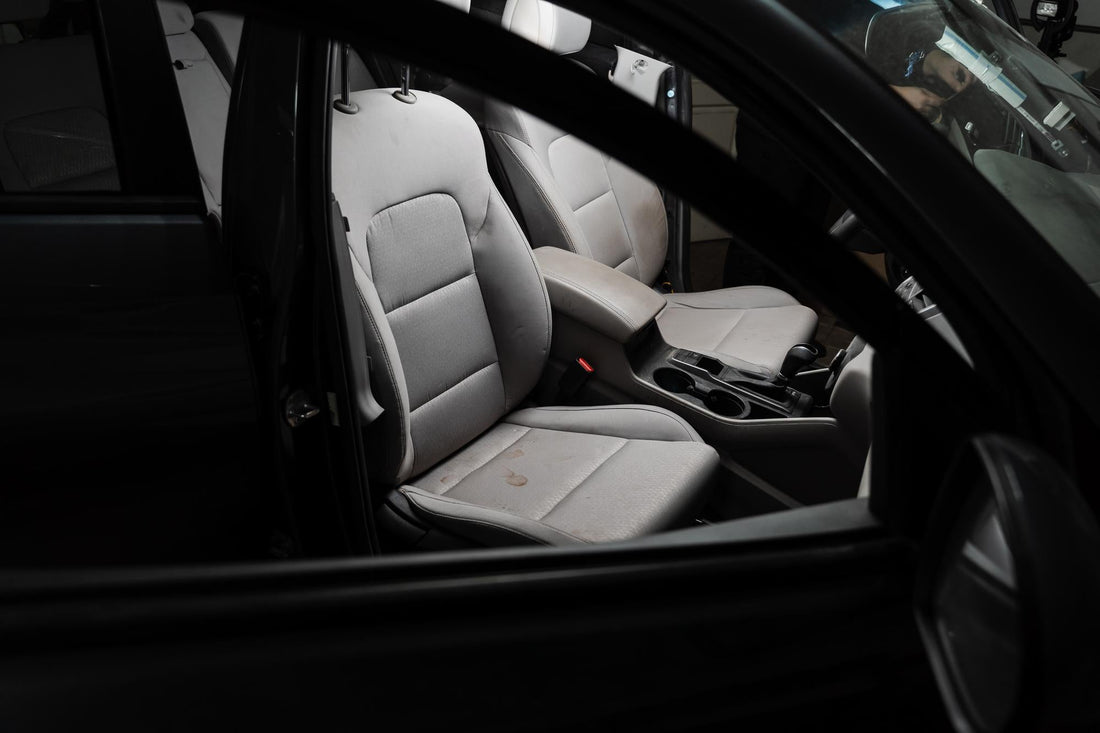 Thick insulated covers block heat flow, while thin, breathable options allow full heating performance.
Credit: www.seatcoversolutions.com
Thick insulated covers block heat flow, while thin, breathable options allow full heating performance.
Credit: www.seatcoversolutions.com
Proper Installation and Maintenance Tips
Even the most compatible cover can cause issues if installed incorrectly or neglected over time. Follow these guidelines to keep your seats safe and functional. You can also read our guide on how to protect baby from sun in stroller.
Step-by-Step Installation for Safety
Proper installation is just as important as choosing the right cover. Follow these steps to avoid interfering with your heating system:
- Remove all loose items from the seat, and turn off the heated seats before starting to avoid accidental activation.
- Align the cover with the seat’s contours, making sure all cutouts for switches, airbags, and lumbar controls line up correctly.
- Secure all straps, hooks, and fasteners under the seat, tightening them enough to eliminate slack but not so tight that they stretch the cover or damage the seat’s foam.
- Test the heated seats on the highest setting for 10 minutes, checking for even heat distribution across the entire seat surface and no hot spots where the cover may be bunched up.
Routine Care to Preserve Function
Regular maintenance will extend the life of both your covers and your heated seat system:
- Clean covers per the manufacturer’s instructions: most fabric covers are machine washable, while leather and neoprene require gentle soap and air drying. Never use harsh chemical cleaners, as these can degrade the seat’s original upholstery and damage heating element wiring.
- Inspect covers monthly for tears, loose straps, or signs of wear that could cause shifting or expose the seat’s upholstery.
- Never install covers while the seats are damp, as trapped moisture can corrode electrical connections over time.
- If you notice uneven heating, hot spots, or error lights related to the seat heating system, remove the cover immediately and consult a certified mechanic. If your main goal is to shield seats from spills, pet hair, and wear, a thin seat protector layer under your cover adds extra defense, as we outline in our guide to top seat protectors.
Frequently Asked Questions
Can seat covers damage heated car seats?
Yes, if you use incompatible covers. Thick, non-breathable materials can block heat transfer, reduce performance, and cause the system to overheat. Loose, ill-fitting covers can shift to cover temperature sensors or damage heating elements. Always choose covers explicitly labeled for heated seat use, and follow proper installation guidelines to avoid damage. Always consult your car’s owner’s manual for manufacturer-specific guidance on aftermarket accessories. You can also read our guide on how to convert graco 4ever car seat to backless booster.
Are all seat covers safe for heated seats?
No. Generic universal covers, thick insulated covers, and materials like sherpa fleece or heavy quilted cotton are not safe for heated seats, as they block heat and create overheating risks. Only use covers that are certified for heated seat compatibility, or OEM covers from your car’s manufacturer. You can also read our guide on best newborn hair care.
How do heated seats work with seat covers?
When you use a compatible thin, breathable cover, heat from the embedded elements passes through the cover and your clothing to warm your body, just as it would with the original upholstery. Incompatible covers trap heat near the elements, reducing warmth and increasing the risk of overheating. You can also read our guide on loose baby tooth during cleaning tips.
What materials are best for heated seat covers?
Thin woven polyester, perforated leather, and 1–2mm thick neoprene are the best options, as they allow heat to pass through efficiently while protecting your seats from wear and spills. Avoid thick, insulated materials thicker than 3mm. You can also read our guide on best car seat covers for hot weather stay cool and comfortable.
Do I need to turn off heated seats when installing seat covers?
Yes. Always turn off the heated seats and let them cool completely before installing or removing covers to avoid accidental burns or damage to the cover material from high heat. You can also read our guide on best dog car booster seat.
Will aftermarket seat covers void my car’s warranty?
In most cases, no—federal law (the Magnuson-Moss Warranty Act) prohibits manufacturers from voiding warranties for aftermarket parts unless the part directly causes a defect. However, if an incompatible seat cover damages your heated seat system, the repair may not be covered. Using covers labeled for heated seat use minimizes this risk. You can also read our guide on best in child safety car seats for ultimate protection and comfort.
Conclusion
Seat covers can protect your heated car seats from wear, spills, and damage while adding a personalized touch to your interior—but only if you prioritize compatibility, fit, and proper installation. Always opt for thin, breathable materials, model-specific fits, and covers explicitly labeled for heated seat use to avoid reducing heating performance or creating safety risks. Avoid thick insulated covers, loose universal fits, and flammable materials at all costs. With the right cover and routine maintenance, you can enjoy the comfort of heated seats and the protection of a custom cover for years to come. You can also read our guide on how to sew seat covers for car.
If you’re ready to protect your seats without sacrificing warmth, check out our roundup of heated-seat-friendly covers to find a tested, compatible option for your vehicle. You can also read our guide on lower car seat adapters icandy peach.

Emma Grace is a devoted mother and passionate content writer at BestBabyCart.com. With firsthand parenting experience and a love for research, she creates helpful guides and honest reviews to support parents in choosing the best for their babies. Her goal is to make parenthood easier, one article at a time.