
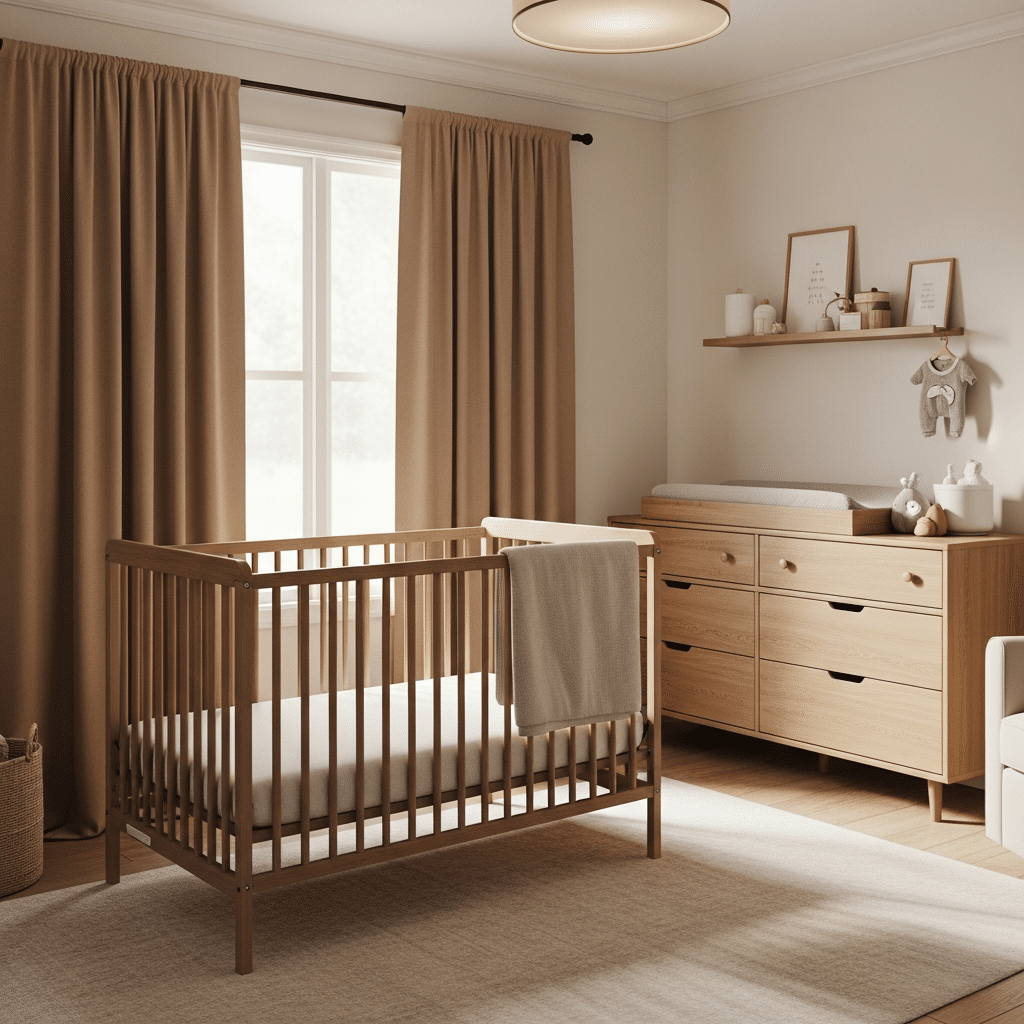
Set up a warm, safe nursery without breaking the bank using smart planning and thrift tactics.
I have helped dozens of new parents design rooms that feel cozy, safe, and stylish while keeping costs low. This guide on how to set up nursery on a budget walks you through planning, shopping, safety, and DIY fixes with clear steps, real examples, and practical tips you can use today. Read on to learn a proven, low-cost approach to building a nursery that supports sleep, play, and growth.

Plan first: budget, timeline, and priorities
Start with a simple plan. Set a firm budget and list what you truly need vs nice-to-have items. Decide when the nursery must be ready and break costs into categories like furniture, bedding, storage, and decor.
Why planning matters
- It keeps you focused on essentials and prevents impulse buys.
- It helps you spread purchases over time to avoid large one-time costs.
- It makes it easier to spot deals and secondhand items that meet your needs.
Quick planning checklist
- Decide a total budget and a backup fund for small extras.
- Pick three priority items: safe sleep space, changing area, and storage.
- Measure the room and sketch a simple layout.
- Note local resale options, swaps, and community groups.
How this saves money
- Buying only priorities reduces waste.
- Measuring avoids returns and costly mistakes.
- A timeline helps you buy off-season or at sales.

Smart shopping and sourcing strategies
Hunt for value, not just low price. Shop used for big items. Buy new where safety matters. Combine online and local options.
Places to source items
- Local buy/sell groups and consignment stores for cribs and dressers.
- Discount stores for basics like sheets, towels, and storage bins.
- Online marketplaces for nearly-new gear at steep discounts.
- Community swaps and hand-me-downs from family and friends.
What to buy used vs new
- Buy used: dressers, gliders, bookshelves, decorative items.
- Buy new: crib mattress, car seat, baby monitor, anything with safety recall history.
- Always check recalls and safety labels when buying secondhand.
Negotiation tips
- Ask sellers for a small discount or bundle items.
- Offer to pick up the item to save shipping costs.
- Inspect used items carefully for stains, damage, or missing parts.

Furniture and gear: safety-first, budget-smart
Choose durable, multifunction furniture. Prioritize items that last through toddler years. Safety must never be compromised, even on a budget.
Must-have gear checklist
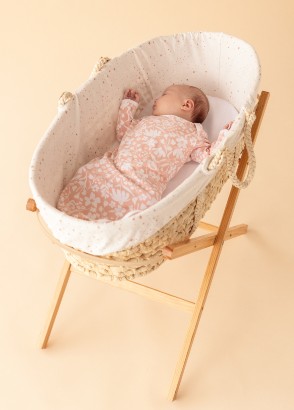
- Crib or safe sleep surface and a firm, new mattress.
- Changing station or dresser with a secure changing pad.
- Comfortable chair or glider for feeding and calming.
- Storage solutions for clothing and supplies.
Space-saving, budget-friendly furniture ideas
- Use a dresser with a changing pad on top instead of a dedicated changing table.
- Choose a convertible crib that becomes a toddler bed to extend lifespan.
- Select open shelving or vertical storage to reduce floor clutter.
Safety checks for used furniture
- Inspect crib slats, hardware, and finish for lead or chipping paint.
- Ensure crib meets current safety standards and has no drop-side rails.
- Replace crib mattress if it’s worn or contaminated.
Decoration, storage, and DIY hacks
Small changes can make a big style impact. Use DIY and low-cost tools to create a cozy look.
Low-cost decor ideas
- Paint one accent wall instead of the whole room.
- Use removable wall decals for color and theme without long-term commitment.
- Frame simple art prints or fabric swatches for instant color.
DIY and upcycle ideas
- Repaint or refinish a secondhand dresser to match the room.
- Sew simple crib sheets or curtains from affordable fabric.
- Turn wooden crates into cube storage with a coat of paint.
Smart storage solutions
- Use clear bins for seasonal clothes and label them.
- Hang a shoe organizer on the back of a door for small toys and supplies.
- Rotate toys to reduce clutter and keep items feeling fresh.
Budget decor shopping tips
- Buy plain items and customize them with trim or fabric.
- Look for multipacks and mix-matched items to save money.
- Keep textiles neutral to reuse later in a playroom or guest room.
Sleep, routine, and essentials to prioritize
A good sleep setup beats trendy decor. Focus on safe sleep and routines that help your baby rest and you save money later.
Sleep essentials and low-cost choices
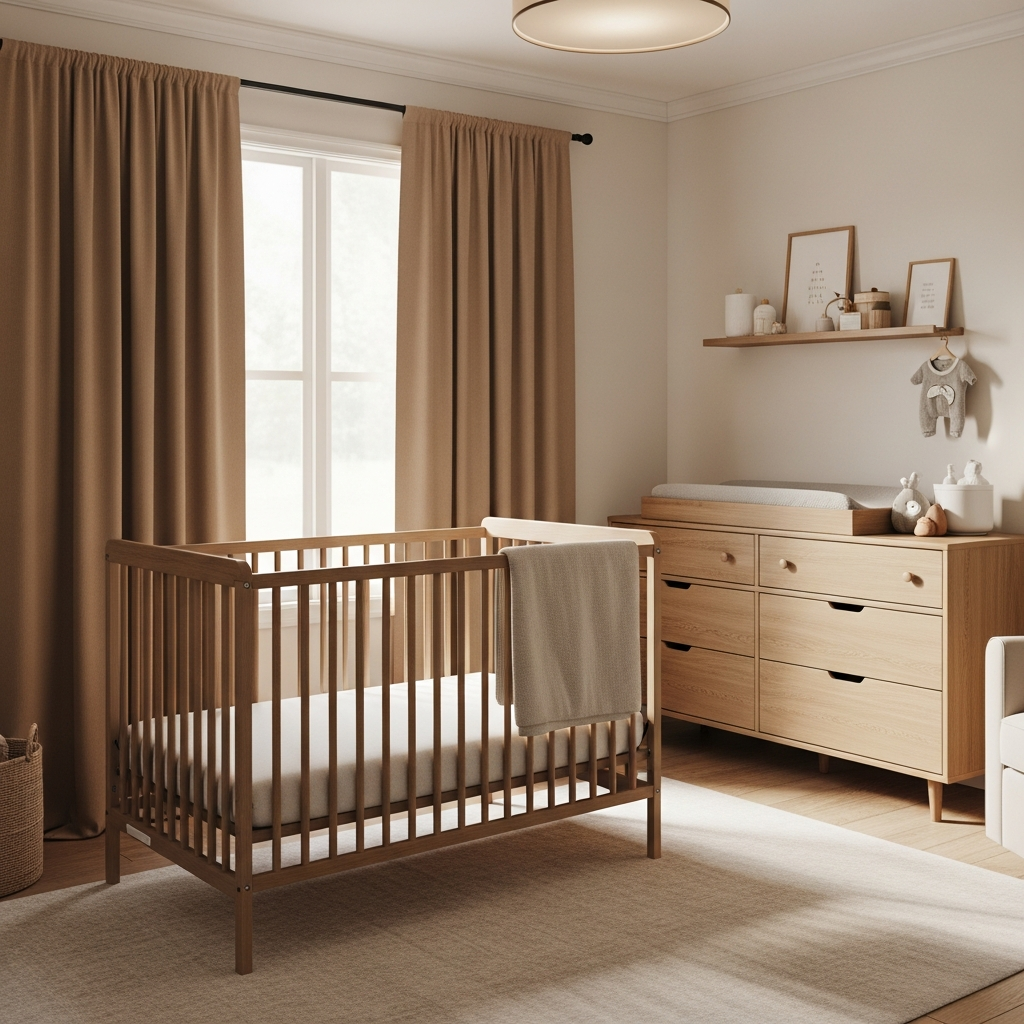
- Firm mattress that fits the crib snugly. Buy new for safety.
- One to two fitted sheets and a mattress protector for easy laundry rotation.
- Blackout curtains or inexpensive shades to support naps.
Create a calming sleep routine
- Consistent bedtime cues like a bath, book, and low light.
- Use white noise to help baby settle in any room.
- Keep the room at a comfortable temperature and vent well.
Cost-saving sleep habits
- Wash and reuse swaddles and sleep sacks rather than buy many items.
- Make a sleeper rotation to reduce wear on any one piece.
- Borrow expensive items like specialized monitors from trusted friends when possible.

PAA-style quick answers
Q: Can I set up a nursery cheaply without compromising safety?
A: Yes. Prioritize safety items like a new mattress and a certified car seat. Buy non-safety items used or DIY.
Q: Which nursery items should never be used secondhand?
A: Avoid used crib mattresses and car seats with unknown history. Choose new for items that wear out or have safety-life limits.
Q: How do I keep a nursery simple and budget-friendly?
A: Plan priorities, choose multi-use furniture, and shop secondhand for decor and storage.
Personal experience, mistakes to avoid, and lessons learned
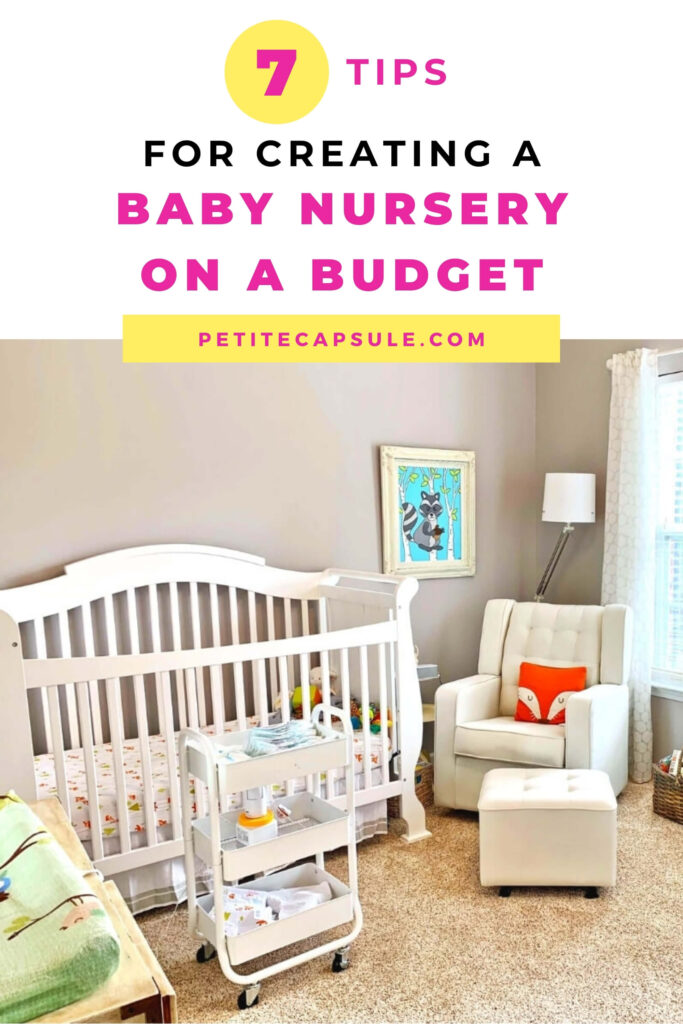
I have set up nurseries for friends and family on tight budgets. I learned that planning and patience cut costs the most. One early mistake I made was buying a themed set at full price. We later found a neutral crib and DIYed accents for far less money.
Lessons that work
- Wait for big-ticket items to go on sale. Many items are cheap within a few months.
- Inspect used items carefully and test mechanisms before buying.
- Keep receipts and register new gear for warranty and recall alerts.
Real-world example
- I bought a secondhand crib and refinished it. The total cost was under half the new price. I replaced the mattress with a new one for safety, which was the right balance.

Green and budget-friendly choices
Saving money can also help the planet. Choose durable items and reuse what you can.
Sustainable tips
- Buy quality used items that last longer.
- Donate or sell items once your child outgrows them.
- Choose organic or low-VOC paints to reduce fumes when possible.
Why green choices pay off
- Durable items reduce replacement costs.
- Reusing lowers waste and supports community resale markets.

Final checklist for a low-cost nursery
- Budget set and priorities listed.
- Safe sleep space with new mattress.
- Secondhand dresser or convertible crib sourced.
- Storage bins and rotating toy plan.
- Soft, washable textiles and blackout solution.
- Safety checks and recall registrations complete.
Frequently Asked Questions of how to set up nursery on a budget
How much should I budget to set up a nursery on a budget?
A modest nursery can cost between a few hundred to a thousand dollars depending on choices. Prioritize essentials and spread other purchases over time to fit your budget.
Is it safe to buy a used crib or mattress?
You can buy used cribs if they meet current safety standards and show no damage. Avoid used mattresses; buy a new mattress for safety and hygiene.
What are low-cost ways to make the nursery feel cozy?
Use paint, removable decals, and thrifted textiles. Small touches like a lamp, soft rug, and a few framed prints add warmth cheaply.
Can I reuse furniture from other rooms?
Yes. A dresser can serve as a changing station and a regular chair can work as a feeding spot. Secure items to the wall to prevent tipping.
How do I save on baby gear without missing important items?
Buy high-quality, safety-critical items new and shop used for toys, decor, and furniture. Borrow or rent items you use briefly.
Conclusion
You can set up a beautiful, functional nursery without a big budget by planning well, prioritizing safety, and using thrift and DIY strategies. Start with a clear budget, pick must-haves, and hunt for deals on noncritical items. Take action this week: measure your space, list priorities, and join local resale groups to begin saving. Share your progress or questions in the comments and subscribe for more practical, budget-smart parenting tips.

Emma Grace is a devoted mother and passionate content writer at BestBabyCart.com. With firsthand parenting experience and a love for research, she creates helpful guides and honest reviews to support parents in choosing the best for their babies. Her goal is to make parenthood easier, one article at a time.