

Most babies sleep through the night for 6–8 hours by about 3–6 months.
I have worked with new parents and studied pediatric sleep guidance for years. When do babies sleep through the night is one of the top questions I hear. This article gives clear timelines, causes, and practical steps to help your family get better sleep. Read on for evidence-based tips, real-life examples, and simple plans you can try tonight.
How sleep develops in babies and what "through the night" means
Babies are born with short sleep cycles. Newborns wake to feed every few hours. This is normal and healthy.
When do babies sleep through the night matters both to parents and to baby health. For clarity, many experts call "sleeping through the night" a stretch of 6–8 hours without waking. That stretch depends on age, weight, feeding, and development.
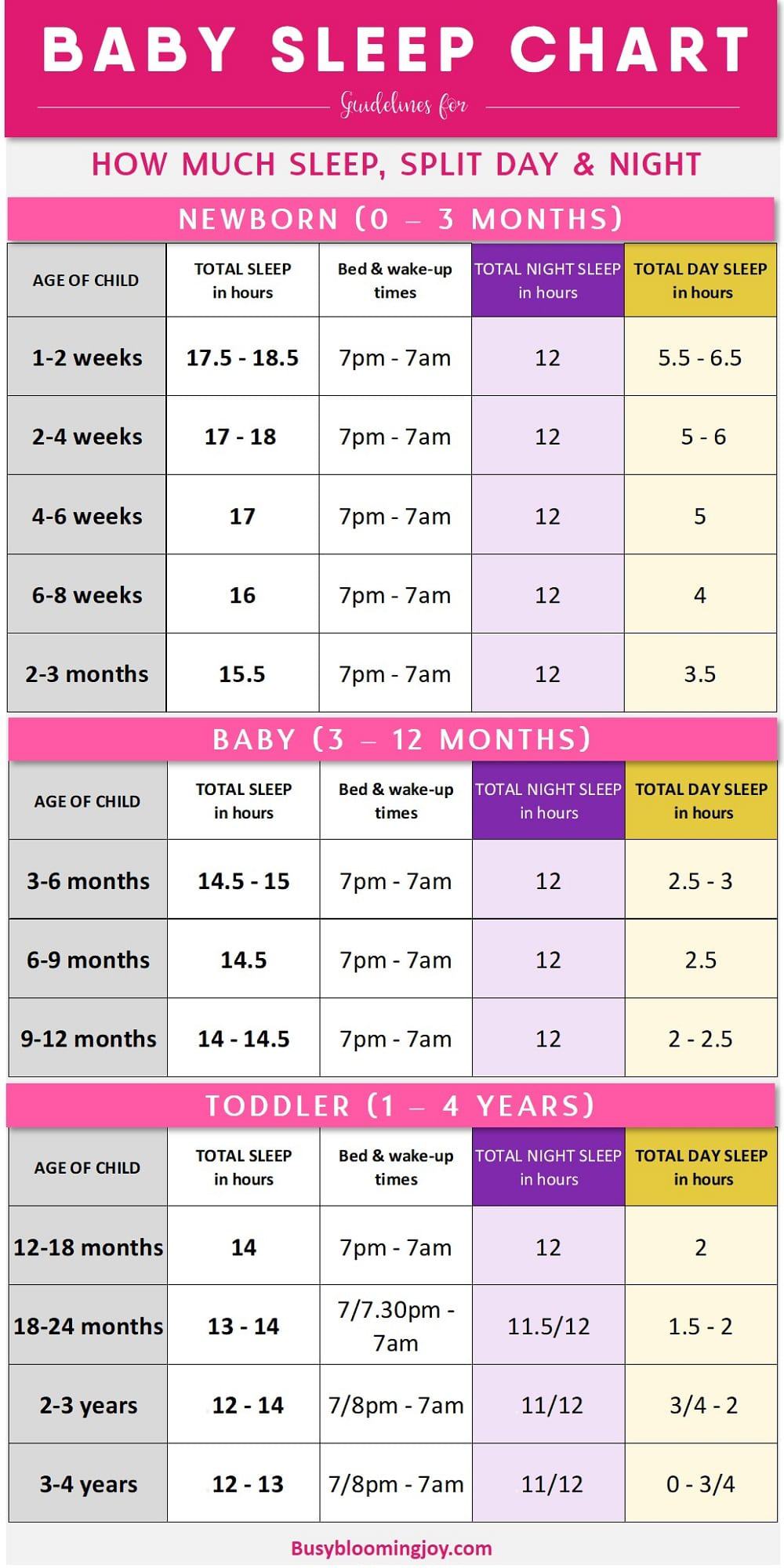
Babies slowly lengthen their sleep cycles over months. By 3 months some babies sleep longer at night. By 6 months many can sleep 6–8 hours. Individual variation is large.

When do babies sleep through the night: typical timeline by age
Understanding expected milestones helps set calm, realistic goals. Below is a simple timeline.
- Birth to 6 weeks: Sleep in short bursts. Night and day are mixed. Frequent feedings drive wake times.
- 6 to 12 weeks: Night stretches may get longer. Some babies show a 3–4 hour stretch at night.
- 3 months: Many babies begin to show longer sleep at night. Still, many wake to feed or self-soothe needs.
- 4 to 6 months: A large share of babies can sleep 6–8 hours. This is a common answer to when do babies sleep through the night.
- 6 to 9 months: More babies consolidate night sleep. Teething, illness, or growth spurts can cause temporary waking.
- 9 to 12 months: Many toddlers sleep longer at night. Sleep patterns still change with development and routine.
Keep in mind that sleeping through the night varies by feeding type. Breastfed babies may wake more often than formula-fed babies in early months. Also, cultural sleep practices and parental choices shape timing.

Factors that affect when babies sleep through the night
Several clear factors speed up or delay a full night stretch. Here are the main ones.
- Feeding method: Breastfeeding newborns often wake more. Formula can lead to longer stretches sooner.
- Age and weight: Babies who reach steady weight gain may be ready for longer sleep.
- Sleep environment: A calm, dark room and consistent routine help lengthen night sleep.
- Daytime sleep: Too much day sleep can reduce night stretch. Balanced naps matter.
- Developmental changes: Teething, milestones, and separation anxiety cause wakefulness.
- Medical issues: Reflux, allergies, or ear infections can disrupt sleep. Check with a clinician if problems persist.
When do babies sleep through the night depends on these factors together. Addressing one factor often helps, but expect gradual gains.

How to help your baby sleep through the night: practical steps
Use steady habits. Small changes add up fast.
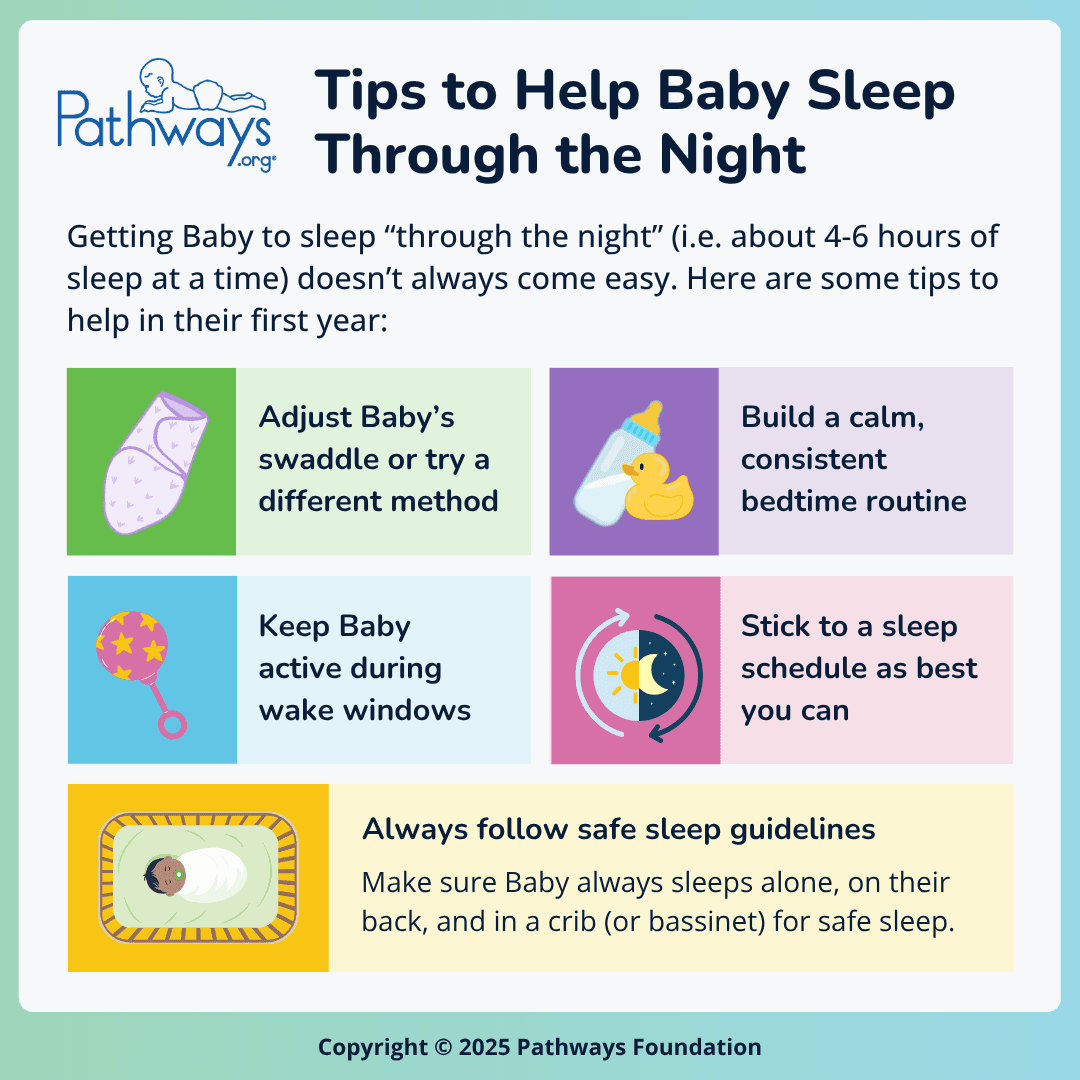
- Build a simple bedtime routine: bath, feed, books, dim lights. Repeat each night.
- Put baby down drowsy but awake: This teaches self-soothing skills.
- Keep night feeds calm and brief: Low light, soft voice, minimal interaction.
- Balance daytime naps: Aim for consistent, age-appropriate nap length.
- Watch signs of tiredness: Rubbing eyes, yawning, staring off. Put baby to sleep before overtired.
- Adjust feeding gradually: If medically safe, lengthen time between night feeds slowly.
- Manage sleep environment: Cool, dark, and quiet works best. White noise can help.
- Get consistent help: Share night duties when possible to avoid mixed cues.
These steps target when do babies sleep through the night by building habits and skills. Expect progress in weeks, not days.

Common sleep problems and solutions
Problems are normal. Many have simple fixes.
- Short naps or too-long naps: Set a consistent nap schedule. Wake gently from long naps.
- Frequent night waking: Check for hunger, diaper issues, or discomfort first. Then encourage self-soothing.
- Early rising: Darken the room and delay morning stimulation. Gradually shift bedtime later if needed.
- Regressions: Teething and milestones cause regressions. Keep routines and offer extra comfort for short periods.
- Safety concerns: Always follow safe sleep guidelines: back to sleep, firm surface, no loose bedding.
When do babies sleep through the night improves when you address root causes, not just symptoms. Small, consistent changes matter more than drastic shifts.

Personal experience and practical tips I’ve used
I have helped families create simple plans that work. One parent I worked with had a four-month-old who woke every two hours. We added a short bedtime routine and put the baby down drowsy. Within two weeks the baby slept a six-hour stretch regularly.
Lessons I learned from hands-on work:
- Start small. Tiny changes are easier to keep.
- Track patterns. A sleep log shows trends and triggers.
- Be kind to yourself. Sleep training can feel hard for parents too.
When do babies sleep through the night is often less about a single method and more about patience and consistency.
PAA-style questions (brief answers)
What is the age most babies sleep through the night?
Most babies reach a 6–8 hour night stretch between 3 and 6 months, but individual timing varies.
How long is "through the night" for babies?
Many experts define "through the night" as 6–8 hours of continuous sleep.
Can a newborn sleep through the night?
Newborns usually cannot. They wake often to feed and need frequent care.
Does sleep training make babies sleep through the night sooner?
Sleep training can teach self-soothing and often leads to longer night stretches within weeks.
When should I call a doctor about sleep issues?
See a clinician if your baby has poor weight gain, breathing problems, or persistent disrupted sleep despite consistent routines.
Frequently Asked Questions of When do babies sleep through the night
When do most babies sleep through the night?
Most babies begin sleeping 6–8 hours at a stretch between 3 and 6 months. Wide variation is normal.
Is it normal for a 6-month-old not to sleep through the night?
Yes. Some six-month-olds still wake at night. Medical issues, feeding, and development can affect sleep.
How can I help my baby sleep through the night faster?
Create a calm bedtime routine, encourage drowsy-but-awake putting down, and balance daytime naps. Gradual changes help.
Will sleep training harm my baby?
When done gently and age-appropriately, sleep training is safe for most babies. Choose a method that suits your family.
How can I know if night waking is a problem?
If night waking affects growth, mood, or family health, consult your pediatrician. Otherwise some waking is normal.
Conclusion
When do babies sleep through the night depends on age, feeding, health, and routine. Most families see major improvement by 3–6 months, with steady gains after that. Start small, be consistent, and track what works. Take action tonight: pick one simple change and try it for two weeks. If you found this helpful, subscribe for more tips or share your questions below.

Emma Grace is a devoted mother and passionate content writer at BestBabyCart.com. With firsthand parenting experience and a love for research, she creates helpful guides and honest reviews to support parents in choosing the best for their babies. Her goal is to make parenthood easier, one article at a time.