
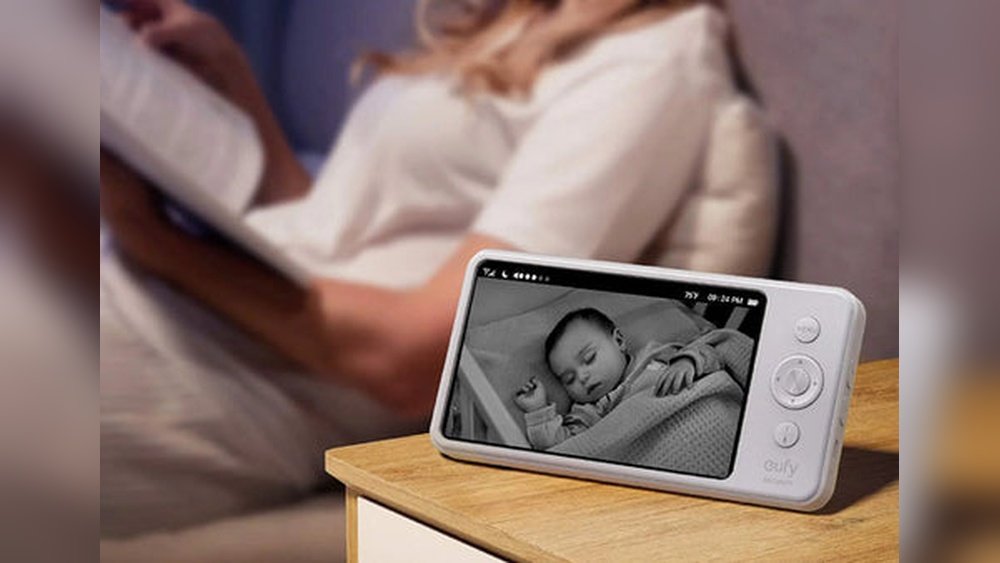
If you’re a new parent tired of overpriced baby monitors that do little more than stream grainy video, you already own a powerful alternative: your iPhone. With the right app and a few minutes of setup, you can turn your existing smartphone into a reliable, feature-rich baby monitor that costs nothing extra — no new hardware required. This guide walks you through every step of setting up, optimizing, and securing an iPhone baby monitor for everyday use, with honest pros, cons, and 2026-updated guidance to help you avoid common pitfalls. Whether you want to check on your little one from the couch, run quick errands while baby sleeps, or monitor a second nursery for multiples, this low-cost solution delivers peace of mind without the extra clutter.
Why Use an iPhone as a Baby Monitor in 2026?
Dedicated baby monitors often cost $100 to $300, with premium models adding breathing tracking or camera pan-tilt features that many parents never use. An iPhone monitor eliminates that upfront cost, uses technology you already know how to operate, and offers portability a dedicated monitor can’t match: you can check on your baby from anywhere with an internet connection, no extra receiver required. Most apps also support two-way audio, motion alerts, and night vision, matching the core features of mid-range dedicated monitors. You can also read our guide on how to read baby monitor at hospital.
That said, it’s important to be upfront about tradeoffs. iPhone baby monitors do not include built-in medical-grade breathing or heart rate tracking, so if your baby has respiratory concerns, a dedicated FDA-cleared monitor is the safer choice. They also rely on a stable Wi-Fi or cellular connection, so signal dropouts can occur in homes with poor coverage. For most low-risk, everyday use cases, however, an iPhone monitor is more than sufficient.
Step 1: Pick the Right Baby Monitor App for Your iPhone
The app you choose will make or break your monitoring experience, controlling video quality, alert reliability, and battery life. Avoid random, unrated apps from the App Store, as many lack security features or run intrusive ads. Stick to well-maintained, highly rated options updated for iOS 18 as of 2026. You can also read our guide on best baby monitors for small apartments.
Top Recommended Apps for 2026
Three apps stand out for reliability, feature sets, and user reviews:
- Cloud Baby Monitor: Offers 1080p video streaming, two-way audio, and sleep tracking, with support for up to 4 parent devices per camera unit.
- Baby Monitor 3G: Works over both Wi-Fi and cellular data, making it ideal for parents who need to check on their baby while away from home.
- Dormi: Excels at sound detection with adjustable sensitivity to reduce false alarms from background noise, and includes a low-battery alert feature for the baby unit.
Free vs. Paid App Comparison
Free baby monitor apps are fine for occasional, short-term use, but they come with major limitations: most cap video quality at 720p, run 30-second ad breaks during streams, and limit recorded clips to 5 minutes. Paid apps (typically $3–$10 one-time or $1–$3 monthly) remove ads, unlock 1080p video, offer unlimited cloud recording, and include priority customer support. For overnight or all-day monitoring, a paid app is a worthwhile small investment.
Must-Have App Features
When comparing options, prioritize these non-negotiable features to avoid frustration:
- End-to-end encryption to keep your feed private
- Background mode support so the camera runs even when the screen is off
- Low-battery alerts for the baby unit to avoid unexpected shutdowns
- Two-way audio to soothe your baby without entering the room
- Adjustable sound and motion sensitivity to reduce false alarms
- Regular security updates from the developer to patch vulnerabilities
Step 2: Configure Your iPhones for Flawless Monitoring
Proper setup eliminates lag, audio issues, and unexpected shutdowns. You’ll need two iPhones: one to place in the nursery (the baby unit) and one to carry with you (the parent unit). You can also read our guide on how to link vtech baby monitor.
Camera and Microphone Setup
Start by granting the app full access to your camera and microphone in your iPhone’s Settings > Privacy & Security menu. For the baby unit, open the Camera app first to adjust framing: set the camera to the widest field of view to capture the entire crib, turn off Live Photo and HDR to reduce streaming lag, and disable notification previews so the screen doesn’t light up and disturb your baby’s sleep. Test the microphone by speaking softly near the crib to confirm it picks up quiet cries, and adjust the volume in Control Center if needed.
Battery Optimization for Both Units
If possible, keep the baby unit plugged into a power outlet at all times to eliminate battery concerns. If you need to use it cordlessly, turn off cellular data, disable background app refresh for all other apps, and lower the screen brightness to extend runtime. For the parent unit, enable Low Power Mode to stretch battery life during overnight monitoring, and turn off push notifications for all apps except your baby monitor to avoid distractions. You can also read our guide on best baby monitor for twins.
Wi-Fi Stability Tweaks
A strong, stable connection is non-negotiable for lag-free streaming. First, run a speed test on your nursery Wi-Fi: you’ll need at least 5Mbps upload speed for smooth 1080p video. If the nursery is far from your router, use the 2.4GHz Wi-Fi band, which has better wall penetration than the faster 5GHz band. For added security, connect the baby unit to a guest network separate from your main home network, so a compromised smart device can’t access your personal data. Restart your router before each monitoring session to clear temporary glitches.
Step 3: Position Your iPhone for the Best View and Audio
Even the best app won’t work well if your iPhone is placed incorrectly. Proper positioning ensures a clear view of your baby, high-quality audio, and minimal safety risks. You can also read our guide on best nursery furniture deals.
Ideal Placement Spots
Place the iPhone 3–6 feet from the crib, at a 45-degree angle facing the mattress to capture your baby’s entire sleeping area. High dressers, wall shelves, or mounted phone holders work best, as they provide a wide, unobstructed view. Avoid placing the device near windows (glare will wash out video) or air vents (drafts can distort audio and cause the device to overheat).
Secure Your Device Safely
Never place the iPhone inside the crib or within baby’s reach: a falling device poses both suffocation and strangulation risks. Use a sturdy adjustable phone mount rated to hold at least twice the weight of your iPhone, and tuck all charging cables out of reach to eliminate entanglement hazards. If you use a wall mount, place it high enough that your baby can’t grab it, and avoid using damaged iPhones with cracked screens near the nursery. You can also read our guide on what age can babies face forward in car seat.
Common Placement Mistakes to Avoid
Incorrect placement can lead to blind spots, audio distortion, or even safety hazards. Steer clear of these common errors:
- Placing the iPhone inside the crib or within baby’s reach (strangulation and suffocation risk if the device falls)
- Positioning the camera near a window or direct light source, which causes glare and washed-out video
- Setting the phone next to a fan, white noise machine, or air vent, which distorts audio and triggers false motion alerts
- Blocking the camera lens with crib bumpers, stuffed animals, or wall decor
- Using an unstable surface like a wobbly shelf that could tip over and drop the device
Step 4: Connect Multiple Devices for Whole-Home Coverage
If you want to check on your baby from multiple rooms, or have family members help with monitoring, you can connect up to 4 parent devices (additional iPhones, iPads, or Macs) to a single baby unit.
Pair Two iPhones for On-the-Go Monitoring
To pair a second iPhone as a parent unit, install the same baby monitor app on both devices, generate a pairing code on the baby unit, and enter it on the parent unit. Both devices must be on the same Wi-Fi network for local streaming, or you can enable cellular access to check on your baby from anywhere. Test the feed before leaving the baby unattended to confirm the connection is stable. You can also read our guide on filterless cool mist nursery humidifier.
Use iPad or Mac as a Stationary Nursery Monitor
Larger devices like iPads and Macs make excellent stationary parent units, with bigger screens for easier viewing and louder speakers for clearer audio. Install the app on your device, pair it with the baby unit, and enable Do Not Disturb mode to avoid alerts waking you up overnight. You can even use AirPlay to stream the feed directly to an Apple TV in your bedroom for a hands-free viewing experience.
Sync Alerts Across All Your Devices
Customize alert settings to avoid notification overload: set a 5-second delay for sound alerts to ignore brief, non-urgent noises, adjust motion sensitivity to only trigger for movement larger than a small blanket, and disable push notifications for non-critical app updates. For parents of multiples or those with a multi-room home, many apps support split-screen feeds so you can watch two nurseries at once on a single parent device, a feature that rivals many mid-range dedicated multi-room split-screen monitoring options. You can also read our guide on baby sleep training tips.
Step 5: Unlock Extra Features for Better Peace of Mind
Once your basic setup is working, tweak these features to make monitoring even easier and more reliable.
Customize Sound and Motion Alerts
Adjust alert sensitivity based on your nursery environment: if you use a white noise machine, set sound sensitivity to medium to avoid false alarms from the machine, but still pick up your baby’s cries. For motion detection, set the threshold to only alert for movement over a certain size to avoid triggers from wind blowing a blanket or a pet walking past the crib. You can also set quiet hours to mute non-critical alerts during your own sleep time.
Use Night Vision and Digital Zoom
All modern baby monitor apps use your iPhone’s built-in infrared sensor for night vision, so you don’t need to install a separate night light that could disturb your baby’s sleep. Use the digital zoom feature to get a closer look at your baby’s chest movement or facial expressions without entering the room and risking waking them up.
Record and Save Key Moments
Most apps include built-in recording, or you can use iOS’s native screen recording feature (enabled in Settings > Control Center) to save clips of milestones, first words, or unusual activity. Store recordings in a secure, encrypted folder on your device, and avoid uploading them to uncloud services unless you have end-to-end encryption enabled.
Troubleshooting Common iPhone Baby Monitor Issues
Even with proper setup, small glitches can pop up. These quick fixes resolve the most common problems:
Fix Laggy or Disconnecting Feeds
Lag is almost always caused by a weak Wi-Fi signal. First, switch between your router’s 2.4GHz and 5GHz bands to see which offers better stability in the nursery. Restart both your router and both iPhones to clear temporary network glitches, and disable VPN on both devices, as VPNs can slow connection speeds. If you’re using cellular data, make sure you have at least 3 bars of signal in the nursery.
Improve Poor Audio or Video Quality
Blurry video or muffled audio is usually caused by a dirty lens or blocked microphone. Wipe the iPhone’s camera and microphone port with a dry microfiber cloth to remove dust or smudges. Confirm the app has full permission to access your camera and microphone, following Apple’s official guidance on managing app access to avoid accidentally blocking access. Increase the video quality setting in the app, and make sure the nursery is not so dark that the night vision feature can’t pick up detail.
Resolve App Crashes and Battery Drain
If the app crashes frequently, first update both the app and your iPhone’s iOS to the latest version — most bugs are patched in regular updates. Delete and reinstall the app if crashes persist, and disable Low Power Mode on the baby unit, as this can pause background app activity. If battery drain is excessive, close all other apps running in the background, and turn off cellular data on the baby unit if you’re using Wi-Fi.
Critical Safety and Privacy Guidelines
Using an iPhone as a baby monitor is convenient, but it comes with unique safety and privacy risks you need to address to protect your family.
Keep Your Monitor Feed Secure
Unsecured baby monitor feeds are a common target for hackers. Only use apps with end-to-end encryption, never use public Wi-Fi for monitoring, and enable two-factor authentication for your app account. For official guidance on securing smart home devices in your home, refer to the FTC’s official guidance on securing smart home devices for consumers. Never share access links or login credentials with anyone outside your immediate household.
Protect Your Baby's Physical Safety
The biggest risk of an iPhone baby monitor is the device itself falling into the crib. Always use a sturdy, properly rated mount, never prop the phone on a wobbly surface, and keep all charging cables tucked out of reach to eliminate strangulation hazards. If you notice the iPhone getting hot during use, unplug it immediately and move it to a cooler spot to avoid burn risks.
2026 Privacy Best Practices
Review your app permissions monthly to ensure the baby monitor app doesn’t have unnecessary access to your location, contacts, or photos. Disable iCloud Photos backup for the monitor app if you don’t want clips stored in the cloud, and turn off AirDrop and Bluetooth on both devices when not in use to prevent unauthorized access. Avoid using outdated, unsupported apps, as they may have unpatched security vulnerabilities that put your feed at risk.
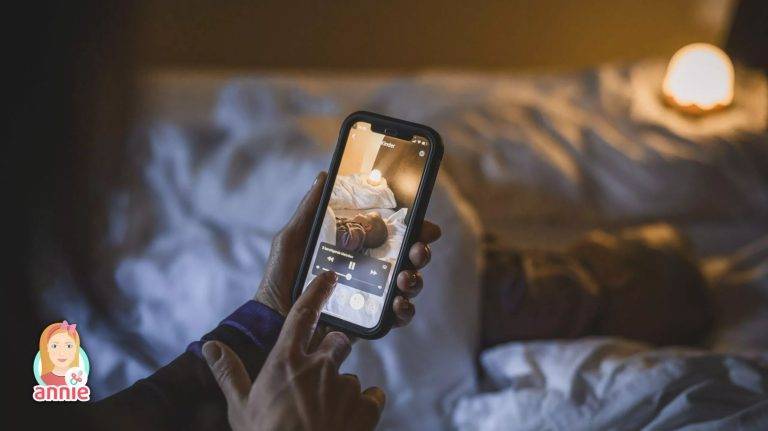 A simple adjustable mount lets you position the device for a clear, unobstructed view of the crib.
Credit: www.anniebabymonitor.com
A simple adjustable mount lets you position the device for a clear, unobstructed view of the crib.
Credit: www.anniebabymonitor.com
 Most baby monitor apps offer a clean, intuitive layout for viewing live video and adjusting alert settings.
Credit: cloudbabymonitor.com
Most baby monitor apps offer a clean, intuitive layout for viewing live video and adjusting alert settings.
Credit: cloudbabymonitor.com
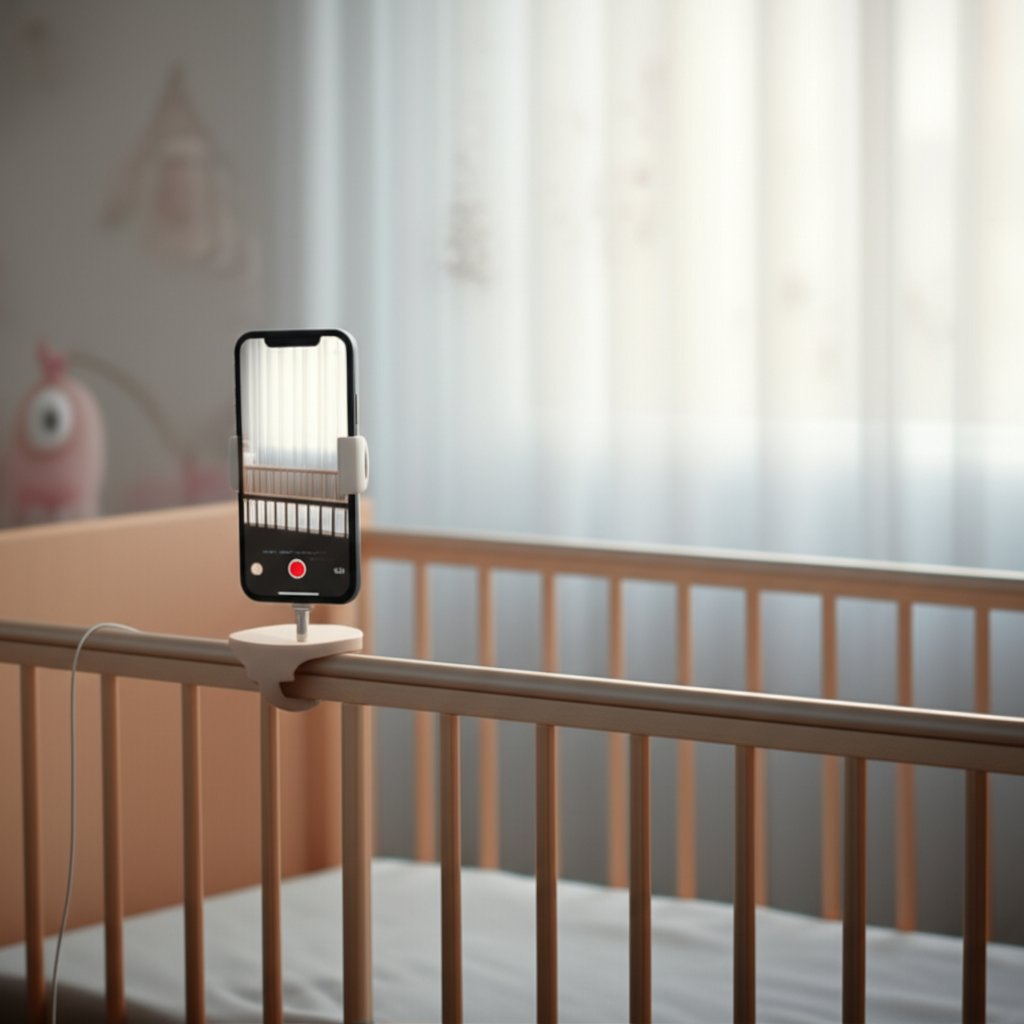 A secure wall mount eliminates fall risks and keeps the device out of baby’s reach.
Credit: arenti.com
A secure wall mount eliminates fall risks and keeps the device out of baby’s reach.
Credit: arenti.com
Frequently Asked Questions
Can I use my iPhone as a baby monitor without Wi-Fi?
Yes, if both iPhones are on the same cellular network, apps like Baby Monitor 3G support cellular data streaming. Note that this will use your mobile data plan, so it’s best for short trips away from home, not all-day use.
Do I need to keep the baby unit’s screen on for monitoring to work?
No, most baby monitor apps support background mode, so the camera and microphone will keep running even if the screen is off. Just make sure Low Power Mode is disabled on the baby unit, as this can pause background activity.
Is an iPhone baby monitor as reliable as a dedicated device?
For casual, everyday use, an iPhone monitor is more than sufficient. It offers clear video, two-way audio, and customizable alerts at a fraction of the cost of a dedicated monitor. That said, dedicated monitors often have longer range, longer battery life, and built-in medical-grade features like breathing or heart rate tracking, which are better for babies with health concerns.
Can I monitor my baby when I’m not at home?
Yes, as long as both the baby unit and parent unit have an internet connection (via Wi-Fi or cellular data), you can access the feed from anywhere in the world. Just make sure you use a secure network and enable two-factor authentication for your app account to keep the feed private.
Will using an iPhone as a baby monitor drain the battery quickly?
If you use the baby unit plugged in, battery drain is not an issue. For the parent unit, you can expect 8–12 hours of use on a full charge with Low Power Mode enabled, which is more than enough for overnight monitoring.
Conclusion
Using your iPhone as a baby monitor is a simple, cost-effective solution for most families, offering all the core features you need without the extra hardware cost. By following the steps in this guide, you’ll have a reliable, secure monitoring system set up in minutes, giving you peace of mind whether you’re in the next room or running a quick errand. For parents of multiples or those needing medical-grade monitoring, a dedicated split-screen or breathing-tracking monitor may be a better fit, but for everyday use, your iPhone is more than up to the task. Ready to get started? Pick a recommended app, follow the setup steps, and test your feed for 24 hours before relying on it for overnight monitoring to confirm it works for your home’s layout and Wi-Fi coverage. With a little setup, you’ll have a flexible, low-cost solution that lets you focus on building consistent sleep patterns without constant trips to the nursery.

Sophia Linda is a freelance writer and Certified Health Coach based in the Newbury Park, CA. Passionate about healthy living, she focuses on helping families stay active and connected to the outdoors. Together with her husband and their three young children, Sophia spends much of her time traveling, hiking, and camping. Her work has been featured on the bestbabycart blog, and she brings a practical, real-world perspective to reviewing baby products for parents.