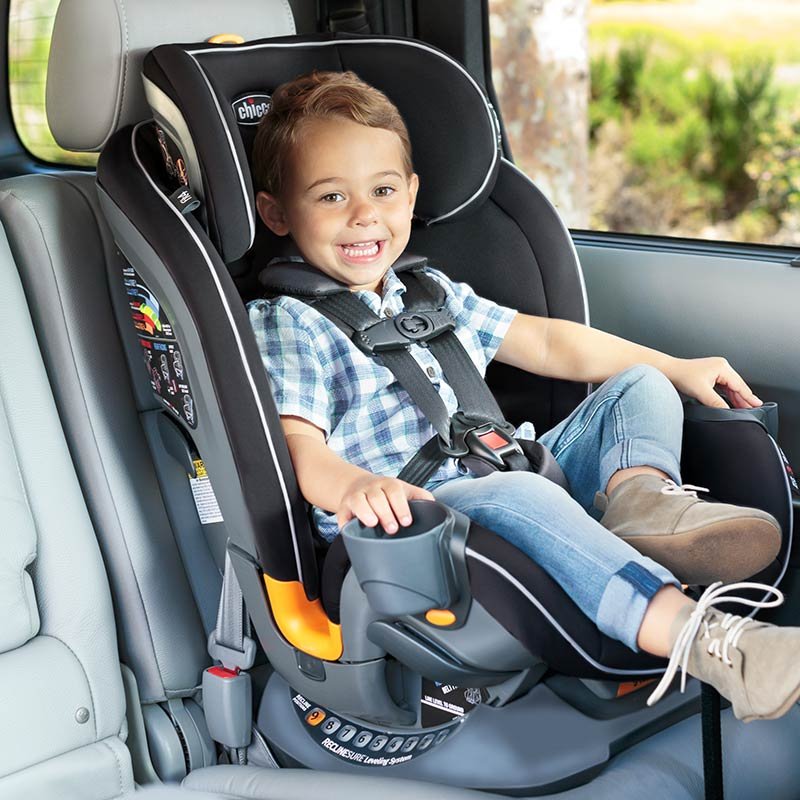
Turning your child’s car seat around feels like a big milestone. It also happens to be one of the most misunderstood moments in parenting. The short answer? Age is only part of the story. The real deciding factor is your car seat’s rear-facing height and weight limits.
Updated for 2026, the guidance is simpler than the old advice many parents grew up with: keep your child rear-facing until they outgrow that seat’s rear-facing limits. That is how you get the maximum crash protection available. This guide walks you through the exact checklist, the legal minimums, the common mistakes, and the installation steps that make forward-facing travel safe. For more on this, see our guide on what age do you face infant car seat.
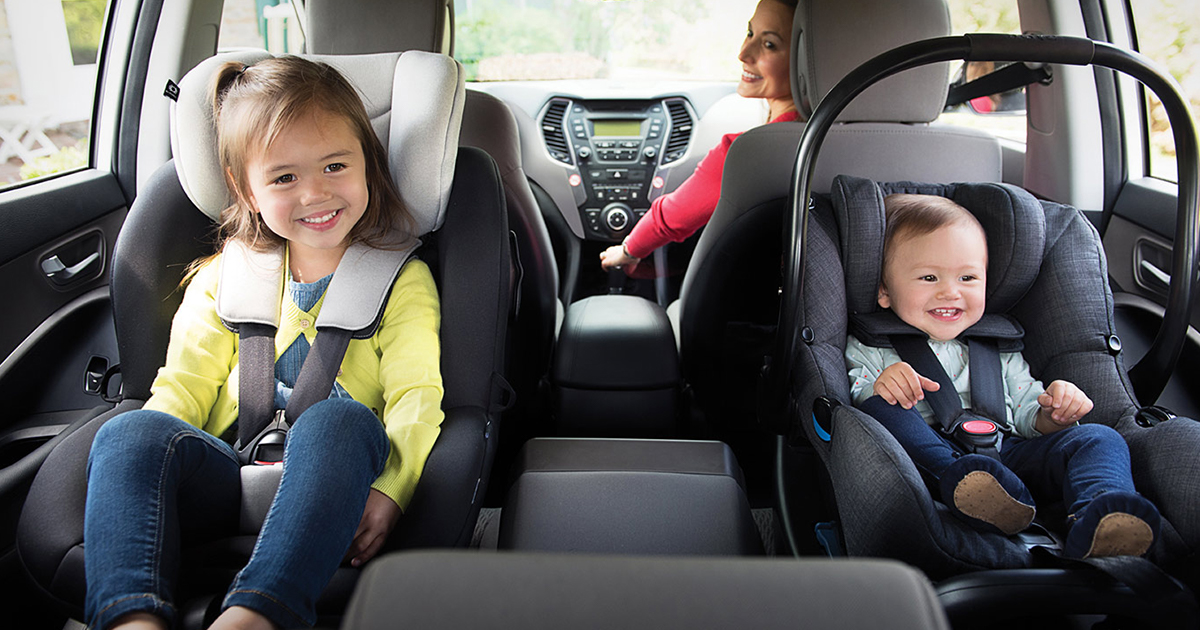
An infant car seat stays rear-facing for every ride until the seat’s limits are reached.
Credit: www.safewise.com
The Short Answer: Age Is the Floor, Not the Finish Line
The safest practice is to keep a baby or toddler rear-facing until they reach the maximum height or weight allowed by that specific car seat model. For many convertible seats, that happens between age 3 and age 4. Some children are larger and hit the limit earlier; smaller children often stay rear-facing longer.
Both the federal car-seat guidance and the American Academy of Pediatrics point to the same rule: do not turn the seat around until the child reaches the seat’s rear-facing limits. For more on this, see our guide on what age can you stop using car seat.
The old instruction to turn at “age 1 and 20 pounds” was never the best-practice target. It was a legal minimum in some places. A birthday alone cannot tell you whether a child’s neck, spine, and bones are ready for forward-facing crash forces. The seat’s rear-facing limit does.
| What you may have heard | What you need to know |
|---|---|
| Turn at 1 year and 20 pounds | A legal minimum in some states, not a safety recommendation |
| Turn at age 2 | Age 2 is the beginning of the safe zone, not an automatic switch |
| “He looks too big rear-facing” | Bending legs are normal and do not mean it is time to turn |
| “She hates facing backward” | Behavior is not a reason to give up the safest crash position |
Why Rear-Facing Is Safer for Toddlers
Rear-facing works differently from forward-facing in a crash. In a frontal impact, the rear-facing seat cradles the child’s whole body and spreads the crash force across the shell of the seat. The head, neck, and spine stay in alignment because the child is pushed into the back of the seat rather than pulled away from it. For more on this, see our guide on at what age weight can you stop using.
A toddler’s neck and spine are still developing. The head is heavy compared with the rest of the body, and the vertebrae are not fully hardened. A forward-facing harness can hold a child’s chest, but in a crash the head and neck can still whip forward. Rear-facing minimizes that motion, which is why it is so much safer for young children.
Legs touching the vehicle seat is the most common false alarm. In a rear-facing crash, the child’s body is pressed into the seat and the legs naturally bend and rotate. Lower-leg injuries in rear-facing children are rare and rarely severe. Head and cervical spine injuries in forward-facing toddlers are the ones safety experts are trying to prevent. For more on this, see our guide on car seat by age.
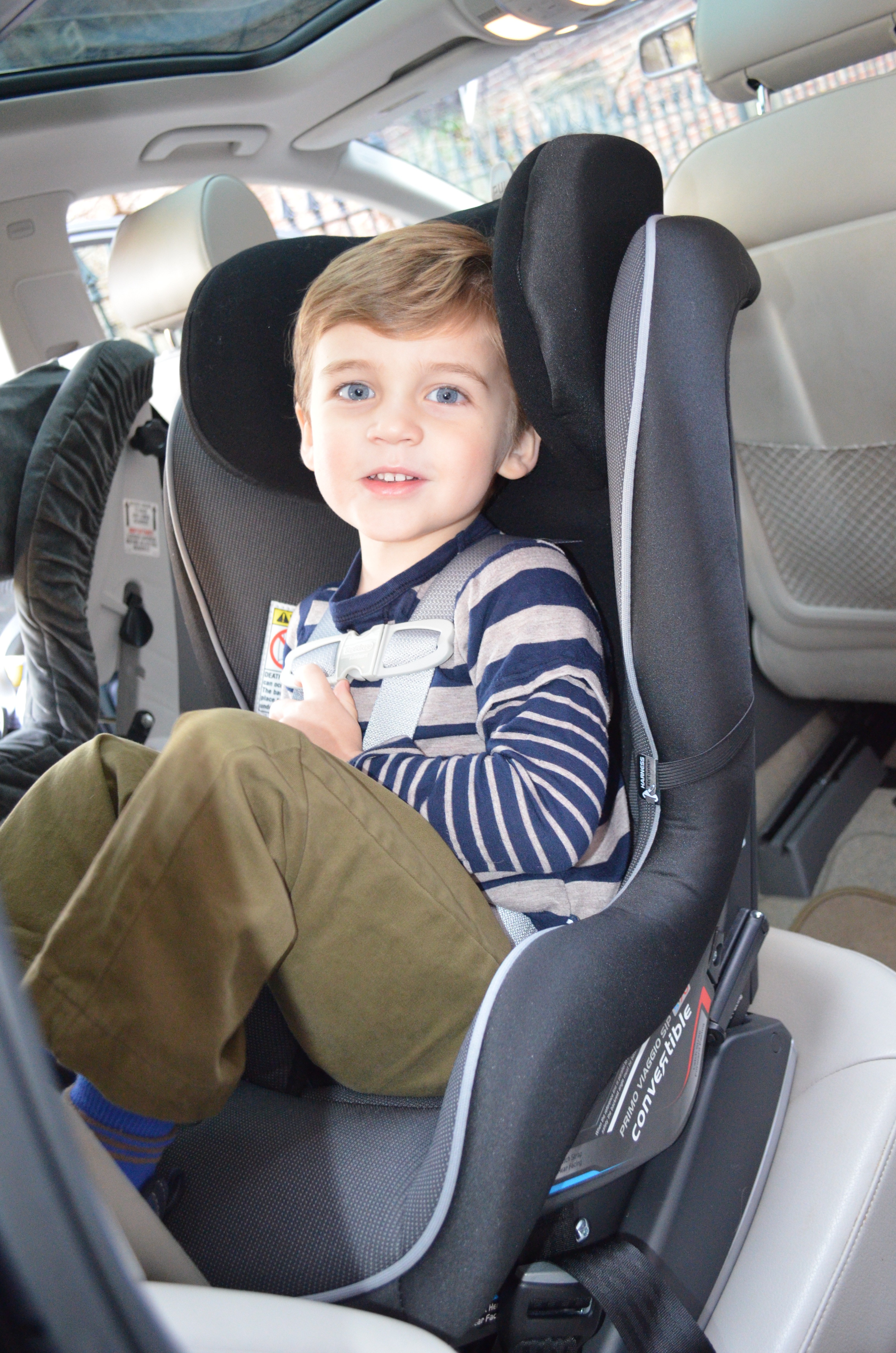
The harness should be snug, with the chest clip at armpit level.
Credit: lrrrcliberia.org
When Can Babies Face Forward in a Car Seat? The Real Checklist
Forget looking at the calendar alone. Use this checklist instead.
1. Meet the seat’s minimum forward-facing limits
Every car seat manual lists a minimum age and size for forward-facing use. For many convertible seats, that minimum is around 1 year and 20 or 22 pounds. That number is the smallest size the manufacturer could test, not the safest size to switch.
If your child is 15 months and 30 pounds but the seat still allows rear-facing up to 40 pounds, the safest position is still rear-facing. Meeting the minimum is not the same as outgrowing the rear-facing mode. For more on this, see our guide on can you wash graco car seat covers.
2. Outgrow the rear-facing limits
Turn the seat around only when the rear-facing limits have been reached. Most convertible seats allow rear-facing to 40 to 50 pounds, plus a height rule based on the top of the head compared to the shell.
Check the manufacturer label for two things: rear-facing weight limit and the height rule. If your child still has at least one inch of shell above the top of the head, or if the manual says the head is still below the printed line, the child still fits rear-facing.
3. Pass the harness-fit test
After the seat is turned forward, the harness must be positioned correctly:
- Harness straps at or above the child’s shoulders
- Chest clip at armpit level
- Straps snug with no slack
- No thick clothing under the harness
If the child is below the forward-facing minimums, adjusting the harness will not make it safe. The child simply needs more rear-facing time.
Signs Your Child Has Outgrown the Rear-Facing Seat
These are the real signals to watch for:
- Weight is above the rear-facing weight limit on the seat label
- There is less than one inch of shell above the child’s head, per the manual
- Shoulders are above the highest rear-facing harness slot on a convertible seat
- An infant has outgrown the carrier and needs to move to a convertible seat — still rear-facing
Note that outgrowing an infant carrier only means moving to the next rear-facing seat, not turning around. Many parents mistakenly treat “the infant seat no longer fits” as “time to face forward.” The correct move is a convertible seat installed rear-facing.
Legal Requirements vs. Safety Recommendations
The law and best practice are not the same.
In many U.S. states, the legal minimum for forward-facing is 1 year and 20 pounds. Some states require children to stay rear-facing until age 2. Those laws are only the floor. They do not say that a 20-pound 1-year-old is ready to face forward in the safest possible sense.
If you follow only the legal minimum, you can be both legal and less safe. A certified child passenger safety technician (CPST) can check your car seat installation and help you understand both the law and the seat’s limits. Finding one is a good first step before making the switch.
Choosing a Car Seat That Lets You Rear-Face Longer
Not all car seats allow rear-facing for the same amount of time. When you are choosing a seat, the rear-facing limits matter more than the brand name.
| Seat type | Typical rear-facing life | Notes |
|---|---|---|
| Infant carrier | Until the child reaches the carrier’s height or weight limit | Always used rear-facing only |
| Convertible seat | Often 40 to 50 pounds rear-facing | The same seat later turns forward-facing |
| All-in-one seat | Rear-facing, then forward-facing, then booster | Check the rear-facing limits on the label; they vary widely |
Look for a high rear-facing height and weight limit. A seat rated for 40 or 50 pounds rear-facing can often keep a typical child rear-facing until age 3 or 4, which is the safest possible outcome.
If you use an infant car seat and stroller as a travel system, the car seat still follows the same rules. Practice folding the frame before your first real trip so you are not wrestling with it in a parking lot while your baby waits.
How to Install a Forward-Facing Car Seat Correctly
Forward-facing installation is different from rear-facing installation. Getting it right is just as important as choosing the right moment to turn the seat.
- Place the seat in the back seat. The middle position is often the safest if you can get a tight install there.
- Use the lower anchors (LATCH) or the seat belt. Check the vehicle’s LATCH weight limit before using the lower anchors.
- Attach the top tether to the vehicle’s tether anchor. Tighten it firmly.
- Set the seat’s recline angle according to the manual. Forward-facing seats are usually more upright than rear-facing seats.
- Position the harness at or above the shoulders.
- Tighten the harness until there is no slack, and move the chest clip to armpit level.
- Give the seat a firm push near the belt path. It should not shift more than one inch side to side.
The top tether is the most commonly missed step. It reduces forward head movement in a crash and can be the difference between a child’s head hitting the vehicle seat in front of them or not.

A correctly tightened forward-facing harness has no slack at the hips.
Credit: www.todaysparent.com
Common Car Seat Mistakes to Avoid
Even careful parents make these mistakes.
- Turning at the legal minimum. One year and 20 pounds is not the ideal switch point. Use the seat’s rear-facing limits instead.
- Putting a puffy coat under the harness. Thick coats flatten in a crash and leave the straps too loose. For cold weather, dress your child in thin layers and figure out the right number of layers before buckling up.
- Adding aftermarket padding or toys. Head supports, body cushions, and strap covers that did not come with the seat can prevent the harness from fitting properly. Use the same bare-is-best approach you would use for sleep.
- Leaving the top tether unattached. A forward-facing seat without the tether is not fully installed. Every forward-facing seat in North America has one; use it.
- Allowing loose straps. If you can pinch a fold in the harness at the shoulder, the straps are too loose.
- Dropping or misusing the car seat. Car seats are designed for vehicles, not for use as outdoor seats. A seat that is knocked, dropped, or exposed to an unexpected impact may have hidden car-seat damage, so it should be replaced.
A child can also fight the rear-facing position, especially when they are used to seeing everyone from the back seat. That does not mean they are ready to turn around. If you need to run errands, plan around the baby’s routine. Many parents find that getting out with a baby becomes easier when the seat and the schedule work together.
What Comes Next After Forward-Facing?
Once forward-facing stops being the right fit, the next step is a belt-positioning booster seat. Do not rush it.
A forward-facing harness should stay in use until the child reaches the harness’s maximum height or weight. That is usually well after age 4, but it depends on the seat. When the child outgrows the forward-facing harness, switch to a high-back booster with the vehicle lap and shoulder belt. The same rule applies at every stage: keep the current setup until the limits are genuinely reached.
Frequently Asked Questions
Can my 1-year-old face forward in a car seat?
Not if you are following current safety recommendations. One year and 20 pounds is a legal minimum in some places, but the safest position is rear-facing until the child reaches the specific seat’s rear-facing height or weight limit.
What if my child’s legs touch the back of the vehicle seat?
That is normal. Children bend their legs, rest them on the seat back, or cross them. Leg injuries in rear-facing crashes are rare and far less serious than the head and neck injuries that can happen when a child is turned too early.
How do I find my car seat’s rear-facing limits?
Look for the printed label on the side or bottom of the car seat, and check the owner’s manual. The label should list the rear-facing weight limit and tell you how much headroom the child must have. If the label is missing or unreadable, contact the manufacturer.
Is it safe to buy a used car seat?
Only if you know the full history. Avoid seats that are expired, have been in a crash, have missing labels or parts, or are under a recall. If the history is unclear, buy new.
Conclusion
The right time to turn a car seat around is not a birthday. It is the moment your child reaches the rear-facing limits printed on the car seat label.
Rear-facing gives your child the best protection because it supports the head, neck, and spine in the most dangerous type of crash. Age 2 is the starting point for considering a switch in many seats, but it is far from the finish line. When you check the seat’s limits, install the forward-facing seat with the tether, and keep the harness snug, you are doing everything you can to keep that child safe.
Your next step is simple: pull out the car seat manual before your next drive, find the rear-facing height and weight limits, and write them down on your phone. That two-minute check will turn every future car ride into a confident one.

Emma Grace is a devoted mother and passionate content writer at BestBabyCart.com. With firsthand parenting experience and a love for research, she creates helpful guides and honest reviews to support parents in choosing the best for their babies. Her goal is to make parenthood easier, one article at a time.