
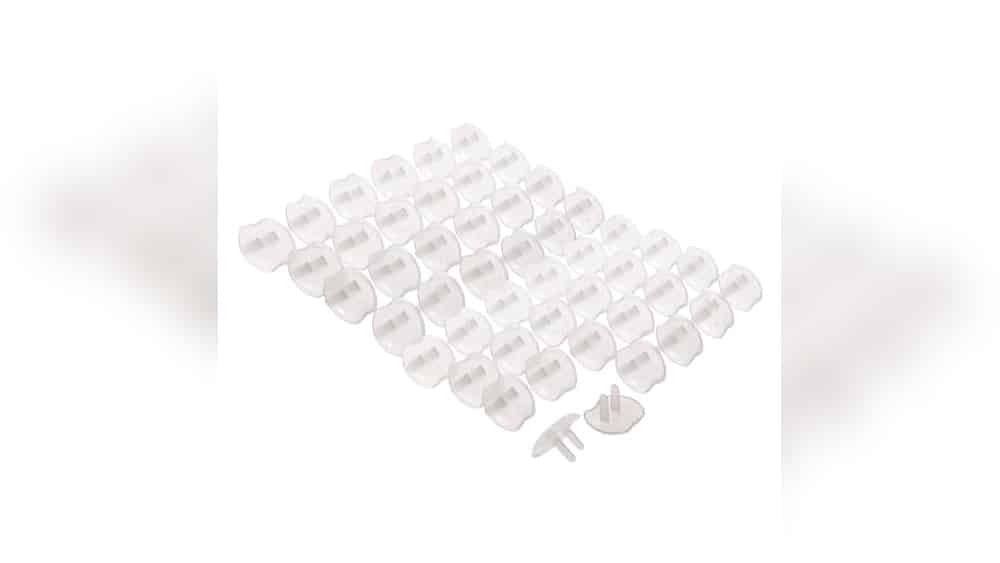
For parents of newly mobile toddlers, the realization that your child can reach, pull, and pry open almost anything at knee height is equal parts exciting and terrifying. Electrical outlets and low cabinets are two of the most common household hazards, responsible for hundreds of preventable emergency room visits each year. A complete outlet covers cabinet locks bundle addresses both risks in one cost-effective, easy-to-install package, eliminating the need to source separate safety devices for each hazard. This guide breaks down what to look for in a high-quality bundle, compares top components, shares installation best practices, and highlights common mistakes to avoid, so you can create a safe space for your little one to explore with confidence. According to the CDC, unintentional injuries are the leading cause of death for U.S. children ages 1 to 4, with household hazards like exposed outlets and unsecured cabinets responsible for a large share of preventable incidents.
Why Outlet and Cabinet Protection Is Non-Negotiable for Toddler Safety
Toddlers explore the world through touch, meaning every exposed outlet and unlocked cabinet is a potential accident waiting to happen. Electrical shocks and burns from outlets are a common risk, as curious kids often try to insert small objects like keys, toys, or even their fingers into open slots. Unsecured cabinets pose an even greater risk: they often store cleaning supplies, medications, sharp utensils, and small choking hazards that can be deadly if ingested or mishandled. Unlike other baby proofing measures that target specific developmental stages, outlet and cabinet protection is relevant for all kids from the time they start crawling until they are old enough to understand basic household safety rules, making it a long-term investment in your home's safety. These safety devices work alongside other everyday baby essentials to give parents fast health checks for peace of mind when their little ones are exploring. You can also read our guide on best overnight diapers for heavy wetters.
What’s Included in a Complete Baby Safety Bundle
A full, functional bundle includes two core categories of safety devices, designed to cover every high-risk area in your home:
- Outlet protection: Options include traditional plug covers (best for rarely used outlets), self-closing outlet plates (best for frequently used outlets), and sliding outlet covers (ideal for outdoor or damp areas). Premium bundles may also include appliance-specific lock systems for fridge and oven handles to prevent kids from opening hot appliances or accessing heavy food items.
- Cabinet and drawer protection: Options include spring-loaded interior latches (the most secure option for base cabinets), adhesive strap locks (no-drill, ideal for renters), knob covers (for cabinets with existing hardware), and drawer locks to prevent drawers from being pulled out fully.
A standard bundle for a 2-3 bedroom home includes 40-50 outlet covers and 12-20 cabinet locks, enough to cover all unused outlets and low cabinets within a toddler's reach (defined as anything below 36 inches from the floor).
Top-Rated Bundle Components: Pros, Cons, and Use Cases
Dreambaby Plastic Outlet Plug Covers (48-Pack)
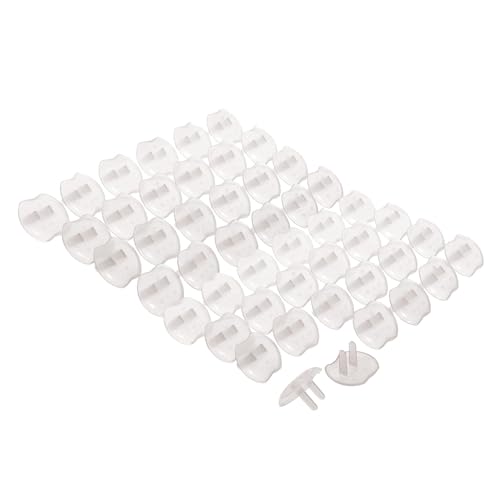 Bulk packs of plug covers are ideal for covering every unused outlet in a full home
The Dreambaby 48-pack is the most common option included in starter baby safety bundles, and for good reason: it offers full-home coverage at a very low per-unit cost. Made of BPA-free clear plastic, these covers fit all standard US 2-prong and 3-prong outlets, require no tools to install, and have a low-profile design that does not protrude from the wall, reducing the risk of accidental bumps or dislodging. You can also read our guide on car seat covers material best discover breathable mesh waterproof options.
Pros:
- Bulk pack provides enough coverage for an entire single-story home, including guest rooms and hallways
- Clear finish matches most wall colors for a discreet look
- No tools or professional installation required, perfect for renters
- Affordable per unit, making it easy to replace lost or damaged covers
Cons:
- Not suitable for outlets used daily, as the cover must be removed to plug in a device
- Plastic can break if forcefully yanked by a determined toddler
- Clear finish shows dust and grime over time, requiring occasional wiping to maintain a clean look
This option is ideal for renters who cannot modify their outlets, and for covering outlets in low-traffic areas like guest bedrooms, hallways, and behind furniture. For a no-fuss, budget-friendly option to cover every unused outlet in your space, this 48-pack is a reliable pick.
Jambini Self-Closing Outlet Covers (3-Pack)
 Self-closing covers eliminate the need to remove and replace plug covers for frequently used outlets
The Jambini self-closing outlet covers are a premium upgrade for high-traffic areas where outlets are used regularly for lamps, phone chargers, and electronics. Made of durable ABS plastic, these covers feature a built-in spring mechanism that automatically snaps shut after being opened, so you never have to remember to replace a plug cover after unplugging a device. They fit standard duplex outlets and require no tools to install. You can also read our guide on best travel strollers for twins.
Pros:
- Hands-free operation eliminates the hassle of removing and replacing plug covers for daily-use outlets
- Durable construction resists breaking from frequent use
- Low-profile design does not stick out from the wall
- Easy for adults to open but too complex for toddlers to manipulate
Cons:
- Only covers one duplex outlet per unit, so a 3-pack only covers 3 outlets, making it less cost-effective for full home coverage
- May not fit specialty GFCI or tamper-resistant outlets, so verify your outlet type before purchasing
- Higher per-unit cost than traditional plug covers
This option is perfect for living rooms, playrooms, and home offices where outlets are used regularly. If you have high-traffic outlets you use daily, the Jambini self-closing design offers hands-free convenience without sacrificing safety.
Standard Adhesive Cabinet Strap Locks (12-Pack)
Included in nearly all starter baby safety bundles, adhesive cabinet strap locks are the most versatile option for securing cabinets and drawers. Made of durable nylon webbing with strong 3M adhesive backing, these locks require no drilling or tools to install, and can be removed without damaging cabinet surfaces, making them ideal for renters. They fit cabinet doors and drawers with gaps between 1.5 and 3 inches, and use a simple push-and-slide release mechanism that is easy for adults to operate but too complex for toddlers to figure out.
Pros:
- No drilling required, perfect for renters or temporary use
- Adjustable strap length works for most standard cabinet and drawer sizes
- Removable without leaving residue or damaging surfaces
- Low cost, making it easy to add extra locks as needed
Cons:
- Adhesive can wear down over time in high-heat or high-moisture areas like kitchens and bathrooms
- Not suitable for cabinets with no gap between doors, or for heavy daily use on frequently opened cabinets
- Webbing can be chewed through by determined toddlers if not installed tightly
This option is ideal for renters, and for locking cabinets in low-traffic areas like guest bathrooms and storage closets. For high-traffic kitchen cabinets, opt for screw-in spring latches (often included in premium bundles) for longer durability.
Bundle Component Comparison at a Glance
| Product Type | Best Use Case | Pros | Cons | Ideal For |
|---|---|---|---|---|
| Dreambaby Plug Covers (48-pack) | Low-traffic, rarely used outlets | Low per-unit cost, no tools needed, low-profile design, full home coverage | Not suitable for daily-use outlets, can break if yanked, shows dust | Renters, covering outlets in guest rooms, hallways, behind furniture |
| Jambini Self-Closing Covers (3-pack) | High-traffic, frequently used outlets | Hands-free use, no need to remove for plug-in, durable construction | Only covers 3 outlets, higher per-unit cost, may not fit specialty outlets | Living rooms, playrooms, home offices |
| Adhesive Cabinet Strap Locks (12-pack) | Cabinets and drawers within toddler reach | No drilling, adjustable for most gap sizes, removable without damage | Adhesive wears down in high-heat/moisture areas, not for heavy daily use | Renters, low-traffic cabinets, bathrooms, storage closets |
How to Choose the Right Bundle for Your Home
Assess Your High-Risk Areas First
Start with a full walkthrough of your home, marking every unused outlet and every cabinet/drawer within 36 inches of the floor with a small sticky note. Count these to determine what size bundle you need: a small apartment may only need a 24-pack of outlet covers and 8 cabinet locks, while a 2-story home may need 2 packs of outlet covers and 20+ cabinet locks. Don't forget less obvious hazards: medicine cabinets, bathroom vanities, and appliance cabinets (fridge, oven, dishwasher) are high-priority for locking, as they often hold dangerous items. Pairing outlet and cabinet protection with all-around protection for growing toddlers during daily outings creates a consistent safety routine across all environments.
Match the Bundle to Your Installation Preferences
If you rent or don't want to modify your home's fixtures, opt for bundles with no-drill components: plug covers, self-closing outlet plates, and adhesive cabinet strap locks. These can be removed without leaving damage when you move out. If you own your home and want long-term, heavy-duty protection, look for bundles that include screw-in cabinet latches and tamper-resistant outlet plates that require a screwdriver to remove. For on-the-go safety for curious toddlers when visiting family or traveling, choose a portable bundle with compact, lightweight components that are easy to pack.
Verify Compatibility and Safety Certifications
Ensure outlet covers are rated for your region's electrical standard (US NEMA, EU Schuko, etc.) and fit your outlet type (standard, GFCI, tamper-resistant). Look for products certified by the CPSC safety guidelines for childproofing devices or ASTM, which meet mandatory safety standards for children's products, to avoid low-quality, breakable devices that could fail when you need them most. Many parents also prioritize budget-friendly options, and budget-friendly baby proofing deals during holiday sales can help you save 30% or more on high-quality bundle sets.
Step-by-Step Installation Guide for Your Safety Bundle
Step 1: Prep Your Space
Start with a full walkthrough of your home, marking every unused outlet and low cabinet with a small sticky note. Remove any existing broken or outdated safety devices first, and wipe down cabinet surfaces with rubbing alcohol to ensure adhesive locks stick properly.
Step 2: Install Outlet Covers
For plug covers: Align the prongs of the cover with the slots of the outlet, then push firmly until the cover is fully seated. Test that it's secure by tugging gently – it should not come loose with moderate force. For self-closing outlet plates: Remove the existing outlet cover plate, unscrew the outlet from the wall, attach the new self-closing plate to the outlet screws, then screw the outlet back into the wall. Test the closing mechanism by pressing the plate open and releasing it – it should snap shut automatically.
Step 3: Install Cabinet Locks
For adhesive strap locks: Peel the backing off the adhesive side, press firmly to the inside edge of the cabinet door or drawer front for 30 seconds to ensure a strong bond. Attach the matching strap to the opposite door/drawer, adjust the length so the doors are tightly closed, and test the release mechanism (usually a push-and-slide motion) to make sure adults can open it easily, but a toddler cannot. For spring-loaded cabinet latches: Measure the gap between your cabinet doors, mark the screw holes, drill small pilot holes if needed, and screw the latch into place. Test the two-step release (usually a push and a pull) to ensure it works smoothly for adults but is inaccessible to toddlers.
Step 4: Test All Devices
Do a "toddler simulation" test: Try to open cabinets with one hand (as a toddler would) and use a thin, rigid object (like a chopstick) to try to pry open outlet covers. Adjust any loose devices, and ensure that all locks are out of reach of young children (install cabinet latches at the top edge of the door, not the bottom, to prevent toddlers from accessing the release mechanism).
Common Baby Proofing Mistakes to Avoid
- Leaving frequently used outlets uncovered: Even if you have a lamp or charger plugged in, toddlers can pull the plug out to access the prongs. Use self-closing outlet covers for high-traffic outlets, and use cord shorteners for loose cords to prevent choking hazards.
- Installing cabinet locks too low: If you place a latch at the very bottom of a cabinet door, a curious toddler can reach it and attempt to manipulate the release. Always install latches at the top edge of the door, out of a toddler's typical reach.
- Using adhesive locks on high-traffic cabinets: Adhesive wears down over time with frequent opening and closing, especially in hot, humid kitchens. For cabinets you open multiple times a day, opt for screw-in latches that will hold up to heavy use. For in-vehicle safety for young kids during travel, use a similar layered approach to secure loose items and prevent choking hazards.
- Skipping secondary hazard checks: Locking cabinets is only effective if dangerous items are stored inside them. Keep cleaning supplies, medications, sharp objects, and small choking hazards locked away, not on countertops or low shelves within reach of children.
- Buying the cheapest available options: Ultra-low-cost outlet covers and cabinet locks are often made of flimsy plastic that breaks easily, leaving hazards exposed. Look for products with positive user reviews and safety certifications to ensure long-lasting protection.
Frequently Asked Questions
What Are The Benefits Of Dreambaby Outlet Plug Covers?
Dreambaby outlet plug covers prevent children from electrical shocks and burns by blocking access to live outlet slots. The 48-pack provides enough coverage for an entire home, the clear design matches most wall colors, and they require no tools to install or remove, making them a convenient option for renters and new parents alike.
How Do Jambini Self-Closing Outlet Covers Work?
Jambini self-closing outlet covers have a built-in spring mechanism that automatically snaps the cover shut after it is opened, so you never have to remember to replace a plug cover after unplugging a device. They fit standard duplex outlets and require no tools to install, making them a low-effort safety upgrade for high-traffic areas.
Are Outlet Covers Cabinet Locks Bundles More Cost-Effective?
Yes, purchasing a bundled set is almost always cheaper than buying outlet covers and cabinet locks separately. A standard bundle includes enough components to cover all high-risk areas in a 2-3 bedroom home for 20-40% less than buying each item individually, and ensures all components are compatible and designed to work together.
Can These Outlet Covers Fit All Standard Outlets?
Most outlet covers in standard bundles fit traditional US 2-prong and 3-prong outlets, as well as standard European and UK outlets if you purchase a region-specific bundle. They may not fit specialty outlets like GFCI, tamper-resistant, or USB combo outlets, so always check your outlet type before purchasing.
Do I Need Both Outlet Covers and Cabinet Locks For Complete Baby Proofing?
Yes, these two hazards are the most common sources of preventable injuries for toddlers. Outlet covers protect against electrical shocks and burns, while cabinet locks prevent access to poisonous cleaning supplies, medications, sharp objects, and small choking hazards. Together, they address the two highest-risk areas in most homes.
How Often Should I Replace Outlet Covers and Cabinet Locks?
Inspect all safety devices every 3-6 months for signs of wear, cracks, or loose adhesive. Replace any damaged devices immediately, as broken covers and locks can fail to protect against hazards. Most high-quality covers and locks last 2-3 years with regular use before needing replacement.
Conclusion
A high-quality outlet covers cabinet locks bundle is the single most cost-effective, high-impact purchase you can make for your home's toddler safety. By addressing the two most common household hazards in one package, you eliminate the risk of electrical shocks, burns, poisoning, and choking from unsecured cabinets, all without breaking the bank or requiring professional installation.
For the best results, pair your bundle with other foundational safety measures: use sturdy stair safety gate options to block off staircases, secure heavy furniture to the wall to prevent tip-overs, and keep small choking hazards off low shelves. Baby proofing is an ongoing process that evolves as your child grows, but starting with this bundle gives you a solid, reliable foundation to build on. For more tips on creating a safe, welcoming space for your growing toddler, explore our full library of baby safety resources.

Sophia Linda is a freelance writer and Certified Health Coach based in the Newbury Park, CA. Passionate about healthy living, she focuses on helping families stay active and connected to the outdoors. Together with her husband and their three young children, Sophia spends much of her time traveling, hiking, and camping. Her work has been featured on the bestbabycart blog, and she brings a practical, real-world perspective to reviewing baby products for parents.