
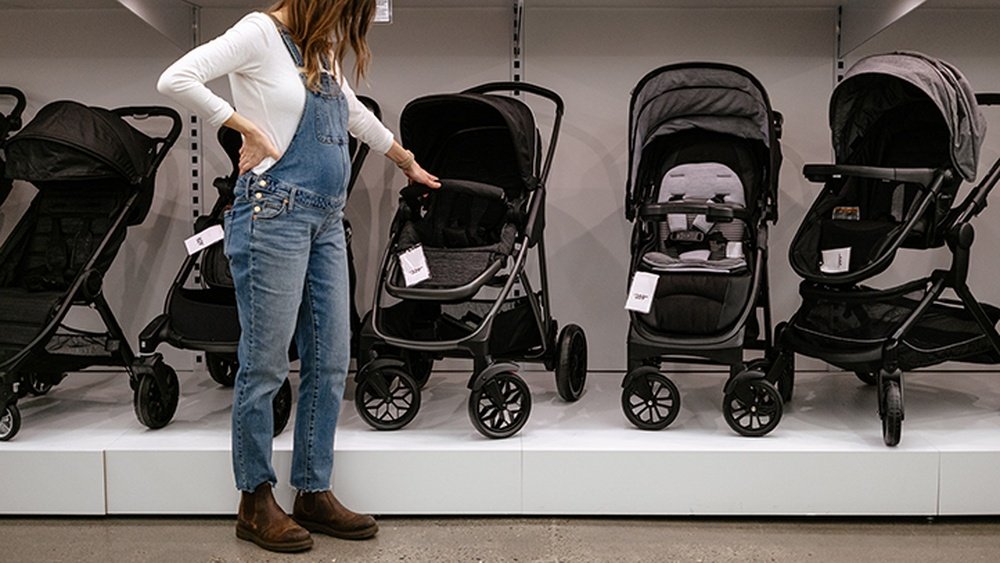
Buying a stroller feels simple in theory, but the 2026 market is flooded with options ranging from $50 umbrella strollers to $1,500+ all-terrain models with built-in phone chargers and smart suspension. Most parents only realize they picked the wrong one after dealing with a wobbly wheel mid-grocery run, a stroller that won't fit in their trunk, or a model that's too heavy to lift up a flight of stairs. This guide cuts through marketing fluff with actionable, up-to-date tips aligned with current safety standards and real parent testing, so you can pick a stroller that fits your family's unique needs, not just the one with the best social media ads.
We cover type selection, non-negotiable safety features, lifestyle alignment, budget hacks, and common mistakes to avoid, so you can feel confident in your choice before you even step foot in a store.
 Image source: momschoiceawards.com
Stroller Types: Match the Model to Your Daily Routine
The right stroller type depends almost entirely on how, where, and how often you'll use it. Below is a breakdown of the most common 2026 models, with pros, cons, and ideal use cases to guide your choice:
Standard (Full-Size) Strollers
These 20–35 lb workhorses are built for daily, frequent use. They feature large 8–12 inch wheels for smooth rides on sidewalks, reclining seats that work for newborns (with a bassinet insert or car seat adapter), and under-seat storage baskets that hold 10–20 lbs of gear (diaper bags, groceries, toys). Most full-size models are compatible with dozens of infant car seat brands, making them a versatile pick for growing families. The main downside is their bulk: they're hard to lift in and out of car trunks and struggle in narrow store aisles.
Lightweight & Umbrella Strollers
Weighing 10–15 lbs and folding down to the size of a large umbrella, these models are ideal for parents who use public transit, travel frequently, or have limited home storage. As of 2026, most major US airlines allow umbrella strollers as carry-on if they fold to under 20 inches in any dimension, so you won't have to pay to check them. They're also the most affordable option, with most models priced between $50 and $200. The tradeoff is minimal storage, less padding, and small 6–8 inch wheels that struggle on gravel or uneven sidewalks. They're also not suitable for newborns under 3 months unless they have a fully reclining seat and adequate head support. For parents who love taking quick, low-key outings but struggle with a baby who naps on a fixed schedule, lightweight strollers are a practical pick — you can even check our tips for planning stress-free trips with a napping infant to make errands easier.
Jogging (All-Terrain) Strollers
Built for active parents, these 25–40 lb models feature 12–16 inch air-filled tires that absorb shock on trails, gravel, and cobblestones, a locking front wheel for stability at speed, and a five-point harness to keep your child secure. The American Academy of Pediatrics (AAP) only recommends these for children over 6 months with strong head and neck control, as their design is not optimized for infant support. They're perfect for parents who hike, run, or live in rural areas with rough terrain, but they're banned from most indoor retail spaces as of 2026 due to their size and tire tread, and their wide turning radius makes them difficult to navigate in narrow grocery aisles.
Travel Systems
These pair a full-size stroller frame with a compatible infant car seat that clicks in and out, so you can transfer a sleeping newborn from car to stroller without waking them. In 2026, most major brands (Uppababy, Baby Jogger, Bugaboo) offer modular travel systems where the car seat, stroller seat, and bassinet all click onto the same frame, letting you use the system from birth through toddlerhood. The main downside is bulk: the stroller frame is large even without the car seat attached, and infant car seats expire 6–10 years after their manufacture date (check the label on the bottom of the seat, not your purchase date) so you can't reuse the seat for future children once it's past its expiration.
Double & Tandem Strollers
For parents of twins, multiples, or children under 2 years apart, these models let you push two children at once. Side-by-side double strollers are 30–36 inches wide (wide enough to fit through standard doorways) but struggle in narrow store aisles, while front-and-back tandem models are narrower (25–30 inches) but longer, making sharp turns difficult. Many 2026 brands offer convertible strollers that switch between single and double modes, so you can use the same frame for your first child and add a second seat when your next baby arrives, saving hundreds of dollars long-term.
 Image source: strolleria.com
Non-Negotiable Safety Features (Backed by 2026 Standards)
All strollers sold in the US must meet Consumer Product Safety Commission (CPSC) baseline safety standards, but many models include extra features that reduce injury risk. The NHTSA stroller safety guidelines outline the following must-haves for 2026:
Braking and Locking Mechanisms
Look for a foot-activated brake that locks all rear wheels at once, as it's easy to engage even when you're holding your child's hand or carrying groceries. Avoid strollers with only hand-operated brakes, as you can't use them while holding your child. Test the brake before buying: press down hard on the pedal, then try to push the stroller forward — it should not move at all. All strollers must also have a locking mechanism to prevent accidental folding; avoid models where the lock is a small, hard-to-reach button, as you may forget to engage it. A common mistake is parents forgetting to brake on slight inclines, which leads to strollers rolling away; many 2026 models now have a parking brake that stays engaged until you press a release button, which reduces this risk significantly.
Harness Systems
Five-point harnesses (shoulder straps, hip straps, and a crotch strap) are the only type recommended by the AAP and NHTSA for children under 4, as they keep the child securely in the seat even if the stroller tips over. Look for harnesses with a one-hand adjustment system, so you can tighten or loosen the straps without taking your other hand off the stroller handle. Avoid three-point harnesses (like a standard seatbelt) for infants, as they don't secure the hips and can allow a child to slide out in a crash. Check that the buckle is easy for adults to open but hard for toddlers to operate: most 2026 models have a dual-button buckle that requires pressing two buttons at once, which most kids under 3 can't figure out.
Stability and Frame Construction
A stable stroller will not tip over when you lean 30 degrees on the handle to pick something up off the ground, or when you hang a 10 lb bag on the handlebar. Avoid strollers with thin, plastic frames — opt for aluminum (rust-resistant and lightweight) or steel (more impact-resistant for all-terrain use). The wheelbase (distance between the front and rear wheels) should be at least 30 inches for stability; narrower wheelbases are more prone to tipping, especially on uneven surfaces. Never hang heavy bags on the handlebar: most 2026 models have a 10 lb weight limit for handlebar storage, and exceeding it is one of the most common causes of stroller tip-over injuries.
Comfort Features That Actually Matter for Long Outings
A stroller may be safe, but if your child is uncomfortable, you'll end up cancelling outings or dealing with constant crying. Prioritize these evidence-based comfort features:
- Seating and recline: Newborns need a 170+ degree flat recline (not 180 degrees, which can cause suffocation if they roll forward) to support their developing neck and spine. Toddlers need a 45–60 degree upright recline to look around and interact with their surroundings. Look for padded, breathable seat covers made of OEKO-TEX certified fabric, which is free of harmful chemicals and gentle on sensitive skin.
- Adjustable canopies: Prioritize canopies rated UPF 50+, which block 98% of UV rays, and with an extendable peek-a-boo window so you can check on your baby without bending over. For cold-weather use, look for a canopy with a zip-out panel that covers your child's legs, and check our guide to dressing your baby appropriately for cold weather walks to avoid overheating or underdressing.
- Storage options: An under-seat basket that holds at least 10 lbs of gear is a must for most parents — it will fit a standard diaper bag, snacks, and extra layers without you having to carry an extra bag. Handlebar pockets that fit a phone and keys are a nice bonus, but avoid strollers that only have small side pockets that can't fit a standard 16 oz water bottle.
Maneuverability: The Feature Most Parents Overlook Until They're Stuck in a Grocery Aisle
A stroller may look great on paper, but if it's hard to push or turn, you'll dread using it every day. Focus on these three key factors:
Wheel Types
8-inch swivel front wheels are best for urban use, as they let you turn sharp corners in tight spaces, but lock them straight for jogging or rough terrain. Fixed front wheels are more stable for all-terrain use but difficult to turn in small spaces. Larger 12+ inch wheels handle bumps and gravel better, while smaller 6–8 inch wheels are lighter and easier to steer on smooth sidewalks.
Turning Radius
A turning radius under 36 inches is ideal for navigating narrow store aisles, apartment hallways, and crowded sidewalks. Test the stroller in person if you can: push it in a tight circle to see how naturally it turns. Wide all-terrain strollers often have a turning radius of 40+ inches, which makes them frustrating to use in tight spaces.
Foldability and Portability
One-hand folds are a game-changer for parents who are holding a child in one arm or carrying groceries. Look for a fold that stands upright on its own when folded, so you don't have to lay it on the ground (which gets the fabric dirty). If you travel frequently, prioritize a stroller that weighs under 20 lbs and folds to under 20 inches in any dimension to fit in overhead bins (as of 2026, most major US airlines allow these as carry-on, no need to check). For popular models like the Uppababy Vista, our guide to folding compact strollers for easy storage walks through the one-hand fold mechanism step by step.
 Image source: www.bluemonthotel.com
Age and Weight Limits: Don't Skip the Fine Print
Every stroller has specific age and weight limits designed to keep your child safe, and ignoring these can lead to injury or premature wear on the stroller:
Newborn Compatibility
If you're buying a stroller for a newborn, make sure it has a 170+ degree flat recline (not just a 45 degree recline, which is unsafe for babies under 3 months who can't hold their head up) or comes with a bassinet insert that meets ASTM safety standards. Avoid using umbrella strollers for newborns unless they explicitly state they're suitable for infants under 3 months with adequate head support.
Weight Capacity
Most strollers have a weight limit of 50–65 lbs, but check the fine print: some toddler-focused models have a lower limit of 40 lbs, which means you'll have to replace it sooner than expected. Remember that the weight limit includes the weight of anything you put in the stroller (diaper bag, toys, snacks) so leave a 5–10 lb buffer to avoid exceeding the limit.
Longevity
If you want a stroller that grows with your child, look for models with adjustable handlebar heights (so both short and tall parents can push comfortably), adjustable footrests, and a seat that can be converted to a toddler seat (no need to buy a separate toddler stroller when your baby outgrows the infant seat).
Lifestyle Alignment: Pick a Stroller That Fits Your Real Life, Not an Idealized One
The best stroller for a friend who lives in a rural area and hikes every weekend will be useless for you if you live in a city with narrow hallways and public transit. Match your stroller to your actual routine:
- Urban use: If you live in a city with lots of stairs, narrow hallways, and public transit, prioritize a lightweight, narrow stroller with a one-hand fold and swivel front wheels. If you mostly drive, you can opt for a heavier full-size model with more storage, as long as it fits in your trunk (measure your trunk opening before buying — a stroller that's 1 inch too wide won't fit).
- Rural use: If you live in an area with gravel roads, dirt paths, or lots of hills, prioritize an all-terrain stroller with air-filled tires, good suspension, and a hand brake for steep inclines.
- Travel: If you fly frequently, look for a stroller that's approved for gate checking (most airlines let you check it at the gate for free, so you don't have to wait at baggage claim) or fits in overhead bins. For parents with multiple young children, a convertible double stroller will save you money long-term, and you can reference our guide to stocking up on baby mealtime supplies to plan for on-the-go snacks and meals during outings.
Budget Considerations: Avoid Hidden Costs That Catch Parents Off Guard
Stroller prices vary widely in 2026, but the sticker price is rarely the total cost:
2026 Price Ranges
- Basic umbrella strollers: $50–$150
- Lightweight full-size strollers: $150–$400
- All-terrain/jogging strollers: $300–$800
- Travel systems: $200–$1,200
- Premium double strollers: $500–$1,500
Value for Money
The most expensive stroller isn't always the best for your needs: a $1,200 premium model is overkill if you only use your stroller for quick trips to the park, but a $50 umbrella stroller is a safety hazard if you're an avid runner who needs an all-terrain model. Look for strollers with a 1–2 year warranty, as that indicates the brand stands behind their build quality. If you're on a tight budget, you can use our breakdown of estimating long-term baby supply costs to plan your spending alongside other baby expenses.
Hidden Costs
Most strollers don't include accessories like rain covers, cup holders, car seat adapters, or sun shades, which can add $50–$150 to the total cost. Factor in replacement parts (wheels, harnesses, fabric covers) which cost $20–$100 each if the stroller is dropped or damaged. Gently used strollers from Facebook Marketplace or local buy-nothing groups are a great budget option: most strollers are used for less than a year before the child outgrows them, so you can get a $400 model for $100 or less, as long as it has no active recalls and is in good condition.
Maintenance and Durability: Make Your Stroller Last For Years
A well-maintained stroller can last through multiple children, saving you money long-term:
Cleaning Ease
Strollers are prone to spills, mud, and diaper blowouts, so look for models with removable, machine-washable seat covers. Avoid strollers with lots of small crevices and fabric folds that trap crumbs and dirt, as they're a nightmare to clean. If you live in a humid climate, look for quick-dry fabrics to prevent mold and mildew buildup — for tips on avoiding mold growth in baby gear fabrics, follow our step-by-step cleaning guide.
Warranty and Repairs
Most reputable brands offer a 1-year limited warranty that covers manufacturing defects, and some sell extended warranties for an extra $20–$50. Check if the brand sells replacement parts before buying: if you can't get a replacement wheel or harness, you'll have to replace the entire stroller if those parts break.
Material Quality
Aluminum frames are rust-resistant and lightweight, which is ideal for most parents, while steel frames are heavier but more impact-resistant for all-terrain use. Look for rust-resistant hardware and durable, scratch-resistant wheels to extend the stroller's lifespan.
Common Mistakes to Avoid When Stroller Shopping
Even savvy parents make these errors, leading to wasted money and frustration:
- Buying for your "ideal" lifestyle, not your real one: It's easy to imagine you'll be jogging every morning or traveling internationally every month, but most parents use their stroller 90% of the time for trips to the park, grocery store, and daycare. Pick a model that fits your actual routine, not the one you wish you had.
- Ignoring storage space constraints: Measure your car's trunk, home entryway, and closet space before buying. A $1,000 all-terrain stroller is useless if it doesn't fit in your car or you can't get it up the stairs to your apartment.
- Skipping the in-person test: Online reviews are helpful, but you won't know if a stroller's handlebar is too high or low for you, or if the fold is actually easy to use with one hand, until you test it in person. Most baby stores let you test strollers on their showroom floor for free.
- Overlooking compatibility: If you already own an infant car seat, make sure it's compatible with the stroller you're buying. Most brands sell separate adapters for $20–$50, but some car seats and strollers are not compatible at all, no matter what adapter you use. When using an infant car seat with a stroller, follow AAP guidance on infant car seat use to ensure proper installation and avoid common errors that reduce safety.
Frequently Asked Questions
What features should I prioritize when buying a stroller?
Prioritize safety first: look for a five-point harness, a locking foot brake, and a JPMA- or CPSC-certified model (all strollers sold in the US must be certified, but double-check the label to avoid counterfeits). Next, prioritize features that fit your daily routine: if you take public transit, a lightweight, one-hand fold is non-negotiable; if you have a newborn, a fully reclining seat or travel system compatibility is a must. Comfort features like adjustable handlebars and large storage baskets are nice-to-haves, but don't sacrifice safety for them.
Are lightweight strollers safe for everyday use?
Yes, as long as they're JPMA-certified and have a five-point harness and locking brake. They're ideal for parents who live in cities, use public transit, or travel frequently. However, they're not the best choice for parents who spend most of their time on rough, uneven terrain, as their small wheels don't absorb shock well, and they have less padding for long walks. Avoid using lightweight umbrella strollers for newborns under 3 months unless they explicitly state they're suitable for infants with adequate head support.
How do I know if a stroller will fit in my car trunk?
Measure your trunk's opening width and depth before shopping — most full-size strollers are 30–40 inches long when folded, so a compact car trunk may only fit a lightweight or umbrella stroller. If you have a small car, look for strollers that fold vertically (standing upright) to save space. Most brands list the folded dimensions on their product pages, so compare those to your trunk measurements before buying.
Do I need a travel system, or can I use a separate car seat and stroller?
Travel systems are worth it if you have a newborn, as they let you transfer a sleeping baby from car to stroller without waking them. If your baby is already 6 months or older, you can save money by buying a separate stroller and using it with a compatible infant car seat (most major car seat brands sell adapters for popular stroller models). Just make sure the car seat and stroller are compatible before buying both — not all car seats fit all strollers, even if they claim to be universal.
Conclusion
Choosing the right stroller doesn't have to be overwhelming — by focusing on your unique daily routine, non-negotiable safety features, and long-term needs, you can pick a model that makes every outing easier, not a hassle. Avoid falling for marketing gimmicks like "smart" features you'll never use (most parents report using fewer than 3 stroller features regularly, per 2025 parent surveys) and prioritize durability and functionality over brand name. If you're still unsure, visit a local baby store to test strollers in person: push them around the store, fold them with one hand, and check how the handlebar height feels for both short and tall parents.
For more guidance on making outings with your little one stress-free, check out our tips for planning trips around your baby's nap schedule to make every stroller ride smooth for both of you.

Emma Grace is a devoted mother and passionate content writer at BestBabyCart.com. With firsthand parenting experience and a love for research, she creates helpful guides and honest reviews to support parents in choosing the best for their babies. Her goal is to make parenthood easier, one article at a time.