
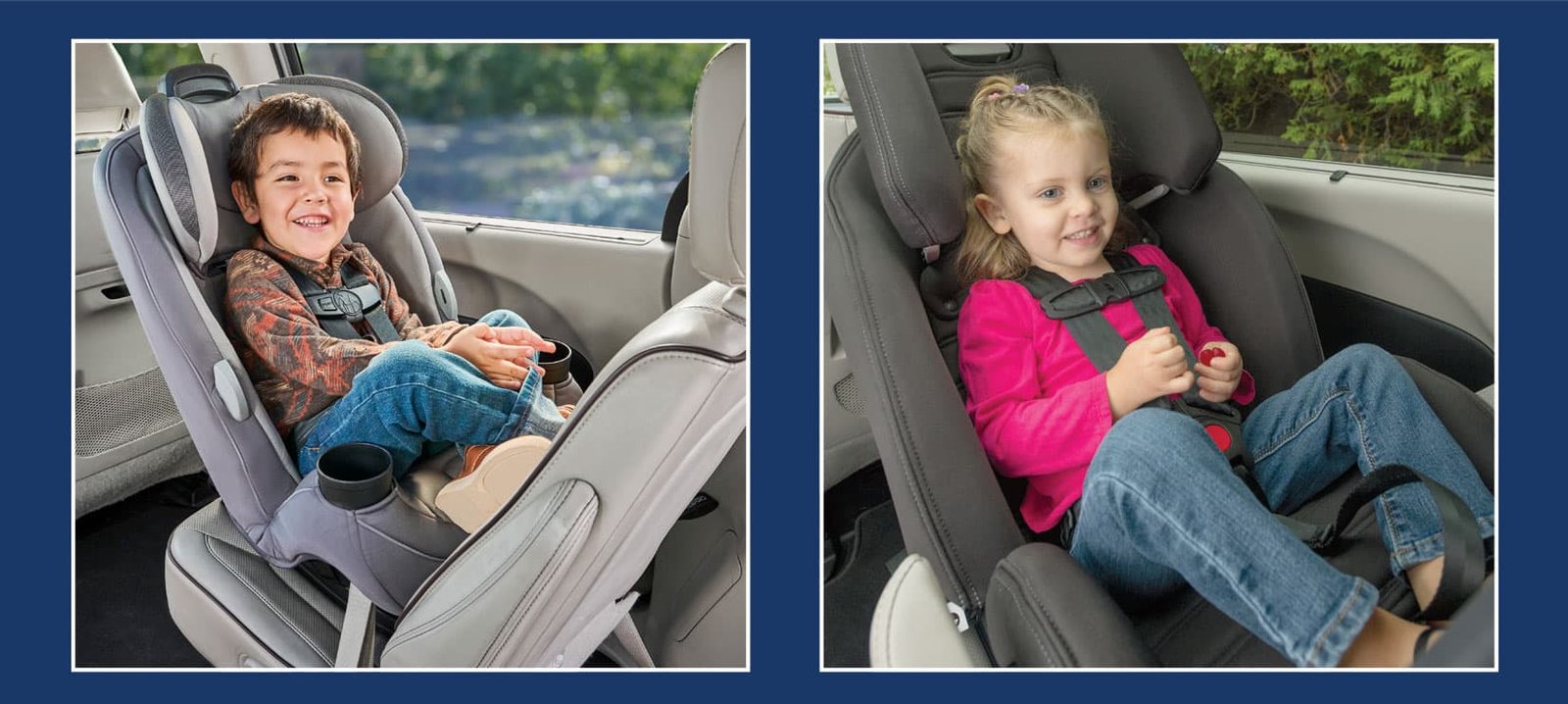
Most children should remain rear‑facing until at least age two or until they outgrow the seat.
I have worked with parents, safety technicians, and child passenger safety trainers to help families decide when to turn car seat forward facing. This guide breaks down the rules, real-world signs, step‑by‑step transitions, and common mistakes so you can make a safe, confident choice about when to turn car seat forward facing. Read on for clear, practical advice based on current guidelines and hands‑on experience.

When to turn car seat forward facing: Why rear‑facing is safer
Rear‑facing supports a child’s head, neck, and spine in a crash. The force of a collision is spread across the shell of the car seat. This reduces stress on the spine and neck. That is why experts recommend staying rear‑facing as long as possible before you consider when to turn car seat forward facing.
Children’s bones and soft tissues develop quickly. Younger children have larger heads relative to their bodies. This increases the risk of neck injury if turned forward too early. Keeping your child rear‑facing reduces that risk significantly and improves crash outcomes.
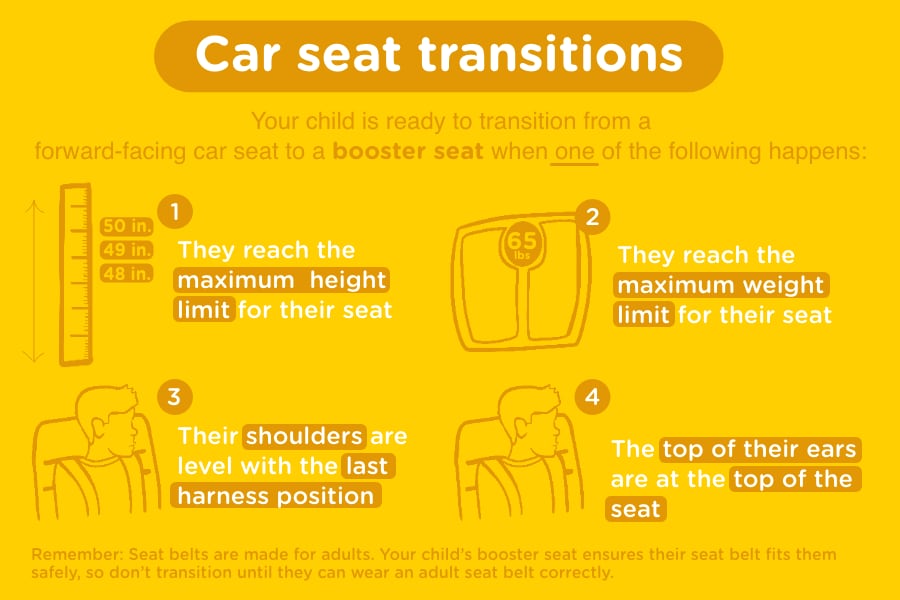
Guidelines for when to turn car seat forward facing
Official child passenger guidance focuses on age, weight, and height. Many safety organizations recommend rear‑facing until at least age 2. More recent advice emphasizes using the car seat’s maximum rear‑facing limits for weight and height.
Key rule points to remember:
- Use the car seat’s rear‑facing height and weight limits before turning forward.
- Aim to keep children rear‑facing beyond age 2 when the seat allows.
- Follow manufacturer instructions and local laws for conversion.
When to turn car seat forward facing depends on your child and the specific seat. Check the manual and compare the child’s height and weight to the rear‑facing limits. If the child is below those limits, do not turn the seat forward.

Signs your child is ready to turn car seat forward facing
Look beyond age alone. Use these practical signs to decide when to turn car seat forward facing:
- Child’s shoulders are below the top rear‑facing harness slot and head is under the seat’s top limit.
- Child has outgrown the rear‑facing weight or height limit printed on the seat.
- You’ve confirmed the seat is installed correctly rear‑facing and you can no longer achieve a proper recline.
If any of the limits are reached, plan the switch. If not, wait and keep them rear‑facing. When to turn car seat forward facing is a decision you make by checking both the child and the seat.

Quick PAA-style questions
Can a 1-year-old be forward-facing?
Most 1‑year‑olds should remain rear‑facing unless they exceed the seat’s rear‑facing limits. Age alone is not a safe reason to turn forward.
Is height more important than age for switching?
Yes. Height and shoulder position relative to the harness slots often determine readiness before age.
Does rear-facing prevent all injuries?
No. Rear‑facing reduces risk significantly but does not eliminate all injury risk. Safe installation and correct harness use are also essential.
How to transition safely when to turn car seat forward facing
Plan the change. Do it on a clear day when you have time. Follow these steps:
- Read the car seat manual and vehicle manual about forward installation.
- Check the child’s height and weight against the forward‑facing limits.
- Install the seat in the forward‑facing mode following the manual.
- Use the top tether if the seat requires it. Tighten it to remove slack.
- Adjust the harness to the correct height—at or above the shoulders in forward‑facing mode.
- Perform a tightness check: the seat should move less than an inch at the belt path.
After the change, monitor the fit every month. When to turn car seat forward facing is only part of safety; how you install and use the seat matters equally.
Common mistakes and what to avoid about when to turn car seat forward facing
Many families move to forward‑facing too early. Avoid these errors:
- Switching by age alone without checking seat limits.
- Failing to use the top tether, which reduces forward head movement.
- Leaving slack in the harness or using bulky clothing under the harness.
- Not checking the harness height after switching modes.
A real mistake I saw: a parent moved a toddler forward at 18 months because of squirming. The child was still well within the rear‑facing height limit. The seat would have provided better protection if kept rear‑facing longer. Learn from that experience and check the manual first.

Car seat types and timing for when to turn car seat forward facing
Different seats have different limits. Know the seat style:
- Infant-only seats: usually rear‑facing only and have low height/weight limits.
- Convertible seats: offer higher rear‑facing weight/height limits, allowing longer rear usage.
- All‑in‑one seats: can be used rear‑facing longer and then convert to forward and booster modes.
If you’re deciding when to turn car seat forward facing, a convertible or all‑in‑one seat lets you keep a child rear‑facing far longer than infant‑only seats. Investing in a higher‑limit seat can be a wise safety choice.
Personal experience: lessons learned and practical tips
I have installed dozens of seats at community safety checks. I learned these simple truths:
- Parents want comfort and safety. Both can be achieved by following limits.
- Small errors—loose belts, wrong harness slots—are common and fixable.
- I once helped a family who turned forward at 15 months. The child kept hitting their head in tight turns. After switching back to rear‑facing in a higher‑limit seat, the child was safer and more comfortable.
Practical tips I recommend:
- Keep the car seat manual in the glove box.
- Check the harness fit at every growth milestone.
- Use local inspection stations for a hands‑on check.
When to turn car seat forward facing is a personal choice guided by clear rules, not a race to forward facing.
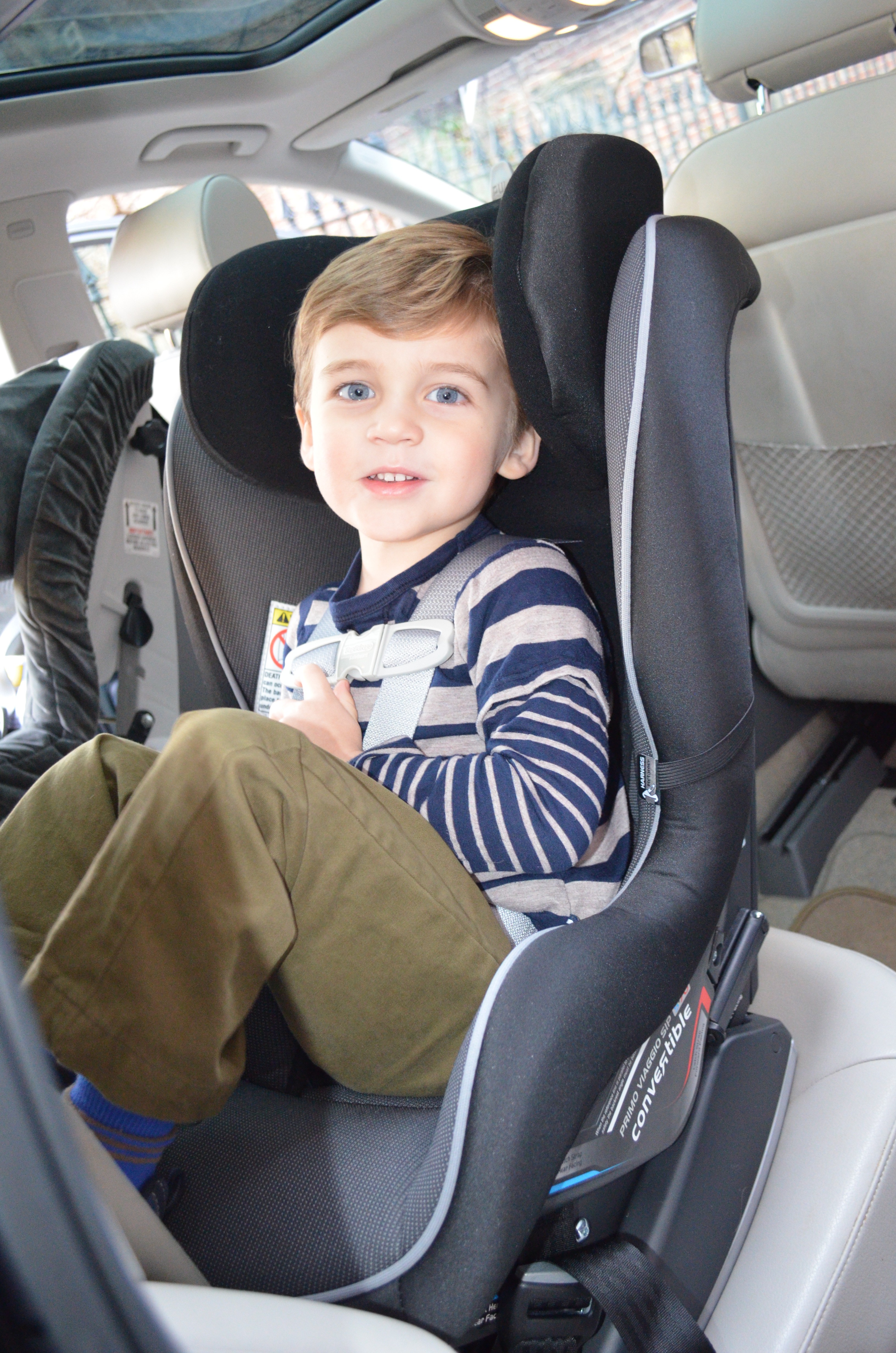
Frequently Asked Questions of when to turn car seat forward facing
When is it legal to turn a car seat forward facing?
Laws vary by state and country, but most allow forward facing once the seat’s rear‑facing limits are exceeded. Always follow the stricter of local law or the seat manufacturer’s instructions.
Can a toddler sit forward facing at 18 months?
They can only if they exceed the rear‑facing height or weight limits. Age 18 months alone is not a safe reason to turn forward.
How long should a child stay rear‑facing?
Keep children rear‑facing until they outgrow the seat’s rear‑facing limits. Many seats allow rear‑facing past age 2.
Do convertible seats keep a child rear‑facing longer?
Yes. Convertible seats typically have higher rear‑facing limits than infant‑only seats, allowing longer rear‑facing use.
What if my child hates rear‑facing?
Try small adjustments: change the recline, use a sunshade, or play a favorite song. If limits aren’t reached, resist switching until the seat limits require it.
Conclusion
Keeping a child rear‑facing as long as the car seat allows is one of the easiest and most effective ways to reduce injury risk. Use the seat manual, watch the child’s height and weight, and follow installation best practices to decide when to turn car seat forward facing. Take action now: check your car seat manual, measure your child, and schedule a safety inspection if you’re unsure. Share your questions or experiences in the comments or subscribe for more practical safety guides.

Emma Grace is a devoted mother and passionate content writer at BestBabyCart.com. With firsthand parenting experience and a love for research, she creates helpful guides and honest reviews to support parents in choosing the best for their babies. Her goal is to make parenthood easier, one article at a time.