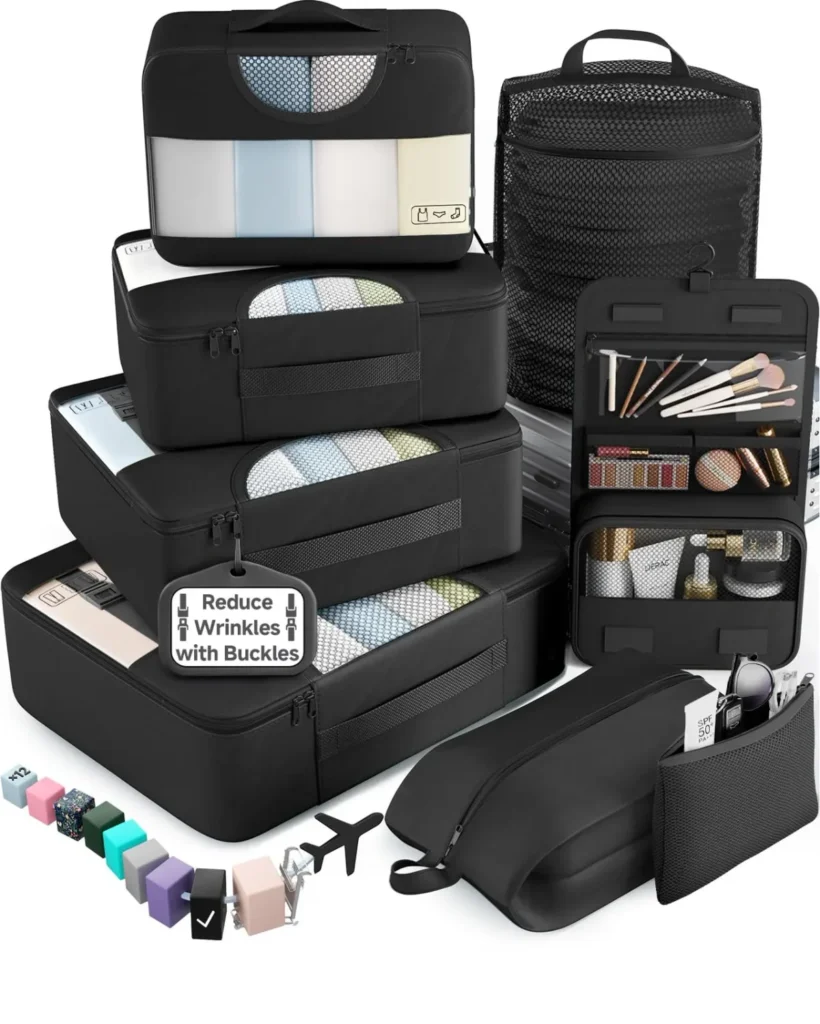
Most labor bag checklist for mom roundups hand you the same flat list of 40 items and call it done. That's the problem. What actually goes in your bag depends on where you give birth, how you deliver, and how long you stay.
The CDC puts preterm birth at roughly 1 in 10 US births, so week 36 is the packing line most providers suggest. Typical stays run about two nights after a vaginal delivery and three to four after a cesarean. Here's the short answer first, then the branches that actually change your list.
Labor Bag Checklist for Mom
Pack your bag by week 36. Bring ID, insurance card, chargers, snacks, and loose clothes. Add toiletries, pads, nursing supplies, and a going-home outfit.
Include baby's outfit and an installed car seat. Skip mesh underwear and diapers, since hospitals supply them.
Why Most Labor Bag Checklists Set You Up to Overpack
The list itself rarely fails. The duplication does. Search this topic and you'll find the same items repeated on page after page, and most of them are already in your bathroom cabinet.
The bigger issue is supplies you're handed anyway. Several of the common printables still tell you to pack mesh underwear, overnight pads, a peri bottle, and newborn diapers. In our review of hospital maternity unit inventories, those items show up as standard stock at most US facilities.
So the bag fills with things the unit gives you for free. Then it weighs 30 pounds, doesn't fit the triage room, and ends up under a chair where nobody can reach it.
The Weight Target That Keeps Your Bag Usable
Aim for under 25 pounds for your bag and under 10 for your partner's. If it takes two hands to lift it, it's too heavy for a hallway walk in early labor. Wheels help, but you want a handle you can grab from a hospital bed.
Volume matters just as much. A labor and delivery room has roughly one chair, one bedside table, and a strip of floor. A 30 to 45 liter weekender with a clamshell opening fits that space.
A packed suitcase does not.
If you'd rather keep both hands free on the way in, a backpack-style carrier does the same job and leaves your arms for paperwork.
What Packing for Three Births Actually Means
You aren't packing one bag. You're packing one bag that survives a change of plan. An induction that turns into a cesarean.
A birth center transfer. A two-night stay that stretches to five because of jaundice.
That's where flat lists fall apart. They assume a single path and skip the branches. Build for the branches and your bag holds up no matter how the night goes.
Keep labor items, postpartum items, and going-home items in separate pouches. At 2 a.m. with a contraction every four minutes, you want to grab one pouch, not excavate a duffel.
The Three Variables That Change Your Bag: Birth Setting, Delivery Type, Stay Length
Almost every item on your list is negotiable. Three things are not: where you give birth, how you deliver, and how long you stay. Get those right and the rest sorts itself out.
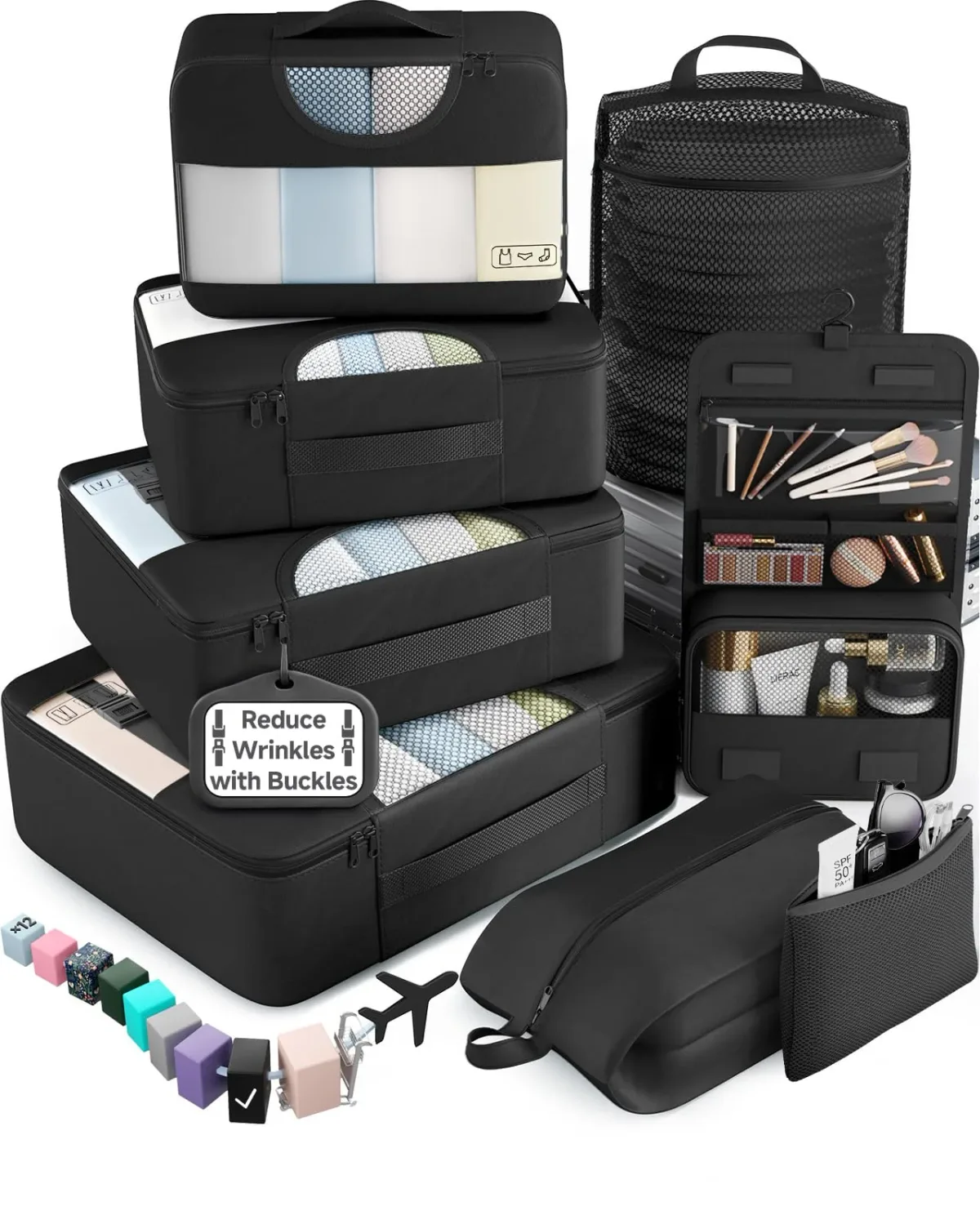
Image source: Bing (Web (fair-use with source credit))
| Variable | Your options | What it changes |
|---|---|---|
| Birth setting | Hospital, freestanding birth center, home | How much you bring versus get handed |
| Delivery type | Vaginal, planned cesarean, unplanned cesarean, VBAC attempt | Clothing, stay length, mobility after birth |
| Stay length | 6 hours to 5 or more days with a NICU stay | Snack volume, charger count, laundry plan |
Run the Branches in Order
- Hospital birth: pack the lightest labor pouch and the fullest postpartum pouch. Most supplies come from the unit.
- Freestanding birth center: assume sparser supplies and a shorter stay. Add your own pads, towels, and snacks.
- Home birth: your bag is really a transfer bag. Pack it as if you'll be admitted, because sometimes you will be.
- Planned or possible cesarean: add high-waisted clothing, an extra pillow, and food for a longer stay.
- VBAC attempt: same as hospital vaginal, plus a copy of your prior operative report.
- NICU possibility: add pump supplies, a cooler bag, and a small daily bag you can carry up alone.
One variable people skip is the room itself. A shared room changes the list fast. Eye mask, earplugs, and headphones stop being optional the moment someone else's baby is crying at 4 a.m.
As of 2026, typical US hospital stays still land near two nights for a vaginal birth and three to four for a cesarean. That's your snack and charger math. Two nights means one refill.
Five nights means someone has to run laundry and restock for you.
The bag also overlaps with the rest of your third-trimester buying. If you've already worked through a wider prep list, check what carries over before you buy anything new.
Call Your Facility First: What They Hand You for Free and What They Don't
This is the step almost nobody does, and it saves the most money and space. Call your labor and delivery unit between 28 and 32 weeks. Ask what they stock and what they send home with you.
Answers vary by facility type. A large US hospital typically supplies pads, mesh underwear, a peri bottle, ice packs, diapers, wipes, and formula samples. A freestanding birth center may hand you a short list and point you toward the store.
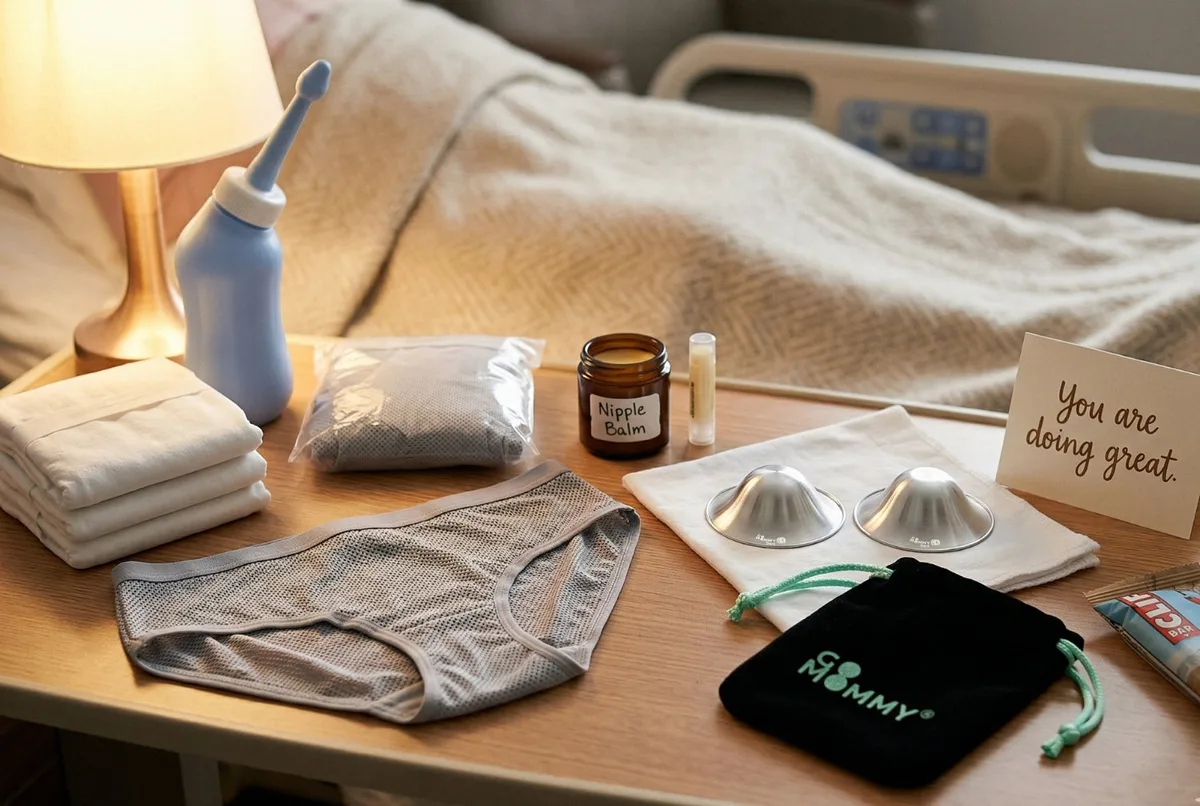
Image source: Web (Bing) / gomommyus.com (Web image (fair-use with source credit))
The Ten Questions Worth Asking
- What supplies are provided on the unit, and what goes home with me?
- Is there a patient fridge or microwave I can use?
- Does the room have a bed or recliner for my partner?
- What's the typical stay length for my delivery type?
- Can I pre-register online, and what paperwork should I bring?
- What are the parking garage and cafeteria hours?
- Is there a shower, and do I need my own towels?
- Can I bring my own breast pump, and are lactation consultants on site?
- What do you require before discharge, including car seat verification?
- Are there fragrance, food, or candle restrictions on the unit?
That last one matters more than it sounds. Open flames and plug-in diffusers are banned on most maternity units, so leave the essential oil kit at home.
What's Usually Free and What Never Is
| Item | Typically provided by US hospitals |
|---|---|
| Overnight pads, mesh underwear, peri bottle, ice packs | Yes |
| Newborn diapers, wipes, formula | Yes |
| Towels, slippers, toiletries, chargers, snacks | No |
| Nursing pillow, pump, going-home outfits | No |
If you're in the UK, assume less. Many NHS trusts ask you to bring your own towels and maternity pads, and supply levels change between the ward and the delivery suite. One call to your trust settles it in five minutes.
The same call pins down stay length, which changes your snack count. A six-hour birth center stay needs one meal's worth of food. A five-day NICU stretch needs a restock plan and someone to run laundry, which ties into the traditional postpartum rest window many families plan around.
The 36-Week Rule: When to Pack, Who to Pre-Register, What to Stage by the Door
Week 36 is the line most providers draw, and the data backs it. Around 1 in 10 US births arrive before 37 weeks, per CDC preterm birth tracking. Packing at 39 weeks is a gamble with your ride to the hospital.
The Eight-Step Run-Up
- Call the unit at 28 to 32 weeks. Write down what they provide.
- Draft the master list. Split it into labor, postpartum, going home, partner, and baby.
- Buy only the gaps. Subtract everything the facility supplies.
- Pack at 36 weeks. Zip it, then leave it somewhere you can grab fast.
- Build the grab pouch. One zippered pocket for documents, cash, and chargers.
- Install and inspect the car seat. Do it now, not on discharge day.
- Pre-register with the hospital. Done online, this means you skip the front desk.
- Write the caregiver plan. Toddler, pets, house sitter, and printed phone numbers.
The Grab Pouch: Seven Items in One Zippered Pocket
- Photo ID and insurance card
- Pre-registration confirmation
- One-page birth plan copy for the nurse
- Written medication and allergy list
- Phone charger and battery pack
- $20 to $40 in small bills for parking and vending
- Lip balm, hair ties, glasses
Keep this pouch in the same spot every time. It's the one thing you can't improvise at 3 a.m.
What Staging by the Door Actually Looks Like
The bag belongs by the door or already in the trunk, not in a closet behind winter coats. Your partner's bag goes with it. The baby's bag gets labeled in big letters so a nurse or relative can find the going-home outfit without unpacking yours.
Anything still on your shopping list, from a wrap to a sound machine, lives with the nursery setup rather than the labor bag. Packing a bouncer for a two-night stay just means hauling it home again.
Branch 1: Hospital Vaginal Birth and the Full Pack
This is the default branch, and it's the one where overpacking does the most damage. The logic is simple: a small pouch for labor, a bigger pouch for recovery, and a labeled bag for the baby.
The Labor-Room Pouch
- Lip balm and hair ties, because unit air is dry and your hair won't cooperate
- 10-foot phone charger and a portable battery
- Non-slip socks and a pair of flip-flops for the shower
- Electrolyte drink, hard candy, and clear snacks your provider approves
- A small speaker or headphones for your playlist
- Massage tool or tennis balls for back labor
- Your own pillow in a bright, unmistakable case
- A printed copy of your birth plan, one page, not a binder
Keep this pouch small on purpose. You may switch rooms during induction, and every extra item is something to carry while contracting.
The pillow is the item people thank themselves for most. Hospital pillows are thin and wrapped in plastic. If you sleep badly on your side, a small supportive pillow for your hips earns the space in the bag.
The Postpartum Pouch
- Three to five pairs of high-waisted underwear, or disposable briefs
- One pack of overnight maxi pads, plus whatever the hospital supplies
- An angled peri bottle, which is easier to use than the straight unit version
- Nipple balm and a front-closure nursing bra, one size up
- Loose dress or high-waisted leggings for going home
- Travel toiletries, dry shampoo, and a toothbrush
- Eye mask and earplugs for a shared room
- Sitz bath salts, only if your provider signs off
| Labor pouch | Postpartum pouch |
|---|---|
| Charger, snacks, lip balm, socks | Pads, underwear, peri bottle, nipple balm |
| Small enough for a bedside table | Stays zipped until after delivery |
| Packed for one hand | Packed for a partner to fetch |
The item nobody warns you about is clothing. Your body still looks about six months pregnant on discharge day. Pre-pregnancy jeans won't close, and a waistband sitting on a healing perineum is its own small tragedy.
Bring the loose dress.
Baby's Two-Outfit Rule
Pack two outfits, one in newborn size and one in 0 to 3 months. Newborn sizing runs small, and an 8-pound baby often skips it entirely. Add a hat, socks, a swaddle, and a going-home blanket.
Skip the wardrobe. The unit supplies diapers, wipes, and shirts, and you'll be changing the outfit every few hours anyway. Toss in a gentler wipe option if your baby has sensitive skin, since unit wipes aren't always the softest.
What to Leave at Home
- Jewelry, laptops, and extra cash
- Anything heavily scented, including lotions and diffusers
- Candles and open-flame items, which most units ban outright
- Castor oil, herbal labor cocktails, and home cervical ripening kits, all unregulated and none worth the risk
- Duplicates of anything the unit stocks
Per ACOG guidance on labor and delivery, companionship during labor and clear communication with your care team matter more than gear. If a product promises to speed labor, run it past your provider before it goes anywhere near the bag.
Get the pouches right and the rest of the branch is easy. The pack weighs under 25 pounds, you can carry it with one hand, and every category has its own zip.
Branch 2: What Changes for a Planned or Possible C-Section
A cesarean changes three things at once: what you wear, how long you stay, and how you move for the first 48 hours. Pack for it even if you're planning a vaginal birth. Unplanned cesareans happen, and the pouch you didn't pack is the one you'll want at 4 a.m.
Clothing That Clears the Incision
The single rule that matters: nothing sits on the incision. Your scar lands low, right about where a normal waistband rests. That's why pre-pregnancy leggings and jeans are a bad idea for the ride home.
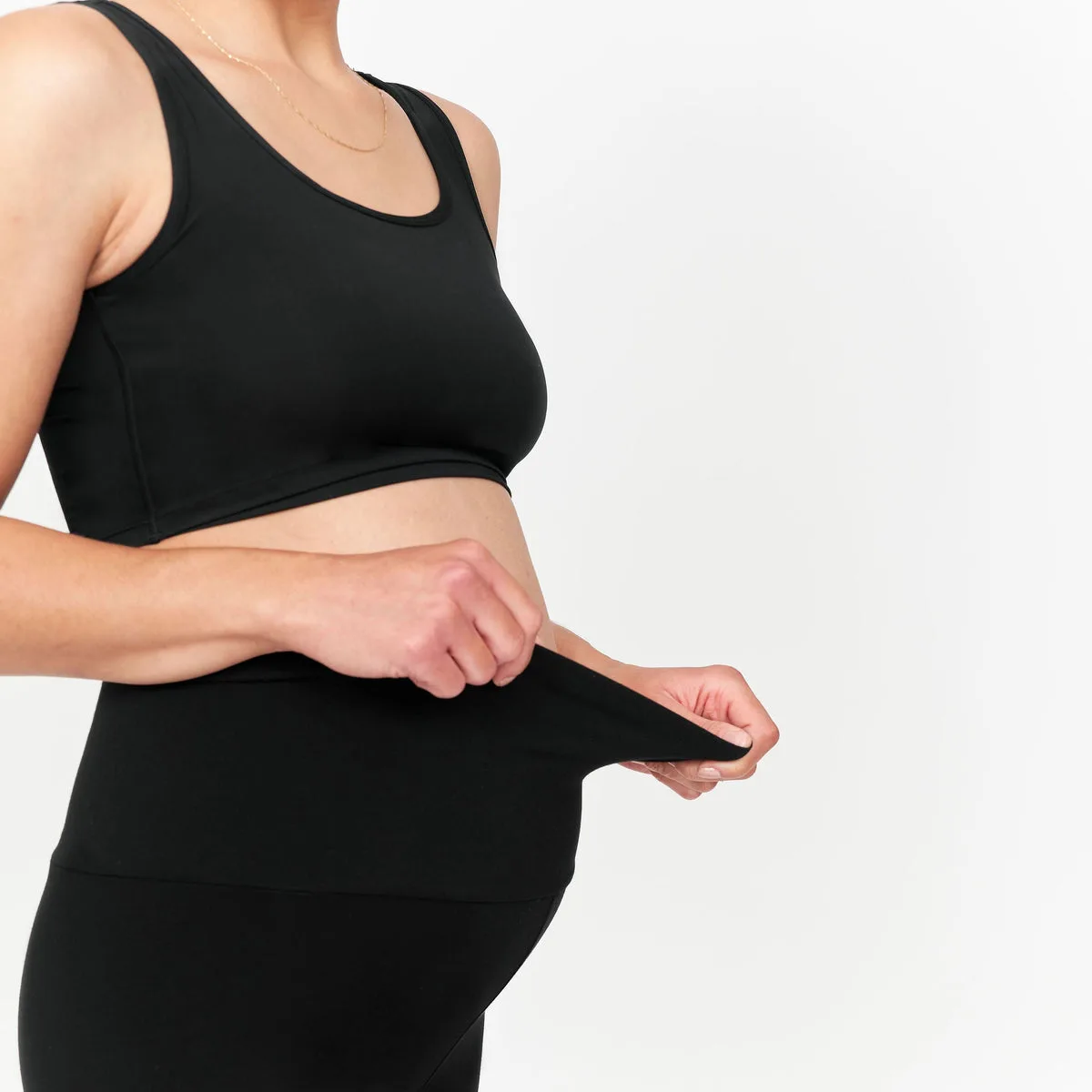
Image source: Web (Bing) / euromallusa.com (Web image (fair-use with source credit))
- Loose dress or a nightgown that falls below the hip
- High-waisted maternity leggings that pull up over the belly, not across the scar
- Underwear that rides high, one or two sizes up from normal
- Slip-on shoes, because bending to tie laces hurts for the first week
- A button-front or wrap top, easier to manage with an IV line in place
- A belly binder only if your provider approves one, since opinions differ
The comparison most people miss is underwear placement. Underwear that rests below the incision rubs and tugs. Underwear that comes up to the belly button stays clear.
| Item | Vaginal birth pack | Cesarean pack |
|---|---|---|
| Waistband | Anything soft, high or low | Must sit above the incision |
| Footwear | Flip-flops and socks | Slip-ons you can step into standing |
| Pillow use | Sleep comfort | Splinting the incision when you cough |
| Stay length | About 2 nights | 3 to 4 nights |
That extra pillow earns its space here. Coughing, laughing, or sitting up hurts less when you hug a pillow against the site. A firm nursing pillow does the same job during feeds, and a properly supportive cushion pulls double duty for the first week at home.
The Longer-Stay Math
Three to four nights changes your counts. Two nights means one refill of snacks and one charger. Four nights means restocking, laundry, and a partner who needs a real meal.
- Snacks: 12 to 16 one-handed items, not the 8 you packed for a short stay
- Chargers: two cables, because the second one always dies first
- Pads: two packs of overnight maxis
- Clothing: two loose outfits, since one will get soiled
- Cash: $40 or more for parking across several days
- Help: a named person who can run laundry and bring food
Catheter removal usually happens within 12 to 24 hours, and early walking is the standard advice for gas pain and circulation. That's why slip-on shoes and a short walk down the hall beat any gadget in the bag.
Ask the unit whether they stock compression stockings or an abdominal binder. Many do, and buying your own duplicates the free one. If your provider wants a specific binder, confirm the size before week 36.
Branch 3: Birth Center and Home Birth, Fewer Supplies and a Different Bag Entirely
Freestanding birth centers and home births flip the supply math. You bring more of the everyday stuff, and the clinical kit comes from your midwife. The bag gets lighter in one way and heavier in another.
What Changes at a Birth Center
Stays run 6 to 24 hours, often closer to 12. You'll want food, your own pads, towels, and a change of clothes, but not four days of snacks. Confirm whether the center provides linens or expects you to bring them.
- Two packs of maternity pads, since supplies are thinner than a hospital's
- One to two towels and a washcloth
- Your own labor snacks and a real meal for after
- Loose going-home clothes and slip-on shoes
- Baby outfit, hat, blanket, and an installed car seat
- A phone charger and a printed contact list
The shorter stay also means discharge paperwork happens fast. Pre-register if the center allows it, and keep ID plus insurance in the grab pouch.
What a Home Birth Bag Really Is
At home, your midwife brings the clinical supplies. Your bag is a transfer bag, packed as if you might be admitted to a hospital with almost no notice. Because sometimes you will be.
- A hospital-ready pouch: ID, insurance, records, chargers, cash
- One outfit for you and one for the baby, plus a blanket
- Pads, underwear, and toiletries for a 24-hour hospital stay
- A printed route to the nearest hospital with a labor and delivery unit
- The on-call midwife number and your provider's backup number
- A phone charger already in the car
For the house itself, keep a separate stash: waterproof mattress protection, old towels, trash bags, ice packs, and easy food for a long labor. None of that goes in the transfer bag. It stays within reach at home.
The Transfer Trigger List
Have a written list of reasons your midwife would transfer care. Prolonged labor, fetal heart rate concerns, heavy bleeding, and blood pressure changes are common ones. Packing for transfer isn't pessimism.
It's the same logic as a hospital bag packed for an unplanned cesarean.
If you're planning a home birth with a wrap or carrier ready for later, keep that gear in the nursery, not the transfer bag. A light summer-friendly carrier is for week two at the park, not for the ride to the hospital.
Branch 4: The NICU Curveball and What to Add
A NICU stay rewrites the whole list. Stays can run days to weeks, and your bag shifts from delivery gear to a daily commuter kit. The fix is two bags instead of one.
The Daily Carry Bag
- Pump parts, flanges in your size, and a cooler bag with ice packs
- Milk storage bags and a permanent marker for labeling
- Button-front tops for pumping access
- Hand cream, because you'll wash your hands constantly
- A notebook for rounds, questions, and weight updates
- Snacks and a refillable water bottle
- Phone charger and a small photo of your baby for your own morale
Flange sizing matters more than people expect. Manufacturer sizing guides put most new mothers between 21mm and 27mm, and a badly fitted flange hurts output and comfort. Check the sizing guide before week 36 so you aren't guessing during a NICU stretch.
What to Leave at Home
Skip the wardrobe of baby outfits. Most NICUs supply diapers and bedding and ask you to limit belongings to a small labeled bin. Leave the travel system, the swing, and the fancy going-home set until discharge is close.
That's also where the bigger nursery purchases wait. A portable sleep setup or a soothing rocker has no place in a hospital room with limited bedside space.
The Restock Plan
A five-day stay needs real logistics, not a bigger bag. Name one person who handles laundry and food runs. Keep a second set of pump parts at home so nothing is hand-washed in a hospital bathroom at midnight.
Expect some weight loss in the baby, up to 7 to 10 percent in the first days, and know that jaundice lights can add a day or two. That's the branch that turns a two-night pack into a week.
The Non-Negotiables: ID, Insurance Card, Car Seat, and the One Grab Pouch
Six items carry no compromise. Forget the going-home outfit and someone will lend you a shirt. Forget the car seat and you don't leave the building.

Image source: Web (Bing) / stablediffusionweb.com (Web image (fair-use with source credit))
- Photo ID
- Insurance card and pre-registration confirmation
- A written medication and allergy list
- Charger and battery pack
- Cash in small bills
- Installed car seat
The Car Seat Check You Can't Skip
Hospitals in the US generally won't discharge a newborn without seeing an appropriate seat. Get it installed and inspected by week 36, not the day you're leaving.
NHTSA maintains a locator for certified child passenger safety technicians, and many fire departments and hospitals offer free checks. Manufacturer manuals confirm rear-facing limits by weight and height, and aftermarket inserts are usually prohibited unless the seat maker allows them.
- Install the base or seat in the back seat, never the front
- Check the manual for the recline angle and the level indicator
- Confirm the chest clip sits at armpit level and the harness is snug
- Test the install: no more than one inch of movement at the belt path
- Keep the manual in the glove box for discharge day
If you're being induced and the seat is still in its box in the garage, that's a solvable problem today and a stressful one next week. Handle it early.
Why the Grab Pouch Beats a Folder
Documents get lost in a duffel. A single zippered pouch, always in the same spot, means your partner can hand over the paperwork without unpacking anything. Label it with tape and a marker.
For families planning a baby monitor from day one, that setup gets mounted before week 38 rather than packed. Coverage through walls is its own project, and getting a signal through masonry is easier to solve before the baby arrives than after.
One Bag or Three? Mom, Partner, and Baby Sold Separately
Three labeled bags win for most families. One shared duffel seems tidier, right up until a nurse asks for the baby's outfit and your partner has to unzip your underwear to find it.
| Bag | Weight target | Non-negotiables |
|---|---|---|
| Mom | Under 25 lb | ID, pads, loose clothes, toiletries, chargers |
| Partner | Under 10 lb | Snacks, charger, change of clothes, cash, pillow |
| Baby | Under 5 lb | Two outfits, hat, blanket, swaddle, car seat cover |
The partner bag is the one people forget entirely. Someone supporting you through a 20-hour induction needs food, caffeine, a phone charger, and a sweater for a cold unit. Hunger and a dead phone are how support people fade at hour 18.
- Partner: two changes of clothes, toiletries, snacks for 24 hours, own pillow, cash, slides for the room
- Baby: newborn outfit, 0 to 3 month outfit, hat, socks, swaddle, blanket, diapers only if the unit doesn't stock them
- Mom: the labor pouch, the postpartum pouch, and the going-home set, kept separate
When One Bag Actually Works
One bag works for a short birth center stay or a home birth transfer pack. It also works if you're delivering alone with a doula and no partner staying overnight. In those cases, compress to a single weekender with clearly labeled inner pouches.
If you're flying or driving far to deliver, ship a box ahead to a family member near the hospital. Airlines have their own rules for car seats, and a checked seat can arrive damaged. Carry the seat or ship it, never gamble with it.
Labeling That Survives a 3 A.M. Handoff
- Tape a strip of masking tape to each bag with a first name and contents
- Use three different colors for mom, partner, and baby
- Put the grab pouch in the mom bag's top pocket
- Take a photo of the packed layout on your phone, so anyone can repack it
Keep the car seat base installed and the seat itself covered, since hospital rooms and garages both collect dust and the seat fabric shows it fast. A quick wipe-down and a gentle fabric routine keeps both car seat and stroller presentable through the first month of appointments.
Mistakes That Cost You at 2 A.M.
Most bag failures aren't dramatic. They're small, annoying, and they land at the worst possible hour. Here are the ones that show up again and again, with the fix that takes ten minutes.
Too Heavy
A 35-pound bag is a bag you can't manage alone. In early labor, walking a long hallway, you'll hand it off or abandon it.
Fix: weigh it on a bathroom scale before you zip it. Under 25 pounds for yours, under 10 for your partner's.
Too Late
Packing at 39 weeks assumes your baby follows the average. Roughly 1 in 10 US births arrive before 37 weeks, per CDC data on preterm birth.
Fix: pack at 36 weeks and leave it by the door. Restock snacks at 39 weeks instead of starting from scratch.
Too Tight
Pre-pregnancy jeans on discharge day don't close. A waistband resting on a healing perineum or a fresh incision hurts in a way nobody warns you about.
Fix: pack the loose dress. Bring high-waisted leggings for a cesarean, and slip-on shoes for either path.
Too Smelly
Scented lotions, strong snacks, and diffusers in a shared room make someone else miserable fast. Some units restrict fragrance outright.
Fix: unscented toiletries, mild snacks, and nothing that burns or plugs in.
Too Buried
A duffel with no dividers means every request becomes a search. A nurse asks for the baby's hat and your partner unzips four pouches to find it.
Fix: three labeled bags, or three clearly taped pouches inside one.
Too Much of the Free Stuff
Mesh underwear, pads, peri bottles, and newborn diapers usually come from the unit. Bringing your own duplicates a supply you're already paying for.
Fix: ask the unit at 28 to 32 weeks, then buy only the gaps.
| Mistake | What it costs you | The ten-minute fix |
|---|---|---|
| Too heavy | Can't carry it through contractions | Weigh it, cut duplicates |
| Too late | Scramble at 37 weeks | Pack at week 36 |
| Too tight | Painful ride home | Loose dress, slip-ons |
| Too smelly | Roommate friction | Unscented everything |
| Too buried | Slower handoffs | Three labeled bags |
| Too much free stuff | Wasted money, bulk | Call the unit early |
The Forgotten Bag
The partner bag is the most common casualty. Someone packs 40 items for mom and nothing for the person who'll be awake for 30 hours.
Fix: two changes of clothes, snacks for a full day, a charger, cash, a sweater, and their own pillow.
The Unlabeled Baby Bag
Nursery staff sometimes need items from your bag while you're asleep. An unlabeled bag means they ask your partner, who's also asleep.
Fix: first name on tape, contents listed on the outside. Two outfits, clearly separated by size.
The Empty Snack Supply
Cafeterias close. Vending machines take small bills. If you deliver at 2 a.m., you're eating whatever's in the bag.
Fix: 8 to 12 one-handed items per person for a 24-hour stay, plus a refillable bottle and electrolyte packets.
Safety, Paperwork, and the Discharge Rules That Catch People Out
Gear is optional. Paperwork is not. This is the part where a missing document can slow decisions you care about.
What Documents Belong in the Bag
- Photo ID and insurance card
- Pre-registration confirmation if the hospital offers it online
- A written medication and allergy list
- A one-page birth plan copy for the nurse, not a binder
- Prior operative report if you're attempting a VBAC
- Group B strep (GBS) test result if you know it
- Cord blood banking or donation paperwork, if you're using it
- Emergency contacts and your caregiver plan for pets or older kids
GBS status changes your IV antibiotic plan during labor, so having the result written down speeds things up if you arrive unregistered. Ask your provider for the result around week 36 and stick it in the grab pouch.
Medication and Allergy Lists
Verbal recall during contractions is unreliable. A written list removes the guesswork for the admitting nurse and the anesthesiologist.
Bring prescription medications in their original containers and tell the nurse what you take. Hospital pharmacy rules vary, so don't assume they can refill something on short notice.
Cord Blood and Delayed Clamping
These two decisions interact. Delayed clamping changes the volume available for collection. Decide before labor and put the paperwork in the bag, since collection kits usually need to be on hand at delivery.
State rules and bank requirements differ. Confirm what your bank needs from you ahead of time, and don't leave the kit in the car.
Food and Drink During Labor
Most units restrict solid food during active labor and allow clear liquids. Don't pack a sandwich for active labor without clearing it with your provider first.
If you're having a planned cesarean, expect fasting instructions for a set number of hours before surgery. Label snacks by person so nobody eats your partner's food at hour 12.
Induction Products to Leave Out of the Bag
Castor oil, herbal "labor cocktails," and home cervical ripening kits are unregulated and carry real risk. They don't belong in a bag headed to a hospital.
Run anything that claims to start labor past your provider. Per ACOG guidance, the decision belongs with your care team, not a checklist.
Valuables and Money
Leave jewelry, laptops, and large amounts of cash at home. Shared rooms mean shared foot traffic, and a bag on the floor is easy to step over and easy to misplace.
Bring $20 to $40 in small bills for parking and vending. Keep it in the grab pouch, not loose in a pocket.
The Home Birth Transfer Plan
If you're planning a home birth, have the hospital route printed, the on-call numbers posted, and a packed transfer bag ready. Cell service gaps in rural areas make a printed route more useful than a maps app.
Safe Sleep on Night One
The discharge conversation will cover safe sleep. Per AAP safe sleep guidance, that means a firm flat surface, no loose bedding, and room-sharing without bed-sharing.
You don't need to pack a crib for the hospital. You do need a safe sleep space set up at home before you leave, and that's a week-36 task, not a day-one task.
Seasonal and Location Tweaks: Winter, Summer, Rural Hospitals, Shared Rooms
The same 20 items behave differently in January in Minnesota and July in Phoenix. Small adjustments keep the bag useful instead of generic.
| Condition | Add | Skip |
|---|---|---|
| Winter birth | Warm blanket, hat for baby, boots for discharge | Thin summer sleep sack |
| Summer birth | Electrolyte packets, light layers, car sunshade | Heavy fleece clothing |
| Rural hospital | Extra snacks, printed route, full tank of gas | Relying on delivery apps |
| Shared room | Eye mask, earplugs, headphones | Scented items |
| NHS hospital (UK) | Own towels and maternity pads | Assuming free supplies |
Cold-Weather Adjustments
Hospital rooms run cool, and parking garages do too at 4 a.m. Add a warm layer for your partner, a hat and blanket for the baby, and boots you can step into without bending.
Cars get cold fast. A car seat cover that lifts open, rather than one that threads behind the harness, saves a fight in a dark parking lot.
Warm-Weather Adjustments
Swelling is worse in heat, so slip-on shoes matter more, not less. Bring electrolyte packets, a refillable bottle, and lighter clothing for both of you.
A sunshade for the car window is a small thing that makes the first ride home less brutal. Keep it in the car, not the bag.
Rural and Long-Drive Births
If the hospital is more than 45 minutes away, add a second snack round and a printed route. Have a full tank of gas by week 37. Ask whether the facility has a higher-level NICU, since that decides where you deliver in the first place.
Delivery apps don't reach every address. A cooler with a few real meals beats a hopeful search bar at midnight.
Shared Rooms and Unit Etiquette
Shared rooms mean headphones, an eye mask, and earplugs earn their space. Fragrance-free toiletries stop being a preference the moment someone else's baby is crying eight feet away.
Some units restrict food smells, candles, and plug-in diffusers. Ask during your 28-to-32-week call rather than discovering it at check-in.
UK and US Differences Worth Knowing
Many NHS trusts expect you to bring your own towels and maternity pads, and supply levels vary by ward. US hospitals tend to hand over more unit stock.
Either way, one call settles it. Five minutes on the phone beats hauling duplicates across a hospital corridor.
Traveling to Deliver
If you're flying or driving a long distance, ship a box ahead to someone near the hospital. Check airline baggage rules for car seats, and carry the seat rather than checking it if you can.
Pack a small day bag separately from the main bag. That way you can carry one bag into triage while everything else waits in the car.
The Night-Of Workflow: From First Contraction to the Ride Home
Having a bag is half of it. Knowing the order of operations on the night is the other half, especially at 2 a.m. when nobody's thinking clearly.
Before You Leave the House
- Time contractions and note the pattern
- Call your provider or the on-call line as soon as you hit the threshold they gave you
- Grab the bag and the grab pouch, not just one of them
- Check the car seat is installed and the base is locked
- Put a towel on the car seat if your water has broken
- Set the house in order: pets, lights, trash, doors
If your water breaks before contractions start, call anyway. Timing instructions differ, and a provider's guidance beats a general rule.
Arrival and Check-In
Pre-registration means walking past the front desk rather than filling out forms in a hallway. Have the grab pouch in your hand, not buried in the bag.
If you're transferring from a home birth or birth center, hand over your records and medication list first. Clinical staff need your history before your gear.
Setting Up the Room
Your partner has one job: make the room usable in ten minutes.
- Plug in the long charger at the bed
- Put the snack pouch and water within reach
- Swap the hospital pillow for yours
- Set out toiletries in the bathroom
- Keep the baby bag closed and labeled until it's needed
If the room is shared, put headphones on the bedside table and skip the music player for now.
During Labor
Use the labor pouch and nothing else. Everything postpartum stays zipped until after delivery. That's the whole reason for the split.
If you're being induced, expect a long early phase. That's when snacks, chargers, and entertainment matter most, and when an overpacked bag becomes a problem you have to step around.
After Delivery and Discharge Day
Once you're moved to a postpartum room, open the recovery pouch. Pads, peri bottle, nipple balm, and loose clothing come out together.
Discharge has its own checklist. Confirm the car seat, settle the paperwork, get the birth certificate worksheet if your state requires one at the hospital, and collect the supplies the unit sends home.
Ask about the follow-up appointment before you leave the room. Pediatric visits in the first week are standard, so have a diaper bag staged at home and ready to go. A spare outfit, wipes, and a gentle wash for the first bath cover the first few appointments.
The Ride Home
Keep the drive short and quiet. The baby's first car seat ride is also your first ride while recovering, so pick a route without potholes if you can.
Set the car temperature before the baby goes in. A cold seat on a January night makes a newborn miserable, and a hot one in July is worse.
The First Two Weeks After
Restock the bag as you use it. Pads, snacks, and chargers get depleted in the first days, and a return trip for jaundice checks or a readmission happens for some families.
Keep the bag packed for at least two weeks. It's a small hedge that costs nothing.
Frequently Asked Questions
When should I pack my hospital bag?
Pack it at 36 weeks. Roughly 1 in 10 US babies arrive before 37 weeks, so waiting until 39 leaves you scrambling. Pack, zip, and stage it by the door, then restock snack items at 39 weeks so nothing is stale.
What does the hospital actually provide for mom and baby?
Most US hospitals supply overnight pads, mesh underwear, a peri bottle, ice packs, newborn diapers, wipes, and formula. They usually don't provide toiletries, towels, slippers, chargers, snacks, or a nursing pillow. Call your unit at 28 to 32 weeks to confirm what your facility stocks.
Do I need to bring my own breast pump?
Usually not for the first 48 hours. Hospital-grade pumps are stronger for establishing supply early on. Bring your own for flange sizing and comfort, plus storage bags, a cooler bag, and spare parts if you're facing a NICU stay.
What's the most commonly forgotten item?
The partner's bag. Support people often pack nothing and end up hungry, cold, and out of charge at hour 20. Pack a separate bag with snacks, a charger, a change of clothes, cash, and a pillow.
How long does a hospital stay last after birth?
About two nights after a vaginal birth and three to four after a cesarean in the US. Birth center stays often run 6 to 24 hours. A NICU stay or jaundice treatment can extend things by days, so pack a restock plan.
Is a nursing bra or a pumping bra better to pack?
A combo bra covers both situations with one item. Choose a front-closure design with no underwire, one size up from your third-trimester size. Bring two, since one will get soiled during a longer stay or a pumping stretch.

Taslima Khanam Sultana, a loving mom of three, founded BestBabyCart.com to help new parents navigate the world of baby products with ease. Her passion for making parenting simpler shines through delivering honest, unbiased reviews on must-haves like diapers, strollers, and feeding gear. Taslima’s mission is to empower families with expert tips, ensuring every product is safe and top-quality for your little one. Drawing from her own parenting journey, she’s dedicated to supporting yours!