
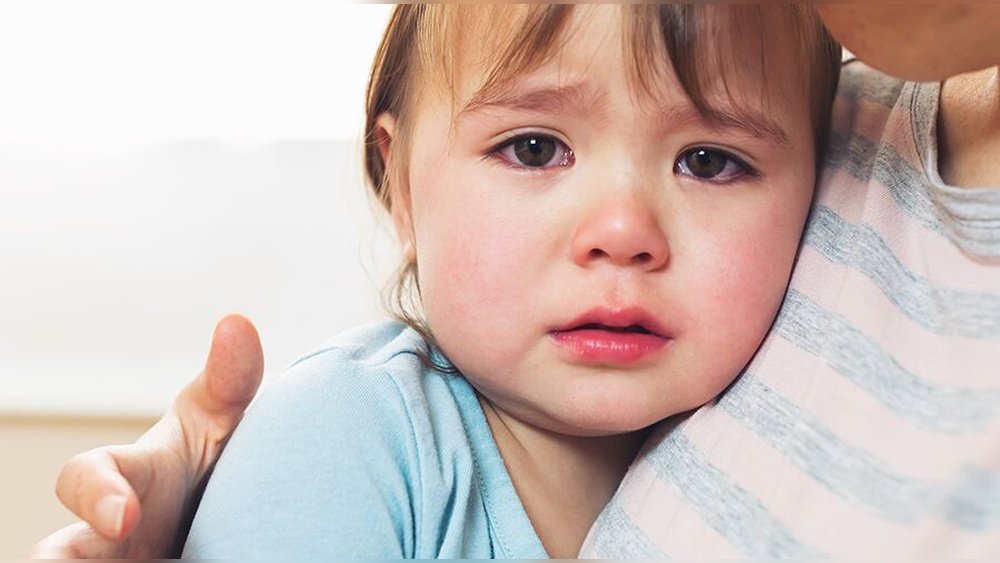
If your baby bumps their head on the crib, it’s natural to worry. You might wonder, “Could this cause a concussion?” As a parent or caregiver, your first thought is your little one’s safety.
Understanding when a head injury is serious can help you stay calm and act quickly if needed. You’ll learn what signs to watch for and when to seek medical help. Keep reading to protect your baby and ease your mind.
Causes Of Head Injuries In Babies
Babies explore their world by moving their heads and bodies. This natural curiosity sometimes leads to bumps and falls. Head injuries in babies happen because their skulls are still soft and developing. Even small hits can cause pain or swelling. Knowing what causes these injuries helps parents keep babies safe.
Common Household Risks
Babies face many risks at home. Sharp corners on furniture can cause bumps. Hard floors make falls painful. Toys left on the floor create tripping hazards. Doors closing suddenly might hit a baby’s head. Babies learn to crawl and walk but are not steady yet. This increases the chance of hitting their heads on objects.
Crib-related Impacts
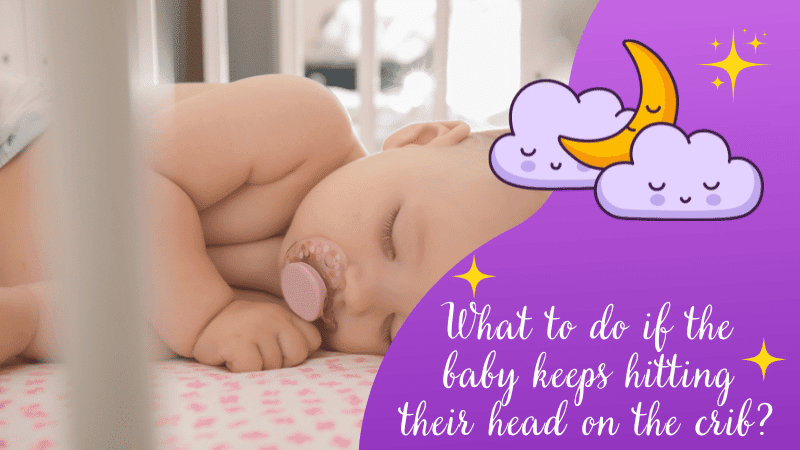
Cribs are usually safe but can cause head injuries. Babies often bump their heads on crib rails or corners. Some cribs have hard edges or bars. Babies may hit their heads while trying to stand. Falling inside or trying to climb out can lead to impacts. Proper crib padding and supervision reduce these risks.
What Is A Concussion In Infants?
A concussion in infants happens when the brain moves inside the skull after a sudden impact. Babies have soft and delicate heads. Their brains are still developing. Even a small hit can cause a concussion. It is important to understand what this injury means for your baby’s health.
Concussions can affect how the brain works for a while. It may cause changes in behavior, sleep, or feeding. Knowing what signs to watch for helps parents act quickly. Early care can support better recovery for the baby.
Signs And Symptoms
Babies cannot tell us how they feel. Parents must watch for unusual signs. Crying more than usual can be a sign. Trouble sleeping or sleeping too much also matters. Look for vomiting or feeding problems. If the baby seems very sleepy or hard to wake, this is serious. Even a slight change in movement or balance can signal a concussion.
How It Differs From Older Children
Infants cannot say they have a headache. Their symptoms are less clear than older kids. Older children may complain of dizziness or confusion. Babies show signs through their behavior and actions. Their brains are more fragile and still growing. This makes concussions more concerning in babies. Caregivers must be extra careful and watchful after any head hit.
When To Seek Medical Help
Knowing when to seek medical help is important after a baby hits their head on the crib. Babies have soft skulls and are more vulnerable to injuries. Some bumps are harmless, but others may need urgent care. Watch closely for changes in behavior or physical signs that suggest more serious harm. Acting fast can prevent complications and ensure your baby’s safety.
Warning Signs To Watch For
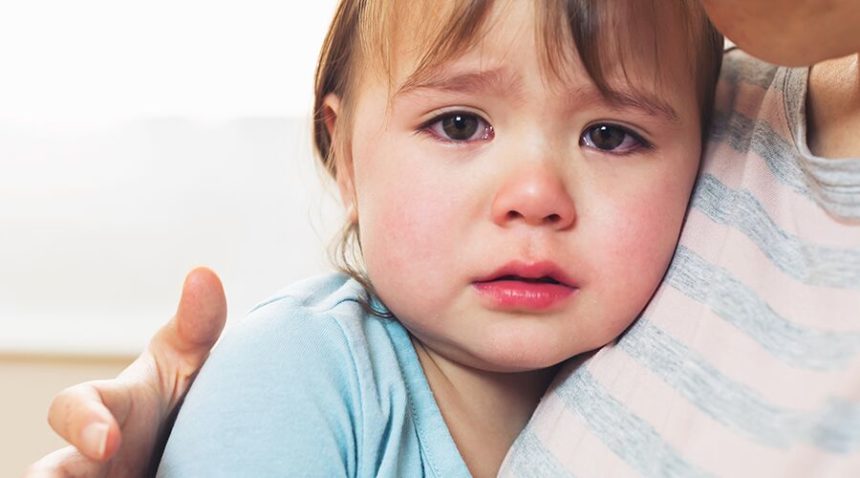
Look for unusual sleepiness or difficulty waking your baby. Crying that won’t stop or sounds different is a red flag. Vomiting more than once after a bump means you should call a doctor. Notice if your baby loses balance or has trouble moving arms or legs. Watch for clear fluid or blood coming from the nose or ears. Swelling or a soft spot on the head may also signal a problem. Any sudden change in alertness or behavior needs prompt attention.
Emergency Situations
Call emergency services if your baby stops breathing or turns blue. If your baby is unconscious for more than a few seconds, seek help immediately. Seizures or convulsions require urgent medical care. If your baby cannot move their limbs or shows weakness, go to the emergency room. Severe bleeding that does not stop is an emergency. Any serious fall or head injury that causes your baby to be unresponsive needs quick action.
Credit: healthtalk.unchealthcare.org
Preventing Head Injuries In The Crib
Preventing head injuries in the crib is very important for baby safety. Babies often move a lot and can bump their heads on crib parts. Taking steps to reduce risks helps keep babies safe and calm. Simple actions can make a big difference in preventing injuries.
Safe Crib Design Tips
Choose a crib with smooth, rounded edges. Avoid cribs with sharp corners or loose parts. Make sure the crib slats are close together. This prevents the baby’s head from getting stuck. Use a firm mattress that fits the crib well. Remove pillows, bumpers, and toys from the crib. They can cause accidents or suffocation. Check the crib regularly for any damage or loose screws. Fix problems immediately to keep the crib safe.
Supervision And Environment
Always watch the baby while they are in the crib. Babies can move quickly and hit their heads. Keep the crib in a quiet, calm room. Avoid placing the crib near windows or furniture the baby can reach. Clear the area around the crib to stop the baby from pulling items inside. Use a baby monitor for extra supervision when you are not in the same room. This helps you respond quickly if the baby is upset or hurt.
Treatment And Recovery
Treatment and recovery are important after a baby hits their head on the crib. Quick action helps the baby heal safely. Parents must watch the baby closely and follow medical advice. Rest and care support the brain’s recovery. Some steps are needed at the hospital, while others happen at home. Understanding both parts helps parents feel ready and calm.
Medical Evaluation
Doctors check the baby’s condition to rule out serious injury. They look for symptoms like vomiting, sleepiness, or unusual behavior. Imaging tests may be done to see inside the head. The doctor decides if the baby needs special treatment. Sometimes, the baby stays for observation. Medical evaluation ensures the baby is safe and stable.
Home Care Strategies
At home, rest is the best medicine. Keep the baby calm and comfortable. Avoid loud noises and bright lights. Watch for any new symptoms like vomiting or trouble waking. Give plenty of fluids and easy meals. Follow the doctor’s instructions closely. Regular check-ups may be needed to track progress. Patience and care speed up recovery.
Credit: www.imperfecthomemaking.com
Long-term Effects Of Infant Concussions
Infant concussions can have effects that last beyond the first few days. The brain of a baby is still growing. Any injury may affect this important development. Parents should watch for signs that might show long-term issues.
Potential Developmental Concerns
Some infants may face delays in speech or motor skills. Learning problems might also appear as the child grows. Changes in behavior, such as irritability or trouble sleeping, could happen. These signs require attention and early help.
Follow-up Care
Regular check-ups with a doctor are important after a concussion. Doctors can track the baby’s growth and brain function. Therapy or special support might be needed. Early care improves the chance of a full recovery.

Credit: www.larosaflowershop.com
Frequently Asked Questions
Can Babies Get Concussions From Crib Head Injuries?
Yes, babies can get concussions if they hit their heads hard on the crib. Even minor falls may cause brain injury. Always monitor your baby closely after any head impact for signs of concussion.
What Are Concussion Symptoms In Babies After Crib Falls?
Symptoms include excessive crying, vomiting, sleepiness, irritability, and loss of balance. If your baby shows these signs, seek medical help immediately to ensure proper care.
How To Prevent Baby Head Injuries In Cribs?
Use crib bumpers and ensure the crib mattress is firm. Remove hard toys and keep the crib clear to reduce injury risks. Supervise your baby to prevent falls or bumps.
When Should I Call A Doctor After Crib Head Injury?
Call a doctor if your baby loses consciousness, vomits repeatedly, has seizures, or shows unusual behavior. Early medical evaluation is crucial to rule out serious brain injury.
Conclusion
Babies can get a concussion from hitting their head on the crib. Watch your baby closely after any fall or bump. Signs like unusual sleepiness, vomiting, or crying need quick attention. Most minor hits do not cause serious harm, but safety matters.
Make sure the crib is safe and soft where possible. Keep calm and trust your instincts as a parent. Always talk to a doctor if you feel unsure. Protecting your baby’s head helps keep them healthy and happy. Small steps can prevent bigger problems later.

Emma Grace is a devoted mother and passionate content writer at BestBabyCart.com. With firsthand parenting experience and a love for research, she creates helpful guides and honest reviews to support parents in choosing the best for their babies. Her goal is to make parenthood easier, one article at a time.