
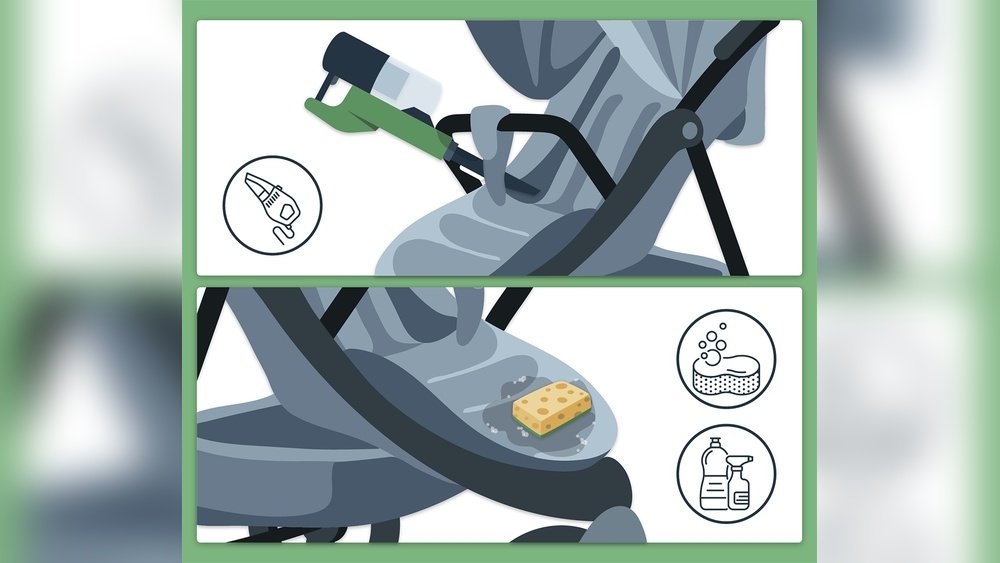
A stroller picks up more mess than almost any other baby gear: park mud, snack crumbs, spit-up, juice spills, and sunscreen smudges build up fast with regular use. Cleaning stroller fabric isn’t just about keeping it looking nice — it prevents bacteria and mold growth that can irritate your baby’s skin, stops embedded dirt from wearing down fabric fibers over time, and extends the life of a piece of gear that often costs $200 or more. With the right supplies and simple steps, you can refresh even the dirtiest stroller fabric in under an hour, no harsh chemicals required.
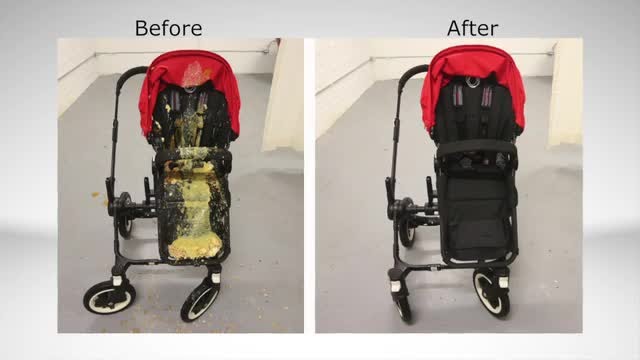 Credit: www.gnanlex.net
Spot cleaning fresh spills immediately prevents them from setting into fabric fibers.
Credit: www.gnanlex.net
Spot cleaning fresh spills immediately prevents them from setting into fabric fibers.
Why Regular Stroller Fabric Cleaning Is Worth the Effort
Many parents put off stroller cleaning until the fabric is visibly stained or smells musty, but routine maintenance has major benefits beyond aesthetics. Embedded dirt and crumbs act like sandpaper against fabric fibers over time, causing thinning, tears, and loss of the water-resistant coating that most modern stroller fabrics have. For babies with eczema or sensitive skin, bacteria from food spills or mold from trapped moisture can trigger irritation or allergic reactions. Regular cleaning also prevents musty odors from seeping into the stroller frame, which can be impossible to remove once set in.
Protect Your Baby’s Health
Strollers are used in high-traffic public spaces, on park grounds, and in restaurants, picking up pollen, dust mites, and bacteria along the way. For babies who chew on stroller straps or rest their faces against the seat fabric, these allergens and germs can cause skin rashes, respiratory irritation, or stomach bugs. A common mistake parents make is only cleaning the fabric when it looks dirty, but invisible grime builds up fast even on stain-free fabric.
Extend Your Stroller’s Lifespan
A high-quality stroller can last through multiple children if cared for properly, while a neglected one may need fabric replacement or full replacement after just a year of use. Regular cleaning prevents fabric degradation, and proper drying avoids mold that can rot seams and padding. In practice, parents who spot clean spills immediately and deep clean their stroller every 2-3 months report their stroller fabric stays like new for 3+ years of regular use.
Gather Your Supplies: Stroller-Safe Tools and Cleaners
Using the wrong products is the fastest way to damage stroller fabric: bleach fades colors, fabric softener clogs the breathable weave of mesh panels, and abrasive scrubbers tear delicate padding. Stick to these safe, effective supplies for all stroller fabric types.
Non-Toxic Cleaning Solutions
Opt for mild, hypoallergenic detergents labeled “baby-safe” or “gentle” — look for EPA Safer Choice certification to confirm they’re free of harsh chemicals that could irritate your baby’s skin. Avoid bleach, chlorine, and strong stain removers entirely, as these break down fabric fibers and can leave toxic residues. Fabric softener is also a no-go: it coats the water-resistant weave of most stroller fabrics, reducing their ability to repel spills and making them more prone to staining. For light stains and odors, a 1:1 mix of white vinegar and cool water works as a gentle, non-toxic pre-treatment. If you’re unsure about a product, test it on a small, hidden seam of the fabric first to check for color fading or damage.
Essential Tools
You don’t need fancy equipment to clean stroller fabric effectively. Gather these basics before you start:
- A soft-bristled brush (an old, clean child’s toothbrush works perfectly for scrubbing seams and tight spots)
- Microfiber cloths (lint-free for wiping and drying without leaving fuzz)
- A spray bottle for even application of cleaning solutions
- A delicate laundry bag for machine washing
- Clean, dry towels for blotting excess moisture
- A lint roller or dry soft brush for removing loose crumbs before wet cleaning
Prep Your Stroller for a Mess-Free Clean
Skipping prep work often leads to water damage to the stroller frame or missed stains in hard-to-reach spots. Follow these steps to set yourself up for success: First, brush off all loose crumbs, dirt, and dry debris with a lint roller or dry soft brush before introducing any water. This prevents you from turning dry messes into mud that spreads stains further. Next, remove all removable fabric parts: seat covers, canopy, padding, harness covers, and any fabric-lined cup holders or storage pockets. Keep small hardware like buckles and straps in a sealed plastic bag so you don’t lose them during cleaning. If you’re working with a compact fold model like the Uppababy Vista, you can simplify disassembly by following these safe stroller disassembly steps to avoid bending plastic or metal components.
Check Care Labels for Fabric-Specific Guidance
Every stroller fabric has a care label sewn into a hidden seam that outlines the manufacturer’s recommended cleaning method. Most modern stroller fabrics are hand-wash only to preserve their water-resistant coating, though some are rated for machine washing on a delicate cycle. If no care label is present, test any cleaning solution on a small, hidden area of the fabric first to check for colorfastness. Never use hot water on stroller fabric, as it can set stains and break down waterproof coatings over time.
Spot Cleaning: Fix Small Messes in 5 Minutes Flat
Spot cleaning is the fastest way to tackle fresh spills and minor stains without washing the entire stroller. The key is to act quickly: the longer a stain sits, the more it sets into fabric fibers, making removal far harder.
Treat Common Stains Without Rubbing
Always blot stains with a clean cloth rather than rubbing — rubbing pushes grime deeper into the fabric and spreads the stain to a wider area. Use these targeted tips for common stroller messes:
- Mud/dirt: Let mud dry completely, then brush off as much as possible with a dry soft brush. Dab remaining marks with a cloth dipped in cool water and a drop of mild detergent.
- Food/spit-up/juice: Mix 1 part mild detergent with 4 parts cool water, dab the stain with a cloth dipped in the solution, then blot with a clean, damp cloth to rinse.
- Berry/juice stains: Dab the area with undiluted white vinegar first to break down the pigment, then treat with the mild detergent solution above.
- Ink/sunscreen/oil-based stains: Dab with a cotton ball dipped in rubbing alcohol (test on a hidden seam first) before treating with detergent. Let any pre-treatment solution sit for no more than 10-15 minutes, then blot dry with a clean towel.
Safe Homemade Stain Solutions
You don’t need expensive specialty cleaners to remove most stroller stains. These homemade solutions are effective, affordable, and baby-safe:
- White vinegar solution: Mix equal parts white vinegar and cool water in a spray bottle, spray on light stains or musty odors, blot with a clean cloth. Vinegar breaks down dirt and neutralizes odors without leaving harsh residues.
- Baking soda paste: Mix equal parts baking soda and cool water to form a thick paste, apply to tough stains, let sit for 15 minutes, then wipe off with a damp cloth. Baking soda lifts grime and freshens fabric without damaging fibers. For heavy-duty stains, you can use a baby-safe fabric stain remover with EPA Safer Choice certification. For guidance on selecting non-toxic cleaning products safe for baby items, refer to CDC guidance on cleaning baby gear.
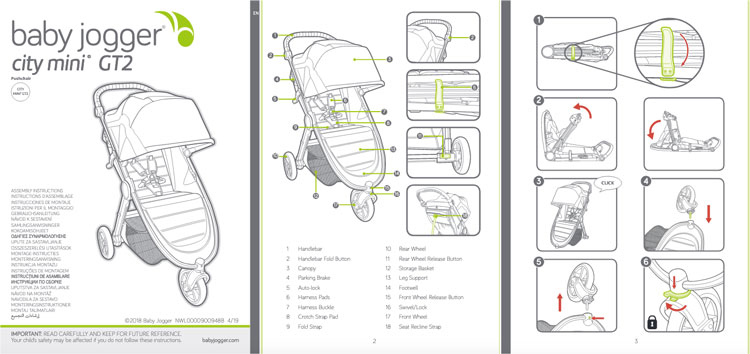 Credit: blog.babyquip.com
Always air dry stroller fabric completely in a shaded, well-ventilated area to avoid color fading and mold growth.
Credit: blog.babyquip.com
Always air dry stroller fabric completely in a shaded, well-ventilated area to avoid color fading and mold growth.
Deep Cleaning Methods for Thorough Refresh
Spot cleaning works for everyday messes, but deep cleaning every 2-3 months removes embedded dirt, bacteria, and set-in stains that regular wiping can’t reach. Choose the method that matches your stroller’s care label.
Hand Washing for Delicate or Non-Machine-Washable Fabric
Hand washing is the safest option for most stroller fabrics, as it preserves the water-resistant coating and prevents damage to delicate padding:
- Fill a clean basin or bathtub with lukewarm cool water (never hot) and add a small amount of mild, baby-safe detergent.
- Submerge the removable fabric parts, gently agitate with your hands to loosen dirt, and use a soft-bristled brush to scrub any set-in stains.
- Rinse the fabric thoroughly under cool running water to remove all soap residue — leftover detergent can attract dirt and irritate baby skin.
- Squeeze out excess water gently (never wring or twist the fabric, as this damages fibers and breaks down waterproof coatings).
- Lay the fabric flat on a clean, dry towel, roll the towel up to absorb more moisture, then hang the fabric to air dry in a shaded, well-ventilated area.
Machine Washing Tips for Safe, Effective Results
If your stroller’s care label approves machine washing, follow these steps to avoid damage:
- Place all removable fabric parts in a delicate laundry bag to prevent snags and tears.
- Wash on the cold gentle cycle only, with a small amount of mild, baby-safe detergent. Never use bleach or fabric softener.
- Wash fabric parts alone or with other delicate items — avoid heavy jeans, towels, or items with zippers that can tear or snag the stroller fabric.
- Skip the dryer entirely: high heat shrinks fabric, melts seams, and breaks down waterproof coatings. Air dry fully before reassembling the stroller.
Drying and Long-Term Fabric Care
Proper drying is the most important step in preventing mold, mildew, and fabric damage. Trapped moisture creates the perfect environment for mold growth, which can trigger respiratory issues in babies; the EPA recommends ensuring all fabric is completely dry before storage to avoid this risk EPA mold prevention guidance.
Proper Drying to Avoid Mold and Fading
Air dry all stroller fabric in a shaded, well-ventilated area — direct sunlight fades dark colors and weakens fabric fibers over time. Drying time varies by humidity, but most stroller fabric takes 24-48 hours to dry completely. Check all seams, padding layers, and the underside of the canopy to make sure no damp spots remain before reassembling the stroller or putting it into storage. If you notice a musty smell after drying, hang the fabric in direct sunlight for a few hours to kill any remaining mold spores.
Prevent Future Stains and Wear
A little routine maintenance keeps stroller fabric looking new for years:
- Vacuum the fabric monthly with a brush attachment to remove embedded dirt, crumbs, and dust that cause wear over time.
- Apply a non-toxic, baby-safe fabric protector spray every 3-6 months to repel spills and stains (test on a hidden area first to ensure it doesn’t discolor the fabric).
- Wipe up spills immediately with a damp cloth before they have time to set.
- Store the stroller in a cool, dry place away from direct sunlight, heaters, or damp basements. For tips on storing other baby items to keep them in good condition, check out these baby sock storage guidelines.
When to Call a Professional Cleaner
Some stains and fabric issues are best handled by experts who specialize in baby gear cleaning. Professional cleaners use steam cleaning methods that kill bacteria and mold without harsh chemicals, and can reapply waterproof coatings to worn fabric for $30-$80 on average, depending on the stroller size and stain severity. Seek professional help if:
- Set-in stains (ink, paint, permanent marker) don’t respond to at-home treatments.
- The fabric has delicate accents like suede, leather, or shearling that can be damaged by water or detergent.
- You notice widespread mold or mildew that doesn’t come off with vinegar treatment.
- Your stroller is under warranty: check your manufacturer’s guidelines first, as some DIY cleaning methods can void coverage.
Frequently Asked Questions
How often should I deep clean my stroller fabric?
Spot clean spills immediately, and deep clean fabric every 2-3 months for regular use. If your baby has allergies or the stroller is used frequently for outdoor adventures, increase deep cleaning to once a month to remove embedded dirt, pollen, and bacteria. For more tips on keeping baby items free of allergens, check out these gentle baby cleaning guidelines.
What’s the best method for regular stroller fabric cleaning?
For everyday messes, spot cleaning with a mild, baby-safe detergent and soft cloth is the fastest, safest option. Reserve deep hand or machine washing for 2-3 month maintenance or when dealing with set-in stains that spot cleaning can’t remove.
Is stroller fabric safe to machine wash?
Most removable stroller fabric is machine washable, but always check your stroller’s care label first. Use a delicate laundry bag, cold gentle cycle, and mild detergent only, then air dry fully to avoid shrinkage or damage to waterproof coatings.
How do I get rid of set-in tough stains?
Pre-treat stains with a baking soda paste (equal parts baking soda and cool water) and let sit for 15 minutes before gently scrubbing with a soft brush. For oil-based stains from sunscreen or baby oil, dab with a small amount of mild dish soap before rinsing. If stains persist after washing, consult a professional baby gear cleaner to avoid damaging the fabric. For information on selecting safe, non-toxic fabrics for baby items, see these baby-safe fabric material guidelines.
Can I use bleach on stroller fabric?
No. Even color-safe bleach weakens fabric fibers, breaks down waterproof coatings, and can irritate your baby’s sensitive skin. Stick to mild, baby-safe detergent for all stroller cleaning.
What’s the best way to remove mold from stroller fabric?
For small mold spots, mix 1 part white vinegar with 2 parts cool water, spray on the affected area, let sit 10 minutes, scrub with a soft brush, rinse thoroughly, and air dry in direct sunlight (sun kills mold spores). For widespread mold, seek professional cleaning to avoid spreading spores. Improper drying is the most common cause of stroller mold — learn how to avoiding stroller mold to avoid this issue entirely.

Conclusion
Cleaning stroller fabric doesn’t have to be a time-consuming chore. With quick spot cleaning after messy outings and a deep clean every few months, you can keep your stroller looking like new, protect your baby’s health, and extend the life of a major baby gear investment. Stick to mild, baby-safe products, avoid harsh heat and harsh chemicals, and always air dry fabric fully to prevent mold and damage. Small, consistent efforts make a big difference: a clean stroller makes every outing more comfortable for your baby and more pleasant for you. If you’re looking for more baby gear maintenance tips to keep your everyday essentials in top condition, browse our full library of baby care guides.
Sophia Linda is a freelance writer and Certified Health Coach based in the Newbury Park, CA. Passionate about healthy living, she focuses on helping families stay active and connected to the outdoors. Together with her husband and their three young children, Sophia spends much of her time traveling, hiking, and camping. Her work has been featured on the bestbabycart blog, and she brings a practical, real-world perspective to reviewing baby products for parents.