
Most children stop needing a stroller between ages 3 and 5, depending on development and routine.
As a parent and pediatric mobility researcher, I’ve helped many families decide when to stop using stroller with clear, practical steps. This guide explains signs, age ranges, safety factors, and transition tips so you can make a confident choice that fits your child’s needs and your lifestyle. Read on for evidence-based advice, real-life examples, and easy actions to help you decide when to stop using stroller.
Signs your child is ready to stop using stroller
Look for behavioral and physical cues that show independence. If walking distances feel easy, try short trips without the stroller. If your child resists the stroller and prefers to walk, that is a strong signal. If your child can stay calm in crowds and follow simple directions, you may be ready to stop using stroller.
Key signs include:
- Able to walk 15–30 minutes without frequent breaks.
- Shows interest in walking or running on their own.
- Can follow one- or two-step instructions in public.
- Uses potty independently and can manage clothing when needed.
When to stop using stroller varies by child. Some kids stop earlier. Others need more time. Trust patterns you see over weeks, not one day of behavior.
Age guidelines and realistic ranges
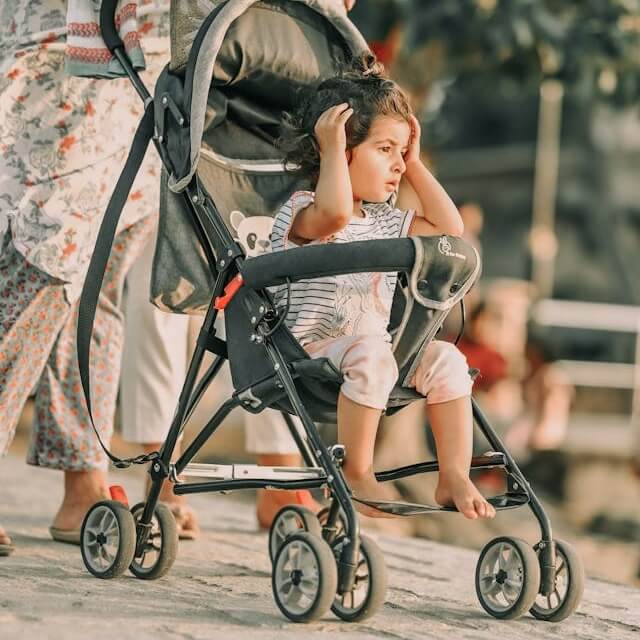
Age is an easy reference but not the only one. Most kids transition between 3 and 5 years old. Toddlers under 2 often still need strollers for safety. Preschoolers around 3 can often handle short walks. By 4 or 5, many families leave the stroller at home for daily use.
Typical ranges to expect:
- 0–2 years: stroller is essential for naps and safety.
- 2–3 years: partial stroller use; combine walking with stroller rides.
- 3–4 years: reduce stroller use for short trips and errands.
- 4–5 years: many children stop daily stroller use entirely.
Keep flexibility. Weather, distance, and family needs change the plan. Moving gradually allows children to adapt.
Safety and developmental considerations
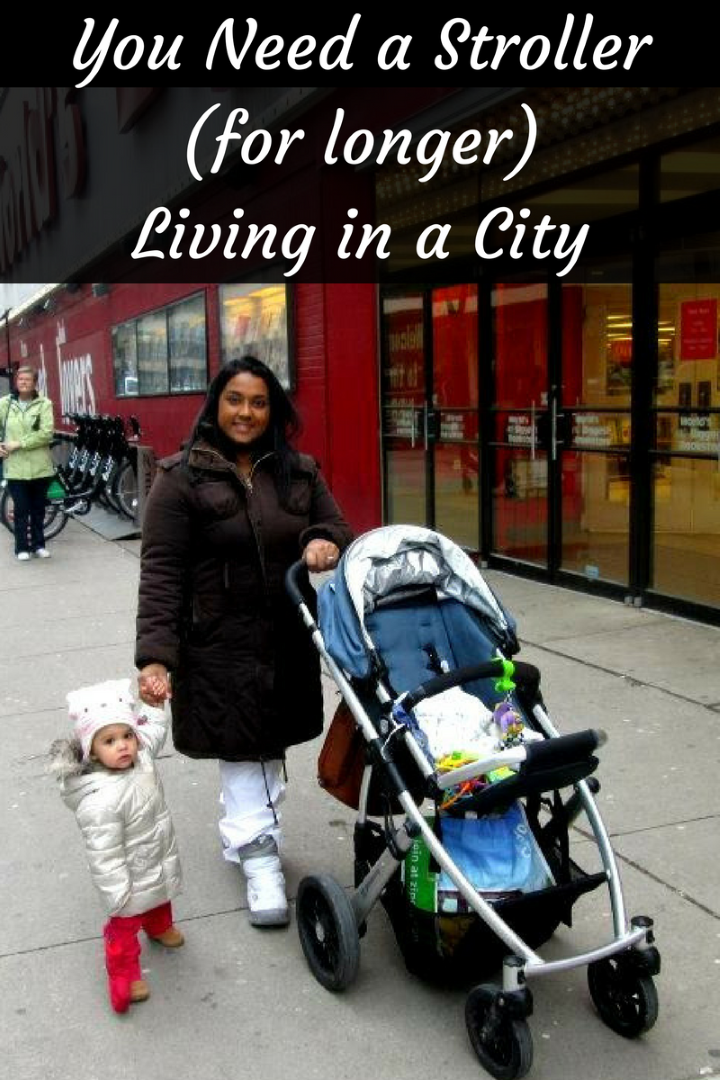
Safety and development guide the timing when to stop using stroller. Young children get tired faster. Tired kids can be unsafe near streets or busy areas. Physical endurance and attention span both matter.
Consider:
- Road and traffic safety where you live.
- Child’s balance and stamina.
- Social behavior in crowds.
- Any sensory or mobility issues that make walking hard.
If a child has special needs, consult a pediatrician or physical therapist before you stop using stroller. Professional advice brings tailored safety plans.

Practical transition tips and strategies
Plan a gradual shift when you decide when to stop using stroller. Small wins build confidence. Use these steps to make the change smooth.
Step-by-step plan:
- Start with short walks: pick familiar routes under 15 minutes.
- Bring a compact stroller for backup: fold it but keep it ready.
- Set expectations: tell your child the plan and offer choices.
- Use incentives: stickers, small snacks, or a walking game.
- Schedule rests: pick benches and playgrounds for breaks.
- Carry a lightweight carrier or sling for emergencies.
Real-life example: I once phased out a stroller by switching to a backpack with snacks and a map game. After two weeks, my child asked for the stroller less and walked more confidently.

Alternatives to the stroller
You don’t have to choose only stroller or full walking. There are many in-between options that help you transition when to stop using stroller.
Alternatives:
- Ride-on toys or scooters for short legs.
- Folding travel buggy for plane or long trips.
- Child harness for busy areas.
- Wagon for groceries and parks.
- Hip or chest carriers for tired toddlers.
Choose based on distance, errands, and child preferences. Mix tools to match each outing.
Common concerns and how to handle them
Parents often worry about fatigue, tantrums, and safety when thinking about when to stop using stroller. Address each issue with simple solutions.
Common concerns:
- Fatigue: plan rests and short routes.
- Tantrums: give choices and set clear limits.
- Safety near roads: hold hands and walk on safe paths.
- Weather: keep stroller for rainy or very hot days.
- Public transit: use lightweight folding strollers when needed.
People also ask:
- Will stopping stroller make my child tire faster? Answer: Short-term fatigue may rise, but stamina improves with regular walking. Pace outings to build endurance.
- How long should a walking session be? Answer: Start with 10–20 minutes and add time gradually based on your child’s cues.
- Should I stop stroller cold turkey? Answer: Gradual change works better. Keep a backup for challenging days.

Personal experience and lessons learned
I phased out a stroller with my child over one month. We tried short walks, then swapped the stroller for a small scooter. At first, I kept a compact stroller in the trunk. After consistent short trips and praise for walking, we rarely used it. Lessons I learned:
- Expect setbacks and plan for them.
- Keep the stroller as a confidence net for travel.
- Celebrate walking milestones to reinforce the change.
This approach saved space and encouraged independence without stress.
When to keep a stroller longer
Some situations make it wise to keep using a stroller even after your child can walk. Consider keeping it when:
- You have long days out or many errands.
- Your child has sensory or mobility challenges.
- You face extreme weather or crowded venues.
- You use public transit often.
There is no single right answer. Use the stroller as a tool, not a rule. The goal is safe mobility for your child and easier outings for your family.
Frequently Asked Questions of when to stop using stroller
When is the best age to stop using a stroller?
Most families begin cutting back between ages 3 and 5. The exact age depends on the child’s stamina and behavior.
How can I tell if my child gets tired too quickly to walk?
Watch for slowed pace, frequent sitting, or mood shifts. If these show up consistently on short walks, keep using the stroller.
Can stopping stroller early affect development?
Walking more can improve balance and endurance. Stopping too early without support may cause stress. Use gradual steps to avoid negative effects.
Is it okay to use a stroller sometimes after stopping daily use?
Yes. Many parents keep a lightweight stroller for long trips, travel, or bad weather. Occasional use is practical and normal.
Should special needs change when to stop using stroller?
Yes. Children with mobility or sensory needs may need strollers longer. Consult a pediatrician or therapist for a personalized plan.
Conclusion
Assess signs, age ranges, and safety to decide when to stop using stroller. Use a gradual plan, support your child’s stamina, and keep backup options for tough days. Start small, track progress, and celebrate walking milestones to build confidence and reduce reliance on the stroller. Try one change this week: swap one short stroller trip for a walk and see how it goes. Share your experience below or subscribe for more practical parenting tips.

Emma Grace is a devoted mother and passionate content writer at BestBabyCart.com. With firsthand parenting experience and a love for research, she creates helpful guides and honest reviews to support parents in choosing the best for their babies. Her goal is to make parenthood easier, one article at a time.