Sophia Linda is a freelance writer and Certified Health Coach based in the Newbury Park, CA. Passionate about healthy living, she focuses on helping families stay active and connected to the outdoors. Together with her husband and their three young children, Sophia spends much of her time traveling, hiking, and camping. Her work has been featured on the bestbabycart blog, and she brings a practical, real-world perspective to reviewing baby products for parents.
Have you ever found yourself in a sticky situation with wet car seat covers after a spill or a sudden downpour? You’re not alone.
Many car owners face the dilemma of how to properly dry their seat covers without causing damage or compromising comfort. You might wonder if tossing them in the dryer is a quick fix, or if there’s a safer, more effective method out there.
Understanding the best way to dry your car seat covers can extend their lifespan, keep your car looking sharp, and save you from the hassle of constant replacements. Dive into this article to discover the secrets to perfectly dried seat covers and ensure your car remains a haven of comfort and style. Don’t miss out on these essential tips that could transform how you care for your car!
Types Of Car Seat Covers
Car seat covers protect and enhance your car’s interior. Different materials offer unique benefits. Understanding these types helps you choose the right one.
Fabric Covers
Fabric covers are affordable and come in many designs. They are made from materials like cotton or polyester. These covers are soft and comfortable. They absorb spills but can stain easily. Regular cleaning keeps them looking fresh. They are easy to install and remove. Washing them in a machine is possible. Dry them on low heat to prevent shrinkage.
Leather Covers
Leather covers are stylish and add luxury to your car. They are durable and last long. Leather is resistant to stains but can crack if not cared for. These covers need special cleaning products. Avoid direct sunlight to keep them in good condition. Drying leather covers requires air drying. Heat can damage them.
Synthetic Covers
Synthetic covers mimic leather and fabric. They are made from materials like neoprene or vinyl. These covers are waterproof and easy to clean. They resist stains and are durable. Wipe them with a damp cloth for regular cleaning. Synthetic covers can be dried quickly. Avoid high heat to maintain their shape.
Drying car seat covers properly is crucial for their longevity. It ensures that the covers stay in good condition and serve their purpose effectively. Proper drying not only helps in maintaining the aesthetic appeal but also in preserving their functional benefits.
Preventing Mold And Mildew
Mold and mildew thrive in damp environments. Wet car seat covers create an ideal breeding ground. Proper drying removes moisture, thus preventing these unwanted guests. Mold not only looks bad but can also cause health issues. It can trigger allergies and respiratory problems. Keep your car fresh and healthy by drying seat covers thoroughly.
Maintaining Material Integrity
Car seat covers come in various materials. Each material requires specific care for longevity. Improper drying can weaken fabric fibers. It can cause shrinkage or deformation. Proper drying maintains the original shape and feel. It ensures the durability of the material. This extends the life of your car seat covers significantly.
Methods For Drying Car Seat Covers
Air drying car seat covers is safe and effective. Lay them flat in a well-ventilated area. Avoid direct sunlight to prevent color fading.
Car seat covers often need drying after cleaning or exposure to moisture. Proper drying is crucial to maintain their quality and longevity. There are several methods to achieve this, each with its own benefits. Selecting the right method depends on your resources and time availability. Let’s explore different techniques to dry your car seat covers effectively.
Air Drying Techniques
Air drying is a safe method for most fabrics. Hang your car seat covers in a well-ventilated area. Ensure they are spread out to allow air circulation. This prevents mold and bad odors. Choose a spot indoors with good airflow. Avoid direct sunlight to prevent color fading. Regularly check the covers to ensure they dry evenly.
Using A Tumble Dryer
Some car seat covers can handle a tumble dryer. First, check the care label for compatibility. Use a gentle or low heat setting. High heat can damage delicate fabrics. Place the covers in the dryer with similar items. This helps them dry evenly. Monitor the drying process to avoid overheating.
Outdoor Sun Drying
Sun drying is an eco-friendly option. Lay the covers flat outside on a clean surface. Sunlight helps eliminate bacteria and odors. Be mindful of the weather; rain can ruin your efforts. Ensure not to leave them out for too long. Prolonged exposure can fade colors. Rotate the covers occasionally for even drying.
Precautions To Consider
Drying car seat covers can be tricky. It’s important to take certain precautions. This ensures your covers stay in good condition. Not all fabrics react the same to heat or light. Some may shrink or fade. Understanding these risks helps prevent damage.
Temperature Sensitivity
Many car seat covers are sensitive to heat. High temperatures can cause shrinkage. This affects the fit and appearance. Always check the care label. It provides important temperature guidelines. Use low heat settings when drying. Air drying is often safer. It prevents unexpected shrinkage and damage.
Color Fading Risks
Color fading is another concern. Some fabrics lose their color quickly. Exposure to sunlight or heat can speed up this process. This dulls the vibrant look of your seat covers. Avoid direct sunlight when drying. Keep them away from heat sources. It preserves the color and fabric quality.
Recommended Tools And Products
Drying car seat covers requires the right tools and products. Using the appropriate methods ensures the covers last longer and remain in good condition. Here are some recommended tools and products to achieve the best results.
Drying Racks
Drying racks provide a simple solution for air-drying car seat covers. They allow air to circulate around the fabric. This helps prevent moisture buildup and mold growth. Choose a sturdy rack for heavy covers. It should also be foldable for easy storage.
Specialized Fabric Treatments
Specialized fabric treatments protect the material from stains and moisture. Some products enhance the water resistance of car seat covers. Apply these treatments after drying the covers completely. This ensures maximum absorption and effectiveness. Always follow the manufacturer’s instructions for best results.
Credit: alexcar.com
Common Mistakes To Avoid
Common Mistakes to Avoid When Drying Car Seat Covers
Drying car seat covers might seem easy. But mistakes can damage them. Avoid these common errors to keep your covers looking new.
Ignoring Care Instructions
Many overlook the care labels on seat covers. These labels provide important washing and drying instructions. Following them prevents damage and keeps the fabric strong.
Some covers need air drying. Others can handle machine drying. Always check the label before you start drying.
Using Harsh Chemicals
Harsh chemicals can ruin seat covers. They can fade colors and weaken fabrics. Choose mild detergents for cleaning.
Avoid bleach and strong cleaners. Gentle products preserve the cover’s quality. They also keep it soft and comfortable.
Maintaining Car Seat Covers
Car seat covers protect the seats and enhance the interior. Maintaining them ensures longevity and keeps them looking fresh. Regular care prevents damage and fading. Well-maintained covers provide a comfortable and clean ride. Let’s explore how to maintain car seat covers effectively.
Regular Cleaning Schedule
Establish a cleaning routine for car seat covers. Frequent cleaning prevents dirt buildup. It maintains the fabric quality and color. Use a gentle cleaner suitable for the material. Avoid harsh chemicals that might damage the fabric. A weekly cleaning schedule is ideal. This ensures your covers stay clean and vibrant.
Protective Measures
Protect car seat covers from direct sunlight. Prolonged exposure can cause fading. Consider using window shades or tinting. This reduces sun damage. Also, avoid sharp objects on seats. They can tear or scratch the fabric. Use a seat cover protector for added safety. Protective measures keep your covers in top condition.
Credit: alexcar.com
Frequently Asked Questions
How To Dry Car Seat Covers Effectively?
To dry car seat covers effectively, remove them first. Use a towel to soak excess moisture. Hang them in a well-ventilated area or use a fan. Avoid direct sunlight to prevent fading. Ensure they are completely dry before reinstalling to avoid mold growth.
Can I Use A Dryer For Car Seat Covers?
Using a dryer for car seat covers is not recommended. The heat can cause shrinkage or damage. Instead, air dry them in a shaded area. Using a fan or gentle heat from a heater can speed up the process without risking damage.
Are Car Seat Covers Machine Washable?
Yes, most car seat covers are machine washable. Always check the label for specific washing instructions. Use a gentle cycle with cold water. Avoid harsh detergents or bleach. After washing, air dry them to maintain their shape and quality.
What Materials Dry Car Seat Covers Faster?
Synthetic materials like polyester or nylon dry faster than natural fabrics. These materials are designed to repel water and dry quickly. When choosing car seat covers, consider synthetic options for quicker drying. Ensure proper ventilation to aid drying process.
Conclusion
Drying car seat covers is simple and necessary. Proper care extends their lifespan. Use air drying for best results. Avoid using high heat on materials. Always follow the care instructions. This prevents damage and maintains quality. Regular cleaning and drying keep covers fresh.
Take time to clean them often. Your car will feel more inviting. Enjoy a clean and comfortable ride. Keep your car seat covers looking new. Your effort pays off in the long run.
Sophia Linda is a freelance writer and Certified Health Coach based in the Newbury Park, CA. Passionate about healthy living, she focuses on helping families stay active and connected to the outdoors. Together with her husband and their three young children, Sophia spends much of her time traveling, hiking, and camping. Her work has been featured on the bestbabycart blog, and she brings a practical, real-world perspective to reviewing baby products for parents.
Finding the best memory foam car seat cushion can significantly enhance your driving experience. Comfort and support are key to long journeys.
Long drives can be taxing without the right support. A memory foam car seat cushion can alleviate discomfort by providing excellent support for your back and hips. With a variety of options available, choosing the best cushion can be challenging.
Some cushions feature ergonomic designs for tailbone and sciatica pain relief, while others offer wedge shapes to enhance your driving posture. Memory foam is popular for its ability to contour to your body, ensuring comfort on extended trips. From office chairs to car seats, these cushions cater to diverse needs. Explore the best memory foam car seat cushions to find the perfect fit for your comfort requirements.
The Soft Dense Memory Foam Car Seat Cushion is an ideal solution for drivers and passengers who spend long hours on the road and seek enhanced comfort and support. This cushion is perfect for those who experience discomfort in the lower back and hipsduring extended drives, or for anyone looking to broaden their vision while driving. It’s particularly beneficial for individuals who prioritize ergonomic seating and want to alleviate stress on their spinal column.
Pros:
Improves comfort for long drives
Wedge design helps broaden vision
Suitable for both drivers and passengers
Memory foam conforms to body shape for added support
Cons:
May not fit all car seat sizes perfectly
Raised back might not suit everyone’s preference
The Dreamer Car Soft Dense Memory Foam Car Seat Cushion is crafted to provide exceptional support and comfort through its wedge design and raised back. This design not only helps to elevate the user’s seating position, thereby broadening their field of vision, but also ensures that the lower back and hips are well-supported. The memory foam used in this cushion adapts seamlessly to the body’s contours, reducing pressure points and enhancing overall comfort.
One of the standout features of this cushion is its versatility for both drivers and passengers. Its dimensions, with a height of 2.8 inches and a weight of 1.569 pounds, make it a practical addition without causing inconvenience. The sleek black color complements most car interiors, making it a stylish yet functional accessory. Whether you’re on a long road trip or just a daily commute, this cushion promises to enhance your driving experience by reducing discomfort and fatigue.
The Everlasting Comfort Memory Foam Seat Cushion is ideal for individuals who spend long hours sitting at their office desk or driving. Perfect for those experiencing tailbone pain, sciatica, or back discomfort, this cushion offers ergonomic support and enhances overall comfort. Whether you’re working from home or commuting, this cushion is designed to provide relief and support for anyone seeking improved seating comfort.
Pros:
Doctor recommended for alleviating tailbone pain and sciatica
Made from high-quality memory foam for durability
Ergonomic design promotes proper posture
Portable and fits most office chairs and car seats
Cons:
May not fit all seat types due to dimensions
Memory foam can retain heat, potentially causing discomfort in warmer climates
The Everlasting Comfort Memory Foam Seat Cushion boasts an ergonomic design that encourages proper posture by supporting the natural curve of the spine. This feature is particularly beneficial for those who experience discomfort from prolonged sitting. The cushion’s high-quality memory foam conforms to the user’s body, providing personalized support and comfort, which is essential for reducing tailbone pain and sciatica symptoms.
Additionally, the cushion is portable and fits seamlessly into most office chairs and car seats, making it a versatile accessory for individuals on the go. Its lightweight nature ensures that you can easily carry it from your office to your car without hassle. The black color not only provides a sleek and professional look but also complements various interior styles, making it a subtle yet effective addition to your seating arrangements.
The Car Seat Cushion by Lofty Aim is perfect for individuals who spend a significant amount of time sitting, whether in a car, office chair, or wheelchair. It is especially beneficial for those seeking relief from sciatica and lower back pain. If you are a daily commuter, a professional with long working hours, or someone in need of additional support during long periods of sitting, this cushion is designed for you.
Pros:
Provides excellent comfort and support with memory foam.
Specifically designed for sciatica and lower back pain relief.
Versatile use for car seats, office chairs, and wheelchairs.
Cons:
Limited color options, currently only available in black.
May not fit all seat sizes due to its specific dimensions.
This car seat cushion features a memory foam core that adapts to your body, providing a customized sitting experience. The foam’s ability to mold to your body helps distribute weight evenly, reducing pressure on the lower back and improving posture. This can be particularly beneficial for those who experience discomfort during long drives or extended periods at a desk.
In addition to its functional benefits, the cushion’s sleek black color and compact dimensions make it a stylish and unobtrusive addition to any seating arrangement. The lightweight design ensures it is easy to transport, making it a convenient option for individuals who frequently switch between different seating environments. Overall, the Lofty Aim Car Seat Cushion is an investment in comfort that can significantly enhance your sitting experience.
The kingphenix Car Seat Cushion is ideal for anyone who spends a significant amount of time driving or sitting at a desk. If you are someone who experiences discomfort or pain from prolonged sitting, this memory foam seat cushion is designed to provide enhanced comfort and support, making it a must-have for both drivers and office workers.
Pros:
Provides comfort with 1.2-inch memory foam
Universal fit for car and office chairs
Lightweight at only 0.88 pounds, making it easy to transport
Stylish black design that complements any interior
Cons:
May not be suitable for those requiring thicker cushioning
Limited color options available
The kingphenix Car Seat Cushion features a 1.2-inch thick memory foam, which adapts to your body’s contours, offering personalized comfort and reducing pressure on your tailbone. This feature is particularly beneficial for those who drive long distances or sit for extended periods at work, as it helps alleviate back pain and discomfort.
Additionally, the cushion’s universal designensures it fits seamlessly into most car seats and office chairs, providing versatility and ease of use. Its lightweight construction makes it easy to carry, so you can effortlessly switch it between your car and office chair. The sleek black color not only adds a touch of elegance but also blends well with various interior styles, ensuring that your seating solution is both functional and aesthetically pleasing.
The ComfiLife Premium Gel & Memory Foam Seat Cushion is an excellent choice for individuals who spend long hours sitting in an office chair or car. It’s particularly beneficial for those suffering from back pain and sciatica. If you’re someone who frequently experiences discomfort while sitting and is searching for an effective solution to enhance your seating experience, this cushion is designed for you.
Pros:
Provides back pain relief
Enhances comfort with gel and memory foam
Doctor recommended for sciatica relief
Cons:
May not fit all chair types
Thickness might be insufficient for some users
The ComfiLife Premium Gel & Memory Foam Seat Cushion boasts a blend of gel and memory foam, providing a unique combination that contours to your body. This ensures personalized support and comfort, which can significantly alleviate pressure points during prolonged sitting sessions. The cushion’s design aids in enhancing posture, leading to less stress on your back and a more comfortable seating experience overall.
Another remarkable feature is its lightweight and portable nature, making it easy to move from your office chair to your car seat. Its compact dimensions ensure that it fits seamlessly on most chairs, providing relief wherever needed. The black color adds a sleek, professional look, making it suitable for both office and home settings. With its thoughtful design, the cushion is an invaluable companion for anyone seeking to improve their sitting comfort and overall well-being.
The MYFAMIREA Car Seat Cushion Pad is ideal for anyone seeking enhanced comfort during long drives, office hours, or while relaxing at home. This product is perfect for individuals who spend extended periods sitting and require additional support to alleviate discomfort. Whether you’re a frequent traveler, a desk worker, or simply someone who values comfort, this seat cushion can significantly improve your seating experience.
Pros:
Thick 1.2″ memory foam provides excellent support and comfort.
Non-slip bottom ensures the cushion stays in place.
Versatile usage for car seats, office chairs, and home seating.
Portable and easy to move between different seating environments.
Cons:
May not fit all seat types due to specific dimensions.
Single color option limits aesthetic choices.
The MYFAMIREA Car Seat Cushion Pad features a 1.2-inch thick memory foam that molds to your body’s contours, providing tailored support and comfort. This feature is particularly beneficial for users who experience discomfort from prolonged sitting. The cushion’s non-slip bottom ensures stability, preventing any unwanted movement, which is crucial during driving or while focusing on work tasks.
Its versatility is a standout feature, allowing you to use it in various settings, such as car seats, office chairs, or at home. The cushion’s dimensions (20” x 18.5”) make it suitable for most seating surfaces, although it’s essential to verify compatibility with your specific seat to ensure the best fit. The black color provides a sleek and professional appearance, easily blending with most interior designs.
The SitCushion Car Seat Cushion for Driving is an ideal purchase for individuals who spend long hours driving and experience discomfort due to sciatica, tailbone, or back pain. Perfect for those who prioritize comfort and health during their daily commute or road trips, this orthopedic memory foam car seat pad provides much-needed relief and support.
Pros:
Orthopedic design offers excellent support.
Memory foam adapts to body contours for personalized comfort.
Non-slip cover ensures the cushion stays in place.
Washable cover makes maintenance easy.
Cons:
Memory foam may retain heat during warmer weather.
Size might not fit all car seat types.
The SitCushion Car Seat Cushion is crafted with high-quality orthopedic memory foam, which is designed to alleviate pressure on the tailbone and sciatica areas, providing relief from prolonged sitting discomfort. The cushion’s ergonomic design enhances posture, reducing strain on the back during long drives. Additionally, the non-slip cover ensures the cushion remains securely positioned, preventing any need for constant adjustments.
Another standout feature is its washable cover, which adds a layer of convenience for users. Maintaining hygiene is effortless as the cover can be easily removed and cleaned, ensuring the cushion remains fresh and inviting. The black color is both stylish and versatile, seamlessly blending with the interior of any vehicle. Overall, this cushion is a thoughtful investment for anyone seeking to improve their driving comfort and overall well-being.
The kingphenix Car Seat Cushion with Back Support Pillow is perfect for individuals who spend extended periods sitting, whether you’re a driver frequently on the road or someone with a desk job. This cushion is designed to offer ergonomic lumbar support, ensuring comfort and pain relief during long hours of sitting. It is ideal for those seeking to enhance their seating experience with a focus on health and well-being.
Pros:
Enhanced comfort with memory foam design
Provides ergonomic lumbar support for pain relief
Suitable for both drivers and office use
Lightweight and portable
Cons:
Limited color options available
May not fit all car seat dimensions perfectly
The kingphenix Car Seat Cushion features a memory foam design that adapts to the shape of your body, providing personalized support and enhancing comfort levels. This is particularly beneficial for those who experience back pain or discomfort during long periods of sitting. The lumbar support pillow is engineered to maintain the natural curve of your spine, promoting better posture and relieving pressure on your lower back.
Additionally, this cushion’s lightweight nature makes it easy to transfer between different seating environments, whether you’re switching from your car to your office chair. The black color offers a sleek and professional appearance, seamlessly blending with most interior designs. Despite its compact size, the cushion effectively distributes weight, reducing stress on your hips and back, allowing for a more enjoyable sitting experience.
The Seat Cushion Memory Foam Pads are ideal for truck drivers, office workers, and anyone who spends long hours sitting. If you often find yourself uncomfortable or experiencing back pain due to prolonged sitting, this ergonomic cushion is designed to provide comfort and support, making it a valuable investment for your health and productivity.
Pros:
Ergonomic design reduces back pain and enhances comfort.
Non-slip pad ensures stability on any chair surface.
Memory foam adapts to your body’s shape for personalized comfort.
Dark grey color is versatile and complements various decor styles.
Cons:
May not fit well on chairs with non-standard dimensions.
Memory foam may retain heat, causing discomfort during hot weather.
The Seat Cushion Memory Foam Pads feature a non-slip pad that is particularly beneficial for car drivers and office workers. Its ergonomic design targets the lower back, providing the necessary support to alleviate discomfort and improve posture. The memory foam construction ensures that the cushion molds to your unique shape, offering personalized comfort that lasts throughout the day.
This cushion is crafted with high-quality materials and designed to fit a variety of seating options, from office chairs to car seats. The dark grey color not only makes it a sleek addition to your space but also hides wear and tear, making it a durable choice. Whether you’re driving for long hours or working at your desk, the Seat Cushion Memory Foam Pads enhance your sitting experience, ensuring you remain comfortable and focused.
The Lofty Aim Car Seat Cushion is perfect for individuals who spend long hours driving or sitting in cars, trucks, or offices and are seeking relief from sciatica or back pain. Ideal for anyone who prioritizes comfort and support during their daily commute or work routine.
Pros:
Made with comfortable memory foam for enhanced support
Provides sciatica and back pain relief
Versatile use for car, truck, office, and wheelchair
Sleek black color that complements any interior
Cons:
May be too soft for some users who prefer firmer support
Limited color options available
The Lofty Aim Car Seat Cushion features comfortable memory foam, which is designed to adapt to the contours of your body, providing personalized support and comfort. This feature is particularly beneficial for individuals who experience discomfort during long sitting periods, as it helps in distributing weight evenly and reducing pressure points.
Additionally, the cushion’s ability to offer sciatica and back pain relief makes it an excellent choice for those who suffer from these conditions. By promoting better posture and reducing strain on the lower back, users can enjoy a more comfortable and pain-free sitting experience whether they’re on a long road trip or working at their desk.
What Are The Benefits Of Memory Foam Car Seat Cushions?
Memory foam car seat cushions provide comfort and support by contouring to your body. They help relieve lower back pain and sciatica. These cushions improve posture during long drives, reducing fatigue. Additionally, they can enhance driving vision with wedge designs and raised backs.
How Does Memory Foam Help With Tailbone Pain?
Memory foam cushions distribute weight evenly, reducing pressure on your tailbone. This helps alleviate discomfort and pain. The ergonomic design supports your spine and promotes healthy posture. Ideal for people who experience tailbone pain during long periods of sitting.
Are Memory Foam Cushions Suitable For Office Use?
Yes, memory foam cushions are perfect for office chairs. They provide ergonomic support for extended sitting periods. These cushions help relieve back and hip pain, improving comfort and productivity. The non-slip bottom ensures stability on various chair surfaces.
Do Memory Foam Cushions Improve Driving Vision?
Certain memory foam cushions feature a wedge design with raised backs. This design elevates the driver, enhancing visibility. It provides a broader view of the road, improving safety. Ideal for shorter drivers needing an improved driving perspective.
How Do Memory Foam Cushions Relieve Sciatica Pain?
Memory foam cushions contour to your body, alleviating pressure on sciatic nerves. They offer targeted support to the lower back and hips. This reduces discomfort and pain associated with sciatica. Perfect for long drives or extended office chair use.
Conclusion
Choosing the right memory foam car seat cushion can greatly enhance your driving experience. It provides much-needed comfort and support for long journeys. Each cushion mentioned offers unique features. Some focus on pain relief, while others prioritize ergonomic design. Whether you need support for your tailbone, sciatica, or lower back, there’s a cushion for you.
Options like the Everlasting Comfort and ComfiLife cushions are highly recommended by doctors. For those needing a bit of height, the Soft Dense Memory Foam Cushion with a raised back is perfect. Non-slip designs ensure your cushion stays in place, adding safety to comfort.
Consider your specific needs and preferences before making a purchase. Remember, investing in a good car seat cushion can make a significant difference. It improves posture, reduces discomfort, and makes every drive enjoyable. So, take your pick and drive comfortably, pain-free.
Sophia Linda is a freelance writer and Certified Health Coach based in the Newbury Park, CA. Passionate about healthy living, she focuses on helping families stay active and connected to the outdoors. Together with her husband and their three young children, Sophia spends much of her time traveling, hiking, and camping. Her work has been featured on the bestbabycart blog, and she brings a practical, real-world perspective to reviewing baby products for parents.
Newly married and dreaming of a baby? This in-depth guide provides essential pregnancy tips for couples, covering health preparation, conception strategies, trimester-by-trimester care, emotional bonding, financial planning, and postpartum preparation. With practical steps and heartfelt advice, you’ll feel confident and excited to start your family!
Hey, newlyweds! Just tied the knot and picturing a little one in your arms? That’s the sweetest adventure yet! As a mom running BestBabyCart.com, I’ve felt those butterflies of planning a family while savouring the glow of being newlyweds. Pregnancy is a magical journey, but it can feel like a whirlwind—new roles, significant changes, and a multitude of questions. Don’t worry! This guide is your mom-to-mom roadmap, packed with detailed, practical tips to prepare physically, emotionally, and financially. Whether you’re trying to conceive or already expecting, these pregnancy tips will make your journey joyful, confident, and oh-so-special. Let’s jump in!
Why Pregnancy Planning Is a Game-Changer for Newlyweds
Planning for a baby isn’t just about getting pregnant—it’s about setting up your family for success. Here’s why it matters:
Health First: A strong body boosts your chances of a healthy pregnancy.
Teamwork Vibes: Planning together deepens your bond as a couple.
Stress Less: Knowing what’s ahead eases those “what if” worries.
Future-Proofing: Early prep saves time, money, and energy down the road.
With 1 in 6 couples facing fertility challenges (per March of Dimes), starting early gives you a head start. Let’s break it down with actionable, heartfelt tips to make your pregnancy journey shine!
Pre-Pregnancy Health: Building a Strong Foundation
Getting your body and mind ready is the first step to a smooth pregnancy. Here’s a deep dive into pre-pregnancy prep.
Schedule a Preconception Checkup
A doctor’s visit ensures you’re both in top shape before trying. Book a preconception checkup to cover:
Vaccinations: Confirm you’re up to date on rubella, varicella, and Tdap to protect against these infections.
Chronic Conditions: Manage diabetes, thyroid issues, or hypertension, which affect 10–15% of women.
Genetic Screening: Discuss carrier tests for conditions like cystic fibrosis.
Sperm Health: Partners should check for low sperm count or motility issues.
Pro Tip: Ask about lifestyle factors, such as stress or weight. A healthy dad-to-be is just as crucial!
Start Prenatal Vitamins Early
Begin taking a prenatal vitamin with 400–800 mcg of folic acid 1–2 months before trying to conceive. Folic acid reduces the risk of neural tube defects by 70% (according to the CDC). Look for brands like Nature Made with:
Folic Acid: Supports the baby’s brain and spine development.
Iron: Prevents anemia, vital for maintaining a 50% higher blood volume during pregnancy.
Vitamin D: Strengthens bones for you and your baby.
DHA: Boosts baby’s brain growth (optional but helpful).
Storage Tip: Keep vitamins in a cool, dry place to maintain potency.
Image: Prenatal vitamin bottle surrounded by nutrient-rich foods like spinach, oranges, and nuts.
Fuel Your Body with a Balanced Diet
A nutrient-packed diet sets the stage for conception. Aim for:
Fruits and Vegetables: 5–7 servings daily (e.g., berries, kale, carrots) for vitamins A, C, and K.
Whole Grains: Quinoa, brown rice, or oats for steady energy and fiber.
Lean Proteins: Chicken, fish (low-mercury like salmon), or lentils for tissue growth.
Healthy Fats: Avocados, walnuts, or olive oil for the baby’s brain development.
Hydration: 8–10 cups of water daily to support digestion and circulation.
Limit caffeine to 200 mg (one 12-oz coffee) and avoid processed foods high in sugar or trans fats. Check the American Pregnancy Association for meal plans.
Ready to make a baby? These detailed tips will boost your chances of conception.
Master Your Menstrual Cycle
Track ovulation (when an egg is released) to hit your fertile window. Ovulation typically occurs 12 to 16 days before your next menstrual period. Signs include:
Cervical Mucus: Becomes clear, stretchy, and egg-white-like.
Basal Body Temperature: Rises 0.5–1°F after ovulation (use a TheraSense thermometer).
Ovulation Predictor Kits: Brands like Clearblue detect LH surges with 99% accuracy.
Apps like Flo or Clue can track cycles and predict fertile days. Start tracking for 2–3 months to spot patterns.
Optimise Conception Timing
Have sex every 1–2 days during the fertile window (5 days before ovulation plus ovulation day). Sperm can survive up to 5 days, so start early. Aim for morning sessions—studies show sperm count peaks then.
Lifestyle Boosters for Fertility
Exercise Moderately: 30–45 minutes of walking, yoga, or cycling 5 days a week. Overdoing it (e.g., marathon running) can disrupt ovulation.
Manage Stress: High cortisol can delay ovulation. Try a 10-minute meditation or journaling daily.
Maintain a Healthy Weight: A BMI of 19–25 is ideal; being under or overweight can lower fertility by 20–30%.
Limit Toxins: Avoid BPA plastics and pesticides (use glass containers like Pyrex).
First Trimester: Nurturing Your Tiny Miracle (Weeks 1–12)
Congratulations, you’re pregnant! The first trimester is an exciting time as your baby begins to grow, but it comes with challenges. Here’s how to thrive.
Tackling Morning Sickness
Morning sickness affects 70–80% of pregnant women. To manage nausea and vomiting:
Eat Small, Frequent Meals: 5–6 mini-meals (e.g., crackers, bananas) every 2–3 hours to stabilize your stomach.
Ginger Power: Sip ginger tea, chew Ginger People candies, or wear Sea-Band wristbands to ease nausea.
Stay Hydrated: Drink 8–10 cups of water or electrolyte drinks like Gatorade to prevent dehydration.
Rest: Lie down in a cool, dark room when nausea is at its peak.
When to Call Your Doctor: If you’re vomiting more than 3–4 times daily or can’t keep fluids down, ask about safe medications like Diclegis.
Choose the Right Healthcare Provider
By week 8, book your first prenatal visit with an OB-GYN or midwife you trust. This visit includes:
Ultrasound: Confirms pregnancy and checks baby’s heartbeat (around 6–8 weeks).
Blood Tests: Screen for anemia, blood type, and infections.
Genetic Testing Options: Discuss tests like NIPT for chromosomal conditions.
Tip: Bring your partner to share the excitement of hearing the heartbeat!
Combat Fatigue and Mood Swings
Fatigue can be particularly severe due to hormonal changes. Try:
Sleep: Aim for 7–9 hours of sleep nightly and 20–30 minutes of naps.
Gentle Exercise: Prenatal yoga or 15-minute walks boost energy.
Mood Support: Journaling or talking to your spouse helps balance emotions.
Image: Pregnant woman practicing prenatal yoga for relaxation.
The weeks after birth are a big adjustment. Prep now to ease the transition.
Stock Up for Recovery
Meals: Freeze 10–15 meals (e.g., lasagna, soups) for quick dinners.
Supplies: Stock pads, nipple cream (try Lansinoh), and comfy clothes.
Help: Arrange for family or friends to assist with chores or babysitting.
Learn Breastfeeding Basics
Breastfeeding can be tricky but rewarding. Read our Breastfeeding Basics for New Moms for tips on:
Latching techniques.
Pumping with brands like Medela.
Troubleshooting sore nipples.
Plan for Emotional Health
Postpartum blues affect 60–80% of moms. Have a support plan:
Check-ins: Daily talks with your partner.
Professional Help: Contact a therapist if sadness lasts beyond 2 weeks.
You’re Ready to Welcome Your Baby!
Newlyweds, you’re on an incredible journey to parenthood! With these detailed pregnancy tips, you’re set to stay healthy, grow closer as a couple, and welcome your baby with love and confidence. Take it one day at a time, lean on each other, and savour every moment of this adventure. What’s one tip you can’t wait to try? Share in the comments—we’re cheering for you!
Happy parenting from BestBabyCart.com! Dive into more tips to make your family journey unforgettable.
FAQ: Pregnancy Tips for Newly Married Couples
Q: When should newlyweds start trying for a baby?
A: Many wait 6–12 months to adjust to marriage, but it’s your choice. A preconception checkup ensures you’re both ready.
Q: How can we boost fertility naturally?
A: Eat nutrient-rich foods, exercise moderately, manage stress, and track ovulation with Clearblue kits.
Q: What helps severe morning sickness?
A: Small meals, ginger products like Ginger People, and Sea-Band wristbands. If vomiting exceeds 4 times daily, ask about medications.
Q: What’s a normal pregnancy weight gain?
A: For average BMI, 25–35 pounds. Underweight: 28–40 pounds; overweight: 15–25 pounds. Your doctor will guide you.
Q: How can partners support during pregnancy?
A: Attend appointments, share chores, and join classes on Lamaze. Emotional support is key!
Q: What baby gear should we buy first?
A: Prioritise a crib (Graco), car seat (Chicco), and monitor (Infant Optics) for safety and ease.
Sophia Linda is a freelance writer and Certified Health Coach based in the Newbury Park, CA. Passionate about healthy living, she focuses on helping families stay active and connected to the outdoors. Together with her husband and their three young children, Sophia spends much of her time traveling, hiking, and camping. Her work has been featured on the bestbabycart blog, and she brings a practical, real-world perspective to reviewing baby products for parents.
Babies can sit in a stroller when they can support their heads. This usually happens around 3 to 6 months.
But each baby is different. Parents often wonder about the right time to transition their baby to a stroller. Knowing when to make this move ensures your baby’s safety and comfort. Strollers are essential for convenient travel and outdoor activities.
But using them too early can be harmful. Understanding the right time can make outings stress-free and enjoyable. This guide will help you determine when your baby is ready. It will also provide tips to ensure a smooth and safe transition. Keep reading to learn everything you need to know about getting your little one stroller-ready.
Age Milestones
Choosing the right time for your baby to sit in a stroller can be crucial for their comfort and safety. Understanding age milestones helps parents make informed decisions. Babies grow at their own pace, but there are general stages you can expect. Knowing when your little one is ready for a stroller means looking at key developmental signs. Let’s explore these age milestones.
Newborn Stage
Newborns are delicate and need support. Their neck muscles aren’t strong enough to hold their head up. When using a stroller, choose one that reclines fully. This ensures their spine is supported and their neck is safe. Consider these important features for newborn strollers:
Full Recline: Allows baby to lie flat.
Five-point Harness: Keeps baby secure.
Head Support: Prevents neck strain.
Newborns often sleep. Reclining strollers allow them to nap comfortably. Look for strollers with good padding and a smooth ride. It’s important to check weight recommendations. Most newborn strollers support up to 20 pounds. Always ensure the stroller is stable. A stable stroller prevents tipping.
3-5 Months
Baby stroller sitting tips. At 3-5 months, babies start gaining head control. They might enjoy short stroller rides. Semi-reclined strollers work well during this stage. Babies can see the world without strain. Here are some features to consider:
Adjustable Seat: Allows semi-recline position.
Large Canopy: Protects from sun and rain.
Easy Maneuverability: Smooth turning makes rides enjoyable.
Babies love exploring new environments. Baby stroller sitting tips A stroller with a window or mesh allows them to see outside. At this age, babies enjoy interaction. Parents can talk to them during stroller rides. This enhances bonding and stimulates their senses. Remember to check the stroller’s safety features regularly.
5-7 Months
Baby stroller sitting tips. By 5-7 months, many babies sit with support. This is an exciting time for parents. Babies show interest in sitting up. Consider using strollers with upright seating. Important features include:
Babies become more curious. They love observing surroundings. A stroller with toys or a tray can be beneficial. Parents can provide snacks or toys during rides. This keeps the baby engaged and happy. Make sure the stroller is suitable for longer outings. Comfort and safety are key in this stage. Babies are more active now. Ensure the stroller is durable and well-maintained.
Image: Baby Sit in a Stroller
Stroller Types
Choosing the right stroller for your baby is essential. Understanding stroller types helps in making the best decision for your child’s needs. Each type offers unique features, catering to different ages and development stages. Knowing when a baby can sit in a stroller depends on stroller types and Baby sitting age. Let’s explore the different stroller types to ensure the best infant stroller use.
Infant Carriers
Infant carriers are specially designed for newborns and young babies. These strollers offer a snug fit, ensuring baby comfort in Stroller. They often come with a car seat attachment, providing seamless transition from car to stroller. But, what about an infant stroller without Car seat? It’s simple. Such models still offer secure seating and safety.
Developmental Milestones: Infant carriers support babies who are not yet sitting up independently.
Stroller Features For Infants:Reclined seating and head support are crucial.
Stroller Safety Guidelines: Ensure the harness is fastened securely at all times.
Choosing the right infant carrier involves understanding stroller weight limits. Babies grow quickly, and the stroller must accommodate their increasing size. Check the manufacturer’s guidelines for maximum weight. This ensures safe travel and prevents wear and tear.
Feature
Description
Seating Position
Fully reclined for newborns
Safety Harness
5-point harness system
Standard Strollers
Standard strollers cater to babies who have reached the baby sitting age. This typically occurs around six months, aligning with developmental milestones. These strollers provide a more upright seating position, making them ideal for babies ready to explore the world.
Considering when to transition to stroller is key. Babies should be able to support their own head and sit with minimal assistance. Standard strollers offer adjustable seats, allowing customization as the baby grows.
Stroller Safety Guidelines: Always lock the brakes when stationary.
Standard strollers come with various stroller features for infants. Some models include sun canopies, storage baskets, and adjustable handlebars. These features enhance convenience and comfort during outings. Keep an eye on stroller weight limits to ensure safety and longevity of use.
Stroller Positions By Age
Choosing the right stroller position for your baby is crucial. It ensures comfort and supports their developing body. Understanding stroller positions by age helps parents make informed decisions. Each age group has unique needs. Aligning the stroller position with your baby’s age and developmental stage is key.
Newborns: Fully Reclined Position
Newborns have limited neck and head control. They require a fully reclined stroller position. This position supports their spine and head. Always ensure the stroller provides adequate padding. Safety and comfort are the top priorities for newborns.
3-6 Months: Semi-reclined Position
At 3 to 6 months, babies start developing head and neck strength. A semi-reclined position is suitable. It allows babies to observe their surroundings. Ensure the stroller has adjustable features. Adjusting the angle as needed provides optimal support.
6-9 Months: Upright Position With Support
By 6 to 9 months, many babies can sit upright with support. An upright position is ideal for curious infants. Ensure the stroller has a supportive harness. This keeps your baby secure as they explore the world around them.
9 Months And Up: Fully Upright Position
Baby stroller sitting tips At 9 months and older, babies usually sit independently. A fully upright stroller position is suitable. This allows them to engage more with their environment. Ensure the stroller provides a comfortable seat. A five-point harness is recommended for added safety.
Age Range
Recommended Stroller Position
Newborns
Fully Reclined
3-6 Months
Semi-Reclined
6-9 Months
Upright with Support
9 Months and Up
Fully Upright
Safety Features
As parents, ensuring the safety of your baby is the top priority, especially when they start using a stroller. Knowing when your baby can safely sit in a stroller is crucial. Most babies are ready around six months, but it’s essential to consider the stroller’s safety features. These features play a vital role in keeping your little one secure and comfortable during stroller rides. Below, we explore the critical safety features of strollers, focusing on harness systems and braking mechanisms.
Harness Systems
A good harness system is vital for your baby’s safety in a stroller. It keeps your baby secure, preventing them from slipping or falling out. Most strollers come with either a three-point or five-point harness system.
Three-Point Harness:
Secures the baby around the waist and between the legs.
Offers basic security but may not prevent all movements.
Five-Point Harness:
Provides straps over the shoulders, around the waist, and between the legs.
Offers greater security, keeping the baby snug and preventing excessive movements.
Choose a stroller with a five-point harness for enhanced safety. Ensure the straps are adjustable to fit your baby’s growth. Regularly check the harness for wear and tear. Always fasten the harness snugly, but not too tight, to ensure comfort and safety.
Braking Mechanisms
Braking mechanisms are critical in preventing accidental movement of the stroller. They ensure the stroller stays in place when parked. There are two main types of braking systems:
Foot-Operated Brakes:
Located near the wheels for easy access.
Engage by pressing down with your foot.
Ensure they lock both rear wheels to prevent rolling.
Hand-Operated Brakes:
Typically found on the handlebar.
Offer quick access, especially on uneven terrain.
Useful for jogging strollers where immediate control is needed.
Regularly test the brakes to ensure they engage and release smoothly. Clean any debris from the braking system to maintain functionality. Always use the brakes when stopping, even on flat surfaces, for added safety. A reliable braking system gives you peace of mind during every outing.
Comfort Considerations
Understanding when a baby can sit in a stroller is crucial for their safety and comfort. Comfort considerations play a pivotal role in ensuring that your little one enjoys the ride and stays cozy. Parents often prioritize comfort to make outings enjoyable and stress-free. Selecting the right stroller involves assessing features that cater to your baby’s comfort needs. This section delves into crucial aspects of stroller comfort, focusing on seat padding and weather protection.
Seat Padding
Seat padding is a vital component of stroller comfort. A well-padded seat offers support and cushioning for your baby. Babies are delicate and need adequate support to prevent discomfort. Quality padding can make a significant difference in how your baby feels during rides.
Soft Material: Look for strollers with soft, breathable materials. This prevents irritation on sensitive skin.
Adjustable Padding: Some strollers offer adjustable padding. This allows customization based on your baby’s age and size.
Removable Padding: Removable padding is easier to clean. It ensures hygiene and freshness.
Consideration of padding is essential for long-term use. Babies grow quickly, and adjustable padding caters to this growth. A Table below highlights key features to look for:
Feature
Description
Material
Soft, breathable fabric
Adjustability
Customizable fit for growth
Removability
Easy cleaning
Choosing a stroller with these features ensures a comfortable ride for your baby.
Weather Protection
Weather protection is crucial for stroller comfort. Babies are sensitive to weather changes, and suitable protection keeps them safe and cozy. Strollers come equipped with features that shield your baby from harsh weather elements.
[xyz-ihs snippet=”stroller-safety-checklist”]
Canopy: A sturdy canopy shields your baby from the sun. It prevents direct exposure to harmful UV rays.
Rain Cover: Ensure the stroller has a rain cover. This protects your baby from rain and keeps them dry.
Wind Shield: Some strollers offer wind shields. These prevent cold winds from affecting your baby’s comfort.
Weather protection features are essential for all-season use. They ensure outings are pleasant regardless of weather conditions. A table below outlines important weather protection features:
Protection Type
Benefit
Canopy
Sun protection
Rain Cover
Water resistance
Wind Shield
Wind resistance
Investing in a stroller with these features guarantees your baby’s comfort in various weather conditions.
Baby’s Posture
Understanding when your baby can sit in a stroller is crucial for their comfort and safety. A key factor is the baby’s posture, which plays a significant role in determining readiness. Babies develop posture control in stages, and recognizing these stages helps parents make informed decisions. A stroller is more than a convenience; it’s a space where your baby can explore the world safely. Ensuring your baby’s posture is well-supported will enhance their stroller experience.
How To Check Postural Control
Postural control is a baby’s ability to maintain a stable position. It involves using muscles to support and move the body. To check your baby’s postural control, observe these key signs:
Trunk Stability: Your baby should hold their torso upright without slouching.
Balance: Look for the ability to keep balance when slightly pushed.
Strength: Notice if your baby can pull themselves to a sitting position.
To assess postural control, use a simple test:
Activity
What to Observe
Sitting on your lap
Check if your baby leans or sits upright.
Playing with toys
Note if your baby can reach without losing balance.
Postural control involves core muscles. Strengthening these muscles is a gradual process. Regular tummy time and supported sitting can aid development. Pay attention to your baby’s cues and progress.
Head And Neck Control
Head and neck control is a fundamental milestone. It involves the ability to hold the head steady without support. This control usually develops around three to four months of age. Strong head and neck control is crucial for safe stroller use.
To evaluate head and neck control, consider these indicators:
Head Stability: Check if your baby can hold their head steady when upright.
Neck Muscle Strength: Notice if your baby can lift their head during tummy time.
Response to Movement: Observe how your baby reacts to sudden movements or gentle rocking.
Supporting your baby’s head with your hand while they sit can test their control. Babies who frequently have tummy time usually develop better head control. A firm neck ensures your baby can look around comfortably and safely in a stroller.
Sitting Up Independently
Sitting up independently is a significant developmental milestone. Babies typically achieve this between six to nine months. It indicates that your baby has developed enough strength and balance.
Signs that your baby is ready to sit up independently include:
Balance: Your baby can maintain a sitting position without support.
Core Strength: They can reach for toys without toppling over.
Coordination: Your baby can move from sitting to other positions smoothly.
Encourage independent sitting by providing opportunities to practice. Use pillows for support during the early stages. A safe, soft surface is ideal for practicing balance. Once your baby sits unaided, they are closer to sitting comfortably in a stroller.
When It’s Time To Let Your Baby Sit Upright In A Stroller
Deciding when to let your baby sit upright in a stroller depends on their developmental milestones. Ensure your baby shows signs of readiness before making the transition.
Here’s a checklist to help determine readiness:
Stable Head Control: Your baby holds their head without wobbling.
Independent Sitting: They can sit on their own for short periods.
Postural Control: Your baby maintains balance in a sitting position.
Once your baby meets these criteria, adjust the stroller seat to an upright position. Ensure the stroller has adequate harness support. Keep initial stroller outings short to gauge your baby’s comfort. Being attentive to your baby’s posture will keep them safe and secure.
Usage Guidelines
Choosing the right time for your baby to sit in a stroller is crucial. It ensures safety and comfort. Usage guidelines help parents make informed decisions. They address key concerns. From how long a baby should sit to supervision needs, these guidelines are essential. They also consider factors like age and development. Consulting a pediatrician is always a wise step.
Duration Limits
Understanding duration limits is important for your baby’s health. Babies have delicate bodies. Prolonged sitting can be uncomfortable. It may also hinder development. Here are some general guidelines:
Newborns: Use a stroller with a fully reclining seat. Limit to 30 minutes.
3 to 6 months: Choose a semi-reclined position. Limit to 1 hour.
6 months and older: A seated position is fine. Limit to 2 hours.
These limits ensure your baby stays comfortable. They also prevent any strain on their developing spine. Always consider your baby’s comfort. Adjust the time spent in the stroller accordingly.
Supervision Needs
Active supervision is vital. Babies need constant attention. This prevents accidents and ensures safety. Here are some key points to remember:
Always keep the stroller within sight.
Ensure safety belts are securely fastened.
Check for potential hazards. Uneven paths can be dangerous.
Avoid using the stroller near busy streets.
Supervision is not just about watching. It’s about being present. Stay alert to your baby’s needs. Respond promptly to any discomfort they show.
Factors To Consider
Several factors influence when a baby can sit in a stroller. These include:
Age and Development: Babies develop at different rates. Some may be ready earlier.
Stroller Design: Ensure it’s suitable for your baby’s size and weight.
Weather Conditions: Avoid extreme temperatures. They can affect your baby’s comfort.
Activity Type: Consider the length and purpose of outings.
These factors help tailor stroller use to your baby’s needs. They ensure safety and comfort. Always prioritize what is best for your baby.
Consult Your Pediatrician
It’s wise to consult your pediatrician before making decisions. They offer professional guidance. They consider your baby’s unique health needs. Here are some reasons to consult them:
Evaluate your baby’s physical development.
Receive personalized advice on stroller use.
Discuss any concerns about posture or comfort.
Understand potential health implications.
Pediatricians are experts in child health. Their advice can ensure you make informed decisions. It also provides peace of mind. Knowing your baby is safe and comfortable is priceless.
Travel Tips
Traveling with a baby can be exciting yet challenging. As your little one grows, knowing when they can sit in a stroller becomes crucial. Once your baby can sit up independently, usually around six months, you can safely use a stroller. To ensure a smooth journey, consider these travel tips. They make your trip more enjoyable and stress-free.
Packing Essentials
Packing for a trip with a baby requires careful planning. Here are some essentials to keep in mind:
Diapers and Wipes: Always pack more than you think you’ll need.
Extra Clothes: Babies can be messy. Pack a change of clothes for both you and your baby.
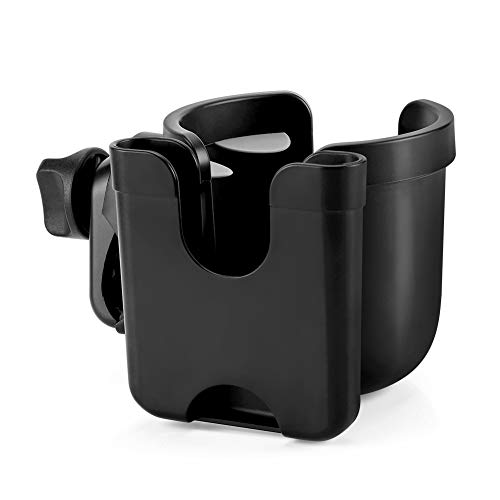
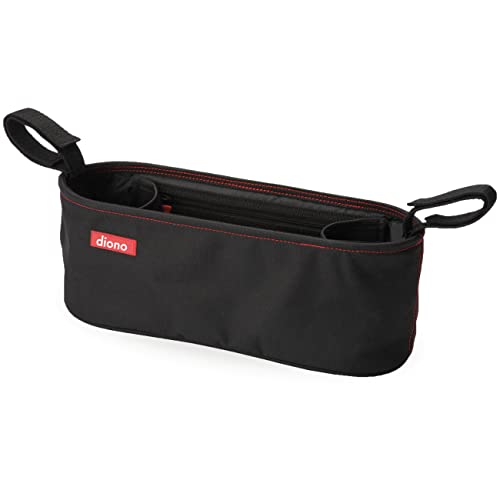
These accessories not only provide comfort but also add convenience to your travel. A stroller equipped with the right accessories can make outings much more pleasant. Always consider the weather and the length of your trip when choosing accessories.
Transitioning Stages
As your baby grows, their needs and abilities change. One of the key milestones in their development is when they can sit in a stroller. This marks a significant transition in their early life. Understanding these transitioning stages helps ensure your baby’s comfort and safety. Observing your baby’s development milestones will guide you in making the right choices. This includes knowing when to use the stroller and when it’s time for an upgrade.
From Stroller To Walker
Transitioning from a stroller to a walker is a big step in your child’s growth. It requires careful consideration of their physical abilities and safety needs. Babies typically start using a stroller when they can sit with support. Infant stroller safety features, such as adjustable recline and harnesses, provide the necessary support.
Before moving to a walker, ensure your baby can sit without assistance. This shows they have developed the necessary muscle strength and balance. Here are some signs that your baby might be ready:
Sitting without support for several minutes.
Showing interest in exploring surroundings.
Attempting to pull themselves up.
It’s also important to consider stroller alternatives for toddlers. Some parents choose options like baby carriers or backpacks. These can be suitable for short outings or when navigating crowded areas. Each choice depends on your baby’s comfort and your lifestyle.
When To Upgrade
Understanding when to upgrade your baby’s stroller is crucial for their comfort and safety. Each stroller has a stroller weight limit which must be adhered to. Overloading a stroller can compromise its stability and safety.
Typically, a baby stroller age guide is provided by manufacturers. This indicates the suitable age range for each stroller model. Pay attention to these guidelines to ensure your stroller remains a safe option.
Consider the following factors when deciding if it’s time to upgrade:
Baby sitting position: Ensure your child is comfortable and well-supported.
Baby sitting support: Check for adequate padding and harness support.
Look for stroller features for infants such as adjustable recline and sun protection.
As your baby grows, their needs will change. Transitioning from stroller to other modes of transport will be necessary. Always prioritize safety and comfort. This ensures a happy and healthy development journey for your little one.
Frequently Asked Questions
Can A 4 Month Old Sit In A Stroller?
A 4-month-old can sit in a stroller if it reclines fully. Ensure the stroller provides proper head and neck support. Always use safety harnesses to keep the baby secure. Check stroller guidelines for age recommendations to ensure safety.
When Can A Baby Sit In A Stroller Without A Car Seat?
Babies can sit in a stroller without a car seat around 6 months old. Ensure they have good neck and head control. Always check stroller guidelines for safety recommendations specific to your model.
When Should A Baby Stop Using A Bassinet Stroller?
Babies should stop using a bassinet stroller when they reach 20 pounds or can push up on hands and knees. This typically occurs around 4 to 6 months old. Always check the manufacturer’s guidelines for specific weight and age limits.
Transition to a regular stroller for safety.
When To Move Baby From Bassinet To Stroller?
Move baby from bassinet to stroller when they can sit up independently, usually around 6 months. Ensure stroller is suitable for their age and provides proper support. Always follow manufacturer guidelines for weight and age limits. Safety and comfort should be prioritized in making this transition.
Conclusion
Choosing the right time for your baby to sit in a stroller is important. Safety comes first, so make sure your baby can sit up independently. Usually, this happens around six months. Every baby is different, so watch for cues.
Your baby should have good neck and head control. Comfort is key for both you and your baby. Follow these guidelines, and you’ll enjoy your strolls together. Trust your instincts and consult your pediatrician if unsure. Happy strolling!
Sophia Linda is a freelance writer and Certified Health Coach based in the Newbury Park, CA. Passionate about healthy living, she focuses on helping families stay active and connected to the outdoors. Together with her husband and their three young children, Sophia spends much of her time traveling, hiking, and camping. Her work has been featured on the bestbabycart blog, and she brings a practical, real-world perspective to reviewing baby products for parents.