
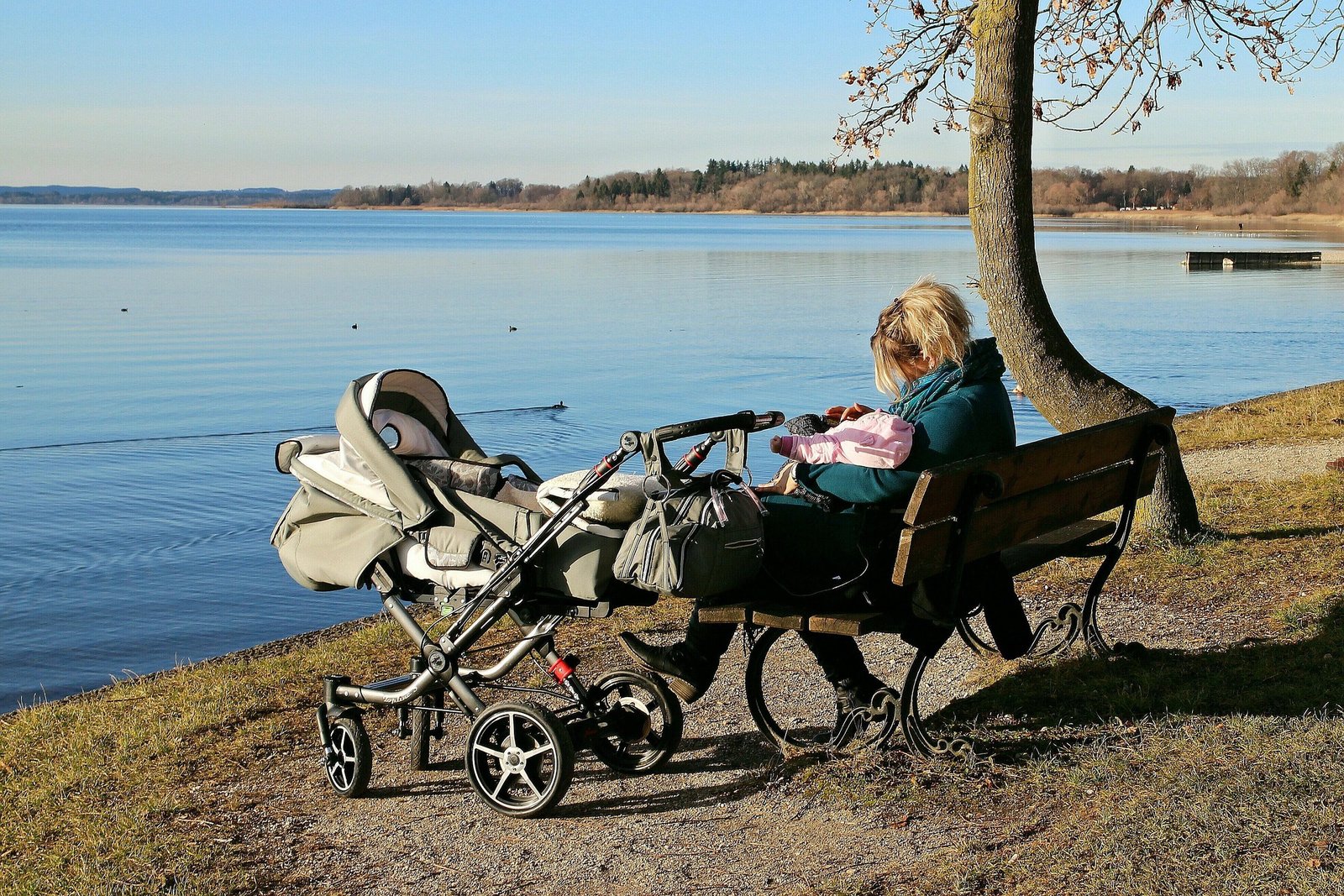
Best Strollers for Every Family and Budget
Choosing the right stroller can feel easy at first, then confusing very fast. One model looks lightweight, another has better wheels, another folds smaller, and another works with an infant car seat. That is why many parents spend far too much time comparing options and still feel unsure.
A good baby stroller should match your real routine. Some families need a compact stroller for quick trips, flights, and small trunks. Others need a stronger everyday stroller with better storage, larger wheels, and more comfort for longer walks. The best stroller is not the one with the highest price or the most hype. It is the one that fits how you actually live.
This stroller buying guide will help you understand the main stroller types, the most important features, how to choose based on lifestyle, what to avoid, and what safety points matter most. Major stroller buying guides today focus on dimensions, storage, maneuverability, suspension, and car-seat compatibility because those details have the biggest impact in daily use.
| Stroller Type | Best For | Main Benefits | Possible Drawbacks | Best Match For |
|---|---|---|---|---|
| Full-Size Stroller | Everyday use | More comfort, better storage, smoother ride, longer use | Heavier and takes more space | Parents who want one main stroller |
| Travel Stroller | Trips, errands, small cars | Lightweight, compact fold, easy to carry | Smaller basket, less padding | Families who travel often |
| Jogging Stroller | Rough sidewalks, outdoor walks | Bigger wheels, better suspension, smoother on uneven ground | Bulkier and harder to store | Active parents and outdoor use |
| Double Stroller | Two children | Carries two kids, practical for twins or siblings | Heavier, wider, less compact | Growing families |
| Travel System Stroller | Newborn stage | Works with infant car seat, easier transitions | Less useful after infant stage for some families | First-time parents with newborns |
Types of Strollers
There is no single best stroller for everyone. The right choice depends on how you plan to use it.
Full-size stroller
A full-size stroller is the everyday workhorse. It usually offers a stronger frame, a roomier seat, more storage, a larger canopy, better recline options, and smoother handling than lighter models. Many full-size strollers also work with infant car seats, which makes them useful for newborns and long-term use.
This type is best for:
- daily walks
- regular outings
- parents who want comfort and storage
- families who plan to use one stroller for several years
Travel stroller
A travel stroller is lighter, smaller, and easier to fold. These are built for portability and convenience. Many are ideal for airports, car trunks, public transport, and quick errands. Travel stroller roundups in 2026 continue to prioritize compact fold, low weight, and easy carry design.
This type is best for:
- frequent travel
- city parents
- small cars
- grandparents or caregivers who want something easy to carry
Jogging stroller
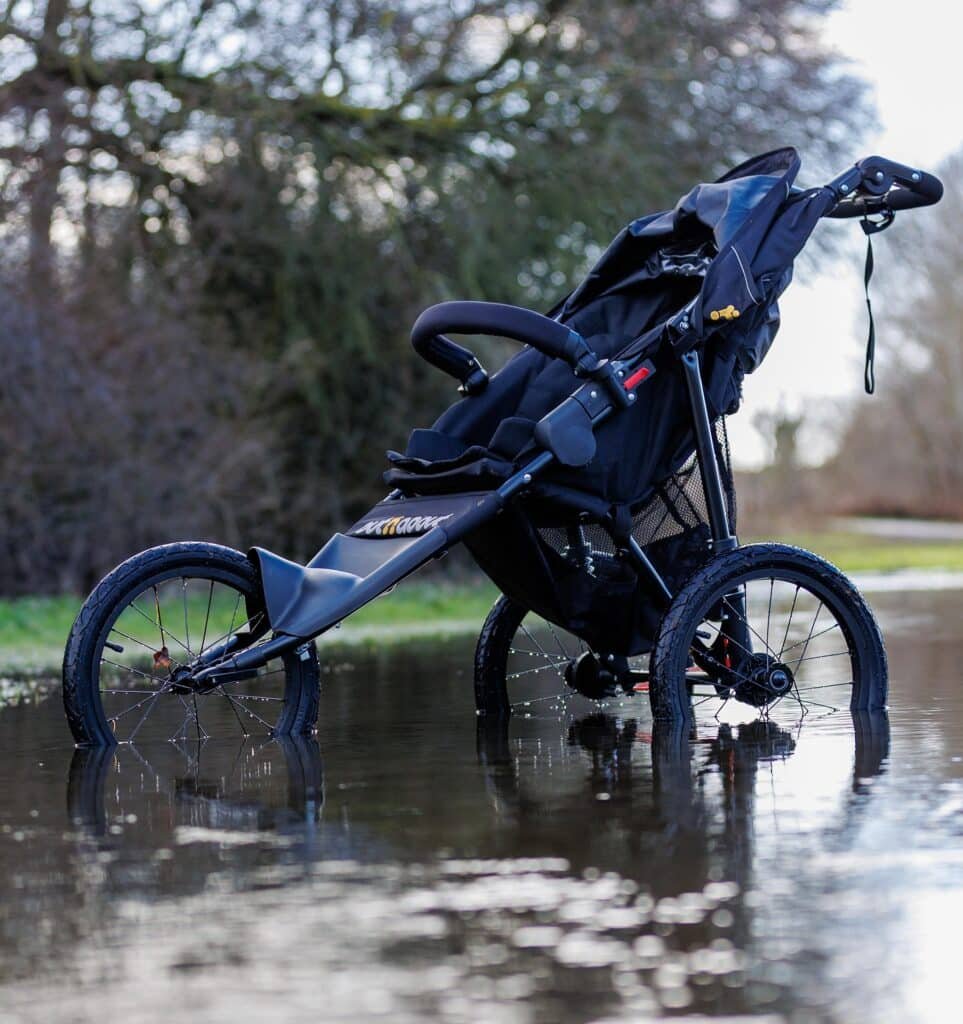
A jogging stroller is designed for smoother movement over uneven ground and better performance during walks, runs, or outdoor use. These models usually have large wheels, better suspension, and stronger frames. Expert reviews and running-focused guides consistently treat wheel size, suspension, and braking as key differences from standard strollers.
This type is best for:
- active parents
- rough sidewalks
- trails and uneven paths
- parents who want more shock absorption
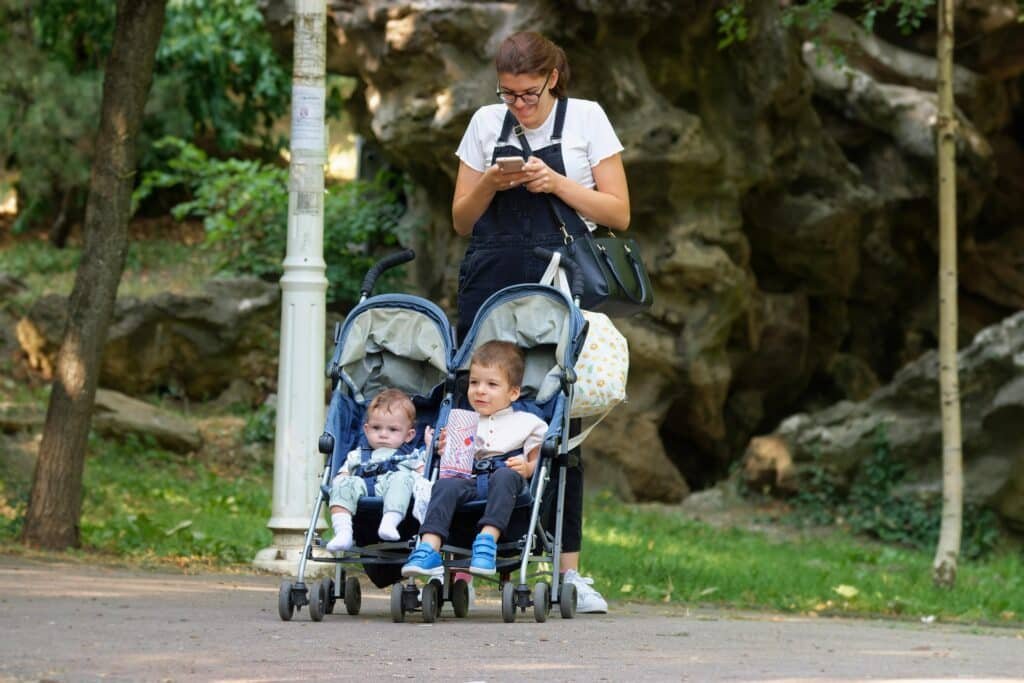
Double stroller
A double stroller is made for two children and comes in side-by-side or tandem styles. Some can also grow from a single stroller into a double setup. Double stroller reviews in 2026 focus on width, maneuverability, fold size, and ease of pushing with two children onboard.
This type is best for:
- twins
- siblings close in age
- growing families who want one long-term stroller solution
Travel system stroller
A travel system combines a stroller with an infant car seat or supports one through built-in compatibility or adapters. This makes car-to-stroller transitions much easier, especially in the newborn stage. Many stroller buying guides treat car seat compatibility as one of the most important decision factors for new parents.
This type is best for:
- newborns
- first-time parents
- families who drive often
- anyone who wants fewer gear changes
Full-Size vs Travel vs Jogging vs Double Stroller
If you are stuck between stroller types, start with how you’ll use it most often.
A full-size stroller is usually the best all-around choice for daily life. It offers comfort, storage, and flexibility. A travel stroller makes more sense if portability matters most. A jogging stroller is the better pick for rough terrain or active use. A double stroller is the practical option for two kids.
Here’s the simple version:
Choose a full-size stroller if you want one main stroller for everyday use.
Choose a travel stroller if you need lightweight convenience and easy folding.
Choose a jogging stroller if you want larger wheels and better suspension.
Choose a double stroller if you need room for two children.
The best buying guides right now follow this same logic: match the stroller to the parent’s real routine, then compare features within that type.
Shop Recommendations
Shop Stroller Picks for Every Family Need
Welcome to our curated stroller collection. Explore lightweight travel strollers, newborn-ready travel systems, rough-sidewalk picks, and double strollers for growing families. Each option below is chosen to match a real everyday need.
Top Stroller Picks
Kolcraft Cloud Plus Lightweight Umbrella Stroller
A lightweight stroller with reclining seat, storage basket, canopy, trays, and compact fold for travel.
View on AmazonSummer by Ingenuity 3D Mini Convenience Stroller
A compact travel stroller with lightweight frame, multi-position recline, canopy, and easy fold.
View on AmazonSummer by Ingenuity 3Dlite Convenience Stroller
A lightweight stroller with a large seat area, recline options, and extra storage for daily errands.
View on AmazonGraco Modes Nest Travel System
A 3-in-1 travel system with reversible seat options and adjustable height positions for infant and toddler use.
View on AmazonGraco Modes Pramette Travel System
A flexible stroller that works as an infant car seat carrier, pramette, and toddler stroller in one system.
View on AmazonMompush Wiz 2 in 1 Baby Stroller
A convertible stroller with bassinet mode, reversible seat, and large UPF 50+ canopy for newborn and toddler stages.
View on AmazonBOB Gear Revolution Flex 3.0 Jogging Stroller
A stronger outdoor stroller with better suspension and smoother handling for rough sidewalks and uneven ground.
View on AmazonChicco Corso Flex Convertible Stroller
A full-sized modular stroller that can convert from single to double with flexible seating and large storage.
View on AmazonMockingbird Single-to-Double Stroller 3.0
A convertible full-size stroller built for one, two, or even three kids in a growing family setup.
View on AmazonChicco Bravo LE ClearTex Full-Size Stroller
A lightweight full-size stroller with one-hand compact fold and UPF-rated canopy for everyday use.
View on AmazonChicco BravoFor2 Standing/Sitting Double Stroller
A practical double stroller option that supports standing or sitting for families with two kids.
View on AmazonChicco Cortina Together Double Stroller
A side-by-side friendly double stroller choice for two children with a more traditional family setup.
View on AmazonGraco Ready2Grow LX 2.0 Double Stroller
A double stroller with bench seat and standing platform options for growing families that need flexibility.
View on AmazonGraco DuoGlider Double Stroller
A lightweight tandem double stroller designed for two children with a more compact family-friendly profile.
View on AmazonHow to Choose the Right Stroller for Your Lifestyle
The smartest way to choose a baby stroller is to think about daily use before brand or style.
1. Think about where you will use it
Smooth mall floors and airport terminals need a different stroller than broken sidewalks or gravel paths. If you walk outdoors often, better wheels and suspension matter more. If you mostly use the stroller indoors or for errands, a smaller and lighter model may be enough. Suspension and maneuverability are repeated decision points across stroller testing and brand buying guides.
2. Check the stroller weight
A stroller that feels fine in a product description may feel annoying in real life if you lift it into the car every day. Lightweight strollers are easier to carry, but they often give up storage, padding, or durability.
3. Test the fold
A good fold saves time and frustration. Look for a fold that feels quick, secure, and realistic for daily use. Many stroller experts specifically call out fold style and ease of folding as a major buying factor.
4. Look at storage
The storage basket matters more than many parents expect. Diaper bags, snacks, wipes, jackets, and shopping items add up quickly. Full-size strollers usually offer better basket space than compact travel models.
5. Consider car seat compatibility
If you have a newborn or plan to use an infant car seat, this is a big one. A stroller that works with your car seat can make daily transitions much easier. Current stroller buying guides consistently highlight this as a top feature for new parents.
6. Think long term
Some parents want a stroller just for travel. Others want one that can grow with the child for years. A more flexible stroller may cost more upfront but last longer.
7. Keep your budget realistic
The best stroller is not always the most expensive one. A premium model can be worth it if you use it every day and need strong performance. But for lighter use, a simpler stroller may do the job just fine.
Key Stroller Features That Matter Most
A lot of stroller pages throw around feature names without explaining what they actually mean. Here are the ones that matter most.
Wheels and suspension matter for comfort and control. If your stroller will face cracked sidewalks, curbs, or rougher paths, these are important. Suspension helps smooth the ride and makes pushing easier.
Storage basket size matters for everyday practicality. A stroller with a decent basket saves you from hanging bags on the handle, which can affect balance and safety.
Car-seat compatibility matters for newborn convenience. A stroller that fits an infant seat can make daily transitions much easier.
Recline and seat support matter for comfort. Younger babies often need flatter positions or bassinet options, while older babies and toddlers need supportive upright seating.
Weight and folded size matter if you travel often, use stairs, have a small trunk, or share the stroller with grandparents or caregivers.
Handlebar comfort and steering matter more than most people think. A stroller that feels awkward to push will become frustrating over time. Some guides specifically call out adjustable handlebars and smoother maneuverability as important features.
Washable fabrics are underrated. Strollers get messy. Easy-clean or removable fabric can save a lot of hassle over time.
Stroller for Infant vs Toddler
A stroller that works well for a newborn does not always work the same way for a toddler.
For an infant, you usually want one of three things: bassinet support, a near-flat recline, or compatibility with an infant car seat. That early stage is more about support, safety, and smooth transitions.
For a toddler, the priorities shift. You may care more about seat size, weight limit, canopy coverage, legroom, and how easy the stroller is to push with a heavier child.
Many families either choose a travel system at the start or buy a stroller that can adapt across stages. That usually gives better long-term value than buying based only on the newborn phase.
Do You Need a Travel System
Not every parent needs a travel system, but many find it useful.
A travel system is especially helpful if you drive often and want to move your baby between the car and stroller with as little disruption as possible. If your stroller works with an infant car seat, quick errands become much easier. That is why stroller buying guides so often treat car-seat compatibility as a major factor.
If you mostly walk, stay local, or prefer a bassinet stroller setup, you may not need one. The decision depends on your routine, not just the product label.
Best Strollers by Use Case
The best stroller depends on what matters most to you.
Best stroller for everyday use
Look for a full-size stroller with strong wheels, decent suspension, a roomy basket, comfortable seating, and easy steering.
Best stroller for travel
Go for a lightweight travel stroller with a compact fold and easy carry design. Many of the top-rated travel stroller lists in 2026 prioritize compactness and portability first.
Best stroller for newborns
Choose a stroller with bassinet mode, deep recline, or infant car seat compatibility. Newborn-focused stroller advice commonly centers on safe support and travel-system flexibility.
Best stroller for rough sidewalks
Choose a stroller with larger wheels and better suspension. Jogging or all-terrain styles usually perform better here.
Best stroller for two kids
A double stroller makes life easier if you need to push two children at once. Focus on width, fold size, seat layout, and steering.
Best stroller for small cars
Compact fold and low weight matter most. Travel strollers and some lightweight full-size models usually work best.
Best Stroller Brands
Some stroller brands are known for value, while others are known for premium design or travel-friendly features.
Graco is often popular for value and travel systems.
UPPAbaby is known for premium features and modular options.
Chicco is a common choice for travel systems and practical everyday use.
Bugaboo is well known for premium engineering and strong maneuverability.
Thule often stands out in active and jogging stroller categories. These brands appear repeatedly in major tested stroller roundups and current buying guides.
A smart approach is to compare brands only after you choose the stroller type you need. Brand matters, but lifestyle fit matters more.
Common Stroller Buying Mistakes
Many people make the same mistakes when choosing a stroller.
One common mistake is buying based on style instead of routine. A stroller can look great online and still be a bad fit for your car, your neighborhood, or your daily habits.
Another mistake is ignoring measurements. A stroller that is too bulky for doorways, elevators, or the trunk will become frustrating fast. This is why current buying guides stress checking dimensions before buying.
Some buyers also ignore storage space until it becomes a daily problem. Others focus only on newborn use and forget that the child will grow quickly.
A big mistake is assuming that the most expensive stroller is automatically the best. Price can reflect quality, but the best stroller is the one that solves your daily needs most effectively.
How Long Do Strollers Last
Most stroller use happens in the first few years. The U.S. Consumer Product Safety Commission describes strollers as products normally used from infancy to 36 months of age, though the real limit depends on the model and manufacturer’s guidance.
In practice, how long a stroller lasts depends on build quality, child size, frequency of use, terrain, and maintenance. A stroller used lightly on smooth surfaces may stay in good shape for years. One used daily on rough ground may wear out faster.
This is why long-term buyers should pay attention to frame quality, wheel durability, washable materials, and seat weight limits.
When to Replace a Stroller
You may need to replace a stroller when it no longer fits your child’s size, when the frame becomes unstable, when folding parts stop locking properly, or when wheels and steering wear down enough to affect safe use.
You may also need a different stroller as your life changes. For example, some families start with a travel system, then move to a lighter travel stroller later. Others upgrade to a double stroller when a second child arrives.
Stroller Safety and Age Guidelines
Safety should be one of the first filters, not the last one.
HealthyChildren.org advises using a five-point harness every time your child rides in the stroller. It also warns against leaving a child unattended.
The American Academy of Pediatrics’ safety guidance also aligns with core common-sense rules: use the harness, make sure the stroller is fully locked open before use, and avoid creating tipping risk by hanging heavy bags from the handle.
The CPSC says strollers are normally used from infancy to 36 months, but your child’s safe use depends on the model’s age and weight limits.
For jogging strollers, expert guidance commonly recommends waiting until the baby is at least 6 months old and has good head, neck, and trunk control before running with them.
FAQ
What is the best stroller for everyday use?
The best stroller for everyday use is usually a full-size stroller with strong wheels, good storage, comfortable seating, and easy steering. It gives the best overall balance for regular family life.
Which stroller is best for travel?
A travel stroller is usually best for travel because it is lighter, folds smaller, and is easier to carry through airports, cars, and tight spaces.
Do I need a travel system stroller?
You may need one if you have a newborn and drive often. A travel system makes it easier to move your baby from the car to the stroller without waking them.
What age can a baby use a stroller?
That depends on the model. Some strollers work from birth with a bassinet, near-flat recline, or infant car-seat attachment. Always follow the manufacturer’s age and weight guidance. The CPSC says strollers are generally used from infancy to 36 months.
Are expensive strollers worth it?
Sometimes. If you use a stroller daily, better suspension, stronger wheels, smoother steering, and better storage may justify the cost. But many mid-range strollers are still a very good fit for most families.
Can I jog with a newborn in a jogging stroller?
Not for running. The general recommendation from pediatric experts is to wait until the baby is at least 6 months old and has good head, neck, and trunk control.
Final Verdicts
The best stroller is the one that fits your family’s real routine.
If you want one main stroller for daily life, a full-size stroller is often the safest choice. If you travel often, a compact stroller may make more sense. If you walk on rough ground, focus on suspension and wheel quality. If you need a stroller that works from infancy, check car-seat compatibility or bassinet support first.
That is the real value of a good stroller buying guide. It helps you stop guessing and start comparing the things that actually matter.

Sophia Linda, a proud mother of three and founder of BestBabyCart, combines real parenting experience with expert knowledge of baby products. She understands the joys and challenges of raising little ones and is dedicated to guiding parents with trusted tips, honest reviews, and practical advice to make every stage of parenthood easier and more joyful.