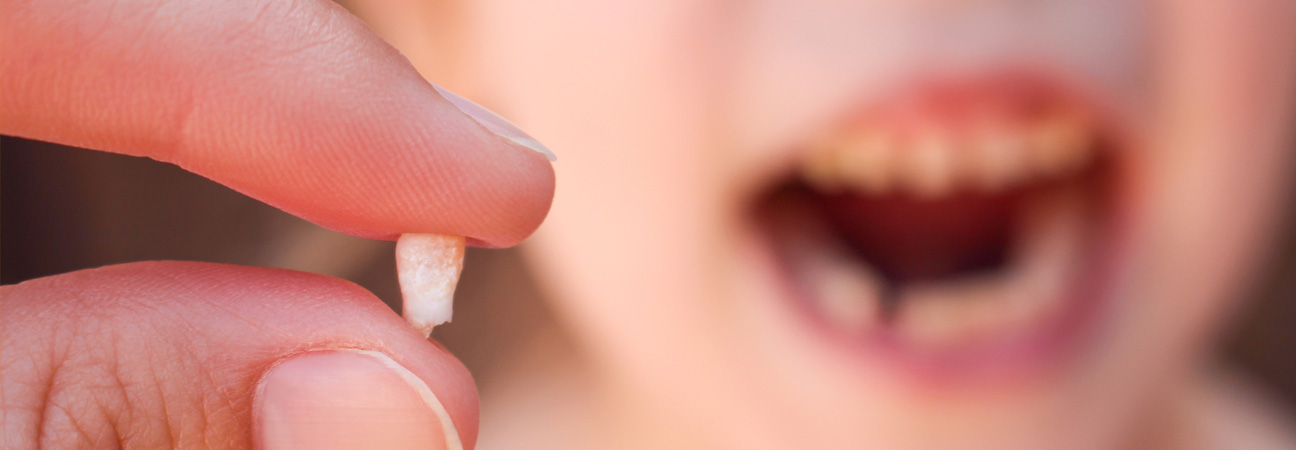
Yes, baby teeth have nerves. Just like adult teeth, they can feel pain.
Hey there, parents! If you’ve ever wondered, “Do baby teeth have nerves?” you’re not alone. As a mom of three and the founder of BestBabyCart.com, I’ve had the same question pop into my mind during those late-night teething sessions. It’s a topic that often surprises new parents, and I’m here to break it down for you in a way that’s easy to understand, with a sprinkle of emotional support, because I know how overwhelming parenting can feel sometimes!
Introduction To Baby Teeth
Baby teeth, also called primary teeth, play a huge role in your child’s development, from helping them chew their first bites to paving the way for their permanent teeth. But what’s going on inside those tiny pearly whites? Do they have nerves like adult teeth? And if they do, what does that mean for teething, tooth decay, or even a trip to the dentist? Let’s uncover the surprising truth together, with Pediatrician-backed insights and practical tips to keep your little one’s smile healthy.
Do Baby Teeth Have Nerves?
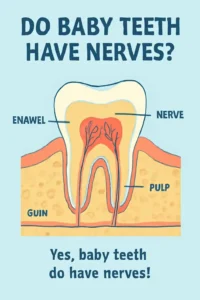
Yes, baby teeth do have nerves! Just like adult teeth, baby teeth contain nerves, blood vessels, and a soft tissue called pulp at their core. This might come as a surprise, especially since baby teeth eventually fall out, but those nerves are essential for your child’s oral health and development. They help the teeth grow, stay healthy, and even signal pain if something’s wrong, like a cavity.
But don’t worry—this doesn’t mean your baby is in constant pain when those teeth start coming in. The nerves in baby teeth are less developed than in adult teeth, which is why kids can often handle teething or minor dental issues better than we might expect. Let’s dig deeper into what this means for your little one.
The Anatomy of Baby Teeth: What’s Inside?
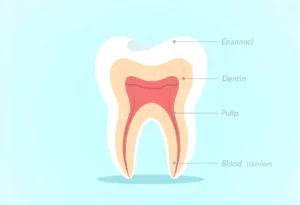
To understand the role of nerves in baby teeth, let’s take a quick look at their structure. Baby teeth might be small, but they’re made up of several layers, just like permanent teeth.
The Outer Layers: Enamel and Dentin
The outermost layer of a baby tooth is the enamel—a hard, protective coating that’s the toughest substance in the human body. Beneath the enamel is the dentin, a softer layer that supports the enamel and absorbs shocks from chewing.
The Inner Core: Pulp, Nerves, and Blood Vessels
At the center of the tooth is the pulp, a soft tissue that houses the nerves and blood vessels. These nerves are what allow the tooth to feel sensations like temperature or pain, while the blood vessels supply nutrients to keep the tooth alive and growing. So yes, baby teeth have nerves, but they’re not as sensitive as those in adult teeth because the dentin layer in baby teeth is thinner, and the nerves are less mature.
Why Do Baby Teeth Need Nerves?
Now that we know baby teeth have nerves, you might be wondering why they need them in the first place. After all, these teeth fall out between ages 6 and 12, so what’s the point? Here’s why those nerves are so important:
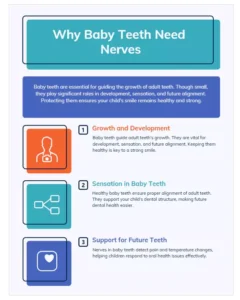
- Growth and Development: Nerves and blood vessels in the pulp help the tooth grow and stay healthy while it’s in your child’s mouth.
- Sensation: The nerves allow your child to feel sensations, like pain from a cavity, which can alert you to dental issues early.
- Support for Permanent Teeth: Healthy baby teeth help guide permanent teeth into the right position, and the nerves play a role in keeping those baby teeth functional until they’re ready to fall out.
So, while baby teeth are temporary, they’re not just placeholders—they’re working hard to support your child’s overall oral health!
Img: Why Baby Teeth Need Neves
Formation Of Baby Teeth
Baby teeth begin forming before birth. The development starts in the womb. By the time a baby is born, the crowns of all 20 primary teeth are almost completely formed. These teeth begin to erupt through the gums at around six months of age.
Here is a table showing the typical age range for the eruption of baby teeth:
| Type of Tooth | Age of Eruption (Months) |
|---|---|
| Central Incisors | 6-12 |
| Lateral Incisors | 9-16 |
| First Molars | 13-19 |
| Canines | 16-23 |
| Second Molars | 23-33 |
Importance Of Baby Teeth
Baby teeth are essential for several reasons:
- Chewing: They help children chew food properly, aiding digestion.
- Speech: These teeth are crucial for speech development. They help in forming sounds and words.
- Jaw Development: Baby teeth maintain space in the jaw for the permanent teeth. They guide the permanent teeth into their correct positions.
- Self-Esteem: A healthy smile boosts a child’s confidence and social interactions.

Structure Of Baby Teeth
Understanding the structure of baby teeth is crucial for recognizing their role in a child’s early development. Baby teeth, also known as primary teeth, have a unique structure that distinguishes them from adult teeth. Let’s explore the different layers and how they differ from adult teeth.
Layers Of A Tooth
Each baby tooth consists of several layers, each serving a vital function:
- Enamel: This is the hard, outermost layer. It protects the tooth from decay.
- Dentin: Located beneath the enamel, this layer is softer. It supports the enamel and carries some nerve fibers.
- Pulp: The innermost part of the tooth. It contains nerves and blood vessels. This part is crucial for the tooth’s health and development.
Differences From Adult Teeth
While baby teeth share similarities with adult teeth, there are key differences:
| Aspect | Baby Teeth | Adult Teeth |
|---|---|---|
| Size | Smaller | Larger |
| Enamel Thickness | Thinner | Thicker |
| Number | 20 | 32 |
| Root Structure | Shorter, resorbs over time | Longer, permanent |
Understanding these differences helps in providing proper dental care for children. It ensures their teeth stay healthy and strong.
Checklist: Soothing Teething Pain
Presence Of Nerves In Baby Teeth
Parents often wonder if baby teeth have nerves. The simple answer is yes. Baby teeth, like adult teeth, contain nerves. These nerves play a crucial role in the health and function of teeth. Understanding this can help in better dental care for children.
Anatomy Of Nerves
Each baby tooth has a complex structure. Inside the tooth, there is a soft tissue called the pulp. The pulp contains nerves and blood vessels. These nerves run from the crown of the tooth down to the root. They are surrounded by dentin, a hard tissue that protects them.
The pulp is vital for the tooth’s development. It helps form the dentin and keeps the tooth alive. Nerves in the pulp are very sensitive. They can detect changes in temperature and pressure. This sensitivity is important for detecting potential issues early.
Function Of Nerves In Teeth
Nerves in baby teeth serve several purposes. Firstly, they help in the growth and development of the tooth. The nerves provide nutrients and keep the tooth healthy. Secondly, they act as a warning system. If a tooth gets damaged or infected, the nerves send pain signals. This alerts you to the problem.
Pain signals can indicate cavities or other issues. Early detection can prevent more serious problems. Therefore, nerves are essential for maintaining oral health in children.
Pain And Sensation In Baby Teeth
Baby teeth have nerves, so they can feel pain and other sensations. This is why children may feel discomfort when their teeth come in or fall out.
Baby teeth, also known as primary teeth, do have nerves. These nerves play a significant role in the pain and sensation your child feels. Understanding this can help you better manage your baby’s dental health.
Teething Pain
Teething often causes discomfort and pain for babies. The process starts around six months of age. During teething, teeth push through the gums. This can make the gums sore and swollen. Your baby may become fussy and irritable. They might also drool more than usual. Chewing on objects can help soothe their gums.
Sensitivity To Temperature
Baby teeth can be sensitive to temperature changes. Cold foods or drinks might cause discomfort. Hot items can also trigger pain. This sensitivity is due to the nerves in the teeth. You may notice your baby reacting to temperature changes in their food or bottle. Being mindful of this can help prevent unnecessary discomfort.
Dental Health For Baby Teeth
Many parents wonder if baby teeth have nerves. Yes, they do. Baby teeth are essential for chewing and speaking. They also hold space for adult teeth. Taking care of baby teeth is important. Good dental health starts early.
Oral Hygiene Practices
Proper oral hygiene is crucial for baby teeth. Start cleaning your baby’s mouth before teeth appear. Use a soft, damp cloth to wipe gums. Once teeth appear, use a small toothbrush with soft bristles. Brush twice a day. Use a small amount of fluoride toothpaste.
- Wipe gums daily with a clean cloth.
- Brush teeth twice a day.
- Use fluoride toothpaste.
- Visit the dentist regularly.
These practices help keep baby teeth healthy. They also set the stage for good dental habits.
Preventing Tooth Decay
Tooth decay can start early. Prevent it by controlling sugar intake. Avoid giving sugary drinks in bottles. Don’t let your baby sleep with a bottle. Introduce a sippy cup around six months.
- Limit sugary drinks and snacks.
- Use a sippy cup by six months.
- Brush teeth after meals.
- Schedule regular dental check-ups.
These steps help prevent cavities. Healthy baby teeth lead to healthy adult teeth.
| Age | Oral Care Tips |
|---|---|
| 0-6 months | Wipe gums with a clean cloth. |
| 6-12 months | Introduce a toothbrush. Use fluoride toothpaste. |
| 12-24 months | Brush twice a day. Visit the dentist. |
Following these tips can keep your child’s teeth healthy. Early care is key to a lifetime of good dental health.
Common Myths About Baby Teeth
Understanding baby teeth is crucial for parents. There are many common myths about baby teeth. These myths can lead to misunderstandings about dental care for children. Addressing these myths can help parents take better care of their child’s teeth.
Myth Of No Nerves
Some people believe baby teeth have no nerves. This is untrue. Baby teeth do have nerves. These nerves can feel pain and temperature changes. If a baby tooth gets damaged, it can hurt. Ignoring this myth can lead to untreated dental issues. Proper care is needed to avoid pain and infections.
Myth Of Irrelevance To Adult Teeth
Many think baby teeth do not affect adult teeth. This is another myth. Baby teeth guide the permanent teeth into place. They act as placeholders. If a baby tooth is lost early, it can cause spacing issues. These issues can affect how adult teeth grow in. Proper care of baby teeth ensures healthy development of adult teeth.
Cavities and Nerve Sensitivity
If a cavity develops in a baby tooth, it can reach the pulp and irritate the nerves, causing pain. That’s why it’s so important to start oral hygiene early—yes, even before the first tooth comes in! Wiping your baby’s gums with a soft cloth and brushing their teeth with a tiny amount of fluoride toothpaste (once they erupt) can prevent cavities.
Trauma to Baby Teeth
If your child falls and chips a baby tooth, the nerve might become exposed, leading to sensitivity or pain. In some cases, the tooth might need to be extracted by a dentist to prevent infection or damage to the permanent tooth underneath. Always consult a Pediatric dentist if your child experiences dental trauma.
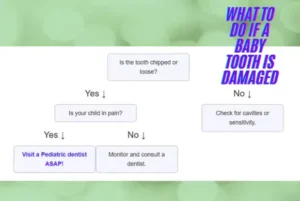
Image: What to do if a baby tooth is damaged!
When To Visit A Pediatric Dentist
Understanding when to visit a pediatric dentist is crucial for your child’s dental health. Baby teeth, also known as primary teeth, play an essential role in developing strong, healthy adult teeth. Even though baby teeth eventually fall out, their health is important.
Many parents wonder if baby teeth have nerves. The answer is yes. Baby teeth have nerves just like adult teeth. This means they can feel pain and sensitivity. To ensure your child’s teeth are healthy, it’s important to know when to schedule a visit to the pediatric dentist.
First Dental Visit
Experts recommend scheduling your child’s first dental visit by their first birthday. This early visit helps identify any potential dental issues and ensures proper tooth development. During this visit, the dentist will examine your child’s teeth and gums. They will also discuss proper oral hygiene practices.
By starting dental visits early, children become comfortable with the dentist. This can reduce anxiety in future visits. Regular checkups are key to maintaining healthy teeth and preventing dental problems.
Signs Of Dental Issues
It’s important to monitor your child’s teeth for signs of dental issues. Early detection can prevent more serious problems later. Here are some common signs to watch for:
- Tooth pain or sensitivity
- Swollen or bleeding gums
- White or brown spots on teeth
- Bad breath that doesn’t go away
- Difficulty chewing or eating
If you notice any of these signs, schedule a visit to the pediatric dentist right away. They can diagnose and treat any issues, ensuring your child maintains a healthy smile.
Regular dental visits and proper oral care are essential for your child’s dental health. By knowing when to visit a pediatric dentist, you can help ensure your child’s teeth and gums stay healthy and strong.
Long-term Impact Of Baby Teeth Health
Baby teeth have nerves, which play a crucial role in early dental health. Healthy baby teeth impact adult teeth alignment and overall oral health.
Baby teeth play a crucial role in a child’s overall development. Their health impacts more than just the ability to chew. It affects speech and the alignment of adult teeth. Neglecting baby teeth can lead to long-term oral health issues. These issues often extend into adulthood.
Influence On Adult Teeth
Baby teeth act as placeholders for adult teeth. They guide permanent teeth into the correct position. Poor care of baby teeth can lead to misalignment of adult teeth. This misalignment may require braces or other orthodontic treatments. Early loss of baby teeth can cause crowding in the mouth. This can lead to problems with biting and chewing.
Overall Oral Health
Healthy baby teeth contribute to overall oral health. Decayed baby teeth can cause pain and infections. These infections can spread to other parts of the mouth. This can affect the development of adult teeth. Good oral hygiene habits start with baby teeth. Teaching kids to care for their baby teeth sets them up for a lifetime of healthy habits.
How to Care for Baby Teeth with Nerves
Knowing that baby teeth have nerves means we need to take extra care to keep them healthy. Here are some practical tips to protect those tiny teeth and their nerves:
Start Oral Hygiene Early
Even before the first tooth appears, wipe your baby’s gums with a soft, damp cloth after feedings to remove bacteria. Once teeth erupt, brush twice a day with a rice-grain-sized amount of fluoride toothpaste.
Limit Sugary Foods and Drinks
Sugar can lead to cavities, which can irritate the nerves in baby teeth. Avoid giving your child sugary snacks or juices, especially before bed, and encourage water instead.
Schedule Regular Dental Checkups
The American Academy of Pediatric Dentistry recommends your child’s first dental visit by their first birthday. Regular checkups can catch issues early, protecting the nerves and overall oral health.
Emotional Support for Parents: You’re Not Alone!
Learning that baby teeth have nerves can feel a little overwhelming—I get it! As parents, we worry about every little thing, especially when it comes to our child’s health. But here’s the good news: you’re already doing an amazing job by seeking out this information. Taking care of your baby’s teeth is a learning process, and it’s okay to feel unsure sometimes.
Let Go of the Guilt
If your child has a cavity or dental issue, don’t blame yourself. Dental problems can happen even with the best care, and the nerves in baby teeth are there to help alert you to issues so you can address them.
Summary Of Findings
Baby teeth, also known as primary teeth, do have nerves. These nerves are similar to those in adult teeth. They are sensitive to pain, temperature, and pressure.
- Baby teeth have a pulp chamber with nerves and blood vessels.
- They can feel pain and react to stimuli.
- Proper dental care is essential for maintaining healthy nerves in baby teeth.
Final Thoughts
Caring for baby teeth is important. Their nerves can cause pain when there are dental issues. Regular check-ups with a dentist can help maintain dental health. Good dental hygiene from a young age prevents many problems.
If your child complains of tooth pain, consult a dentist. It’s important to address issues early. Healthy baby teeth lead to a healthy adult smile.

FAQ: Your Baby Teeth Questions Answered
Do baby teeth have nerves like adult teeth?
Yes, baby teeth have nerves, but they are less developed than adult teeth. The nerves are in the pulp, helping with growth and sensation, but they’re not as sensitive.
Can a cavity in a baby tooth cause nerve pain?
Yes, if a cavity reaches the pulp, it can irritate the nerves and cause pain. That’s why early dental care is so important to prevent cavities.
Does teething pain come from the nerves in baby teeth?
No, teething pain is mostly from the gums as teeth push through, not the nerves inside the teeth. The nerves in baby teeth are less sensitive than in adult teeth.
When should my child see a dentist for their baby teeth?
The American Academy of Pediatric Dentistry recommends a first dental visit by your child’s first birthday to ensure their teeth and nerves stay healthy.
What should I do if my child’s baby tooth is damaged?
If the tooth is chipped or loose, check for pain. If they’re in pain, see a Pediatric dentist right away. If not, monitor and consult a dentist for advice.
Conclusion: Healthy Baby Teeth, Happy Smiles
So, do baby teeth have nerves? Yes, they do—and those nerves play a vital role in your child’s oral health, from growth to signaling problems like cavities. By understanding how baby teeth work and taking steps to care for them, you’re setting your child up for a lifetime of healthy smiles. At BestBabyCart.com, we’re here to support you with Pediatrician-led advice and the best baby products. Need teething toys or baby toothbrushes? Check out our top picks on Amazon through our site!

Emma Grace is a devoted mother and passionate content writer at BestBabyCart.com. With firsthand parenting experience and a love for research, she creates helpful guides and honest reviews to support parents in choosing the best for their babies. Her goal is to make parenthood easier, one article at a time.