

The vicious cycle of an overtired baby is one of the most common, frustrating challenges for caregivers: your baby misses their early sleep cues, gets a stress-induced second wind of cortisol, fights sleep for hours, and ends up even more exhausted the next day — making it even harder to catch their sleep window. Unlike adult fatigue, overtiredness triggers a fight-or-flight response in babies that makes self-soothing nearly impossible, leading to longer meltdowns and disrupted rest for the whole household.
The good news? Breaking this cycle doesn’t require expensive gadgets or harsh sleep training. With consistent, gentle adjustments to your routine, environment, and cue recognition, you can help your baby get the rest they need to thrive. All guidance below aligns with current recommendations from the American Academy of Pediatrics (AAP) infant sleep guidelines and the CDC, with no one-size-fits-all rules — adjust to fit your family’s unique needs. You can also read our guide on how many cloth diapers baby need guide for parent.
What Does an Overtired Baby Actually Look Like?
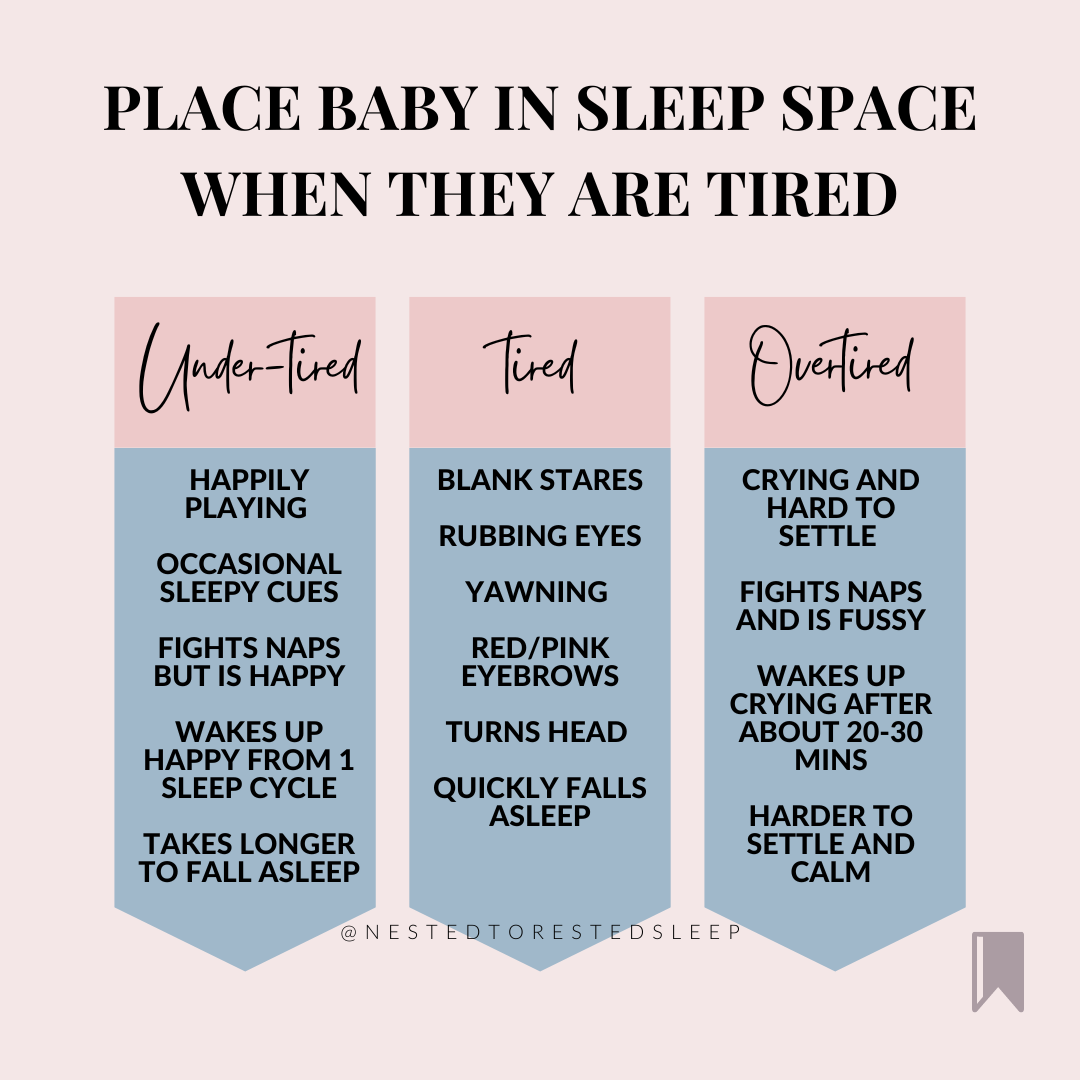
Many caregivers miss the earliest signs of sleep pressure, waiting until their baby is crying to put them down — by then, they’re already overtired and fighting sleep. Learning to spot cues at every stage is the first step to breaking the cycle.
Early Sleep Cues (The Ones Parents Often Miss)
These subtle signs appear 10-15 minutes before your baby is fully overtired, and are the ideal time to start your bedtime or nap routine:
- Staring blankly or a sudden drop in activity level
- Turning their head away from stimuli (toys, voices, bright light)
- Pulling at their ears or rubbing their face
- Quieter babbling or less frequent cooing than usual
- Slow, deliberate movements instead of their usual energetic fidgeting
Catching these cues is far easier than soothing a fully overtired baby, so keep a quick log of when you notice these signs for the first few weeks to learn your baby’s unique pattern. You can also read our guide on breastfeeding tips for new moms.
Physical Signs of Full Overtiredness
If early cues are missed, your baby will show more obvious physical signs that they’re past their sleep window:
- Red, puffy eyes or dark under-eye circles
- Flushed cheeks or dark red eyebrows
- Frequent yawning or hard eye rubbing
- Clenched fists or rigid, tense body muscles
- “Sleepy tears” — crying without an obvious trigger that doesn’t stop with feeding or a diaper change
Behavioral Red Flags
Overtiredness often triggers a surge of cortisol that makes babies act the opposite of tired, which is why so many caregivers mistake it for overstimulation or defiance:
- Sudden hyperactivity: frantic movement, kicking, or arching their back for infants; running, jumping, or refusing to sit still for toddlers
- Resistance to being held or comforted, even from their usual favorite caregiver
- Frantic sucking on hands, toys, or clothing
- Inconsolable crying that escalates even after you address obvious needs (hunger, dirty diaper, temperature discomfort)
- Fighting sleep even when they’re clearly exhausted, such as rubbing their eyes while crying
A common mistake many caregivers make is assuming a wired, fussy baby is “not tired yet” and keeping them awake longer, which only worsens overtiredness. If you see these signs, prioritize getting your baby to sleep as quickly as possible, even if it’s 30 minutes earlier than their usual nap or bedtime.
 Catching early sleep cues is the fastest way to avoid a full overtired meltdown
Why Do Babies Get Overtired?
Overtiredness almost always stems from a mismatch between your baby’s sleep needs and their actual sleep schedule. Understanding the root cause makes it easier to address the issue long-term. You can also read our guide on how many socks for baby guide.
Age-Appropriate Sleep Requirements
Babies’ sleep needs drop sharply as they grow, and missing even 30 minutes of daytime sleep can push them past their sleep window. These ranges are based on AAP guidance, though some babies need slightly more or less rest:
| Age Group | Total 24-Hour Sleep Needed | Typical Nap Schedule |
|---|---|---|
| Newborn (0-3 months) | 14-17 hours | 3-5 naps, 30 minutes to 2 hours each |
| Infant (4-11 months) | 12-15 hours | 2-3 naps, 1-2 hours each |
| Toddler (1-2 years) | 11-14 hours | 1 nap, 1.5-3 hours long |
 Use this guide as a starting point, and adjust based on your baby's unique sleep patterns
Disruptions to Sleep Windows
Even a consistent routine can be derailed by unexpected disruptions that cut naps short or delay bedtime:
- Sudden schedule changes: travel, daylight savings time, or family events can throw off your baby’s internal clock
- Physical discomfort: teething pain, illness, diaper rash, or being too hot/cold can wake babies frequently
- Hunger: missed feeds or cluster growth spurts can leave babies waking up hungry before they’ve gotten enough rest
- Environmental noise and light: loud household sounds, bright screens, or sunlight coming through windows can disrupt nap and nighttime sleep
- Overstimulation before sleep: active play, screen time, or too many visitors right before bed can make it hard for your baby’s nervous system to wind down
Inconsistent Routines
Babies rely on circadian rhythm cues to know when it’s time to sleep, so random bedtimes, nap times, or bedtime routines can confuse their internal clock. Even small inconsistencies — like letting your baby sleep in 2 hours later on weekends, or skipping a nap for a family outing — can add up to chronic overtiredness over time. Consistency doesn’t mean a rigid, unchangeable schedule, but keeping wake windows, bedtime, and routine elements predictable 80% of the time will make a big difference. If your baby’s nap schedule conflicts with family commitments, you can find tips for adjusting your schedule around early baby naps without disrupting their rest.
How Overtiredness Impacts Your Baby’s Well-Being
Occasional overtiredness is normal and not harmful, but chronic overtiredness (occurring 3+ times a week for a month or more) can have short- and long-term effects on your baby’s health and development. You can also read our guide on diaper rash remedies for babies quick relief tips.
Short-Term Effects
In the immediate term, overtiredness creates a vicious cycle that’s hard to break:
- Increased irritability and frequent meltdowns, even over small triggers
- Difficulty self-soothing, so babies rely entirely on caregivers to fall asleep
- Reduced appetite, as overtired babies are too fussy to feed properly
- More frequent night wakings and shorter total sleep time, worsening overtiredness the next day
- Clumsiness or poor coordination for mobile babies, as fatigue impacts motor control
Long-Term Developmental Considerations
While rare for babies with occasional overtiredness, chronic sleep deprivation can impact:
- Emotional regulation: overtired babies struggle to learn coping skills for frustration, which can lead to more frequent tantrums as they grow
- Physical growth: deep sleep is when growth hormone is released, so consistent overtiredness may lead to slower weight gain or missed developmental milestones like sitting up or crawling
- Immune function: sleep supports a healthy immune system, so chronically overtired babies may get sick more often
If you notice these effects lasting more than 2 weeks despite consistent routine adjustments, talk to your pediatrician to rule out underlying issues.
Step-by-Step Solutions to Break the Overtired Cycle
The fastest way to fix overtiredness is to address the root cause, rather than just soothing the symptoms after the fact. Follow these actionable steps to reset your baby’s sleep schedule:
Step 1: Master Early Sleep Cue Recognition
The single most effective way to prevent overtiredness is to catch those early subtle cues before they escalate. For the first 3 days, keep a quick log of when you notice early cues (staring blankly, ear pulling, decreased activity) and how long it takes your baby to fall asleep when you start their routine at that time. Most babies under 6 months have a 10-15 minute window between early cues and full overtiredness, so acting quickly is key. You can also read our guide on faq for new parents baby care answers.
Step 2: Build a Consistent, Flexible Routine
Consistency helps your baby’s brain learn when to expect sleep, making it easier for them to wind down. A simple routine for a 6-month-old might look like:
- Warm bath (5 minutes)
- Gentle lotion massage (2 minutes)
- Quiet story or lullaby (5 minutes)
- Lights out for bed/nap
Stick to the same order every day, and keep weekend wake times within 30 minutes of weekday wake times to avoid disrupting their circadian rhythm. Occasional late nights for family events won’t derail your progress as long as you return to your routine the next day.
Step 3: Optimize the Sleep Environment
A sleep-friendly environment removes barriers to falling asleep and reduces disruptions:
- Darkness: Use blackout curtains to block out all sunlight, even small amounts can suppress melatonin production in babies. If you need a nightlight for safety, use a red-toned one, as red light does not disrupt sleep hormones.
- Temperature: Keep the room between 68-72°F (20-22°C), per CDC safe sleep guidelines. Dress your baby in appropriate sleepwear layers — one more layer than you would wear to be comfortable in the same room — to avoid overheating.
- Noise: Use a white noise machine at a consistent volume (no louder than 50 decibels, roughly the volume of a quiet shower) to block out sudden household noises. Choose a constant, non-looping sound to avoid startling your baby mid-sleep.
- Safety: Follow AAP safe sleep guidelines by using a firm, flat mattress with a fitted sheet, and no loose blankets, pillows, stuffed animals, or bumper pads in the crib. Set up a safe, comfortable crib setup to reduce discomfort and SIDS risk.
Step 4: Use Gentle, Age-Appropriate Soothing Techniques
If your baby is already overtired, use these gentle methods to calm their nervous system and help them drift off:
- Newborns (0-3 months): Swaddle (until they show signs of rolling), shush loudly near their ear, gentle rocking, or offer a pacifier to activate their calming reflex. Note that swaddling should be stopped immediately once your baby can roll over to reduce SIDS risk.
- Infants (4-11 months): Use white noise, gentle patting on the back, or slow rocking in a chair. Avoid relying on motion sleep (swings, car rides) for regular naps, as this can create a sleep association that makes it hard for your baby to fall asleep independently. A common mistake is keeping an overtired baby awake to “wear them out” — this only increases their cortisol levels and makes settling harder.
- Toddlers (1-2 years): Stick to their usual routine, offer a small comfort object (like a soft blanket or stuffed animal), and use quiet, calm voices. If they have a second wind, start their routine 30 minutes earlier than usual rather than waiting until they’re crying.
If discomfort from wet or soiled diapers is disrupting sleep, prioritize timely diaper changes to avoid unnecessary wake-ups. You can also read our guide on contact bestbabycart parenting support.
Step 5: Address Feeding-Related Disruptions
Hunger and digestive discomfort are top causes of short naps and frequent night wakings that lead to overtiredness:
- For breastfed babies: Feed on demand, and cluster feed in the evening to help them sleep longer at night.
- For formula-fed babies: If your baby is gassy, fussy after feeds, or has frequent poops, talk to your pediatrician about switching to a gentle formula. Some babies have sensitivities to common formula ingredients like palm oil, which can cause digestive discomfort that disrupts sleep. You can learn more about gentle formula options for sensitive tummies to see if a switch is right for your baby.
Step 6: Navigate Travel and Schedule Changes
Unexpected schedule changes are unavoidable, but small adjustments can minimize their impact on your baby’s sleep:
- For time changes or trips: Adjust your baby’s schedule by 15 minutes every day for 3 days before the change to ease the transition.
- For travel: Bring their usual white noise machine, pack blackout curtains for hotel rooms, and stick to their bedtime routine as much as possible. Having an easy stroller setup for on-the-go naps ensures you can create a safe, familiar sleep space quickly even when you’re away from home.
When to Call the Pediatrician
Most overtiredness resolves with consistent routine adjustments within 2-4 weeks, but there are times when it may signal an underlying issue that needs medical attention.
Signs Overtiredness Is Tied to an Underlying Condition
Reach out to your pediatrician if your baby has been chronically overtired for more than 2 weeks despite consistent routine and environment adjustments, and you also notice:
- Frequent snoring, gasping, or pauses in breathing during sleep
- Difficulty feeding, or frequent spit-up that seems to cause discomfort
- Regression in milestones (like losing the ability to roll over or babble)
- Overtiredness paired with fever, rash, or other signs of illness
- Extreme fussiness that lasts for hours even after feeding and diaper changes
A pediatrician can rule out issues like reflux, sleep apnea, iron deficiency, or food sensitivities that may be disrupting your baby’s sleep.
Working With a Pediatric Sleep Specialist
If routine adjustments don’t help after 4-6 weeks, consider working with a certified pediatric sleep specialist (look for credentials from the International Association of Child Sleep Consultants or similar reputable organizations). They can create a personalized, gentle sleep plan that fits your family’s values and addresses your baby’s unique needs. Avoid unregulated sleep trainers that recommend cry-it-out methods for babies under 6 months, as these are not developmentally appropriate per AAP guidance.
 A calm, low-light environment is one of the most effective tools for soothing an overtired baby
Frequently Asked Questions
How can I tell if my baby is overtired vs just fussy?
General fussiness from hunger, boredom, or a dirty diaper will usually stop once you address the underlying need. Overtired crying, by contrast, often comes with physical cues (red eyebrows, glassy eyes, clenched fists) and a sudden burst of hyperactivity, and will escalate even after you feed, change, or comfort your baby. If usual soothing methods don’t work within 10 minutes, your baby is likely overtired.
How long does it take to break the overtired cycle?
Most babies show improvement in 3-7 days once you consistently catch early sleep cues and stick to a predictable routine. For babies who have been chronically overtired for months, it may take 2-4 weeks to fully reset their sleep schedule. Consistency is the biggest factor in success.
Is it okay to let my baby cry it out if they’re overtired?
For babies under 6 months, the AAP does not recommend unresponsive cry-it-out methods, as they are not developmentally appropriate and can increase stress for both baby and caregiver. For older babies, if you choose to use a gentle sleep training method, start when your baby is well-rested, not already overtired, to avoid prolonging distress.
How long should naps be for a baby to avoid overtiredness?
Nap length varies by age: newborns need 30 minutes to 2 hour naps, infants need 1-2 hour naps, and toddlers need 1.5-3 hour naps. The last nap of the day should end at least 3-4 hours before bedtime to avoid delaying nighttime sleep.
Final Thoughts
Overtiredness is a common, fixable challenge that almost every caregiver faces at some point — it’s not a reflection of your parenting skills. The most important steps are catching early sleep cues, building a consistent routine, and creating a calm, safe sleep environment. Occasional late nights or missed naps are normal, and won’t derail your progress as long as you return to your routine the next day.
If you’re struggling to make progress, don’t hesitate to reach out to your pediatrician or a certified pediatric sleep specialist for personalized support. For more age-specific baby care tips to support your family’s routine, browse our full library of evidence-based parenting guides.

Emma Grace is a devoted mother and passionate content writer at BestBabyCart.com. With firsthand parenting experience and a love for research, she creates helpful guides and honest reviews to support parents in choosing the best for their babies. Her goal is to make parenthood easier, one article at a time.