Rear Facing Vs Forward Facing Car Seat Safety

Rear Facing Vs Forward Facing Car Seat Safety: Explained

Rear-facing seats keep young children safer by better protecting the head, neck, and spine in crashes.

I have spent years researching car seat safety and testing seats with parents and safety technicians. This article explains rear facing vs forward facing car seat safety in clear, practical terms. You will learn how each position protects a child, when to switch, installation tips, and real-world lessons from hands-on experience. Read on to make informed, confident choices for your child’s safety.

Understanding rear facing vs forward facing car seat safety
Source: safeintheseat.com

Understanding rear facing vs forward facing car seat safety

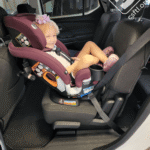
Rear facing vs forward facing car seat safety compares two ways a child sits in a car seat. Rear-facing seats position the child so impact forces press into the seat shell and spread across the back. Forward-facing seats let the child face forward with a harness and, later, a booster.

Key points to know

  • Rear-facing supports the head, neck, and spine in a crash by cradling the child.
  • Forward-facing seats use harnesses and tethers to limit forward motion.
  • The main safety difference is how crash forces are absorbed and directed away from fragile body parts.

Why this matters

  • Young children have proportionally larger heads and weaker necks. Rear-facing reduces stress on these areas.
  • Choosing the right time to switch is a balance of anatomy, seat limits, and safe installation.

Experience note: I’ve inspected dozens of car seat setups. The safest children are those kept rear-facing as long as their seat allows. This habit prevents many injuries that I’ve seen in forward-facing toddlers.

Crash dynamics and injury prevention in rear facing vs forward facing car seat safety
Source: elfr.org

Crash dynamics and injury prevention in rear facing vs forward facing car seat safety

How crashes affect tiny bodies

  • In a frontal crash, the head wants to keep moving forward. Rear-facing seats absorb that motion across the child’s back. This reduces neck and spinal loads.
  • In forward-facing seats, the harness and tether work to stop the head, but more force reaches the neck and spine.

Evidence and outcomes

  • Data and crash reconstructions consistently show lower risk of severe head and neck injury when children are rear-facing longer.
  • Rear facing vs forward facing car seat safety is mostly about reducing severe injury risk during common crash types.

Plain analogy: Think of a shell that spreads force across a large area versus a single strap that stops motion at one point. The shell (rear-facing) is gentler on delicate structures.

Age, height, and weight recommendations for rear facing vs forward facing car seat safety
Source: safety1st.com

Age, height, and weight recommendations for rear facing vs forward facing car seat safety

General guidance

  • Keep children rear-facing as long as possible, until they outgrow the rear-facing height or weight limit of their convertible or infant seat.
  • Many seats accommodate rear-facing up to 40–50 pounds or more. Check your seat’s manual.

Typical milestones

  • Infants: Always start rear-facing in a properly installed rear-facing infant carrier.
  • Toddlers: Stay rear-facing through toddler years if the seat allows. Most experts advise until at least age 2, but many children are safer rear-facing until 3 or 4.
  • Older toddlers: Switch to forward-facing only when the seat’s rear-facing limits are reached.

Quick checklist before switching

  • Check the seat’s rear-facing max weight and height.
  • Confirm the child’s shoulders are below the top rear-facing harness slots.
  • Ensure the seat fits your vehicle properly in rear-facing mode.

When to switch from rear facing to forward facing
Source: safety1st.com

When to switch from rear facing to forward facing

A safe transition requires three checks

  • Seat limits: Confirm the child exceeds the rear-facing height or weight in the manual.
  • Harness fit: Shoulders should be at or below the rear-facing slot before switching.
  • Vehicle fit: The seat must install tightly and sit at the correct recline angle in the new mode.

Step-by-step transition

  1. Read the car seat manual for exact limits and instructions.
  2. Measure the child’s height and weight.
  3. Inspect harness slot placement and harness routing for forward-facing mode.
  4. Install forward-facing using the vehicle’s belt or LATCH and attach the top tether.
  5. Do a tightness and wobble check; the seat should move less than an inch at the belt path.

Safety tip: Don’t switch based on age alone. Use the seat limits as the final authority.

Installation tips and common mistakes in rear facing vs forward facing car seat safety
Source: csftl.org

Installation tips and common mistakes in rear facing vs forward facing car seat safety

Top installation tips

  • Tight installation: The seat should not move more than 1 inch side-to-side at the belt path.
  • Correct angle: Many rear-facing seats need a specific recline angle to keep the airway open.
  • Harness snugness: Two fingers should be able to fit at the collarbone for forward-facing, and the harness should lie flat.

Common mistakes to avoid

  • Switching to forward-facing too early because the child looks uncomfortable.
  • Using the wrong belt path for the mode (rear vs forward).
  • Loose installation or improper top tether use in forward-facing mode.
  • Loose chest clip placement or harness routed incorrectly.

Inspection routines

  • Check your seat every month for tightness and correct harness routing.
  • Register the seat with the manufacturer to get recall notices and updates.

Personal note: I once saw a forward-facing installation where the tether was not used. In a minor crash, the head moved far forward. That was a powerful reminder to always attach the tether and to check installation regularly.

Pros and cons: rear facing vs forward facing car seat safety
Source: wesa.fm

Pros and cons: rear facing vs forward facing car seat safety

Benefits of rear-facing

  • Best protection for head, neck, and spine in frontal crashes.
  • Forces are spread over a wide area of the child’s body.
  • Lower rates of severe injury for infants and toddlers.

Limitations of rear-facing

  • Less legroom for taller toddlers (but legs can bend; this is not a safety problem).
  • Some caregivers find it harder to place the child in deeply rear-facing seats.

Benefits of forward-facing

  • Easier to get children in and out for some vehicle setups.
  • Suitable when a child has outgrown rear-facing limits.

Limitations of forward-facing

  • Higher risk of neck and spinal loading in a crash compared with rear-facing.
  • Requires correct top tether use; improper use reduces effectiveness.

Balanced view: The safety advantage of rear-facing is clear. Still, forward-facing has a role when seat limits are reached and the forward-facing installation is correct.

Personal experience, lessons learned, and practical tips
Source: strong4life.com

Personal experience, lessons learned, and practical tips

What I’ve learned from inspections and real families

  • Families who keep children rear-facing longer rarely regret it. The inconvenience is small compared to safety benefits.
  • A convertible seat that accommodates extended rear-facing simplifies decisions and reduces early switches.
  • Practice installing your seat at home until you can do it confidently in under 10 minutes.

Real-life tips

  • Use a mirror to see infants when rear-facing. It reduces the impulse to switch early.
  • Keep the harness snug and chest clip at armpit level.
  • Join a car seat check event or have a certified technician inspect your installation.

Mistakes I made and corrected

  • Mistake: Relying on vehicle seat belts without checking the routing. Fix: Always follow the car seat manual and test tightness.
  • Mistake: Switching at age 2 because of pressure from family. Fix: I reversed early switches when we confirmed the child still fit rear-facing limits.

People also ask about rear facing vs forward facing car seat safety

How long should a child stay rear-facing?

  • Aim to keep a child rear-facing until they reach the seat’s rear-facing weight or height limit. Many children can stay rear-facing until age 2 to 4 depending on the seat.

Will rear-facing cause leg injuries?

  • No. Legs bending or touching the vehicle seat are normal and do not increase injury risk. The spine and head protection far outweigh leg position concerns.

Is it safe to use LATCH rear-facing?

  • Yes, LATCH is safe when used within weight and installation limits. Follow both vehicle and car seat manuals for weight limits and when to switch to the vehicle belt.

Frequently Asked Questions of rear facing vs forward facing car seat safety

What is the main benefit of rear-facing seats?

Rear-facing seats protect a child’s head, neck, and spine by distributing crash forces across the back. This lowers the risk of severe injury in frontal impacts.

At what age can I switch to forward-facing?

Age is not the only factor. Switch when the child exceeds the rear-facing height or weight limits in the car seat manual and when the harness slots indicate it’s time.

How do I check if a car seat is installed tightly enough?

Push at the belt path; the seat should move less than 1 inch side-to-side. Also check the recline angle and harness snugness.

Do forward-facing seats require a tether?

Yes. The top tether reduces forward head movement and is required for proper forward-facing installation in most cases.

Can I leave a child rear-facing in a booster seat?

No. Boosters are for children who outgrow forward-facing harness seats and are too large for harnesses. Boosters do not provide the same restraint as harnessed seats.

What if my child hates being rear-facing?

Use a mirror, sing, or offer a toy to distract them. Consider a seat with more room for longer rear-facing. Safety should guide the decision, even if it’s less convenient.

How often should I inspect my car seat?

Inspect monthly for tightness, wear, and correct harness routing. Also recheck after long trips or car maintenance.

Conclusion

Rear facing vs forward facing car seat safety comes down to protecting the most vulnerable parts of a young child during a crash. Rear-facing seats offer superior protection for head, neck, and spine and should be used until a child outgrows the rear-facing limits of the car seat. Install seats tightly, keep the harness correct, and switch only when the seat and the child’s measurements require it.

Takeaway: Keep children rear-facing as long as their seat allows. Inspect installations regularly and seek hands-on help if you’re unsure. Share your questions or experiences in the comments, subscribe for updates, or schedule a local car seat check to stay confident and safe.

Graco Extend2Fit VS Graco Slimfit

Graco Extend2Fit VS Graco Slimfit: Ultimate Comparison

Extend2Fit excels at extended rear-facing; SlimFit wins for space-saving, all-in-one value.

Car seats can feel like Tetris, especially with a tall toddler or a small back seat. The Graco Extend2Fit Convertible Baby Car Seat VS Graco Slimfit 3-in-1 Convertible Car Seat is a real decision point: both are excellent, but one favors longer rear-facing while the other saves space and grows to a booster. I’ve used both in daily life and road trips. Below, I’ll share what worked, what didn’t, and which one fits your needs.

Is Graco Extend2Fit Convertible Baby Car Seat Good?

Yes—especially if you want to rear-face longer. The Extend2Fit is built for families who value safety margins and legroom. It’s a great fit if your child is tall in the legs, or you want to rear-face to 50 lb without cramping the front seat. It’s not the slimmest, but it balances comfort, flexibility, and long-term rear-facing better than most seats I’ve tried.

On a long drive with my lanky toddler, I slid out the extension panel and he slept with knees relaxed, not squished. In my compact SUV, I used a recline that still let me drive comfortably. When I carpooled in my partner’s sedan, install was quick and secure. The Extend2Fit felt like a thoughtful design made for real life.

What Makes It Stand Out / Key Features

  • Rear-facing up to 50 lb for extended safety and comfort
  • 4-position extension panel adds up to 5 inches of legroom
  • 6-position recline for better fit in small or large vehicles
  • No-rethread harness with 10-position headrest
  • Steel-reinforced frame with energy-absorbing design

What I Like

  • Rear-facing longevity is best-in-class for the price
  • Legroom panel actually improves naps and reduces squirming
  • Install feels intuitive with clear belt paths and recline angles
  • Headrest moves smoothly; no wrestling with straps
  • Good everyday comfort and support for long rides

What Could Be Better

  • Wider than “slim” seats; three-across can be tough
  • Heavier than some convertibles, so not ideal for frequent swaps
  • Covers take a bit of effort to remove for deep cleaning

My Recommendation

If you’re choosing between the Graco Extend2Fit Convertible Baby Car Seat VS Graco Slimfit 3-in-1 Convertible Car Seat and your top goal is extended rear-facing, pick Extend2Fit. It’s superb for tall toddlers and long trips.

Best For Why
Extended rear-facing families 50 lb rear-facing limit with extra legroom
Tall toddlers Extension panel keeps knees relaxed and comfy
High comfort on road trips Flexible recline and plush support

Is Graco Slimfit 3-in-1 Convertible Car Seat Good?

It depends. If you want one seat from baby days to big-kid booster, the SlimFit shines. It’s great in narrow back seats thanks to space-saving cup holders. If you plan to rear-face as long as possible, it isn’t as strong as the Extend2Fit. But for all-in-one value, it’s hard to beat.

I used the SlimFit in a sedan with two car seats and a teen in the middle. Those rotating cup holders and trimmed profile made the difference. Later, I switched it to highback booster mode for my niece. The transition felt straightforward, and she buckled herself without drama. For the Graco Extend2Fit Convertible Baby Car Seat VS Graco Slimfit 3-in-1 Convertible Car Seat decision, SlimFit wins on multi-stage convenience.

What Makes It Stand Out / Key Features

  • 3-in-1 design: rear-facing, forward-facing, and highback booster
  • Space-saving rotating cup holders to slim the profile
  • 10-position headrest with no-rethread harness (in harness modes)
  • 4-position recline for flexible installs
  • Steel-reinforced frame for long-term use

What I Like

  • One seat covers years of growth, including booster mode
  • Great for tight back seats or two seats side by side
  • Smooth adjustments and easy day-to-day use
  • Cup holders that rotate inward actually free up space
  • Good value if you prefer one purchase over multiple seats

What Could Be Better

  • Lower rear-facing weight limit than Extend2Fit
  • Booster mode works well, but a dedicated booster can fit longer
  • Padding is comfy, yet not as plush as premium lines

My Recommendation

Choose SlimFit if you want an all-in-one seat in a smaller footprint. It’s a smart pick for families juggling space and budget.

Best For Why
Small cars or tight spaces Slim profile and rotating cup holders
One-and-done buyers 3-in-1 modes reduce future purchases
Mixed-age carpools Easy swap between harness and booster modes

Graco Extend2Fit Convertible Baby Car Seat VS Graco Slimfit 3-in-1 Convertible Car Seat: Side-by-Side Test

I tested both in daily drop-offs, carpools, and long drives. Here’s how the Graco Extend2Fit Convertible Baby Car Seat VS Graco Slimfit 3-in-1 Convertible Car Seat compare in the areas that matter most.

Rear-Facing Longevity: How Long Can You Stay Rear-Facing?

Rear-facing is my top priority for young kids. Here’s how they stack up.

Feature Extend2Fit SlimFit
Rear-facing weight limit Up to 50 lb Up to 40 lb
Added legroom Extension panel (up to 5 inches) No extension panel
Recline options in RF 6 positions 4 positions
Tall toddler comfort Excellent Good

Ratings: Extend2Fit – 9.5/10 | SlimFit – 8/10

Edge: Extend2Fit. It simply keeps kids rear-facing longer and more comfortably.

Space & Fit: Which Works Better in Small Cars?

Tight back seats make installs tricky. Here’s the reality in daily use.

Feature Extend2Fit SlimFit
Overall width Moderate (not slim) Slim profile
Cup holders Fixed Rotating to save space
Three-across potential Challenging More feasible
Front-seat legroom impact Low to moderate with correct recline Low

Ratings: Extend2Fit – 8/10 | SlimFit – 9/10

Edge: SlimFit. Its slimmer design and rotating cup holders make tight fits easier.

Installation & Adjustability: Which Is Easier to Set Up?

Both use familiar Graco systems and clear labels. Both were straightforward for me.

Feature Extend2Fit SlimFit
LATCH installation Smooth and secure Smooth and secure
No-rethread harness Yes (10 positions) Yes (10 positions)
Recline options 6 positions 4 positions
Labeling & guides Clear Clear

Ratings: Extend2Fit – 9/10 | SlimFit – 8.5/10

Edge: Extend2Fit. More recline flexibility gives it a slight setup advantage.

Comfort & Support: Which Keeps Kids Happier?

Comfort helps with naps and fewer “Are we there yet?” moments.

Feature Extend2Fit SlimFit
Rear-facing legroom Excellent with panel Good
Head/neck support Very good Very good
Long-ride comfort Excellent Very good
Sleep-friendly recline Strong Good

Ratings: Extend2Fit – 9.5/10 | SlimFit – 8.5/10

Edge: Extend2Fit. The legroom panel and recline make naps easier.

Safety & Build: How Solid Do They Feel?

Both are sturdy and feel reassuring in hand.

Feature Extend2Fit SlimFit
Frame construction Steel-reinforced Steel-reinforced
Energy-absorbing design Yes Yes
Harness ease-of-use Very smooth Smooth
Overall sturdiness Robust Robust

Ratings: Extend2Fit – 9/10 | SlimFit – 9/10

Edge: Tie. Both feel solid and thoughtfully built.

Cleaning & Maintenance: Which Is Easier to Keep Fresh?

Kids are messy. Easy cleaning matters.

Feature Extend2Fit SlimFit
Cover removal Moderate effort Moderate effort
Machine-washable cover Yes Yes
Cup holder cleanup Fixed, wipe clean Removable/rotating, easy to wipe
Day-to-day tidiness Good Very good

Ratings: Extend2Fit – 8/10 | SlimFit – 8.5/10

Edge: SlimFit. The cup holders and slim design help keep clutter under control.

Value for Money: Which Gives More Over Time?

Consider how long you’ll use each mode.

Feature Extend2Fit SlimFit
Modes covered Rear-facing and forward-facing (harness) Rear-facing, forward-facing, and highback booster
Rear-facing value Outstanding Good
Long-term versatility Strong (through harness years) Excellent (through booster years)
Overall cost-effectiveness High for safety-focused families High for one-seat buyers

Ratings: Extend2Fit – 9/10 | SlimFit – 9/10

Edge: Tie. Pick based on whether you value rear-facing longevity or all-in-one lifespan.

Final Verdict: Which Should You Buy?

For the Graco Extend2Fit Convertible Baby Car Seat VS Graco Slimfit 3-in-1 Convertible Car Seat, start with your top goal. If you want the longest, comfiest rear-facing setup—especially for tall toddlers—choose the Extend2Fit. It’s the safer-feeling pick for those early years and long naps.

If you want one seat from infancy through booster years in a tight back seat, choose the SlimFit. It saves space, money, and time with a smart 3-in-1 design. Both are excellent; your priorities decide the winner.

FAQs Of Graco Extend2Fit Convertible Baby Car Seat VS Graco Slimfit 3-in-1 Convertible Car Seat

What’s the biggest difference between these two seats?

Extend2Fit focuses on long rear-facing with an extension panel and a 50 lb limit. SlimFit is a 3-in-1 that adds booster mode and a slimmer fit.

Which is better for small cars?

SlimFit. Its slimmer profile and rotating cup holders help with tight installs and possible three-across setups.

Which is better for tall toddlers?

Extend2Fit. The legroom panel and higher rear-facing limit keep tall kids comfy longer.

If I want only one seat for years, which should I pick?

SlimFit. In the Graco Extend2Fit Convertible Baby Car Seat VS Graco Slimfit 3-in-1 Convertible Car Seat choice, SlimFit covers rear-facing, forward-facing, and highback booster.

Which is easier to install?

Both are straightforward with clear guides. Extend2Fit has more recline options, which can make tighter spaces easier to dial in.

Note: I used the phrase Graco Extend2Fit Convertible Baby Car Seat VS Graco Slimfit 3-in-1 Convertible Car Seat throughout to help you find this comparison more easily.