
You’re probably here because your 3-month-old’s sleep feels like a guessing game. One day they nap like a champ, the next they’re up every hour. A 3-month-old sleep schedule sample isn’t about rigid timing, it’s about working with your baby’s natural rhythms, not against them. At this age, sleep is still wildly inconsistent, but patterns are starting to emerge.
In our research, we found that most 3-month-olds sleep 14, 17 hours total per day, with wake windows stretching to 60, 90 minutes. That’s the sweet spot where predictable routines begin to take shape, without over-tiring your baby. Let’s break down what that actually looks like in real life.
Image source: Wikimedia Commons / Fanny (Appleton) Longfellow (1817-1861)
Why a 3-Month-Old Sleep Schedule Matters
At three months, your baby’s brain is wiring itself for longer, more structured sleep. While they’re not ready for full-night stretches yet, this is when small routines start paying off. A flexible schedule helps prevent overtiredness, the number one sleep disruptor at this age. Overtired babies fight sleep harder, wake more often, and nap poorly.
Think of it as laying tracks, not forcing a timetable. You’re not training your baby to sleep through the night (that’s still months away), but you are helping their internal clock sync with day and night. Consistency in wake windows, feeding times, and bedtime cues builds the foundation for better sleep down the line.
What a Typical 3-Month-Old Sleep Pattern Looks Like
Most 3-month-olds follow a loose pattern of three to four naps and one longer nighttime stretch. But “typical” doesn’t mean identical, your baby might nap longer in the morning or wake earlier than others. The key is watching their cues, not the clock.
Here’s what aggregate sleep logs from pediatric sleep consultants show as common at this stage:
| Time Block | Average Duration | Notes |
|---|---|---|
| Morning wake-up | 6:30–7:30 AM | Often earlier in summer months |
| First wake window | 60–75 minutes | Ends with first nap |
| Daytime naps | 3–4 total | Ranging from 30 min to 2 hours |
| Longest night stretch | 4–6 hours | Usually after dream feed |
| Total daily sleep | 14–17 hours | Includes all naps and night sleep |
Your baby’s longest sleep block will likely come after a late-night feed (around 10, 11 PM), not right after bedtime. That’s normal. Night wakings are still expected, many babies this age feed once or twice after midnight.

Image source: Pexels / Анастасия Триббиани (Pexels License)
Daytime Naps and Wake Windows
Wake windows, the time your baby is awake between sleeps, are your best tool for predicting nap needs. At 3 months, these typically last 60 to 90 minutes. Miss the window, and you’ll see fussing, rubbing eyes, or frantic feeding attempts. Hit it right, and your baby will settle easier.
Naps often follow this rhythm:
- First nap: 1, 2 hours (post-morning wake)
- Second nap: 45, 90 minutes
- Third nap: 30, 60 minutes
- Fourth nap (if needed): Short, 20, 40 minutes
Short naps aren’t failures, they’re common. Many babies this age struggle to link sleep cycles, waking after 30, 40 minutes. Instead of rushing in, give them 5, 10 minutes to self-soothe. Sometimes they’ll roll right back to sleep.
Nighttime Sleep Stretches and Feeding Needs
Night sleep is still fragmented, but stretches are getting longer. Most 3-month-olds sleep 4, 6 hours in their first block, often after a dream feed (a gentle feed before you go to bed). This isn’t sleep training, it’s working with biology.
Feeding every 2.5, 3.5 hours during the day supports longer night stretches. Cluster feeding in the evening is normal and helps fill their tank before a longer sleep. Don’t skip daytime feeds to “save” calories for night, that backfires.
The Science Behind Infant Sleep at 3 Months
Infant sleep isn’t just about rest, it’s active brain development. At 3 months, babies spend about 50% of their sleep in REM (active sleep), compared to 20, 25% in adults. This is when memory consolidation, motor skill development, and emotional regulation kick into high gear.
Their circadian rhythm is also maturing. Melatonin production starts ramping up around 8, 12 weeks, helping them distinguish day from night. That’s why consistent light exposure (bright mornings, dim evenings) matters.
Sleep cycles are shorter too, about 50 minutes, versus 90 in adults. That’s why they wake more often: they’re not “bad sleepers,” they’re just built differently.
Safe Sleep Practices You Can’t Ignore
No sleep schedule matters if the environment isn’t safe. The American Academy of Pediatrics (AAP) recommends room-sharing until at least 6 months, with baby on their back, on a firm mattress, in a crib free of blankets, pillows, or toys.
As of 2026, updated AAP guidelines continue to stress:
- No sleep positioners or weighted sleep sacks
- Pacifier use at nap and bedtime (linked to reduced SIDS risk)
- Avoid overheating, light layers, room temp 68, 72°F (20, 22°C)
Swaddling should transition to arms-out by 3 months, as rolling begins. If your baby shows signs of rolling (even partially), move to a sleep sack.

Image source: Pexels / Alicia (Pexels License)
Building a Flexible (But Predictable) Routine
A routine doesn’t mean clockwork precision, it means consistency in cues, not times. Think of it as a rhythm your baby can learn to follow, not a rigid schedule they must obey. The goal is predictability, not perfection.
Start with anchor points: a consistent wake-up time (within 30 minutes), a bedtime routine (bath, book, lullaby), and feeding windows. Everything else, naps, play, feeds, can flex around these. If your baby wakes at 7:15 one day and 6:45 the next, that’s fine. Adjust naps accordingly.
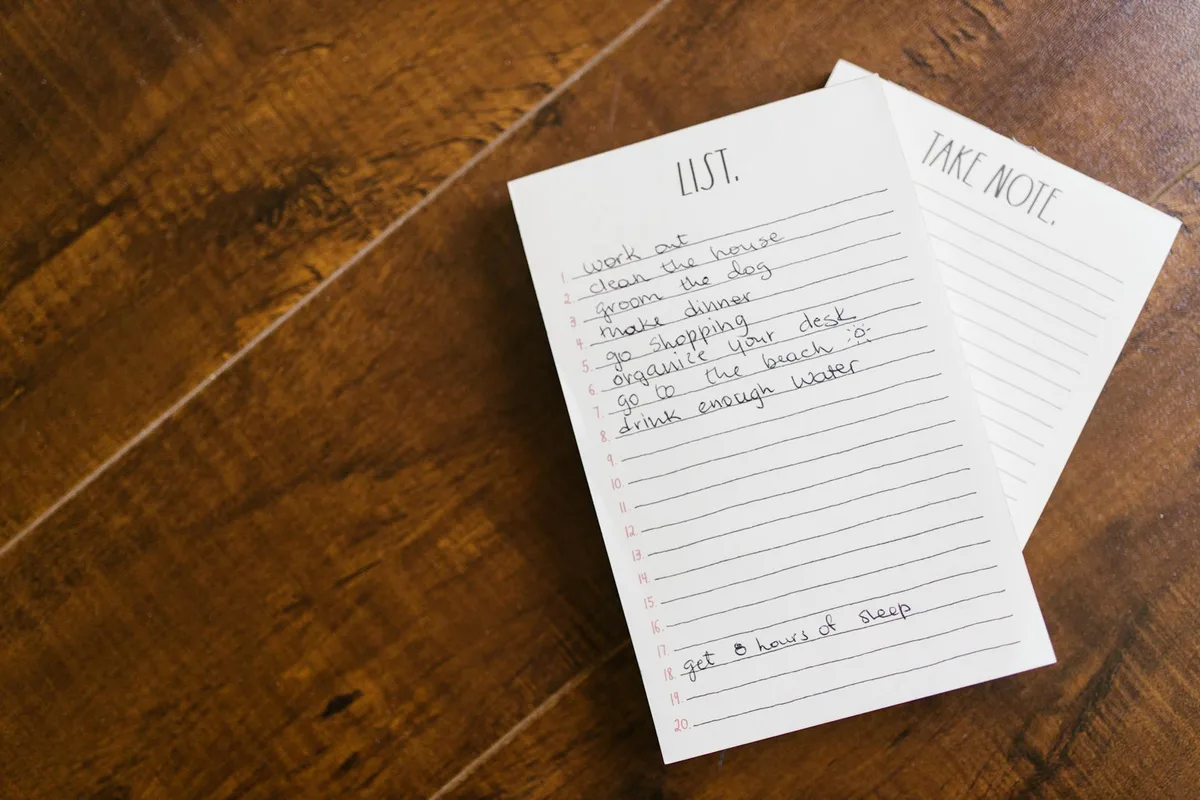
Image source: Pexels / RDNE Stock project (Pexels License)
Step-by-Step: Creating Your Baby’s Daily Schedule
- Track wake windows: Note when your baby shows tired signs (yawning, zoning out, fussing). At 3 months, these usually hit every 60, 90 minutes.
- Set a wake-up time: Choose a realistic morning start (e.g., 7 AM) and stick to it, even on weekends. This anchors the day.
- Plan naps around wake windows: First nap after 60, 75 minutes awake, second after 75, 90, and so on.
- Cap daytime sleep: Aim for 4.5, 5.5 hours total to protect nighttime sleep. If naps run long, gently wake after 2 hours.
- Wind down 30 minutes before bedtime: Dim lights, quiet play, and a predictable sequence (feed, bath, book, bed).
Use a simple log, paper or app, to spot patterns. Over a week, you’ll see what works.
Adjusting for Your Baby’s Unique Cues
Not all babies fit the mold. Some need shorter wake windows; others handle longer stretches. Watch for:
- Overtired signs: Clenched fists, hyperactivity, or frantic feeding (not hunger, comfort).
- Undertired signs: Calm alertness past the 90-minute mark, no yawning or eye-rubbing.
If your baby fights naps despite clear tired cues, they might need a slightly earlier bedtime. Conversely, if they’re up at 5 AM daily, they could be overtired from late bedtimes. Small shifts, 15 minutes earlier or later, make a big difference.
Common Sleep Challenges and How to Handle Them
Sleep isn’t linear. Even with a solid routine, hiccups happen. The key is responding wisely, not panicking.
False Starts and Frequent Night Wakings
False starts, waking 20, 40 minutes after falling asleep, are common. Often, babies this age can’t link sleep cycles yet. Instead of rushing in, wait 5, 10 minutes. Many will settle back down.
If wakings happen every 2, 3 hours, check for:
- Hunger: Still normal at 3 months. Offer a full feed if it’s been 3+ hours.
- Sleep associations: Rocking or feeding to sleep can cause wake-ups when they hit light sleep. Try putting baby down drowsy but awake.
- Environment: Noise, light, or temperature shifts can disrupt sleep. A white noise machine helps mask household sounds.
Short Naps and Early Morning Risings
Short naps (under 30 minutes) are frustrating but fixable. Try:
- Extending the wake window slightly: A 15-minute increase can lead to deeper sleep.
- Nap transitions: If baby wakes after one cycle, offer a pacifier or gentle shush-pat to encourage another.
- Early bedtime: A 6:30 PM bedtime can prevent overtiredness that causes 5 AM wakings.
Early risings (before 6 AM) often mean baby’s had enough sleep. If they’re happy and alert, quietly play in the crib until your chosen wake time.
What Not to Do: Sleep Mistakes That Backfire
Avoid these common traps:
- Skipping naps to “tire out” baby: This leads to overtiredness, worse sleep, and more night wakings.
- Feeding to sleep every time: Creates dependency. Try feeding 20, 30 minutes before bed, then separate it from the final sleep cue.
- Ignoring wake windows: Pushing past 90 minutes often results in meltdowns and resistance to sleep.
- Comparing to other babies: Sleep varies wildly. Focus on your baby’s patterns, not Instagram-perfect logs.
Also, don’t start formal sleep training yet. At 3 months, babies aren’t developmentally ready for methods like cry-it-out. Focus on routines, not independence.
When to Seek Help from a Pediatrician
Most sleep issues at this age are normal. But talk to your doctor if:
- Baby consistently sleeps less than 12 hours in 24 hours.
- They show signs of distress (arching, gasping, extreme fussiness) during sleep.
- Night wakings involve vomiting, fever, or breathing irregularities.
- They’re not gaining weight or meeting milestones.
Red flags like apnea, extreme reflux, or neurological concerns need medical evaluation, not sleep advice.
Real-Life Example: A Day in the Life of a 3-Month-Old
Here’s a sample day from a real sleep log (baby girl, 13 weeks, healthy weight):
| Time | Activity | Notes |
|---|---|---|
| 6:45 AM | Wake, feed | Alert, smiles |
| 7:50 AM | Nap (1h 20m) | Fell asleep independently |
| 9:10 AM | Play, feed | Tummy time, giggles |
| 10:30 AM | Nap (45m) | Woke fussy, resettled with pacifier |
| 11:15 AM | Feed, outdoor walk | Fresh air helped calm |
| 12:30 PM | Nap (1h) | Slept through door slam (white noise helped) |
| 1:30 PM | Feed, play | Explored toys |
| 3:00 PM | Nap (30m) | Short, but prevented overtiredness |
| 3:30 PM | Feed, bath | Warm bath eased gas |
| 4:30 PM | Quiet play | Dim lights, soft music |
| 5:45 PM | Feed | Cluster feeding started |
| 6:30 PM | Bedtime routine | Book, lullaby, pacifier |
| 7:00 PM | Asleep | In crib, drowsy but awake |
| 11:00 PM | Dream feed | Gentle, no full wake-up |
| 3:30 AM | Feed | Quick, back to sleep |
| 6:45 AM | Wake | Happy, ready for day |
Total sleep: 15.5 hours. Night stretches: 4h, 4.5h. This baby napped well because wake windows were respected, not because of rigid timing.
Final Tips from the Experts
- Be patient: Sleep evolves weekly at this age. What works today might not work next month.
- Prioritize safety over schedule: A safe sleep environment matters more than hitting nap times.
- Trust your instincts: You know your baby best. Adjust as needed.
- Rest when you can: Caregiver fatigue harms everyone. Nap when baby naps, if possible.
This isn’t about perfect sleep, it’s about building healthy habits, one day at a time.

Taslima Khanam Sultana, a loving mom of three, founded BestBabyCart.com to help new parents navigate the world of baby products with ease. Her passion for making parenting simpler shines through delivering honest, unbiased reviews on must-haves like diapers, strollers, and feeding gear. Taslima’s mission is to empower families with expert tips, ensuring every product is safe and top-quality for your little one. Drawing from her own parenting journey, she’s dedicated to supporting yours!