
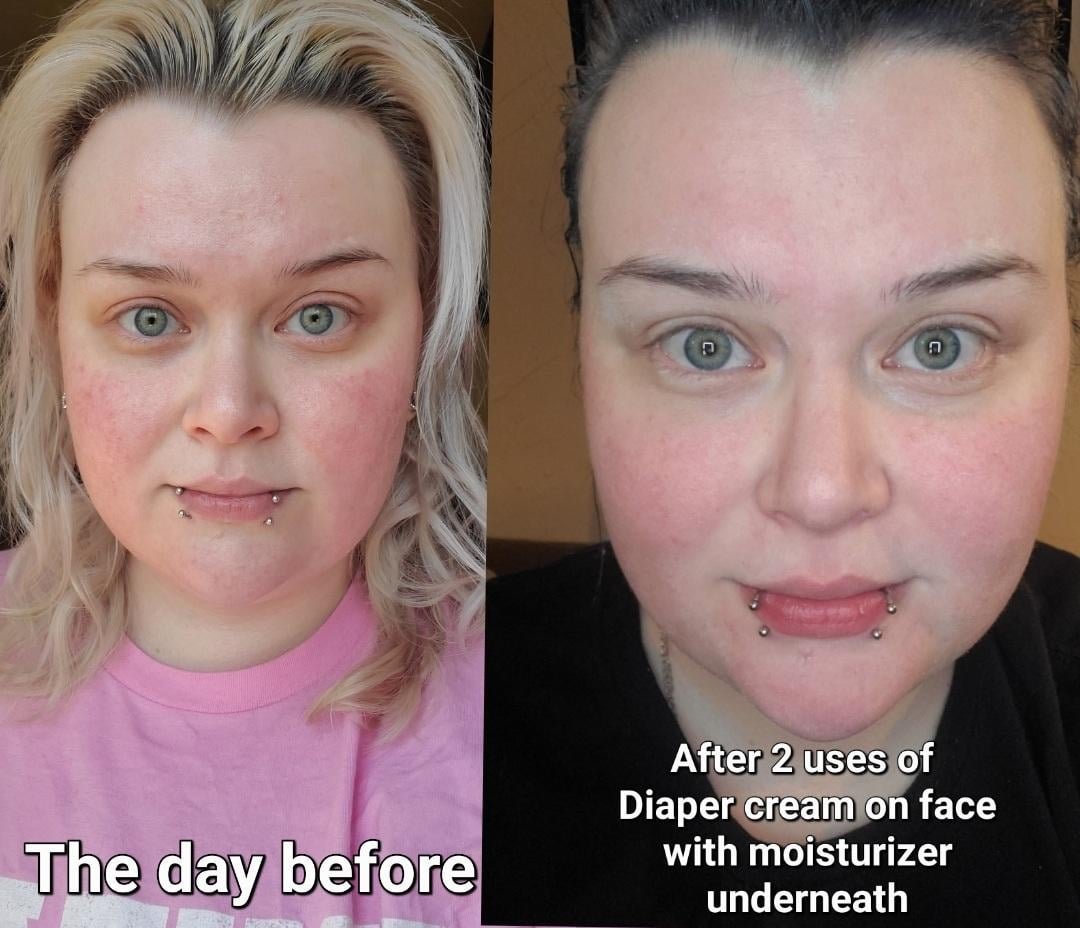
It’s 2 a.m., you’re staring at a fresh, angry patch of irritation on your cheek, and the only skincare product within reach is the tube of diaper rash cream you keep on hand for your little one. You’ve seen social media hacks claiming it’s a miracle moisturizer or acne fix, but you’re not sure if that’s a genius life hack or a recipe for a worse breakout. The short answer to this common question is not a simple yes or no: the reality is far more nuanced, and the facts might surprise you. While these products are formulated for the delicate diaper area, they are not designed for the unique needs of facial skin, and misusing them can do far more harm than good. In this guide, we’ll break down the science behind diaper rash cream ingredients, the surprising risks and limited benefits of facial use, and what dermatologists actually recommend for common skin irritation.

Quick Answer At A Glance
This table breaks down the most common use cases to help you decide if this hack is safe for your skin:
| Use Case | Verdict | Reason |
|---|---|---|
| Emergency relief for a small, dry, irritated facial patch | Generally safe for short-term use (under 3 hours) | The occlusive barrier locks in moisture and zinc oxide calms mild redness, but only for fragrance-free, non-medicated barrier creams |
| Daily facial moisturizer or acne treatment | Not recommended | Thick, occlusive formula clogs pores, lacks acne-fighting ingredients, and can cause breakouts over time |
| Medicated diaper rash cream (with hydrocortisone, antifungals, or fragrance) | Never use without explicit dermatologist approval | Active medicated ingredients can cause permanent skin damage, including thinning, rosacea, and microbiome disruption |
| Use on baby’s face | Only under pediatrician guidance | Baby facial skin is far more delicate than adult facial skin, and even gentle barrier creams can cause irritation if used long-term |
What’s Actually In Diaper Rash Cream?
To understand if these products are safe for your face, you first need to break down their core ingredients, and the key distinction between barrier and medicated formulations.
Active Ingredients And Their Effects
Most over-the-counter diaper rash creams fall into two categories: barrier creams and medicated creams.
- Barrier creams are the most common type, formulated with 10-40% zinc oxide (a mineral that creates a physical barrier against moisture and irritants) and/or petrolatum (an occlusive that locks in skin moisture). These are designed to protect the diaper area from prolonged exposure to urine and feces, and are the only type of diaper rash cream that may be safe for very limited, short-term facial use in some cases.
- Medicated creams add active pharmaceutical ingredients to treat severe rash: these may include 1% hydrocortisone (a mild steroid to reduce inflammation), antifungal agents like clotrimazole or miconazole (to treat yeast infections), or antibiotics like bacitracin (to treat bacterial infections). These formulations are never safe for unsupervised facial use. The thick, heavy consistency of standard diaper rash cream is intentionally formulated to stay in place on the diaper area, even under a tight diaper. This texture is not compatible with the thinner, more pore-dense skin of the face.

Inactive Ingredients That May Cause Facial Irritation
Even fragrance-free barrier diaper rash creams often contain inactive ingredients that are safe for the diaper area but can trigger reactions on facial skin. Common culprits include:
- Lanolin: A common moisturizing agent derived from sheep’s wool, which is a top contact allergen for many people.
- Added fragrances and dyes: Even “unscented” products may contain masking fragrances that trigger irritation on sensitive facial skin.
- Preservatives like parabens or phenoxyethanol: These are safe for most body skin but can cause redness and itching on the more sensitive face.
If you’re navigating safe ingredients for your baby’s diet and skincare, it’s worth reviewing common baby formula additives to avoid unexpected sensitivities that could also impact their skin health.
How Facial Skin Is Different From Diaper Area Skin
The core reason diaper rash cream is rarely a good fit for your face comes down to fundamental differences in skin structure and function:
- Thickness: Facial skin is 20-30% thinner than the skin on most of your body, and far thinner than the thick, keratinized skin of the diaper area. This makes it more prone to irritation from harsh or heavy ingredients.
- Sebum production: Your face has 2-3 times more sebaceous glands (oil-producing glands) than the diaper area. The thick, occlusive base of diaper rash cream traps oil and dead skin cells in pores, leading to breakouts, blackheads, and milia for most people.
- Exposure: Facial skin is constantly exposed to UV radiation, pollution, dirt, and microbes, requiring lightweight, breathable formulations that won’t trap irritants. The diaper area is mostly occluded by clothing and diapers, so heavy barrier products are safe and effective there.
- Microbiome: The skin on your face has a unique microbiome of beneficial bacteria that supports skin barrier function. Heavy occlusive products can disrupt this balance, leading to irritation and infection risk.
If you’re estimating supplies for your newborn’s first year, it’s helpful to reference how many cloth diapers a baby uses annually to ensure you have enough gentle, breathable options to reduce diaper rash risk in the first place.
5 Surprising Truths About Using Diaper Rash Cream On Your Face
Most online content frames this question as a binary yes or no, but experts say the reality is far more complex. These are the little-known facts most viral hacks leave out:
- Barrier diaper rash creams are occasionally used off-label by dermatologists for specific facial issues. For patients with extremely dry, eczema-prone patches on the face, a small amount of fragrance-free zinc oxide barrier cream may be prescribed as a short-term spot treatment to lock in moisture and reduce inflammation. This is not a DIY hack, however: it is only recommended under direct medical supervision, and only for very specific use cases.
- Medicated diaper rash creams can cause permanent facial skin damage if used unsupervised. Many over-the-counter diaper rash creams contain hydrocortisone (a mild steroid) or antifungal agents like clotrimazole to treat severe diaper rash. When applied to the face without a doctor’s direction, these ingredients can cause skin atrophy (thinning), telangiectasia (visible broken blood vessels), steroid-induced rosacea, and disruption of the face’s natural microbiome, leading to long-term irritation that can take months to reverse.
- The TikTok “diaper rash cream for acne” hack will almost certainly make breakouts worse for most people. The thick, occlusive base of these creams is designed to lock out moisture and irritants from the diaper area, but it is highly comedogenic (pore-clogging) for the face, which has 2-3 times more sebaceous glands than the diaper area. Using it on acne-prone skin will trap oil and bacteria in pores, leading to more blackheads, whiteheads, and inflammatory breakouts.
- Zinc oxide in diaper rash cream is the same active ingredient as in mineral sunscreen, but the formulations are not interchangeable. While zinc oxide is a safe, effective UV protectant in facial sunscreens, diaper rash creams are formulated with a much higher concentration of zinc oxide (often 10-40%, compared to 1-2% in facial sunscreens) combined with heavy occlusives like petrolatum that are not suitable for daily facial use.
- Even “gentle” diaper rash creams often contain ingredients that irritate facial skin. Many popular diaper rash creams include added fragrances, dyes, lanolin, or botanical extracts that are safe for the thick, resilient skin of the diaper area but can trigger contact dermatitis, redness, and itching on the thinner, more sensitive skin of the face.
Limited, Situational Benefits
There is one narrow use case where a small amount of diaper rash cream may provide temporary facial relief: if you have extremely dry, irritated, raw patches of skin (for example, from windburn or a harsh exfoliant) and have no other occlusive moisturizer on hand. In this scenario, a pea-sized amount of fragrance-free, non-medicated barrier diaper rash cream can lock in moisture and reduce redness for a few hours. This is not a long-term solution, however: it should be washed off after 2-3 hours, and not used daily. For most people, the risks of clogged pores and irritation far outweigh any short-term benefits.
Risks And Who Should Avoid This Hack Entirely
In practice, dermatologists report seeing a rise in patients with clogged pores, milia, and mild contact dermatitis after attempting this social media hack, particularly among teens and young adults. The risks of using diaper rash cream on your face include:
- Comedogenesis and breakouts: The thick occlusive base clogs pores, leading to acne, blackheads, and small, hard bumps called milia that require professional extraction to remove.
- Allergic contact dermatitis: Ingredients like lanolin, fragrance, and preservatives common in diaper rash creams are top causes of facial allergic reactions, leading to redness, itching, and swelling that can last for days.
- Steroid-induced skin damage: Medicated creams with hydrocortisone can cause permanent skin thinning, increased redness, and steroid-dependent rosacea if used on the face for more than a few days without medical supervision.
- Microbiome disruption: Antifungal medicated creams can kill beneficial bacteria on the face, leading to increased sensitivity and irritation over time.
You should avoid using diaper rash cream on your face entirely if you have:
- Acne-prone, oily, or combination skin
- Existing skin conditions like rosacea, perioral dermatitis, or eczema
- Known allergies to zinc oxide, petrolatum, lanolin, or fragrance
- Any medicated diaper rash cream without explicit direction from a dermatologist
When setting up a safe, comfortable space for your little one, reviewing safe crib essentials can help eliminate potential skin irritants from their immediate environment.
What Dermatologists And Regulatory Agencies Recommend
As outlined in U.S. FDA guidance on over-the-counter diaper rash products, these formulations are tested and approved exclusively for use on the diaper area, with no safety data supporting facial application. The American Academy of Dermatology guide to contact dermatitis further notes that the thick, occlusive base of most diaper rash creams is not formulated for the face’s higher density of sebaceous glands, making pore clogging a near-universal side effect for most skin types. Board-certified dermatologists almost universally recommend using products specifically formulated for facial skin, rather than repurposing body or baby products. For mild facial irritation, opt for fragrance-free, non-comedogenic moisturizers with soothing ingredients like aloe vera, oat extract, or ceramides, which are designed to support the face’s unique skin barrier without clogging pores.
 User-reported results of using diaper rash cream on the face often include increased oiliness, redness, and clogged pores, rather than the promised glowing skin.
Safe Application Tips (If You Still Want To Try It)
If you have no other options and want to use a small amount of diaper rash cream for an emergency facial irritation, follow these steps to minimize risk:
- Only use 100% fragrance-free, non-medicated barrier diaper rash cream with no added fragrances, dyes, or active pharmaceutical ingredients.
- Perform a patch test first: apply a pea-sized amount to the soft skin behind your ear or inner forearm, and wait 48 hours to check for redness, itching, or swelling. If any reaction occurs, do not use the product on your face.
- Use only a tiny amount, applying only to the irritated patch, not all over your face.
- Wash the cream off gently with a mild, fragrance-free cleanser after 2-3 hours maximum. Do not sleep in the product, as prolonged occlusion will increase pore clogging risk.
- Discontinue use immediately if you notice any redness, itching, breakouts, or discomfort.
For parents juggling quick errands with a baby’s early sleep schedule, learning early baby bedtime outings tips can help you pick up any emergency skincare supplies without disrupting their rest.
Frequently Asked Questions
Can I use medicated diaper rash cream on my face?
No, unless explicitly directed by a dermatologist. Medicated creams often contain hydrocortisone (a steroid) which can cause permanent skin thinning, increased redness, and steroid-dependent rosacea if used on the face long-term. Antifungal diaper rash creams (with clotrimazole or miconazole) are only for diagnosed fungal infections, and using them on the face without a diagnosis can disrupt your skin's natural microbiome.
Will diaper rash cream help with my acne?
No, it is not formulated for acne. The thick occlusive base will clog pores, leading to more breakouts, blackheads, and milia. Acne requires ingredients like salicylic acid, benzoyl peroxide, or retinoids that are formulated to penetrate pores without clogging them.
Can I use diaper rash cream on my baby's face?
Only if it is a fragrance-free, non-medicated barrier cream, and only for very mild, localized irritation, and only for a short period. Always check with your pediatrician first, as baby facial skin is even more delicate than adult facial skin, and even gentle products can cause irritation if used long-term.
How long can I leave diaper rash cream on my face?
If you are using it as an emergency spot treatment, no more than 2-3 hours, and wash it off gently with a mild cleanser. Do not sleep in it, as prolonged occlusion can lead to clogged pores and irritation.
Final Verdict
At the end of the day, the surprising truths about using diaper rash cream on your face boil down to three key points: it is not a suitable replacement for facial skincare, medicated versions carry serious, long-term risks, and the only safe use case is a short-term, emergency spot treatment for extremely dry, irritated skin under the guidance of a dermatologist. While the thick, occlusive base may provide temporary relief for dry patches, the trade-off of clogged pores, irritation, and potential permanent skin damage makes it a poor choice for most people. If you’re experiencing persistent facial redness, irritation, or rashes, skip the hacks and schedule an appointment with a board-certified dermatologist to get a targeted treatment plan tailored to your skin type.
If you’re budgeting for baby grooming supplies, researching how much a baby hairbrush costs can help you allocate funds for gentle, skin-safe tools for your little one’s routine. For more evidence-based guidance on safe, effective skincare for your whole family, explore our library of baby care and dermatologist-approved tips to keep everyone’s skin healthy and irritation-free.

Emma Grace is a devoted mother and passionate content writer at BestBabyCart.com. With firsthand parenting experience and a love for research, she creates helpful guides and honest reviews to support parents in choosing the best for their babies. Her goal is to make parenthood easier, one article at a time.