
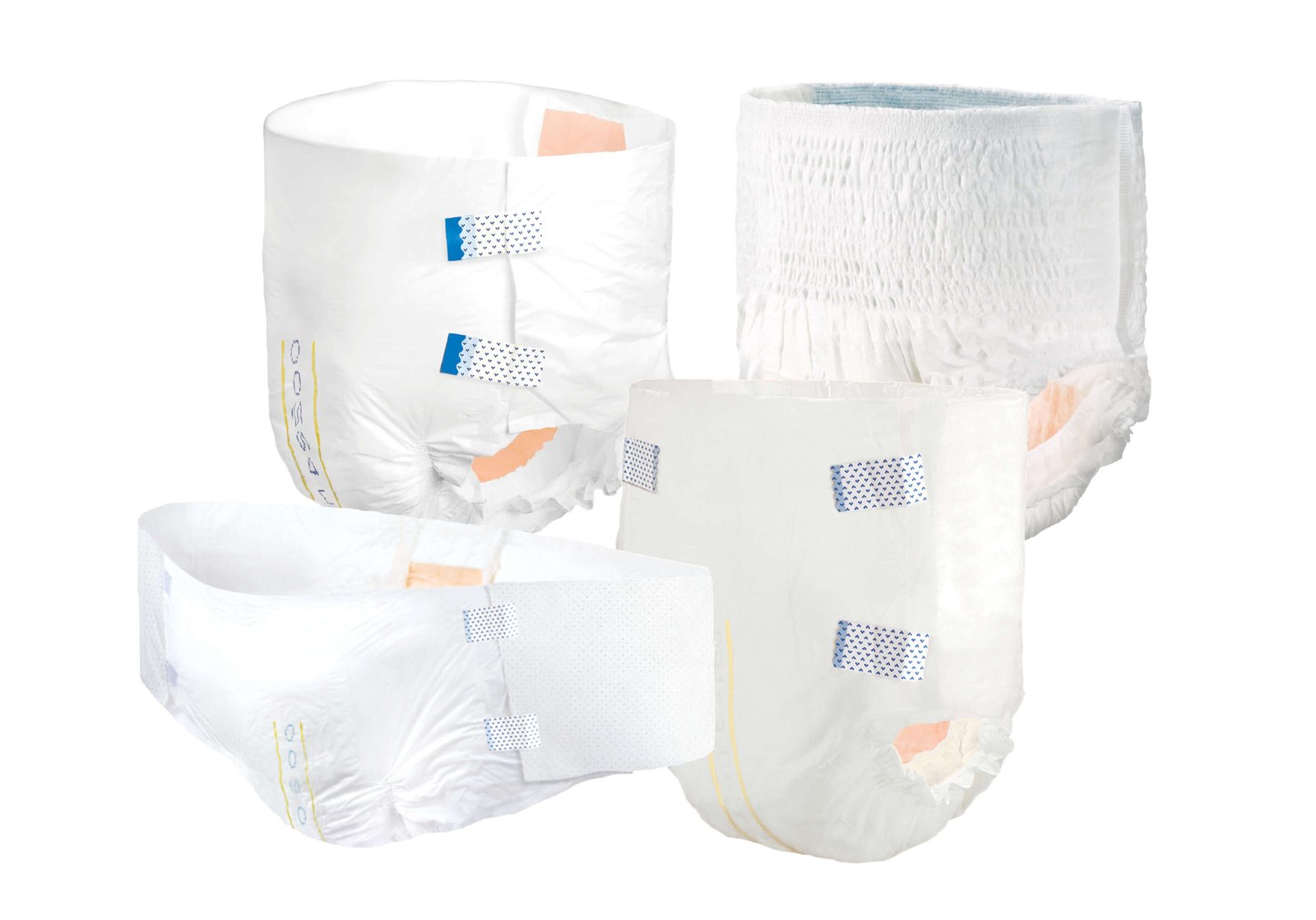
When you’re preparing for a new baby, managing incontinence care for a loved one, or researching evidence-based products vetted for clinical safety, the question “What diapers do hospitals use?” is far from trivial. Hospital diaper selections are rigorously tested for absorbency, skin safety, leak prevention, and infection control, meeting standards that most consumer brands only loosely align with. In this guide, we’ll break down exactly which diapers hospitals use for newborns and adult patients, why those specific brands are chosen, and how you can apply these clinical criteria to your own at-home diaper choices for better comfort and health outcomes.
 Standard hospital-issued newborn diapers are vetted for leak prevention and skin safety across most U.S. birthing centers.
Credit: elbowlanecamp.com
Standard hospital-issued newborn diapers are vetted for leak prevention and skin safety across most U.S. birthing centers.
Credit: elbowlanecamp.com
Core Criteria Hospitals Use to Vet Newborn Diapers
Hospital staff don’t select diapers based on marketing claims alone: every option must pass strict testing to meet the unique needs of newborns with fragile, developing skin and unpredictable urination patterns. The following criteria are non-negotiable for any diaper used in a clinical setting. You can also read our guide on can a newborn wear size diapers.
Absorbency and Leak Prevention
Newborns urinate every 1 to 3 hours, so hospital diapers must hold 6 or more hours of continuous wear without leaking during busy shift cycles, when staff may not be able to change diapers on a fixed schedule. They’re tested for gasketed leg cuffs that don’t gap when a baby kicks, and moisture-locking cores that wick wetness away from skin to prevent rashes. In practice, leak prevention is the top priority for hospital staff, as soiled linens and clothing increase workload and infection risk.
Skin Safety and Hypoallergenic Materials
Up to 15% of newborns have sensitive skin or early eczema, per the American Academy of Pediatrics, so hospital diapers are required to be free of fragrances, lotions, latex, and harmful phthalates. Many hospital-grade options are certified to OEKO-TEX Standard 100, which tests for over 300 harmful substances. All hospital-grade newborn diapers must also meet strict safety requirements set by the FDA for medical-grade baby products, with no harmful levels of toxic materials. For babies with extreme sensitivity, the hypoallergenic, toxin-free diaper options available on the consumer market often meet the same clinical standards as hospital-issued picks. Pairing these diapers with a barrier creams for sensitive skin routines can further reduce rash risk for newborns prone to irritation. You can also read our guide on best infant car seat covers for winter.
Fit and Mobility for Newborns
Hospital newborn diapers are sized for 6 to 10 lb infants, with adjustable waist tabs and stretchy, non-restrictive leg cuffs that allow for full leg movement without chafing. Ill-fitting diapers are a leading cause of preventable diaper rash and, in extreme cases, can contribute to hip dysplasia in developing newborns, which is why fit is a non-negotiable selection criterion. For babies with larger thigh circumference, many hospitals stock diapers for larger thigh circumference to avoid tight, restrictive fits that dig into delicate skin.
Cost-Effectiveness and Supply Reliability
Average U.S. birthing hospitals use tens of thousands of newborn diapers per year, so they require consistent, defect-free supply from vendors that meet strict clinical standards. Bulk purchasing allows hospitals to negotiate per-unit costs that are often lower than consumer retail prices, without sacrificing safety or performance. This is why the same diaper brands are used consistently across hospitals nationwide, rather than rotating between cheaper generic options that may have inconsistent quality across batches. You can also read our guide on best non toxic disposable diapers.
The Most Common Diaper Brands Used in Hospitals (Newborn and Adult)
Hospitals rely on a small set of vetted brands for both newborn and adult patient care, chosen for consistent performance and compliance with clinical safety standards.
Newborn Hospital Diaper Brands
Pampers Swaddlers and Huggies Little Snugglers are the most widely used newborn diapers in U.S. hospitals, chosen for their wetness indicators (which help staff change diapers quickly without disturbing sleeping newborns), soft inner liners, and consistent leak protection across batches. For pre-term infants in NICUs, hospitals use specialized smaller-sized preemie diapers from the same brands, with extra-absorbent cores to handle the more frequent urination of underweight infants with fragile skin. A small number of eco-focused hospitals use plant-based, compostable options from brands like Seventh Generation or Bamboo Nature for families who opt out of traditional disposables, though these are less common due to higher per-unit costs. You can also read our guide on which baby powder is best for newborn baby.
Adult Incontinence Diapers for Hospital Patients
For adult patients with incontinence, hospitals use high-absorbency briefs from brands like TENA, Prevail, and Medline’s in-house medical line. These are designed for 8 to 12 hours of continuous wear, with odor-control cores and easy-to-fasten tabs that staff can use quickly for patients with limited mobility. Unlike newborn diapers, these are sized for adult body types and have higher absorbency ratings to manage adult urine output. For at-home use, many of these same medical-grade briefs are available over the counter, and are a better option than standard consumer adult diapers for overnight wear or patients with limited mobility. For those seeking overnight adult incontinence options that match hospital-grade performance, medical brands offer the most reliable leak protection.
Do Hospitals Use Cloth or Hybrid Diapers?
Nearly all hospitals use single-use disposable diapers for newborns to eliminate cross-contamination risk from pathogens like E. coli, RSV, and COVID-19 that can survive on cloth if not sanitized properly. A small number of birthing centers and sustainability-focused hospitals offer cloth diaper programs for families who opt in, where the hospital handles all laundering and sanitization to meet strict infection control standards. Hybrid diapers, which combine washable outer shells with disposable inserts, are rarely used in hospital settings, as the disposable inserts still create waste, and the washable components add labor and laundry costs that most facilities cannot accommodate. You can also read our guide on best wet bag for cloth diapers.
Emerging Trends in Hospital Diaper Use
As sustainability goals and patient care standards evolve, hospitals are testing new diaper technologies to improve performance and reduce environmental impact.
Smart Diaper Technology
A small number of NICUs are testing moisture-sensing diapers that alert staff to wetness in real time, reducing unnecessary disruptions to sleeping newborns and cutting down on staff check time. These are not yet widely adopted due to higher cost, but show promise for improving efficiency in high-acuity settings. You can also read our guide on natural zinc oxide rash cream twin.
Expanded Sustainable Options
As hospital sustainability goals become more ambitious, more facilities are testing compostable, plant-based diapers for newborns, though these currently cost 2 to 3 times more than traditional disposables, limiting widespread adoption.
How to Apply Hospital Diaper Criteria to Your At-Home Routine
The same criteria hospitals use to select diapers can help you make more informed choices for your family, whether you’re shopping for a newborn or managing adult incontinence care at home.
Prioritize Clinical-Grade Features for Newborns
If you want the same level of protection hospitals rely on, look for diapers with wetness indicators, gasketed leg cuffs, and OEKO-TEX or similar hypoallergenic certifications. You don’t need to pay a premium for medical branding: many consumer-grade diapers from the same brands used in hospitals are sold in bulk at warehouse clubs for 20 to 30% lower cost than retail.
Evaluate Cloth Diapers With Realistic Expectations
If you’re considering cloth diapers like the programs used in a small number of eco-focused hospitals, first review annual cloth diaper usage and cost projections to account for the upfront cost of 20 to 30 diapers, plus regular laundering costs. Most families find cloth diapers feasible after the first 6 months, when newborns urinate less frequently, but prefer disposables for the first few months for convenience and leak protection.
Adult Incontinence Care at Home
For caregivers managing adult incontinence at home, the high-absorbency briefs used in hospitals are widely available, and offer better leak protection and skin health benefits than standard pull-up style adult diapers. For overnight use, look for options with 12-hour absorbency ratings, and follow proper adult diaper disposal methods to maintain hygiene and reduce odor.
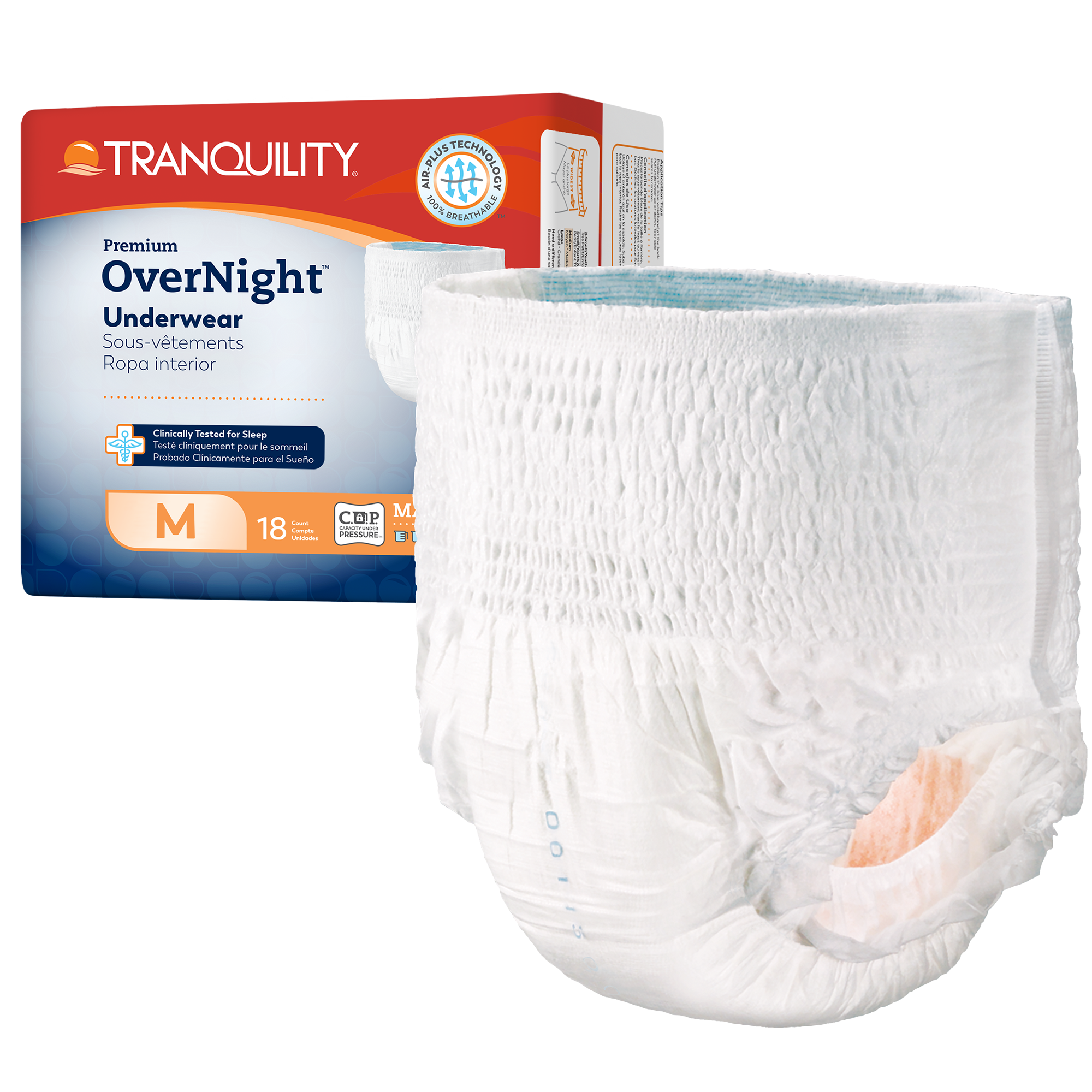 Hospitals use high-absorbency adult briefs for patients with incontinence, designed for extended wear and easy staff access.
Credit: tranquilityproducts.com
Hospitals use high-absorbency adult briefs for patients with incontinence, designed for extended wear and easy staff access.
Credit: tranquilityproducts.com
Frequently Asked Questions
Do hospitals provide diapers for newborns during your stay?
Yes, nearly all U.S. birthing hospitals provide free disposable diapers for newborns during maternal stays, and most send a small sample pack home with families at discharge. If you have a preference for a specific brand or hypoallergenic option, you can request it from your care team in advance, though most hospitals stock only the standard Pampers or Huggies options.
Why don’t more hospitals use cloth diapers for newborns?
Cloth diapers require high-temperature sanitization between uses to eliminate pathogens like E. coli and RSV, which adds significant labor and laundry costs for hospitals. Most facilities opt for single-use disposables to eliminate this infection control risk, especially for newborns with underdeveloped immune systems.
Are hospital-grade diapers better than store-brand disposables?
Hospital-grade diapers undergo more rigorous absorbency and leak testing than most consumer store brands, and are required to meet strict FDA safety standards for medical use. Many store brands meet these same safety requirements, but hospital picks are vetted for consistent performance across large production batches, reducing the risk of defects or leaks.
Do hospitals use different diapers for preterm newborns?
Yes, preterm infants in NICUs use specialized preemie diapers that are 2 to 3 sizes smaller than standard newborn diapers, with extra-soft liners and extra-absorbent cores to handle the more frequent urination of underweight infants with fragile skin. Pampers Preemie and Huggies Preemie are the most common options used in NICU settings across the U.S.
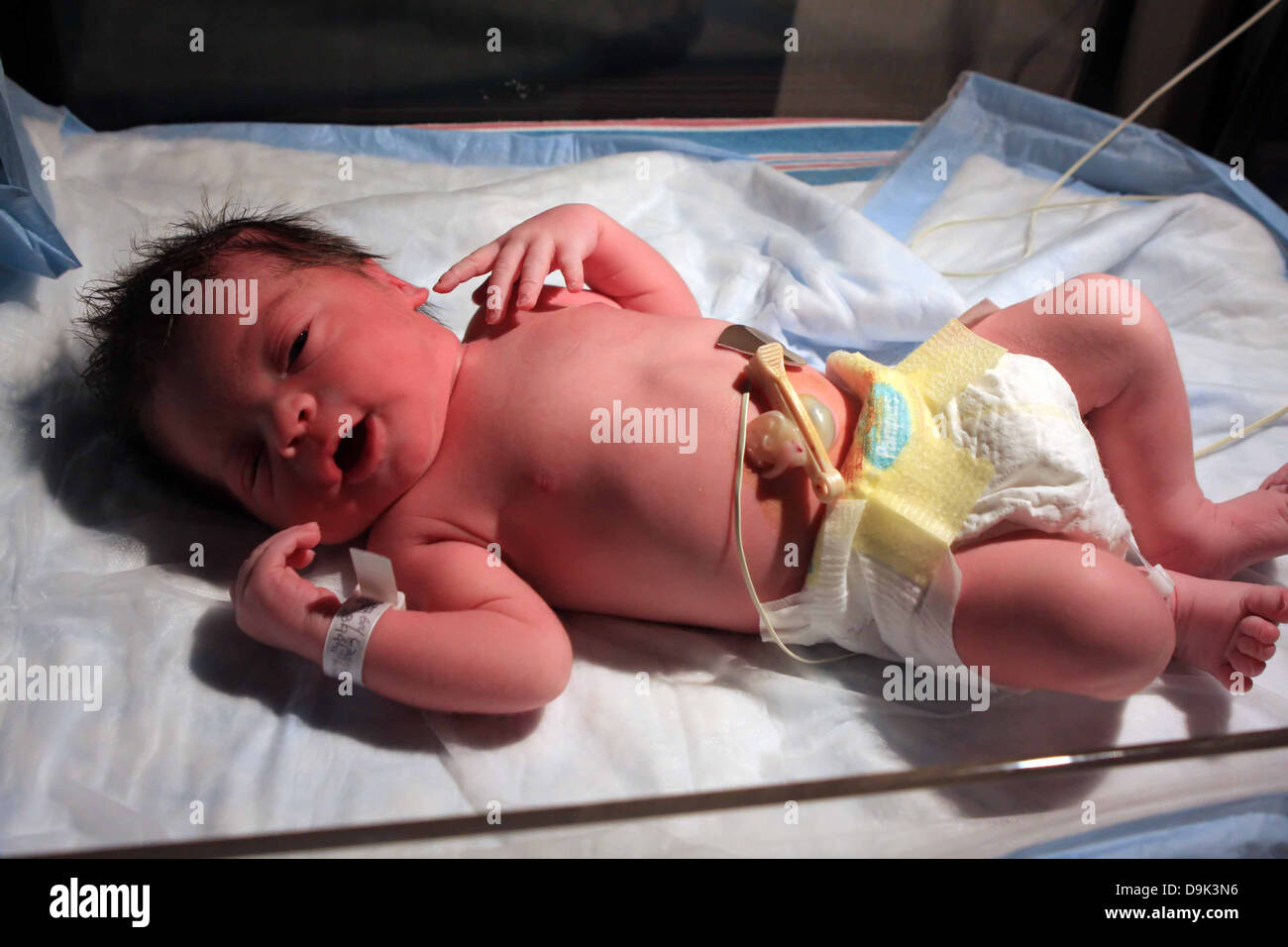 Nearly all U.S. birthing hospitals provide free disposable diapers for newborns during maternal stays.
Credit: www.alamy.com
Nearly all U.S. birthing hospitals provide free disposable diapers for newborns during maternal stays.
Credit: www.alamy.com
Conclusion
Hospital diaper selections are built on rigorous clinical testing and a focus on patient safety, skin health, and practical performance — criteria that work just as well for at-home use. Whether you choose the same disposable brands used in most hospitals, opt for a cloth diaper program like the ones offered at a small number of eco-focused birthing centers, or select high-absorbency adult briefs for incontinence care, prioritizing absorbency, hypoallergenic materials, and proper fit will ensure the best comfort and health outcomes. For more guidance on picking a safe, effective diaper for your family’s needs, check out our guide to hypoallergenic, toxin-free diaper options for sensitive skin.

Emma Grace is a devoted mother and passionate content writer at BestBabyCart.com. With firsthand parenting experience and a love for research, she creates helpful guides and honest reviews to support parents in choosing the best for their babies. Her goal is to make parenthood easier, one article at a time.