
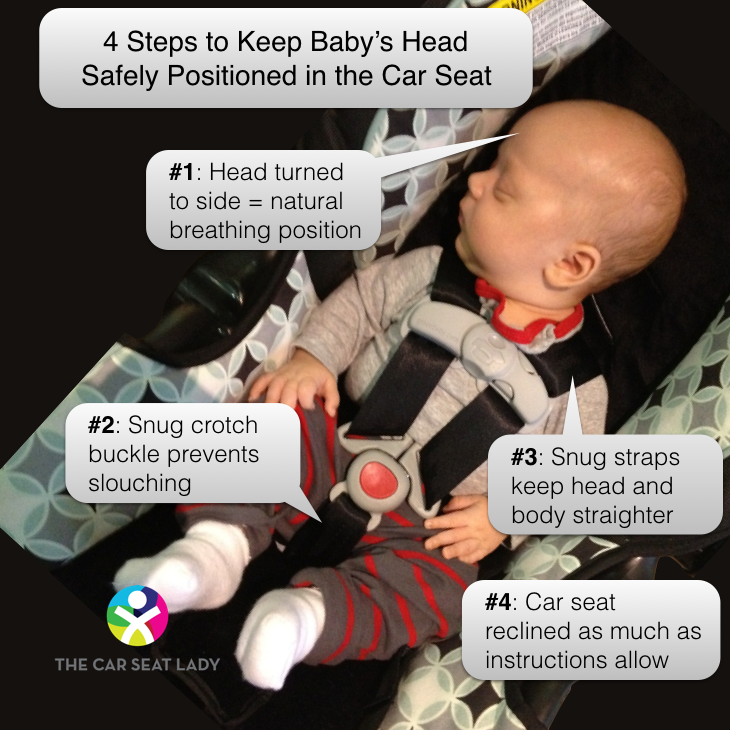
There’s nothing more heart-stopping for a new parent than glancing in the rearview mirror to see your infant’s head flopped forward, chin tucked to their chest, as they nod off in their car seat. While it may seem like a harmless quirk of newborn neck strength, a forward-slumping head poses a serious safety risk: infants under 12 months have underdeveloped neck muscles and cannot adjust their own airway if their head blocks their breathing, leading to potential positional asphyxia. Keeping your infant’s head upright in their car seat is a non-negotiable safety priority, not just a comfort fix, and with the right techniques, you can drastically reduce this risk on every ride.
Per current 2026 American Academy of Pediatrics car seat safety guidelines, all infants should ride in a rear-facing car seat until they reach the maximum height or weight limit set by the seat manufacturer, a standard that drastically reduces injury risk in crashes and supports proper head and neck alignment. This guide breaks down proven, expert-backed strategies to keep your baby’s head supported, secure, and safe on every trip.
 This rotating rear-facing infant car seat features adjustable recline for optimal head support
Choose a Car Seat Designed for Infant Head Support
The right car seat forms the foundation of safe head support, as seats designed specifically for infants have features that accommodate their weak neck muscles and small body size. A common mistake parents make is choosing a seat based on price or brand alone, rather than prioritizing features that directly support head alignment.
Rear-Facing Seat Types for Newborns
Infant-only car seats are designed for newborns up to 30-35 pounds, with deep side wings and built-in head padding that cradles the head during normal rides and crashes. Convertible seats work for infants and toddlers, but many have less structured head support for very small babies, so only choose a convertible seat if your baby meets the minimum height and weight requirements for the model. All-in-one seats are not recommended for preemies or newborns under 5 pounds, as their harness systems are not adjusted for tiny body sizes.
Must-Have Head Support Features
Look for seats with adjustable, removable head inserts that fit snugly around your baby’s head without pushing it forward. Deep side impact protection wings also help keep the head from jerking side-to-side during turns or sudden stops. If you use a stroller that pairs directly with your infant car seat for seamless transfers, mastering travel system folding will cut down on time and stress when moving your baby between the house and vehicle. For parents tracking rapid infant growth, our infant growth tracking guide can help you know when to adjust the seat’s harness and head support as your baby grows.
Avoid Seats That Encourage Slumping
Skip seats with excessive, non-adjustable recline, as these can cause your baby’s head to flop forward even when installed correctly. Also, never use a car seat that is past its expiration date (usually 6-10 years from the manufacture date, printed on the seat’s label) or one that has been in a moderate or severe crash, as structural damage can compromise head support and crash performance. Just as you would avoid loose, soft bedding in a crib to follow safe crib bedding guidelines, you should never add unprompted padding, inserts, or toys to your baby’s car seat, as these can shift during a crash and cause injury.
Master Correct Installation to Prevent Head Slump
Even the highest-quality car seat will fail to support your baby’s head if it is not installed correctly in your vehicle. A poorly installed seat can recline too far upright, causing head slump, or shift side-to-side during normal driving, leading to excessive head movement.
Step-by-Step Installation Check
First, read your car seat’s manual thoroughly—installation rules vary widely by model. For rear-facing infants, use the built-in recline indicator to set the seat to a 30-45 degree angle; if your vehicle’s back seat is very sloped, many seats allow you to place a firm, level base under the seat (only if the manufacturer explicitly permits this in the manual) to achieve the correct angle. Secure the seat using either the LATCH system or the vehicle’s seat belt, never both at the same time. Tighten the LATCH straps or seat belt until the seat moves less than 1 inch side-to-side when you push at the belt path. If you’re unsure about your installation, you can locate a certified inspection station near you via the NHTSA car seat inspection locator to have a technician verify your setup.
Common Installation Errors That Cause Forward Head Fall
The most frequent installation mistakes that lead to head slump include:
- Installing the seat at too upright an angle for newborns, which eliminates the recline needed to keep the head from falling forward
- Failing to tighten the LATCH straps or seat belt enough, allowing the seat to shift and tip during driving
- Positioning the seat in the front passenger seat, which exposes the baby to airbag deployment risk and uneven recline angles
Adjust the Harness for a Snug, Secure Fit
A loose or incorrectly positioned harness is the second most common cause of infant head slump in car seats. When the harness is too loose, your baby can slide down in the seat, causing their head to flop forward and creating dangerous gaps that reduce crash protection.
Correct Harness Strap Positioning
For rear-facing infants, harness straps should always be positioned at or just below your baby’s shoulders, not above. Straps placed above the shoulders allow the baby to slide down in the seat during a crash, leading to head and neck injury. Always unbutton the chest clip before adjusting strap height, and ensure the straps lie flat with no twists, as twisted straps reduce harness effectiveness and can cause discomfort that leads to squirming.
Chest Clip Placement Rules
The chest clip should be positioned level with your baby’s armpits, not their chest or stomach. A clip placed too low can allow the baby to slip out of the harness during a crash, while a clip placed too high can press against their throat and cause discomfort that leads to head slumping.
How to Check for a Proper Harness Fit
The harness should be snug enough that you cannot pinch any excess horizontal webbing at your baby’s shoulder after buckling. Bulky winter coats, puffy snowsuits, and thick swaddles can compress during a crash, creating dangerous slack in the harness and pushing your baby’s head forward. Following appropriate infant layering rules for car rides—such as dressing your baby in thin layers and covering them with a blanket over the harness—eliminates this risk. As infants grow quickly in their first year, check harness fit every 1-2 months to adjust strap height as needed.
Safe, Approved Head Support Techniques
Once your seat is installed and the harness is adjusted correctly, you can add gentle head support to prevent slump, but only use methods explicitly approved by your car seat manufacturer.
Built-In Seat Head Support Adjustments
Most infant car seats come with removable, adjustable head inserts designed to fit snugly around your baby’s head without pushing it forward. Adjust the insert so there are no gaps between the support and the sides of your baby’s head, but ensure it does not force their chin to their chest or restrict their ability to turn their head side-to-side.
How to Use Rolled Blankets Safely (If Allowed)
If your car seat manual permits additional head support, roll a thin, lightweight receiving blanket into a 6-inch diameter cylinder, place it on either side of your baby’s head (not behind their neck or under their body), and tuck it securely under the harness straps to keep it from shifting. Never place a blanket or padding behind your baby’s back or under their bottom, as this can change the seat’s angle and crash performance.
Accessories to Avoid Entirely
U-shaped aftermarket head supports that hang off the front of the car seat are a major safety hazard: they can push your baby’s head forward during a crash, and their bulk can interfere with the harness’s ability to keep your baby secure. Avoid all head supports, body pillows, and seat covers that are not explicitly approved by your car seat’s manufacturer for use with your specific model.
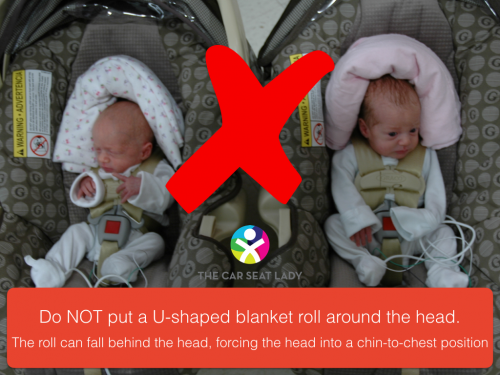 U-shaped aftermarket head supports can push an infant’s head forward, increasing injury risk in crashes
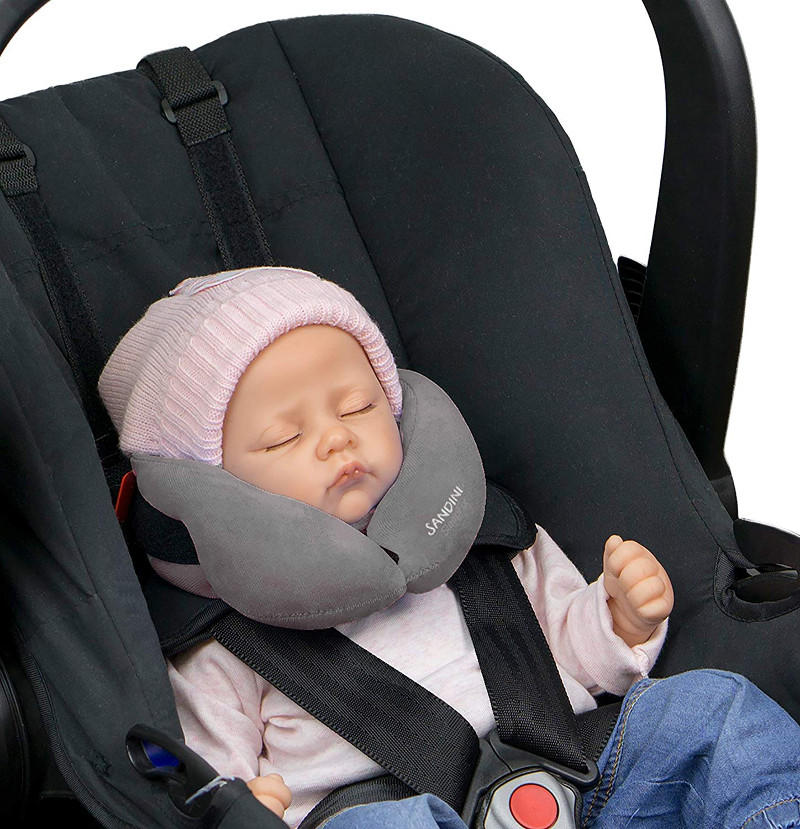 Approved, seat-specific head supports provide gentle side support without restricting airway or movement
Common Mistakes That Lead to Forward Head Fall
Even experienced parents often make these avoidable errors that increase head slump risk:
- Using unapproved aftermarket accessories that shift during travel or interfere with harness function
- Installing the seat at an incorrect recline angle for your baby’s age and size
- Skipping regular harness twist and tightness checks
- Dressing your baby in bulky outerwear that creates harness slack
- Leaving your baby in the car seat for extended periods outside the vehicle, as car seats are not designed for prolonged sleep and can still restrict airways even with head support
Travel Vigilance: What to Check On Every Trip
Even with a perfect setup, regular checks during travel are critical to catch head slump early, especially on long trips.
Pre-Trip 3-Point Safety Check
Before every drive, confirm:
- The harness is snug, untwisted, and the chest clip is at armpit level
- The car seat moves less than 1 inch side-to-side at the belt path
- Your baby’s head is supported and not tilting forward when they are relaxed
Signs Your Baby’s Head Is Slumping
Watch for these red flags during travel: your baby’s chin is touching their chest, they are fussy or restless without an obvious cause, or you can hear labored or noisy breathing. If you notice any of these signs, pull over safely, adjust the seat’s recline angle, reposition your baby, and add a rolled blanket if your manual allows it.
Long-Trip Adjustments for Comfort and Safety
On trips longer than 30 minutes, pull over every hour to check your baby’s position, adjust their clothing if they are overheating or chilled, and give them a break from the car seat if possible. If your baby adheres to a strict sleep schedule, planning drives around nap times can reduce fussiness that leads to excessive movement; our guide to traveling with early sleepers offers tips for adjusting routines without disrupting rest. If your baby is fussy during a ride, check for signs of being too hot or too cold, including whether they’re wearing appropriate infant footwear for the current temperature, as temperature discomfort can increase squirming and head slumping.
Expert Resources for Personalized Guidance
If you’re still unsure about your car seat setup, professional support is available for free or low cost in most areas. Many local fire departments, hospitals, and pediatrician offices offer free car seat inspections and installation help from certified Child Passenger Safety Technicians (CPSTs), who are trained to work with all car seat models and vehicle types. Car seat safety workshops are also hosted by many community organizations, offering hands-on training to help you master installation and adjustment for your specific seat. You can locate a certified inspection station near you via the NHTSA car seat inspection locator to have a technician verify your setup and answer specific questions about your seat model and vehicle.
Frequently Asked Questions
How can I keep my infant’s head from falling forward in their car seat?
Start by ensuring your car seat is installed at the correct 30-45 degree recline angle for rear-facing infants, with no more than 1 inch of side-to-side movement at the belt path. Adjust the harness so straps are at or below your baby’s shoulders, the chest clip is level with their armpits, and the harness is snug enough that you cannot pinch excess webbing at the shoulder. If your baby still slumps, use a thin rolled receiving blanket placed on either side of their head (tucked under the harness straps, not behind their head) only if your car seat manual permits this modification.
What is the safest recline angle for a rear-facing infant car seat?
For newborns and infants who cannot hold their head up independently, a recline angle of 30 to 45 degrees is recommended by the AAP to keep the airway open and prevent head slump. Most car seats have a built-in recline indicator or level to help you set the correct angle; never add towels or padding under the seat base unless your manufacturer explicitly approves this, as it can alter the seat’s crash performance.
Are aftermarket head supports safe for car seats?
Almost always no. Aftermarket head supports, including U-shaped models that hang off the front of the seat, are not crash-tested with your specific car seat model and can push your baby’s head forward during a crash, or interfere with the harness’s ability to keep them secure. Only use head supports that come included with your car seat, or are explicitly approved by the manufacturer for use with your model.
Why does my baby’s head fall forward even when the seat is installed correctly?
If the seat is installed at the correct angle and the harness is snug, head slump is often caused by a few common issues: your baby is wearing bulky outerwear that creates harness slack, the built-in head support is adjusted too loosely, or your baby is particularly sleepy and has weak neck muscles for their age. For preemies or infants with low muscle tone, talk to your pediatrician about additional safe support options.
Can I use a rolled blanket to support my baby’s head?
Yes, but only if your car seat manufacturer allows it in the manual. Roll a thin, lightweight receiving blanket into a 6-inch diameter cylinder, place it on either side of your baby’s head (not behind their neck or under their body), and tuck it securely under the harness straps to keep it from shifting. Never place a blanket or padding behind your baby’s back or under their bottom, as this can change the seat’s angle and crash performance.
How long can my baby ride in their car seat without risk?
Car seats are designed only for travel, not for prolonged sleep or use outside the vehicle. For infants, limit non-travel time in the car seat to 30 minutes or less at a time to reduce the risk of positional asphyxia and flat head syndrome, even if their head is supported.
Final Thoughts
Keeping your infant’s head upright in their car seat is one of the most impactful things you can do to keep them safe on every ride. By choosing a seat with proper head support, installing it correctly, adjusting the harness snugly, and avoiding unapproved accessories, you eliminate the majority of head slump risk. Remember to check your baby’s position on every trip, and never leave them unattended in their car seat for extended periods. If you have questions about your specific setup, schedule a free inspection with a certified child passenger safety technician to get personalized, hands-on guidance for your family’s needs. Safe travels!

Emma Grace is a devoted mother and passionate content writer at BestBabyCart.com. With firsthand parenting experience and a love for research, she creates helpful guides and honest reviews to support parents in choosing the best for their babies. Her goal is to make parenthood easier, one article at a time.