

Sliding into a frigid car on a winter morning only to find your heated seats aren’t living up to their promise is a frustrating experience — especially if you recently added a seat cover that’s blocking warmth. If you’ve ever asked this question, you’re not alone: millions of drivers want to protect their factory upholstery from spills, stains, and wear without sacrificing the comfort of built-in seat heaters.
The short answer is yes — but only if you choose the right cover. Incompatible options can reduce heating efficiency, damage expensive seat components, void your car’s warranty, or even create safety hazards. This 2026 updated guide breaks down exactly what makes a seat cover safe for heated seats, which types to avoid, and how to install and maintain your cover for years of worry-free use.
How Heated Seats Function
To understand why seat cover compatibility matters, it helps to know how your car’s heated seats work in the first place. Unlike portable seat warmers, factory-installed heated seats use low-voltage resistive heating elements embedded directly into the seat cushion and backrest foam. These elements are regulated by a built-in thermostat and fused to the car’s electrical system, with most models capping temperatures at 105–120°F (40–49°C) to avoid burn risks.
Airflow is critical to this system’s operation: the heating elements rely on even air circulation through the seat foam to distribute warmth consistently and prevent individual wires from overheating. Any layer that blocks this airflow — like a thick, non-breathable seat cover — disrupts that balance, leading to cold spots, slower warm-up times, and increased wear on the heating components over time.
Per guidance from the National Highway Traffic Safety Administration, any aftermarket automotive accessory that restricts airflow to built-in heating systems can pose a fire risk if not specifically rated for use with those systems. This is the core reason compatibility is non-negotiable when pairing seat covers with heated seats.
Heating Element Basics
The resistive wires in heated seats are thin and delicate, designed to run at low power for extended periods without overheating. They’re protected by a layer of foam and the seat’s outer upholstery, which acts as a barrier to retain heat while still allowing enough airflow to prevent the wires from degrading. Adding an unapproved cover disrupts this balance, trapping heat against the elements and shortening their lifespan significantly.
Airflow and Temperature Regulation
Most heated seat systems use a small fan or passive airflow through the seat cushion to distribute warmth evenly. A properly fitted, breathable seat cover won’t interfere with this airflow, while a thick or loose cover will block it entirely, leading to uneven heating and hot spots that can burn the seat’s foam or wiring over time.
Core Compatibility Factors for Seat Covers
The compatibility of a seat cover with your heated seats comes down to four key factors, all of which you should evaluate before making a purchase:
Material Thickness and Breathability
The single biggest factor in whether a seat cover works with heated seats is how thick and permeable it is. Covers made from thick, non-breathable materials like heavy vinyl, insulated sherpa, or memory foam block most heat transfer, leaving you with lukewarm seats even on the highest setting. Thin, open-weave fabrics like polyester-cotton blends, microsuede, or perforated leather allow heat to pass through with minimal resistance, so your seats warm up just as quickly as they would uncovered.
Fire Safety Standards
Cheap seat covers made from untreated polyester or fleece can melt or ignite if the heating element malfunctions and traps heat against the cover. All covers designed for use with heated seats should meet FMVSS 302, the federal flammability standard for vehicle interior materials, which requires materials to resist ignition and burn slowly if exposed to flame. OEM-approved covers are tested to this standard, while generic no-name covers often skip this safety step.
Fit and Airflow
A loose, ill-fitting seat cover bunches up against the seat cushion, creating air pockets that trap heat against the heating elements. Even a thin cover will cause problems if it’s not tailored to your specific seat model, as the extra fabric disrupts even heat distribution and can create hot spots that damage the wiring over time. Snug, model-specific covers with elastic hems or adjustable straps stay flat against the seat, preserving airflow and heat transfer.
Manufacturer Warranty Rules
Nearly all automakers include stipulations in their owner’s manuals about aftermarket seat covers and heated seats. For example, 2024–2026 model year Ford, Toyota, and BMW owner’s manuals explicitly state that unapproved seat covers that interfere with heating system operation will not be covered under the vehicle’s bumper-to-bumper warranty. If a seat cover causes the heating elements to fail, you could be on the hook for $500–$1,500 in repair costs at a dealership.
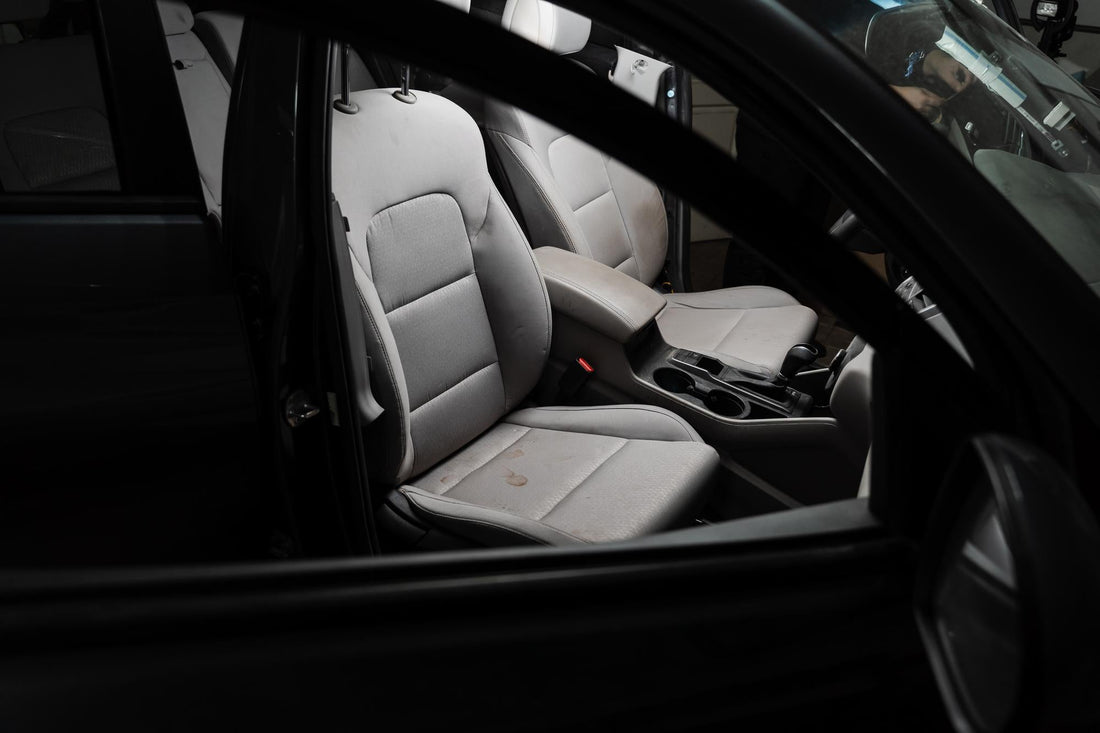
 This image shows a standard seat cover installed on a vehicle's heated seat, highlighting the fit and material thickness.
Credit: www.steisone.com
This image shows a standard seat cover installed on a vehicle's heated seat, highlighting the fit and material thickness.
Credit: www.steisone.com
Safe vs. Unsafe Seat Cover Types for Heated Seats
Not all seat covers are created equal for heated seats. Choosing the right type will ensure you get the protection you want without sacrificing warmth or safety.
Compatible Cover Options
These options are widely tested and approved for use with factory heated seats:
- Thin woven fabrics: Polyester-cotton blends, microsuede, and canvas under 3mm thick are the most popular choice for heated seats. They’re breathable, easy to clean, and available in custom fits for almost every vehicle make and model.
- Perforated leather/vegan leather: Perforations cut into the material allow heat to pass through evenly, while the durable, stain-resistant surface holds up to daily wear. Avoid solid, non-perforated leather, which traps heat against the seat cushion.
- Certified neoprene: Water-resistant neoprene is ideal for drivers with pets, kids, or outdoor hobbies, but only choose options explicitly labeled "safe for heated seats" — cheap, uninsulated neoprene can still trap excess heat if it’s too thick.
Covers to Avoid Entirely
Skip these options if your vehicle has heated seats, as they pose a high risk of damage or safety hazards:
- Thick sherpa or fleece winter covers
- Memory foam seat toppers or cushions
- Insulated all-weather covers designed for extreme cold
- Generic, universal-fit covers with no stated compatibility with heated systems
 Thick, non-breathable covers (left) block heat transfer, while thin, perforated covers (right) allow even warmth across the seat.
Credit: www.seatcoversolutions.com
Thick, non-breathable covers (left) block heat transfer, while thin, perforated covers (right) allow even warmth across the seat.
Credit: www.seatcoversolutions.com
Real Risks of Using Incompatible Seat Covers
Using an unapproved seat cover on heated seats isn’t just inconvenient — it can lead to expensive damage and serious safety risks:
Reduced Heating Performance
The most common complaint from drivers using incompatible covers is that their seats take far longer to warm up, and never reach the same temperature as uncovered seats. In practice, many drivers with thick fleece covers report warm-up times 2–3 times longer than factory specs, and have to run the heater on the highest setting for 15+ minutes to feel any warmth — which drains the car battery faster, especially on short commutes.
Overheating and Element Damage
Trapped heat against the heating elements causes the resistive wires to degrade much faster than they would with proper airflow. A failed heated seat element requires disassembling the entire seat cushion to replace, with labor and parts costing $500–$1,500 at a dealership. In rare cases, excessive heat buildup can cause the element to short circuit, leading to smoke or even a seat fire — the Insurance Institute for Highway Safety has documented dozens of heated seat fire reports linked to aftermarket accessories over the past decade.
Warranty Voiding
As noted earlier, most automakers will deny warranty claims for heated seat repairs if they determine an aftermarket cover caused the issue, leaving you responsible for expensive out-of-pocket repairs.
Airbag Interference Risk
Many modern vehicles have side airbags embedded in the seat bolsters, designed to deploy outward in the event of a side collision. A thick, ill-fitting seat cover can block the airbag’s deployment path, reducing its effectiveness or causing it to deploy improperly. This is a critical, often overlooked safety risk that makes proper fit non-negotiable for all drivers.
How to Choose the Right Seat Cover for Your Heated Seats
Picking the right cover doesn’t have to be complicated — just follow these evidence-based steps to ensure compatibility and safety:
Look for Explicit Heated Seat Compatibility
Reputable seat cover brands will explicitly label products as "heated seat compatible" on packaging and product descriptions, and often list compatible vehicle makes, models, and years. Avoid generic universal-fit covers with no clear compatibility info, as they’re far more likely to cause fit or heat transfer issues.
Prioritize Breathable, Thin Materials
Stick to covers no thicker than 3mm, made from open-weave or perforated fabrics. Microsuede and thin polyester-cotton blends are top picks for most drivers, as they balance durability, breathability, and ease of cleaning. If you opt for leather, only choose perforated options designed for heated seats.
Ensure a Snug, Tailored Fit
Measure your seat’s cushion width, backrest height, and bolster size before buying, and opt for covers with adjustable elastic hems or straps to secure them in place. A loose cover is the #1 cause of reduced heating performance and hot spot damage, per feedback from aftermarket seat cover manufacturers.
Verify Fire Safety Ratings
Look for covers that meet FMVSS 302, the federal flammability standard for vehicle interiors. This certification ensures the cover won’t ignite easily if the heating element malfunctions, reducing fire risk significantly.
Cross-Check Your Owner’s Manual
Many automakers list approved aftermarket accessories or provide specific guidelines for seat cover use with heated seats in the owner’s manual. For example, some brands recommend only using covers with a maximum thickness of 2mm to avoid interfering with heating system operation.
For parents regularly hauling kids, a durable seat cover is a game-changer for managing baby mealtime messes and unexpected diaper leaks during errands, while also keeping your heated seats performing at their best.
 A snug, breathable microfiber seat cover maintains full heating efficiency while protecting the seat from wear and spills.
Credit: shop.advanceautoparts.com
A snug, breathable microfiber seat cover maintains full heating efficiency while protecting the seat from wear and spills.
Credit: shop.advanceautoparts.com
Maintenance Tips for Heated Seats With Covers
Proper upkeep will extend the life of both your seat covers and your heated seat system:
Regular Cleaning Best Practices
Vacuum your seat covers weekly to remove crumbs, pet hair, and debris that can trap heat against the seat cushion. Spot clean spills immediately with mild soap and lukewarm water; avoid harsh chemical cleaners, bleach, or abrasive scrubbing, which can degrade the cover’s material and seep through to the heating element underneath. Always let covers air dry completely before reinstalling them to avoid moisture damage to the seat’s wiring.
Periodic Fit and Damage Inspections
Every 3 months, adjust your cover’s straps to ensure it stays snug against the seat, with no bunching, shifting, or loose fabric. Every 6 months, inspect the cover for tears, fraying, or thinning fabric: a damaged cover can expose the heating element to moisture or debris, leading to short circuits or corrosion over time. Replace covers as soon as you notice significant wear to avoid damage to your seat’s heating system.
Safe Use Habits
Avoid running your heated seats on the highest setting for more than 30 minutes at a time, especially with a cover on, to reduce the risk of overheating. If you remove your seat cover for cleaning or warm weather use, wait until the seats have cooled completely before reinstalling it to avoid warping the material.
For parents navigating early baby bedtimes, a comfortable heated seat paired with a non-restrictive cover makes midday errand runs far less disruptive, without sacrificing warmth. Heated seats also reduce the need for heavy layers on short drives, which is a win when you’re trying to nail the right baby coat layer count for cold weather outings. Just like you’d prioritize soft, safe materials for crib comfort layers, seat covers for heated seats should use breathable, non-irritating fabrics to avoid discomfort during long rides. For parents juggling winter outings, heated seats cut down on the need for extra layers, including the extra baby socks you might otherwise pack for cold car rides.
Frequently Asked Questions
Can I use a seat heater blanket under a seat cover?
No. Seat heater blankets add an extra layer of insulation that traps heat against your factory heating elements, increasing the risk of overheating and element damage. They also rarely meet FMVSS 302 flammability standards for vehicle use, creating an unnecessary fire hazard.
Do aftermarket heated seat covers work with factory heated seats?
No — aftermarket heated seat covers have their own built-in heating elements, and using them on seats that already have factory heating will cause excessive heat buildup that can damage both systems. Only use seat covers without built-in heaters on factory heated seats.
Will a seat cover make my heated seats feel less warm?
Only if the cover is thick, non-breathable, or poorly fitted. A compatible, thin, properly installed cover will reduce heat output by less than 5%, a difference most drivers won’t notice. Incompatible covers, by contrast, can reduce heat output by 50% or more.
Are leather seat covers safe for heated seats?
Only perforated leather covers are safe for heated seats. Solid, non-perforated leather traps heat against the seat cushion, leading to uneven heating, increased risk of element damage, and slower warm-up times. If you prefer the look of leather, opt for a perforated option explicitly labeled for heated seat use.
Final Recommendations
Yes, you absolutely can put car seat covers on heated seats — as long as you prioritize compatibility, material safety, and proper fit. Thin, breathable, fire-rated covers designed explicitly for heated seats will protect your upholstery from spills, stains, and wear without sacrificing the warmth you rely on in cold weather. Avoid thick, insulating covers, always cross-check your owner’s manual for manufacturer guidelines, and prioritize a snug, model-specific fit to avoid airflow blockages and airbag interference.
If you’re shopping for a new cover, look for models with explicit heated seat compatibility labeling and check customer reviews for feedback on heat performance with your specific vehicle make and model.

Emma Grace is a devoted mother and passionate content writer at BestBabyCart.com. With firsthand parenting experience and a love for research, she creates helpful guides and honest reviews to support parents in choosing the best for their babies. Her goal is to make parenthood easier, one article at a time.