
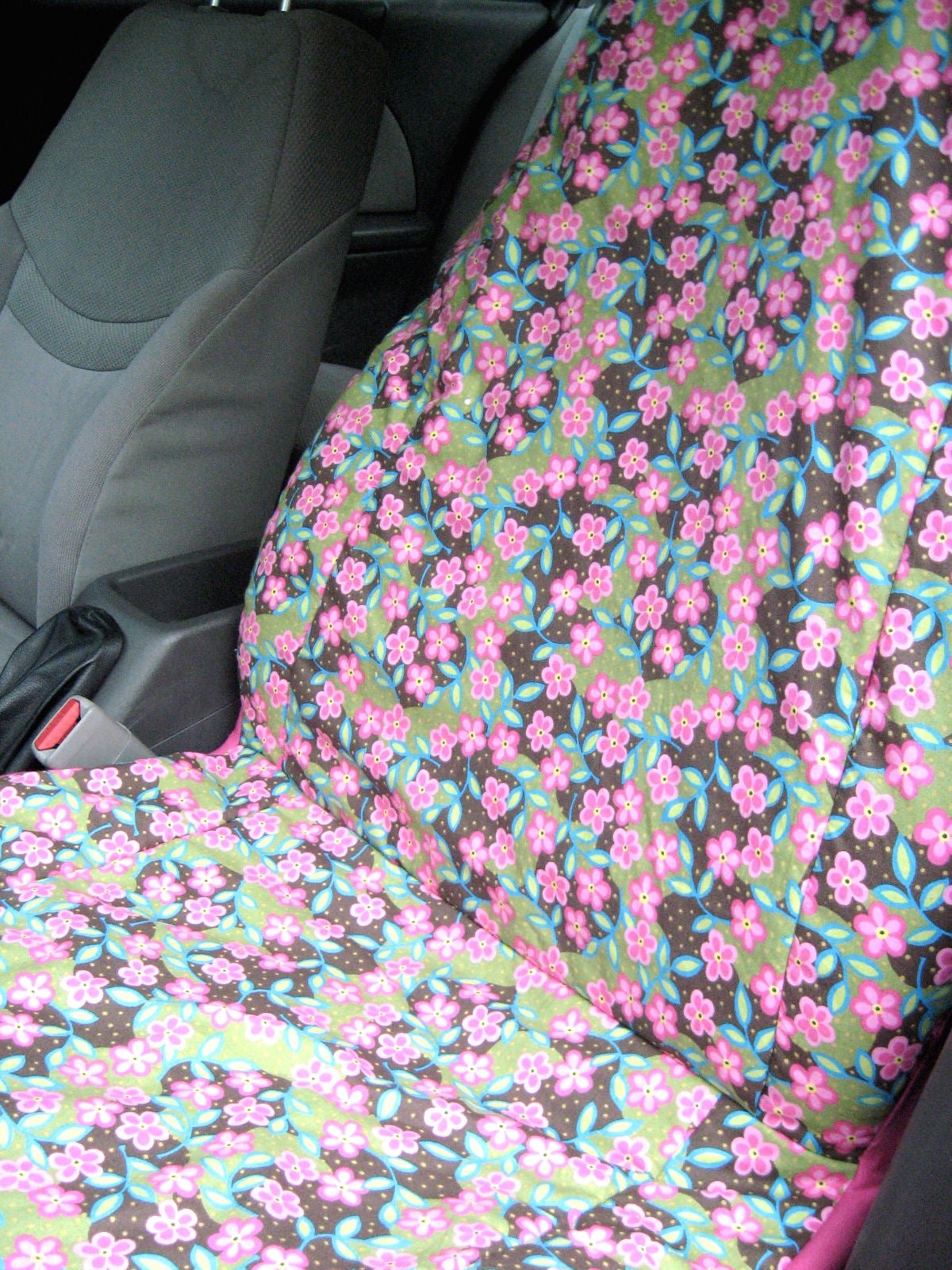
Worn-out factory car seats, pet hair embedded in upholstery, and sticky kid spills are unavoidable parts of car ownership, but replacing your seats or buying expensive custom covers doesn’t have to be the only solution. Making your own car seat covers is a low-cost, high-reward DIY project that lets you protect your interior, express your personal style, and get a perfect fit that generic off-the-shelf covers can’t match. Even if you’ve never sewn a project more complex than a pillowcase, this guide walks you through every step, from measuring your seats to adding custom details, with practical tips to avoid common beginner mistakes. By the end, you’ll have professional-looking seat covers that fit like a glove and stand up to daily wear and tear. Unlike generic off-the-shelf options, custom covers won’t slip or gap around seat controls, and you can choose fabrics tailored to your needs — for more guidance on selecting the right material, check out our fabric selection tips for seat covers.
Why DIY Car Seat Covers Beat Off-the-Shelf Options
Generic pre-made seat covers are a quick fix, but they come with major downsides: they often slip, gap around seat controls and airbags, and are made from low-quality fabric that wears out in months. DIY seat covers eliminate these problems entirely:
- Perfect custom fit: No more slipping fabric or exposed seat edges, as your covers are cut to match your vehicle’s exact seat dimensions.
- Tailored material choices: Choose waterproof neoprene for muddy dogs, stain-resistant canvas for kids, or breathable linen for hot climates — no more one-size-fits-all fabric.
- Cost savings: A set of custom-fit seat covers from a retailer can cost $200 to $500 per seat, while a full DIY set costs $50 to $100 in materials, even for premium fabric.
- Unlimited customization: Add pockets, embroidery, color blocking, or custom patches to match your car’s interior or your personal style, something no mass-produced cover can offer.
Essential Materials and Tools for DIY Car Seat Covers
Gathering the right supplies before you start will save you time, reduce waste, and ensure your final product is durable and well-fitted. Below is a breakdown of every material and tool you’ll need, with recommendations for different use cases. You can also read our guide on best dog seat covers for cars top waterproof durable choices.
Fabric Selection
Your fabric choice will make or break the durability and functionality of your seat covers. For most use cases, opt for 10–12 oz upholstery-weight fabric, which is thick enough to resist tears and punctures but thin enough to sew easily on a domestic sewing machine.
- Neoprene: The best choice for pet owners and families with young kids, as it is waterproof, chew-resistant, and wipes clean with a damp cloth. It also has a small amount of stretch, making it ideal for bucket seats with tight contours.
- Waxed canvas: Perfect for outdoor enthusiasts and work vehicles, as it is highly stain-resistant, water-repellent, and develops a soft patina with age. It works well for bench seats and flat bucket seats.
- Faux leather: A great option for a luxury look that’s easy to clean. Opt for 0.8–1 mm thickness to avoid cracking, and use a Teflon sewing foot to prevent the material from sticking to your machine.
- Polyester: The most budget-friendly option, available in endless colors and patterns. It is lightweight and easy to sew, but less durable than canvas or neoprene for high-use vehicles.
For specific guidance on matching fabric to your lifestyle, the University of Minnesota Extension offers a free guide to upholstery fabric performance that breaks down wear resistance, stain resistance, and care requirements for common fabric types. If your vehicle has heated seats, skip foam padding entirely to avoid interfering with the heating elements; refer to our guide on heated seat cover best practices for fabric recommendations that work with this feature. You can also read our guide on marble shower foot rest.
Foam Padding
Foam adds comfort and helps your covers retain their shape over time. For seat cushions, use 1/2" to 1" high-density polyurethane foam with a minimum density of 1.8 lb per cubic foot — this density is firm enough to resist sagging after months of use. For seat backs, 1/4" to 1/2" foam works well. Avoid memory foam for seat cushions, as it retains heat and can make seats uncomfortably warm in summer.
Thread and Needles
Standard cotton thread will break easily when sewn through thick upholstery fabric. Use bonded nylon thread (size 69 for medium-weight fabrics, size 92 for canvas or leather) for strong, fray-resistant seams. For needles, use size 90/14 for polyester and light canvas, and size 100/16 for heavy canvas, denim, or leather. Keep extra needles on hand, as thick fabrics dull them quickly. You can also read our guide on best fabric for car seat covers.
Sewing Machine
A basic domestic sewing machine works for most DIY seat cover projects, but if you are working with leather or multiple layers of canvas, add a walking foot attachment to prevent fabric slippage and ensure even stitches. A serger is optional but creates professional, fray-resistant seams for high-use covers that will see heavy wear.
Additional Tools
- Measuring tape: Use a flexible soft tape measure for curved seat contours, not a stiff steel tape, to get accurate readings.
- Fabric shears: Use these exclusively for cutting fabric to keep blades sharp; dull shears will fray fabric edges and create uneven cuts.
- Pins and clips: Ball-head pins stay secure in thick fabric, while binder clips work well for layers too thick for pins to penetrate.
- Fabric chalk: Use water-soluble chalk to mark fabric, so marks wash out easily with no residue. Avoid permanent markers, which can stain fabric permanently.
 This tutorial video walks through the full DIY process for beginner sewers
Image source: www.youtube.com
This tutorial video walks through the full DIY process for beginner sewers
Image source: www.youtube.com
How to Measure Your Car Seats for a Perfect Fit
Accurate measurements are the most important step in creating seat covers that fit snugly without slipping or bunching. A common beginner mistake is measuring with the seat reclined, which leads to covers that are too large when the seat is in the normal driving position. Follow these steps to get precise readings:
- Remove any existing seat covers, seat warmers, or loose items from the seats, and vacuum the seats to remove debris that could throw off measurements.
- Measure the seat cushion width: Stretch the tape measure side to side across the widest part of the seat cushion, with the seat in the upright, normal driving position.
- Measure the seat cushion depth: Place the tape at the back of the seat base (where it meets the seat back) and extend it to the front edge of the cushion.
- Measure the seat back height: Start at the bottom of the seat back (where it attaches to the base) and measure up to the top edge, including any headrest cutout if your cover will go over the headrest.
- Measure the seat back width: Stretch the tape side to side across the widest part of the seat back.
- For bucket seats, measure the height of the side bolsters and the distance from the front edge of the seat to the outermost side edge. For rear bench seats, measure the total width and note any split-seat or armrest cutouts.
Add 1–2 inches of ease to each measurement for a snug but not tight fit, and 1/2 inch of seam allowance to all edges when creating your pattern. If your vehicle has side airbags built into the seat bolsters, consult the NHTSA aftermarket accessory guidelines to ensure your cover design does not interfere with airbag deployment, which can pose a serious safety risk.
Creating a Custom Seat Cover Pattern
A well-made pattern ensures your cover fits perfectly and reduces fabric waste. You can create a pattern using one of two simple methods, depending on your skill level:
Trace Method (Beginner-Friendly)
Lay a large piece of craft paper or butcher paper over the seat, smoothing out all wrinkles. Trace the outline of the seat cushion and seat back with a pencil, marking where seams will go (e.g., where the seat back meets the cushion, around headrest cutouts). Add 1/2 inch of seam allowance around the entire outline, then label each pattern piece (e.g., "front left seat cushion", "front left seat back") to avoid mix-ups when cutting fabric.
Measurement-Based Method (More Accurate)
Draw a rectangle for the seat cushion using your depth and width measurements, adding 1/2 inch of seam allowance to all sides. Draw a separate rectangle for the seat back using your height and width measurements, also with 1/2 inch seam allowance. Add separate pattern pieces for side bolsters, headrest cutouts, or bench seat splits as needed.
Cutting and Preparing Your Fabric
Lay your fabric on a flat, clean surface (a large table or clean floor) with the right side (the printed/colored side) facing down. Place your pattern pieces on the fabric, spacing them out to avoid waste, especially if your fabric has a pattern you need to match. Use fabric chalk to trace around each pattern piece, adding 1/2 inch seam allowance if you did not already include it on the pattern. For patterned fabric, align the pattern on panels that will be next to each other (e.g., the seat back and seat cushion) for a cohesive look.
Cut all pieces with sharp fabric shears, cutting slowly to keep edges straight. If you are adding foam padding, cut the foam to match the seat cushion panel size, and attach it to the wrong side of the cushion fabric with spray adhesive or fusible interfacing, following the product instructions. Cut all fabric pieces first before sewing to ensure you have enough material, and save any scraps for test stitches or small patches.
Step-by-Step Sewing Instructions
Follow these steps to assemble your seat covers, with tips for avoiding common mistakes like puckering fabric or misaligned seams:
- Sew decorative elements first: If you are adding pockets, embroidery, or patches, sew these onto the fabric panels before assembling the cover, so you don’t sew over them later.
- Assemble the seat back: If your seat back has a headrest cutout, sew the separate headrest panels together first, then attach them to the main seat back panel, right sides together, sewing along the edges of the cutout. Use a straight stitch for non-stretch fabrics, and a zigzag stitch for stretch fabrics to allow for movement. Backstitch at the start and end of all seams to prevent unraveling.
- Attach the seat back to the cushion: Place the seat back panel and seat cushion panel right sides together, aligning the edges where they meet the seat base. Sew along this seam with a 1/2 inch allowance.
- Add side panels (for bucket seats): Sew the side bolster panels to the seat cushion and seat back panels, right sides together, sewing along the outer edges of the seat. Leave the bottom edge of the seat cushion open for now.
- Add security straps or elastic: Cut 2–3 inch wide strips of fabric or elastic, long enough to wrap around the seat base and fasten under the seat. Sew the ends of the straps to the underside of the seat cushion panel, or sew elastic casings around the bottom edge of the cover and thread elastic through, securing the ends. For bucket seats, add vertical straps that wrap around the seat back to prevent slipping.
- Finish the edges: Turn the cover right side out, press all seams flat with an iron (use a low heat setting for synthetic fabrics to avoid melting). Topstitch 1/8 inch from all seams for a professional finish and to keep the fabric from shifting.
If you’re a visual learner, this step-by-step video tutorial demonstrates the sewing and fitting process for beginner sewers: How to Sew Custom Car Seat Covers.
A common mistake beginners make is pulling the fabric too tight when sewing, which causes the cover to pucker and not fit properly. Leave a little slack for stretch, especially when working with stretchy fabrics like neoprene or polyester.
Fitting and Installing Your Custom Seat Covers
Proper installation ensures your covers stay in place and look neat for months to come:
- Remove any existing seat covers, seat warmers, or loose items from your car seats, and vacuum the seats to remove dirt and debris so the new cover sits smoothly.
- Align the cover with the seat: start by slipping the seat back panel over the seat back, making sure any headrest cutouts are aligned correctly. If your cover goes over the headrest, slide it over the top first, then tuck the bottom of the seat back under the seat base.
- Pull the seat cushion panel over the seat cushion, making sure it is centered left to right and front to back.
- Fasten the security straps or elastic: for straps, loop them around the seat base and fasten with buckles or Velcro, tucking the ends under the seat. For elastic, pull the elastic casing snug so the cover hugs the seat tightly, then secure the elastic ends with a stitch or a knot.
- Adjust for wrinkles: smooth out any creases in the fabric, tuck excess fabric into the gaps between the seat and the car’s interior panels. Sit on the seat a few times to test for slippage, and adjust the straps as needed.
If you run into fit issues during installation, our seat cover fitting troubleshooting guide has step-by-step fixes for common problems like slipping and bunching.
Customization Ideas for Your DIY Seat Covers
One of the biggest benefits of making your own seat covers is the ability to add personal, functional details that mass-produced covers don’t offer:
- Add storage pockets: Sew 6×8 inch fabric pockets to the back of the front seat covers (the side that faces the rear passengers) for storing phones, snacks, or maps. Add elastic edges to the pockets to keep items from falling out, and use a contrasting fabric for a pop of color.
- Embroidery or fabric paint: Add your initials, a favorite sports team logo, or a custom design to the seat back panel. Use fabric paint for freehand designs, or an embroidery machine for stitched details. If you don’t have an embroidery machine, use iron-on patches for an easy, no-sew option.
- Color blocking: Use two or three complementary fabrics for different panels of the cover (e.g., a dark fabric for the seat base, a light fabric for the seat back) for a custom, two-tone look. For a bold, bohemian look, try using a woven Mexican blanket as your fabric of choice, a popular trend for custom Southwestern-inspired seat designs.
- Non-slip backing: For extra security on smooth factory seats, iron on non-slip interfacing to the underside of the cover, or spray the underside with non-slip fabric spray. This is especially useful for leather or vinyl seats.
- Child-friendly additions: If you’re making covers for a family car, add a clear plastic pocket for a child’s activity sheet, or use stain-resistant fabric for easy cleanup of spills.
Cleaning and Maintaining Your DIY Car Seat Covers
Proper care will extend the life of your seat covers by years. Follow these fabric-specific guidelines:
- Fabric covers (polyester, canvas, neoprene): Vacuum weekly to remove dirt and debris. For stains, spot clean with a mixture of mild dish soap and warm water, using a soft-bristled brush to gently scrub the stain. Avoid harsh chemicals like bleach, which can fade fabric and weaken fibers. Most fabric covers are machine washable on a gentle cycle with cold water, but air dry completely before reinstalling to avoid shrinkage. For specific drying instructions for your fabric type, refer to our seat cover drying best practices to avoid shrinkage or warping.
- Leather or faux leather covers: Wipe down weekly with a damp microfiber cloth to remove dust. For stains, use a leather cleaner specifically designed for automotive leather, following the product instructions. Avoid household cleaners like Windex or all-purpose spray, which can dry out and crack leather. Condition real leather every 3–6 months to keep it soft and prevent cracking.
- Storage tips: If you need to store covers long-term (e.g., for seasonal use), wash and dry them completely first, then fold them neatly and store in a breathable cotton bag in a cool, dry place away from direct sunlight. Avoid plastic bags, which can trap moisture and cause mold or mildew.
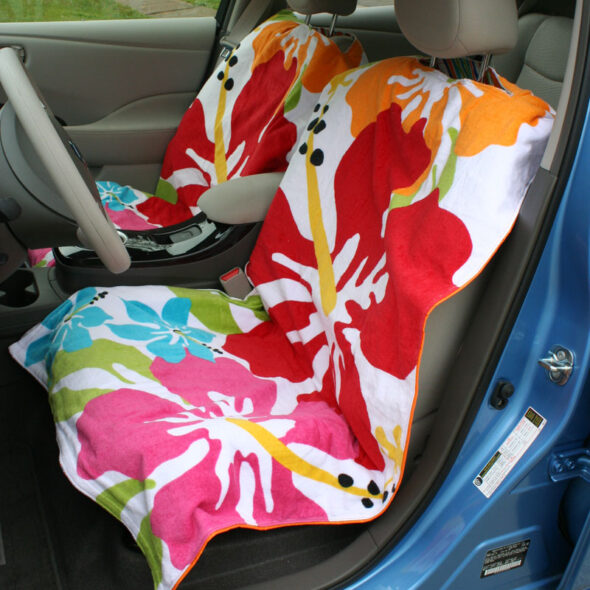 Add-on pockets are a popular customization for storing small items on the back of front seats
Image source: www.chicaandjo.com
Add-on pockets are a popular customization for storing small items on the back of front seats
Image source: www.chicaandjo.com
Frequently Asked Questions
What fabric is best for DIY car seat covers?
The best fabric depends on your lifestyle and needs. Neoprene is ideal for pet owners and families with kids, as it's waterproof, chew-resistant, and easy to wipe clean. Waxed canvas is perfect for outdoor enthusiasts, as it's stain-resistant and durable. Polyester is a budget-friendly, versatile option that comes in endless colors and patterns, while faux leather offers a luxury look that's easy to clean. Avoid thin, lightweight fabrics like cotton jersey, as they will stretch and wear out quickly.
Do DIY car seat covers work with side airbags?
Yes, as long as you leave the side airbag cutouts unobstructed. Most modern cars have side airbags built into the seat bolsters; when creating your pattern, mark the location of the airbag and leave a 2–3 inch gap around the cutout, or sew a tear-away panel that will split open if the airbag deploys, to avoid interfering with the airbag's function. Check your car's owner's manual for specific airbag location guidelines before cutting your fabric.
How long does it take to make custom car seat covers?
For beginners, expect to spend 4–6 hours on a full set of front seat covers, including measuring, cutting, and sewing. Experienced sewers can complete a set in 2–3 hours. If you're adding custom elements like embroidery or multiple pockets, add an extra 1–2 hours.
Can I make seat covers without a sewing machine?
Yes, you can make no-sew seat covers using iron-on fusible interfacing to bond fabric pieces together, or use a heavy-duty staple gun to attach fabric to a foam backing. No-sew covers are less durable than sewn ones, but they're a good option for beginners who don't have access to a sewing machine.
How do I ensure my DIY seat covers fit perfectly?
The key to a perfect fit is accurate measurements. Measure your seats twice, add 1–2 inches of ease to each measurement for a snug but not tight fit, and test the fit as you sew by holding the panels up to the seat before sewing seams permanently. If you're unsure, make a test cover out of cheap muslin fabric first to check the fit before cutting into your expensive upholstery fabric.
Conclusion
Making your own car seat covers is a rewarding, budget-friendly DIY project that lets you customize your vehicle’s interior to match your style and needs. Whether you’re protecting seats from pet hair and kid spills, upgrading a worn-out interior, or adding a personal touch to a new car, the process is accessible even for beginner sewers. By choosing the right fabric, taking accurate measurements, and following the step-by-step guide above, you can create professional-looking seat covers that fit perfectly and last for years. Don’t be discouraged by small mistakes — they’re part of the learning process, and each project will make you more confident with your sewing skills. Ready to get started? Gather your materials, take your measurements, and start crafting your custom seat covers today. For more easy DIY automotive projects to upgrade your vehicle, check out our car interior customization guides for inspiration.
 Proper alignment when fitting ensures the cover sits smoothly without wrinkles
Image source: www.youtube.com
Proper alignment when fitting ensures the cover sits smoothly without wrinkles
Image source: www.youtube.com
Customization Ideas for Your DIY Seat Covers
One of the biggest advantages of making your own seat covers is the ability to add functional, personal touches that mass-produced options never offer. These tweaks can make your covers more useful for your specific lifestyle, whether you’re hauling kids, pets, or gear on a regular basis:
- Add storage pockets: Sew 6×8 inch fabric pockets to the back of front seat covers (the side that faces rear passengers) for stashing phones, snacks, maps, or small tools. Use a contrasting fabric for a pop of color, and add 1/4 inch elastic to the pocket opening to keep items from falling out during drives. For family vehicles, you can add a clear vinyl pocket to the front seat back for kids to store activity sheets or small toys.
- Custom embroidery or patches: Add your initials, a favorite sports team logo, or a playful design to the seat back panel. If you don’t have an embroidery machine, iron-on patches or fabric paint work just as well for a personalized touch. When selecting patterns for family cars, bold prints like chevron are a safe, stylish choice for all ages, and you can confirm age-appropriate design guidelines with our guide to chevron patterns for baby-friendly spaces.
- Color blocking: Use two or three complementary fabrics for different panels of the cover (e.g., dark canvas for the seat base, light linen for the seat back) for a custom two-tone look. For a bohemian, Southwestern vibe, woven Mexican blanket fabric is a popular, durable choice that stands up to heavy use and adds a unique pop of color to your interior.
- Non-slip backing: For smooth factory vinyl or leather seats, iron on non-slip interfacing to the underside of the cover, or spray it with a non-slip fabric adhesive. This prevents the cover from sliding around while you drive, a common issue with cheap off-the-shelf covers that lack grip.
- Child and pet-specific additions: For families, add a spill-resistant liner to the seat cushion panel, or use double-layered fabric in high-wear areas like the seat edge to resist scratches from kids’ shoes. For pet owners, add a harness pass-through slot on the back of the seat so you can secure a dog’s seatbelt without removing the cover entirely.
If you often travel with infants, you may want to coordinate your car’s interior with other baby gear, like a compact stroller that fits easily in small trunks for quick errands and trips.
Cleaning and Maintaining Your DIY Car Seat Covers
Proper care will extend the life of your seat covers by years, and the cleaning process varies slightly depending on the fabric you chose:
- Fabric covers (polyester, canvas, neoprene): Vacuum weekly to remove dirt, crumbs, and pet hair that can grind into fabric fibers over time. For stains, spot clean with a mixture of mild dish soap and warm water, using a soft-bristled brush to gently scrub the affected area. Avoid harsh chemicals like bleach, which can fade fabric and weaken stitching. Most fabric covers are machine washable on a gentle cycle with cold water, but air dry completely before reinstalling to avoid shrinkage. Never use high heat in a dryer, as it can melt synthetic fabrics and damage foam padding. For specific drying tips for your fabric type, refer to our seat cover drying best practices to avoid warping or shrinking.
- Leather or faux leather covers: Wipe down weekly with a damp microfiber cloth to remove dust and surface grime. For stubborn stains, use a leather cleaner specifically formulated for automotive upholstery, following the product instructions carefully. Avoid household cleaners like Windex or all-purpose spray, which can strip moisture from real leather and cause cracking over time. Condition real leather covers every 3–6 months with a leather conditioner to keep the material soft and prevent fading from sun exposure.
- Long-term storage: If you’re swapping seat covers seasonally (e.g., using heavier canvas covers in winter and light neoprene in summer), wash and dry them completely first, then fold neatly and store in a breathable cotton bag in a cool, dry place away from direct sunlight. Avoid plastic storage bags, which can trap moisture and lead to mold or mildew growth. If you’re storing covers alongside baby items, use the same breathable storage methods you’d use for soft, plush items in a baby’s crib to keep all textiles in good condition.
Frequently Asked Questions
What fabric is best for DIY car seat covers?
The ideal fabric depends on your lifestyle and climate. Neoprene is the top choice for pet owners and families with young kids, as it’s waterproof, chew-resistant, and wipes clean with a damp cloth. Waxed canvas is perfect for outdoor enthusiasts and work vehicles, as it’s highly stain-resistant, water-repellent, and develops a soft patina with age. Polyester is a budget-friendly, lightweight option that works well for casual, low-use vehicles, while faux leather offers a luxury look that’s easy to clean. Avoid thin, lightweight fabrics like cotton jersey, as they will stretch, sag, and wear out quickly under regular use.
Do DIY car seat covers interfere with side airbags?
No, as long as you design your covers to accommodate your vehicle’s airbag system. Most modern cars have side airbags built into the seat bolsters; when creating your pattern, mark the exact location of the airbag and leave a 2–3 inch gap around the cutout, or sew a tear-away panel that splits cleanly if the airbag deploys. Never sew over or cover the airbag area, as this can prevent the airbag from deploying correctly in a crash and pose a serious safety risk. Always consult your car’s owner’s manual for specific airbag placement guidelines before cutting your fabric.
How long does it take to make custom car seat covers?
For beginners, expect to spend 4–6 hours on a full set of front seat covers, including measuring, cutting, and sewing. Experienced sewers can complete a set in 2–3 hours. Adding custom elements like embroidery, multiple pockets, or color blocking will add an extra 1–2 hours to the project timeline.
Can I make seat covers without a sewing machine?
Yes, no-sew seat covers are a viable option for beginners or those without access to a sewing machine. You can bond fabric pieces together using heavy-duty iron-on fusible interfacing, or attach pre-cut fabric panels to a foam backing with a staple gun. No-sew covers are less durable than sewn ones, but they work well for temporary use or low-wear vehicles like weekend cruisers.
How do I fix a seat cover that doesn’t fit perfectly?
If your cover is slightly too large, add extra security straps or elastic casings to the bottom edge to pull it snug against the seat. If it’s too small, you can add small fabric gussets to the sides or bottom to add extra width. For minor slipping, attach non-slip furniture pads to the underside of the cover to grip the seat fabric. If you’re making covers for a baby’s infant car seat, double-check your measurements against the seat’s official dimensions to avoid fit issues that could interfere with the seat’s harness system.
Conclusion
Making your own car seat covers is a rewarding, budget-friendly DIY project that lets you protect your vehicle’s interior, express your personal style, and get a perfect fit that generic off-the-shelf covers can’t match. Even if you’re new to sewing, following the step-by-step guide above will help you avoid common mistakes like poor measurements and misaligned seams, so you end up with professional-looking covers that stand up to daily wear and tear. Don’t be discouraged by small errors — they’re a normal part of the learning process, and each project will help you build your sewing skills. Ready to get started? Gather your materials, take your measurements, and start crafting custom seat covers that fit your lifestyle. For more easy DIY projects to upgrade your vehicle and home, explore our full library of practical DIY guides for inspiration.
Sophia Linda is a freelance writer and Certified Health Coach based in the Newbury Park, CA. Passionate about healthy living, she focuses on helping families stay active and connected to the outdoors. Together with her husband and their three young children, Sophia spends much of her time traveling, hiking, and camping. Her work has been featured on the bestbabycart blog, and she brings a practical, real-world perspective to reviewing baby products for parents.