
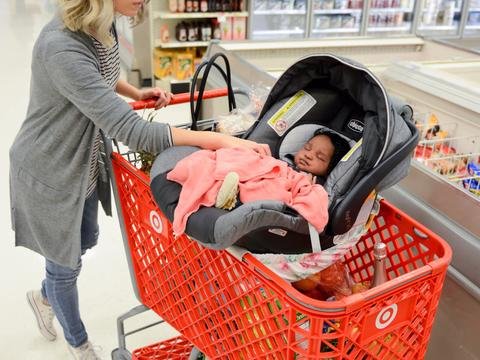
Navigating a grocery store with a baby is no small feat: you’re balancing a shopping list, keeping an eye on your little one, and trying not to knock over a display of canned goods. If you’ve ever wondered how to safely place a car seat on a grocery cart, you’re not alone. While child safety organizations strongly discourage this practice due to tip-over risk, it’s sometimes unavoidable for quick trips. This guide walks you through the safest possible method, plus honest alternatives to avoid the risk entirely, so you can shop with confidence.
Critical Pre-Trip Safety Note
The American Academy of Pediatrics and the National Highway Traffic Safety Administration (NHTSA) strongly advise against placing car seats on grocery carts unless you have no other option. Shopping cart tip-overs are a leading cause of head injuries for children under 4, and the high center of gravity of a car seat on a cart drastically increases this risk. This guide is intended for unavoidable situations only, not as a recommendation for regular use.
What You’ll Need Before You Start
Gather these items before you approach a cart to streamline the process and reduce risk:
- Your baby’s car seat (infant click-in seats or convertible seats with a solid, flat base work best)
- A standard grocery cart (check for a weight limit sticker on the handle, usually rated for 200–250 lbs total)
- The cart’s built-in child seatbelt (if available)
- Your car seat’s included travel straps (most infant seats come with these for securing the seat outside the car)
- A non-slip shelf liner (optional, for extra grip if the seat wobbles slightly)
Step-by-Step Safe Placement Process
Follow these steps in order to minimize risk and keep your baby secure:
1. Inspect the Grocery Cart First
Before loading anything, give the cart a quick once-over. First, confirm the total weight limit printed on the handle: your car seat, baby, and all groceries combined must stay under this limit to avoid tipping. Check that the wheels are straight and the cart doesn’t wobble when you push it gently. Wipe down the main basket if it’s wet, sticky, or dusty — a smooth, dry surface prevents the car seat base from sliding. If your store offers car-seat-compatible carts with reinforced, flat bases, grab one of these first, as they are designed specifically for this use case.
2. Position the Car Seat Correctly
The only safe spot for a car seat on a grocery cart is the main, flat basket area — never place it on the upper wire rack, which is designed for light, loose items like bread or produce, and has a high center of gravity that makes tip-overs far more likely. Face the car seat directly toward you so you can monitor your baby at all times, and set the base flat against the cart so it doesn’t tilt. Infant car seats with rigid click-in bases sit most securely, while wide convertible seats work well too; avoid flimsy booster seats that lack a solid, flat base, as they will shift easily.
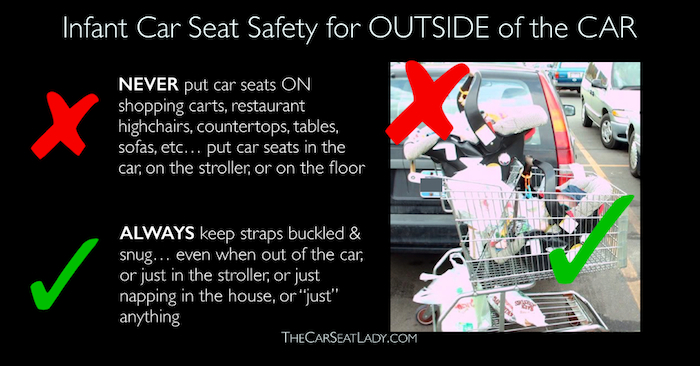 Placing a car seat on the upper wire rack is the leading cause of cart tip-over injuries for young children.
3. Secure the Car Seat Firmly
A car seat that looks stable can still shift with a small bump into a cart or a curb, so always secure it explicitly:
- If the cart has a built-in child seatbelt, thread it through the car seat’s carry handle (not your baby’s harness) and pull it tight until there is no slack.
- If your car seat comes with travel straps, thread them through the lower wire openings of the cart basket and pull them snug against the cart frame.
- Test stability by pressing down firmly on the car seat base: it should not move more than 1 inch side to side or front to back. If it wobbles slightly, place a non-slip shelf liner under the base for extra grip.
Always use the cart's built-in seatbelt or your car seat's travel straps to secure the seat firmly.
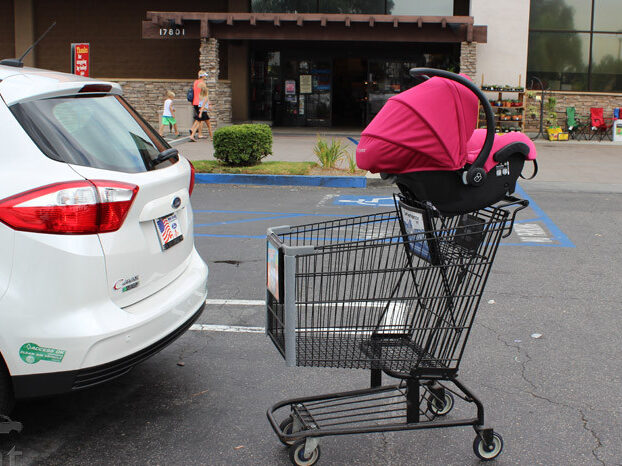 Test the seat's stability by pushing down firmly on the base — it should not shift more than 1 inch in any direction.
4. Load Groceries Strategically
How you pack the rest of the cart impacts stability as much as the car seat placement:
- Place the heaviest items (gallons of milk, canned goods, large bags of pet food) in the very bottom of the basket, under the car seat, to keep the center of gravity low.
- Arrange lighter items (produce, bread, snack packs) around the sides of the car seat, not on top of it.
- Never place heavy items on the upper cart rack above the car seat, as this raises the center of gravity and makes tip-overs far more likely. If you’re stocking up on essentials like cloth diapers, knowing your annual usage can help you avoid overpacking your cart on a single trip.
Common Safety Mistakes to Avoid
Even small errors can increase risk, so steer clear of these common pitfalls:
Placing the seat on the upper cart rack
The upper wire rack is built for light, small items, not for supporting a car seat and child. Its narrow surface and elevated position make tip-overs extremely likely, even if the seat seems stable at first.
Skipping the stability test
A car seat that fits snugly at home can shift slightly on a cart’s uneven surface. Always push down on the base to confirm there is no more than 1 inch of movement before placing your baby inside.
Overloading the cart
Exceeding the cart’s weight limit makes it harder to steer and more prone to tipping, especially with the added weight of the car seat on one side. Stick to the limit printed on the handle, and make multiple trips if you have a large order.
Turning the seat away from you
Facing the car seat away from you makes it impossible to monitor your baby’s comfort or notice if the seat starts to shift. Always position it to face you directly. An unsecured car seat can shift unexpectedly, and in rare cases, even end up in unexpected places if the cart tips over.
Safer Alternatives to Cart Car Seat Placement
If you can avoid placing the car seat on the cart entirely, you’ll eliminate the tip-over risk completely. These are the safest options for most shopping trips:
- Use a stroller with a car seat adapter: Most infant car seats click directly into stroller frames, so you can push your baby around the store and store groceries in the stroller’s undercarriage or a separate cart. If you use a foldable stroller like the Uppababy Vista, folding it compactly for storage is quick after your trip.
- Wear your baby in a carrier: Soft-structured carriers or wraps keep your baby close to your chest, leave both hands free to push the cart and shop, and eliminate all cart-related risk. A level seat in a carrier prevents pressure points, similar to how you would arrange comfortable bedding for a crib to keep your little one comfortable.
- Use a store’s car-seat-compatible cart: Many major grocery chains now offer carts with reinforced bases and built-in anchor points specifically designed to hold car seats securely. Look for these at the cart corral if your store offers them.
- Shop with a second adult: If your baby has a strict nap schedule, planning quick trips during their alert windows can reduce stress for both of you, and having a second person to watch the baby while you shop eliminates the need to place the car seat on the cart at all.
Frequently Asked Questions
Is it legal to put a car seat on a grocery cart?
Yes, there are no laws banning the practice in the U.S. or most other countries, but it is strongly discouraged by child safety organizations like NHTSA due to high tip-over risk.
What is the safest way to use a car seat while grocery shopping?
The safest option is to use a stroller with a car seat adapter, or a baby carrier, to avoid placing the car seat on the cart entirely. If you must use the cart, follow the step-by-step placement guide above and never leave the seat unattended.
Can I use the shopping cart's seatbelt to secure my baby's car seat?
Yes, if the cart has a built-in child seatbelt, you can thread it through the car seat’s carry handle (not the baby’s harness) to hold the seat in place. Always test for tightness and stability before moving the cart.
What should I do if my car seat doesn't fit securely on the cart?
If you can’t get a snug, non-wobbly fit, do not use the cart for the car seat. Switch to a stroller, carrier, or ask a store employee if they have a car-seat-compatible cart available.
Are there any grocery carts designed to hold car seats?
Some major grocery chains now offer specialized carts with reinforced, flat bases and built-in anchor points specifically for securing infant car seats. Look for these at the cart corral if your store offers them.
Conclusion
Putting a car seat on a grocery cart is a risky, last-resort option, but sometimes it’s the only practical choice for a quick trip. Always prioritize stability: inspect the cart first, secure the seat firmly with straps or the cart’s seatbelt, test for wobble, and keep your baby facing you at all times. If you can use a stroller, carrier, or store-provided compatible cart instead, that will always be the safer choice. Just as you would check for loose teeth during routine cleanings, check on your baby’s position and comfort every few minutes while shopping to catch any issues early. For more tips on low-stress outings with your little one, check out our guide to planning quick trips when your baby has an early bedtime.

Emma Grace is a devoted mother and passionate content writer at BestBabyCart.com. With firsthand parenting experience and a love for research, she creates helpful guides and honest reviews to support parents in choosing the best for their babies. Her goal is to make parenthood easier, one article at a time.