
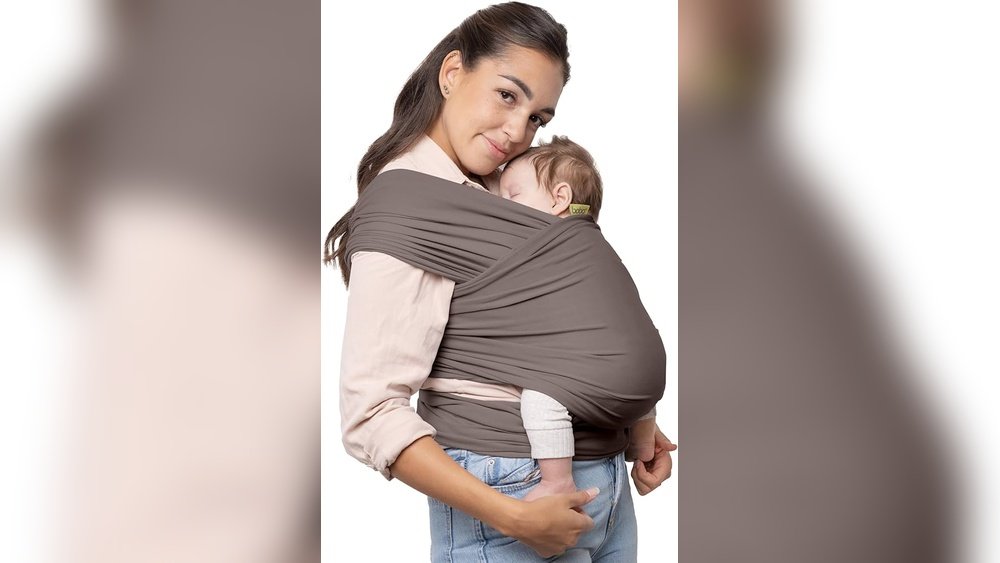
Babywearing with a wrap carrier is one of the most convenient, bonding-rich tools for new parents: it keeps your baby snuggled close against your chest, frees up your hands for daily tasks, and eliminates the hassle of maneuvering a bulky stroller through tight spaces. But for first-time users, the array of wrap styles, tying techniques, and safety guidelines can feel overwhelming, especially with constantly updated 2026 safety standards. This guide walks you through everything you need to know to choose, tie, and use a baby wrap carrier safely and comfortably, from newborn through toddlerhood, with step-by-step instructions, ergonomic best practices, and troubleshooting tips for common challenges.
Choosing the Right Baby Wrap Carrier for Your Needs
The right wrap makes all the difference between a comfortable, stress-free babywearing experience and sore shoulders, slipping fabric, or an unsafe fit. Your ideal wrap depends on your baby's age and weight, your body type, and your daily use cases.
Wrap Type Comparison: Stretchy, Woven, and Hybrid
Baby wraps fall into three main categories, each suited for different needs:
- Stretchy wraps: Made from 95% cotton/5% spandex blends, these soft, flexible wraps are pre-tied or long-panel styles that stretch 2-3 inches in each direction. They are ideal for newborns up to 25 lbs, as their gentle stretch provides natural support for fragile newborn spines and necks, and they are easy for beginners to use. Popular brands include Boba and Moby.
- Woven wraps: Made from 100% cotton, linen, or wool with zero stretch, these durable wraps support up to 40 lbs, making them perfect for toddlers and all carry positions (front, hip, back). They require more practice to tie securely, but they last 5+ years with proper care, making them a cost-effective long-term investment. Popular brands include Didymos and LennyLamb.
- Hybrid wraps: These combine the adjustability of a woven wrap with the ease of structured buckles and minimal stretch. They support up to 35 lbs, are great for parents who want the security of buckles without the learning curve of tying a traditional wrap, and work for most carry positions. Popular brands include Baby Tula and Lillebaby. As of 2026, all compliant baby wraps meet the ASTM F2236 national safety standard for baby carriers; look for this label on the product tag when purchasing to ensure you're getting a safe, tested product. A common mistake first-time buyers make is purchasing a stretchy wrap for a toddler over 25 lbs, as these wraps do not provide enough support for heavier children and can slip or fail during use. For parents who want a hands-free option that's easier to navigate crowded spaces than a stroller, a hybrid wrap is a great alternative, and you can keep a compact stroller backup on hand for longer outings where you need to set the baby down.
Fabric and Breathability Guide
The fabric of your wrap directly impacts comfort for both you and your baby, especially in different climates:
- Organic cotton: The most versatile option, breathable in 50-85°F weather, soft on sensitive skin, and easy to wash. Look for GOTS-certified organic cotton to avoid harsh dyes that can irritate eczema-prone skin. Darker shades hide spit-up and drool stains, while lighter shades make it easier to check for signs of overheating on your baby's skin.
- Bamboo viscose: 30% more breathable than cotton, making it ideal for hot climates or summer babywearing. It is softer than cotton but can be slippery for beginners, so it's best for parents who have some experience tying wraps.
- Linen blends: Lightweight and quick-drying, perfect for warm weather, but prone to deep wrinkles that can create pressure points if not smoothed out before tying. Avoid 100% synthetic fabrics (polyester, nylon) unless they have a moisture-wicking treatment, as these trap heat against the skin and can cause irritation for babies with sensitive skin. For babies with eczema or skin sensitivities, always opt for undyed, organic fabrics to reduce exposure to irritants. If you're choosing a pattern for your wrap, opt for solid colors or low-contrast designs for young infants, as high-contrast patterns like chevron can be overstimulating for newborns; you can learn more about low-stimulation baby patterns to make the best choice for your baby.
Sizing and Length for Your Body Type
A wrap that is too short will be impossible to tie securely, while one that is too long will have excess fabric that gets in the way or creates tripping hazards. Sizing varies by wrap type:
- For long-panel woven wraps, sizes are based on your height and torso length: Size 4 (3.5-4.5m) fits people 5'0"-5'4", Size 5 (4.5-5.5m) fits 5'5"-5'10", and Size 6 (5.5-6.5m) fits people 5'11" and taller.
- For stretchy wraps, one-size-fits-most works for people between 5'0" and 6'0", but if you are over 6'2", opt for a tall size to ensure you have enough fabric to tie a secure, snug knot.
- Pre-tied stretchy wraps usually have adjustable shoulder straps to fit most body types, but if you are very petite or very tall, check the brand's size guide to ensure a proper fit.
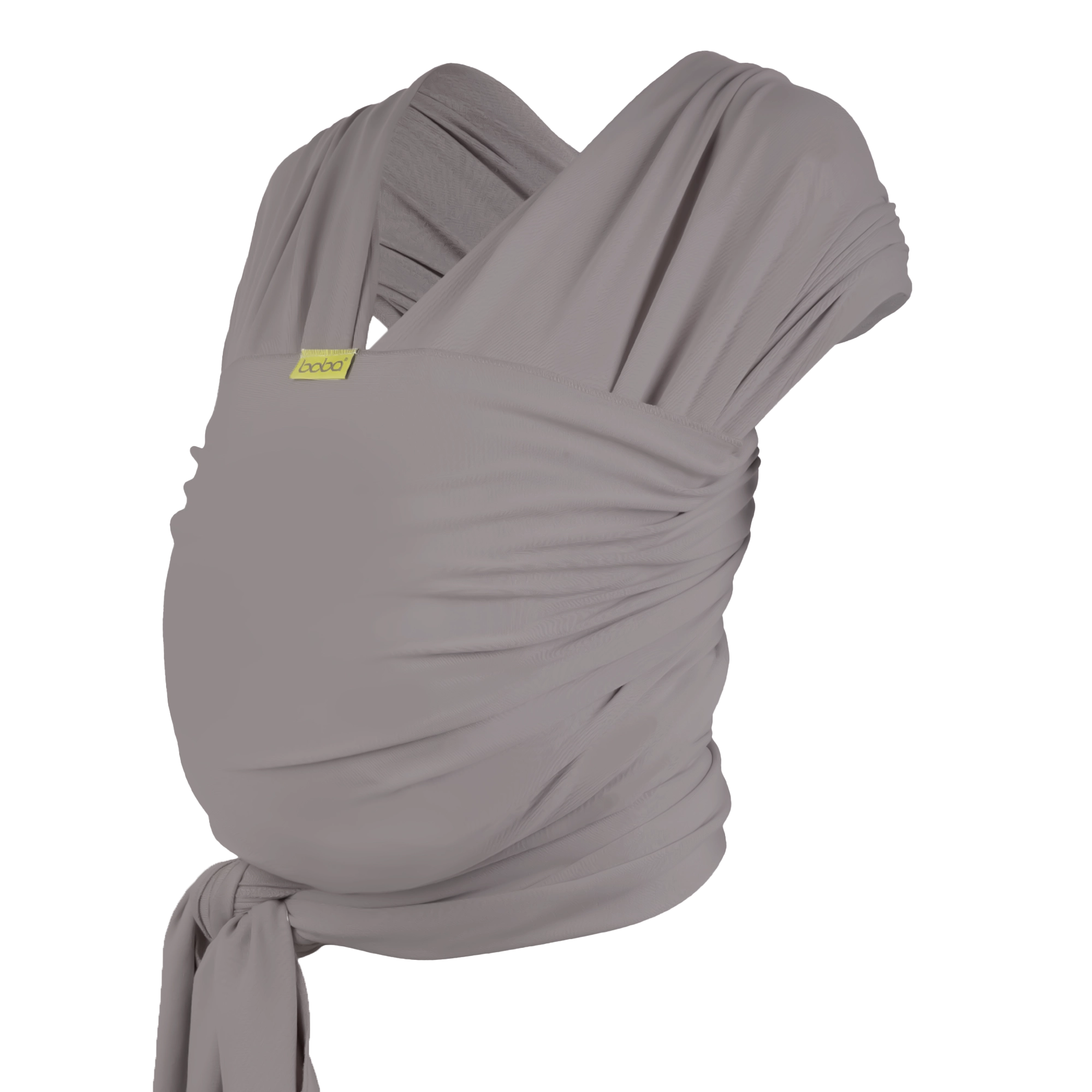 This pre-tied stretchy wrap is ideal for newborns and first-time babywearing parents, with an easy-to-use design that requires minimal tying experience.
Pre-Babywearing Prep: Safety and Comfort Checks
Taking 5 minutes to prep before wrapping your baby eliminates common safety risks and ensures a comfortable fit for both of you.
2026 Updated Safety Guidelines
Safety is the top priority for babywearing, and current guidelines from the CDC and AAP are more specific than ever:
- Before each use, inspect your wrap for frayed edges, loose stitching, stretched-out fabric, or broken buckles (for hybrid wraps). Any sign of damage means the wrap no longer meets safety standards and should be replaced immediately.
- Always keep your baby's face visible and unobstructed: no fabric should cover their nose or mouth, and their chin must be at least 2 inches above their chest to keep their airway clear. A common mistake parents make is pulling the wrap too tight around the baby's chest to "hold them in," but if you can't fit two fingers between the wrap and your baby's chest, it is too tight and can restrict breathing.
- Never exceed the wrap's weight limit, which is usually 25-30 lbs for stretchy wraps and 35-40 lbs for woven/hybrid wraps. As per the CDC's official safe baby carrier guidelines, all compliant wraps have a printed weight limit label on the inside seam; check this label before each use if you're unsure.
- Never leave your baby unattended in a wrap, even if they are sleeping. The wrap can shift and block their airway if you are not there to monitor them.
Dressing for Babywearing Success
What you and your baby wear under the wrap has a huge impact on comfort and safety:
- Wear form-fitting, moisture-wicking base layers (avoid baggy hoodies, bulky winter coats, or loose shirts that create gaps between your body and the wrap). For cold weather, put the wrap on first, then drape a coat or babywearing cover over both you and the baby, instead of bundling the baby in a heavy snowsuit before wrapping.
- Dress your baby in a onesie and one light layer: the wrap adds 10-15°F of warmth, so overdressing can lead to overheating, a leading cause of fussiness and heat rash in wrapped babies. For babies under 12 months, skip shoes when wrapping, as they can dig into your torso and cause discomfort; opt for soft socks or booties instead, and follow temperature-appropriate baby footwear guidelines to avoid overheating their feet.
- Avoid bulky outfits with buttons, zippers, or rough seams that can dig into the baby's skin or create pressure points under the wrap.
Assessing Your Baby's Readiness
Not all babies are ready for babywearing right away, and pushing them before they are developmentally ready can lead to discomfort or safety risks:
- Newborns (0-3 months) must have consistent head control (can hold their head up for 10+ seconds without support) before trying a front chest-to-chest carry. Premature babies or babies with low muscle tone may need extra support and clearance from their pediatrician before babywearing.
- Babies must have strong head and neck control before trying a hip carry, as this position offers less upper body support. As a general rule, wait until your baby can sit unassisted (usually 6+ months) before attempting a hip carry.
- Watch for your baby's cues: if they are fussy, arching their back, or have a red, flushed face, they are not ready to be wrapped. Start with 10-15 minute sessions at home, gradually increasing to 1-2 hours as they get used to the feeling. Never wrap a baby who is sick, has a fever, or has respiratory issues, as the extra warmth from the wrap can exacerbate their condition.
Step-by-Step Basic Wrapping Techniques
The most common carries for baby wrap carriers are the front chest-to-chest carry (for newborns and all ages), hip carry (for older babies 6+ months), and back carry (for toddlers 12+ months and long outings). Practice each carry at home on a soft surface before taking it on the go.
Front Chest-to-Chest Carry (Beginner-Friendly)
This is the safest, most versatile carry for most parents, ideal for newborns up to 2 years old:
- Locate the middle marker of your wrap (most wraps have a printed tag or stitched line in the center). Hold the wrap up so the middle rests against your sternum, with the two ends hanging down equally in front of you.
- Drape the wrap over your neck, so the middle sits flat against your chest, and the ends hang over your shoulders.
- Support your baby's head and neck with one hand, and place their torso against your sternum, with their legs spread into a natural "M" shape (knees bent higher than their bottom, thighs supported by the wrap fabric).
- Pull one end of the wrap over your opposite shoulder, then bring it under your baby's bottom and across your lower back. Repeat with the other end, crossing it over the first end at your lower back.
- Bring both ends to the front, and tie a secure double knot just above your belly button. Adjust the fabric so it is spread wide across your shoulders and under your baby's bottom, with no gaps between your body and the baby's chest. Pro tip for stretchy wraps: Pre-tie the wrap around your waist before placing the baby inside, which eliminates the need to balance the baby while tying the knot.
Secure Hip Carry (For Babies 6+ Months)
The hip carry keeps your baby close while freeing one arm for tasks, and lets them see the world from a new angle:
- Start by tying the wrap snugly around your waist, with the ends hanging down evenly in front of you. Sit on a stable surface for safety while placing the baby.
- Place your baby on your hip, supporting their torso with one hand. Their legs should be tucked on either side of your hip, in the "M" shape, with their bottom resting on your hip bone.
- Pull one end of the wrap up over the baby's back, across your opposite shoulder, then under their bottom and around your lower back. Bring the end back to the front.
- Repeat with the other end, crossing it over the first end at your lower back, then tie a secure double knot at your front or side.
- Adjust the fabric so it supports the entire baby's bottom and thighs, with no fabric bunching under their armpits. Note: As per AAP guidelines, only use hip carries for babies who have consistent head control and can sit unassisted, as this position offers less upper body support.
Back Carry (For Toddlers 12+ Months and Long Outings)
The back carry distributes your baby's weight evenly across your back, reducing front pressure and freeing both hands for tasks:
- Start by tying the wrap snugly around your waist, with the ends hanging down evenly in front of you. For your first few attempts, have a spotter stand nearby to help you place the baby safely.
- Place the baby on your back, with their torso resting against your shoulder blades, supporting their head and neck with one hand.
- Pull one end of the wrap up over your shoulder, then under the baby's armpits and across your chest. Bring the end down around your waist and tie a double knot at your front.
- Pull the second end up over your opposite shoulder, then under the baby's bottom and across your back. Bring it down to the front and tie a second double knot over the first one to secure.
- Adjust the fabric so it is spread wide across your shoulders and under the baby's bottom, with extra fabric supporting their head if they fall asleep. Critical safety note: Never attempt a back carry with a baby under 12 months unless you have completed training with a certified babywearing educator, as young babies cannot alert you if their airway becomes blocked.
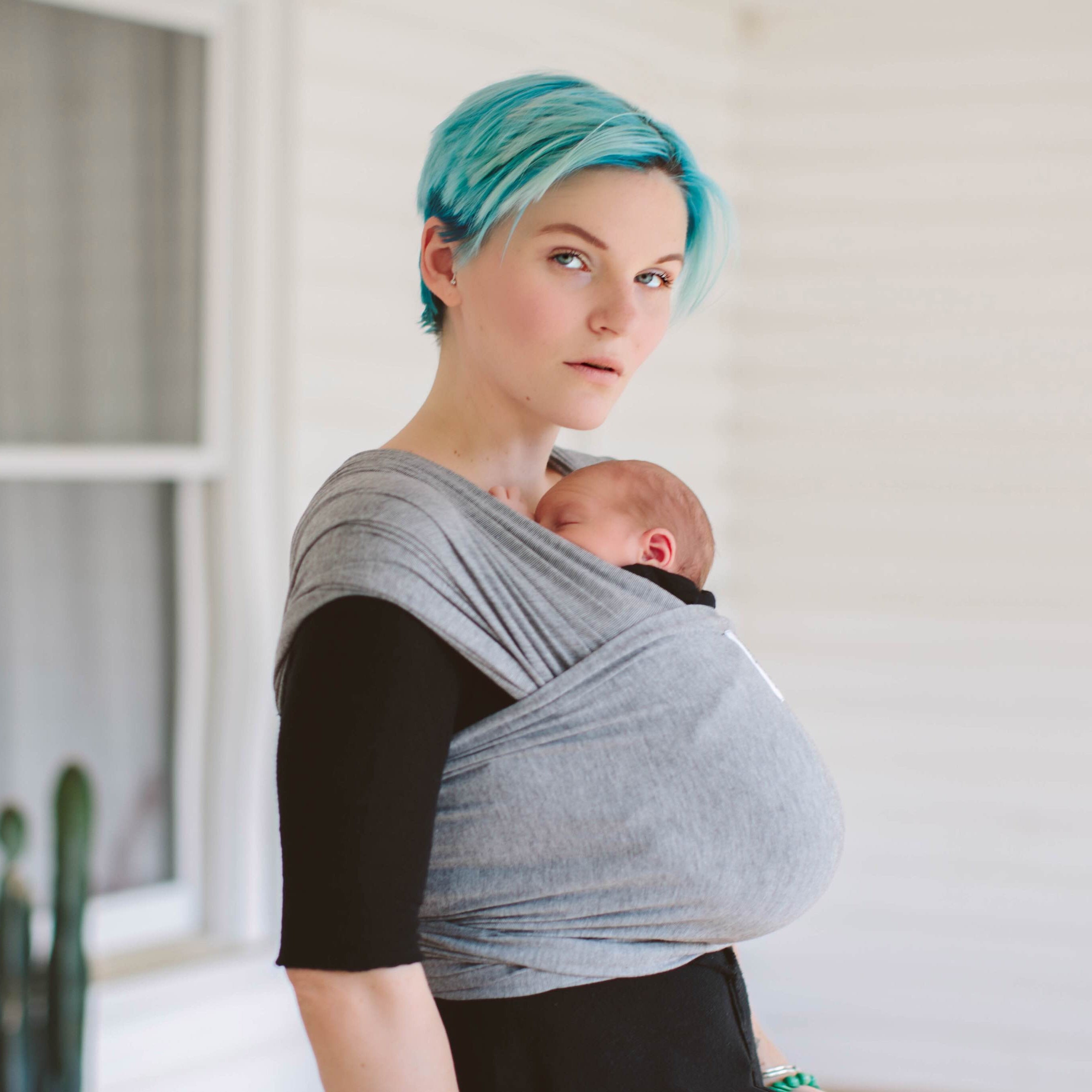 A chest-to-chest front carry keeps your baby close to your body for bonding, while freeing your hands for daily tasks like cooking or working.
Ergonomics and Comfort for Parent and Baby
Proper ergonomics prevent pain and strain for you, and support healthy development for your baby.
Maintaining Proper Posture to Avoid Pain
The most common cause of babywearing discomfort is an improperly fitted wrap that throws off your center of gravity:
- The wrap should hold your baby high enough on your torso that their head is at or above your collarbone. If their head hangs near your waist, you will hunch forward to compensate, leading to lower back strain over time.
- Adjust the shoulder panels of your wrap to be at least 4 inches wide to spread the baby's weight evenly across your shoulders, rather than concentrating it on a narrow strip of fabric. For parents with existing back or shoulder pain, opt for a woven wrap with wider shoulder panels, or a hybrid wrap with padded straps, to reduce pressure points.
- Engage your core muscles while walking to support the baby's weight, rather than relying solely on your shoulders and back. Studies show that properly fitted babywearing distributes 60% of the baby's weight to your core and hips, reducing back strain compared to holding the baby in your arms for the same amount of time. For parents of babies with early bedtimes, a well-fitted wrap lets you complete errands or go for walks after their nap without disrupting their schedule, making early bedtime outings far less stressful.
Supporting Your Baby's Developing Hips and Spine
Proper positioning in the wrap is critical for your baby's long-term musculoskeletal health:
- Always position your baby in the "M" shape, with their knees bent higher than their bottom, and their thighs spread wide, supported fully by the wrap fabric. The American Academy of Pediatrics' babywearing guidance confirms that this position reduces the risk of developmental dysplasia of the hip (DDH) by keeping the hip joint in a stable, flexed position.
- For newborns, choose a stretchy wrap that provides gentle support for their naturally C-shaped spine, which is still developing. Never force your baby to sit upright in a wrap before they have the core strength to do so on their own.
- Avoid pulling the wrap too tight around the baby's waist or chest, as this can restrict their breathing and limit hip movement. A common mistake parents make is tightening the wrap so much that the baby can't move their legs freely, which can cause hip strain over time. Remember that babywearing is a supplement to, not a replacement for, safe crib sleep; pair your babywearing routine with a restful sleep setup to ensure your baby gets safe, uninterrupted sleep at night.
Fixing Common Discomfort Issues
Even with a well-fitted wrap, small adjustments can make a big difference in comfort:
- Shoulder pain: Adjust the shoulder panels to be wider, or add a shoulder pad if your wrap doesn't have built-in padding. If pain persists, the wrap may be too narrow for your body type.
- Lower back pain: Tighten the wrap so the baby is higher on your torso, and engage your core muscles while walking to support the weight. Avoid leaning forward or hunching over to compensate for a loose wrap.
- Baby fussiness: Check that the baby's legs aren't bunched up, their airway is clear, and they aren't overheated. If they're still fussy, try a different carry position, or take a 10-minute break to feed, change, or comfort them.
- Wrap twisting: Smooth out all fabric before tying the knot, and pull the ends evenly when tightening. If the wrap twists while you're wearing it, untie it completely and re-tie it, as twists create uneven pressure points that cause discomfort for both you and the baby.
Cleaning and Long-Term Care for Your Wrap
Proper care extends the lifespan of your wrap and keeps it safe and comfortable for your baby. Always follow the manufacturer's care label first, as some specialty fabrics (like wool) require special cleaning instructions.
Washing Best Practices
- Use cold water and a gentle cycle for all cotton, bamboo, and linen wraps. Hot water can shrink the fabric and break down stretch fibers in stretchy wraps.
- Use a mild, fragrance-free detergent, and avoid fabric softener, bleach, or stain removers with harsh chemicals, as these can weaken the fabric's fibers and reduce its grip.
- For spot stains, apply a small amount of gentle soap directly to the stain before washing. For woven wool wraps, hand wash in cool water with a wool-specific detergent to avoid felting.
- Air dry flat on a clean towel, away from direct sunlight. Sunlight can fade dark fabrics and weaken fibers over time. Never use a dryer, even on a low heat setting, as this can shrink the wrap and damage elastic components in stretchy styles.
Storage Tips to Extend Lifespan
- Only store your wrap once it is fully dry to prevent mold and mildew growth, especially in humid climates.
- Fold or roll the wrap neatly to avoid deep creases that can weaken the fabric over time. For pre-tied stretchy wraps, hang them on a wide hanger instead of folding to avoid stretching the shoulder straps.
- Store the wrap in a breathable cotton bag, not a plastic bag, to allow air circulation and prevent dust buildup. Keep it away from sharp objects (like stroller buckles, zippers, or pet claws) that can snag the fabric.
When to Replace Your Wrap
Even with proper care, wraps will wear out over time. Replace your wrap immediately if you notice any frayed edges, loose stitching, stretched-out fabric that no longer holds its shape, or broken buckles (for hybrid wraps). Even with no visible damage, replace stretchy wraps every 2-3 years with regular use, as the spandex fibers break down over time and lose their grip, making the wrap unsafe. Woven wraps can last 5+ years with proper care, making them a more cost-effective option for long-term babywearing.
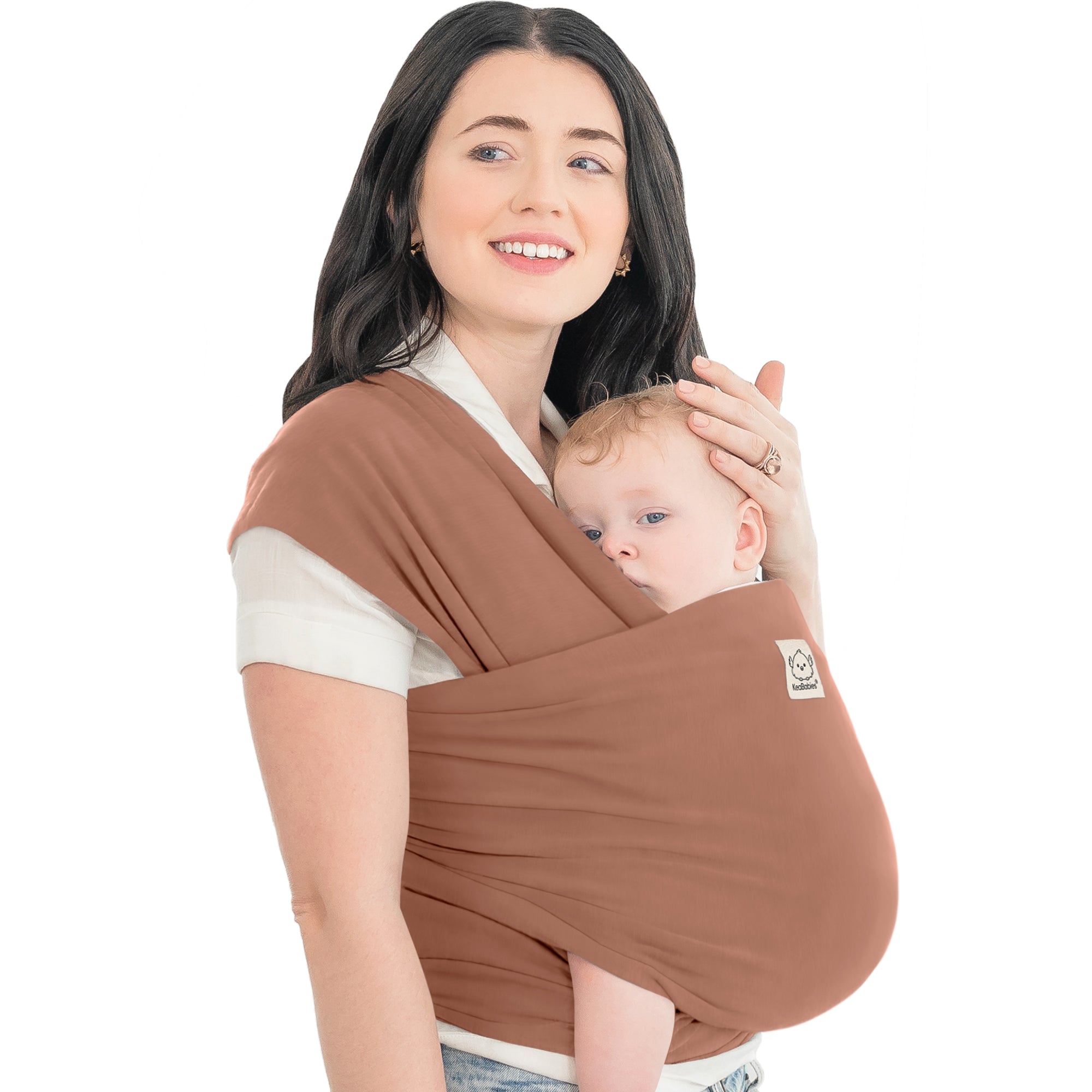 Woven wraps like this terracotta style are durable enough to support toddlers up to 40 lbs for all carry positions, from front to back.
Troubleshooting Common Babywearing Challenges
Even experienced babywearing parents run into occasional issues; these fixes will help you resolve them quickly and safely.
Fixing Loose or Slipping Wraps
A loose or slipping wrap is the most common safety risk for babywearing:
- If the wrap slips off your shoulders while walking, the shoulder panels are likely too narrow for your body type. Adjust them to be at least 4 inches wide, or use a wrap with built-in shoulder pads for extra grip.
- If the knot slips, tie a double knot instead of a single one, and tuck the loose ends into the wrap fabric to prevent them from coming undone. For stretchy wraps, pre-tie the wrap around your waist before placing the baby inside to eliminate slipping entirely.
Removing Wrinkles and Twists
Wrinkles and twists create uneven pressure points that cause discomfort for both you and your baby:
- Smooth out all fabric with your hands before tying the knot to eliminate wrinkles. If you notice a wrinkle while wearing, untie the wrap and re-tie it, as adjusting it while the baby is inside can cause the wrap to shift and become loose.
- To avoid twists, fold the wrap neatly when storing it, and avoid crumpling it in a diaper bag for long periods, which can cause permanent creases in the fabric.
When to Take a Break or Stop Babywearing
Knowing when to pause is just as important as knowing how to tie the wrap correctly:
- If your baby is fussy, arching their back, has a red face, or is breathing rapidly, take a 5-10 minute break to check their position, feed them, or change their diaper. Overheating and restricted airways are the most common causes of fussiness in wrapped babies.
- If you feel any pain in your shoulders, back, or hips, stop babywearing immediately and adjust the wrap or take a longer break. Pushing through pain can lead to long-term muscle strain.
- Never babywear if you are feeling unwell, dizzy, or walking on unstable surfaces (like ice or steep hills), as a loose wrap can cause falls for both you and the baby.
Frequently Asked Questions
How long can a baby stay in a wrap carrier in 2026?
As of 2026, the American Academy of Pediatrics recommends limiting continuous babywearing to 1-2 hours at a time, with breaks every 60-90 minutes to check the baby's position, change their diaper, and let them stretch. For newborns, start with 10-15 minute sessions and gradually increase as they get used to the wrap. Never leave a baby in a wrap overnight or while sleeping unsupervised, as the wrap can shift and block their airway.
Are baby wrap carriers safe for newborns?
Yes, when used correctly. As per current CDC guidelines, stretchy wraps are the safest option for newborns (0-4 months) because their gentle stretch provides natural support for fragile newborn spines, necks, and hips. Always use a chest-to-chest carry for newborns, with their head supported and their airway clear. Avoid back carries or hip carries for newborns, as they do not provide enough upper body support. Always check the wrap's weight limit before using it with a newborn, and never exceed 25 lbs for stretchy wraps.
Can I babywear if I'm pregnant?
Yes, if you are having a low-risk, uncomplicated pregnancy. Avoid tight wraps that put pressure on your belly, and opt for a loose, supportive carry that doesn't restrict blood flow. Stop babywearing immediately if you feel any cramping, dizziness, or discomfort, and consult your healthcare provider. After the first trimester, avoid back carries that put extra strain on your core muscles.
Do baby wraps cause hip dysplasia?
No, when used correctly. As per AAP guidance, the "M" position supported by properly fitted wraps actually reduces the risk of developmental dysplasia of the hip (DDH) by keeping the hip joint in a stable, flexed position. Wraps that force the baby's legs to hang straight down, or are too tight around the hips, can increase the risk, so always ensure the baby's knees are higher than their bottom and the fabric supports their thighs fully.
Can I use a baby wrap for a toddler?
Yes, woven and hybrid wraps are designed to support toddlers up to 35-40 lbs, making them a great option for carrying tired toddlers on long walks, at crowded events, or up stairs. For toddlers over 2 years old, opt for a back carry to distribute their weight evenly and keep your arms free. Stretchy wraps are not recommended for toddlers over 25 lbs, as they do not provide enough support for heavier children and can slip during use.
Conclusion
Babywearing with a wrap carrier is a simple, rewarding way to keep your baby close, free up your hands for daily tasks, and build a strong bond with your little one. By choosing the right wrap for your needs, following current 2026 safety guidelines, and practicing proper tying techniques, you can enjoy comfortable, safe babywearing from your baby's first days through their toddler years. Start small: practice the chest-to-chest carry for 10 minutes a day at home before taking it on outings, and gradually work up to longer sessions and more advanced carries as you build confidence. If you have questions about safe use, reach out to a certified babywearing educator in your area for personalized guidance. Ready to experience the benefits of hands-free babywearing? Start with a beginner-friendly GOTS-certified stretchy wrap for your newborn, and practice the step-by-step techniques outlined above to build confidence quickly. For more evidence-based baby care guidance to make parenting easier, explore our full library of 2026-updated parenting resources.

Emma Grace is a devoted mother and passionate content writer at BestBabyCart.com. With firsthand parenting experience and a love for research, she creates helpful guides and honest reviews to support parents in choosing the best for their babies. Her goal is to make parenthood easier, one article at a time.