
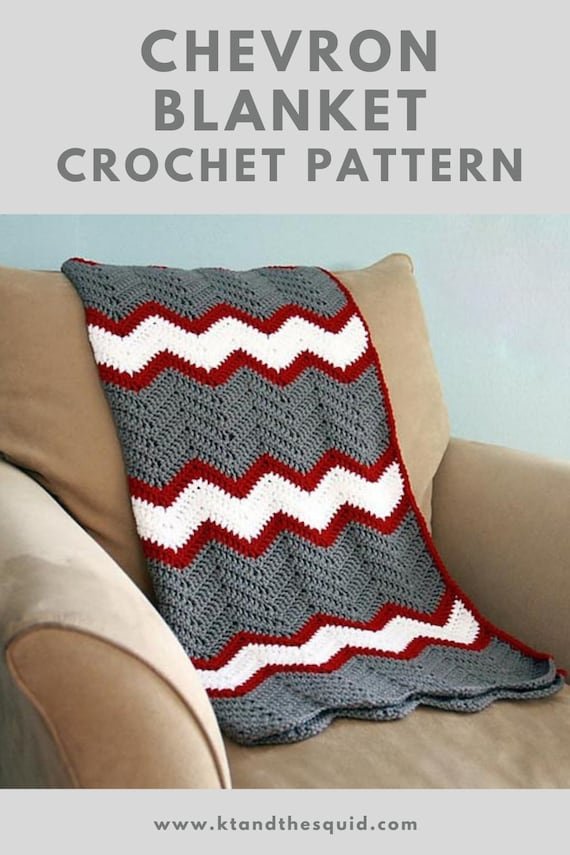
If you’re designing a nursery or shopping for baby gear, you’ve likely seen chevron patterns everywhere — on crib bedding, clothing, wall decals, and even diaper bags. The bold, zigzag V-shaped design is a staple of modern baby decor, but many parents hesitate to use it, worried it might overstimulate their newborn or fail to meet safety standards. The short answer is: yes, chevron patterns are perfectly okay for babies, as long as you prioritize material safety, adjust contrast levels to your baby’s age, and avoid overusing the pattern in their sleep space. In this guide, we’ll break down exactly how to use chevron stylishly and safely, with age-specific tips, common mistakes to avoid, and budget-friendly ways to incorporate the trend into your nursery.
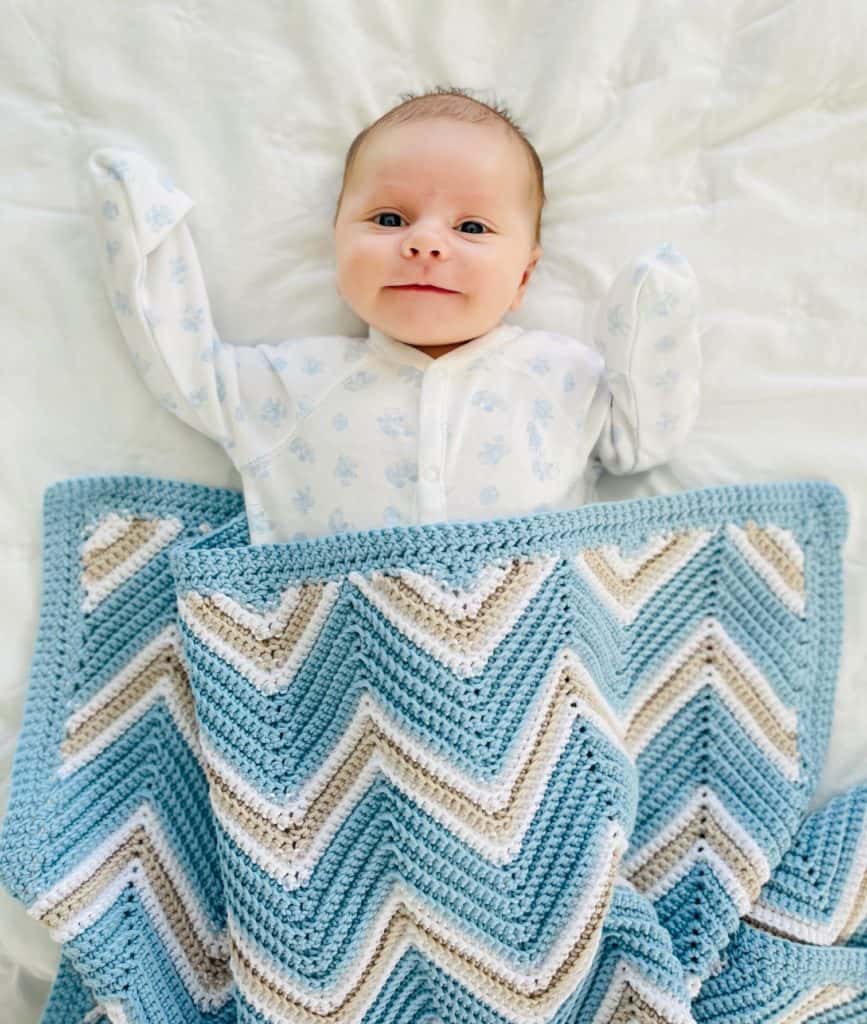 Hand-knit chevron baby blanket in neutral cream and gray tones, ideal for everyday use
Credit: daisyfarmcrafts.com
Hand-knit chevron baby blanket in neutral cream and gray tones, ideal for everyday use
Credit: daisyfarmcrafts.com
What Is the Chevron Pattern, and Why Do Parents Love It for Nurseries?
The chevron is a timeless design featuring repeating inverted V-shaped stripes that create a zigzag effect. Unlike more chaotic busy patterns, chevron’s consistent, symmetrical lines feel structured and calming to adults, while still offering enough visual interest to engage developing baby eyesight. It first gained mainstream popularity in nursery decor in the early 2010s, and remains a top choice for parents today because it works with every design aesthetic, from neutral minimalist nurseries to bright, playful themed rooms. You can also read our guide on best non diaper bag diaper bag.
A Brief Design History
Chevron patterns date back thousands of years, with early examples found on ancient Greek pottery, Roman mosaics, and indigenous textiles from Africa and South America. Historically, the design was associated with strength and protection, which may be part of why it feels like a natural fit for a baby’s space. Unlike trendy patterns that fade quickly, chevron’s classic silhouette means it will feel current even as your child grows into their toddler and preschool years.
Modern Nursery Appeal
Parents gravitate to chevron for its versatility: it works as a subtle accent (like a small chevron print on a crib sheet) or a bold statement (like a full chevron accent wall). It pairs easily with solids, stripes, polka dots, and florals, so you don’t have to commit to a full chevron-themed room to incorporate the pattern. For babies, the high-contrast lines of chevron are easy for their developing eyes to track, making it a functional choice as well as a stylish one. Newborns can only see 8-12 inches away at first, and high-contrast patterns like chevron support visual tracking development during the first 3-6 months, per CDC infant visual development guidelines.
Critical Safety Guidelines for Chevron Baby Items
While chevron patterns are safe for babies when chosen carefully, there are key guidelines to follow to avoid risks like overstimulation, skin irritation, or physical hazards. These rules apply to all chevron baby items, from nursery decor to clothing and soft goods.
Material and Chemical Safety
Babies have sensitive, thin skin that absorbs chemicals more easily than adult skin, so the material of any chevron printed item is just as important as the pattern itself.
- Always opt for items made from GOTS-certified organic cotton, bamboo viscose, or other natural, breathable fibers. These fabrics are free of harsh dyes, pesticides, and synthetic finishes that can cause irritation or allergic reactions.
- Avoid chevron items treated with flame-retardant chemicals, which have been linked to long-term health concerns in young children. Most modern baby furniture and bedding no longer require these treatments, but it’s worth double-checking labels for items purchased secondhand.
- Look for Oeko-Tex Standard 100 certification, which tests textiles for over 300 harmful substances, to confirm items are safe for baby skin. All decorative chevron items (like wall decals) should be labeled as non-toxic and free of PVC, which can off-gas harmful fumes.
- For chevron clothing, avoid small, detachable embellishments like buttons, sequins, or iron-on patches that could pose a choking hazard for babies who put everything in their mouths.
| Material Type | Safety Notes |
|---|---|
| GOTS-certified organic cotton | Top choice: free of harmful dyes and pesticides, breathable for sensitive skin |
| Bamboo viscose | Safe, ultra-soft, and moisture-wicking, ideal for warm climates |
| Synthetic blends (polyester, acrylic) | Avoid: often treated with harsh finishes, can trap heat and cause irritation |
| Flame-retardant treated fabrics | Avoid: linked to long-term health concerns in young children, unnecessary for most modern baby items |
Contrast and Overstimulation Risks
Chevron’s high-contrast lines are great for visual development in small doses, but too much contrast in a baby’s sleep space can make it harder for them to settle and stay asleep.
- For newborns (0-3 months), use low-contrast chevron patterns in soft, muted colors (like pale blue and cream, or light gray and white) in the nursery. Save high-contrast black-and-white or bright primary color chevron items for playtime, not the crib area.
- Avoid large-scale, high-contrast chevron accent walls directly behind the crib, as the bold lines can be disorienting for babies trying to fall asleep. Instead, use chevron on a side wall, on bedding, or on decorative accessories.
- Watch for cues of overstimulation: if your baby rubs their eyes, turns their head away from the pattern, or becomes fussy when in a room with heavy chevron decor, tone down the pattern or switch to solid colors for a few weeks. If your baby has particularly sensitive sleep cues, pair low-contrast chevron decor with adjusting outings for early sleep schedules to protect their rest windows from unnecessary stimulation.
Age-Specific Safety Rules
Safety needs change as your baby grows, so adjust your chevron use accordingly:
- Newborns (0-3 months): Stick to soft, low-contrast chevron on bedding and clothing only. Avoid chevron wall decals or large decor pieces near the crib, as newborns have very limited focus and can be overwhelmed by bold patterns.
- Infants (3-12 months): You can introduce more chevron decor, like wall decals or accent pillows, as long as all items are securely fastened and out of reach. Avoid chevron patterns on crib bumpers, which can pose suffocation risks per CPSC nursery safety standards.
- Toddlers (1+ years): Chevron is a great choice for toddler rooms, as the pattern is familiar and stimulating for growing kids. You can use bolder colors and larger scale patterns at this stage, as toddlers are better able to process visual input without becoming overstimulated.
Where to Use Chevron Patterns for Babies
Chevron works for almost every baby item, but some use cases are better suited to the pattern than others. Below are the best (and worst) places to incorporate chevron into your baby’s space and wardrobe.
Nursery Decor
Chevron is most popular for nursery decor, and for good reason: it adds visual interest without feeling cluttered when used correctly.
- Walls: Large-scale chevron accent walls work well in larger nurseries, but for small rooms, opt for small-scale chevron wallpaper or removable wall decals to avoid making the space feel cramped. Always use low-VOC paint for hand-painted chevron walls to avoid off-gassing fumes that could harm your baby’s respiratory system.
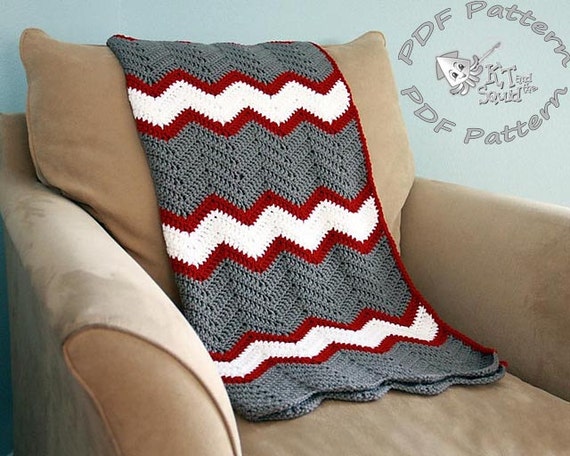 Removable chevron wall decals, a low-commitment option for renters or temporary nursery designs
Credit: www.etsy.com
Removable chevron wall decals, a low-commitment option for renters or temporary nursery designs
Credit: www.etsy.com - Bedding: Chevron crib sheets and blankets are a low-risk way to incorporate the pattern, as long as they meet nursery bedding safety rules (no loose threads, secure fits for crib mattresses, no loose embellishments).
- Accessories: Chevron throw pillows, rugs, and storage baskets are great for adding pops of the pattern without overwhelming the space. Just ensure all soft accessories are removed from the crib during sleep time to reduce suffocation risks.
Baby Clothing and Accessories
Chevron is a popular choice for baby clothes because it works for any gender, and the pattern hides stains better than solid colors — a major plus for parents dealing with spit-up and food messes.
- Onesies, footies, and baby tees in soft, breathable chevron prints are ideal for everyday wear. For cold-weather layering, reference seasonal baby clothing guidelines to avoid overheating when pairing chevron outerwear with underlayers.
- Chevron socks and booties are also a popular pick, but for babies who are crawling or starting to walk, opt for styles with non-slip grips. For the best options, check out non-slip sock recommendations to avoid slips on smooth nursery floors.
- Avoid chevron patterns on sleepwear, as the high-contrast lines can be stimulating for babies trying to wind down for bed.
 Gender-neutral chevron baby clothing set in soft blue and white, sized for 3-6 month olds
Credit: www.withwool.com
Gender-neutral chevron baby clothing set in soft blue and white, sized for 3-6 month olds
Credit: www.withwool.com
Baby Gear and Soft Goods
Chevron shows up on many baby gear items, from diaper bags to stroller liners, and is a great way to add a personal touch to functional items.
- Chevron diaper bags and stroller liners are durable and hide stains well, making them a practical pick for daily use.
- Chevron swaddles and wearable blankets are safe for sleep, as long as they meet current safe sleep guidelines (snug fit, no loose fabric).
- Avoid chevron patterns on car seat covers or inserts, as the bold lines can be distracting for caregivers buckling the baby in, and may interfere with the car seat’s fit.
Styling Chevron Without Overdoing It
One of the biggest mistakes parents make with chevron is using too much of the pattern at once, which can make a nursery feel busy and overwhelming. Follow these tips to style chevron in a balanced, cohesive way.
Color Pairing for Calm, Cohesive Spaces
The color palette you choose for chevron items will make or break the look of the room. For a calming nursery vibe, stick to 2-3 core colors:
- For gender-neutral nurseries, pair gray and white chevron with natural wood accents and soft greenery for a warm, minimalist look.
- For a more playful vibe, pair soft pink or blue chevron with matching solids and small-scale patterns like tiny polka dots or thin stripes.
- Avoid mixing high-contrast bright chevron (like neon orange and black) with other bold patterns, as this will quickly lead to overstimulation for both babies and adults.
| Chevron Color Palette | Complementary Patterns and Accents |
|---|---|
| Gray and white | Thin navy stripes, light gray polka dots, natural wood accents |
| Soft pink and white | Pale lavender florals, thin white stripes, cream knit textiles |
| Pale blue and white | Navy geometric prints, white polka dots, light gray woven rugs |
| Neutral beige and cream | Tan herringbone, soft green florals, jute storage baskets |
Mixing Chevron With Other Patterns
Chevron pairs well with almost every other pattern, as long as you follow the 3-pattern rule: limit yourself to 3 total patterns in a room to avoid clutter.
- Pair large-scale chevron (like a wall accent) with small-scale patterns (like tiny polka dots on a rug) to create visual balance.
- Pair bold chevron with subtle, low-contrast patterns like thin stripes or soft florals to keep the space feeling calm.
- Avoid pairing chevron with other zigzag or sharp geometric patterns, as the overlapping lines can feel disorienting.
Making Chevron Work Long-Term
One of the biggest perks of chevron is that it grows with your child. To make the pattern work from newborn to toddler years:
- Opt for neutral chevron color palettes (gray, white, beige) instead of bright, age-specific colors like pink or blue, so the decor doesn’t feel dated as your child grows.
- Use chevron on interchangeable items like throw pillows, wall decals, and clothing, rather than permanent features like painted walls, so you can easily swap out the pattern if your child’s tastes change.
- Because chevron is so timeless, it’s a budget-friendly long-term nursery investment that avoids the need for full nursery overhauls as your child ages. When storing outgrown chevron clothing or decor, use space-saving storage for baby gear techniques to keep items in good condition for future siblings or resale.
Common Chevron Baby Styling Mistakes to Avoid
Even parents with the best intentions can make avoidable errors when incorporating chevron into their baby’s space. Here are the most common pitfalls to watch for:
- Using high-contrast chevron in the sleep space: Bold black-and-white or neon chevron on crib bedding or walls directly behind the crib can make it harder for babies to settle for naps and bedtime. Stick to low-contrast, muted chevron in sleep areas.
- Choosing low-quality, toxic materials: Cheap chevron baby items often contain harmful dyes, flame retardants, or synthetic fibers that can irritate sensitive baby skin. Always check for safety certifications before purchasing.
- Overusing the pattern: A room with chevron walls, chevron bedding, chevron curtains, and chevron accessories will feel overwhelming and chaotic. Stick to 1-2 chevron statement pieces per room, and fill the rest with solids or subtle patterns.
- Using non-removable chevron decor in rental spaces: If you rent, avoid painting permanent chevron walls, as you may lose your security deposit. Opt for removable wall decals or chevron wallpaper that peels off without damaging paint.
- Ignoring your baby’s cues: Some babies are more sensitive to visual input than others. If your baby consistently fusses or turns away from chevron patterns, swap them out for solids or softer designs — their comfort is more important than following a trend.
DIY Chevron Projects for Baby Spaces
If you’re on a budget, creating your own chevron items is a fun, affordable way to incorporate the pattern into your nursery. Below are safe, beginner-friendly DIY projects to try.
No-Sew Chevron Nursery Projects
No-sew projects are perfect for beginners, as they require no special tools or sewing experience:
- Chevron wall decals: Use adhesive vinyl and a cutting machine (or hand-cut with an X-Acto knife) to create custom chevron decals in your nursery’s color palette. Stick to low-VOC, non-toxic vinyl for safety.
- Chevron throw pillows: Use iron-on hem tape to attach chevron printed fabric to plain pillow covers, no sewing required. Opt for organic cotton fabric for baby-safe results.
- Chevron baby blankets: Layer two pieces of chevron printed minky fabric with a layer of batting, and tie the edges with ribbon for a soft, cozy no-sew blanket.
Painted Chevron Wall Techniques
A chevron accent wall is a striking DIY project, but it requires careful measuring to get clean lines. A common mistake is using uneven stripe widths, which makes the pattern look messy — follow these steps for a professional finish:
- Start by painting the entire wall a solid base color, and let it dry completely (24-48 hours for full coverage).
- Use a level and pencil to mark evenly spaced horizontal lines across the wall, each the same width as your desired chevron stripe size.
- Apply painter’s tape along the marked lines to create the chevron shape, pressing down firmly on the edges to prevent paint bleed.
- Paint the chevron sections with your second color, using a small brush to fill in any gaps along the tape edges.
- Remove the tape while the paint is still slightly damp to get clean, crisp lines, and let the wall dry fully before allowing babies in the room.
Chevron Alternatives If You’re On the Fence
If you love the look of chevron but want to explore other options, there are plenty of baby-friendly patterns that offer the same visual interest without the bold zigzag lines:
- Stripes: Thin horizontal or vertical stripes make rooms feel larger and more open, and work with every color palette. They’re less stimulating than chevron for newborns, making them a great pick for sleep spaces.
- Polka dots: Small-scale polka dots add a playful, whimsical touch without feeling overwhelming. Opt for large dots for a bold statement, or tiny dots for a subtle accent.
- Solid colors with textured accents: If you want to avoid patterns entirely, use solid-colored walls and bedding paired with textured accents like knit blankets, woven baskets, and faux fur rugs for visual interest.
- Subtle geometric patterns: If you like the structured look of chevron but want something lower-contrast, opt for subtle geometric patterns like diamond prints or thin herringbone, which have a similar structured feel without the bold zigzag lines.
Frequently Asked Questions
Is a chevron pattern safe for newborns?
Yes, as long as you use low-contrast, muted chevron on soft, certified non-toxic fabrics, and avoid large, high-contrast chevron decor directly in the crib area. Always follow safe sleep guidelines by keeping all soft items (including chevron blankets) out of the crib when baby is sleeping.
Can a chevron pattern overstimulate a baby?
In high-contrast, large-scale forms, yes — especially for newborns with limited focus and infants with sensory sensitivities. To avoid overstimulation, use chevron as an accent pattern rather than the main focus of the nursery, and pair it with plenty of solid-colored surfaces to give your baby’s eyes a break.
Are chevron patterns gender-neutral for babies?
Absolutely. Chevron works with every color palette, from soft pastels to bold neutrals, so it fits seamlessly into any nursery theme, regardless of gender. Many parents choose gray and white chevron for a timeless, gender-neutral look.
Do babies actually like chevron patterns?
Most babies are drawn to high-contrast patterns like chevron during the first 6 months, as the bold lines are easy for their developing eyes to track. That said, every baby is different: if your baby turns away from or fusses around chevron items, switch to softer, lower-contrast designs to suit their preferences.
Final Verdict: Chevron Is a Great Choice When Paired With Safety First
Chevron patterns are a stylish, versatile, and developmentally appropriate choice for baby nurseries and wardrobes, as long as you follow key safety and styling guidelines. The pattern’s high-contrast lines support early visual development, its timeless design means it will grow with your child, and its stain-hiding properties make it a practical pick for busy parents. The key to success is moderation: use chevron as an accent rather than the main focus of the room, prioritize non-toxic, certified materials, and adjust contrast levels to your baby’s age and sensory needs. If you’re ready to incorporate chevron into your nursery, start with small, low-commitment pieces like a chevron crib sheet or wall decal before committing to a full accent wall, and always prioritize your baby’s comfort over following design trends.
For more baby nursery safety and styling tips, browse our full library of guides for new parents.

Sophia Linda is a freelance writer and Certified Health Coach based in the Newbury Park, CA. Passionate about healthy living, she focuses on helping families stay active and connected to the outdoors. Together with her husband and their three young children, Sophia spends much of her time traveling, hiking, and camping. Her work has been featured on the bestbabycart blog, and she brings a practical, real-world perspective to reviewing baby products for parents.