
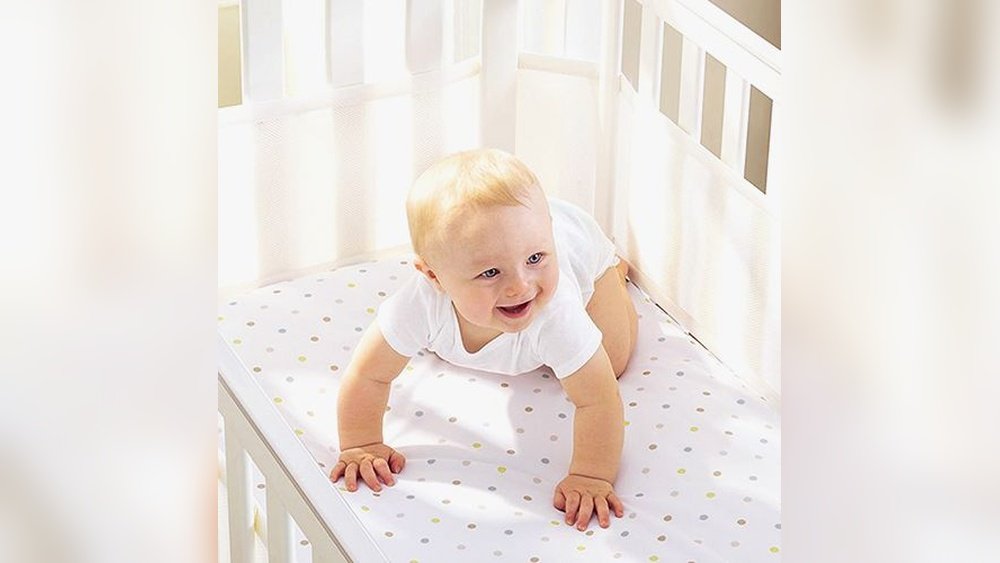
You’ve likely seen crib bumpers marketed as cozy, protective nursery must-haves, designed to keep tiny limbs from slipping through crib slats or cushion hard bumps. But as of 2026, padded crib bumpers are banned for sale in the U.S. after the Consumer Product Safety Commission (CPSC) linked them to 108 infant deaths and 200 injuries between 1990 and 2019. The American Academy of Pediatrics (AAP) also recommends against all padded crib bumpers, including mesh styles with added padding, due to suffocation, strangulation, and fall risks. If you’re looking for a way to keep your baby’s crib safe and comfortable without these hazards, you’re in the right place. We’ve rounded up expert-approved, regulation-compliant alternatives that address the core reasons parents consider bumpers, without compromising safe sleep.
Why Traditional Crib Bumpers Are No Longer a Safe Choice
Suffocation, Strangulation, and Fall Risks
Padded crib bumpers block critical airflow around a baby’s face, and infants under 12 months lack the motor skills to lift their head or move away if they roll into the soft fabric. Loose tie strings pose a strangulation risk if they come undone, and older babies can use bumpers as a step to climb out of the crib, leading to serious falls. Even mesh bumpers with added padding carry the same suffocation risk, as the padding can conform to a baby’s face and block breathing. In practice, most minor bump-related injuries from crib slats are harmless, making the severe risks of padded bumpers completely unnecessary.
Current Regulatory Guidelines
In 2021, the CPSC issued a final rule banning the manufacture, sale, and distribution of padded crib bumpers in the U.S., a policy supported by evidence-based safe sleep guidance from the CDC. The rule applies to all padded bumpers, including those marketed as "breathable" with added foam or fill. The AAP’s 2022 safe sleep guidelines reinforce this recommendation, stating that no crib bumper—padded or mesh with padding—is safe for infant sleep spaces.
Core Criteria for a Truly Safe Crib Bumper Alternative
Not all products marketed as "bumper alternatives" meet safety standards. To qualify as a safe option, any product must meet these four non-negotiable criteria:
- Full breathability: The product must have an open, loose weave that allows unrestricted air circulation through the entire crib sides. Solid fabric, thick padding, or dense mesh blocks airflow and increases suffocation and overheating risk, two key factors in sudden infant death syndrome (SIDS).
- No soft fill or padding: Avoid any product with foam, polyester batting, or thick fabric that can conform to a baby’s face. The safest alternatives are thin, firm, and non-cushioning, so they pose no risk of blocking breathing even if a baby presses against them.
- Secure, non-loose fit: All fasteners, ties, or elastic edges must be taut and secure, with no dangling strings or loose fabric that could wrap around a baby’s neck. The product should fit your crib’s dimensions exactly, with no gaps where a baby’s head could become trapped.
- Non-toxic, certified materials: Look for products certified by third-party organizations like Oeko-Tex or GOTS (Global Organic Textile Standard) to ensure they are free from harmful flame retardants, lead, and toxic dyes. For parents concerned about chemical exposure, organic cotton or unbleached mesh options are the safest choice.
Expert-Approved Safe Alternatives to Crib Bumpers
Breathable Mesh Crib Liners
These are the most widely recommended alternative by pediatricians and safety experts, as they address the most common reason parents purchase bumpers: preventing tiny arms and legs from getting stuck between crib slats. Made from a loose, open-weave mesh (with gaps smaller than 1/4 inch to prevent finger entrapment), they allow full airflow around the crib, eliminate suffocation risk, and fit snugly around the crib interior with no loose fabric.
Key benefits: Reduces SIDS risk by maintaining airflow, prevents limb entrapment, easy to install and remove, machine washable for easy cleaning, and compatible with most standard crib sizes.
Key considerations: Avoid mesh liners with padded edges or added foam inserts, as these defeat the purpose of the breathable design. For newborns, opt for a liner with a very tight weave to prevent tiny fingers from getting caught. For guidance on other safe, non-hazardous items you can keep in your baby’s sleep space, refer to our curated list of safe crib add-ons.
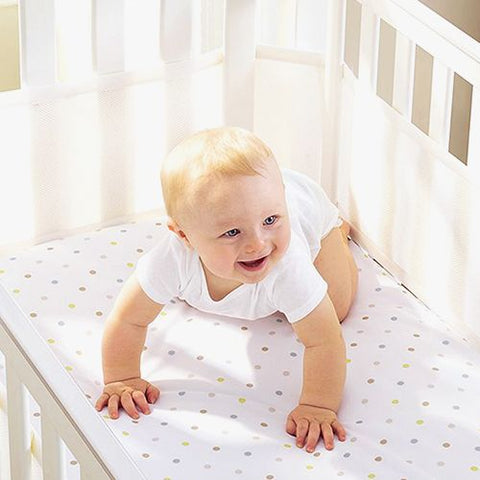 Breathable mesh liners are the most widely pediatrician-recommended crib bumper alternative
Adjustable Crib Rail Covers
If your primary reason for considering a bumper is to protect the crib from teething damage or prevent your baby from chewing on hard wood or metal rails, adjustable rail covers are a safe, regulation-compliant option. These covers wrap snugly around individual crib rails, made from soft, non-toxic silicone or thin padded fabric, with no loose parts that fill the crib interior.
Key benefits: Protects crib rails from teeth marks and scratches, protects your baby’s gums from hard, splintering crib material, no risk of suffocation as they don’t block crib airflow, easy to wipe clean or machine wash.
Key considerations: Always measure your crib’s rail diameter (most standard cribs have 1.5-2 inch rails) before purchasing to ensure a secure fit. Avoid covers with Velcro fasteners that can come loose and become a strangulation hazard; opt for styles with slip-on or snap-on fasteners for maximum security. To avoid moisture buildup that can lead to mold growth on crib rails, opt for moisture-wicking, machine-washable rail cover materials — learn more about preventing mold growth in baby sleep spaces.
 Rail covers protect against teething damage without adding suffocation risks
Wearable Sleep Sacks and Blankets
Many parents use crib bumpers to keep their baby warm during sleep, but wearable sleepwear eliminates the need for extra padding entirely. Sleep sacks and wearable blankets are designed to replace loose blankets in the crib, keeping babies at a comfortable temperature without the suffocation risk of loose bedding. They come in a range of TOG (thermal overall grade) ratings for different seasons, from lightweight 0.5 TOG for summer to thick 2.5 TOG for winter.
Key benefits: Eliminates loose blanket suffocation and entrapment risks, regulates body temperature to prevent overheating, allows full freedom of movement for rolling and crawling babies, and reduces the need for extra crib padding.
Key considerations: Always choose a sleep sack that fits your baby’s height and weight—too large a size can pose a suffocation risk if the fabric covers your baby’s face. For newborns, opt for sleeveless styles to avoid overheating. Pair your sleep sack with the right number of layers to avoid overheating, a leading SIDS risk factor. Our guide to appropriate sleep layers breaks down exactly how to dress your baby for every season.
 Wearable sleep sacks eliminate the need for loose blankets in the crib
Safe Sleep Best Practices for Crib Setup
Even with a safe bumper alternative, your crib setup must follow evidence-based guidelines to minimize risk.
Keep the Crib as Bare as Possible
The AAP recommends that cribs contain only a firm, snug-fitting mattress and a tight fitted sheet—no bumpers, pillows, stuffed animals, or loose blankets, even if you’re using a safe bumper alternative. Gaps between the mattress and crib sides can trap a baby’s head, so always measure the fit to ensure there is no more than a two-finger gap. For a full list of safe, non-hazardous items you can keep in your baby’s sleep space, refer to our guide to non-hazardous crib items.
Maintain Consistent Safe Sleep Habits
Always place your baby on their back to sleep, on a firm, flat surface, for every nap and nighttime sleep. If your baby rolls over on their own, you do not need to reposition them. Avoid overheating by dressing your baby in one more layer than you would wear yourself, and keep the room temperature between 68-72°F (20-22°C). If you need to travel with your baby, follow proper folding steps for portable cribs to avoid gaps or loose parts that could pose a hazard. If you need to run errands during your baby’s nap time, our tips for maintaining nap routines help you keep safe sleep habits consistent even when you’re away from home.
Frequently Asked Questions
Are breathable mesh liners safe for newborns?
Yes, as long as they have a tight weave (gaps smaller than 1/4 inch) to prevent tiny finger entrapment, and no added padding or foam inserts. The CDC and AAP both confirm that unpadded mesh liners pose no suffocation risk for infants, and can help prevent limbs from getting stuck between crib slats.
Do crib rail covers work for all crib types?
Most adjustable rail covers fit standard crib rails (1.5-2 inches in diameter), but you should always measure your crib’s rail width before purchasing to ensure a secure, non-slip fit. Mini cribs and portable cribs often require brand-specific rail covers, so check the manufacturer’s size guidelines before buying.
Can I use a bumper alternative with a bassinet?
Most full-size mesh liners and rail covers are not designed for bassinets, but many brands sell bassinet-specific sizes of both products. Always follow the manufacturer’s size recommendations, as a loose liner or cover can pose a strangulation or suffocation risk in a smaller bassinet space.
How often should I clean my crib bumper alternative?
Machine-wash mesh liners and rail covers at least once a week, or immediately if there are spills, drool, or diaper leaks, to prevent mold and bacteria buildup. For rail covers that aren’t machine washable, wipe them down with a gentle, baby-safe cleaner weekly.
Do I really need a crib bumper alternative at all?
No—pediatricians recommend a completely bare crib as the safest sleep option for babies under 12 months. Alternatives are only necessary if your baby is consistently getting limbs stuck between slats (which can disrupt sleep) or chewing on crib rails during teething. If your baby does not have these issues, you can skip an alternative entirely for maximum safety.
Final Thoughts
The safest crib bumper alternative is no alternative at all, per AAP and CDC guidance, as a bare crib eliminates all associated risks. But if your baby’s sleep is being disrupted by limb entrapment or teething discomfort, unpadded breathable mesh liners and adjustable rail covers are expert-approved, regulation-compliant options that address those needs without compromising safety. Always prioritize products with third-party safety certifications, a secure fit, and no added padding, and inspect them for wear and tear before each use to ensure no loose parts or frayed fabric could pose a hazard.
For more evidence-based tips to create a safe, comfortable nursery for your little one, browse our full library of baby sleep and safety guides.

Emma Grace is a devoted mother and passionate content writer at BestBabyCart.com. With firsthand parenting experience and a love for research, she creates helpful guides and honest reviews to support parents in choosing the best for their babies. Her goal is to make parenthood easier, one article at a time.