
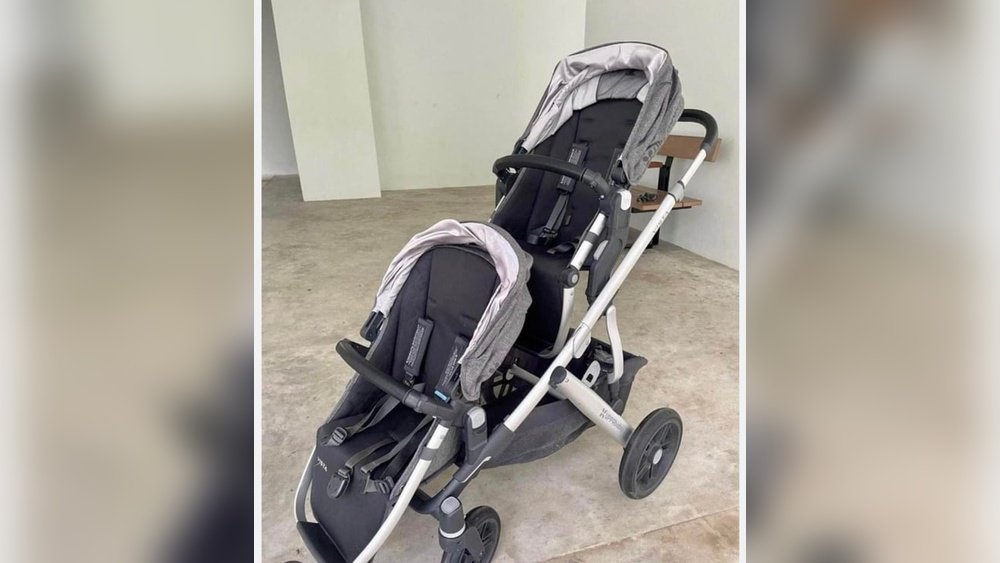
Most families use a stroller for 2 to 3 years before their child outgrows it, making stroller resale one of the easiest ways to recoup 30–60% of your original investment. But finding the right price is a balancing act: list too high and your stroller will sit unsold for months; list too low and you’ll leave money on the table. Whether you’re selling a basic umbrella stroller or a high-end all-terrain model, this 2026 guide walks you through every step of pricing your stroller competitively, prepping it for sale, and closing a deal quickly and safely.
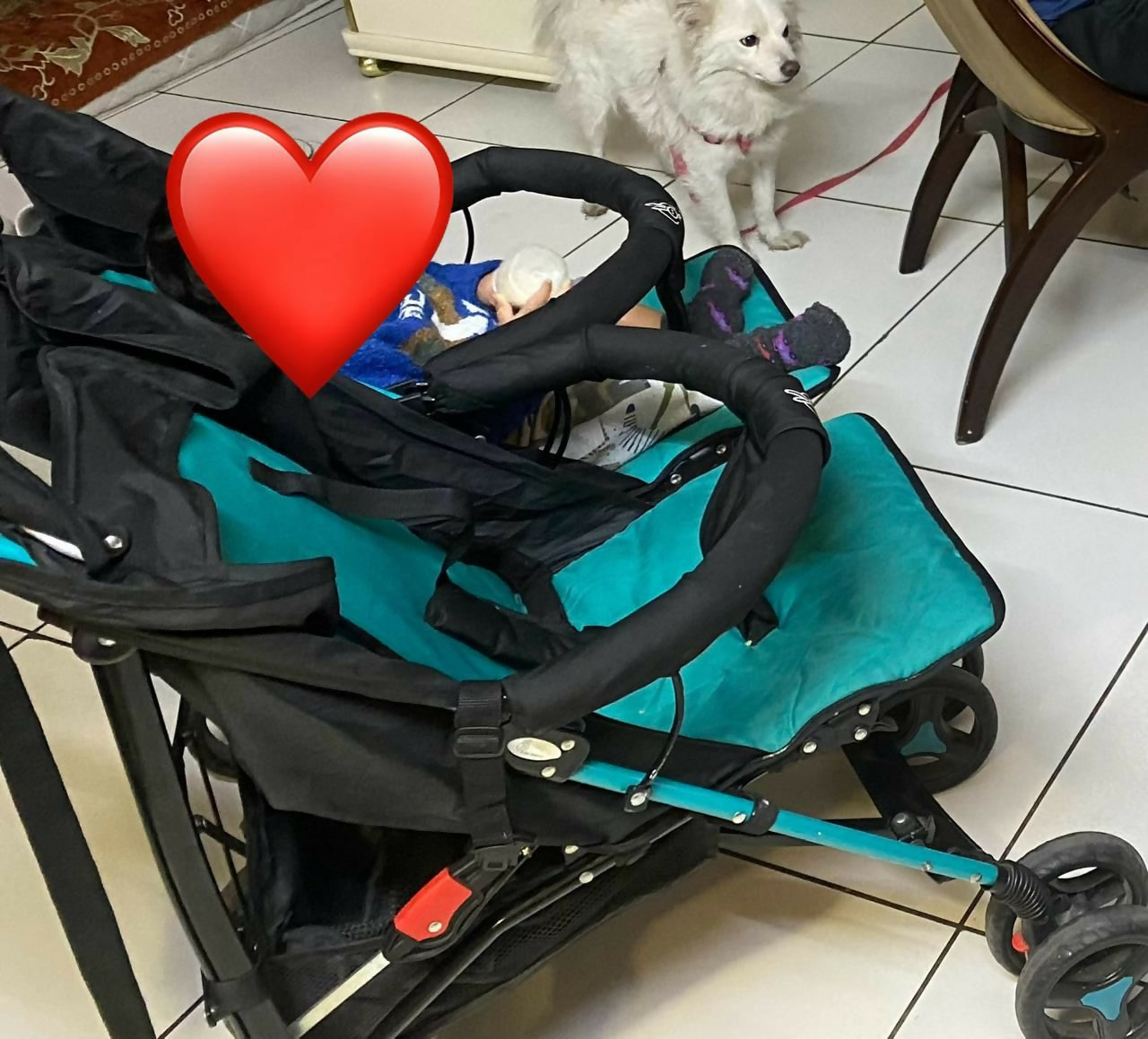 A well-presented stroller with clear, honest photos builds buyer trust and reduces follow-up questions
Credit: vixencomposites.com
A well-presented stroller with clear, honest photos builds buyer trust and reduces follow-up questions
Credit: vixencomposites.com
Pre-Sale Safety Check (Non-Negotiable First Step)
Before you think about pricing, the first step is verifying your stroller has no outstanding safety recalls. Strollers with recalled parts (such as faulty brakes, broken harnesses, or frame defects) pose serious injury risks to new owners, and selling a recalled item without full disclosure can lead to legal liability in many states. You can check your model’s recall status for free via the CPSC stroller recall lookup tool — all you need is the model number and manufacture date, which are almost always printed on a sticker under the seat or on the lower frame.
While you’re inspecting the stroller, check for any structural damage, missing parts, or worn components that could impact safety. Common red flags include bent frames, broken wheel axles, frayed harness straps, or non-functional brakes. If you find any of these issues, either repair them before listing or disclose them fully to buyers to avoid disputes. For a full list of potential wear and tear to watch for, refer to our guide to unusual baby seat hazards.
Core Factors That Directly Impact Your Stroller's Resale Value
Every stroller’s resale value is shaped by a combination of brand, condition, features, and local market demand. Understanding how each of these factors plays into your final price will help you set a realistic, competitive asking price.
Brand Reputation and Retained Value
Premium brands like UPPAbaby, Bugaboo, and Thule are known to retain 40–60% of their original retail value after 2 years of regular use, thanks to their durable construction, strong safety ratings, and high demand among secondhand buyers. In contrast, lesser-known or big-box store brands typically see resale values of 15–25% of original cost even in excellent condition, as buyers are less willing to pay a premium for unproven quality.
 Premium brand strollers like UPPAbaby typically retain 40–60% of their original retail value after 2 years of use
Credit: www.reddit.com
Premium brand strollers like UPPAbaby typically retain 40–60% of their original retail value after 2 years of use
Credit: www.reddit.com
Condition and Wear
Condition is the single biggest driver of resale value, even for high-end brands. Most buyers categorize used strollers into four condition tiers:
- Like-new: No visible stains, scuffs, or mechanical wear; all original parts, hardware, and accessories included; operates exactly as it did new.
- Good: Minor, non-structural wear (small surface stains, light scuffs on wheels); all parts functional; no broken components.
- Fair: Visible wear (larger stains, faded fabric, minor mechanical issues like a sticky fold); all major parts present but may need minor repairs.
- Poor: Structural damage, missing major parts (wheels, harness, brakes), or non-functional components; these are rarely worth selling, and are better recycled.
In practice, small low-cost repairs — such as replacing a torn $10 fabric panel or tightening loose wheel bolts — can noticeably boost buyer confidence and your final sale price, often adding $20–$40 to the final price for mid-tier models.
Model Age and Included Features
Strollers older than 5 years see steeper value drops, especially if they lack modern conveniences like one-handed fold mechanisms, all-terrain wheels, or adjustable handlebars. That said, limited-edition models or discontinued popular designs (such as the UPPAbaby Vista V2) often hold value better than newer basic models, as they remain in high demand among parents looking for durable, feature-rich gear without the premium price of the latest release. Including original accessories (rain covers, travel bags, cup holders) and proof of purchase can add 5–15% to your asking price, as buyers value the added convenience and peace of mind.
Local Market Demand and Seasonal Trends
Stroller demand fluctuates heavily by season and location. Peak buying season runs from March through July, when new parents stock up on gear for warm weather outings and summer travel. Listings posted during this window often sell 30% faster than off-season posts, and sellers can typically ask 10–15% more for well-maintained units. Urban areas with high concentrations of young families also see higher demand and higher prices than rural areas, where buyers may have fewer options and be willing to pay more for a well-maintained stroller.
How to Research Accurate Comparable Listings
Pricing your stroller correctly starts with researching what similar models are actually selling for in your area, not just what sellers are asking for. Asking prices are often inflated, so focusing on sold listing data will give you a realistic baseline.
Check Online Marketplaces for Sold, Not Just Asking, Prices
Start with the most popular platforms for local and national baby gear sales: Facebook Marketplace, Craigslist, OfferUp, and Poshmark (for higher-end strollers). Filter your search for your exact brand and model, and sort by "sold" listings rather than active ones. Note the final sale price for units in a condition matching yours, and take note of how long they took to sell. For example, if 3 like-new UPPAbaby Vista V2s sold for $350, $375, and $360 in your area in the last 30 days, that’s your baseline asking price range. Also note that listings with clear photos and detailed descriptions tend to sell for 10% more than vague, poorly photographed listings, so factor that into your own pricing if you plan to put effort into your listing.
Evaluate Local Consignment and Retail Pricing
Local consignment shops that specialize in baby gear, such as Once Upon a Child, are a great resource for real-world local pricing. These shops set their prices based on local buyer demand, so their tagged prices for your exact model and condition will give you a clear idea of what buyers in your area are willing to pay. Local parent groups on Facebook and community consignment sales are also useful for gauging demand, as they often have set pricing tiers for different stroller brands.
Use Resale Data Tools for Quick Benchmarks
If you want to speed up your research, dedicated baby gear resale platforms and browser extensions that track sold listing data can automate the process. These tools pull data from thousands of recent sales to give you an average sold price for your exact model, adjusted for condition and included accessories, so you don’t have to manually sift through dozens of listings.
Setting Your Final Asking Price (Pro Tips for 2026)
Once you have your baseline sold price from comparable listings, you can adjust it based on your goals and the unique value of your stroller.
The 10% Negotiation Buffer Rule
Almost all buyers will try to negotiate down from your asking price, so it’s standard practice to list your stroller for 10% above your minimum acceptable price. For example, if the average sold price for your model is $300, and your minimum price is $270, list it for $330 to leave room for small counteroffers without dropping below your bottom line. This buffer also makes buyers feel like they’re getting a deal when you agree to a price slightly below your asking rate, which improves the overall transaction experience for both parties.
Price Adjustments for Bundled Accessories
Extra accessories can add tangible value to your listing. Small add-ons like a rain cover, cup holder, or travel bag typically retail for $10–$40 each, so you can price your stroller 10–15% higher than the base model price if you include these items. Be sure to list every included accessory in your description and show them in your photos to justify the higher price. If you have the original box, receipt, and warranty documentation, you can add an extra 5–10% to your price, as these items build buyer trust and make your stroller easier for the new owner to resell later if they choose.
 Including accessories like rain covers, travel bags, and cup holders can justify a 10–15% higher asking price
Credit: vixencomposites.com
Including accessories like rain covers, travel bags, and cup holders can justify a 10–15% higher asking price
Credit: vixencomposites.com
Pricing for Speed vs. Maximum Profit
Your pricing strategy should align with how quickly you need to sell. If you’re moving, clearing out a nursery, or need the space right away, price your stroller 10–15% below the average sold price for your model to attract fast buyers. If you have no time constraint, list at the average sold price or slightly above, and be prepared to wait 2–4 weeks for a buyer willing to pay your asking rate. In peak season, even higher-priced listings tend to sell faster than off-season, so adjust your expectations accordingly.
Pre-Sale Prep to Maximize Your Final Sale Price
A small amount of prep work before listing can add $20–$50 to your final sale price, and help your listing stand out from similar ones. Focus on three key areas: cleaning and repairs, photography, and description writing.
Deep Clean and Minor Repairs
Start by removing all fabric panels and washing them according to the manufacturer’s care label (most are machine washable on a gentle cycle). Wipe down the entire frame with a damp cloth and mild soap, use a stiff brush to clear dirt and hair from the wheel axles, and sanitize the handlebar and seat with a baby-safe disinfectant. Next, tighten all loose bolts and screws, test the brakes and fold mechanism to make sure they work smoothly, and replace any missing small parts (like a lost buckle or wheel cap) — these low-cost fixes make a huge difference in how buyers perceive your stroller’s value. If you’re selling a UPPAbaby model, make sure you know how to fold it correctly to make pick-up easy for the buyer and avoid damage during transport.
Take Honest, High-Quality Photos
Blurry or poorly lit photos are the top reason stroller listings get ignored. Take your photos outside on a cloudy day or in a shaded area to avoid glare, and shoot from five key angles: front, back, both sides, folded, and unfolded. Include close-up shots of any wear (stains, scuffs, etc.) — disclosing flaws upfront builds trust and avoids negative reviews or return requests after the sale. Also, take a photo of all included accessories laid out next to the stroller to show buyers exactly what they’re getting.
Write Detailed, Transparent Descriptions
Your description should answer every question a buyer might have before they reach out to you. Include the exact brand and model name, year of purchase, frequency of use (e.g., “used 2–3 times per week for 18 months for walks and errands”), and a full list of included accessories. Be upfront about any flaws, and highlight key features like all-terrain wheels, a reclining seat, or a large storage basket. Avoid vague language like “in great shape” — instead, say “no stains, all parts functional, recently serviced” to give buyers concrete information. Small add-ons like a baby hairbrush, rain cover, or cup holder can add $10–$20 to your final price if they’re in good condition. You can reference our guide to typical baby hairbrush costs to price these extras fairly for buyers.
Negotiation and Finalizing the Sale Smoothly
Once you start getting offers, handling negotiations professionally will help you close a deal quickly without leaving money on the table.
Set Your Minimum Price Before Listing
Before you post your listing, decide on the absolute lowest price you’re willing to accept. This could be the amount you originally paid for the stroller if you want to break even, or a lower amount if you need to sell quickly. Having a clear minimum in mind will prevent you from accepting lowball offers out of pressure, and make counteroffers easier to calculate.
Respond to Offers Professionally
If you receive an offer below your minimum, stay calm and polite, even if the bid is far lower than your asking price. A standard response to a lowball offer might be: “Thanks for your interest! I’m pricing the stroller at $320 because it’s in like-new condition, includes the rain cover and travel bag, and comparable models in this condition are selling for $300–$350 in our area. I’m open to offers within $20 of my asking price if you’d like to meet in the middle.” This response explains why your price is fair without being confrontational, and gives the buyer a clear range for counteroffers.
Secure Payment and Safe Meet-Up Tips
For local sales, always prefer cash or secure payment apps like Venmo or PayPal Goods and Services — never accept checks, wire transfers, or overpayments from unknown buyers, as these are common scam tactics. If meeting in person, choose a public, well-lit area (like a grocery store parking lot) during daylight hours, and never invite buyers to your home. For more guidance on avoiding private sale scams, refer to the FTC’s private sale safety tips. If you’re shipping the stroller to an out-of-state buyer, factor $30–$60 in shipping costs into your asking price, and use a tracked, insured shipping method to avoid damage in transit.
Frequently Asked Questions
How much can I expect to get for a 2-year-old UPPAbaby Vista?
A 2-year-old UPPAbaby Vista in like-new condition with all original accessories typically sells for 40–50% of its original retail value, so $300–$400 for a model that originally sold for $800, depending on your local market demand.
Do stroller warranties transfer to new owners?
Most stroller manufacturers do not transfer warranties to secondhand owners, but you can include any original proof of purchase and warranty documentation to boost buyer confidence and justify a slightly higher price.
Is it safe to sell a stroller that’s been in a minor accident?
Only if you’ve inspected it thoroughly for frame damage, broken wheels, or compromised harnesses. If there’s any structural damage, disclose it fully to buyers, or recycle the stroller instead of selling it to avoid safety risks.
How long does it usually take to sell a used stroller?
Well-priced, well-maintained strollers in peak season typically sell in 1–2 weeks. Off-season, or if priced too high, it can take 1–3 months. Pricing 10% below comparable sold listings usually speeds up the sale significantly.
Should I offer delivery or shipping for my stroller?
Local sales are almost always preferable for heavy items like strollers, as shipping costs can make your listing far less attractive to online buyers. If you do ship, factor the cost into your asking price and use a tracked, insured method to avoid damage in transit.
Final Thoughts
Pricing your stroller correctly doesn’t have to be complicated: start with a mandatory safety check, research sold comparable listings in your area, price with a small negotiation buffer, and put in a little prep work to make your listing stand out. Being transparent about condition and including accessories will help you attract serious buyers faster, and negotiating professionally will ensure you get a fair price without hassle. If you’re selling multiple outgrown baby items alongside your stroller to clear space faster, our guide to annual cloth diaper needs can help you price bulk baby gear lots accurately. Once you’ve sold your stroller and transitioned out of the baby gear phase, our guide to outings with early bedtime babies has actionable tips for fitting errands and family time around your little one’s schedule without a stroller.

Emma Grace is a devoted mother and passionate content writer at BestBabyCart.com. With firsthand parenting experience and a love for research, she creates helpful guides and honest reviews to support parents in choosing the best for their babies. Her goal is to make parenthood easier, one article at a time.