
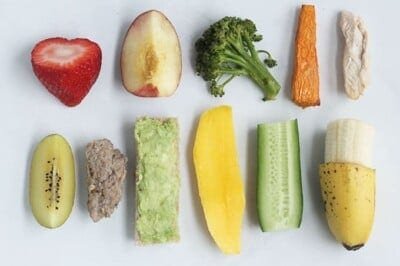
Soft, nutrient-dense finger foods like steamed carrot sticks, ripe avocado, and soft-cooked apple slices.
I’ve guided many parents through baby-led weaning and studied infant nutrition for years. This guide explains the best baby led weaning foods to start, why they work, how to prepare them, safety tips, allergy guidance, and real-world tips you can use today. Read on for clear, practical steps to introduce solid foods confidently and safely.
What is baby-led weaning and why food choice matters
Baby-led weaning lets babies feed themselves instead of being spoon-fed purees. It usually starts when a baby shows readiness signs around six months. Choosing the best baby led weaning foods to start matters because texture, size, and nutrition affect safety and development. Good starter foods build chewing skills, support iron needs, and help babies learn self-regulation.
Best baby led weaning foods to start
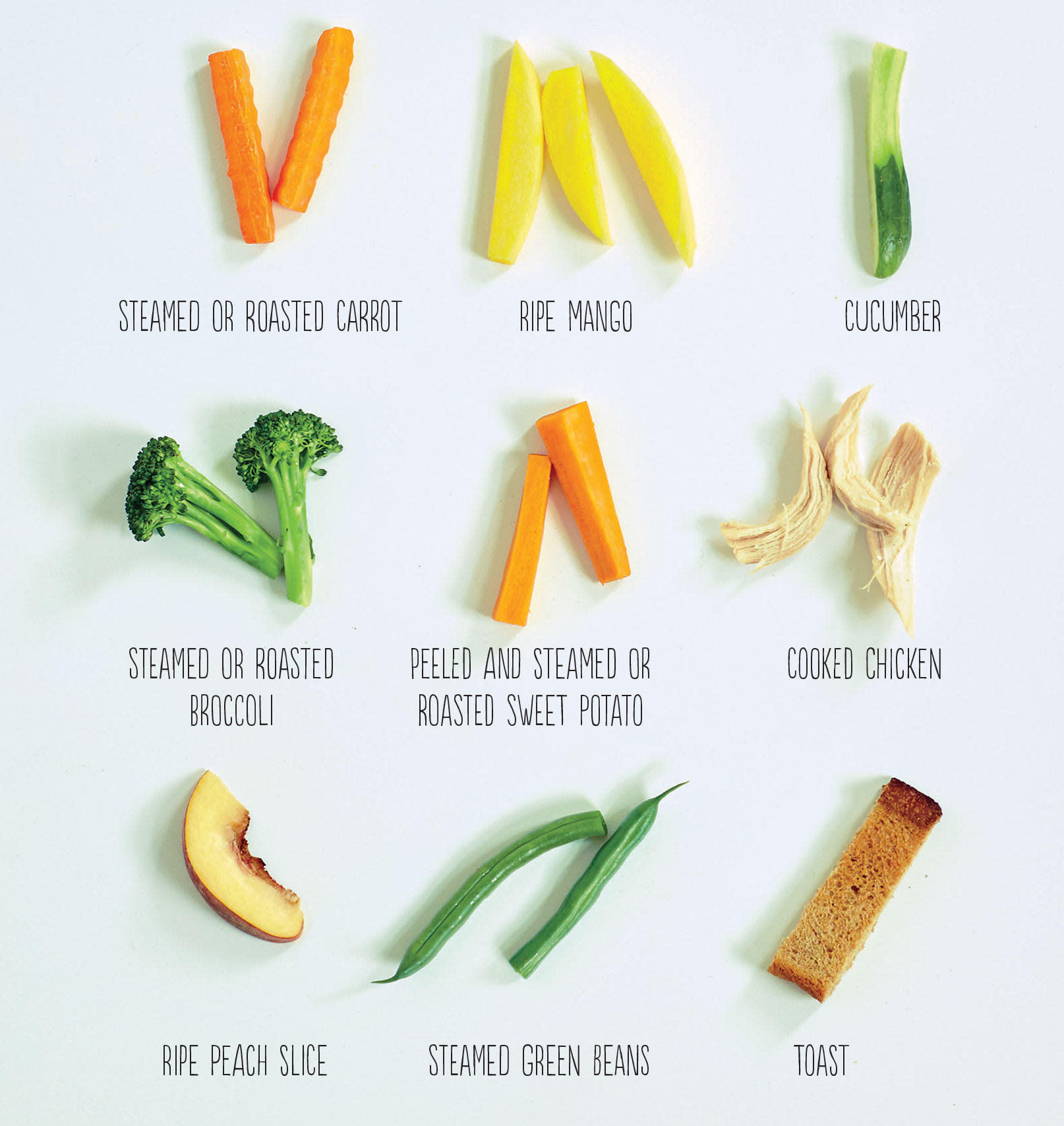
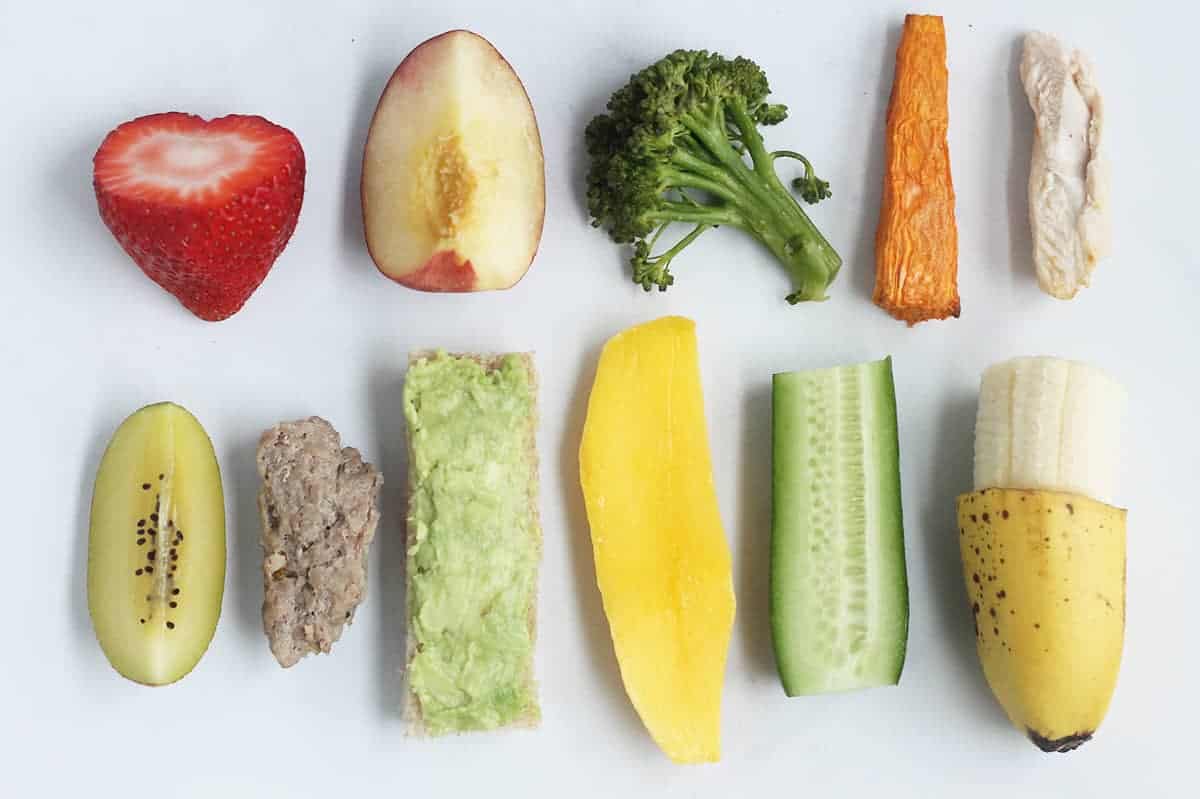
When choosing the best baby led weaning foods to start, focus on soft textures, easy grip, and high nutrients. Offer a variety to support iron, healthy fats, and vitamins. Below are safe, high-value options with simple prep tips.
-
Steamed carrot sticks
- Texture soft and easy to gum when cooked until fork-tender.
- Cut into long sticks to let baby hold the end.
- Rich in vitamin A and fiber.
-
Ripe avocado wedges
- Serve as thick slices or mashed on toast.
- Soft texture and healthy fats support brain growth.
- No cooking needed; watch for slipping pieces.
-
Soft-cooked sweet potato fingers
- Roast or steam until soft.
- Naturally sweet and full of vitamins.
- Easy for babies to grasp and self-feed.
-
Banana halves or thick slices
- Use ripe bananas that mash easily.
- High in potassium and quick to prepare.
- Firm enough for self-feeding when sliced appropriately.
-
Steamed broccoli or cauliflower florets
- Cook until tender but still holds shape.
- Good for iron absorption when paired with vitamin C foods.
- Florets provide an easy hold for small hands.
-
Toast strips with nut or seed butter (thinly spread)
- Use whole-grain toast and a thin smear of smooth nut or seed butter.
- Offers healthy fats and moderate protein.
- Avoid large globs to reduce choking risk.
-
Soft-cooked apple or pear slices
- Peel and poach or steam until tender.
- Offer as wedges small enough to gum.
- Provide sweetness and vitamin C.
-
Well-cooked pasta shapes
- Use shapes like fusilli or penne for easy gripping.
- Toss with olive oil or mild tomato sauce.
- Carbs provide energy and are gentle on the stomach.
-
Scrambled egg strips
- Cook until firm but soft and moist.
- Good source of protein and choline.
- Introduce eggs early unless pediatrician advises caution.
-
Flaked, boneless fish or soft-cooked lentils
- Fish is rich in DHA; choose low-mercury types.
- Lentils are iron-rich and easy to mash with gums.
- Always check for bones and rinse lentils well.
When parents ask which are the best baby led weaning foods to start, I recommend a rotation of these options. Start with single-ingredient items to spot sensitivities. Keep portions small and supervise every bite.

How to prepare and serve first foods safely
Safety is the top priority when offering the best baby led weaning foods to start. Keep these rules in mind.
- Offer foods when baby sits upright and shows readiness signs.
- Cut foods into long sticks or wedge shapes so baby can hold the end.
- Cook hard foods until soft enough to mash with two fingers.
- Avoid round, firm items like whole grapes, nuts, popcorn, or raw carrots.
- Stay within arm’s reach and never leave baby unattended while eating.
For choking prevention, learn the difference between gagging and choking. Gagging is a normal reflex while learning to eat. Choking is an emergency that requires immediate action. Take an infant first-aid class to feel confident.
Nutritional priorities and portion guidance
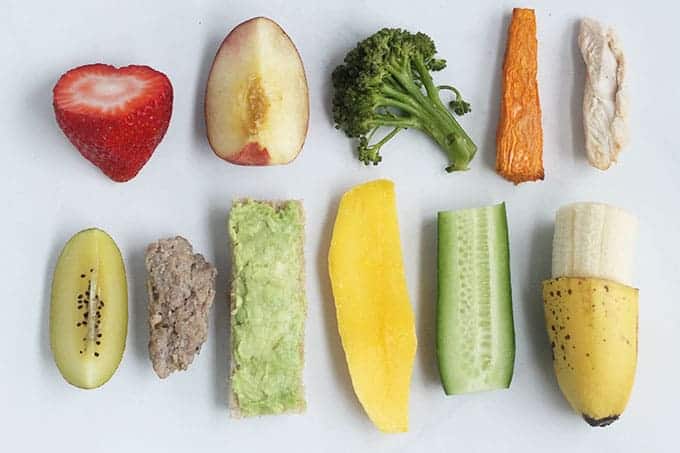
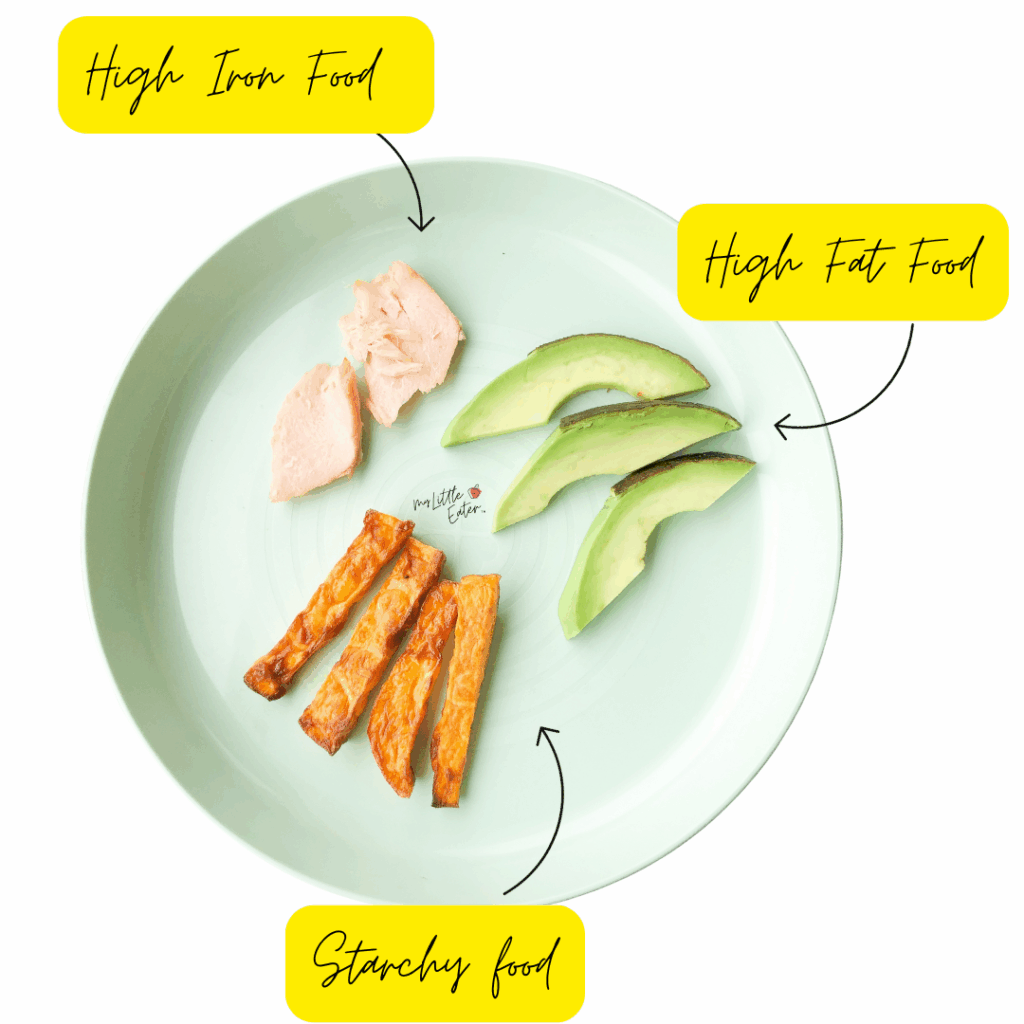
The best baby led weaning foods to start should support iron, zinc, healthy fats, and vitamin D. At six months, milk still provides most calories, so solids focus on nutrients.
- Prioritize iron-rich foods twice daily
- Options include soft red meat, mashed lentils, and iron-fortified cereals.
- Include healthy fats each meal
- Avocado, full-fat dairy, and oily fish are excellent.
- Aim for small, frequent tastes
- Let baby explore textures without pressure to finish.
- Offer vitamin-C-rich fruits or vegetables
- This improves iron absorption from plant foods.
Portion sizes are small at first. A few pieces or a tablespoon or two of mashed food is enough. Let baby dictate pace and amount.
Common concerns: gagging, choking, and allergies
Parents often worry about gagging and allergies when trying the best baby led weaning foods to start. Address these concerns with calm facts and steps.
- Gagging is common and helps babies learn to manage food
- Stay calm and let the reflex pass; it’s part of skill-building.
- Choking risk is reduced by proper preparation
- Cut, cook, and present foods to match a baby’s chewing ability.
- Introduce allergenic foods early and one at a time
- Foods like egg, peanut (smooth butter), and fish can be introduced after readiness; consult your pediatrician if there’s family allergy history.
- Watch for signs of intolerance
- Rash, persistent vomiting, or difficulty breathing require medical attention.
People also ask:
Is baby-led weaning safe?
Yes. Baby-led weaning is safe when babies are ready, foods are prepared properly, and adults supervise meals.
When should I start baby-led weaning?
Start when your baby can sit unassisted, reach for food, and show interest in eating, typically around six months.
Can I mix purees and baby-led weaning?
You can combine approaches. Offer some finger foods and some spoon-fed purees to suit your family.

My personal experience and practical tips
I’ve guided dozens of families through baby-led weaning and learned what works in real life. Start simple and stay flexible. Here are lessons I’ve learned.
- Offer the same family meals, just adapted in size and texture.
- Expect mess and accept it as part of learning.
- Rotate foods to expose babies to flavors and reduce picky eating later.
- Mistake to avoid: pushing a baby to eat. Let them explore at their own pace.
- Keep a small emergency kit: a phone, water, and knowledge of infant CPR.
One family I worked with started with steamed carrot sticks and avocado. Within two weeks their baby was reaching for broccoli and trying scrambled eggs. Progress is gradual and individual.

Frequently Asked Questions
What are the first foods for baby-led weaning?
Start with soft, nutrient-dense finger foods like steamed vegetables, ripe fruit, avocado, and soft proteins. Choose items that are easy to hold and mash with gums.
How do I handle gagging during baby-led weaning?
Stay calm and let the baby manage the gag reflex while watching closely. Gagging is common and helps babies learn to handle different textures.
Can I give my baby whole pieces of fruit?
Not whole. Offer fruit as wedges, slices, or mashed forms that are soft enough to gum and small enough to grasp safely.
When should I introduce allergenic foods?
Introduce allergenic foods after your baby shows readiness, often around six months, and do so one at a time while monitoring for reactions. Consult your pediatrician if you have allergy concerns.
Is baby-led weaning good for picky eaters?
Yes, offering a wide variety of flavors and textures early can reduce picky eating tendencies. Repeated, pressure-free exposure increases acceptance over time.
Conclusion
Choosing the best baby led weaning foods to start means prioritizing soft textures, nutrient density, and safe presentation. Use simple, finger-friendly foods and supervise every meal. Start slow, rotate foods, and seek professional advice for allergy concerns. Try one new food at a time and enjoy the messy, rewarding journey of feeding independence. Share your experience, subscribe for more guides, or leave a comment with questions.
Sophia Linda is a freelance writer and Certified Health Coach based in the Newbury Park, CA. Passionate about healthy living, she focuses on helping families stay active and connected to the outdoors. Together with her husband and their three young children, Sophia spends much of her time traveling, hiking, and camping. Her work has been featured on the bestbabycart blog, and she brings a practical, real-world perspective to reviewing baby products for parents.