

Rear-facing seats keep young children safer by better protecting the head, neck, and spine in crashes.
I have spent years researching car seat safety and testing seats with parents and safety technicians. This article explains rear facing vs forward facing car seat safety in clear, practical terms. You will learn how each position protects a child, when to switch, installation tips, and real-world lessons from hands-on experience. Read on to make informed, confident choices for your child’s safety.

Understanding rear facing vs forward facing car seat safety
Rear facing vs forward facing car seat safety compares two ways a child sits in a car seat. Rear-facing seats position the child so impact forces press into the seat shell and spread across the back. Forward-facing seats let the child face forward with a harness and, later, a booster.
Key points to know
- Rear-facing supports the head, neck, and spine in a crash by cradling the child.
- Forward-facing seats use harnesses and tethers to limit forward motion.
- The main safety difference is how crash forces are absorbed and directed away from fragile body parts.
Why this matters
- Young children have proportionally larger heads and weaker necks. Rear-facing reduces stress on these areas.
- Choosing the right time to switch is a balance of anatomy, seat limits, and safe installation.
Experience note: I’ve inspected dozens of car seat setups. The safest children are those kept rear-facing as long as their seat allows. This habit prevents many injuries that I’ve seen in forward-facing toddlers.
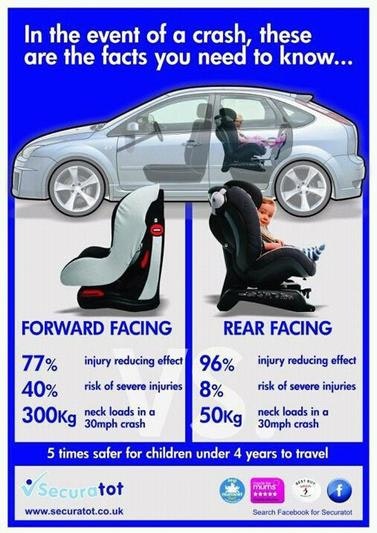
Crash dynamics and injury prevention in rear facing vs forward facing car seat safety
How crashes affect tiny bodies
- In a frontal crash, the head wants to keep moving forward. Rear-facing seats absorb that motion across the child’s back. This reduces neck and spinal loads.
- In forward-facing seats, the harness and tether work to stop the head, but more force reaches the neck and spine.
Evidence and outcomes
- Data and crash reconstructions consistently show lower risk of severe head and neck injury when children are rear-facing longer.
- Rear facing vs forward facing car seat safety is mostly about reducing severe injury risk during common crash types.
Plain analogy: Think of a shell that spreads force across a large area versus a single strap that stops motion at one point. The shell (rear-facing) is gentler on delicate structures.
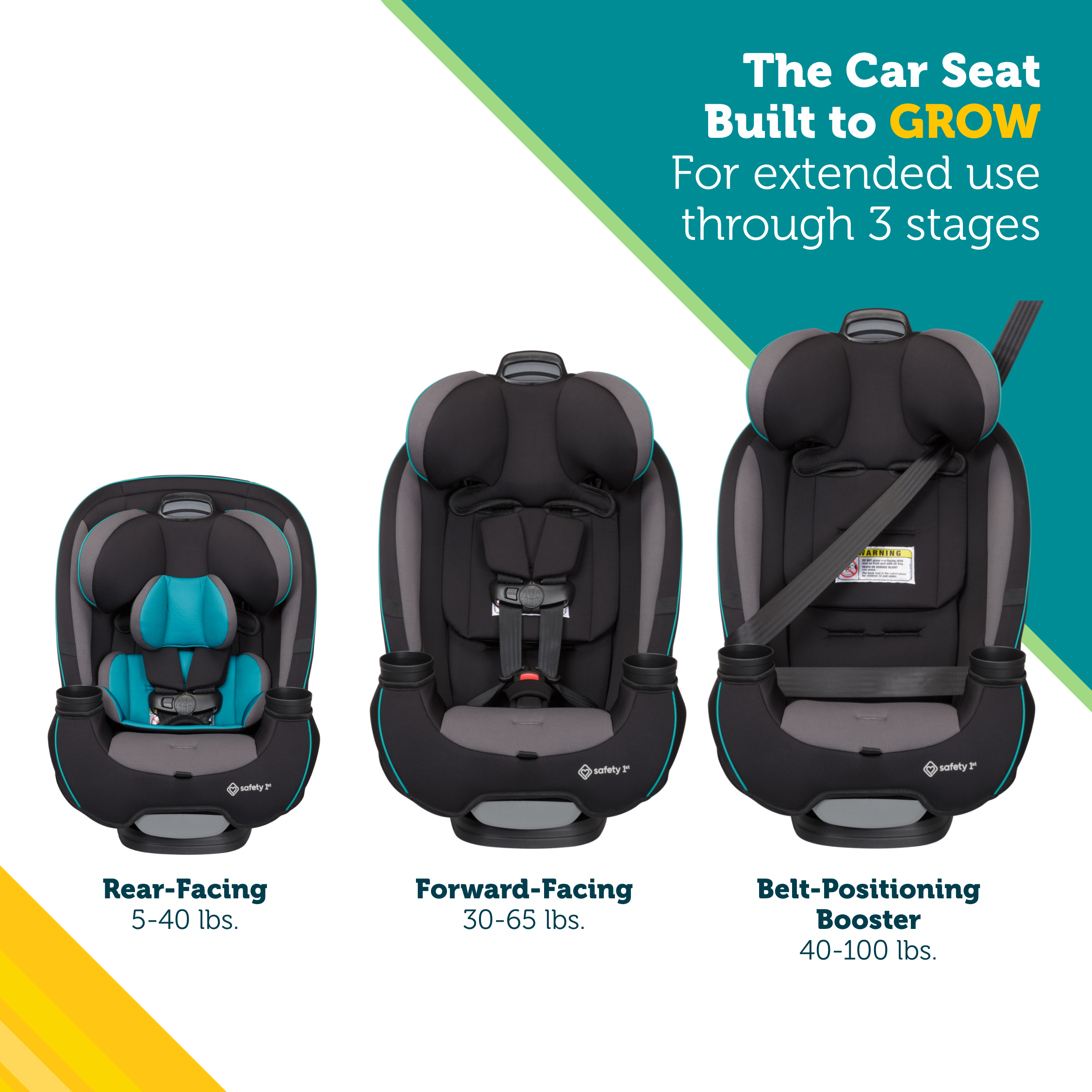
Age, height, and weight recommendations for rear facing vs forward facing car seat safety
General guidance
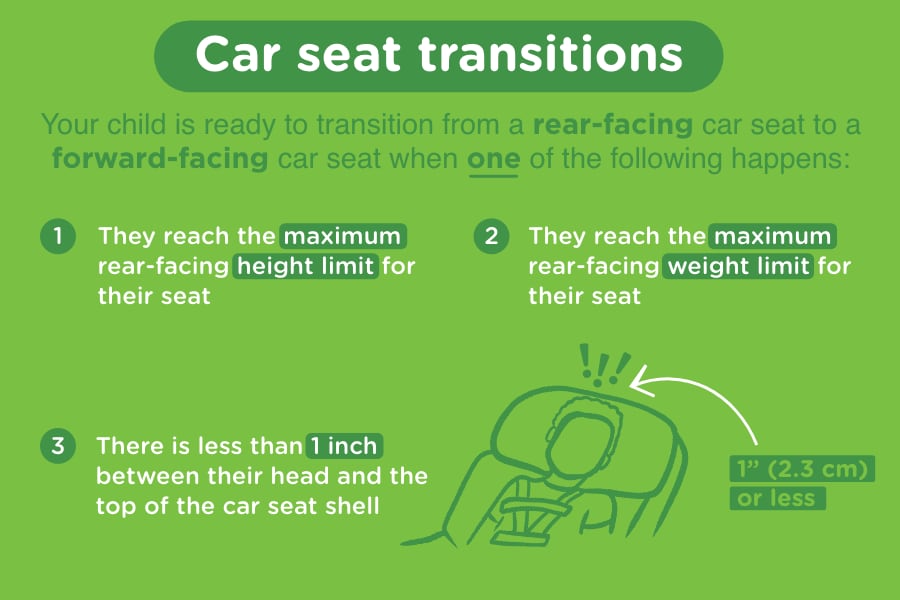
- Keep children rear-facing as long as possible, until they outgrow the rear-facing height or weight limit of their convertible or infant seat.
- Many seats accommodate rear-facing up to 40–50 pounds or more. Check your seat’s manual.
Typical milestones
- Infants: Always start rear-facing in a properly installed rear-facing infant carrier.
- Toddlers: Stay rear-facing through toddler years if the seat allows. Most experts advise until at least age 2, but many children are safer rear-facing until 3 or 4.
- Older toddlers: Switch to forward-facing only when the seat’s rear-facing limits are reached.
Quick checklist before switching
- Check the seat’s rear-facing max weight and height.
- Confirm the child’s shoulders are below the top rear-facing harness slots.
- Ensure the seat fits your vehicle properly in rear-facing mode.
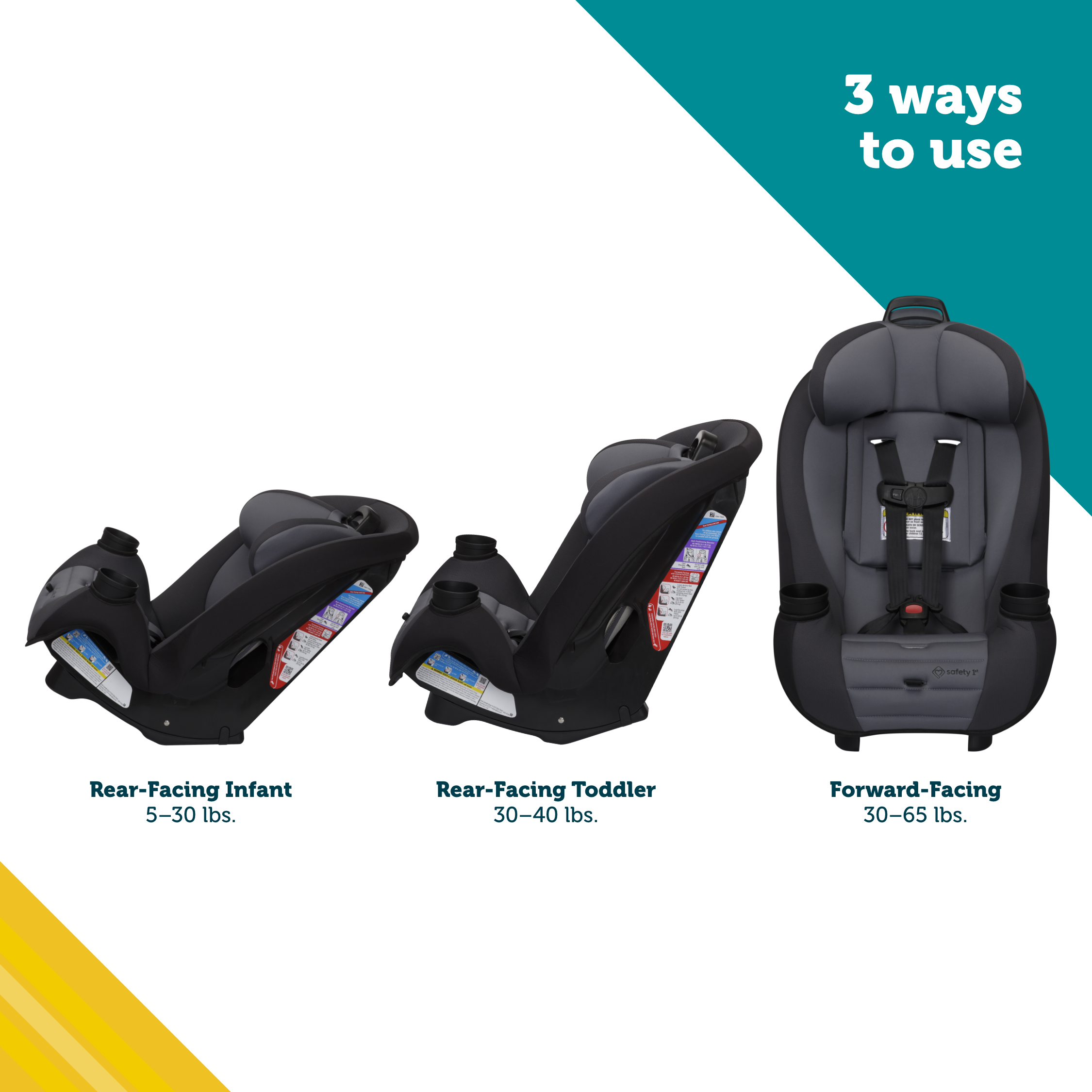
When to switch from rear facing to forward facing
A safe transition requires three checks
- Seat limits: Confirm the child exceeds the rear-facing height or weight in the manual.
- Harness fit: Shoulders should be at or below the rear-facing slot before switching.
- Vehicle fit: The seat must install tightly and sit at the correct recline angle in the new mode.
Step-by-step transition
- Read the car seat manual for exact limits and instructions.
- Measure the child’s height and weight.
- Inspect harness slot placement and harness routing for forward-facing mode.
- Install forward-facing using the vehicle’s belt or LATCH and attach the top tether.
- Do a tightness and wobble check; the seat should move less than an inch at the belt path.
Safety tip: Don’t switch based on age alone. Use the seat limits as the final authority.
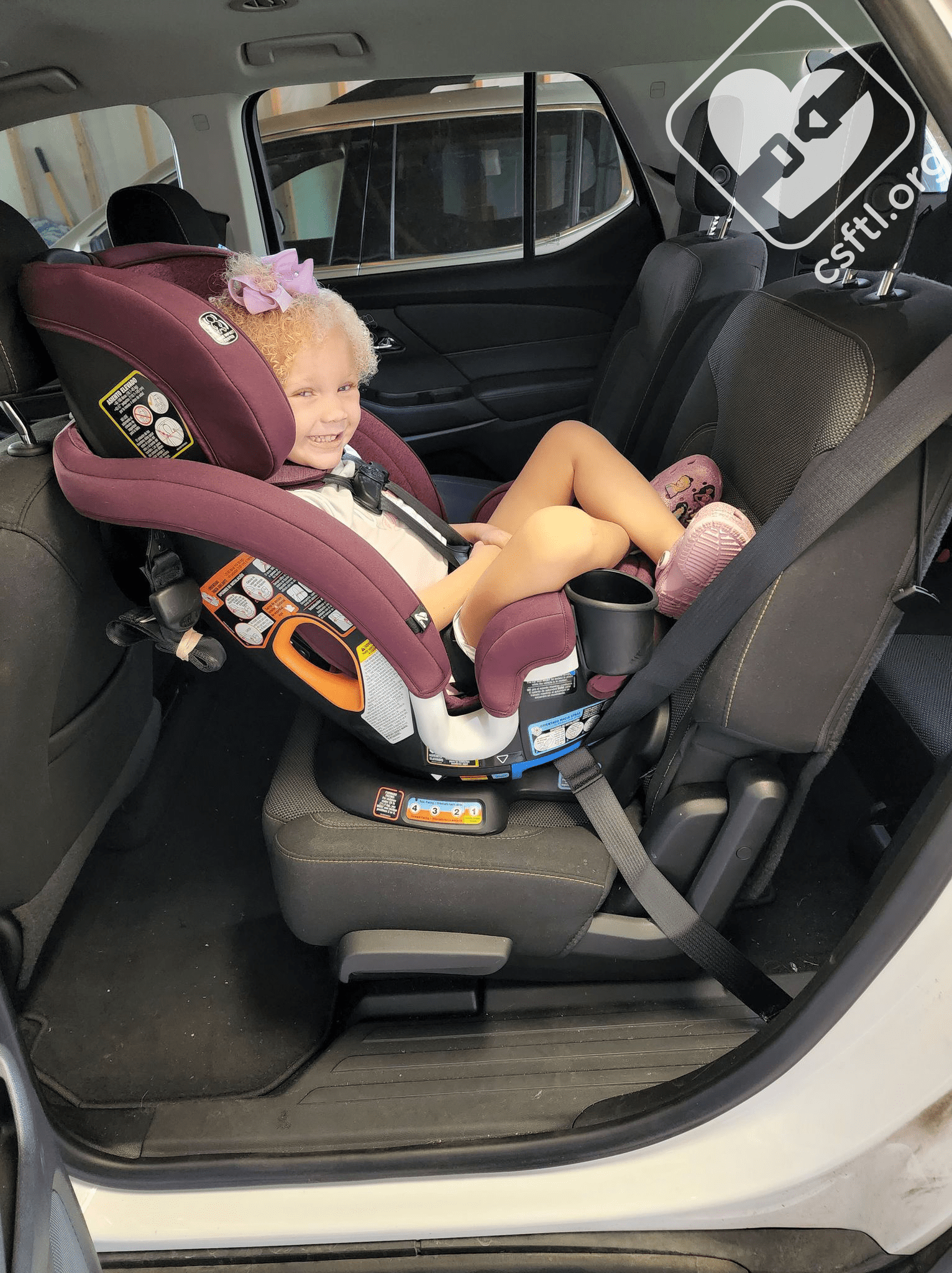
Installation tips and common mistakes in rear facing vs forward facing car seat safety
Top installation tips
- Tight installation: The seat should not move more than 1 inch side-to-side at the belt path.
- Correct angle: Many rear-facing seats need a specific recline angle to keep the airway open.
- Harness snugness: Two fingers should be able to fit at the collarbone for forward-facing, and the harness should lie flat.
Common mistakes to avoid
- Switching to forward-facing too early because the child looks uncomfortable.
- Using the wrong belt path for the mode (rear vs forward).
- Loose installation or improper top tether use in forward-facing mode.
- Loose chest clip placement or harness routed incorrectly.
Inspection routines
- Check your seat every month for tightness and correct harness routing.
- Register the seat with the manufacturer to get recall notices and updates.
Personal note: I once saw a forward-facing installation where the tether was not used. In a minor crash, the head moved far forward. That was a powerful reminder to always attach the tether and to check installation regularly.

Pros and cons: rear facing vs forward facing car seat safety
Benefits of rear-facing
- Best protection for head, neck, and spine in frontal crashes.
- Forces are spread over a wide area of the child’s body.
- Lower rates of severe injury for infants and toddlers.
Limitations of rear-facing
- Less legroom for taller toddlers (but legs can bend; this is not a safety problem).
- Some caregivers find it harder to place the child in deeply rear-facing seats.
Benefits of forward-facing
- Easier to get children in and out for some vehicle setups.
- Suitable when a child has outgrown rear-facing limits.
Limitations of forward-facing
- Higher risk of neck and spinal loading in a crash compared with rear-facing.
- Requires correct top tether use; improper use reduces effectiveness.
Balanced view: The safety advantage of rear-facing is clear. Still, forward-facing has a role when seat limits are reached and the forward-facing installation is correct.
Personal experience, lessons learned, and practical tips
What I’ve learned from inspections and real families
- Families who keep children rear-facing longer rarely regret it. The inconvenience is small compared to safety benefits.
- A convertible seat that accommodates extended rear-facing simplifies decisions and reduces early switches.
- Practice installing your seat at home until you can do it confidently in under 10 minutes.
Real-life tips
- Use a mirror to see infants when rear-facing. It reduces the impulse to switch early.
- Keep the harness snug and chest clip at armpit level.
- Join a car seat check event or have a certified technician inspect your installation.
Mistakes I made and corrected
- Mistake: Relying on vehicle seat belts without checking the routing. Fix: Always follow the car seat manual and test tightness.
- Mistake: Switching at age 2 because of pressure from family. Fix: I reversed early switches when we confirmed the child still fit rear-facing limits.
People also ask about rear facing vs forward facing car seat safety
How long should a child stay rear-facing?
- Aim to keep a child rear-facing until they reach the seat’s rear-facing weight or height limit. Many children can stay rear-facing until age 2 to 4 depending on the seat.
Will rear-facing cause leg injuries?
- No. Legs bending or touching the vehicle seat are normal and do not increase injury risk. The spine and head protection far outweigh leg position concerns.
Is it safe to use LATCH rear-facing?
- Yes, LATCH is safe when used within weight and installation limits. Follow both vehicle and car seat manuals for weight limits and when to switch to the vehicle belt.
Frequently Asked Questions of rear facing vs forward facing car seat safety
What is the main benefit of rear-facing seats?
Rear-facing seats protect a child’s head, neck, and spine by distributing crash forces across the back. This lowers the risk of severe injury in frontal impacts.
At what age can I switch to forward-facing?
Age is not the only factor. Switch when the child exceeds the rear-facing height or weight limits in the car seat manual and when the harness slots indicate it’s time.
How do I check if a car seat is installed tightly enough?
Push at the belt path; the seat should move less than 1 inch side-to-side. Also check the recline angle and harness snugness.
Do forward-facing seats require a tether?
Yes. The top tether reduces forward head movement and is required for proper forward-facing installation in most cases.
Can I leave a child rear-facing in a booster seat?
No. Boosters are for children who outgrow forward-facing harness seats and are too large for harnesses. Boosters do not provide the same restraint as harnessed seats.
What if my child hates being rear-facing?
Use a mirror, sing, or offer a toy to distract them. Consider a seat with more room for longer rear-facing. Safety should guide the decision, even if it’s less convenient.
How often should I inspect my car seat?
Inspect monthly for tightness, wear, and correct harness routing. Also recheck after long trips or car maintenance.
Conclusion
Rear facing vs forward facing car seat safety comes down to protecting the most vulnerable parts of a young child during a crash. Rear-facing seats offer superior protection for head, neck, and spine and should be used until a child outgrows the rear-facing limits of the car seat. Install seats tightly, keep the harness correct, and switch only when the seat and the child’s measurements require it.
Takeaway: Keep children rear-facing as long as their seat allows. Inspect installations regularly and seek hands-on help if you’re unsure. Share your questions or experiences in the comments, subscribe for updates, or schedule a local car seat check to stay confident and safe.

Sophia Linda, a proud mother of three and founder of BestBabyCart, combines real parenting experience with expert knowledge of baby products. She understands the joys and challenges of raising little ones and is dedicated to guiding parents with trusted tips, honest reviews, and practical advice to make every stage of parenthood easier and more joyful.