Herobility Anti-Colic Baby Bottles 12 fl: Best for Gas-Prone Toddlers
#4
HerobilityBottom air valve
7.2OUT OF 10
Nipple feel7.5
Ease of cleaning6.8
Flow control7.4
Owner verdict7.0
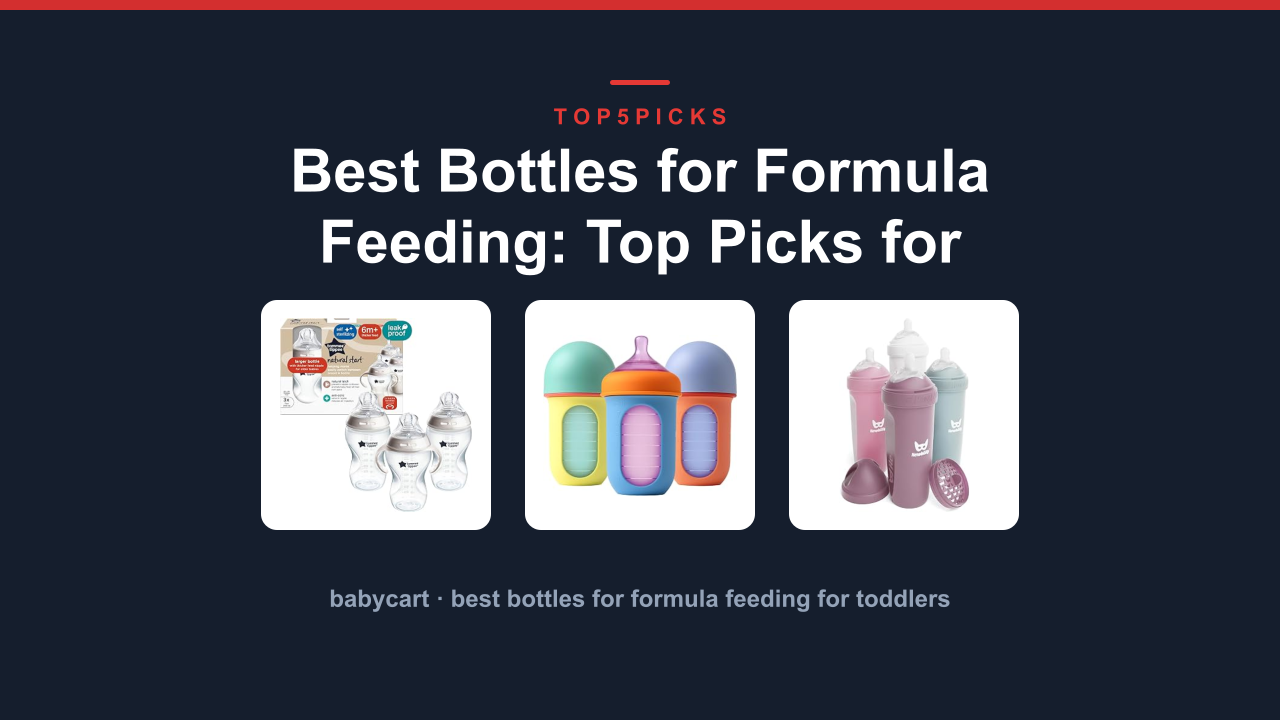
This is the only bottle here with a bottom-mounted air valve designed specifically for colic-prone toddlers. The anti-colic system sits at the base rather than in the nipple, which means milk flows directly past your child’s mouth while air travels downward away from the swallow zone. Verified buyer reports consistently note fewer tummy troubles and less gas during and after feeds compared with traditional vented bottles.
The 12-flush pack gives you four bottles in different colors, making it easy to assign each one to a different caregiver or location. The breast-shaped teat works well for babies who have been primarily breastfed, while the slow-flow nipple controls speed for toddlers who tend to gulp and choke. Assembly is straightforward, though the bottom valve does require occasional removal for thorough cleaning.
Flaws but not dealbreakers. The bottom air valve mechanism can collect formula residue if not disassembled and scrubbed after each use. Some buyers report that the valve seal loosens over time, which can occasionally cause minor leaking at the base. The multi-colored design is cute but limits options if you prefer neutral tones for daycare drop-offs.
If your main concern is minimizing gas and colic symptoms, this is a strong choice. For easier cleaning and a simpler design, consider the
Philips Avent Natural instead, even though it lacks the dedicated anti-colic valve.
⚠Maintenance: The bottom air valve requires regular disassembly and cleaning to prevent residue buildup. Replace the valve seal every few months if you notice leaking.
Pros
- ✓Bottom-mounted air valve reduces gas and colic symptoms by directing air away from the swallow path
- ✓Four-count multi-color pack lets different caregivers claim their own bottle
- ✓Breast-shaped teat helps transitioning breastfed babies accept the bottle
- ✓Slow flow rate prevents gulping and choking in fast-feeding toddlers
Cons
- ✕Bottom valve requires frequent disassembly and thorough cleaning to prevent buildup
- ✕Valve seal can loosen over time, causing occasional leaking at the base
- ✕Multi-colored design may not suit neutral preferences for daycare settings
Valve design
Bottom anti-colic
Best for: Toddlers who struggle with gas, colic, or finishing feeds without swallowing excess air.
Tommee Tippee Natural Start Baby Bottles: Best for Thicker Formula Blends
#5
TommeeThicker feed formula
7.8OUT OF 10
Nipple feel8.0
Ease of cleaning7.5
Flow control8.2
Owner verdict7.5
This variant is specifically engineered for toddlers who drink thicker formula blends or specialized nutritional mixes. The nipple flow rate is calibrated slower than standard versions, which prevents thick formula from shooting out too quickly and overwhelming your child. Verified buyers working with reflux formulas, iron-fortified blends, or pediatrician-recommended thickeners consistently report better feeding experiences.
The 11-ounce capacity matches the standard Natural Start line, so switching between regular and thicker formula blends is seamless. Your toddler gets the same natural teat shape that makes this brand popular, just with a flow rate adjusted for denser liquids. This consistency matters when you are managing multiple feeding schedules throughout the day.
Flaws but not dealbreakers. If your toddler drinks standard thin formula, this slower flow might frustrate them by extending feeding time unnecessarily. The thicker liquid also means the nipple can clog more easily if not cleaned immediately after each use. Some parents find themselves washing the nipple more frequently than with standard formula types.
If your child uses thickened feeds or has reflux issues, this variant deserves serious consideration. For everyday standard formula, the
original Tommee Tippee Natural Start at the top of this list gives you the same teat design with a more versatile flow rate.
⚠Formula compatibility: This slower-flow nipple is designed for thicker blends. Standard thin formula may take longer to feed and could frustrate faster-feeding toddlers.
Pros
- ✓Slower flow rate prevents thick formula from shooting out too quickly
- ✓Same natural teat shape as the original Natural Start for consistent acceptance
- ✓11-ounce capacity works for both regular and specialized thicker blends
- ✓Ideal for toddlers with reflux or pediatrician-recommended thickeners
Cons
- ✕Slower flow frustrates toddlers drinking standard thin formula
- ✕Thick formula increases risk of nipple clogging if not cleaned promptly
- ✕Requires more frequent washing compared to standard formula use
Flow type
Thicker feed formula
Best for: Toddlers requiring thickened formula blends or managing reflux with pediatrician-approved thickness adjustments.
Buying Guide: Teat Shape, Flow Rate, Cleaning Complexity and Value
Choosing the right bottle for formula feeding involves more than picking the cheapest option. The products in this guide span different teat designs, flow rates, and cleaning requirements, each serving distinct toddler needs. Understanding these differences helps you match the right bottle to your child's feeding style.
Teat Shape Matters More Than You Might Think
The first decision involves whether your toddler accepts bottles that mimic breastfeeding or prefers a standard round nipple. Teat shape affects how naturally your child latches and how much air they swallow during feeds. A wider, flatter teat like the Tommee Tippee Natural Start creates a more natural latch pattern.
Round nipples like some Philips Avent variants work differently and may require adjustment periods.
Your toddler's history influences this choice significantly. Babies who have breastfed successfully often prefer wider, breast-like teats. Those who have only used bottles may not care as much about the shape distinction.
The key is watching your child's response during the first few feeding attempts rather than assuming shape alone determines acceptance.
Flow Rate Determines Feeding Speed and Comfort
Flow rate controls how quickly formula exits the nipple. Slow-flow nipples suit younger babies or children who gulp and choke easily. Fast-flow options work better for confident drinkers who finish feeds quickly.
Medium flow rates provide a middle ground for most toddlers between six and eighteen months.
The Herobility bottles feature slow-flow nipples designed for toddlers prone to gas and colic. The Philips Avent Natural comes in fast-flow for steady drinkers. Choosing the wrong flow rate causes frustration on both sides.
Your toddler fights the bottle if flow is too slow, or chokes and swallows air if flow is too fast. Match the flow rate to your child's actual feeding behavior, not their age alone.
Cleaning Complexity Affects Daily Routine Sustainability
Some bottles clean themselves almost effortlessly. Others require disassembly, specialized brushes, and patience. The Philips Avent Natural stands out with its one-piece vent system and wide neck.
You can push a brush through quickly and rinse thoroughly. The Boon Nursh silicone bottle offers similar simplicity with fewer parts to manage.
The Tommee Tippee Natural Start demands more attention. The wide teat requires careful cleaning between layers. The bottom valve on Herobility bottles needs periodic removal and scrubbing.
If you already juggle countless baby essentials and bottle drying rack decisions, adding complex cleaning routines compounds the stress. Choose a cleaning level your daily reality can sustain long-term.
Value Consists of More Than Purchase Price
The initial cost represents only part of the equation. Durability, replacement part availability, and how long your toddler actually uses the bottle factor into true value. A cheaper bottle that breaks in weeks or gets rejected entirely wastes money faster than a premium option that lasts months.
The Boon Nursh silicone bottles cost more per unit but offer durability advantages for sensitive toddlers. The multi-count Herobility packs deliver more bottles upfront for families managing multiple feed locations.
Consider how long your toddler will rely on bottles before transitioning to cups. The pull-up diapers checklist process often runs parallel to bottle weaning. If you plan to phase out bottles within six months, investing heavily in a premium system may not make sense.
Match your purchase to your timeline.
To see how these factors play out on real picks, compare the Tommee Tippee Natural Start Baby Bottles, Boon Nursh Silicone Baby Bottles and the Herobility Anti-Colic Baby Bottles 12 fl reviewed above.
Who Should NOT Buy Best Bottles for Formula Feeding for Toddlers
Formula bottles serve specific needs that not all toddlers share. Before investing in any option below, consider whether your situation actually requires a bottle or if alternative feeding methods better match your child's development stage.
You Need to Transition Away From Bottles Soon
Toddlers older than eighteen months are often ready to move toward open cups and straw trainers. The American Academy of Pediatrics recommends starting cup introduction around six months and phasing out bottles by twelve to fifteen months. If your child is approaching two years old, a bottle investment may shorten its useful life considerably.
Instead of bottles, focus on transitioning to sippy cups and open vessels that support oral motor development. Sprinkle training cups, straw lids, and weighted cups give toddlers practice with coordination and independence. The skills built through cup drinking prepare children for school-age hydration habits far better than extended bottle dependence.
Your Toddler Already Refuses All Bottles
Some toddlers reject bottles entirely regardless of brand or design. They may prefer cups, syringes, or finger feeding depending on their sensory preferences and oral development. Forcing bottle acceptance through expensive purchases rarely succeeds and can create negative associations around mealtime.
If refusal persists, consult a pediatric feeding specialist rather than buying additional bottles. Occupational therapists and speech-language pathologists specialize in oral motor challenges and can identify whether sensory issues, tongue tie restrictions, or developmental delays underlie the rejection. The right professional guidance saves money and reduces family stress far more than trying another bottle brand.
You Are Managing Multiple Feeding Locations Without Support
Bottles require cleaning supplies, drying space, and ongoing supply chains for nipples and replacements. Daycare centers, grandparents' homes, and parental workplaces each need matching bottles and accessories to maintain consistency. Without organized systems, bottles become another source of logistical stress.
Consider whether a bottle drying rack setup or simplified feeding system might reduce your burden. Pre-measured formula packets, single-use liners, or cup-based alternatives eliminate washing requirements entirely. Sometimes the best bottle strategy involves reducing bottle frequency rather than optimizing bottle selection.
Final Verdict
The Tommee Tippee Natural Start earns the top spot because it solves the hardest problem most families face: getting a bottle accepted by a toddler who already has opinions about feeding. Its breast-like teat design receives consistent praise across verified buyer reviews, and the 11-ounce capacity handles full feeds without frequent refills. The slower flow rate also reduces air swallowing, which helps toddlers with sensitive tummies.
Want easier cleaning and dishwasher-friendly simplicity instead? The Philips Avent Natural with its one-piece vent system and wide mouth makes daily washing nearly effortless. Trade the breast-like feel for convenience, and you get a bottle that stays clean with minimal effort.
Need something gentle for tactile-sensitive toddlers? The Boon Nursh silicone offers a soft, squeezable body that stands upright on any surface. The muted sound and flexible texture appeal to children who react strongly to hard plastic bottles, even if the smaller capacity requires more frequent refills.
Facing gas and colic struggles? The Herobility anti-colic bottles with bottom-mounted valves redirect air away from swallowing. Four-count multi-color packs let different caregivers claim their own bottle, reducing mix-ups during busy routines.
Just commit to cleaning the valve mechanism regularly.
For toddlers using thickened formula blends or managing reflux, the thicker-feed Tommee Tippee variant provides calibrated slower flow that prevents overwhelming your child. Stick with the original Natural Start for standard formula unless your pediatrician recommends thickness adjustments.
Before purchasing any bottle, revisit the Who Should NOT Buy section to confirm bottles match your toddler's actual needs rather than assumptions about what they should need. The right feeding tool supports your child's development stage and your family's daily reality.
FAQ
What's the best bottles for formula feeding for toddlers overall?
The Tommee Tippee Natural Start earns the highest recommendation for most families due to its breast-like teat design that promotes faster acceptance. Verified buyers consistently report that toddlers transition from breast to bottle with fewer refusals compared to standard round nipples. The 11-ounce capacity and slower flow rate also reduce air swallowing during feeds.
Which bottle is easiest to clean?
The Philips Avent Natural stands out with its one-piece anti-colic vent system and wide neck design. No separate valve gaskets or hidden seams trap milk residue. A quick rinse under warm water often suffices for maintenance cleaning, and the smooth interior walls allow scrub brushes to glide through without catching.
Do silicone bottles last longer than plastic ones?
Silicone bottles resist cracking and chemical leaching better than plastic over time. However, soft silicone surfaces are vulnerable to punctures from toddler teeth, especially as chewing skills develop. Plastic bottles like the Tommee Tippee and Philips Avent options withstand dental nicks better but may need replacement sooner due to wear patterns around the neck threads.
How do I know if my toddler needs an anti-colic bottle?
Signs include frequent spitting up during or after feeds, drawing legs up during feeding sessions, excessive gas passing, and prolonged fussiness that resolves after burping. If your toddler exhibits these patterns consistently, an anti-colic design with directed air channels may help. Consult your pediatrician first to rule out medical causes beyond normal feeding mechanics.
When should I transition my toddler away from bottles?
Most pediatric guidelines suggest introducing cups around six months and phasing out bottles between twelve and fifteen months. Some toddlers naturally lose interest earlier, while others resist transition longer. Watch for signs your child prefers cups, such as reaching for your drink or mimicking cup use.
Extended bottle dependence beyond twenty-four months can affect dental development and oral motor skills.
Taslima Khanam Sultana, a loving mom of three, founded BestBabyCart.com to help new parents navigate the world of baby products with ease. Her passion for making parenting simpler shines through delivering honest, unbiased reviews on must-haves like diapers, strollers, and feeding gear. Taslima’s mission is to empower families with expert tips, ensuring every product is safe and top-quality for your little one. Drawing from her own parenting journey, she’s dedicated to supporting yours!
Advertisement
Advertisement