

Are you wondering if bumper pads in your baby’s crib are actually safe? You’re not alone.
Many parents face this tough choice: should you use them to protect your little one or avoid them to keep your baby safe? Bumper pads might seem like a cozy shield, but could they be putting your child at risk?
Before you make a decision, it’s important to know the facts and what experts say. Keep reading to discover the truth about bumper pads and how to create the safest sleep space for your baby.
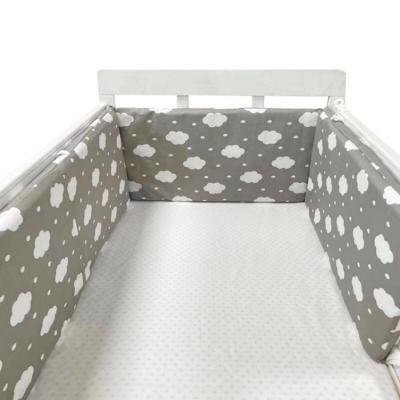
Credit: www.cpsc.gov
Risks Of Using Bumper Pads
Bumper pads in cribs may seem soft and safe. Yet, they bring serious risks that every parent should know. These risks can affect a baby’s health and safety during sleep or play time. Understanding these dangers helps caregivers make safer choices.
Suffocation Hazards
Bumper pads can block a baby’s nose and mouth. Babies cannot move easily if their face is pressed against soft padding. This can stop them from breathing. Suffocation is a major danger linked to bumper pads.
Strangulation Risks
Strings or ties used to attach bumper pads can cause strangulation. Babies may get tangled or caught in these ties. This risk increases as babies become more active and try to move around.
Climbing And Entrapment Dangers
Bumper pads can give babies a foothold to climb. This raises the risk of falls out of the crib. Also, gaps between pads can trap a baby’s limbs or head. Entrapment can cause injury or panic.
Regulations And Guidelines
Regulations and guidelines guide parents and caregivers on safe crib use. They focus on reducing risks linked to bumper pads. These rules evolve as new research emerges. Understanding these standards helps keep babies safe during sleep.
Current Safety Standards
Many countries ban or limit crib bumper pads. Safety groups warn against using soft bedding in cribs. Cribs must meet strict rules on spacing and materials. These rules aim to prevent suffocation and injuries. Products failing these standards are not sold legally.
Recommendations From Pediatric Experts
Doctors advise against bumper pads in cribs. They say bumpers can block airflow or cause overheating. Experts promote using only a firm mattress and fitted sheet. They stress creating a clear and safe sleep space. These tips help reduce sudden infant death risks.
Changes In Legislation Over Time
Over years, laws have grown stricter on crib bedding. Some states have banned all crib bumpers. New rules require clear labeling on bedding products. Lawmakers respond to studies linking bumpers to accidents. These changes protect babies and guide parents better.
Alternatives To Bumper Pads
Choosing safe options for your baby’s crib is very important. Bumper pads can be risky and may cause harm. Luckily, there are safer alternatives that help protect your baby and keep the crib comfortable. These options reduce dangers while keeping your baby cozy and secure during sleep.
Breathable Mesh Liners
Breathable mesh liners offer a safer alternative to traditional bumper pads. They allow air to flow freely, reducing the risk of suffocation. These liners create a soft barrier that cushions your baby from crib slats. The mesh material helps keep your baby cool and comfortable all night long.
Adjusting Crib Setup
Adjusting the crib setup can also help keep your baby safe. Ensure the mattress fits snugly with no gaps around the edges. Remove pillows, blankets, and toys that could block breathing. Position the crib away from windows and cords to avoid accidents. A simple, clear crib is the safest space for your child.
Using Sleep Sacks And Proper Bedding
Sleep sacks replace loose blankets and keep babies warm and secure. These wearable blankets reduce the risk of suffocation and overheating. Use a firm mattress with a fitted sheet made for your crib size. Avoid soft bedding like quilts or pillows that can cause danger. Sleep sacks and proper bedding make a safe, cozy sleep environment.
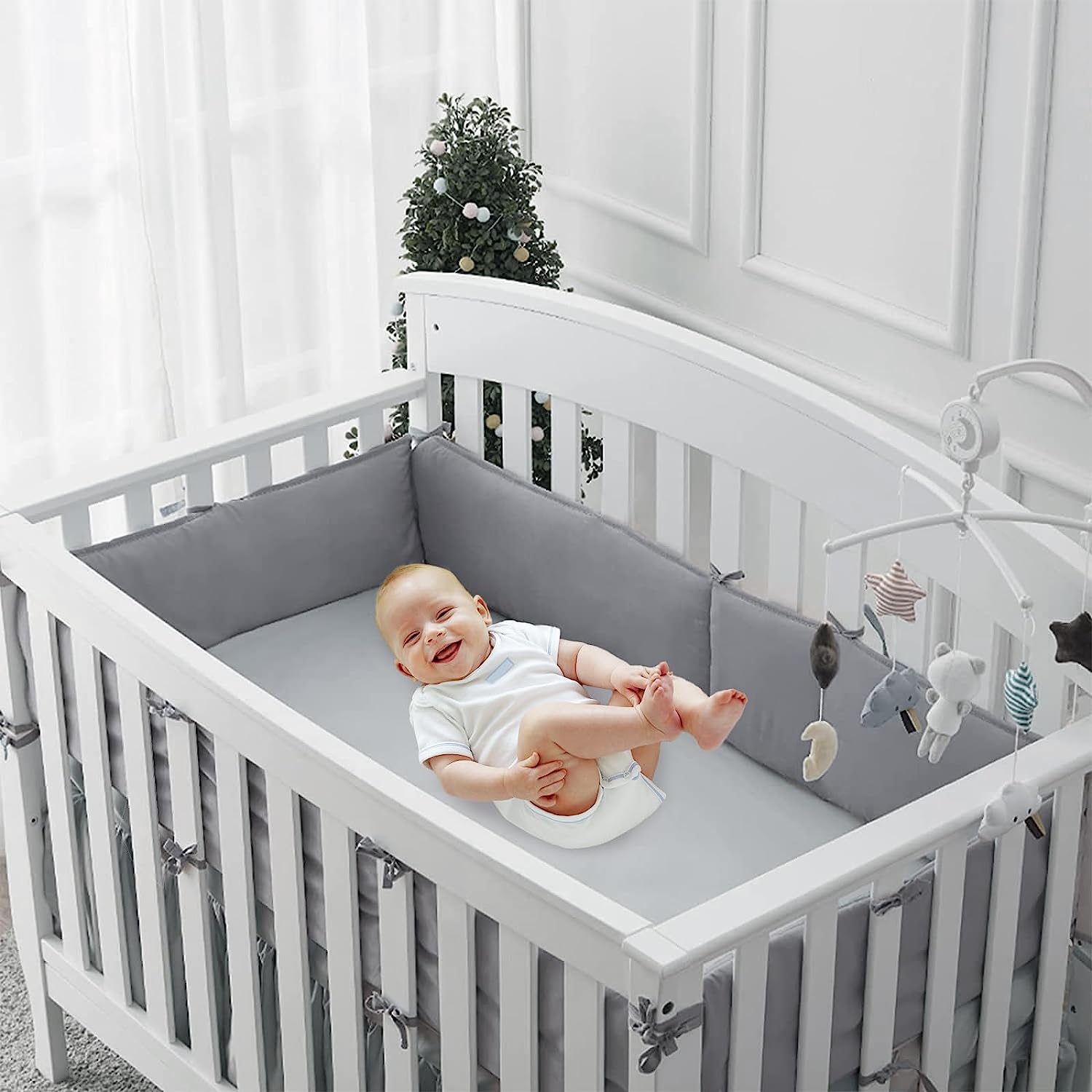
Credit: maiamidwifery.com
Signs Of Unsafe Crib Conditions
Unsafe crib conditions can put your baby at risk. Knowing the signs helps protect your child. Watch the crib closely for any hazards. Small problems can become big dangers fast.
Check the crib often. Look for anything that looks worn or loose. Notice how your baby moves inside the crib. Make sure the mattress fits tightly. These steps keep the crib safe and secure.
Identifying Loose Or Worn Materials
Loose fabrics can wrap around a baby’s neck. Worn bumper pads may tear or come apart. Check all crib sides for frayed edges or holes. Remove anything that looks weak or unsafe. Replace damaged items quickly to avoid accidents.
Monitoring Baby’s Movements
Babies move a lot during sleep. They can push against crib sides or bump into objects. Watch for signs your baby gets stuck or trapped. Notice if your baby tries to climb or lift bumpers. Adjust or remove items that block safe movement.
Ensuring Proper Mattress Fit
A mattress that fits poorly creates gaps. Babies can slip into these spaces and get trapped. Check that the mattress fills the crib frame exactly. No space should be larger than two fingers wide. A snug mattress supports safe sleep and comfort.
Parental Experiences And Opinions
Parents often share mixed feelings about using bumper pads in cribs. Their experiences help others understand the real impact of these products. Some parents feel bumper pads add comfort and style. Others worry about safety risks. Personal stories reveal the balance between worries and benefits.
Common Concerns And Misconceptions
Many parents fear bumper pads can cause suffocation or entrapment. Some believe bumpers protect babies from hitting crib bars. Others think they prevent limbs from getting stuck. These ideas cause confusion. Safety warnings and recalls increase parental anxiety. True risks depend on the type and installation of bumpers.
Balancing Safety With Aesthetics
Parents want cribs to look cozy and inviting. Bumper pads often add color and softness. Some find plain cribs too cold or harsh. Choosing bumpers that are breathable and low profile helps. Many parents pick designs that match nursery themes. The goal is a safe and attractive sleep space.
Expert Advice Vs. Personal Choice
Doctors and safety groups often advise against bumper pads. Their advice focuses on reducing risks of accidents. Parents weigh this advice against their own needs and experiences. Some reject bumpers completely, others use them carefully. Personal choice depends on trust, research, and comfort level.
:max_bytes(150000):strip_icc()/GettyImages-959323176-8da00d39d05d40bb8e9b9ebe65094d9c.jpg)
Credit: www.parents.com
Frequently Asked Questions
Are Bumper Pads Safe For Newborn Cribs?
Bumper pads are generally not safe for newborn cribs. They pose suffocation and strangulation risks. Experts recommend using bare cribs to ensure baby safety and reduce Sudden Infant Death Syndrome (SIDS) risks.
Why Do Experts Advise Against Crib Bumper Pads?
Experts advise against bumper pads due to suffocation, entrapment, and strangulation hazards. These risks outweigh any benefits, making bare cribs safer for infants. Using breathable mesh or no padding is recommended instead.
What Alternatives Exist To Crib Bumper Pads?
Safe alternatives include breathable mesh liners or simply using a bare crib. These options reduce injury risks while keeping the crib comfortable. Always follow updated safety guidelines when choosing crib accessories.
Can Bumper Pads Increase Sudden Infant Death Syndrome Risk?
Yes, bumper pads can increase SIDS risk by limiting airflow and causing overheating. Removing them helps create a safer sleeping environment for babies. Always prioritize safety-approved sleep surfaces.
Conclusion
Bumper pads may look cozy but can pose risks for babies. Experts warn about suffocation and strangulation dangers. Safe sleep means a bare crib with a firm mattress. Keep toys and pillows out to prevent accidents. Always choose products that meet safety standards.
Parents should focus on comfort without risking safety. Remember, a safe crib helps your baby sleep better. Trust simple, proven ways to protect your little one. Safety first, always.

Emma Grace is a devoted mother and passionate content writer at BestBabyCart.com. With firsthand parenting experience and a love for research, she creates helpful guides and honest reviews to support parents in choosing the best for their babies. Her goal is to make parenthood easier, one article at a time.