
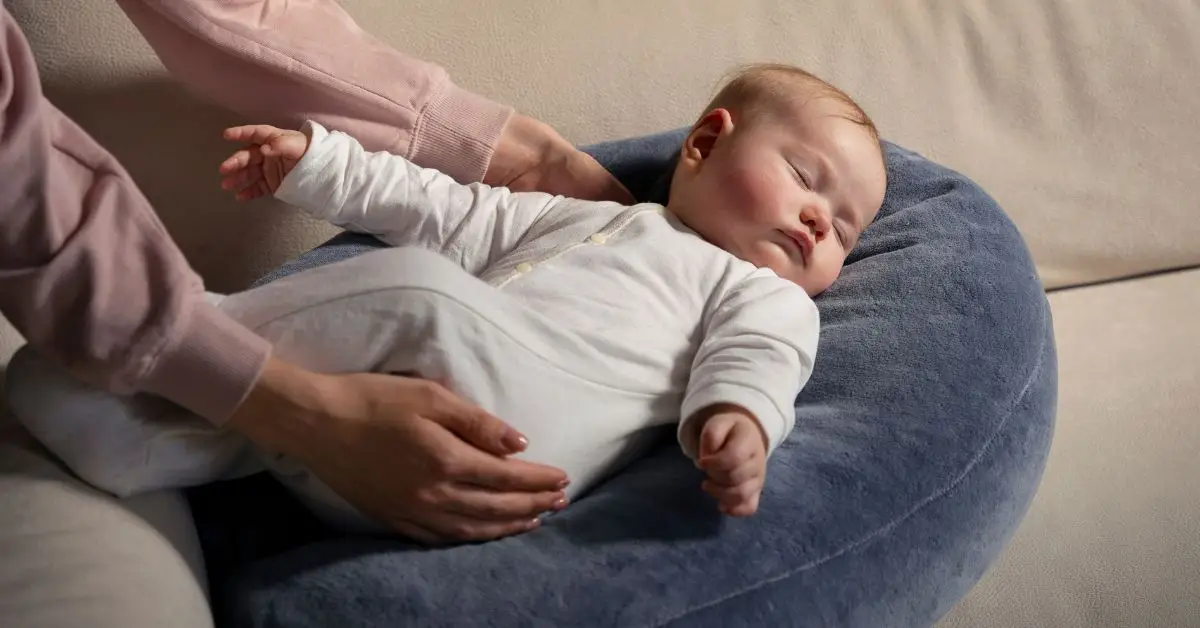
A baby nap schedule guide can feel daunting. Babies have unique sleep needs that change as they grow.
Welcome, tired parents! If you’ve ever felt like nap time is a battleground, you’re not alone. A fussy, overtired baby can turn your day upside down, leaving you wondering how to bring back the peace. The good news? A well-crafted baby nap schedule can be your secret weapon for better sleep, for both your little one and you. As a parent, you deserve rest too, and with the right guidance, you can create a baby sleep routine that works wonders.
In this comprehensive guide, we’ll walk you through age-specific nap schedules, expert tips to establish a routine, and creative ideas to make nap time a breeze. Whether your baby is a newborn or a toddler, we’ve got you covered with proven strategies backed by sleep experts. Let’s dive in and transform those restless days into peaceful naps!
Why Is a Nap Schedule Important for Babies?
Naps aren’t just a luxury—they’re a necessity for your baby’s growth and your sanity. Here’s why a nap schedule should be at the top of your parenting toolkit:
- Brain and Body Boost: Sleep supports cognitive development, memory, and physical growth. The American Academy of Pediatrics highlights that naps enhance learning and emotional regulation in babies.
- Mood Magic: A well-rested baby is less cranky, making playtime and bonding more enjoyable for everyone.
- Nighttime Harmony: Consistent naps prevent overtiredness, which can lead to nighttime waking or shorter sleep cycles.
- Parent Perk: Predictable nap times give you a chance to recharge, work, or simply enjoy a quiet cup of coffee.
Without a schedule, your baby might miss these benefits, leading to a cycle of exhaustion. Let’s explore how to tailor a nap plan to your baby’s age.
Age-Specific Baby Nap Schedule Guidelines
Every baby is unique, but general guidelines can help you build a foundation. Here’s a detailed breakdown by age, based on expert recommendations:
Newborns nap tips (0-3 Months)
- Nap Frequency: 4-5 naps per day
- Nap Duration: 30 minutes to 2 hours
- Total Nap Time: 4-6 hours
- Wake Windows: 45-60 minutes
- Insight: Newborns sleep 14-17 hours total, including naps, but their patterns are erratic. Watch for sleepy cues like yawning or glazed eyes to guide nap times.
Infants (4-6 Months)
- Nap Frequency: 3-4 naps per day
- Nap Duration: 1-2 hours
- Total Nap Time: 3-4 hours
- Wake Windows: 1.5-2 hours
- Insight: As your baby’s circadian rhythm develops, aim for naps around 9 AM, 12 PM, and 3 PM. Flexibility is key as they adjust.
Older Infants (7-12 Months)
- Nap Frequency: 2-3 naps per day
- Nap Duration: 1-2 hours
- Total Nap Time: 2-3 hours
- Wake Windows: 2-3 hours
- Insight: Most babies drop to 2 naps by 9 months. Schedule a morning nap (9-10 AM) and an afternoon nap (1-2 PM) to align with their energy dips.
Toddlers (1-2 Years)
- Nap Frequency: 1-2 naps per day
- Nap Duration: 1-3 hours
- Total Nap Time: 1-3 hours
- Wake Windows: 4-5 hours
- Insight: By 15-18 months, most toddlers’ nap schedules settle into 1 nap around 12-1 PM. Ensure it doesn’t push bedtime too late (aim for 7-8 PM).

Image: Follow this age-specific guide to create the perfect nap schedule for your baby!
Expert Tips for Creating a Better Baby Nap Schedule
Building a nap schedule takes patience, but these expert tips will guide you every step of the way. Let’s make naptime a success!
Watch for Sleepy Cues
Timing naps around your baby’s natural sleepiness is crucial. Missing the window can lead to overtiredness, making naps harder to achieve.
- How to Spot Cues: Look for yawning, eye-rubbing, fussiness, or staring off into space.
- Action Plan: Track wake windows for a few days (e.g., 45 minutes for newborns) and start the nap routine when cues appear.
- Emotional Note: It’s okay if you miss a cue sometimes—parenting is a learning curve, and you’re doing great!

Create a Calming Pre-Nap Routine
A predictable routine signals to your baby that sleep is near, reducing resistance and building trust.
- Routine Ideas: Dim the lights, sing a lullaby, read a short book, or offer a gentle cuddle.
- Duration: Keep it 5-10 minutes to maintain consistency without overstaying.
- Expert Backing: The Sleep Foundation notes routines help babies associate actions with sleep.
Need soothing ideas? Check out Expert Tips to Soothe a Fussy Baby.
Set Up an Ideal Sleep Environment
A nap-friendly space can make or break your schedule. Create a haven for rest.
- Essentials: Use blackout curtains, maintain 68-72°F, and add a white noise machine.
- Product Tip: A sleep sack keeps your baby cozy without loose blankets.
- Emotional Touch: This quiet space can become your baby’s safe retreat—watch their little face relax as they drift off!

Be Consistent but Flexible
Consistency builds habits, but flexibility keeps you sane as your baby’s needs evolve.
- How to Apply: Stick to nap times within a 15-30 minute window, adjusting for growth spurts or travel.
- Parent Tip: If a nap is missed, offer a shorter “power nap” (20-30 minutes) to avoid a meltdown.
Limit Nap Length to Protect Nighttime Sleep
Overlong naps can disrupt nighttime rest, creating a vicious cycle.
- Guideline: Cap naps at 2 hours for babies under 6 months and 3 hours for toddlers, unless catching up on sleep.
- Action: Gently wake your baby if needed, using a soft voice or light touch.
Internal Link: Balance naps and nights with our Guide to Understanding Your Baby’s Sleep Schedule.
Use a Sleep Training Method (If Needed)
If naps are a struggle, gentle sleep training can help you develop self-soothing skills.
- Methods: Try the “chair method” (sit near the crib, gradually move away) or “Ferber method” (timed check-ins).
- Caution: Avoid before 4-6 months—younger babies need hands-on comfort.
- Support: This step can feel tough, but you’re giving your baby a gift of independence!
Read more in this Study on Infant Sleep Interventions.
Transition Naps Thoughtfully
As your baby grows, they’ll need fewer naps. Handle transitions with care.
- Signs to Watch: Nap resistance or shorter naps signal a transition (e.g., 3 to 2 naps at 6-9 months).
- Strategy: Shift remaining naps earlier and adjust bedtime. Offer “quiet time” with books if needed.
The “Nap Time Kit”
Take naps on the go with a “Nap Time Kit”—a portable solution for consistent sleep anywhere. Include a white noise machine, a favorite blanket, a pacifier (if used), and a mini book. Pack it in a cute bag for travel or daycare. This kit ensures your baby’s routine stays intact, giving you peace of mind.
Nap Schedule for Babies Checklist
Ensure nap success with this practical checklist:
[xyz-ihs snippet=”baby-nap-schedule-checklist”]
Impact On Growth
Sleep plays a vital role in physical growth. During naps, the body releases growth hormones. This process supports healthy weight and height gain. Quality sleep also strengthens the immune system. A well-rested baby can fight off illnesses more effectively. Nap time supports both physical and mental growth.

Newborn Sleep Cycles
Newborns sleep a lot. Usually, they rest for 14 to 17 hours a day. Their sleep cycle is shorter, around 50 to 60 minutes. During this time, they move between active and quiet sleep. Active sleep involves rapid eye movements and light sleep. Quiet sleep is deep and restful. Newborns need frequent naps due to their short sleep cycles.
Changes Over Time
As babies grow, their sleep patterns change. By three months, they start developing longer sleep cycles. They may sleep for 60 to 90 minutes at a stretch. These changes help in establishing a more predictable nap schedule. By six months, many babies sleep for 6 to 8 hours at night. Naps become more structured, usually two or three times a day. Understanding these changes helps you adapt your nap schedule effectively.
FAQs About Baby Nap Schedules
How do I know if my baby is ready to drop a nap? Look for nap resistance, shorter naps, or difficulty falling asleep at bedtime. Most babies drop from 3 to 2 naps at 6–9 months and from 2 to 1 nap at 15–18 months.
What if my baby won’t nap at the scheduled time? Shorten the wake window or adjust the schedule by 15–30 minutes. Ensure a calming environment and routine to help them settle.
Can I let my baby nap in a stroller or car seat? Occasionally, yes, but avoid regular use. The AAP recommends a flat, firm surface like a crib for safety during longer naps.
How long should a baby nap at 6 months? At 6 months, expect 3–4 naps totaling 3–4 hours, with each nap lasting 1-2 hours. Adjust based on their nighttime sleep.
What if my baby wakes up early from a nap? If they wake after less than 45 minutes, soothe them back to sleep with rocking. If it’s consistent, they may need a longer wake window.
want to know more about new parenting pls click our FAQ’s
Conclusion: Better Sleep Starts with a Nap Schedule
Creating a baby nap schedule is a journey of love and patience, and it’s one of the best gifts you can give your child—and yourself. With these expert tips, from watching sleepy cues to building a Nap Time Kit, you’ll unlock the secret to better sleep for your little one. Every nap is a step toward a happier, healthier baby, and you’re doing an amazing job navigating this process.
Ready to explore more parenting wisdom? Dive into our Baby Care section for additional tips and product recommendations.

Taslima Khanam Sultana, a loving mom of three, founded BestBabyCart.com to help new parents navigate the world of baby products with ease. Her passion for making parenting simpler shines through delivering honest, unbiased reviews on must-haves like diapers, strollers, and feeding gear. Taslima’s mission is to empower families with expert tips, ensuring every product is safe and top-quality for your little one. Drawing from her own parenting journey, she’s dedicated to supporting yours!